

Health
20 Women Had Breasts Removed Unnecessarily During NHS Cancer Treatment
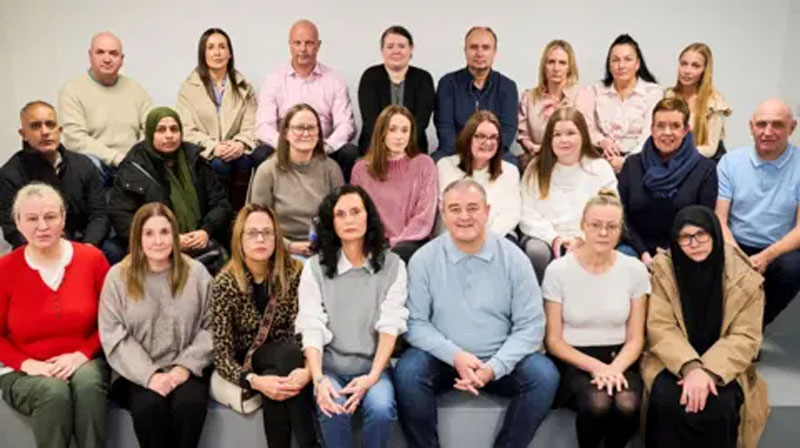
20 Women Had Breasts Removed Unnecessarily During NHS Cancer Treatment
Twenty women underwent unnecessary mastectomies while receiving breast cancer care at an NHS trust in north-east England, while hundreds of other patients have been found to have suffered varying degrees of harm, according to an ongoing review.
The cases are linked to the County Durham and Darlington NHS Foundation Trust (CDDFT), which has been investigating serious concerns surrounding its breast services and the treatment of patients over several years.
The trust is currently reviewing breast cancer cases handled between January 2023 and February 2025, alongside cases involving 640 former patients who contacted a dedicated support helpline after concerns about their care emerged.
Figures released as part of the review show that hundreds of cases have already been assessed, with hundreds of patients found to have suffered some level of harm. The review has also identified cases in which breast cancer diagnoses were missed or delayed, allowing the disease to progress in some instances.
The trust has confirmed that 20 women underwent mastectomies that were not necessary, while a wider group of patients experienced excessive surgery or treatment that did not conform to accepted best practice.
Board information showed 32 cases involving excessive surgery, including mastectomies, with the trust subsequently confirming that 20 of those cases involved unnecessary mastectomies.
A further 38 cases involved treatment that was not aligned with best practice. These included unnecessary surgery for benign conditions, failure to offer immediate breast reconstruction in appropriate cases and the use of outdated practices that resulted in harm.
The review has also identified about 20 cases involving delayed diagnosis, a problem that can have serious consequences because breast cancer may progress while treatment is delayed.
The findings have raised questions about clinical decision-making, patient consent, multidisciplinary review and the systems that should have identified inappropriate treatment before patients underwent major procedures.
A Royal College of Surgeons review previously identified outdated practices within the breast surgery service and found evidence of excessive or unnecessary surgery in some cases.
READ ALSO:
- Xenophobia: FG Brings 33 More Nigerians Home From South Africa
- Falconets Thrash England 3-0, Face Colombia in U-20 World Cup Quarter-Finals
- Replace Fuel Subsidy With Vehicle Credit to Drive Mobility, Jobs,LCCI, Ilekuba tell FG
It also found that some patients were not offered all available treatment options, including neoadjuvant therapy and breast reconstruction.
Concerns were further raised about the trust’s multidisciplinary team arrangements, which are intended to allow surgeons, radiologists, pathologists and other specialists to jointly assess cancer cases before treatment decisions are made.
The review identified weaknesses in those arrangements, including insufficient peer review and challenge to support collective decision-making.
The trust’s chief executive, Steve Russell, has apologised to patients and their families, acknowledging that the organisation failed people who placed their trust in its breast services.
Russell said the trust recognised the profound impact of the failures and accepted that there were opportunities when it should have listened more carefully and acted sooner.
One of the women affected is Denise Howarth, 51, from Consett in County Durham, who was diagnosed with stage-one breast cancer in February 2023.
Howarth initially underwent a lumpectomy and removal of lymph nodes before being told at a follow-up review that she still needed a mastectomy.
She subsequently underwent the breast-removal operation and later received chemotherapy and radiotherapy.
In September 2025, however, the trust contacted her and told her that the mastectomy had not been necessary.
Howarth said the revelation left her shocked and devastated because she had trusted medical professionals to make the correct treatment decisions.
She has described the loss of her breast and the subsequent discovery that the surgery was unnecessary as life-changing, saying the experience severely affected her confidence.
Another affected woman, identified as Jo, also described the emotional impact of learning that her mastectomy could have been avoided.
She said further screening and biopsies could have established that areas of concern were benign and that the small cancer detected in her breast could have been treated without removing the entire breast.
The cases have prompted calls for a broader independent investigation.
Rachel O’Connor of Hudgell Solicitors, which represents some affected patients, has called for a public inquiry, arguing that the scale and duration of the problems warrant further examination.
The trust is also cooperating with Durham Police, which is investigating allegations arising from former patients’ experiences and examining whether any criminal offences may have occurred.
The National Crime Agency has also been involved in the investigation into allegations surrounding the breast service.
The clinical leadership of the service has come under scrutiny as part of the wider investigation.
The trust has confirmed that consultant Amir Bhatti, who served as its clinical lead for breast services from 2013 to 2024, currently has restrictions on his clinical practice while an internal investigation continues.
The trust has also faced questions about previous arrangements under which significant sums were paid to privately operated breast cancer diagnostic and surgical services associated with Bhatti.
A previous governance review raised concerns that outsourcing arrangements could create financial incentives that posed risks to clinical standards.
The trust has since made significant changes to its breast service.
These include the appointment of two new specialist oncoplastic breast surgeons, the introduction of experienced external specialist leadership, stronger clinical oversight and a requirement for patients to be discussed by a full multidisciplinary team.
The trust says care is now based on current national guidance and that its breast assessment clinics and imaging services have been improved.
A dedicated breast pain clinic has also been introduced, while additional specialist radiology expertise and upgraded breast-imaging facilities have been provided.
According to the trust, the changes are producing measurable improvements.
The proportion of women requiring a mastectomy has fallen to around the national average, while immediate breast reconstruction rates have tripled.
The trust also says the need for a second operation to completely remove a cancer has been cut by half.
More than 80 per cent of patients now undergo surgery as day cases, while fewer patients require diagnostic surgery.
More than one-third of cancer operations now use advanced oncoplastic breast surgery techniques, which can combine cancer treatment with techniques aimed at preserving or improving the appearance of the breast.
Despite the changes, the trust acknowledges that rebuilding confidence among patients will take time.
The review of previous care is continuing, and the organisation says patients whose records raise concerns will be contacted directly and offered appropriate information, clinical care and support.
The next major development is expected on September 24, when the trust’s board will meet publicly to decide the future scope and timeframe of the review.
The board will consider whether the investigation should be expanded to cover thousands of additional patient cases dating back to 2015.
No final decision had been made on the proposed expansion before the meeting.
The trust has also kept its dedicated patient support line and email service open for former patients who have concerns about their breast care.
The unfolding investigation has raised wider questions about NHS patient safety, breast cancer treatment, clinical governance, informed consent and medical accountability.
For the women who have been told that major surgery could have been avoided, however, the consequences are permanent.
The central questions now facing investigators and health authorities are how inappropriate treatment decisions were made, why existing safeguards did not prevent them, whether warning signs were missed and how many additional patients may have been affected.
With the review still underway and the possibility of expanding it to cases dating back to 2015, the full scale of the NHS breast care failures may not yet be known.
20 Women Had Breasts Removed Unnecessarily During NHS Cancer Treatment








Health
WHO Declares Nigeria Ebola-Free, 52 Contacts Remain Under Surveillance

WHO Declares Nigeria Ebola-Free, 52 Contacts Remain Under Surveillance
The World Health Organisation has declared Nigeria free of active Ebola cases after the evacuation of country’s lone confirmed patient to Switzerland.
Health authorities however continue to monitor 52 contacts to prevent a possible spread of the deadly disease.
The WHO Regional Director for Africa, Dr Mohamed Janabi, announced this in a statement posted on his verified X handle on Monday, confirming that Nigeria would retain responsibility for monitoring 52 contacts, while Switzerland would take over the patient’s continued medical care and follow up with her husband.
Janabi said the patient was clinically stable after Nigerian medical teams successfully managed her through the acute phase of the illness and stabilised her condition before her evacuation.
“Nigeria is now Ebola-free following the evacuation of the index patient to Switzerland,” he said.
He added that Nigeria would maintain close follow-up of the 52 contacts, while Switzerland would assume responsibility for the continued management of the patient and the monitoring of contact number 53, her husband.
The development follows an earlier confirmation by the Nigeria Centre for Disease Control and Prevention that the country had recorded an imported Ebola case involving a patient from Uganda.
Following the confirmation, the NCDC placed 53 contacts under surveillance in Abuja as part of measures to track possible exposure and prevent further transmission.
Although the evacuation of the patient has removed the confirmed case from Nigeria, health authorities are expected to sustain surveillance of the identified contacts in line with established public health protocols.
The monitoring exercise remains critical to ensuring that any potential emergence of symptoms among those exposed is detected promptly and managed appropriately.
Ebola is a severe and often fatal disease that can spread through direct contact with the blood and other bodily fluids of an infected person or someone who has died from the disease.
Public health authorities typically rely on early detection, contact tracing, isolation and appropriate medical care to contain outbreaks and prevent further transmission.
With the index patient now receiving continued care in Switzerland, Nigeria’s immediate focus remains on monitoring the 52 contacts and ensuring that the outbreak does not lead to further infections.
Health
NAFDAC Busts Illegal Herbal Factory in Lagos, Arrests Manager Over Fake Registration Number
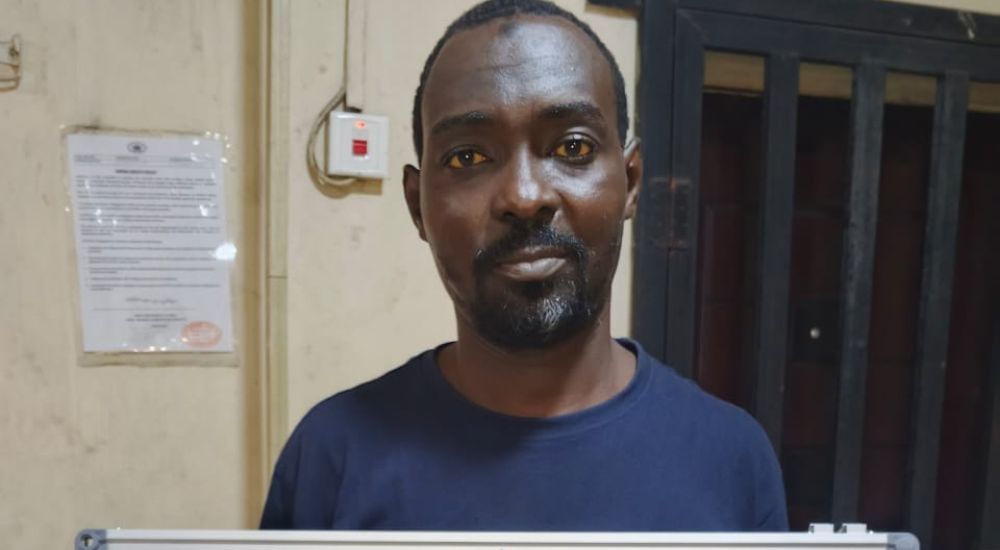
LAGOS — The National Agency for Food and Drug Administration and Control (NAFDAC) has uncovered a suspected illegal herbal product manufacturing facility in Agege, Lagos State, and arrested its manager over the alleged use of a falsified registration number on herbal products.
The agency disclosed the development on Wednesday, October 21, 2026, following an investigation triggered by a report published by The Guardian on October 10 concerning herbal products allegedly carrying fake NAFDAC registration numbers.
According to NAFDAC, its investigative team conducted surveillance before discovering three variants of Asheitu Adams Bitters bearing registration number A7-1827L.
However, checks through the agency’s NAFDAC Automated Product Administration and Monitoring System (NAPAMS) revealed that the registration number belonged to Greentol Cough Syrup, rather than the herbal bitters.
The agency said the discovery confirmed the fraudulent use of the registration number on the products.
During the operation, the company’s managing director and chief executive officer was reportedly absent, while the manager was arrested for further interrogation as investigations continued.
The Sun identified the arrested manager as 39-year-old Abdullazeez Saidu from Kano State. NAFDAC had not announced any court charges against him as of Wednesday.
READ ALSO:
- NELFUND Warns Schools: Student Loans Are Voluntary, Not Compulsory
- ‘I Never Asked Them to Abandon Loved Ones’ — Obi Clarifies Diaspora Remarks
- FG Confirms Ebola Case in Abuja, Identifies 44 Contacts
The agency urged members of the public to provide credible information about suspected illegal manufacturing activities to help strengthen enforcement efforts and protect consumers from potentially unsafe products.
NAFDAC provided the following channels for reporting suspected violations: its call centre numbers, 0800-1-623322 and 0700-1-623322, and the email address reforms@nafdac.gov.ng.
The discovery comes amid a series of enforcement operations by the agency against suspected counterfeit and adulterated products in Lagos and other parts of the country.
On October 14, NAFDAC reported uncovering a suspected facility at the International Trade Fair Complex in Lagos where expired alcoholic and non-alcoholic beverages were allegedly being repackaged for sale. The agency also reported seizures of suspected counterfeit alcoholic drinks in other operations.
The latest operation highlights concerns about the misuse of regulatory registration numbers, which consumers often rely on when assessing whether products have been registered for sale in Nigeria.
NAFDAC has repeatedly urged consumers to verify product registration details and report suspicious products or manufacturing activities.
The agency’s investigation into the Agege facility is ongoing, and further details about the products recovered, their distribution and any potential health effects have not been publicly disclosed.
NAFDAC Busts Illegal Herbal Factory in Lagos, Arrests Manager Over Fake Registration Number
Health
FG Confirms Ebola Case in Abuja, Identifies 44 Contacts

FG Confirms Ebola Case in Abuja, Identifies 44 Contacts
The Federal Government has confirmed a case of Ebola virus disease (EVD) in the Federal Capital Territory (FCT), Abuja, after laboratory tests returned positive for a woman who recently arrived in Nigeria from Uganda.
The Coordinating Minister of Health and Social Welfare, Professor Muhammad Ali Pate, announced the development on Tuesday, October 20, 2026, saying health authorities had identified 44 close contacts and commenced contact tracing to prevent further transmission.
According to the minister, the patient was admitted to a private hospital in Abuja, where she received medical attention for several days before the infection was confirmed. She is currently in isolation and receiving medical care.
The Federal Ministry of Health and Social Welfare is coordinating the response with the Nigeria Centre for Disease Control and Prevention (NCDC), the FCT Health Services Secretariat and other relevant authorities.
Public health teams are tracing and monitoring people who may have been exposed to the patient, including healthcare workers, other patients, caregivers and people who travelled with her.
The government said surveillance had been intensified, while the hospital where the woman received treatment was receiving support to strengthen infection prevention and control measures.
The minister urged public and private healthcare facilities across Nigeria to remain on high alert and promptly identify, isolate and report suspected cases to the appropriate public health authorities.
READ ALSO:
- Breaking: Afenifere Leader Pa Fasoranti Dies at 100
- Army Major, Soldiers Killed in ISWAP Ambush in Yobe State
- Chaos in Abeokuta as Algerian Fans Attack Coach, Vandalise Stadium After Rangers Defeat
Healthcare workers were also directed to maintain strict infection prevention and control practices to reduce the risk of exposure and protect patients and medical personnel.
Pate appealed to Nigerians to remain calm, vigilant and cooperative with health officials, stressing that early detection and prompt reporting were essential to containing the infection.
He noted that Nigeria had successfully contained an Ebola outbreak in 2014 and had experience and public health systems to respond to the current situation.
The government also urged anyone contacted during the tracing exercise, including passengers who may have travelled with the patient, to provide the necessary information and comply with official public health guidance.
Ebola virus disease is a serious illness that can spread through direct contact with the blood or other body fluids of an infected person who has developed symptoms, or through contaminated objects and materials.
Symptoms may include fever, severe weakness, headache, vomiting and diarrhoea. The incubation period ranges from two to 21 days.
Anyone who believes they may have been exposed and subsequently develops symptoms should contact public health authorities for guidance and avoid close contact with others while awaiting advice.
The NCDC operates a toll-free call centre on 6232, available 24 hours a day, seven days a week, for information and reports of suspected cases.
Nigeria’s latest case comes amid a wider Ebola outbreak affecting parts of Africa, including the Democratic Republic of the Congo and countries in East Africa. The NCDC had previously warned of the risk of imported infections and strengthened national preparedness measures.
The Federal Government said investigations and contact tracing were continuing, with further updates expected through the NCDC and the Presidential Task Force on Ebola Virus Disease.
Authorities have urged the public to rely on verified information, follow official health advice and avoid spreading unconfirmed reports as efforts continue to contain the infection.
FG Confirms Ebola Case in Abuja, Identifies 44 Contacts
-

 metro3 days ago
Lami Dawa: CAN Takes 14-Year Jail Sentence to Appeal Court, Borno Govt Reacts
-
 metro2 days ago
Three Dead, Five Rescued as Two-Storey Building Collapses in Osun
-

 International2 days ago
Badenoch Rejects Slave Trade Apology, Says African Kingdoms Also Profited From Slavery
-

 metro3 days ago
Adeboye Fires Back at Journalists Over Viral Jonathan Protest Photo, Says It Was Prayer Walk
-
 Politics1 day ago
APC Dumps Adeleke’s Campaign Structure, Unveils Separate 168-Member Council in Osun
-

 metro3 days ago
Edo Youths Chase Policemen, Vigilantes From Checkpoint Over Alleged Extortion
-

 metro1 day ago
Three Homeless Men Shot Dead in Midnight Attack at Lagos Bus Stop
-

 Auto3 days ago
Nigeria’s Auto Dealers Face New Challenge as After-Sales Service Takes Centre Stage