

metro
Sanwo-Olu speaks on speculated role in Obasa’s impeachment
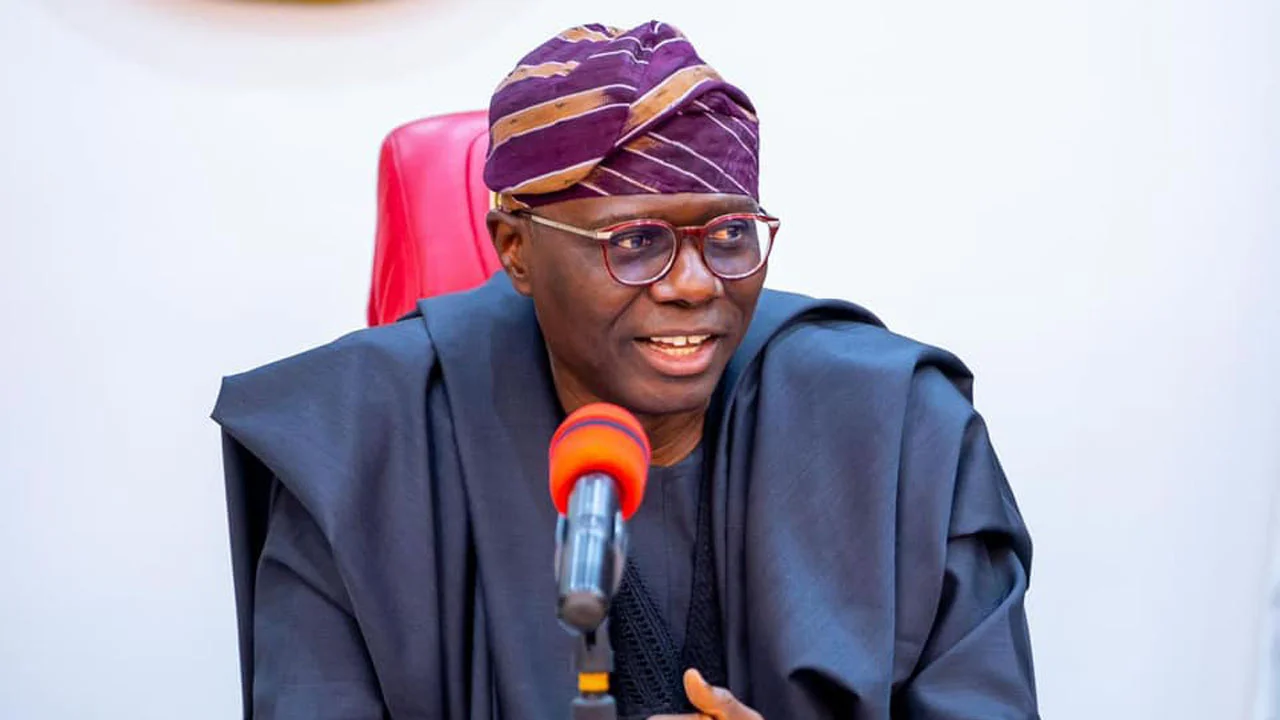
Sanwo-Olu speaks on speculated role in Obasa’s impeachment
Governor Babajide Sanwo-Olu of Lagos State has denied any involvement in the impeachment of the former Speaker of the Lagos State House of Assembly, Mudashiru Obasa.
Speaking through his Special Adviser on Media and Publicity, Mr Gboyega Akosile, Sanwo-Olu refuted claims suggesting his role in Obasa’s removal, labelling it a purely legislative matter.
“There is absolutely no truth to the rumour that the governor influenced the impeachment. It was strictly a decision made by the lawmakers,” Akosile told the News Agency of Nigeria (NAN) on Tuesday.
READ ALSO:
- New Lagos Assembly Speaker, Meranda, visits GAC
- Biden announces $770 one-time payment for Los Angeles fire victims
- Osun communities land dispute turns violent, two injured
He added, “Governor Sanwo-Olu is focused on addressing the needs of over 20 million Lagosians. What transpired in the Assembly was entirely within the prerogative of the legislators. Like everyone else, the governor witnessed the proceedings through the media.”
Obasa, who represented Agege 1 Constituency and served as Speaker since 2015, was removed during an emergency plenary session on Monday. Thirty-two out of the 40 members voted him out, citing alleged gross misconduct.
Deputy Speaker Mrs. Mojisola Meranda (APC-Apapa 1) was immediately sworn in as the new Speaker, with Mr. Fatai Adebola (APC-Ibeju Lekki 1) elected as Deputy Speaker.
The Assembly also suspended its Clerk, Mr. Olalekan Onafeko, indefinitely and dissolved all principal positions and standing committees.
Sanwo-Olu speaks on speculated role in Obasa’s impeachment









metro
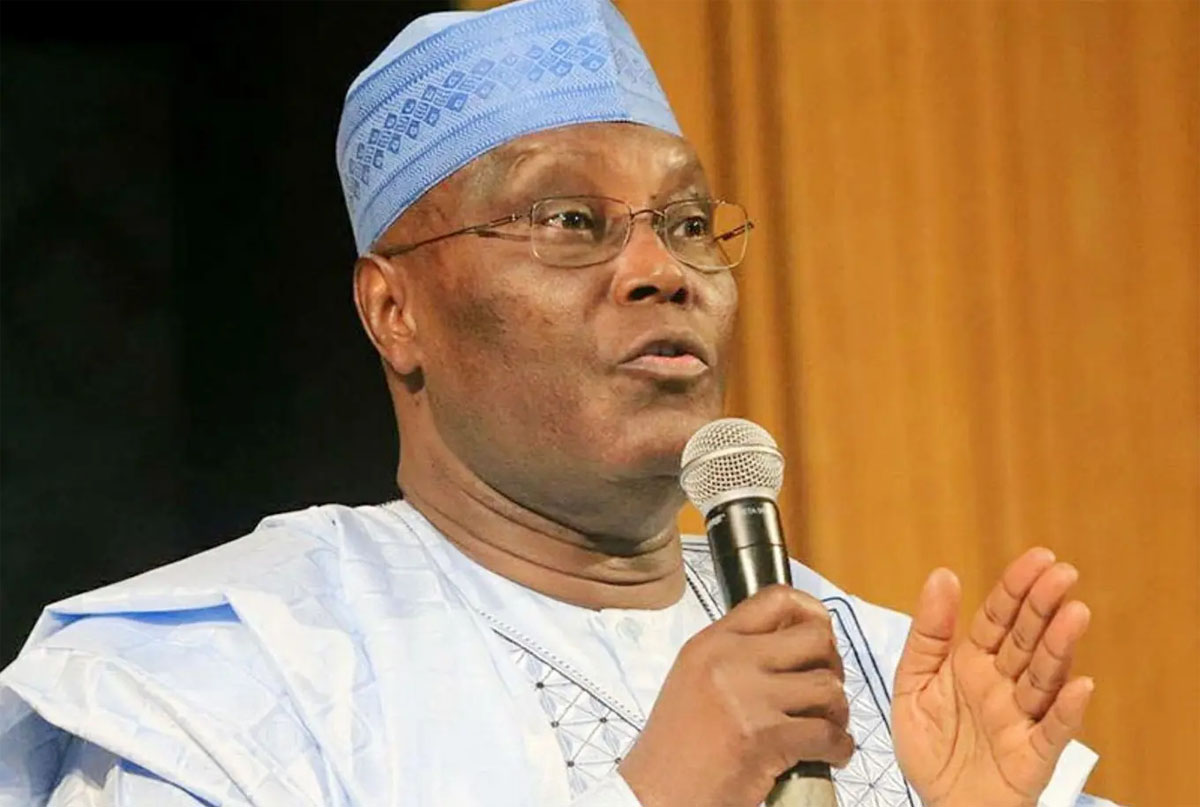
2027 Elections: Atiku Demands Names of INEC Ballot Printers, Questions Secret Contracts
2027 Elections: Atiku Demands Names of INEC Ballot Printers, Questions Secret Contracts
Former Vice-President Atiku Abubakar has challenged the Independent National Electoral Commission (INEC) to disclose the identities of companies contracted to print ballot papers and other sensitive materials for the 2027 general elections, warning that secrecy surrounding the procurement process could undermine public confidence in the polls.
Atiku, the African Democratic Congress (ADC) presidential candidate, also called on the electoral commission to explain reported changes in key departments responsible for election operations, voter registration and information technology.
The demands were contained in a statement issued on Sunday, October 11, by Phrank Shaibu, Director of Strategic Communication for the ADC Presidential Campaign Council.
Atiku urged INEC to publish the names of all companies engaged to produce sensitive election materials, the contracts awarded to them, the procurement procedures adopted and the security arrangements governing the production, storage and delivery of the materials.
He argued that Nigerians deserved verifiable information about the production of their ballots ahead of the 2027 elections, rather than having to rely on reports from unnamed sources.
The former vice-president specifically asked INEC to confirm or deny reports that Hitech, or a company associated with it, had secured a contract to print sensitive election materials.
He also raised concerns over claims that more than half of the materials, including those associated with the presidential ballot, might have been allocated to an undisclosed company reportedly based in France.
The claims have not been independently established in the reports reviewed, and the identity of the alleged foreign contractor remains unclear.
Atiku further questioned reports that the Nigerian Security Printing and Minting Plc (NSPMC) was responsible for printing election materials for only between 15 and 17 states, with private companies allegedly handling materials for the remaining states.
READ ALSO:
- ₦8.7bn Erosion-Control Budget Gap Raises Questions as Anambra Gullies Expand
- Fuel Subsidy May Ease Hardship Today, But Could Cripple Nigeria’s Economy Tomorrow — FG
- Petrol Price Hike Hits Abuja as MRS, AA Rano, Others Raise Rates Despite FG’s Discount Plan
He called on INEC to clarify the distribution of printing contracts and explain the criteria used to select contractors.
According to him, the commission should disclose the volume and type of materials assigned to each company, the procurement method used, the security clearances obtained and the safeguards designed to prevent unauthorised access, diversion or manipulation.
Atiku maintained that transparency over the production and handling of ballot papers and result sheets was essential to building public confidence in the electoral process.
He also argued that any contract involving Hitech or a company associated with it would require clear explanations from the electoral commission.
The former vice-president cited publicly reported business connections between the Chagoury family, which owns Hitech, and the family of President Bola Ahmed Tinubu. He also referred to controversies surrounding major infrastructure contracts awarded to Hitech under Tinubu’s administration, including the Lagos-Calabar Coastal Highway project.
However, the reported business connections do not establish that Hitech has received an INEC ballot-printing contract or that any electoral contract would be improperly awarded.
Atiku urged INEC to address the allegations directly, saying the commission should clearly state whether Hitech or any associated company had been selected to produce sensitive election materials.
He also called on the Central Bank of Nigeria (CBN) to disclose its banknote-printing arrangements and clarify the respective roles of domestic and foreign contractors involved in producing higher-denomination banknotes.
Beyond the printing contracts, Atiku questioned reported personnel changes in INEC’s departments responsible for electoral operations, voter registration and information technology.
According to the statement, Isa Magaji Gum was moved from the Electoral Operations Department to the Voter Registry Department, while Oluyemi Titilayo Adeyemi-Showunmi was appointed to head Electoral Operations. Lawrence Bayode was also identified as head of the commission’s Information and Communication Technology Department.
Atiku called on INEC to explain the reasons for the changes and publish the criteria used in making the appointments and redeployments.
He argued that the departments play central roles in election planning, voter administration and the deployment of technology, making transparency in their leadership important ahead of the polls.
The concerns come as political parties and other stakeholders intensify scrutiny of preparations for the 2027 general elections, with electoral logistics, the handling of sensitive materials and the independence of election officials likely to remain key issues in the run-up to voting.
INEC’s procurement and security procedures are particularly important because ballot papers, result sheets and other sensitive documents must be accounted for throughout production, storage, transportation and distribution.
Atiku urged the commission to maximise the capacity of qualified Nigerian security-printing companies while ensuring that all contractors, whether domestic or foreign, meet the necessary standards for security, quality and accountability.
He also said the ADC would monitor the commission’s preparations and bring concerns about transparency to the attention of domestic and international election observers.
The former vice-president warned against attempts to manipulate the elections, saying his party would pursue lawful democratic and civic channels to defend the integrity of the process.
The central demand from Atiku is for INEC to provide verifiable details about who is producing sensitive election materials, how the contracts were awarded and what safeguards are in place to protect the materials from unauthorised access or interference.
Whether the commission will publicly disclose the requested details, and how it will address the concerns over staff redeployments, remain important questions as preparations for the 2027 elections continue.
2027 Elections: Atiku Demands Names of INEC Ballot Printers, Questions Secret Contracts
metro
₦8.7bn Erosion-Control Budget Gap Raises Questions as Anambra Gullies Expand
₦8.7bn Erosion-Control Budget Gap Raises Questions as Anambra Gullies Expand
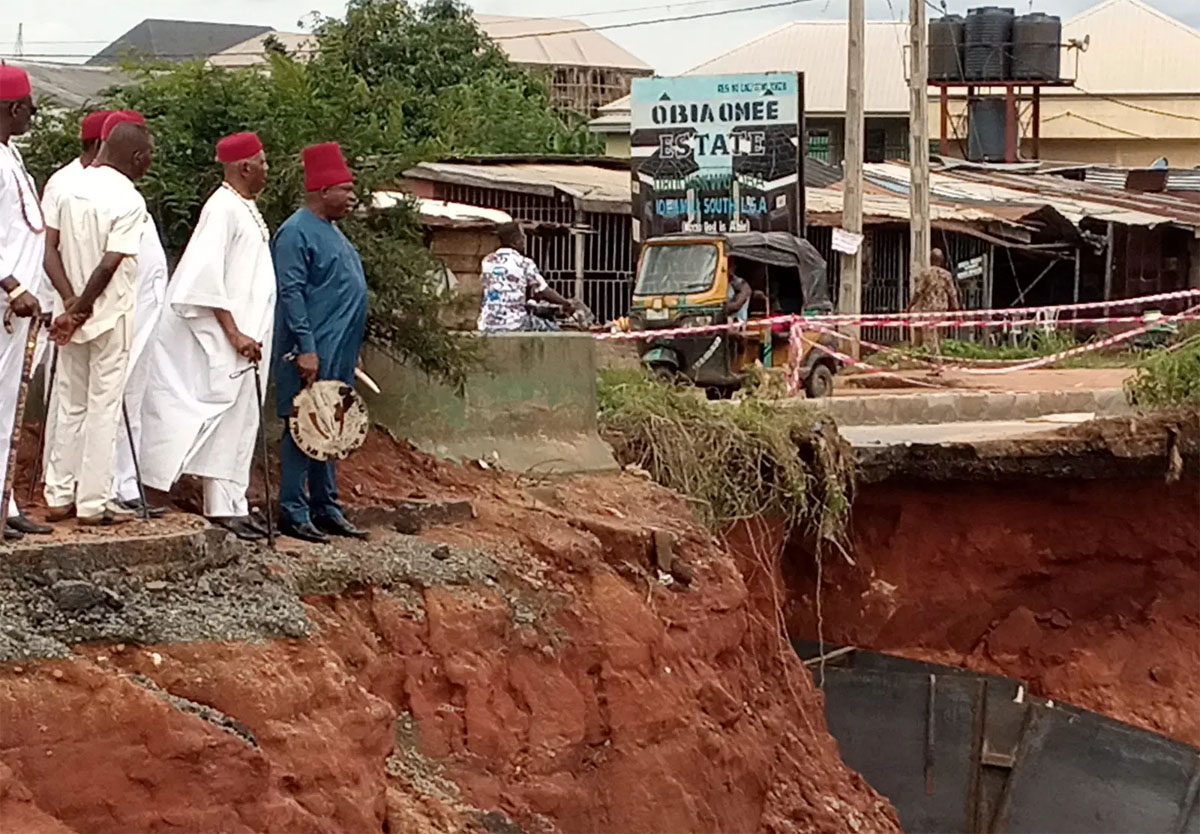
Anambra State Government recorded just ₦1.181 billion in spending on erosion and flood control against a cumulative budget of ₦9.890 billion between 2023 and June 2026, as expanding gullies and flooding continue to threaten homes, roads, farmlands and communities across the state.
The spending gap emerged from an investigation published by The Whistler on October 12, 2026, which examined ecological fund allocations, state budget implementation reports and financial statements.
The investigation also found that the Anambra State Government and its 21 local government areas received a combined ₦11.623 billion in ecological fund allocations during the period. However, this figure represents allocations to the state and local councils combined, not the amount specifically budgeted for erosion and flood control.
According to the investigation, the state government received ₦6.371 billion in ecological allocations recorded in Federation Account Allocation Committee (FAAC) disbursement data, while the 21 local government areas collectively received ₦5.251 billion.
Separately, the state government’s financial statements recognised ₦10.287 billion in ecological fund revenue over the same period, creating a difference of approximately ₦3.916 billion between the FAAC allocation figures and the revenue recognised in the state’s accounts.
The difference requires reconciliation and does not, by itself, establish that funds are missing. Differences in accounting periods, adjustments or revenue-recognition methods could affect the figures, but the available information does not establish the specific reason.
READ ALSO:
- Fuel Subsidy May Ease Hardship Today, But Could Cripple Nigeria’s Economy Tomorrow — FG
- Petrol Price Hike Hits Abuja as MRS, AA Rano, Others Raise Rates Despite FG’s Discount Plan
- Kano Police Explain Blockade of ‘Tinubu Must Go’ Meeting
The more immediate spending concern relates to the state’s erosion and flood-control budget, which recorded low expenditure despite the scale of the environmental challenges facing communities.
Between 2023 and June 2026, Anambra budgeted ₦9.890 billion for erosion and flood control but recorded expenditure of only ₦1.181 billion. This represents approximately 11.94 per cent of the cumulative budget, leaving ₦8.709 billion of the provision unspent during the period under review.
The unspent amount refers to the difference between the budget and recorded expenditure. It should not be interpreted as money confirmed to be available in government accounts or as proof that the funds were deliberately withheld.
In 2023, the state appropriated ₦1.182 billion for erosion and flood control but spent ₦348.153 million. In 2024, it budgeted ₦1.375 billion and recorded expenditure of ₦248.767 million.
The 2025 budget provided ₦2.213 billion for the same purpose, while recorded spending stood at ₦448.182 million.
For the first half of 2026, the state earmarked ₦5.120 billion for erosion and flood control but recorded expenditure of only ₦135.705 million by June 30.
The first-half spending represented approximately 2.65 per cent of the full-year allocation, leaving a difference of about ₦4.984 billion between the 2026 budget provision and recorded expenditure at the end of June.
The financial figures do not establish why spending fell below budgetary provisions. Information on fund releases, procurement, contract awards, project execution and outstanding obligations would be needed to determine whether the gap resulted from administrative delays, funding constraints or other factors.
Nevertheless, the low recorded expenditure raises questions about budget implementation, environmental investment and public accountability, particularly as residents continue to face damage from erosion and flooding.
The investigation also examined ecological allocations to local governments, which collectively received ₦5.251 billion between 2023 and June 2026.
An analysis of 11 councils showed that Idemili North received ₦339.138 million, followed by Aguata with ₦325.774 million, Anaocha with ₦266.396 million and Nnewi South with ₦251.964 million. Allocations among the councils examined ranged from approximately ₦202 million to ₦339 million.
READ ALSO:
- Xenophobia: Nigeria Evacuates 111 More Citizens From South Africa as Returnees Hit 2,037
- Russia-Ukraine Truce in Doubt as Zelenskyy Questions Trump’s Ceasefire Announcement
- Djibouti Boat Disaster: 139 Migrants Dead, Dozens Missing
However, the investigation reported difficulties in obtaining detailed explanations from local government authorities about how the allocations were managed and spent.
A senior government official, who spoke anonymously, said ecological fund receipts were not always separately identified in monthly allocations received by councils. The official also described an arrangement under which local government funds were pooled to support salaries, pensions, security and administrative expenses.
The account raises questions about the visibility of ecological allocations in council finances and the ability of residents to track expenditure on environmental projects. A complete assessment of local government spending would require detailed financial records showing the amounts received, transfers made, expenditure incurred and projects completed by each council.
Idemili North Local Government Area Mayor Standley Nkwoka argued that the allocations available to councils were insufficient to finance some of the area’s most expensive erosion-control projects.
Nkwoka said a single flood-control site in Idemili North had cost the state government at least ₦9 billion, while another phase of intervention was expected to cost about ₦15 billion.
He maintained that the council’s ecological allocation could not independently finance projects of that scale. He also identified sanitation enforcement, regular drainage cleaning, proper waste disposal and household stormwater catchment systems as measures that could help reduce flooding and erosion.
The financial scrutiny comes as Anambra continues to battle a longstanding gully erosion and flooding crisis. On August 27, 2026, Governor Chukwuma Soludo declared a state of emergency on the environment, warning that erosion, flooding and land degradation posed serious threats to the state.
Reports on the declaration said Soludo estimated that more than 30 per cent of Anambra’s landmass had been affected by erosion. He identified blocked drainage channels, construction on waterways, uncontrolled runoff, deforestation and sand mining among the factors contributing to the crisis.
The effects are felt in communities where expanding gullies threaten residential buildings, roads, farmland and other public infrastructure. Flooding can also displace households, disrupt transport and commerce, destroy agricultural livelihoods and increase the financial burden on affected residents.
The state government has called for greater community participation and stricter compliance with environmental regulations. Measures highlighted by the administration include drainage cleaning, waste evacuation and action against activities that obstruct waterways.
The government has also emphasised proper waste disposal, drainage maintenance and construction practices that prevent uncontrolled runoff.
However, community participation alone cannot resolve the crisis without adequate infrastructure, effective enforcement and sustained investment in environmental protection.
Anambra has previously benefited from the Nigeria Erosion and Watershed Management Project, a World Bank-supported programme designed to reduce vulnerability to erosion through gully rehabilitation, watershed management and community-based interventions.
A 2024 research paper reviewing the programme’s interventions in Anambra reported that 13 major gully sites had been treated, covering a combined length of approximately 32.5 kilometres. The programme included rehabilitation works and support for communities affected by erosion.
The reported interventions demonstrate the role of coordinated engineering and environmental management in addressing gully erosion. However, the figures do not establish the current condition of every rehabilitated site or the performance of projects financed through separate state budgets.
The continuing crisis highlights the need to maintain completed infrastructure, identify vulnerable locations early and prevent new gullies through effective drainage design and watershed management.
For residents in erosion-prone communities, the priority remains practical and lasting interventions that protect lives, homes, roads and livelihoods.
The latest financial figures have placed renewed focus on whether Anambra’s ecological allocations are translating into effective environmental projects. Reconciling the differences between FAAC allocation data and state revenue records would help clarify the financial position, while publishing project-level expenditure and implementation reports would improve public understanding of how funds are being used.
The state government and local councils could also strengthen accountability by publishing project locations, contract values, implementation timelines and completion reports. Such disclosures would help residents assess whether spending is addressing the most urgent environmental risks.
With billions of naira allocated to ecological challenges and erosion continuing to threaten communities, the central question is whether public spending is being translated into timely and durable protection for the people most affected.
₦8.7bn Erosion-Control Budget Gap Raises Questions as Anambra Gullies Expand
metro
Kano Police Explain Blockade of ‘Tinubu Must Go’ Meeting

Kano Police Explain Blockade of ‘Tinubu Must Go’ Meeting
The Kano State Police Command has explained why it stopped a planned meeting of the “Tinubu Must Go” movement, citing security concerns, uncertainty over the expected participants and the need to prevent a possible breakdown of law and order.
The state Commissioner of Police, Ibrahim Adamu Bakori, said the command intervened because it did not have sufficient information about the gathering, which organisers expected to attract about 700 people.
Bakori, speaking in an interview with DCL Hausa, acknowledged that the organisers had the right to assemble but maintained that notifying the police would have helped the command make arrangements to protect participants and residents.
His explanation followed complaints by Abba Hikima, a lawyer and one of the movement’s conveners, who accused police officers of preventing members from accessing a privately hired venue in Kano on Sunday, October 11, 2026.
Hikima alleged in a live video posted on his verified Facebook page that about 10 Mobile Police vehicles had been deployed around the event centre to stop the gathering from taking place.
The convener said the group had paid for the venue and intended to hold a peaceful meeting to discuss its campaign against President Bola Ahmed Tinubu’s administration ahead of the 2027 general elections.
He argued that the gathering was protected by the constitutional rights to personal liberty, freedom of expression and freedom of association.
READ ALSO:
- Xenophobia: Nigeria Evacuates 111 More Citizens From South Africa as Returnees Hit 2,037
- Russia-Ukraine Truce in Doubt as Zelenskyy Questions Trump’s Ceasefire Announcement
- Djibouti Boat Disaster: 139 Migrants Dead, Dozens Missing
According to Hikima, Bakori contacted him on Saturday to discuss the planned meeting and advised him to inform the police about the gathering. He said he explained that the event would take place in an enclosed venue and would be peaceful.
The lawyer insisted that the movement did not require police permission to hold its meeting, adding that the group would continue its activities despite the intervention.
Bakori, however, said he contacted Hikima after learning about the planned gathering on social media and asked him to postpone the programme and meet with the command to discuss its arrangements.
The commissioner said Hikima indicated that he would consult other members of the movement but did not subsequently respond to his calls.
Bakori explained that the anticipated attendance of about 700 people made it necessary for the police to understand the arrangements, including the identities of participants and where visitors would stay.
He also referred to an incident in Sabon Gari about two weeks earlier, when police reportedly recovered weapons from some individuals who claimed to have travelled to Kano for political activities. He said arrests had been made and the matter remained under investigation.
The commissioner cited the incident as part of the security concerns informing the command’s response to another large gathering whose arrangements, he said, had not been established.
He denied that the intervention was politically motivated, insisting that the police were concerned about protecting the organisers, other participants and residents of Kano State.
Bakori added that the command had previously provided security for activities organised by Hikima when the police were informed in advance.
The movement, however, maintained that its meeting was a lawful exercise of civic rights. Hikima accused the police of obstructing the gathering and said the group would return to hold meetings, protests and demonstrations.
He also alleged that an officer had objected to participants wearing clothing bearing the “Tinubu Must Go” inscription, although the commissioner’s reported explanation focused on security arrangements and the need for information about the event.
The movement describes itself as a non-partisan platform seeking to mobilise Nigerians to vote Tinubu out of office in 2027. Its campaign is based on opposition to the administration’s policies, which its members blame for worsening economic hardship.
The confrontation has raised questions about the balance between the police’s responsibility to maintain public order and citizens’ constitutional rights to peaceful assembly and political expression.
While the police commissioner said advance communication would have enabled the command to provide security, Hikima maintained that the group did not need police permission to convene a peaceful meeting.
The disagreement over the blockade and the conditions under which the gathering could proceed remained unresolved in the reports available on Sunday.
The police said its intervention was intended to prevent security problems, while the movement insisted that it had a right to meet and express its political views without obstruction.
Kano Police Explain Blockade of ‘Tinubu Must Go’ Meeting
-
 metro3 days ago
[UPDATED] Lagos Train Crash: 55-Year-Old Motorist Survives as Honda Car Is Wrecked at PWD Crossing
-

 metro24 hours ago
Tension in Kano as Phone Traders Confront Chinese Sellers Over Cheaper Phones
-
 Health2 days ago
NAFDAC Raises Alarm Over Toxic Pesticides in Beans, Seizes ₦800m Banned Chemicals
-
 metro2 days ago
2027: Ekiti Driver Takes ₦3.5m Loan to Back Tinubu’s Re-election Bid
-

 Business3 days ago
NNPCL: We Introduced ₦66 Fuel Discount Before FG’s Announcement
-
 metro3 days ago
MTN Network Outage Hits Lagos, Abuja, Four Other Areas as NCC Reports Service Restoration
-

 Sports3 days ago
Ronaldo Breaks Silence on Portugal Row as Pelé, Maradona Comparison Sparks Meme Frenzy
-

 metro2 days ago
Police Launch Manhunt After Fresh Attacks, Kidnappings Rock Four Nigerian States