

Health
FG begins free Cesarian Sessions in over 100 hospitals (See list)

FG begins free Cesarian Sessions in over 100 hospitals (See list)
The Federal Government has begun offering free Caesarean Section (CS) procedures in more than 100 hospitals across Nigeria, according to the National Health Insurance Authority (NHIA).
NHIA Director-General, Dr. Kelechi Ohiri, announced the development in Abuja, explaining that the initiative falls under the Comprehensive Emergency Obstetric and Neonatal Care (CEmONC) Programme.
He noted that the scheme is operational across federal, state, private, and faith-based medical facilities located in all six geopolitical zones of the country.
According to Ohiri, women in need of assistance only need to provide a National Identification Number (NIN), which may be presented either before or after hospital admission.
He clarified that the determination of eligibility lies with the hospital’s social welfare department, which assesses patients’ financial situations.
“Once assessed, eligible women receive the CS at no cost and are automatically enrolled into a health insurance plan under the Basic Health Care Provision Fund (BHCPF), managed at the state level,” he disclosed.
Dr. Ohiri emphasized the collaborative nature of the effort, which involves both public and private sector healthcare providers with the goal of tackling maternal mortality.
READ ALSO:
- AfDB Adesina speaks on shocking truth that keeps Africa poor
- Kano man Shamsu Yakubu arrested for licking goat’s genitals
- CBEX: Investors hospitalised following trading platform crash
“The nationwide coverage is across key health institutions,” the NHIA boss stated.
He listed major beneficiaries in the North-West region to include Aminu Kano Teaching Hospital and Murtala Mohammed Specialist Hospital in Kano; Usmanu Danfodiyo University Teaching Hospital and Maryam Abacha Women and Children Hospital in Sokoto. Others are Ahmad Sani Yariman Bakura Specialist Hospital and several General Hospitals in Zamfara and Kebbi states.
In the North-East, the program covers Federal Teaching Hospital, Gombe; University of Maiduguri Teaching Hospital; Federal University of Health Sciences Teaching Hospital, Azare; Federal Medical Centres in Nguru and Jalingo; and Modibbo Adama University Teaching Hospital in Yola.
North-Central institutions include Federal Medical Centres in Bida and Keffi; University of Abuja Teaching Hospital in Gwagwalada; and General Hospitals in Suleja, Mokwa, and Tunga Magajiya.
For the South-West, beneficiaries include Ekiti State University Teaching Hospital, Federal Medical Centre Ido-Ekiti, State Hospital Abeokuta, State Specialist Hospital Okitipupa, and Oba Ademola Maternity Hospital in Ijemo.
In the South-South region, the list includes University of Uyo Teaching Hospital, University of Port Harcourt Teaching Hospital, Federal Medical Centre Yenagoa, University of Calabar Teaching Hospital, Irrua Specialist Teaching Hospital, and University of Benin Teaching Hospital.
He stated that the South-East had the Federal Teaching Hospital, Abakaliki, Ebonyi; David Umahi University Teaching Hospital, Uburu, Ebonyi; NOFIC Abakaliki, Ebonyi, among others.
Faith-based and private hospitals are also included in the initiative, among them St. Gerard’s Catholic Hospital in Kaduna, St. Patrick Hospital in Abakaliki, Yusuf Dantsoho Memorial Hospital, and Sir Patrick Ibrahim Yakowa Memorial Hospital in Kafanchan.
Ohiri revealed that more than 200 additional facilities are currently undergoing assessment for inclusion, which could significantly broaden the program’s reach.
“This initiative is a critical part of the government’s commitment to ending preventable maternal deaths.The free CS services are not limited to federal facilities; state-owned, private, and mission hospitals have been engaged to reach as many women as possible,” he noted.
He further explained that there is no formal enrollment process to benefit from the coverage.
“As long as a woman presents her NIN and is evaluated by the hospital’s social welfare unit as financially incapable, the surgery will be offered free of charge,” he said.
Ohiri urged the public to spread awareness about the program, particularly in underserved communities where the cost of delivery can be a major obstacle.
FG begins free Cesarian Sessions in over 100 hospitals (See list)









Health
Ahead of Dry Season Surge, NCDC Urges Proactive Measures Against Lassa Fever

Ahead of Dry Season Surge, NCDC Urges Proactive Measures Against Lassa Fever
As the dry season approaches, Nigeria’s public health authorities are sounding an urgent alarm over Lassa fever, calling on the nation to preempt a seasonal wave that historically claims dozens of lives between November and April.
Addressing journalists in Abuja, NCDC Director-General Dr. Jide Idris stressed that the country cannot afford to wait until hospitals are inundated. While the acute viral illness remains an ongoing threat, Idris pointed out that the current pre-peak window offers an invaluable opportunity to fix recurring weak links in containment and clinical management.
The impetus for the proactive campaign stems from clear post-outbreak data pointing to preventable bottlenecks. Many patients succumb to the virus because early symptoms mirror common tropical ailments, leading to days of unguided home remedies or repeated visits to local chemist shops before presenting at designated treatment centers.
The review also pointed to gaps in infection control that left medical personnel vulnerable to nosocomial exposure during peak admission cycles, compounded by domestic environments that invite multimammate rodents into direct contact with uncovered food.
READ ALSO:
- One Killed, Two Rescued as Two-Storey Building Collapses During Demolition in Lagos
- Warri Lawyer, Wife Arrested Over Sale of Baby Declared Dead at Birth
- FG Releases Eight-Month CATA Allowance to Lecturers Across Federal Tertiary Institutions
Under the newly deployed Accelerated Readiness Plan, the NCDC is mobilizing an inter-agency response that crosses traditional departmental lines. By coupling epidemiological tracking with agricultural and environmental interventions, authorities aim to concentrate resources where transmission risks run highest.
The plan places heavy emphasis on tightening laboratory networks to eliminate diagnostic delays, while training healthcare staff to isolate and report suspected infections before viral loads peak.
Health officials underscored that containment begins in individual households and neighborhoods. Families were cautioned against leaving staples like beans, garri, and grains accessible to rodents, with directives to avoid direct contact with rat fluids and maintain rigorous waste management around dwellings.
With late presentation remaining the single largest driver of Lassa fever fatalities, the agency urged individuals with unyielding fever to abandon self-medication and seek professional diagnostics immediately, reminding health workers on the frontlines that early clinical suspicion is the ultimate barrier against hospital outbreaks.
Ahead of Dry Season Surge, NCDC Urges Proactive Measures Against Lassa Fever
Health
“Cheap Alcohol Fuels Banditry”: NAFDAC Chief Stands Firm on Sachet Ban

Nigeria’s top food and drug regulator has linked the widespread availability of pocket-sized alcohol directly to violent crime and a mounting public health crisis.
Health
Kano diphtheria outbreak: Over 50 children reportedly dead as lawmakers demand urgent action
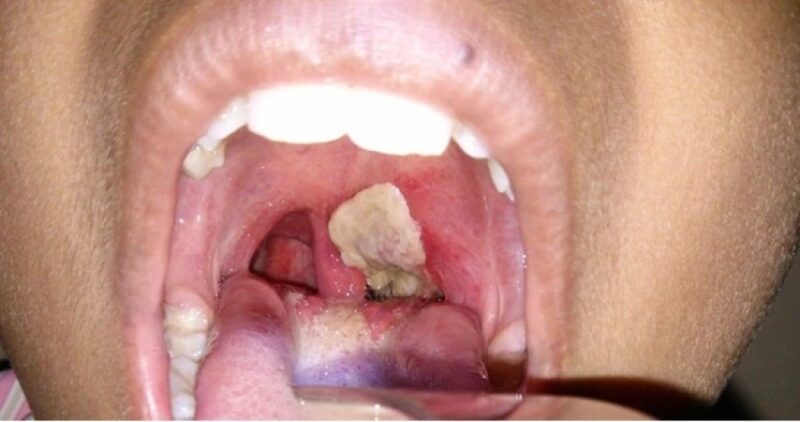
Kano diphtheria outbreak: Over 50 children reportedly dead as lawmakers demand urgent action
The Kano State House of Assembly has called on Governor Abba Kabir Yusuf to urgently intervene in a reported diphtheria outbreak in Rano Local Government Area, where lawmakers say more than 50 children have died.
The alarm was raised during Monday’s plenary after the member representing Rano Constituency, Ibrahim Muhammad, presented a motion of urgent public importance before the House, presided over by Speaker Ismail Falgore.
Muhammad said the outbreak had particularly affected communities in Ridin and Sabuwar Kaura, where more than 50 children were reportedly killed by the disease.
He said emergency measures had already been initiated, including the purchase of medication and deployment of health workers to the affected communities. However, the lawmaker stressed that the response needed to be significantly strengthened to contain the outbreak and prevent additional deaths.
Muhammad appealed to Governor Yusuf and the Kano State Commissioner for Health to provide further emergency assistance to the affected communities, warning that the disease had spread extensively in the area.
He also expressed concern over the recurrence of the outbreak, noting that a similar incident had reportedly claimed several lives in the area last year.
The situation, according to another lawmaker, has also raised concerns beyond Rano. Supporting the motion, the member representing Kiru Constituency, Usman Abubakar Tasiu, said the outbreak had reportedly spread to communities in Kiru, including Kwarin Dangora, Dangora town and Yelwa.
READ ALSO:
- 2027: APC Denies Withdrawing Tinubu Campaign Council List Amid Controversy
- Stop Inviting African Dictators, Falana Tells NBA Over George Weah Invitation
- UNIZIK Suspends Professor Over Viral Sexual Assault Allegation as Probe Continues
Tasiu disclosed that an APC youth leader in Kiru reportedly lost two children to the disease within one day. He called for the establishment of an emergency committee to coordinate the response across affected local government areas.
He proposed that the emergency response should cover Rano, Tudun Wada, Kibiya, Bunkure, Bebeji and Kiru, amid concerns that transmission could spread further without stronger intervention.
Another lawmaker, Saleh Ahmad, representing Dawakin Tofa Constituency, urged the state government to intensify vaccination and other preventive measures. He warned that diphtheria is contagious and can spread rapidly to neighbouring communities.
The Majority Leader of the House, Lawan Husseini, also urged the state government to invoke the provisions of the state’s Health Protection Law to contain the outbreak.
According to Husseini, the law empowers the government to provide emergency relief and free healthcare while allowing authorities to isolate affected persons and restrict movement where necessary in areas affected by infectious diseases.
The Assembly subsequently approved the motion and directed its Committee on Health to engage the Ministry of Health on the implementation of the law and the provision of emergency relief to affected communities.
The latest development is particularly concerning because Kano has historically carried a large share of Nigeria’s diphtheria burden. Previous health surveillance data showed that Kano recorded thousands of suspected and confirmed cases during Nigeria’s prolonged diphtheria outbreak, alongside hundreds of deaths.
Diphtheria is a serious bacterial infection that can cause severe illness and death, particularly among people who are unvaccinated or inadequately vaccinated. The disease can spread through respiratory droplets and close contact, making rapid detection, treatment, contact tracing and vaccination important components of outbreak control.
The reported deaths in the current Rano outbreak are based on statements made by Kano lawmakers. The specific death toll should therefore be treated as reported by the Kano State House of Assembly pending further confirmation from relevant health authorities.
The lawmakers’ intervention puts additional pressure on the state government to verify the scale of the current outbreak, strengthen disease surveillance, provide medicines and other emergency supplies, intensify vaccination and ensure that affected residents have timely access to treatment.
The immediate priority is to prevent further deaths and stop the reported spread of the disease from Rano to neighbouring communities.
Kano diphtheria outbreak: Over 50 children reportedly dead as lawmakers demand urgent action
-

 metro2 days ago
El-Rufai Demands ₦10bn from Defence Minister Over Southern Kaduna Killings Allegation
-

 News2 days ago
Lagos Moves to Slash Agency Fees, Curb Rent Hikes With New Tenancy Bill
-

 metro3 days ago
Oyoland Grand Chief Imam Celebrates Dr Sharafudeen Raji for Service to Islam
-

 Politics2 days ago
Why Did Peter Obi Attend Seyi Makinde’s Campaign Launch? Here’s What He Said
-

 metro2 days ago
Catholic priest leaves priesthood, weds Kenyan woman after 12 years in Kenya
-

 metro2 days ago
Osun Police Arrest Woman After Vigilante Member Dies During Sexual Encounter in Ile-Ife
-

 Politics9 hours ago
Amaechi will be caged politically, Wike shouldn’t bother about Ikwerre votes — Wihioka
-

 Education2 days ago
FG opens six-month teacher certification for BSc, HND, ND holders – How to Apply