

Business
Nigeria’s economy faces uncertainty as oil prices rise above $70/barrel
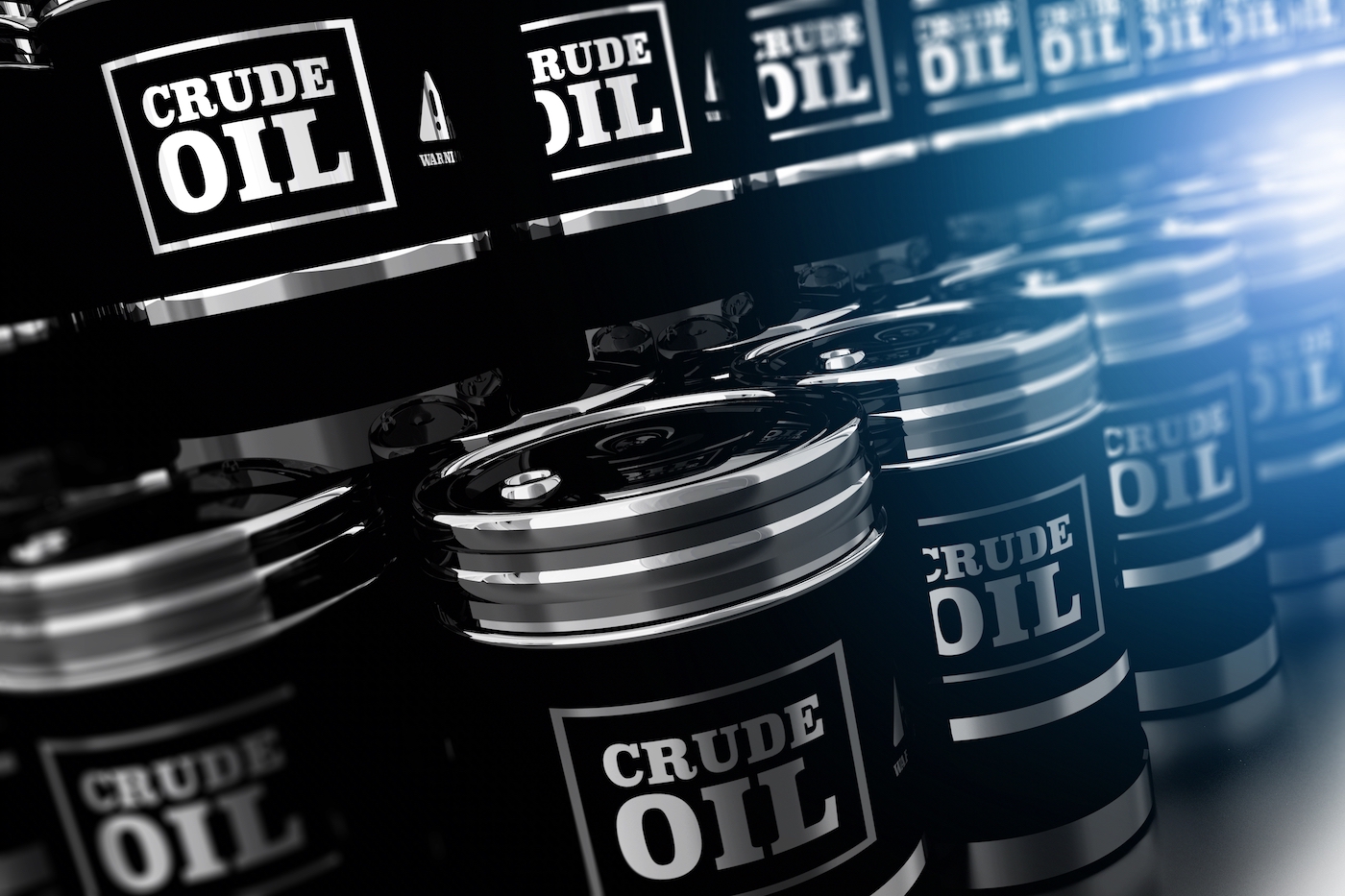
It is mixed feelings for Nigeria as oil prices rose above $70 per barrel on Tuesday, the highest in two years, with the world’s biggest crude producers agreeing to a gradual easing of production cuts.
The development is expected to fetch more money for Nigeria through its crude sale at the international market; the resultant rise in landing cost of imported fuel could lead to an increase in pump price and dislocation of its socio-economic activities.
The Wall Street Journal reported that Brent crude, Nigeria’s kind of brand, rose 93 cents, or 1.3 per cent, to $70.25 a barrel, the highest since May 2019. West Texas Intermediate futures gained $1.40, or 2.1 per cent, to $67.72 a barrel. The US gauge settled at its highest level since October 2018.
Members of the Organisation of the Petroleum Exporting Countries and their allies, a group known as OPEC+, on Tuesday agreed to continue relaxing curbs on oil production, signalling their confidence in improving oil demand and a drop in the global supply glut.
This is in line with the group’s April decision to return 2.1 million barrels per day to the market between May and July.
Prices began rallying after a technical committee within the cartel on Monday confirmed forecasts for a rebound of six million barrels a day in world oil demand this year, according to people familiar with OPEC and its allies.
This is the first since April 2019 that the oil price will trade above $70 per barrel.
Saudi Energy Minister, Abdulaziz bin Salman, expressed optimism over a good recovery in demand in the United States and China.
OPEC+ is expected to meet again in July to discuss production policy.
Oil prices have been on a tear since late last year as coronavirus vaccines and supply curbs from OPEC and its allies spur hopes that global stockpiles will continue to slide.
It, however, still faces bumpy short-term demand amid concern that new virus variants will lead to more lockdowns, while vaccine rollouts are slower than expected in some countries.
Economic analysts expect the resurgence in the price of crude oil to boost the Nigeria’s revenue needed for the implementation of the 2021 budget, improve crude oil receipts, and consequently bolster foreign exchange inflows.
But there are fears that the prolonged high crude prices will ultimately lead to increase in petrol’s landing cost, and by implication hike in pump price.




Business
Nigerians Pay N44 Extra Per Litre as Retailers Defy Falling Depot Prices – Full Report

Auto
Abuja Roars to Life as Jetour X50 Headlines Three-Day Motoring Experience
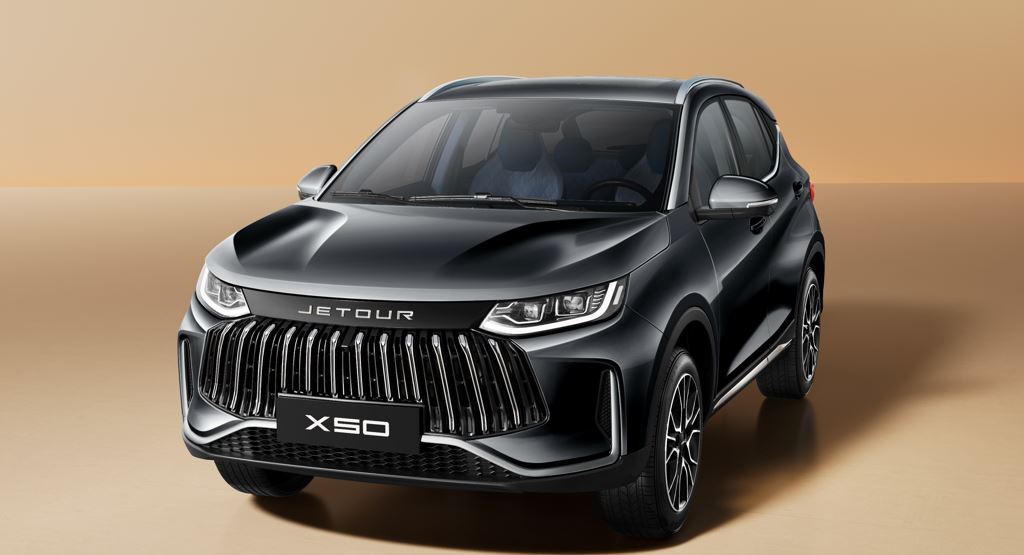
Abuja Roars to Life as Jetour X50 Headlines Three-Day Motoring Experience
Abuja is gearing up for a major motoring spectacle as Jetour Nigeria brings its fast-growing brand experience to the Federal Capital Territory, with the stylish Jetour X50 set to take centre stage in a three-day showcase of performance, technology and automotive innovation.
Scheduled for September 22 to 24, 2026, the Jetour Experience Abuja will move beyond the conventional vehicle exhibition, giving motorists and prospective buyers the opportunity to test-drive the X50, interact with automotive specialists and experience a range of entertainment and interactive activities.
The Abuja activation follows the strong reception recorded during Jetour Nigeria’s recent Lagos experience and forms part of the automaker’s strategy to deepen customer engagement while expanding its footprint across Nigeria.
Backed by an expanding authorised dealer network comprising Elizade Nigeria Limited, Mandilas Autos, Germaine Auto Centre, Kojo Motors, R.T. Briscoe, Tab Autos and New Era AutoVehicle Services, Jetour is also strengthening access to vehicle sales, after-sales support, genuine spare parts and certified technical services nationwide.
At the heart of the Abuja experience will be the Jetour X50, a compact SUV designed to combine contemporary styling, performance and a technology-rich driving environment.
Powered by a 1.5-litre turbocharged engine paired with a dual-clutch transmission, the X50 has positioned itself as a strong contender in Nigeria’s competitive compact SUV segment.
Jetour has equipped the model with a range of premium features, including a 360-degree camera, Blind Spot Detection, 10.5-inch infotainment system with Apple CarPlay and Android Auto, wireless charging and leather upholstery.
The combination of technology, comfort and performance is part of Jetour’s strategy of offering premium motoring features at competitive price points.
The Abuja event also highlights Jetour’s aggressive expansion strategy in Nigeria, following the brand’s recognition with industry accolades including Fastest Growing Auto Brand and Auto Brand of the Year.
With its expanding dealer network providing nationwide sales and after-sales support, Jetour is seeking to deepen customer engagement while making its vehicles and ownership services more accessible to motorists across the country.
As Abuja prepares to welcome the Jetour Experience, the three-day activation is expected to provide motorists with an opportunity to see, feel and drive the X50 while experiencing first-hand what is driving the brand’s growing appeal in Nigeria.
Business
Dangote Refinery Sets ₦525 Per Share for Landmark IPO
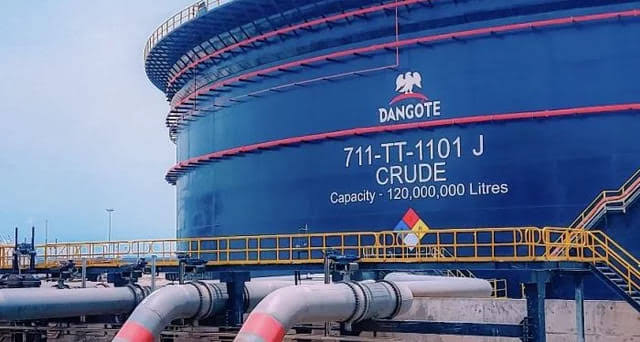
For ₦5,250, Nigerians could soon own a piece of the refinery that has reshaped the country’s fuel market.
-
 Auto2 days ago
Kaduna to Lead Govt Patronage of Local Vehicles as Sani Unveils Peugeot 5008
-

 metro1 day ago
El-Rufai Demands ₦10bn from Defence Minister Over Southern Kaduna Killings Allegation
-

 metro1 day ago
Catholic priest leaves priesthood, weds Kenyan woman after 12 years in Kenya
-

 metro2 days ago
Socialite Igho ‘Tiny’ Ubiribo Dies After Penis Enlargement Surgery
-

 Politics3 days ago
Demystifying the Political Monolith: Wike’s ‘See Finish’ Doctrine and Nigeria’s New Political Calculus
-

 Politics1 day ago
Why Did Peter Obi Attend Seyi Makinde’s Campaign Launch? Here’s What He Said
-
 metro1 day ago
No US Case Against Tinubu, Family Enjoy Unimpeded Transit for UNGA — Ambassador Ibrahim
-

 News1 day ago
Lagos Moves to Slash Agency Fees, Curb Rent Hikes With New Tenancy Bill