

metro
ICPC Searches El-Rufai’s Abuja Home Amid Multi-Agency Corruption Investigation
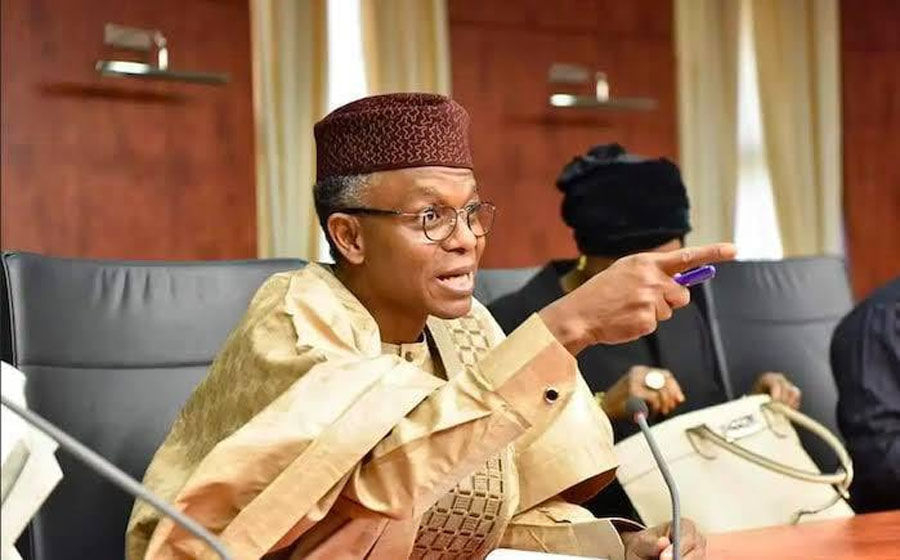
ICPC Searches El-Rufai’s Abuja Home Amid Multi-Agency Corruption Investigation
The Independent Corrupt Practices and Other Related Offences Commission (ICPC) on Thursday raided the Abuja residence of former Kaduna State Governor Nasir El-Rufai as part of an ongoing multi-agency investigation into alleged financial irregularities during his eight-year tenure from 2015 to 2023.
El-Rufai’s Media Adviser, Muyiwa Adekeye, confirmed the operation on his verified X account, stating: “The Aso Drive residence of Malam Nasir @elrufai was today searched by the ICPC.” The former governor has been held by the ICPC since Wednesday night in connection with the probe. Legal representatives, led by Ubong Akpan, condemned the raid, describing it as “unlawful and a clear violation of legal procedures and fundamental rights.” It was not immediately clear if the ICPC seized any documents or other materials during the search.
READ ALSO:
- Nigerian Navy Chief of Operations Dies in Egypt
- Tinubu, German Chancellor Merz Pledge Stronger Nigeria-Germany Ties
- Tinubu, el-Rufai and the cobra
- American Woman, 64, Alleges Embassy Mocked 27-Year-Old Fiancé Before Visa Denial
The search at El-Rufai’s Abuja home forms part of a broader multi-agency investigation involving the EFCC, ICPC, and DSS, probing the former governor’s financial dealings and alleged irregularities in public contracts awarded during his administration. Earlier this week, El-Rufai was questioned by the Economic and Financial Crimes Commission (EFCC) and detained for two nights over suspected financial misconduct. Following his release on administrative bail by the EFCC, he was taken into ICPC custody. In addition, the Department of State Services (DSS) reportedly detained him in relation to a separate cybercrime case, involving allegations that he unlawfully intercepted a telephone conversation of Nigeria’s National Security Adviser, which El-Rufai has publicly denied.
The raid has sparked widespread public attention and political reaction. Protests demanding accountability and transparency were staged outside anti-graft agency offices in Abuja, while civil society groups in Kaduna called for thorough investigations into the former governor’s administration. Political supporters argue the investigations are politically motivated, while critics emphasize the importance of following due process and ensuring justice.
The ICPC has not issued an official statement detailing the scope of the raid, as investigations remain ongoing. Authorities insist that all procedures are being carried out in accordance with Nigerian law, and that the probe will continue to uncover any alleged financial misconduct linked to El-Rufai’s tenure.
ICPC Searches El-Rufai’s Abuja Home Amid Multi-Agency Corruption Investigation








metro
Benue Boat Mishap: Catholic Priest Among Four Dead, Nine Missing
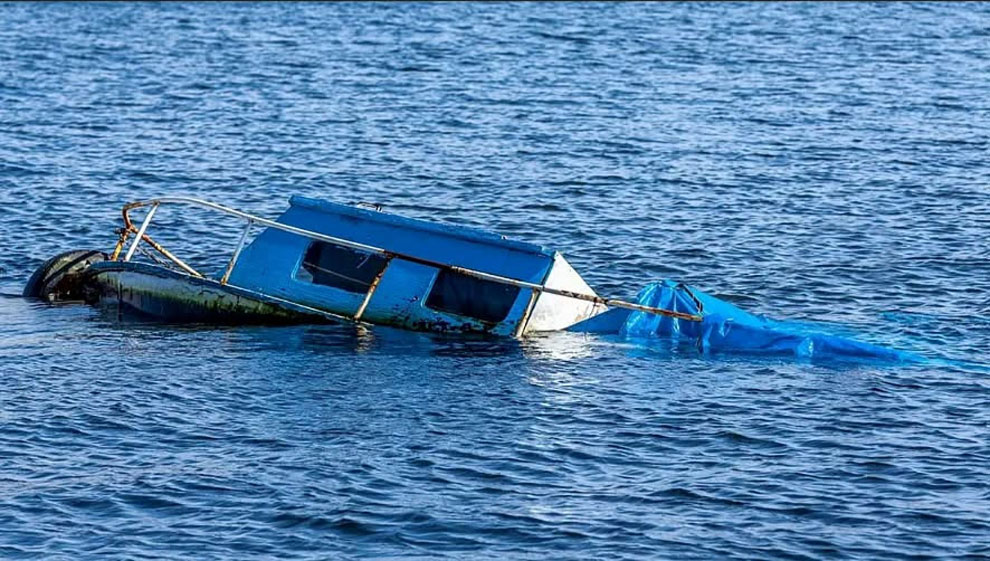
Benue Boat Mishap: Catholic Priest Among Four Dead, Nine Missing
A Catholic priest, Rev. Fr. Moses Tsuagh, is among four people confirmed dead following a boat mishap at the Buruku crossing point in Buruku Local Government Area of Benue State.
The accident occurred on Saturday, October 3, 2026, as passengers were travelling across the Buruku River after attending a burial ceremony. Most of those on board were reportedly from neighbouring Gboko Local Government Area.
The Benue State Emergency Management Agency (SEMA) confirmed that four bodies had been recovered, while nine passengers remained missing as search and rescue operations continued.
SEMA Information Officer, Tema Ager, said the number of people who were aboard the boat was still being established because different accounts had emerged from survivors, relatives and community members.
READ ALSO:
- Rivers Police Arrest OSPAC Operative Over Alleged Killing, Secret Burial
- Adeleke Signs New Law to Regulate Motor Parks Across Osun
- Tragedy Strikes FMC: Medical Director Loses Two Daughters—A Doctor and a Pharmacist—Within 48 Hours
An earlier estimate suggested that more than 200 people may have been on the vessel, while subsequent information put the number of passengers believed to have been involved at about 138. The boat was also carrying numerous motorcycles.
Ager said 125 passengers had been rescued as of Monday, while divers and other rescue personnel continued searching for those still unaccounted for.
The rescue operation is also focused on recovering motorcycles and other belongings that went into the river. Authorities said 38 motorcycles were believed to have entered the water, with five subsequently recovered.
Initial accounts attributed the mishap to engine failure, overloading and difficulties encountered while attempts were made to rescue passengers. Another preliminary account from the state Commissioner for Marine and Blue Economy, Dennis Iyaghigba, said a strong current swept the boat into an abandoned barge, causing it to overturn.
The differing preliminary accounts are expected to be clarified as the authorities complete their investigation.
Following the accident, the Benue State Government suspended the Buruku crossing-point branch of the Nigeria Union of Maritime Workers.
Iyaghigba also ordered the suspension of the line operator and directed the arrest and detention of the boat skipper involved in the incident pending investigation.
SEMA has continued to appeal to passengers using the state’s waterways to observe water safety measures, particularly the use of life jackets and compliance with instructions from maritime officials.
The tragedy has renewed concerns about maritime safety in Benue, including passenger capacity, boat maintenance, enforcement of safety regulations and the need for safer river crossings.
Search and rescue efforts are continuing as authorities work to account for all passengers believed to have been aboard the vessel.
Benue Boat Mishap: Catholic Priest Among Four Dead, Nine Missing
metro
Rivers Police Arrest OSPAC Operative Over Alleged Killing, Secret Burial
Rivers Police Arrest OSPAC Operative Over Alleged Killing, Secret Burial
The Rivers State Police Command has arrested a member of the Onelga Security and Advisory Committee (OSPAC) over the alleged killing and secret burial of a man in Omoku, Ogba/Egbema/Ndoni Local Government Area of Rivers State.
The suspect, identified as Felix Dibia, is accused of killing Francis Chibuzor Ogwu during an incident reported on October 1, 2026.
According to the police, Dibia allegedly accosted Ogwu and another man along a road in Omoku and ordered both men to sit on the ground. While Ogwu reportedly complied, the other man allegedly fled from the scene.
Dibia allegedly shot Ogwu and subsequently buried his body in a shallow grave before leaving the area.
READ ALSO:
- Adeleke Signs New Law to Regulate Motor Parks Across Osun
- Tragedy Strikes FMC: Medical Director Loses Two Daughters—A Doctor and a Pharmacist—Within 48 Hours
- 27-Year-Old Woman Allegedly Kills Newborn Hours After Giving Birth in Abuja
The alleged incident came to light the following day, prompting the Rivers Police Command to launch an investigation.
Police investigators subsequently arrested Dibia and recovered a firearm allegedly linked to the incident.
The Rivers State Police Public Relations Officer, ASP Agabe Blessing Kaborlo, confirmed the arrest and said the investigation was ongoing to establish the circumstances surrounding the man’s death.
The command said the suspect would be subjected to due process as investigators work to determine what led to the alleged killing and whether any other person was involved.
The police have not disclosed further details about the recovery of Ogwu’s remains or whether additional suspects have been arrested.
The case has renewed attention on the activities of vigilante groups and community security outfits operating in parts of Rivers State, particularly the need for such groups to operate within the law while supporting conventional security agencies.
Dibia remains in police custody as the investigation continues, and the allegations against him have not been established in court.
Rivers Police Arrest OSPAC Operative Over Alleged Killing, Secret Burial
metro
Adeleke Signs New Law to Regulate Motor Parks Across Osun
Adeleke Signs New Law to Regulate Motor Parks Across Osun
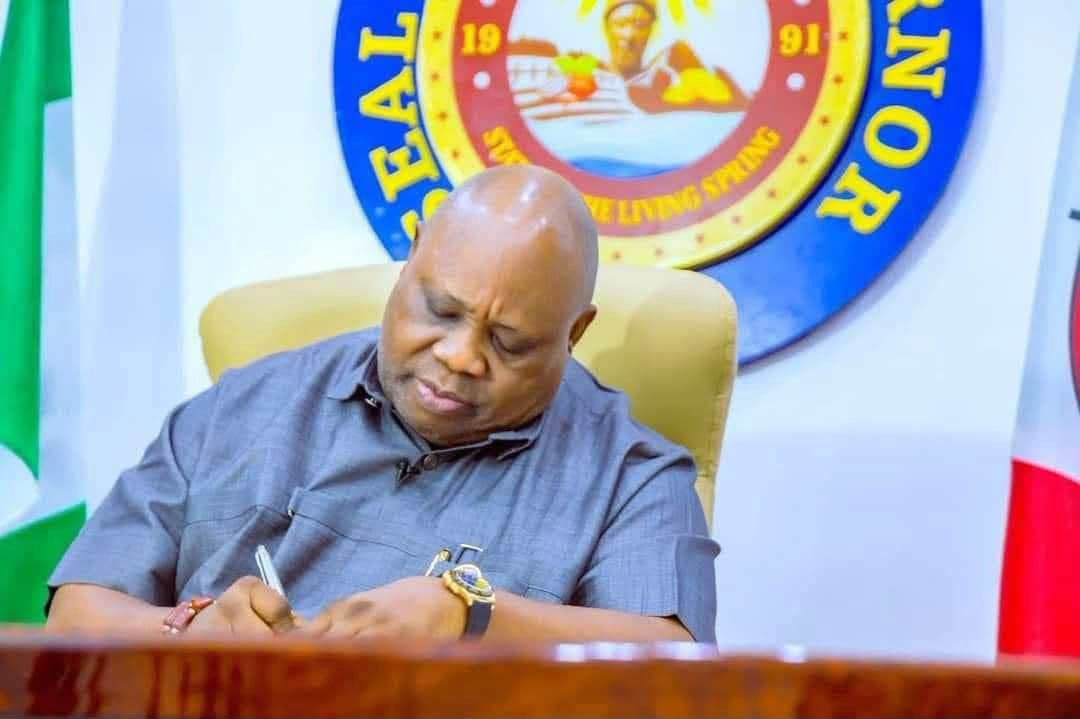
Osun State Governor Ademola Adeleke has signed the Osun State Park Management Bill, 2026 into law, providing a new legal framework for the administration of motor parks and transport-related activities across the state.
The legislation, signed in Osogbo, is aimed at restructuring the management of motor parks, improving accountability in the transport sector and addressing longstanding disputes over the control and administration of parks.
The new law provides for a more organised system of park management, including measures to regulate operations, improve revenue collection and reduce leakages in the system.
It also introduces provisions for digital ticketing, with the aim of eliminating multiple ticketing and making revenue collection more transparent. The framework is expected to strengthen oversight of commercial transport activities while reducing opportunities for extortion and other irregular practices.
READ ALSO:
- Tragedy Strikes FMC: Medical Director Loses Two Daughters—A Doctor and a Pharmacist—Within 48 Hours
- 27-Year-Old Woman Allegedly Kills Newborn Hours After Giving Birth in Abuja
- Transporters Urge IGP Disu to Arrest Illegal Highway Tax Collectors
Under the new law, activities such as thuggery, violence and other unlawful conduct within motor parks are prohibited, as the state seeks to create a safer and more orderly environment for transport operators and commuters.
The legislation follows renewed efforts by the Adeleke administration to address disputes and insecurity associated with the control of motor parks in Osun.
The governor had earlier directed the reintroduction of a formal Park Management System following the killing of Olalekan Oyeyemi, popularly known as Emir Ajagungbade, in Ile-Ife. The incident heightened concerns over rival interests and disputes surrounding motor park operations.
Following the development, the state government ordered rival groups to vacate motor parks and directed security agencies to restore order while steps were taken to establish a statutory framework for park administration.
The Osun State House of Assembly subsequently passed the park management legislation, paving the way for the governor’s assent.
With the signing of the bill, the state now has a statutory framework for regulating motor parks, garages, loading points, transport operations and related revenue collection.
The implementation of the law is expected to bring changes to the way parks are administered and how transport operators interact with the state government. Its effectiveness will depend largely on enforcement, transparency and the cooperation of transport stakeholders.
Adeleke Signs New Law to Regulate Motor Parks Across Osun
-

 metro2 days ago
NYSC Kidnap: Abductors Demand N950m for 19 Prospective Corps Members in Imo
-

 Politics2 days ago
2027: Oshiomhole Dares Opposition Over ₦500 Petrol Promise, Says APC Will Take Argument to Nigerians
-
 metro2 days ago
N500 Petrol, Wage Award: Public Sector Workers Begin Warning Strike
-
 metro2 days ago
Amaechi: Tinubu’s Policies Made My Mother’s Drugs Unaffordable
-
 metro2 days ago
Tension as Kidnappers Threaten to Kill Abducted Oyo Corps Members
-
 metro1 day ago
‘I Thought I Was Dead’ — Hairstylist’s Daring Escape From Kidnappers After Benin-Ore Ambush
-

 Entertainment2 days ago
Less Than Four Months After Wedding, Jarvis Threatens Peller With Lawsuit Over Second-Wife Plan
-

 Politics2 days ago
Wike to Amaechi: What Did You Bring to Rivers After 24 Years in Power?