

News
Yoruba Muslim Group Dismisses Viral Ramadan Date Claim, Reaffirms Sultan of Sokoto’s Authority
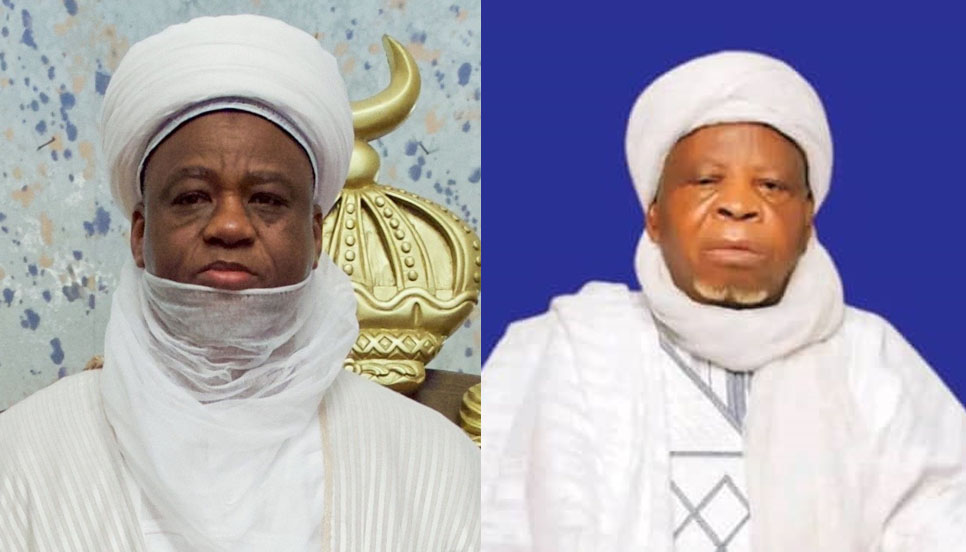
Yoruba Muslim Group Dismisses Viral Ramadan Date Claim, Reaffirms Sultan of Sokoto’s Authority
A Yoruba Muslim group, Concerned Indigenous Yoruba Muslims, has dismissed as false, misleading, and divisive a viral social media report alleging that the Chief Imam of Ibadanland and the League of Imams in Yorubaland rejected the authority of the Sultan of Sokoto in determining the commencement of Ramadan in South-West Nigeria.
The report, which circulated online ahead of Ramadan 1447AH, claimed that Yoruba Muslim leaders had resolved to disengage from the Sultan’s traditional role of announcing moon sighting for the fasting period and instead align with indigenous religious structures. The group, however, said the claim was entirely fabricated and designed to sow discord within the Muslim community.
In a statement issued on Saturday, February 21, 2026 — the fourth day of Ramadan, and signed by public affairs analyst Nasrudeen Abbas, the group said the comments attributed to the Chief Imam of Ibadan, reportedly over 90 years old, could not have emanated from him. It described the publication as a calculated attempt to create unnecessary religious tension and misrepresent the position of Yoruba Muslims.
The group reaffirmed that Islamic affairs in Nigeria operate under established leadership structures, particularly the Nigerian Supreme Council for Islamic Affairs (NSCIA), which is headed by the Sultan of Sokoto, Muhammad Sa’ad Abubakar, as President-General. It explained that the NSCIA structure includes the President of the Muslim Ummah of South West Nigeria (MUSWEN) as Deputy President-General (South), the Shehu of Borno as Deputy President-General (North), alongside other national officers.
READ ALSO:
- FCT Council polls: APC Wins Four Chairmanship Seats as PDP Takes Gwagwalada
- Dangote Opens Refinery Investment to Nigerians With Public Share Sale Plans
- SERAP Urges Tinubu to Repeal ‘Unlawful’ Mass Surveillance Regulations
According to the group, any attempt to distance Yoruba Muslims from this nationally recognised structure threatens the unity of the Muslim Ummah in Nigeria and contradicts Islamic principles that emphasise cohesion, collective leadership, and obedience to constituted authority.
The group also faulted claims that the Sultan’s position is merely a traditional title limited to Sokoto State. It stressed that the Sultan’s authority in Islamic matters is rooted in scholarship and the historical caliphate system, noting that emirs in Northern Nigeria often combine traditional authority with religious leadership. As an example, it cited Muhammadu Sanusi II, who regularly delivers Friday sermons and performs Islamic rites.
It further explained that in Yorubaland, traditional rulers generally do not head religious affairs, except in rare cases. The group referenced the late Awujale of Ijebu Land, who once served as President-General of the Ogun State Muslim Council, stressing that such roles remain exceptions rather than the norm.
The statement also recalled the position of the late Kazeem Yayi Akorede, former President-General of the League of Imams and Alfas in the South West. According to the group, Sheikh Akorede initially questioned the Sultan’s leadership role but later accepted it after clarifications that the position was based on Islamic scholarship and caliphate leadership, not mere traditional kingship. It added that until his death, he consistently aligned with the Sultan’s announcements on the commencement and termination of Ramadan.
Describing the viral publication as unethical, the group criticised claims that Yoruba Muslims are not religiously bound to the Sultan’s authority and that religious leadership should go beyond duties such as moon sighting announcements. It alleged that such narratives were politically motivated and aimed at advancing a separatist agenda under the guise of religious autonomy.
The group warned that politicising religious matters could undermine religious harmony and national unity, urging those behind the report to desist from actions capable of creating discord among Muslims across the country. It concluded by stressing that the unity of the Muslim Ummah in Nigeria remains paramount and must not be compromised by what it described as sectarian or politically engineered narratives.
Yoruba Muslim Group Dismisses Viral Ramadan Date Claim, Reaffirms Sultan of Sokoto’s Authority






News
Osun Orders Weekly Sanitation, Directs Businesses to Clean Premises Every Thursday
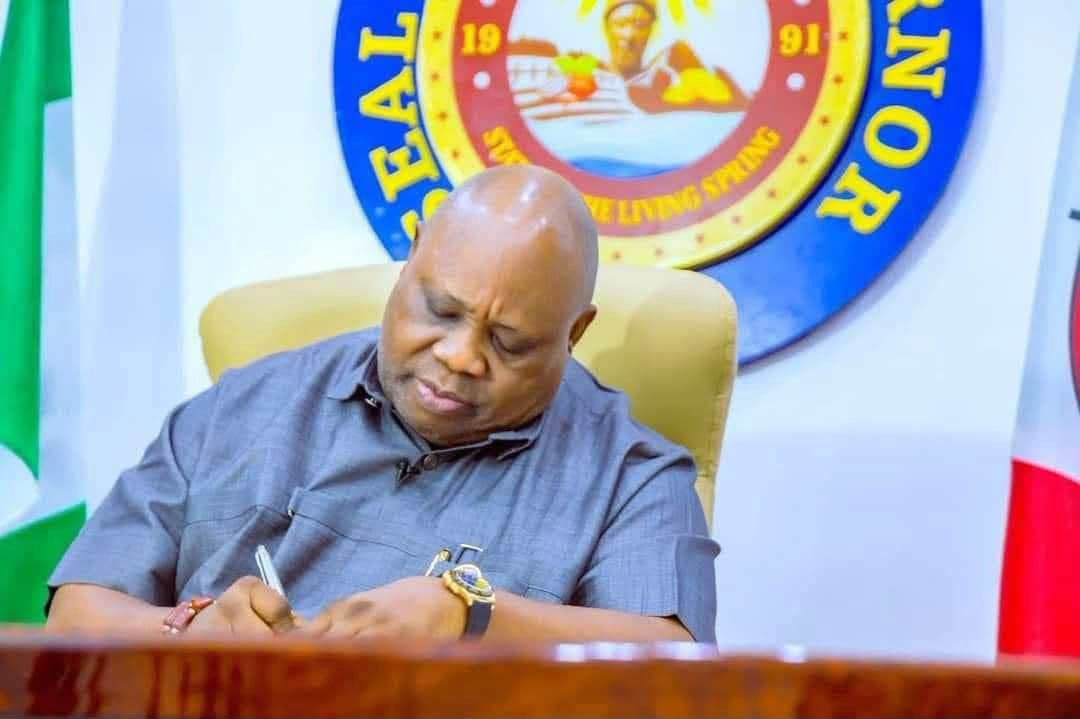
Osun Orders Weekly Sanitation, Directs Businesses to Clean Premises Every Thursday
OSOGBO — The Osun State Government has introduced a weekly environmental sanitation exercise, directing traders, shop owners, artisans and other business operators to clean their premises every Thursday between 8am and 10am.
The directive, which takes immediate effect, is aimed at curbing indiscriminate refuse disposal, enforcing environmental regulations and preventing disease outbreaks across the state.
The government announced the measure in a press release dated October 14, 2026, issued by the Office of the Head of Service, Office of the Governor, Osogbo.
According to the statement, the state government recently constituted an Environmental Sanitation Task Force to tackle the dumping of refuse and other forms of environmental infractions in unauthorised locations.
Under the new arrangement, Thursdays have been designated as Environmental Sanitation Day, during which markets, shops, malls, offices and other business premises are expected to be cleaned.
The government directed market operators, shop owners, artisans and owners of business premises to be physically present during the exercise to ensure that their surroundings are properly cleaned and the directive is fully implemented.
The two-hour exercise is expected to promote environmental responsibility among residents and business operators while addressing poor waste disposal practices that could pose health risks to the public.
The government also clarified the role of law enforcement agents who would be present during the sanitation exercise, saying their deployment was intended to support the clean-up effort rather than arrest offenders.
It stressed that the presence of enforcement personnel was meant to complement the efforts of market operators, shop owners and other business stakeholders in maintaining a clean environment.
The government urged residents and business operators to cooperate with the Environmental Sanitation Task Force to ensure the success of the initiative.
The measure forms part of the state’s efforts to improve public hygiene, maintain cleaner communities and reduce the risk of diseases associated with poor environmental sanitation.
Business owners and other affected stakeholders are expected to comply with the directive every Thursday between 8am and 10am, beginning immediately.
Osun Orders Weekly Sanitation, Directs Businesses to Clean Premises Every Thursday
News
Terrorists Storm Borno Military Post in Fierce Gun Battle, Soldiers Feared Dead

Suspected Boko Haram terrorists have attacked a military post in Mairari community, Guzamala Local Government Area of Borno State, triggering a prolonged gun battle in which several soldiers were feared killed.
The attack reportedly occurred around midnight on Tuesday, October 13, 2026, when the insurgents launched an assault on the military formation. The confrontation was said to have lasted more than two hours, with heavy gunfire raising tension in the community.
Although reports indicated that the military suffered casualties, the exact number of soldiers killed or injured had not been officially confirmed at the time of reporting. Some local sources reportedly put the death toll at seven soldiers, but the figure remained unverified.
The Chairman of Guzamala Local Government Area, Umar Sheriff, confirmed the attack, saying the terrorists had targeted the military post. He disclosed that no civilian deaths had been reported and that troops had repelled the attackers.
READ ALSO:
- School Turns Death Trap as Roof Collapse Claims 22 Lives
- Outrage as Residents Scoop Groundnut Oil From Lagos Tanker Crash Scene
- Shettima Attacks Atiku Over Tinubu Remarks, Questions Subsidy Plan
Sheriff described the incident as an unusually severe assault in the area in recent times. He also indicated plans to visit the community to assess the situation following the attack.
The latest incident underscores the continuing security challenges in Borno State, the epicentre of Nigeria’s more than decade-long insurgency involving Boko Haram and the Islamic State West Africa Province (ISWAP). Both groups have repeatedly attacked military formations and communities across the North-East, particularly in remote areas where security personnel face difficult operating conditions.
Military positions have remained targets for insurgents seeking to disrupt security operations, seize weapons and undermine the presence of government forces. Such attacks have also raised concerns about the safety of troops stationed in isolated communities.
However, as of the time of filing this report, the military had not publicly confirmed the casualty figures from the Mairari military post attack. The reported death toll should therefore be treated as unverified pending an official statement.
Further details are expected as security authorities assess the incident and provide information about casualties and the circumstances surrounding the assault.
Terrorists Storm Borno Military Post in Fierce Gun Battle, Soldiers Feared Dead
News
2027 Elections: INEC Reveals Why Pantami, Adebutu, Others Were Excluded
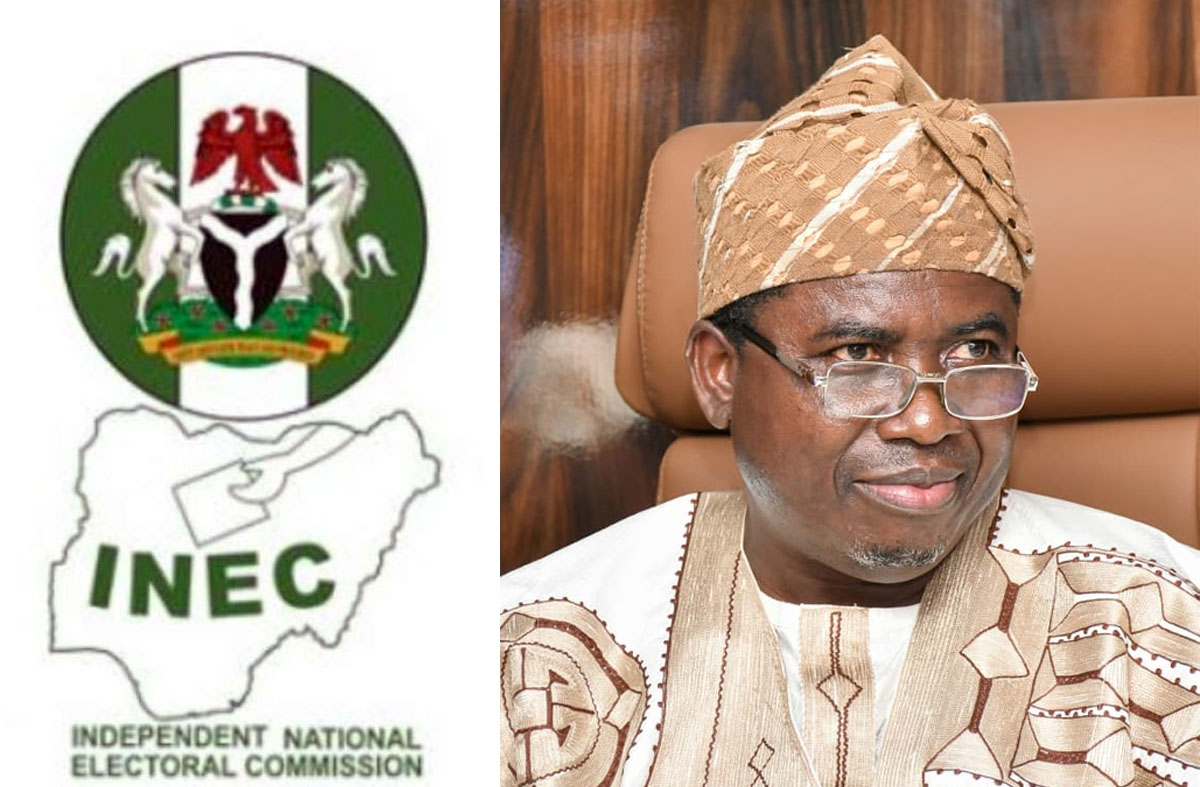
2027 Elections: INEC Reveals Why Pantami, Adebutu, Others Were Excluded
The Independent National Electoral Commission (INEC) has explained why some political parties and their governorship candidates were excluded from the final list for the 2027 elections, citing failure to comply with the statutory requirement to submit membership registers before conducting valid party primaries.
The commission said the decision followed a Supreme Court judgment delivered on September 24, 2026, which upheld the constitutionality of relevant provisions of the Electoral Act, 2026, requiring political parties to submit their membership registers within a prescribed period.
The explanation comes amid complaints from affected political parties and candidates following the publication of INEC’s final list of governorship candidates, which omitted several prominent opposition figures.
Among those affected are Isa Ali Pantami, the Peoples Democratic Party (PDP) governorship candidate in Gombe State, and Ladi Adebutu, the party’s candidate in Ogun State.
Pantami’s name was missing despite his emergence from a court-ordered rerun of the PDP governorship primary in Gombe, while Adebutu and his running mate were also absent from the list.
In a statement issued on Tuesday, October 13, INEC National Commissioner and Chairman of its Information and Voter Education Committee, Mohammed Kudu Haruna, said the commission applied the Supreme Court’s decision when finalising the list.
The judgment arose from an appeal filed by INEC against an earlier Court of Appeal decision that had nullified Sections 77(5)–(7) of the Electoral Act, 2026.
The Supreme Court upheld the provisions, which require political parties to submit their membership registers as a prerequisite for valid party primaries.
READ ALSO:
- IPOB Denies Monday Sit-at-Home Return, Challenges Police to Produce Evidence
- FG Moves to Expand CNG Vehicle Production, Targets Cheaper Transport Fares
- 2027: Adeleke’s Camp Promises 1.5 Million Votes for Tinubu in Osun
It also upheld INEC’s timetable requiring parties to submit their registers between April 21 and May 10, 2026.
According to the commission, the apex court held that parties that failed to comply with the statutory requirements were ineligible to sponsor candidates for the elections.
INEC said it was consequently required to give effect to the judgment in accordance with Section 287(1) of the 1999 Constitution, as amended, which requires compliance with decisions of superior courts.
The commission added that the final lists of presidential and National Assembly candidates had already been published on September 12, 2026, before the Supreme Court delivered its judgment.
The omissions have triggered reactions from affected political parties, with the PDP saying it was engaging INEC over the absence of its candidates in Gombe and Ogun states.
The Nigeria Democratic Congress (NDC) has also raised concerns over the omission of some of its governorship candidates, while other affected political groups have indicated their intention to pursue available remedies.
The development has heightened concerns among opposition parties as preparations continue for the February 6, 2027, governorship elections.
INEC, however, said political parties that believe their candidates were wrongly omitted from the final list have 14 days from the date of publication to notify the commission.
It fixed October 24, 2026, as the deadline for such notifications under Section 32(2) of the Electoral Act, 2026.
The commission reaffirmed its commitment to transparency, adherence to the rule of law and the credibility of the electoral process.
The next steps by affected parties will determine whether the omissions can be resolved through the commission’s notification procedure or other legal avenues available to them.
2027 Elections: INEC Reveals Why Pantami, Adebutu, Others Were Excluded
-

 metro3 days ago
Oyo School Kidnappings: How ANSARU Allegedly Used Children to Pressure FG
-

 metro3 days ago
Tragedy in Ibadan as Truck Kills Female Corps Member, Injures Others
-

 metro3 days ago
Drama as Dutch Police Use Batons, Dogs to Shut Down Nigerian Wedding; Two Arrested
-
 International3 days ago
French Students Return to Streets as Anger Over School Conditions Grows
-

 metro3 days ago
VIDEO: Outrage as Indian National Assaults Nigerian Truck Drivers in Lagos
-
 News3 days ago
Obasanjo Backs Higher Oil Derivation, Says 13% Is Only the Beginning
-

 metro3 days ago
LAWMA Deploying CCTV Cameras to Hunt Down Illegal Dumpers, says MD
-

 metro2 days ago
Money Rituals: Four Arrested in Kwara Over Suspected Human Parts