

metro
Kano Anti-Corruption Commission Recovers Official Vehicles From Resigned Commissioners
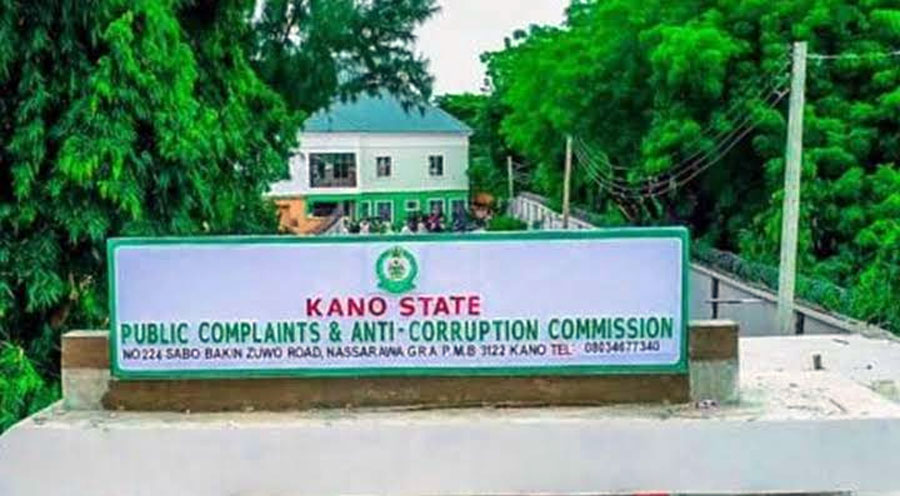
Kano Anti-Corruption Commission Recovers Official Vehicles From Resigned Commissioners
The Kano State Public Complaints and Anti-Corruption Commission has recovered official government vehicles from five former commissioners who recently voluntarily resigned from the Kano State Executive Council but allegedly failed to return public assets in their custody.
The recovery exercise was carried out on Thursday by operatives of the commission following what officials described as the continued refusal of the affected former commissioners to hand over government vehicles despite repeated official notices.
Those affected include Ibrahim Umar (Air Vice Marshal, rtd), former Commissioner for Internal Security; Mustapha Rabiu Kwankwaso, former Commissioner for Youth and Sports; Yusuf Ibrahim Kofar Mata, former Commissioner for Science and Technology; Adamu Aliyu Kibiya; and Nasiru Sani Garo.
Briefing journalists after the operation, the Chairman of the Commission, Sa’idu Yahaya, said the action became inevitable after the former commissioners failed to comply with several formal requests to return government property assigned to them during their tenure.
Yahaya disclosed that the operation was triggered by official complaints and correspondence from the Office of the Secretary to the Kano State Government, which serves as the custodian of all government vehicles. The office reportedly raised concerns over alleged abuse of office and the urgent need to recover state-owned assets following the officials’ resignation.
According to the commission, five vehicles were recovered from the former commissioners. However, Yahaya revealed that only two of the recovered vehicles were the original official vehicles purchased by the Kano State Government.
READ ALSO:
- 2027 Elections: INEC Unveils New January, February Poll Dates
- Edo Police Arrest 113 Suspected Kidnappers in Major Overnight Raids
- Police Arrest Six Fake Pastors Over Staged Miracles in Ondo
“Investigation revealed that three of the official vehicles had allegedly been sold and replaced with other vehicles. We recovered those replacement vehicles as well,” he said.
He added that the commission has launched a full-scale investigation to determine whether the original vehicles were unlawfully disposed of and whether the proceeds were used to procure the replacements or diverted for other purposes.
“Government assets are not personal property. Once an official leaves office, all government vehicles and assets in their custody must be returned immediately. They were advised to comply, but they refused. We followed due process and obtained a valid court order before carrying out this recovery,” Yahaya stated.
The anti-corruption boss dismissed claims that the operation was politically motivated, insisting that the commission acted strictly within its statutory mandate to protect public assets and enforce accountability.
“This is not witch-hunting. It is about safeguarding the resources of the people of Kano State. No individual is above the law, and we will not tolerate the unlawful retention or disposal of government property,” he said.
Yahaya further warned that the commission would sustain active surveillance and routine audits on the use and custody of public assets, stressing that similar enforcement actions would be taken against any serving or former official found to be in breach of asset return regulations.
“Public trust depends on transparency and accountability. We are determined to strengthen both,” he added.
Providing administrative clarification, a retired senior civil servant, Mohammad Tukur, explained that no existing law or policy permits a commissioner to retain an official vehicle after leaving office, whether by resignation or removal.
“Official vehicles are provided strictly for the performance of official duties. There is no legal provision that allows a commissioner to keep a government vehicle at the end of tenure,” he said.
Tukur noted, however, that only the Governor of Kano State retains the discretionary executive power to approve the retention of a vehicle by any official, and such approval must be explicitly granted.
“Under administrative policy, what commissioners are entitled to upon exit are certain allowances, not government vehicles. Even those allowances may not apply in cases of resignation or dismissal,” he explained.
The development is part of a broader asset recovery and accountability drive by Kano State authorities aimed at curbing abuse of office, protecting public resources, and reinforcing discipline within government institutions.
Kano Anti-Corruption Commission Recovers Official Vehicles From Resigned Commissioners









metro
‘I Never Asked Them to Abandon Loved Ones’ — Obi Clarifies Diaspora Remarks
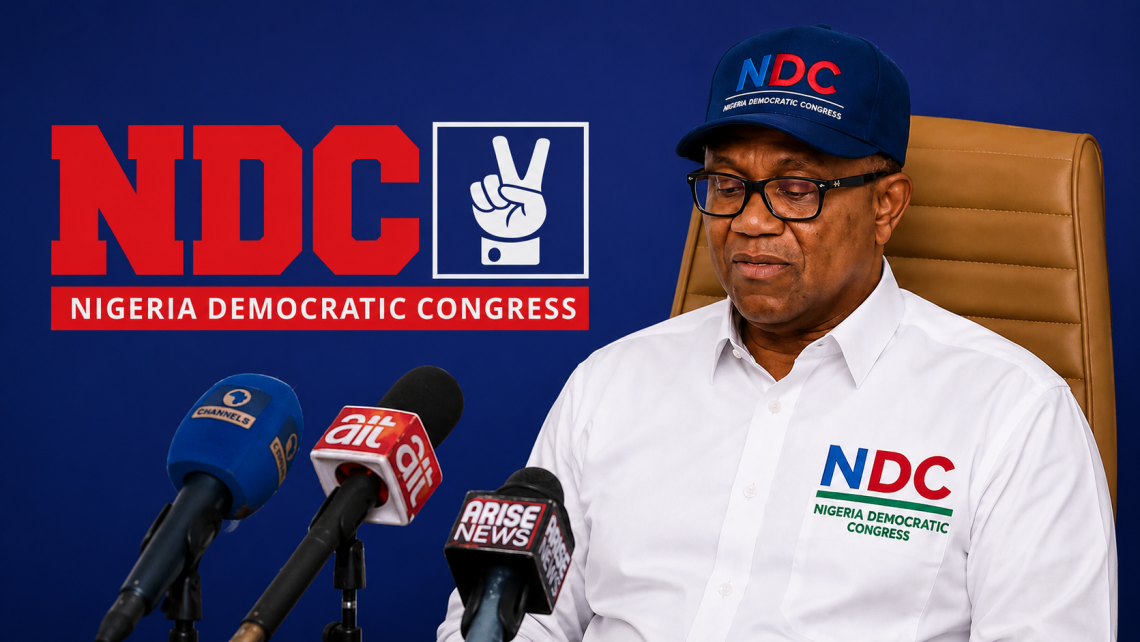
ABUJA — The presidential candidate of the Nigeria Democratic Congress (NDC), Peter Obi, has denied asking Nigerians living abroad to abandon their relatives at home, insisting that his comments about financial assistance were misrepresented by political opponents.
Obi issued the clarification on Tuesday in a statement titled “My Message Has Been Twisted”, posted on his X account following widespread reactions to his remarks at a town hall meeting with Nigerians in Manchester, United Kingdom.
The former Anambra State governor said he appreciated Nigerians in the diaspora who worked hard and made sacrifices to support their families in Nigeria, stressing that their contributions remained essential to millions of households.
“I deeply appreciate Nigerians in the diaspora who work tirelessly and make enormous sacrifices to support their families back home,” Obi said.
He noted that money sent home by Nigerians abroad helped relatives pay school fees, hospital bills, rent and feeding expenses, adding that their sacrifices deserved recognition and respect.
“Their patriotism and sacrifices deserve our profound respect. I never asked them to abandon their loved ones,” he stated.
Obi explained that his concern was the economic situation forcing millions of Nigerians to depend on relatives abroad to meet their basic needs, rather than having access to decent jobs and essential services at home.
READ ALSO:
- FG Confirms Ebola Case in Abuja, Identifies 44 Contacts
- Breaking: Afenifere Leader Pa Fasoranti Dies at 100
- Army Major, Soldiers Killed in ISWAP Ambush in Yobe State
- Chaos in Abeokuta as Algerian Fans Attack Coach, Vandalise Stadium After Rangers Defeat
“My concern is that Nigeria should not remain a country where millions depend on relatives abroad for basic survival,” he said.
According to the NDC candidate, Nigeria needs a system that provides employment opportunities, affordable healthcare, quality education and the conditions necessary for citizens to support themselves and their families.
“Our goal must be to build a nation that provides jobs, affordable healthcare, quality education, and economic opportunities for its citizens,” he added.
Obi accused unnamed political opponents of distorting his message, maintaining that his argument was directed at the underlying causes of poverty and economic hardship rather than the willingness of Nigerians abroad to help their relatives.
“Political opponents may twist my message, but the truth remains clear: I am not asking Nigerians abroad to abandon their families. I am advocating for a Nigeria that will no longer abandon its own people,” he said.
The clarification followed controversy over comments Obi made during a town hall meeting with diaspora supporters in Manchester on Sunday.
In a video of the engagement that circulated widely on social media, Obi urged Nigerians living in the United Kingdom to reject requests for money from people at home and encourage them to support leaders capable of improving the country’s economic conditions.
“You have people at home in Nigeria today who are begging you for money. Tell them no!” he said.
Obi argued that financial assistance from relatives abroad could provide immediate relief but would not resolve the wider economic problems forcing many Nigerians to seek help.
He linked the situation to concerns about governance, corruption and economic hardship, urging Nigerians in the diaspora to use their influence to encourage greater political accountability at home.
The remarks generated mixed reactions, with some interpreting them as a call to stop sending money to struggling relatives, while others viewed them as an appeal to address the structural causes of poverty.
Obi’s latest statement seeks to clarify that distinction, emphasising that he values diaspora remittances but wants Nigeria to become a country where families can meet their basic needs without depending on financial assistance from abroad.
The controversy comes as political parties and prospective candidates intensify engagement with Nigerians at home and in the diaspora ahead of the 2027 general election.
‘I Never Asked Them to Abandon Loved Ones’ — Obi Clarifies Diaspora Remarks
metro
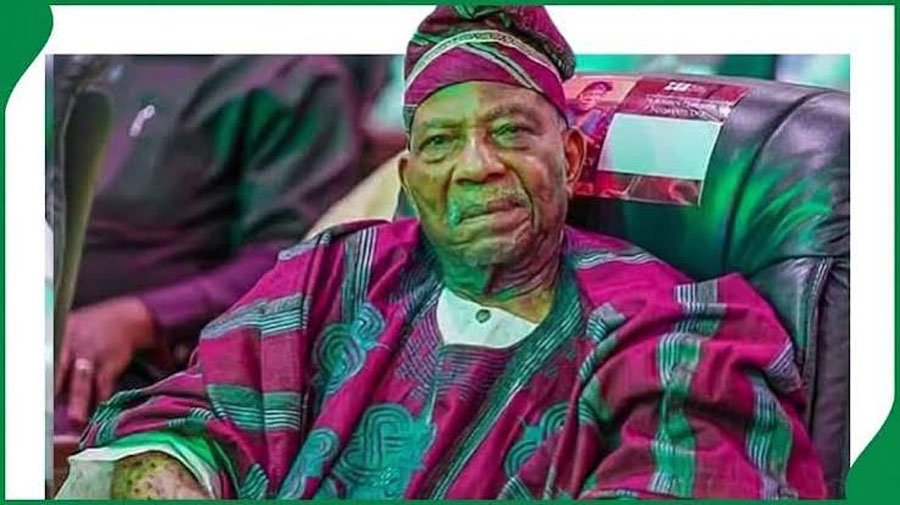
Breaking: Afenifere Leader Pa Fasoranti Dies at 100
Breaking: Afenifere Leader Pa Fasoranti Dies at 100
AKURE, Ondo State — Nigeria has lost a prominent elder statesman and pro-democracy advocate, Pa Reuben Famuyide Fasoranti, the national leader of the pan-Yoruba socio-political organisation, Afenifere, who died on Tuesday, October 20, 2026, at the age of 100.
Ondo State Governor, Lucky Aiyedatiwa, announced the death in a statement, describing Fasoranti as a respected leader whose life was marked by integrity, wisdom and selfless service to Ondo State, Yorubaland and Nigeria.
The governor said the late Afenifere leader provided guidance on critical issues affecting governance, justice and national development, adding that his counsel and fatherly leadership would be greatly missed.
Aiyedatiwa also extended his condolences to the Fasoranti family, the people of Akure Kingdom and residents of Ondo State over the loss.
Fasoranti, who celebrated his 100th birthday on May 11, 2026, was one of the influential figures in Yoruba politics and a prominent disciple of the late nationalist and political leader, Chief Obafemi Awolowo.
Born on May 11, 1926, in Uso, Ondo State, Fasoranti built a career in education before becoming deeply involved in politics and the struggle for democratic governance in Nigeria.
A trained educationist, he taught at Ondo Boys’ High School and later served as principal of Oyemekun Grammar School and Iju-Itaogbolu Grammar School. He also established educational institutions, including Omolere Nursery and Primary School and Akure High School.
His commitment to education remained an important part of his legacy, alongside his involvement in public service and political development.
READ ALSO:
- Chaos in Abeokuta as Algerian Fans Attack Coach, Vandalise Stadium After Rangers Defeat
- Nollywood Mourns as Actress, Beauty Queen Tenia Abraham Dies at 32
- FG Challenges World Bank’s 124% Debt-to-Revenue Warning, Cites Rising Income
Between 1979 and 1983, Fasoranti served as Commissioner for Finance in the old Ondo State under the administration of the late Governor Michael Adekunle Ajasin. His political outlook was strongly influenced by Awolowo’s progressive philosophy and its emphasis on education, social welfare and good governance.
Fasoranti later emerged as the leader of Afenifere following the death of Pa Abraham Adesanya. Under his leadership, the organisation remained an influential voice in debates on Yoruba interests, national unity, restructuring and the future of Nigeria’s federal system.
He was also associated with the National Democratic Coalition (NADECO), a pro-democracy movement that opposed military rule and demanded the restoration of democratic government. His role in the struggle placed him among the prominent voices advocating constitutional rule and political accountability during Nigeria’s years of military dictatorship.
Throughout his public life, Fasoranti consistently expressed views on governance, justice, equity and the need for a more balanced federal structure. His interventions in national affairs made him a reference point for political leaders and members of the Yoruba community.
Following news of his death, tributes began pouring in from political leaders and public figures.
Ogun State Governor and Chairman of the Southern Governors’ Forum, Dapo Abiodun, described Fasoranti’s death as a significant loss to the Yoruba nation and Nigeria. He praised the late elder statesman’s contributions to democratic development and his commitment to justice, equity and good governance.
President Bola Ahmed Tinubu had also celebrated Fasoranti’s 100th birthday in May, joining other prominent Nigerians in recognising his contributions to public service and the country’s political history.
Fasoranti’s death marks the end of a century-long life that spanned Nigeria’s colonial period, independence, military rule and the return to civilian democracy.
His legacy is expected to endure through his contributions to education, public administration, Yoruba political affairs and the campaign for democratic governance.
As the family, Afenifere and the wider Yoruba community mourn his passing, the late elder statesman will be remembered for his long-standing involvement in public life and his advocacy for justice, accountability and national development.
Breaking: Afenifere Leader Pa Fasoranti Dies at 100
metro
Army Major, Soldiers Killed in ISWAP Ambush in Yobe State

Army Major, Soldiers Killed in ISWAP Ambush in Yobe State
A military convoy in Nigeria’s Yobe State was ambushed on Monday when an improvised explosive device (IED) struck the lead vehicle, followed by gunfire from suspected Islamic State West Africa Province (ISWAP) militants. According to AFP, citing military and hospital sources, at least 5 soldiers were killed — including a Major serving as convoy commander — and at least 13 others were injured.
The attack occurred at approximately 10:00 AM local time near Bulabuwarna village, about 7 kilometers from Geidam, on the route from Kanamma to Geidam. Military sources told AFP that the convoy triggered the IED, destroying one vehicle, setting a second on fire, and allowing militants to seize a third. Medical personnel at Geidam General Hospital confirmed to AFP that at least 13 soldiers were receiving treatment for injuries sustained in the attack.
It is important to note that earlier reports from local Nigerian media diverged from AFP’s account. Some local outlets cited sources claiming up to 6 killed and 8 injured, with the attack described as occurring around 4:00 PM near Kanamma village. AFP’s reporting provides more specific details on timing, location, and casualty figures, drawing from two independent sources — military and medical. As of publication, the Nigerian military has not issued a formal official statement confirming these figures, leaving room for the numbers to be revised as more information emerges.
READ ALSO:
- Chaos in Abeokuta as Algerian Fans Attack Coach, Vandalise Stadium After Rangers Defeat
- Nollywood Mourns as Actress, Beauty Queen Tenia Abraham Dies at 32
- FG Challenges World Bank’s 124% Debt-to-Revenue Warning, Cites Rising Income
While some local reports initially attributed the attack to “Boko Haram,” AFP identified the perpetrators as ISWAP. The group pledged allegiance to the Islamic State in 2015, splintering from Boko Haram, and has increasingly employed roadside bombs against military convoys and civilian targets in northeastern Nigeria. Analysts generally consider ISWAP to possess superior technical capability and tactical sophistication compared to Boko Haram remnants, making its use of IEDs against hardened military targets a particular concern for security forces operating in the region.
A military official told AFP of a series of recent attacks on Nigerian troops: 15 killed in Mairari, 8 in Guzamala, 8 in an IED attack in Gamboru, and 8 in Kukawa. Combined with the 5 killed in Geidam, more than 40 security personnel have died in just a matter of days. According to data from the Armed Conflict Location & Event Data Project (ACLED), Nigeria recorded its highest level of violence in nearly three decades in the second quarter of 2026. The figures paint a troubling picture: after roughly a decade of relative decline, Boko Haram and ISWAP insurgency activity has resurged over the past two years, with military convoys increasingly targeted along supply and patrol routes.
Two days before the ambush, Nigeria’s Chief of Army Staff, Lt. Gen. Waidi Shaibu, visited the Theater Command of Operation Hadin Kai in Maiduguri, Borno State, to boost troop morale. Separately, troops from the 27th Task Force Brigade arrested a suspected terrorist collaborator in Kanamma on October 17. The Geidam–Kanamma and Mayamti routes have been closed for months due to persistent security threats, and Monday’s ambush underscores the continuing risks faced by military convoys traveling on open roads in northeastern Nigeria — even as senior commanders push to demonstrate progress in the fight against insurgents.
Army Major, Soldiers Killed in ISWAP Ambush in Yobe State
-

 metro3 days ago
FG Begins Rollout of 3,700 Telecom Towers to Connect 20m Nigerians
-
 Education3 days ago
Tinubu Scraps Recruitment Waiver Requirement for Federal Universities
-

 metro3 days ago
Oyo Baby Trafficking Scandal: Mother, Doctor Arrested Over Alleged ₦2m Sale of Infant
-
 News3 days ago
Akpabio Under Fire as Senators Move to Secure His Return as Senate President in 2027
-

 Sports3 days ago
Lamine Yamal Shines as Barcelona Thrash Real Betis 5-2
-

 Africa3 days ago
Nairobi Mother Says Husband Abandoned Her During Childbirth, Paid Dowry for Another Woman
-

 metro3 days ago
Kano: Soldiers Kill Two Kidnappers, Rescue Victim, Recover ₦10m
-

 metro3 days ago
Singlet Dispute Turns Deadly as 23-Year-Old Kills Elder Brother in Kaduna