

International
Iranian Missile Strike Damages Five US Refueling Tanks at Saudi Air Base
Iranian Missile Strike Damages Five US Refueling Tanks at Saudi Air Base
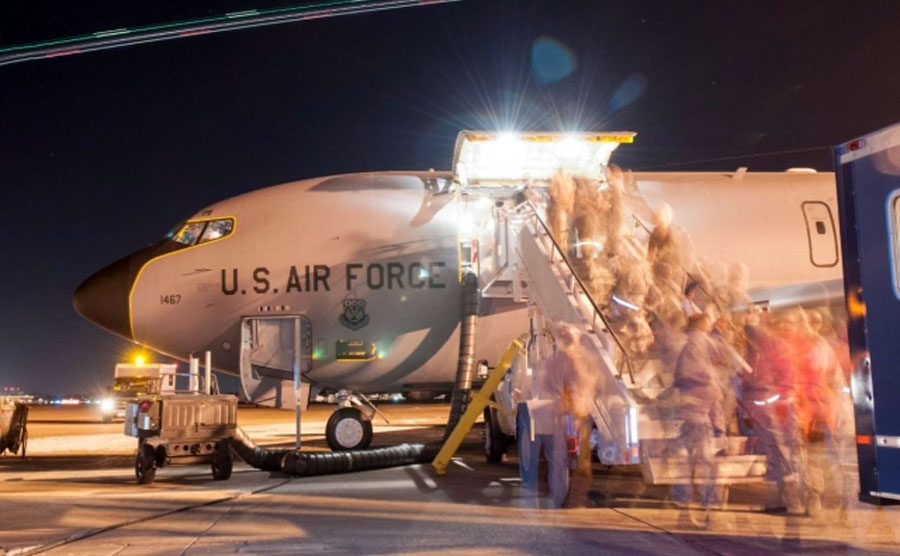
At least five United States Air Force refueling aircraft were damaged by an Iranian missile strike at Prince Sultan Air Base in Saudi Arabia, according to reports from The Wall Street Journal citing US officials, in a significant escalation of aerial losses tied to the 2026 Iran‑US–Israel war. The Boeing KC‑135 Stratotankers, which were on the ground at the base, were struck in recent days. Though not destroyed, they suffered substantial damage and are now undergoing repairs. No casualties were reported from this particular strike, underscoring the growing challenges faced by the US military’s aerial logistics fleet in a highly contested region.
The latest damage raises the number of US refueling planes affected since the launch of Operation Epic Fury — the Pentagon’s designation for expanded air operations linked to the Iran war — to at least seven aircraft. These tankers are crucial to sustaining long‑range combat and support missions, enabling fighter jets, reconnaissance aircraft and transport units to operate across the Middle East without frequent landings for fuel.
Just one day earlier, the US Air Force suffered a tragic mid‑air collision involving two KC‑135 aircraft over western Iraq near the Iraqi‑Jordanian border. According to US military sources and reports from CBS News citing an Iraqi intelligence source, one of the two tankers crashed following the collision, killing all six aircrew members on board. The Pentagon confirmed the fatalities, marking the first US Air Force combat‑related deaths directly linked to the ongoing Middle East campaign in 2026. The second KC‑135 declared an emergency and was able to land safely in Israel, where it was met by US recovery and support teams.
READ ALSO:
- Popular Pastor Agbala Gabriel Faces Fraud, Sexual Allegations
- Obituary for the PDP, By Farooq Kperogi
- Ozekhome, Useni Used Fake Passport in London Property Claim, NIS Witness Tells Court
In the wake of the crash, an Iran‑aligned armed coalition calling itself the Islamic Resistance in Iraq claimed responsibility for shooting down the aircraft in “defense of our country’s sovereignty and airspace,” though US defence officials have not confirmed hostile action as the cause and continue to investigate the circumstances of the collision.
These aerial losses come amid a broader pattern of aircraft incidents linked to the intensifying war. In a separate episode last week, Kuwait’s air defenses mistakenly shot down three US F‑15E fighter jets during active combat operations, an event the US Central Command (CENTCOM) described as an “apparent friendly fire incident.” All six crew members from the three F‑15s ejected safely and were later recovered in stable condition by US forces.
Conflict and Geopolitical Context
The damage to refueling aircraft and the fatal tanker collision underscore the complexity of the Iran–US–Israeli military confrontation that has dominated headlines since late February 2026. The conflict erupted after coordinated airstrikes by United States and Israeli forces against Iranian infrastructure, followed by a series of Iranian missile and drone attacks on military bases and assets across the Gulf region, including in Iraq, Saudi Arabia, and neighbouring states hosting US forces.
Prince Sultan Air Base, located east of Riyadh, has served as a major hub for US and allied air operations, hosting aerial refueling tankers, intelligence aircraft and maintenance facilities. Targeted missile and drone strikes by Iranian forces have repeatedly challenged the security of this base, reflecting Tehran’s strategy to disrupt Western military logistics and operational reach.
The loss and damage to these aircraft not only strain the US Air Force’s logistics capabilities but also highlight vulnerabilities in maintaining air operations in a contested theatre where surface‑to‑air threats — both missile‑based and drone‑borne — remain persistent. Defense analysts have noted that aerial refueling fleets like the KC‑135 are essential force multipliers, and sustained damage to these platforms could affect the tempo of sustained air operations.
At the same time, military officials have stressed that refueling tankers continue to support combat sorties, surveillance missions and rapid troop movements across the region, even as repair efforts for damaged aircraft are underway.
Iranian Missile Strike Damages Five US Refueling Tanks at Saudi Air Base

International
Abdul El-Sayed, Seven Other Muslims Make History In US Midterm Elections
Abdul El-Sayed, Seven Other Muslims Make History In US Midterm Elections
Muslim Candidates Also Secure State Senate Seats In New York, Illinois And Georgia
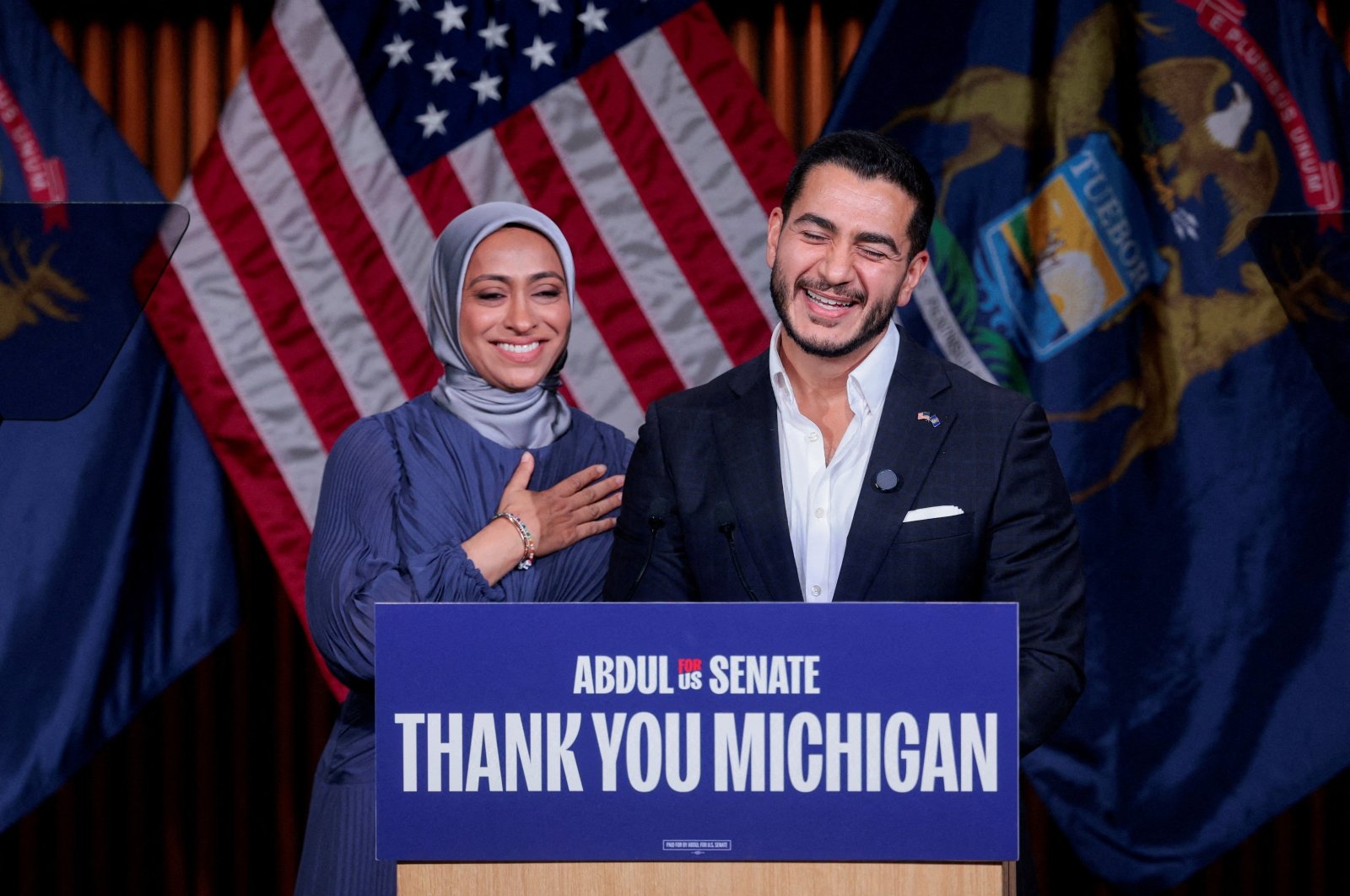
WASHINGTON, United States — Muslim candidates have recorded significant electoral victories in the November 3, 2026, United States midterm elections, with Democrat Abdul El-Sayed making history as the first Muslim elected to the US Senate, while at least seven other Muslim candidates secured seats in the House of Representatives.
The electoral successes, which also saw Muslim politicians win state legislative positions across different parts of the country, represent a significant development in the political participation and representation of Muslim Americans.
El-Sayed’s victory in Michigan’s Senate election stands out as one of the most remarkable achievements of the elections, breaking a longstanding barrier for Muslim representation in the upper chamber of the US Congress.
The physician and former public health official defeated Republican challenger Mike Rogers in the contest, securing a seat in the Senate and making history as the first Muslim American elected to the institution.
His victory adds a new dimension to the growing influence of Muslim politicians in American public life, particularly at a time when debates over immigration, civil rights, healthcare and US foreign policy continue to shape the country’s political landscape.
Beyond El-Sayed’s historic achievement, Muslim candidates also recorded notable victories in the House of Representatives.
Among them is Congresswoman Ilhan Omar, who secured re-election in Minnesota’s 5th Congressional District.
Omar, one of the most prominent Muslim politicians in the United States, has remained a major voice in congressional debates involving immigration, healthcare, civil rights and American foreign policy.
Another incumbent, Rashida Tlaib, also retained her seat representing Michigan’s 12th Congressional District.
Tlaib, who has consistently advocated Palestinian rights and criticised US military support for Israel, remains one of the most recognisable Muslim lawmakers in the American legislature.
Democratic Congressman André Carson equally secured another term representing Indiana’s 7th Congressional District, extending his presence as one of the longest-serving Muslim members of the US Congress.
In California, Lateefah Simon won re-election in the 12th Congressional District, while Adam Hamawy secured victory in New Jersey’s 12th Congressional District.
Hamawy’s victory is particularly significant because he becomes the first Muslim to represent New Jersey in the US Congress.
Another notable winner was Darializa Avila Chevalier, who secured New York’s 13th Congressional District.
The congressional victories bring the number of Muslim candidates elected to the US House of Representatives to at least six, in addition to El-Sayed’s historic Senate victory.
Muslim women also recorded significant achievements in state legislative elections.
In New York, Aber Kawas won the State Senate’s 12th District, marking an important milestone for Palestinian-American political representation.
Similarly, Nabeela Syed secured victory in Illinois State Senate District 26, defeating Republican incumbent Darby Hills.
In Georgia, Palestinian-American politician Ruwa Romman also won the State Senate District 7 contest, further strengthening Muslim representation in the state’s political institutions.
The victories came amid a major political shift in Washington, with Democrats recording significant gains in the midterm elections, creating fresh political challenges for President Donald Trump’s Republican administration.
The elections were contested against the backdrop of intense debates over the economy, immigration, healthcare, civil liberties and America’s foreign policy, particularly its relationship with Israel and the Palestinian question.
Muslim candidates have increasingly become visible in these debates, with several advocating policies involving civil rights, humanitarian assistance, healthcare access, immigration and social justice.
Reports published after the elections indicated that at least 36 Muslim candidates had won or were leading in various federal, state and local contests, although some results remained subject to further counting and verification.
The Council on American-Islamic Relations (CAIR) had earlier tracked more than 160 Muslim-American candidates seeking elective positions across different levels of government.
The latest victories therefore represent another important chapter in the political participation of Muslim Americans, whose representation has continued to expand in America’s democratic institutions.
With El-Sayed’s historic Senate victory, the successes of Muslim congressional candidates and the emergence of other Muslim lawmakers in state legislatures, the 2026 midterm elections have delivered a significant boost to Muslim political representation in the United States.
However, unofficial election projections and results remain subject to formal certification by the relevant electoral authorities.
Abdul El-Sayed, Seven Other Muslims Make History In US Midterm Elections
International
Musk Breaks Silence After $458M Gamble Backfires in Historic Democratic Sweep
Musk Breaks Silence After $458M Gamble Backfires in Historic Democratic Sweep
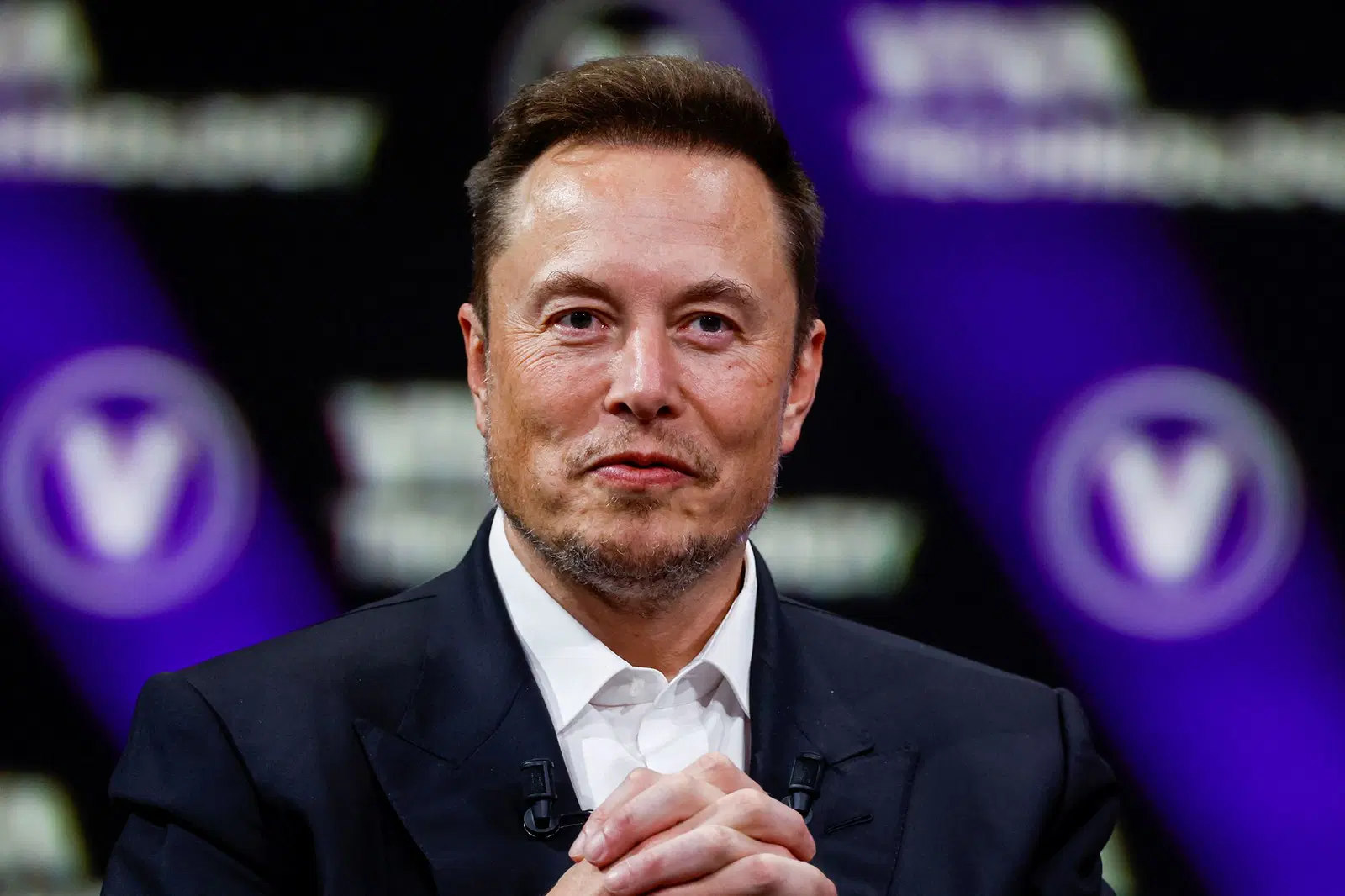
WASHINGTON, D.C. — Billionaire technology entrepreneur Elon Musk has broken his silence following a stunning Democratic victory in the 2026 United States midterm elections, making sarcastic remarks after spending hundreds of millions of dollars to support Republican candidates who suffered major electoral setbacks.
Musk, the world’s richest man and founder of SpaceX and Tesla, reportedly committed approximately $458 million to political groups and candidates backing Republicans in the elections, making him the biggest individual political donor in the 2026 election cycle.
However, the massive financial investment failed to prevent Democrats from securing a sweeping victory, taking control of both chambers of Congress and recording significant gains in several traditionally Republican strongholds.
Reacting to the outcome on Tuesday night, Musk took to his social media platform, X, where he appeared to make light of the electoral setback.
“Data centers in space looking pretty appealing right now,” he wrote.
In another post, the billionaire added: “Guess my election-interfering space lasers didn’t work this time.”
The comments, which attracted considerable attention online, appeared to reflect his frustration with the outcome, although they were delivered in his characteristic sarcastic style.
Musk’s political investment had been directed towards strengthening Republican chances of retaining control of Congress, with substantial financial backing going to political action committees and groups supporting candidates across several states.
One of the most expensive political battles involved Texas, where Musk reportedly spent more than $200 million supporting Republican Senate candidate Ken Paxton.
Despite the enormous financial backing, Democratic candidate James Talarico defeated Paxton, delivering a major blow to the Republican campaign and another setback for Musk’s political influence.
Other Republican-backed candidates also suffered significant defeats, reinforcing the scale of the Democratic resurgence.
The results have raised fresh questions about the influence of wealthy political donors in American elections, particularly whether massive campaign spending can overcome voter dissatisfaction with government policies and political leadership.
Meanwhile, Musk appeared to acknowledge the significance of the election outcome when he reacted with a brief “Interesting” to exit polling data suggesting that although Republican voters remained supportive of President Donald Trump’s immigration policies, the ongoing conflict involving Iran had become a major electoral liability for the party.
The election results suggest that economic concerns, rising living costs and dissatisfaction with the Trump administration, alongside the Iran conflict, played significant roles in shaping voters’ decisions.
The Democratic victories have also created a major political challenge for Trump, whose administration is expected to face increased congressional scrutiny during the remaining two years of his presidency.
With Democrats now controlling both chambers of Congress, the party will have greater power to obstruct Republican legislative proposals, scrutinise government activities and investigate policies of the Trump administration.
For Musk, the outcome represents a significant setback after his unprecedented financial involvement in the election cycle.
Although political donations do not automatically translate into electoral victories, the results have reignited debate over the limits of billionaire influence in American democracy.
His latest comments also suggest that the billionaire may be turning his attention back to his ambitious space technology projects as the political consequences of the Democratic victory begin to unfold.
Musk Breaks Silence After $458M Gamble Backfires in Historic Democratic Sweep
International
Abdul El-Sayed Makes History, Defeats Republican Rival To Become First Muslim US Senator
Abdul El-Sayed Makes History, Defeats Republican Rival To Become First Muslim US Senator
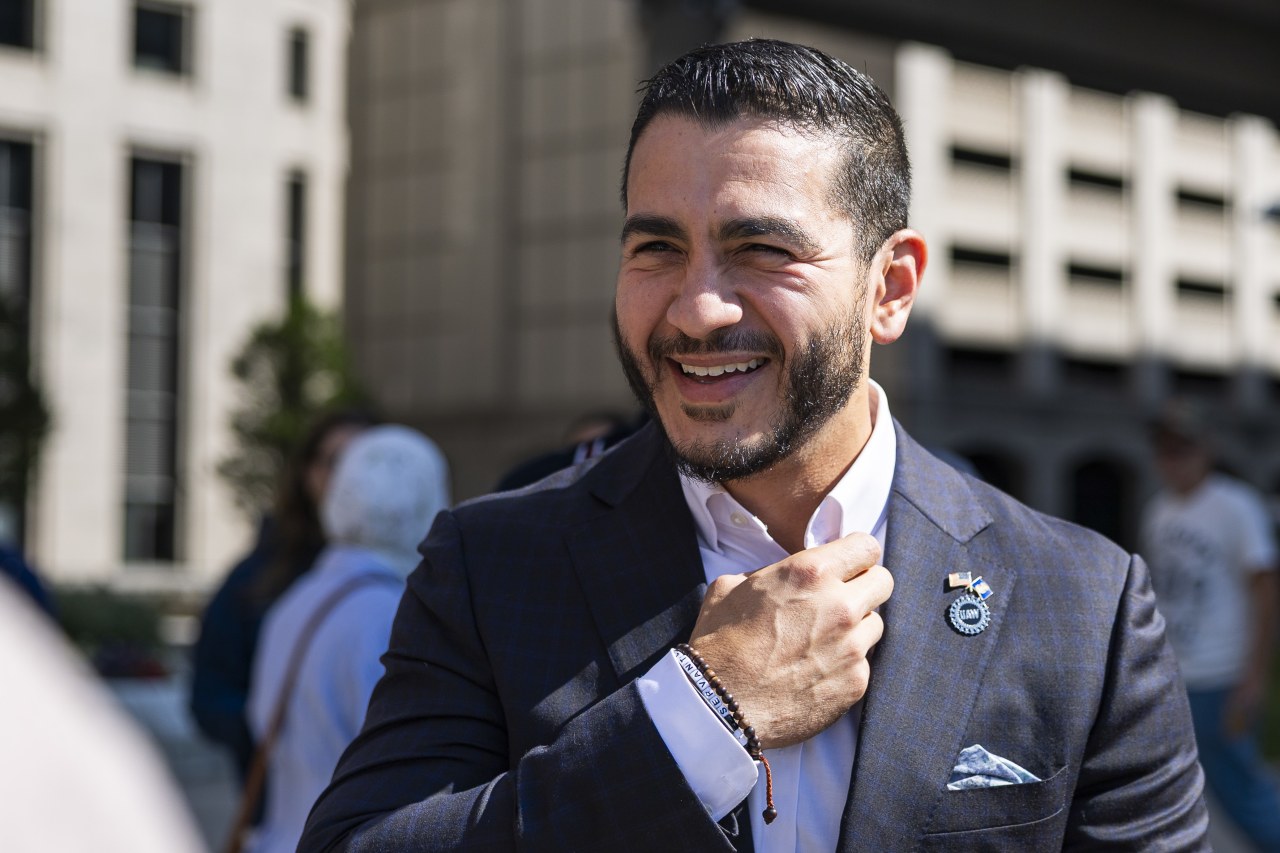
Democrat Abdul El-Sayed has won Michigan’s closely watched United States Senate election, making history as the first Muslim to be elected to the US Senate.
El-Sayed defeated Republican candidate Mike Rogers in the November 3, 2026, midterm elections, according to projections by the Associated Press.
His victory marks a historic milestone for Muslim representation in American politics and brings an end to more than two centuries without a Muslim serving in the US Senate.
The election was one of the most closely watched contests in the country, as Democrats and Republicans battled for control of the Senate.
According to Michigan Advance, the Associated Press called the race for El-Sayed with approximately 85 per cent of the votes counted. He was leading Rogers with 51.9 per cent against 46.1 per cent.
The victory means El-Sayed will succeed retiring Democratic Senator Gary Peters, who did not seek re-election.
Born on October 31, 1984, in Rochester Hills, Michigan, El-Sayed is the son of Egyptian immigrants.
The 42-year-old politician built his career around public health before venturing into electoral politics.
He graduated from the University of Michigan in 2007, earning degrees in biology and political science. He subsequently obtained a doctorate in public health from the University of Oxford as a Rhodes Scholar and later earned a medical degree from Columbia University in 2014.
In 2015, at the age of 30, he was appointed Detroit’s health director, making him one of the youngest officials to occupy the position.
He later served as head of Wayne County’s health department from 2023 to 2025.
Although he previously contested the Michigan governorship in 2018, he lost the Democratic primary to Gretchen Whitmer.
His election to the Senate therefore represents a significant turning point in his political career.
During the campaign, El-Sayed promoted an ambitious progressive agenda, including universal healthcare, popularly known as Medicare for All.
He also advocated measures to address medical debt, increase taxes on billionaires, reduce corporate influence in politics and limit the role of wealthy interest groups in election financing.
On foreign policy, he called for an end to the war involving Iran and a reassessment of America’s relationship with Israel, particularly over the conflict in Gaza.
His positions attracted support from prominent progressive politicians, including Senator Bernie Sanders and Congresswoman Alexandria Ocasio-Cortez.
Former President Barack Obama and former Vice President Kamala Harris also campaigned in Michigan in support of his candidacy.
El-Sayed’s campaign was marked by controversies surrounding his Muslim faith, Egyptian heritage and criticism of Israel.
President Donald Trump and other Republican figures questioned his loyalty to the United States and made allegations linking him to extremist organisations.
El-Sayed rejected the allegations, while the Associated Press reported that there was no evidence supporting claims of terrorist links.
His Democratic primary opponent, Congresswoman Haley Stevens, also endorsed Republican candidate Mike Rogers shortly before election day, following disagreements over El-Sayed’s positions.
Despite the divisions, El-Sayed secured the Democratic Party’s support and went on to defeat Rogers in the general election.
El-Sayed’s election is particularly significant for Muslim representation in the United States Congress.
Although Muslims have previously served in the House of Representatives, including Keith Ellison, Ilhan Omar and Rashida Tlaib, no Muslim has ever served in the US Senate.
His victory will therefore open a new chapter in the representation of Muslims in America’s highest legislative chamber.
He is expected to assume office in January 2027, succeeding retiring Senator Gary Peters.
His victory also gives progressive Democrats a prominent new figure in Washington as the party prepares for future political contests.
For El-Sayed, the historic achievement marks the culmination of a political journey that began with public health advocacy and has now taken him to the United States Senate.
Abdul El-Sayed Makes History, Defeats Republican Rival To Become First Muslim US Senator (more…)
-

 Sports2 days ago
Super Falcons Receive $100,000 Each as Tinubu Finally Fulfils WAFCON Pledge
-
 Politics2 days ago
APC Dumps Adeleke’s Campaign Structure, Unveils Separate 168-Member Council in Osun
-

 metro2 days ago
Three Homeless Men Shot Dead in Midnight Attack at Lagos Bus Stop
-
 metro3 days ago
Court Orders 18-Year-Old Fraudster To Pay ₦1.2m Over $800 Lottery Scam
-

 metro3 days ago
Gunmen Intercept Family Car, Abduct Woman, Two Children, Release Husband in Abuja
-
 metro3 days ago
Dino Melaye Challenges Tinubu to Quranic Recitation Contest After Umrah Trip
-
 News3 days ago
I Believe God Has Answered My Prayer, Says Tinubu After Entering Holy Ka’abah
-

 metro2 days ago
Oyo Boxer Stabbed to Death with Broken Bottle After Street Fight in Ibadan