

Sports
Ghanaian Footballer Dominic Frimpong Shot Dead in Berekum Chelsea Bus Attack
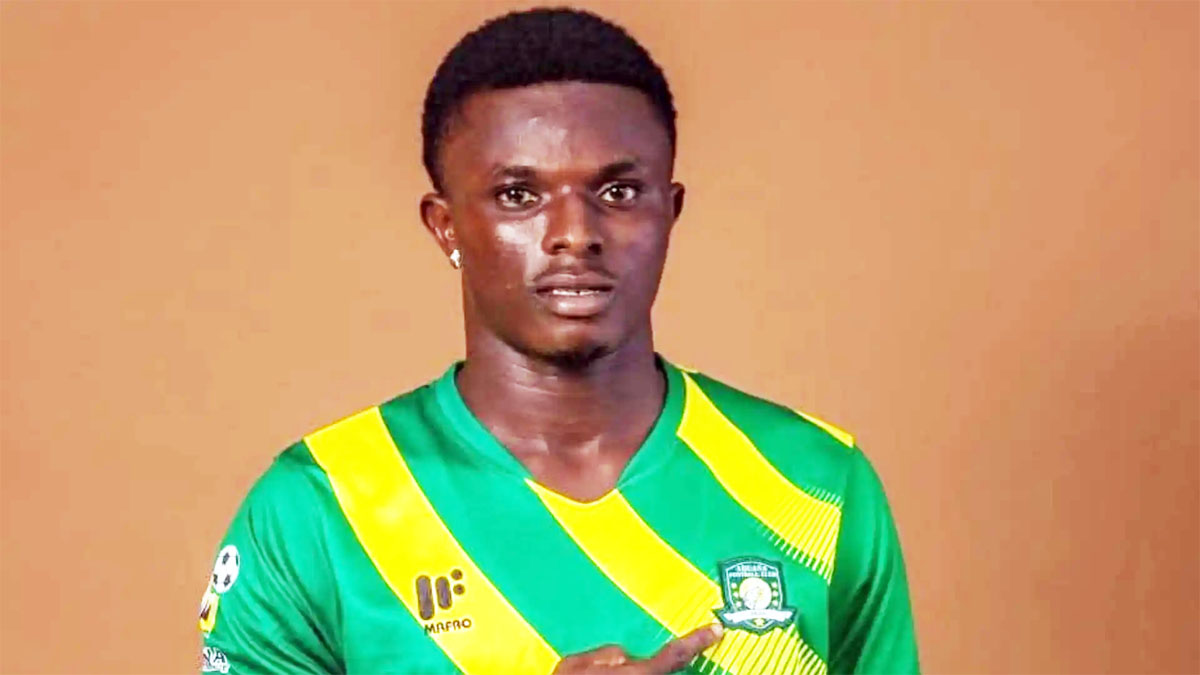
Ghanaian Footballer Dominic Frimpong Shot Dead in Berekum Chelsea Bus Attack
Ghanaian football has been plunged into mourning following the tragic death of Dominic Frimpong, a 20-year-old winger who was fatally shot after gunmen attacked the bus of Berekum Chelsea F.C..
The Ghanaian footballer reportedly died after sustaining gunshot wounds during an ambush by suspected armed robbers on Sunday, as the team returned from a Ghana Premier League match in Samreboi. The club had just secured a 1–0 victory over Samartex before the deadly incident occurred.
According to statements from the club, about six masked gunmen wielding rifles blocked the highway and opened fire on the team bus. As the driver attempted to reverse and escape, the attackers continued shooting, forcing players and officials to flee into nearby bushes for safety. During the chaos, Frimpong was hit by bullets.
Police authorities later confirmed that the young footballer died while receiving treatment, making him the only fatality among the approximately 30 players and officials on board. A manhunt has since been launched, with security operatives and crime scene experts deployed to track down the perpetrators behind the Ghana team bus attack.
READ ALSO:
- Man Allegedly Kills Two Sisters, Five-Year-Old Daughter in Ondo
- Fake Image of Governor Alia Bowing to Sultan Sparks Controversy, Palace Reacts
- Tinubu Aide Defends Early INEC Statement Release on Amupitan Controversy
Reacting to the tragedy, the Ghana Football Association expressed “profound shock and deep sorrow,” describing Frimpong as a promising young talent whose dedication and passion reflected the spirit of the league. The association also confirmed it is working closely with authorities and the club to ensure justice is served.
The Ghana Premier League body also pledged its full support to Berekum Chelsea and called on security agencies to take urgent steps to improve safety for clubs travelling across the country. The incident has intensified concerns over security on Ghana highways, particularly for teams moving between match venues.
Similar attacks have been reported in recent years involving clubs such as FC Savannah, Wa All Stars, Legon Cities, and AshantiGold, raising fresh fears about the safety of players and officials. Ghanaian sports journalist Muftawu Abdulai described the national mood as one of shock and concern, questioning whether it remains safe for teams to travel for domestic matches.
Frimpong had only recently joined Berekum Chelsea on loan from Aduana FC in January and was expected to stay until the end of the season. Despite his short spell, he made 13 appearances and scored two goals, marking him out as a rising star in Ghanaian football.
Founded in 2000, Berekum Chelsea—originally known as Semereka FC—later rebranded during the rise of Ghanaian football icon Michael Essien, whose success in Europe boosted the club’s profile.
In response to the tragedy, authorities have pledged to review and strengthen football travel security in Ghana to prevent similar incidents. The death of Frimpong has sparked widespread calls for urgent reforms, as fans and stakeholders demand better protection for players and officials.
Ghanaian Footballer Dominic Frimpong Shot Dead in Berekum Chelsea Bus Attack







Sports
Ronaldo Hits 980th Career Goal as Al-Nassr Win After Portugal Fallout
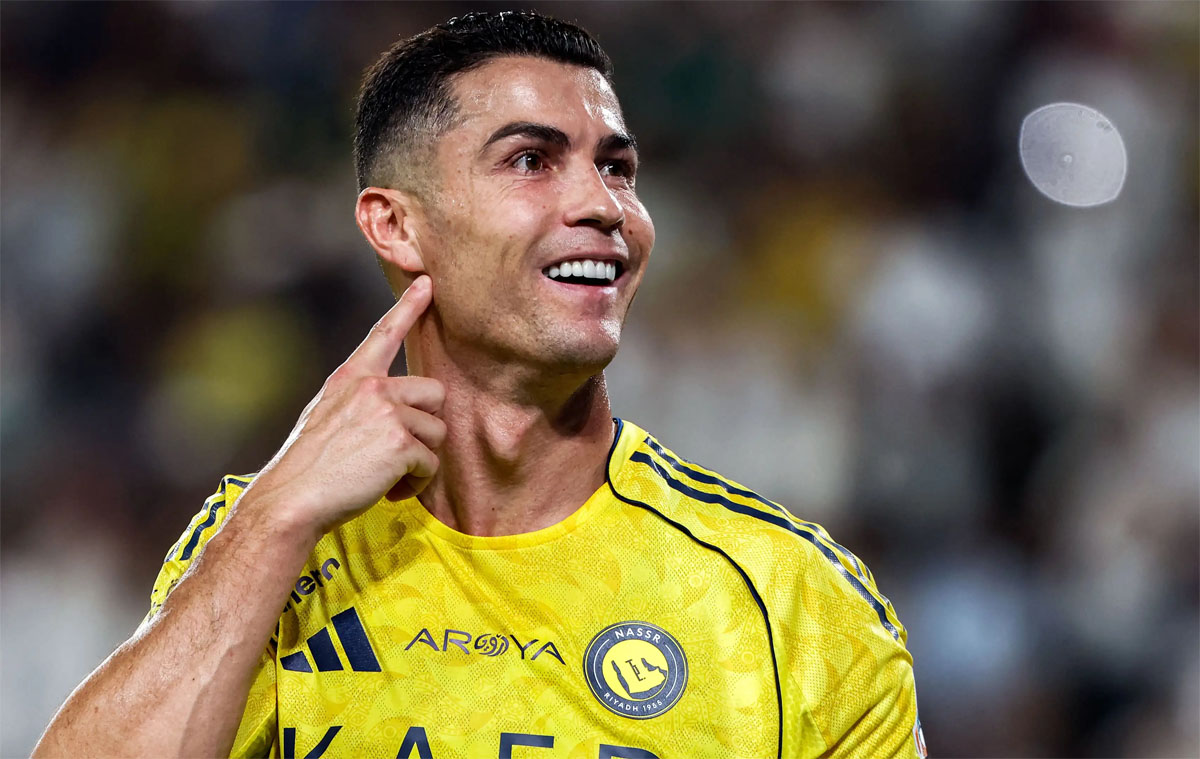
Cristiano Ronaldo has moved closer to the historic 1,000-goal milestone after scoring for Al-Nassr in their 3-0 victory over Al-Diriyah in the Saudi Pro League, following a controversial fallout with Portugal’s national team coach, Jorge Jesus.
The 41-year-old Portuguese forward scored his 980th career goal on Friday, October 9, 2026, as Al-Nassr returned to domestic action with a convincing victory in Riyadh.
Ronaldo’s goal came midway through the first half when Al-Diriyah goalkeeper Waleed Abdullah parried a long-range effort from Kingsley Coman. Ronaldo reacted quickly to the rebound and finished from close range to give Al-Nassr the lead.
The goal brought the five-time Ballon d’Or winner 20 goals away from his publicly stated target of scoring 1,000 goals in official matches, further extending a remarkable career spanning club and international football.
Al-Nassr doubled their advantage shortly before half-time when Samu Costa headed home from a corner delivered by João Félix. Coman subsequently added the third goal with 13 minutes remaining to seal the 3-0 victory.
The result kept Al-Nassr level on points with Saudi Pro League leaders Al-Qadsiah after eight rounds, although they remained behind on goal difference. Al-Qadsiah had earlier strengthened their position with a 5-0 victory over Al-Kholood.
READ ALSO:
- Osun: Family Questions Police Suicide Claim After Man Dies in Cell
- ‘You Copied My Idea Poorly, Like a Dull Student’ – Atiku Fires at Tinubu Over Petrol Discount
- Mary Ugwoma’s Death: Husband Denies Abuse, Cites Brain Haemorrhage Report
Ronaldo also received support from Al-Nassr supporters, who displayed banners celebrating his achievements before the match. The Portuguese Football Federation’s acknowledgement of his goal on social media also attracted attention against the backdrop of the recent controversy surrounding his national team involvement.
The club performance offered a positive response from Ronaldo after an international break dominated by reports of a disagreement with Jesus over his role in Portugal’s squad.
The dispute followed Portugal’s 2-1 Nations League victory over Norway, during which Ronaldo was not introduced despite warming up. He was subsequently informed that he would not start against Denmark.
In a statement reported by Reuters on October 6, Ronaldo alleged that Jesus had broken his word on two occasions. According to the forward, they had initially agreed that he would miss the two matches to manage his fitness, but the coach later indicated that he would play for 30 minutes against Norway.
Ronaldo said a subsequent meeting involving Jesus and Al-Nassr sporting director Simão Coutinho produced an understanding about how the coach would explain the situation publicly. He alleged that Jesus failed to follow the agreed explanation.
Jesus disputed Ronaldo’s account, denying that such an agreement had been made.
Ronaldo later apologised for leaving Portugal’s training camp and for failing to acknowledge supporters after the Norway match. He also accepted that the Portuguese Football Federation could impose disciplinary measures over his conduct.
Despite the disagreement, Ronaldo insisted that he had not retired from international football and remained willing to represent Portugal after serving any punishment that might be imposed.
Portugal’s coach and federation president Pedro Proença have indicated that the forward remains welcome in the national team setup. The federation has also described the episode as a misunderstanding to be resolved internally.
Ronaldo remains Portugal’s all-time leading scorer, with 146 goals in 234 international appearances. His next steps with the national team will depend on the resolution of the dispute and any disciplinary decision by the federation.
For now, his return to club action has put the focus back on his scoring record and Al-Nassr’s league campaign. With 980 career goals, Ronaldo continues his pursuit of the 1,000-goal landmark while uncertainty remains over the timing of his next Portugal appearance.
Ronaldo Hits 980th Career Goal as Al-Nassr Win After Portugal Fallout
Sports
Fury-Joshua Showdown Sells Out in 60 Minutes as 500,000 Fans Queue for Tickets

Fury-Joshua Showdown Sells Out in 60 Minutes as 500,000 Fans Queue for Tickets
More than 80,000 tickets for the highly anticipated Tyson Fury vs Anthony Joshua heavyweight boxing showdown reportedly sold out within 60 minutes, as more than 500,000 fans queued online to secure seats for the long-awaited clash between the two British boxing stars.
The extraordinary demand highlights the global interest in the proposed December 2026 contest, which is expected to bring together two of Britain’s most recognisable heavyweight fighters.
The bout is scheduled to take place at the Principality Stadium in Cardiff, Wales, with the event expected to attract a global audience. The reported ticket prices range from £88.50 to £13,128, including booking fees for the most expensive seats.
READ ALSO:
- ‘Mad People’: Presidency Fires Back at Amaechi Over Tinubu Re-Election Remarks
- ‘What Happens on Day 31?’ Atiku Slams Tinubu’s 30-Day Fuel Discount as Election-Laced Package
- Ronaldo Breaks Silence on Portugal Row as Pelé, Maradona Comparison Sparks Meme Frenzy
The rapid sell-out means many prospective spectators were unable to secure tickets, despite joining the online queue. The reported figures also underline the commercial appeal of a fight that boxing fans have anticipated for years.
Fury and Joshua, both former heavyweight world champions, have been linked to a potential showdown for more than a decade. However, negotiations and repeated delays have prevented the two fighters from meeting in a professional bout.
The proposed encounter is expected to draw significant international attention, with Netflix reported to be the global broadcaster. Organisers have also indicated that the timing of the event is intended to accommodate audiences in different parts of the world.
The fight is expected to be one of the major boxing attractions of 2026, provided the announced arrangements proceed as planned. Its ticket demand has already generated considerable interest, even before the fighters enter the ring.
For boxing supporters, the contest represents an opportunity to see two heavyweight rivals finally face each other in a professional bout after years of speculation and anticipation.
Fury-Joshua Showdown Sells Out in 60 Minutes as 500,000 Fans Queue for Tickets
Sports
Ronaldo Breaks Silence on Portugal Row as Pelé, Maradona Comparison Sparks Meme Frenzy
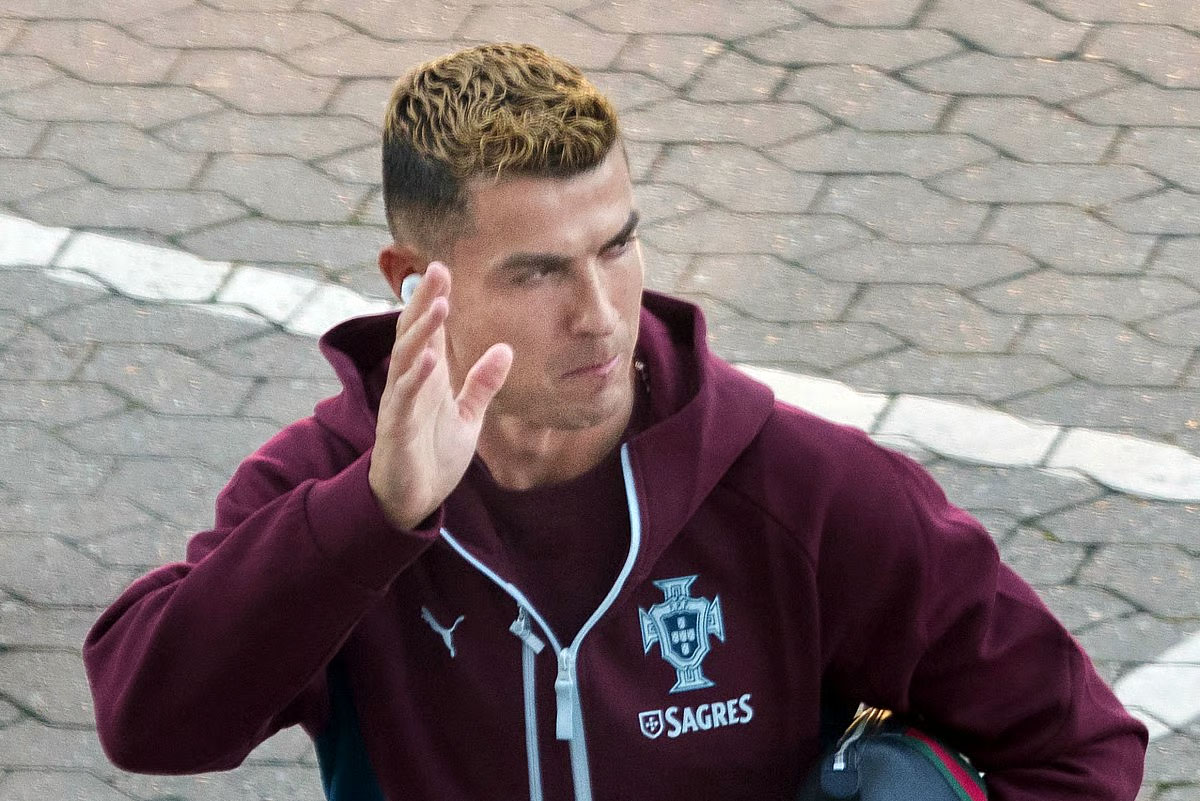
Ronaldo Breaks Silence on Portugal Row as Pelé, Maradona Comparison Sparks Meme Frenzy
Cristiano Ronaldo has sparked a wave of memes and heated debate among football fans after breaking his silence on his reported disagreement with Portugal coach Jorge Jesus, with a controversial reference to legends Pelé and Diego Maradona emerging as one of the most discussed aspects of the dispute.
The Al-Nassr forward’s statement sought to explain his departure from Portugal’s national team camp ahead of the side’s fixture against Denmark, following questions over his omission from the starting line-up in a previous match.
Ronaldo said the disagreement arose from an alleged agreement with Jesus concerning his playing time and the management of his fitness. He claimed the coach initially proposed that he sit out Portugal’s matches against Norway and Denmark but later indicated that he might feature against Norway.
According to Ronaldo, he warmed up during the match but was not introduced, despite expecting to play for a short period. He said the decision marked the beginning of a dispute over what both men had previously discussed.
Ronaldo further alleged that a subsequent meeting involving the coach and other officials produced an agreement on how the circumstances surrounding his omission would be explained publicly. He claimed that an eight-point statement was prepared to clarify his position and counter speculation about his attitude and commitment to the national team.
READ ALSO:
- [UPDATED] Lagos Train Crash: 55-Year-Old Motorist Survives as Honda Car Is Wrecked at PWD Crossing
- How Parents Raised Millions to Free 20 Abducted NYSC Members
- Lasaco Assurance Retains A(NG) Rating as Revenue Rises 35.2% to N30.8bn
The reported statement included a comparison between Ronaldo’s standing in football and that of Brazilian great Pelé and Argentine icon Diego Maradona. That reference became a major talking point online, with social media users sharing jokes and memes about the comparison, the length of Ronaldo’s statement and his reaction to being left on the bench.
However, the account of the private agreement came from Ronaldo, and the reported document should not be treated as an independently verified statement from Jesus.
The Portugal coach had pushed back against suggestions of a major crisis, maintaining that selection decisions applied to all players regardless of their reputation. His position left room for Ronaldo to return to the squad if he wished to continue representing his country.
Ronaldo also addressed his conduct following the match, apologising to supporters and teammates for his actions. He acknowledged that leaving the camp could have consequences and said any disciplinary decision should be left to the relevant football authorities.
Despite the controversy, the five-time Ballon d’Or winner ruled out retiring from international football. He said he remained committed to Portugal and would be available for selection, subject to his fitness, club performances and any suspension that might be imposed.
The incident has divided football fans. Some have defended Ronaldo’s demand for clarity over the reported agreement, while others have questioned his response to a coach’s selection decision. The Pelé and Maradona reference has further fuelled the discussion, turning a dispute over team selection into a wider debate about reputation, authority and expectations in elite football.
Ronaldo remains one of Portugal’s most recognisable sporting figures, and any disagreement involving the national team captain is likely to attract considerable attention. Whether the episode affects his relationship with Jesus will depend on how the two parties handle the dispute and whether the forward returns to the squad.
For now, the controversy continues to generate online reactions, with the reported agreement, Ronaldo’s explanation and the comparison with football’s legendary figures driving much of the discussion.
Ronaldo Breaks Silence on Portugal Row as Pelé, Maradona Comparison Sparks Meme Frenzy
-

 metro2 days ago
Tension in Kano as Phone Traders Confront Chinese Sellers Over Cheaper Phones
-
 Business3 days ago
NNPC Petrol Discount: Motorists Must Download App to Save ₦66 Per Litre
-

 metro1 day ago
₦8.7bn Erosion-Control Budget Gap Raises Questions as Anambra Gullies Expand
-

 Entertainment2 days ago
‘My Wife Fed Actresses I Was Dating Despite Knowing About Our Affairs’ – Yinka Quadri
-
 News3 days ago
OASIS Muslim Care Foundation Holds Webinar on Healthy Lifestyles, NCD Prevention
-
 International3 days ago
Panama Earthquake: 27 Injured as Powerful 7.7-Magnitude Tremor Damages Hundreds of Buildings
-
 International2 days ago
US Names 24 More Nigerians in Fresh Fraud, Money Laundering Crackdown
-
 Politics22 hours ago
Obi Positioning for SGF Role Under Atiku’s ADC Ticket – Sowore