

News
Lagos CARES Grant: How Residents, Small Businesses Can Apply for Financial Support
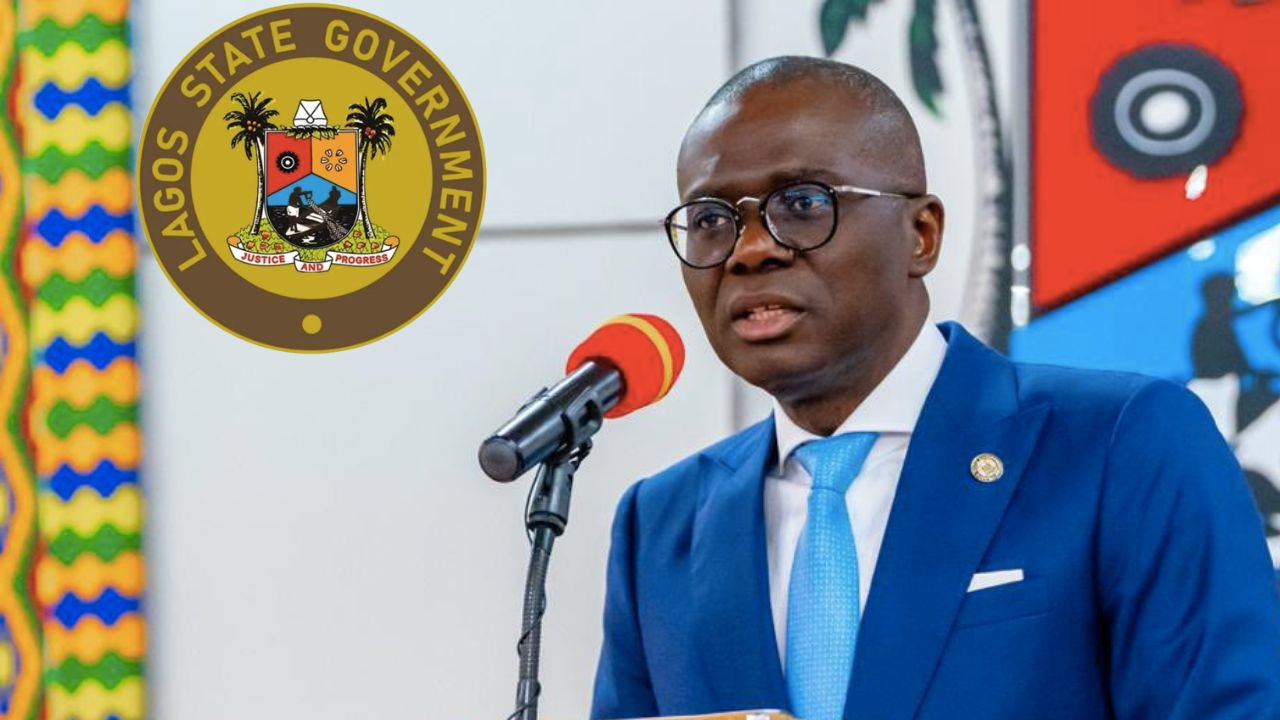
Lagos CARES Grant: How Residents, Small Businesses Can Apply for Financial Support
As the cost of living continues to rise and economic pressure weighs heavily on households and businesses, more Lagos residents are turning to government intervention programmes for relief. One initiative attracting growing attention in Q2 2026 is the Lagos State CARES Grant, a financial support scheme designed to assist vulnerable households, entrepreneurs, artisans, and small business owners struggling with rising operational costs.
Interest in the programme has surged in recent months as many residents search for ways to secure support for startups, business expansion, and livelihood recovery amid inflation and unemployment concerns.
The Lagos CARES programme is part of the broader Nigeria COVID-19 Action Recovery and Economic Stimulus (NG-CARES) framework introduced to cushion the economic impact of the COVID-19 pandemic and support long-term economic recovery across states.
In Lagos, major components of the programme are coordinated through the Lagos State Employment Trust Fund (LSETF), which regularly publishes eligibility requirements, intervention categories, and application guidelines for residents seeking support.
According to the agency, the initiative focuses on three major result areas — Social Protection, Agriculture, and Micro, Small and Medium Enterprises (MSMEs) — with the aim of supporting vulnerable groups and improving business sustainability across the state.
Unlike conventional bank loans, some categories of the CARES intervention operate as grants or conditional support programmes that may not require repayment if beneficiaries comply with programme guidelines and verification processes.
What the Lagos CARES Grant Covers
The MSME segment of the programme currently includes several intervention categories such as the Operations Grant, Credit Support Grant, and IT Enhancement Grant.
Under the operations support category, nano businesses with one or two employees may qualify for grants of up to ₦50,000, while micro enterprises can access support of up to ₦500,000. Small and medium enterprises may qualify for grants of up to ₦1 million to support operational expenses including rent, salaries, power supply, logistics, and utilities.
READ ALSO:
- Two Critically Injured After Gunman Opens Fire on Vehicles in Cambridge
- Two Critically Injured After Gunman Opens Fire on Vehicles in Cambridge
- “Youths Lokan” Movement Grows as KWAM1’s Daughter Joins Lagos Assembly Race
The programme also supports businesses with existing loans obtained from licensed financial institutions by co-financing part of qualifying credit facilities. Another category focuses on helping businesses improve their digital operations through technology support, internet tools, and productivity infrastructure.
Who Can Apply?
Eligibility requirements vary slightly depending on the intervention category, but applicants are generally expected to be residents of Lagos State or businesses operating within the state.
Groups commonly prioritised include:
- Small business owners
- Youth entrepreneurs
- Women-led businesses
- Market traders and artisans
- Agribusiness operators
- Informal sector workers
- Vulnerable households affected by economic hardship
Applicants are usually required to provide:
- Valid means of identification
- Bank Verification Number (BVN)
- LASRRA ID
- Proof of Lagos residency
- Business registration documents where applicable
- Tax Identification Number (TIN)
- Active bank account details
- Evidence of business operations
For registered SMEs, additional documentation such as CAC registration certificates, tax records, directors’ BVNs, and staff information may also be requested during verification.
How to Apply for Lagos CARES Grant in Q2 2026
Residents interested in the programme can apply through the official LSETF Application Portal.
The application process typically involves:
- Creating an online account with an active email address and phone number
- Selecting the Lagos CARES programme category
- Filling in personal and business information
- Uploading all required documents
- Submitting the application for screening and verification
Applicants may also undergo physical verification visits to confirm the authenticity of submitted business information before approval and disbursement.
Successful applicants are usually notified through email or SMS updates regarding screening, shortlisting, or payment schedules.
Why Many Applications Are Rejected
Officials say incomplete or inaccurate information remains one of the biggest reasons many applications fail.
Common issues include:
- Incorrect BVN details
- Name mismatch across documents
- Invalid phone numbers
- Fake or unverifiable business addresses
- Poor-quality document uploads
- Multiple applications from the same applicant
Authorities have also warned residents to avoid unofficial websites or social media pages demanding payment for “guaranteed approval,” stressing that legitimate government grant programmes do not require unofficial processing fees or agent payments.
What Applicants Should Expect in 2026
With unemployment and inflation continuing to affect many households, competition for government grants in Lagos has become significantly higher.
Experts advise applicants to prepare properly by maintaining accurate business records, using consistent personal information across documents, and ensuring their businesses remain active and verifiable during screening.
Applicants are also encouraged to rely only on official government information channels, as verification and disbursement processes may take several weeks depending on application volume.
For enquiries or complaints, residents can contact the LSETF CARES Support Team or visit the agency’s office in Oregun, Ikeja.
Lagos CARES Grant: How Residents, Small Businesses Can Apply for Financial Support











News
Fuel Prices: FCCPC Warns Marketers Against Denying Nigerians Relief

Fuel Prices: FCCPC Warns Marketers Against Denying Nigerians Relief
The Federal Competition and Consumer Protection Commission (FCCPC) has warned petroleum refiners and marketers against maintaining high petrol and diesel prices despite the recent decline in international crude oil prices.
The Commission said Nigerians should begin to benefit from the reduction in global oil prices, insisting that refiners and marketers have no justification for keeping petroleum product prices elevated if their operating costs have declined.
The Executive Vice Chairman and Chief Executive Officer of the FCCPC, Tunji Bello, gave the warning in a statement issued on Tuesday, November 10, 2026, by the Commission’s Director of Corporate Affairs, Ondaje Ijagwu.
Bello said the Commission was closely monitoring developments in the international oil market to ensure that reductions in crude oil prices translate into lower wholesale and retail prices of petroleum products in Nigeria.
According to the FCCPC, Brent crude, the international oil benchmark, which rose to about $115 per barrel in September, has fallen below $90 per barrel this week.
Despite the decline, petrol prices remain high across major Nigerian cities.
The Commission disclosed that petrol currently sells for between N1,405 and N1,420 per litre in Abuja, while consumers in Lagos pay between N1,325 and N1,370 per litre.
It compared the current prices with those recorded on February 27, before the outbreak of the conflict involving the United States, Israel and Iran, when Brent crude futures closed at $72.48 per barrel.
At the time, petrol sold for between N839 and N925 per litre in Lagos and Abuja.
READ ALSO:
- US Lawmakers to Hold Fresh Hearing on Nigeria’s Insecurity, Christian Killings
- ‘Her Death Must Not Be in Vain’: Lagos Mother Demands Justice for Toddler Killed by Police Bullet
- DR Congo Sentences 66 Soldiers to Death for Cowardice, Mutiny
Petroleum marketers have attributed the sharp increase in fuel prices over the past eight months to fluctuations in international crude oil prices following the conflict in the Middle East and disruptions to shipments through the Strait of Hormuz, a major global oil transportation route.
However, Bello insisted that sustained reductions in crude oil prices should lead to corresponding decreases in the cost of refined petroleum products.
“If the decline in crude prices is sustained, there is no justification for refiners and marketers to continue to keep petrol and diesel prices relatively high. We expect easing in wholesale petrol costs and for the resulting savings to reach consumers at the pump without undue delay,” he said.
The FCCPC chief acknowledged the financial difficulties Nigerians had experienced because of elevated fuel prices, noting that the Commission was determined to ensure that consumers were not denied the benefits of favourable movements in the international oil market.
He said the Commission would continue working with the Nigerian Midstream and Downstream Petroleum Regulatory Authority (NMDPRA) and other relevant government agencies to monitor wholesale and retail prices across the petroleum supply chain.
Bello also warned that the FCCPC would take appropriate action against operators found engaging in anti-competitive practices or unfair market behaviour that prevented consumers from benefiting from lower production and supply costs.
“Where there is evidence of anti-competitive conduct or unfair practices that prevent consumers from benefiting from lower costs, we will take appropriate action within our mandate,” he added.
The Commission’s intervention comes amid growing concerns over the impact of high petrol prices on transportation, food prices, manufacturing, household spending and the operating costs of businesses.
Although crude oil prices influence the cost of petroleum products, other factors, including refining expenses, foreign exchange rates, transportation, distribution, financing and inventory costs, also affect domestic pump prices.
The FCCPC’s position is that any sustained reduction in costs should be reflected in the market and that consumers should not be subjected to unfair pricing practices.
For millions of Nigerians struggling with high living costs, the major expectation is whether the latest decline in international crude oil prices will translate into meaningful reductions at filling stations.
Fuel Prices: FCCPC Warns Marketers Against Denying Nigerians Relief
News
Despite Tegbe’s 72-Hour Promise, Nigerians Still Battle Power Outages
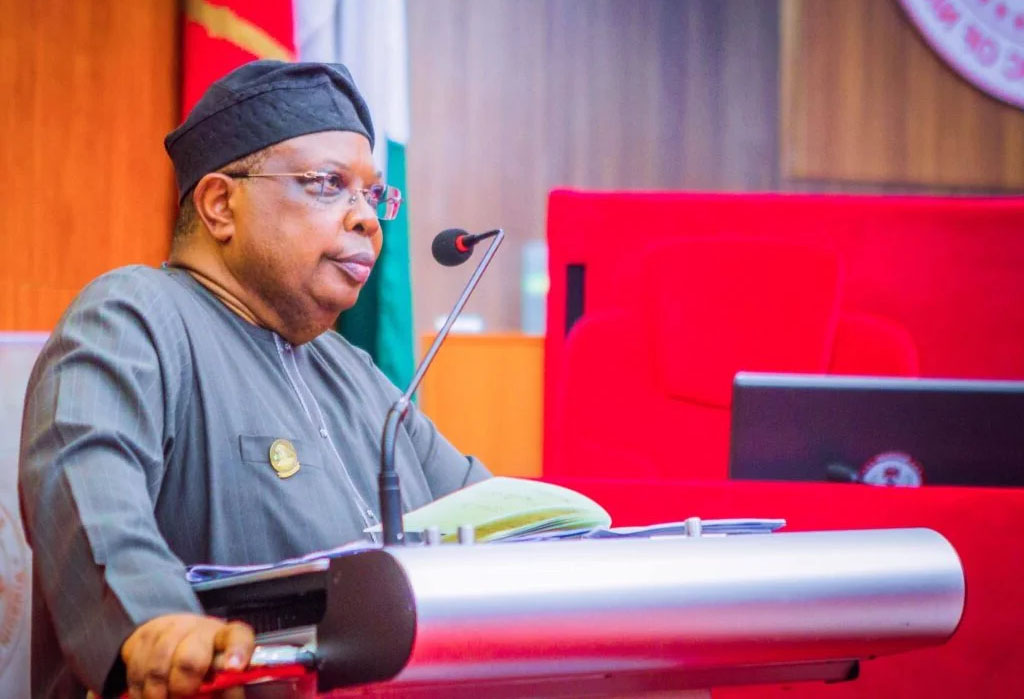
Despite Tegbe’s 72-Hour Promise, Nigerians Still Battle Power Outages
Nigeria’s electricity generation has risen to 4,020.41 megawatts (MW), up from about 3,500MW, but the improvement has yet to translate into reliable power supply for households and businesses across the country.
The development comes amid growing frustration over prolonged power outages, particularly in Lagos and other states, despite assurances by the Minister of Power, Joseph Tegbe, that electricity supply would improve within 48 to 72 hours.
Data from the Nigerian Independent System Operator (NISO) showed that generation increased on Monday, November 9, 2026, following disruptions linked to maintenance at the Egbin Power Station, gas supply constraints and damage to critical transmission infrastructure.
The increase followed the Federal Government’s intervention to restore damaged transmission infrastructure and return affected generating units to operation. However, electricity consumers continued to report inadequate supply, highlighting the gap between improved generation figures and the actual amount of electricity reaching homes and businesses.
According to the reported figures, electricity generation reached a peak of 4,253.6MW on Sunday before standing at 4,020.41MW on Monday. The Afam VI power plant contributed the largest share at 519MW, followed by the Shiroro hydroelectric plant with 445MW and the Azura-Edo plant with 438MW.
However, the Egbin Power Station, which has an installed capacity of 1,320MW, was generating only 108MW at the time of the reported assessment.
READ ALSO:
- Trump Makes Stunning Admission: ‘I Will Always Hate Some of My Enemies’
- Fayose Petitions IGP, Threatens Lawsuit Over Rape, Torture Allegations
- INEC Flags 268 Voter Records Over AI-Generated Photos, Begins Cleanup Ahead of 2027 Elections
The combined electricity allocation to the 11 distribution companies (DisCos) stood at approximately 3,195MW by late Monday afternoon, with Abuja DisCo receiving 581MW, Ikeja Electric 467MW and Eko Electricity Distribution Company 458MW.
The Minister of Power, Joseph Tegbe, had earlier attributed the worsening electricity situation to planned maintenance at the Egbin Power Station, inadequate gas supply to some thermal power plants and the vandalism of critical transmission infrastructure.
In an update issued on Friday, November 6, Tegbe explained that maintenance activities and gas supply constraints had reduced the volume of electricity available on the national grid, forcing operators to introduce load shedding in some areas.
He also disclosed that the vandalism of key transmission lines had restricted alternative routes for delivering electricity, particularly to Lagos.
The minister subsequently apologised to Nigerians over the disruptions, acknowledging the difficulties experienced by households, businesses and public institutions.
He said the government was working with generating companies, the Transmission Company of Nigeria (TCN), NISO and electricity distribution companies to restore affected facilities and improve supply.
Tegbe had promised that the first affected generating units would return to operation within 48 to 72 hours, while repairs to damaged transmission infrastructure would be accelerated.
In a further update on Monday, the minister announced that the vandalised Benin-Egbin 330-kilovolt transmission line had been repaired and returned to service.
According to him, the restoration increased electricity supply to the Lagos electricity complex to more than 1,000MW, bringing it back to the level recorded before the disruption.
Tegbe said electricity had been restored to several previously affected areas in Lagos, Ogun, Oyo, Kwara and the Federal Capital Territory, although some locations were still awaiting full restoration.
He also disclosed that the government was working to repair another important transmission route, the Osogbo-Ikeja West 330kV line, which has reportedly remained out of service for about 18 months.
The line could deliver an additional 400MW to Lagos when restored. However, about six transmission towers along the route have been vandalised, making repairs difficult because of the swampy terrain.
The minister said the government expected the restoration work to be completed by the end of November.
Despite the recent disruptions, Tegbe has expressed confidence that Nigeria could achieve more stable electricity supply within the next three to five years.
He said the Federal Government was considering a proposed $2 billion east-west super grid designed to strengthen the country’s transmission infrastructure and increase its capacity to 19,000MW.
The proposed project is expected to connect several locations, including Funtua, Gwagwalada, Ikot Ekpene, Benin, Epe and Ilorin.
Tegbe said the government had commenced the procurement process and expected the project to improve the resilience of the national electricity network.
He also stressed the need to address longstanding infrastructure problems, noting that some electricity equipment was between 40 and 50 years old.
Meanwhile, he maintained that the government was working to improve electricity supply through better coordination among generation, transmission and distribution operators.
The latest development highlights the continuing challenges in Nigeria’s electricity sector, where improvements in generation do not automatically guarantee adequate supply to consumers because of limitations in transmission and distribution infrastructure.
For millions of Nigerians, the major concern remains whether the increased generation figures and government interventions will translate into more consistent electricity supply.
Despite Tegbe’s 72-Hour Promise, Nigerians Still Battle Power Outages
News
Edo APC Chieftain Hacked to Death by Son Over Alleged Prophecy
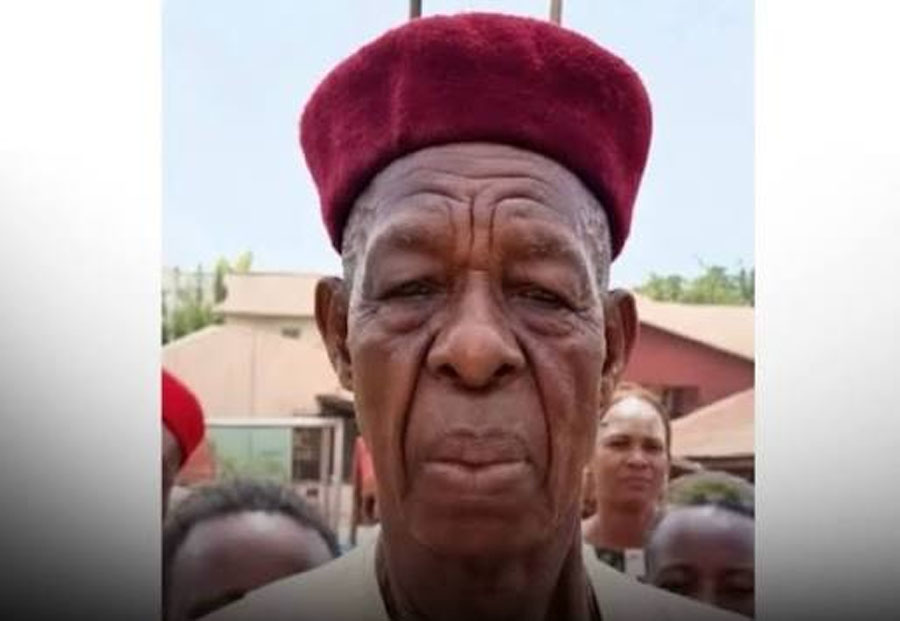
A chieftain of the All Progressives Congress (APC) in Edo State, Julius Bello, popularly known as De Lord Ogata, has reportedly been hacked to death by his son following claims that a prophet blamed him for the younger man’s financial struggles.
Bello, who was the APC Ward Three Chairman in Fugar, Etsako Central Local Government Area, was allegedly attacked with a sledgehammer by his son, identified as Irobudo, on Sunday, November 8, 2026.
The incident reportedly occurred shortly after the suspect returned from Lagos over the weekend.
According to reports, the suspect struck his father on the head with the weapon, inflicting fatal injuries.
Family sources linked the attack to an alleged prophecy that reportedly portrayed Bello as being spiritually responsible for his son’s prolonged poverty and inability to make financial progress.
READ ALSO:
- Fayose Petitions IGP, Threatens Lawsuit Over Rape, Torture Allegations
- INEC Flags 268 Voter Records Over AI-Generated Photos, Begins Cleanup Ahead of 2027 Elections
- Tension in Delta as Task Force Members Protest Over Colleague’s Killing at NDC Rally
The claims were said to have fuelled resentment against the deceased before the fatal attack. However, the alleged prophecy and its connection to the killing have not been independently verified, and the police have not established it as the motive.
The Edo State Police Command confirmed the killing and said an investigation had commenced.
The command’s spokesperson, Eno Ikoedem, disclosed that the suspect was still at large as of Monday, November 9, while police operatives were working to apprehend him.
According to the police, investigations would establish the circumstances surrounding the killing and the events that preceded the attack.
The incident has thrown Bello’s family and residents of Fugar into mourning, particularly because the suspected attacker is his own son.
The killing has also raised concerns about the potential consequences of unverified spiritual accusations when they fuel suspicion, hostility and violence within families.
The police investigation is expected to establish the full circumstances of the incident, determine the motive and bring the suspect to justice.
Edo APC Chieftain Hacked to Death by Son Over Alleged Prophecy
-

 metro3 days ago
[ICYMI] Lagos Summons DisCos, Regulators Over Persistent Power Outages, Seeks 24-Hour Electricity
-

 metro1 day ago
Fayose Petitions IGP, Threatens Lawsuit Over Rape, Torture Allegations
-

 metro2 days ago
‘Miracle’ Turns Sour as Visiting Pastor Vanishes with Congregants’ Phones During Crusade in Edo
-

 Auto2 days ago
Four-day Abuja International Motor Fair begins tomorrow Nov 10
-

 Politics2 days ago
Tension in Delta as Task Force Members Protest Over Colleague’s Killing at NDC Rally
-
 Politics2 days ago
ADC Raises Alarm as Court Delays Release of Lifu’s Judgment Despite Payment
-

 metro3 days ago
Zamfara: Bandits Allegedly Burn 13 Family Members Alive After Locking Them Inside Room
-

 Railway2 days ago
Tinubu Targets December 3 Inauguration for Kaduna-Kano Rail Project as Construction Hits 90%