

News
Xenophobia: 105 Nigerians Killed in South Africa in 7 Years

Xenophobia: 105 Nigerians Killed in South Africa in 7 Years
The Nigerian community in South Africa has raised fresh concerns over the safety of Nigerians living in the country, revealing that no fewer than 105 Nigerians have been killed in the last seven years amid recurring xenophobic violence and attacks on migrants . Leaders of the community said the deaths were linked to mob attacks, shootings, alleged police brutality, vigilante violence, and other unresolved incidents involving foreign nationals .
The concerns were contained in a statement jointly signed by Smart Nwobi of the Nigerian Union South Africa (NUSA) and Frank Onyekwelu of the Nigerian Citizens Association South Africa (NICASA) . The group was reacting to reports credited to South Africa’s Department of International Relations and Cooperation (DIRCO) , which reportedly suggested that migrants were not being deliberately targeted or killed in the country . However, the Nigerian community strongly rejected the claim, insisting that several incidents involving Nigerians had either been ignored or downplayed over the years .
“Denying or minimising the concerns raised by migrant communities risks discouraging victims and witnesses from reporting abuses and undermines efforts toward justice, reconciliation, and social cohesion,” the statement said . The community noted that Nigerians have allegedly been victims of fatal mob attacks, extrajudicial killings, unlawful shootings, violent raids, and deaths in police custody . It stated that community records and reports gathered from civil society groups, media publications, and migrant associations showed disturbing patterns of violence against Nigerians between 2019 and 2026 .
The statement recalled that in 2019, several Nigerian-owned businesses, vehicles, and shops were destroyed during widespread xenophobic unrest in Johannesburg and other areas, with at least 12 Nigerians losing their lives during the attacks through mob violence and brutal assaults . It added that in 2022, over 17 Nigerians reportedly died in separate incidents involving criminal attacks, alleged security brutality, and vigilante-style killings . The Nigerian community further claimed that more than 40 Nigerians lost their lives in 2023 alone under what it described as “troubling and unresolved circumstances,” ranging from mob violence to alleged police misconduct and violent confrontations that were never fully investigated .
READ ALSO:
- Mother of 6-Month-Old on the Run After Stabbing Baby Daddy at Work Over Money
- Airlines Tighten Power Bank Rules Worldwide After Surge in Flight Fire Incidents
- Saudi Crown Prince Hosts Hajj Reception for 1.7M Pilgrims, Muslim Leaders in Mina
The group also disclosed that eight Nigerians reportedly died in 2024, while another eight deaths were recorded in 2025 through shootings, violent clashes, and incidents in police custody . Most alarmingly, from January 2026 to date, the community claimed that over 20 Nigerians had allegedly died during encounters involving security operatives, criminal gangs, and suspected extrajudicial actions . While acknowledging that some investigations were ongoing, the Nigerian community expressed dissatisfaction over what it described as the absence of accountability and justice in many of the cases, stating that the failure to secure prosecutions or transparent outcomes had increased fear and anxiety among Nigerians and other migrants living in South Africa .
“It is important to emphasise that our position is not intended to undermine South Africa’s democratic institutions, law enforcement agencies, or judicial system,” the statement added . The community also acknowledged that many South Africans continued to support peaceful coexistence and reject xenophobia . Despite this, the group urged the South African government to take stronger steps to protect the lives and rights of all residents, regardless of nationality or immigration status, and called for transparent and impartial investigations into all reported cases involving violent attacks, deaths in custody, and alleged extrajudicial killings .
The latest concerns come just weeks after the Nigerian government demanded investigations into the deaths of two Nigerians, Amaramiro Emmanuel and Ekpenyong Andrew, who were allegedly assaulted by security personnel in South Africa . In response to the escalating crisis, the Federal Government summoned South Africa’s Acting High Commissioner to Nigeria, Lesoli Machele, for urgent talks following renewed unrest . The Nigerian government also began making arrangements for the voluntary evacuation of its citizens from South Africa, with 130 citizens already registered for repatriation as of early May 2026, a number expected to rise .
The National Assembly has also condemned the xenophobic attacks, with the Senate resolving to send a high-level delegation led by Senate President Godswill Akpabio to South Africa to find lasting solutions to the crisis . The House of Representatives called for a review of bilateral relations, including the possible suspension of business permits for South African companies operating in Nigeria and temporary restrictions on trade and aviation agreements . Lawmakers further demanded that the Ministry of Foreign Affairs establish a round-the-clock emergency help desk and a legal support fund for Nigerians affected by the attacks .
Diplomatic pressure on South Africa is mounting as more African countries threaten retaliatory measures over renewed xenophobic attacks targeting foreign nationals . While no government has officially announced a total closure of borders, threats of blockades, trade suspensions, and heightened security checks are gaining traction across the region in what analysts describe as the most serious diplomatic fallout since the end of apartheid . Neighbouring states such as Lesotho, Zimbabwe, and Mozambique, which account for the majority of South Africa’s migrant population, are on high alert, with many citizens seeking to return home as tensions escalate .
Ghana has also summoned South Africa’s acting High Commissioner, Thando Dalamba, to protest the harassment and intimidation of Ghanaian citizens after viral videos surfaced showing a Ghanaian man in KwaZulu-Natal being confronted by a vigilante group and ordered to leave the country . Nigeria’s government, beyond immediate evacuations, is leveraging regional and bilateral channels to press Pretoria for lasting solutions, with officials reminding South Africa of Nigeria’s significant sacrifices during the anti-apartheid struggle and arguing that the current hostility betrays the solidarity that defined the liberation era .
- Lagos Sanitation: Wahab’s Unexpected Message to Every Lagos Household
- NAHCON Chairman Orders Refunds for Nigerian Pilgrims Over Substandard Meals
- WHO Steps Up Ebola Response, Prioritises Vaccine Testing Amid Outbreak
South Africa’s DIRCO has rejected accusations that the country is xenophobic, describing recent incidents involving foreign nationals as isolated while reaffirming openness to diplomatic engagement . DIRCO Minister Ronald Lamola has engaged counterparts from several African countries, including Ghana and Nigeria, to brief them on developments and reaffirm South Africa’s commitment to protecting the rights of all people living in the country . The department dismissed social media claims that Ghanaian and Nigerian nationals had been killed during recent protests, saying there was “no credible evidence” to support such allegations .
Lamola stated that law enforcement agencies had been instructed to ensure the safety of citizens, residents, and visitors, and to hold perpetrators accountable in accordance with the law . He also noted that South Africa was reviewing its immigration policy framework to better address migration challenges and remained open to “continued diplomatic engagement and constructive dialogue” with African countries on issues of mutual concern . “South Africa will continue to lead with a Pan-African heart,” Lamola said . “Our commitment is to solidarity, the rule of law, and the safety of all who reside within our borders. Migration must be managed through cooperation, compassion and continental responsibility” .
According to DIRCO, about 3 million migrants currently reside in South Africa, approximately 90 percent of whom are from other African countries . The government acknowledged that migration pressures, unemployment, and irregular migration had at times contributed to tensions between local communities and foreign nationals . South African authorities have condemned the attacks as criminal and unlawful, with President Cyril Ramaphosa stating that no one has the right to take the law into their hands . However, with over 118 Nigerians reportedly killed in xenophobic incidents between 2015 and 2026, the Nigerian government insists that rhetoric must now be matched with action .
The Nigerian community urged South African authorities to intensify efforts to protect the lives and rights of all residents, irrespective of nationality or immigration status . It also called for thorough, transparent, and impartial investigations into all reported cases involving violent attacks, deaths in custody, and alleged extrajudicial killings . The group further urged authorities to strengthen measures against xenophobic violence, vigilantism, mob justice, and unlawful conduct by individuals or security personnel, while promoting community dialogue, social integration, and public education to discourage hatred, stereotyping, and violence against foreign nationals .
“No society can thrive where fear, mob justice, or unlawful violence become normalised,” the statement said . “Everyone remains innocent in the eyes of the law until proven guilty in a competent court of justice. We firmly believe that both South Africans and foreign nationals deserve equal protection under the law” . The Nigerian community said it remained committed to peaceful coexistence and constructive engagement with South African authorities in pursuit of a safer society .
Xenophobia: 105 Nigerians Killed in South Africa in 7 Years













News
FG Approves Upward Review of Feeding Allowance for NYSC Members

FG Approves Upward Review of Feeding Allowance for NYSC Members
Abuja — The Federal Government has approved an increase in the feeding allowance for members of the National Youth Service Corps (NYSC) during their orientation course, with implementation scheduled to commence in 2027.
The Director-General of the NYSC, Brigadier General Olakunle Nafiu, disclosed this while addressing the 2026 Batch C Stream One corps members at the NYSC Orientation Camp in Obubra, Cross River State.
According to the DG, the Budget Office has already been formally notified of the upward review of the allowance. However, the specific monetary value of the increment was not disclosed during the announcement.
READ ALSO:
- Fuel Subsidy May Ease Hardship Today, But Could Cripple Nigeria’s Economy Tomorrow — FG
- Petrol Price Hike Hits Abuja as MRS, AA Rano, Others Raise Rates Despite FG’s Discount Plan
- Kano Police Explain Blockade of ‘Tinubu Must Go’ Meeting
The approval comes amid persistent calls for improved welfare for corps members, particularly regarding the feeding and general upkeep provided during the mandatory three-week orientation exercise.
Beyond the financial announcement, Brigadier General Nafiu used the platform to counsel the corps members on financial responsibility. He advised them to spend wisely and cultivate a strong savings habit, stressing the importance of prudent resource management during their service year and beyond.
The DG’s visit to the Obubra camp was part of a broader tour to assess the welfare and conditions of corps members currently undergoing orientation across the country.
While the 2027 implementation timeline suggests a waiting period for the current batch, the approval signals the government’s intent to adjust the allowances in line with current economic realities. Further details regarding the exact amount and the modalities for the disbursement are expected to be communicated by the NYSC Directorate in due course.
FG Approves Upward Review of Feeding Allowance for NYSC Members
News
Fuel Subsidy May Ease Hardship Today, But Could Cripple Nigeria’s Economy Tomorrow — FG

The Federal Government has warned that restoring petrol subsidy could provide temporary relief to Nigerians but expose the country to severe fiscal pressure in the long run, as rising fuel prices continue to deepen the cost-of-living crisis.
Finance Minister Taiwo Oyedele has estimated that a return to petrol subsidy could cost Nigeria more than ₦20 trillion annually, arguing that the financial burden could undermine government spending on infrastructure, healthcare, education and other essential services.
The warning comes amid growing public concern over the impact of rising petrol prices, transportation fares, food costs and business operating expenses on households and enterprises across the country.
For millions of Nigerians, cheaper petrol could offer immediate relief by reducing transportation and distribution costs. However, the government maintains that a blanket subsidy would place enormous pressure on public finances and could weaken the gains expected from the removal of fuel subsidies in 2023.
Oyedele said the scale of Nigeria’s petrol consumption makes a return to the policy particularly expensive. He has argued that subsidising petrol would divert substantial public resources from other priorities and potentially increase borrowing requirements.
READ ALSO:
- Petrol Price Hike Hits Abuja as MRS, AA Rano, Others Raise Rates Despite FG’s Discount Plan
- Kano Police Explain Blockade of ‘Tinubu Must Go’ Meeting
- Xenophobia: Nigeria Evacuates 111 More Citizens From South Africa as Returnees Hit 2,037
The government’s position is that the resources saved through fuel subsidy removal can be redirected towards infrastructure, social services and development programmes. However, the immediate benefits of those savings remain a major concern for citizens facing higher daily expenses.
The debate has intensified as the government explores alternative measures to cushion the effects of rising fuel prices without restoring a nationwide subsidy.
One of the proposed interventions is a temporary petrol discount at NNPC retail outlets, intended to provide short-term relief to motorists and other consumers. The government has maintained that the arrangement is different from a blanket subsidy because it involves a reduction in the company’s retail profit margin rather than direct government payments.
Other measures announced or proposed by the government include support for vulnerable households, wider adoption of compressed natural gas (CNG), and interventions aimed at moderating fuel costs and easing pressure on businesses.
However, the effectiveness of these measures will depend on how widely the benefits reach consumers and whether any reduction in petrol prices translates into lower transport fares and the cost of goods and services.
Critics of the current approach argue that the hardship facing households requires more immediate and measurable relief. They contend that increased government revenue from subsidy removal must translate into visible improvements in living standards, public services and economic opportunities.
The policy debate therefore centres on how to balance immediate relief with long-term economic stability. While subsidised petrol could reduce the price paid at filling stations, the ultimate cost to the country would depend on the subsidy rate, consumption levels, funding arrangements and wider economic effects.
For Nigeria, the challenge is to protect households and businesses from the effects of rising energy costs without placing an unsustainable burden on public finances.
Targeted assistance, better public transportation, investment in domestic energy supply and transparent deployment of public revenue could help cushion the impact of high fuel prices while limiting the risks associated with a universal subsidy.
Ultimately, the question is not simply whether cheaper petrol would ease hardship today, but whether the country can provide meaningful relief without creating financial pressures that could worsen economic conditions tomorrow.
Fuel Subsidy May Ease Hardship Today, But Could Cripple Nigeria’s Economy Tomorrow — FG
News
OASIS Foundation Webinar: Physician Urges Healthy Living to Prevent Chronic Diseases
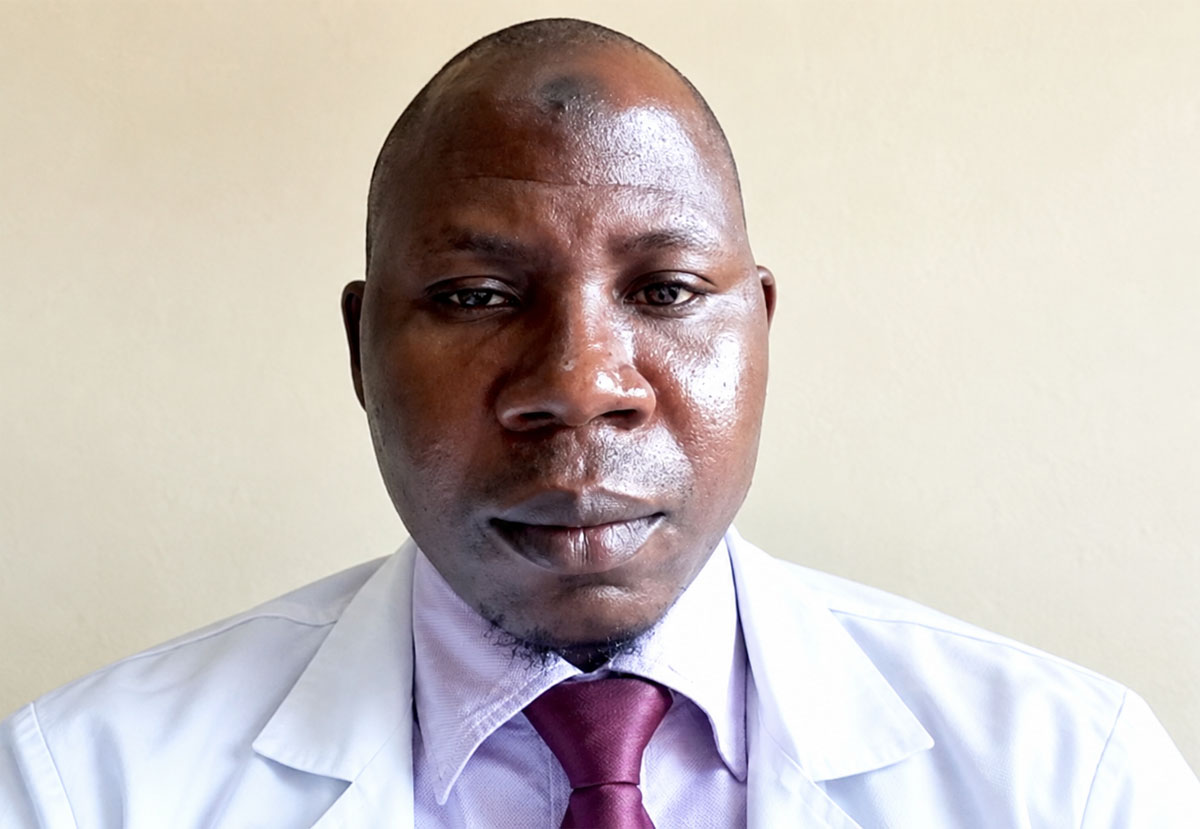
OASIS Foundation Webinar: Physician Urges Healthy Living to Prevent Chronic Diseases
A Consultant Family Physician, Dr Ibraheem AbdulRauf, has urged Nigerians to adopt healthier lifestyles, including balanced diets, regular physical activity, adequate sleep and routine medical screening, as part of efforts to prevent and control non-communicable diseases (NCDs).
AbdulRauf, who works at the Federal Teaching Hospital, Birnin Kebbi, said lifestyle changes remained important in reducing the risk of chronic illnesses such as cardiovascular diseases, diabetes, cancers and chronic respiratory diseases.
He made the recommendations while delivering a lecture titled “Promoting Healthy Lifestyles for the Prevention and Control of Non-Communicable Diseases (NCDs)” at the fourth quarterly webinar health series organised by the OASIS Muslim Care Foundation (OMCF) on Sunday, October 11, 2026.
The physician explained that non-communicable diseases were generally chronic conditions that were not transmitted from one person to another but were influenced by a combination of genetic, physiological, environmental and behavioural factors.
According to him, the growing burden of these diseases has become a major public health concern because of their contributions to premature deaths, disabilities, reduced quality of life and rising healthcare costs.
He noted that NCDs could place considerable financial pressure on individuals and families because they often require long-term medication, regular medical appointments, laboratory investigations and hospital care.
The specialist also observed that chronic illnesses could reduce productivity, affect employment and increase dependence on family members, making prevention an important public health priority.
Unhealthy lifestyles increase disease risks
AbdulRauf identified unhealthy diets, physical inactivity, tobacco use and harmful alcohol consumption as major modifiable risk factors associated with non-communicable diseases.
He explained that these behavioural factors could contribute to metabolic conditions, including hypertension, overweight and obesity, elevated blood glucose and abnormal blood lipid levels, which increase the risk of cardiovascular diseases and diabetes.
READ ALSO:
- Petrol Price Hike Hits Abuja as MRS, AA Rano, Others Raise Rates Despite FG’s Discount Plan
- Kano Police Explain Blockade of ‘Tinubu Must Go’ Meeting
- Xenophobia: Nigeria Evacuates 111 More Citizens From South Africa as Returnees Hit 2,037
While acknowledging that some risk factors, such as age, sex, genetic constitution and family history, could not be modified, he stressed that individuals could reduce their exposure to many preventable risks through healthier daily habits.
He, however, emphasised that preventing NCDs should not be regarded solely as an individual responsibility, arguing that families, communities, healthcare providers and governments also had important roles to play.
According to the presentation, health promotion must go beyond providing information about diseases to creating social, economic and environmental conditions that make healthier choices easier and more affordable.
Physician advocates healthier diets
The consultant identified nutrition as one of the important determinants of health, warning that diets high in salt, free sugars, saturated fats and unhealthy processed foods could contribute to obesity, hypertension, diabetes and cardiovascular diseases.
He recommended diets containing adequate fruits, vegetables, whole grains, legumes, nuts and other nutrient-rich foods to support healthy body weight and reduce the risk of chronic illnesses.
AbdulRauf also highlighted the importance of reducing salt intake, explaining that excessive sodium consumption could raise blood pressure and increase the risk of heart disease and stroke.
He listed fruits such as apples, berries, oranges, bananas, pawpaw, watermelon and avocados among the options highlighted in the presentation, while spinach, broccoli, carrots, kale, tomatoes and sweet potatoes were included among the vegetables.
The physician also drew attention to whole-food, plant-based diets, describing them as an important component of strategies for preventing and managing chronic diseases.
He cited familiar Nigerian foods and meals that can form part of a plant-based diet, including moi moi, bean porridge, akara, okra soup, ewedu, gbegiri, brown rice, acha and unripe plantains.
Tiger nut milk, soya milk and groundnut milk were also listed as examples of plant-based drinks.
The presentation emphasised the importance of prioritising whole or minimally processed foods while limiting excessive consumption of refined sugars, unhealthy fats and sodium.
Regular exercise recommended
AbdulRauf identified physical inactivity as another major risk factor, noting that sedentary occupations, motorised transportation and prolonged screen time had contributed to lifestyles characterised by insufficient movement.
He explained that regular physical activity could reduce the risk of cardiovascular diseases, type 2 diabetes, obesity and certain cancers while improving musculoskeletal health, cognitive function and general well-being.
According to the lecture, physical activity does not necessarily require expensive gym memberships or specialised equipment.
Walking, cycling, household activities, recreational sports and other forms of movement can help people become more physically active.
The presentation cited World Health Organisation recommendations that children and adolescents aged five to 17 should undertake at least 60 minutes of moderate-to-vigorous physical activity daily.
For adults aged 18 to 64, it recommended at least 150 minutes of moderate-intensity physical activity throughout the week, or at least 75 minutes of vigorous-intensity activity, or an equivalent combination of both.
READ ALSO:
- Russia-Ukraine Truce in Doubt as Zelenskyy Questions Trump’s Ceasefire Announcement
- Djibouti Boat Disaster: 139 Migrants Dead, Dozens Missing
- US Names 24 More Nigerians in Fresh Fraud, Money Laundering Crackdown
It also recommended muscle-strengthening activities involving major muscle groups on at least two days a week for adults.
For people aged 65 and above, the presentation recommended similar weekly activity targets, alongside muscle-strengthening exercises on two or more days a week.
AbdulRauf also highlighted the need for families, schools, workplaces and communities to encourage active lifestyles by supporting walking, cycling, group exercises, recreational activities and workplace wellness programmes.
Tobacco, alcohol linked to serious health problems
The consultant warned that tobacco use remained an important preventable cause of disease and premature death, with smoking associated with cardiovascular diseases, chronic respiratory conditions and several cancers.
He also highlighted the dangers of second-hand smoke, noting that exposure could harm people who did not smoke themselves.
The lecture called for tobacco prevention and cessation support, smoke-free environments, public education and measures to discourage young people from initiating tobacco use.
On alcohol, AbdulRauf noted its association with cardiovascular diseases, liver disease and several cancers.
The presentation cited the World Health Organisation’s 2024 global report on alcohol and health, which estimated that alcohol contributed to approximately 2.6 million deaths worldwide in 2019.
It stressed the need for accurate public education on alcohol-related health risks, support for people experiencing alcohol-use problems and policies aimed at reducing harmful consumption.
Healthy weight, sleep and stress management
AbdulRauf also identified overweight and obesity as important metabolic risk factors for non-communicable diseases.
He explained that excess body weight was associated with increased risks of cardiovascular diseases, type 2 diabetes and certain cancers, adding that prevention should begin in childhood and continue throughout adulthood.
He stressed that healthy weight management should focus on health and physical functioning rather than appearance alone.
According to the lecture, sustainable weight management is supported by healthy eating, regular physical activity, adequate sleep and avoidance of harmful substances.
The physician further urged Nigerians to pay attention to mental well-being, stress management and sleep, noting that persistent stress could affect sleep patterns, dietary choices, physical activity and other health behaviours.
Relaxation techniques, social support, effective time management and recreational activities were among the strategies identified for supporting well-being.
The presentation also encouraged people experiencing persistent psychological distress to seek appropriate professional assistance.
Routine screening essential for early detection
The consultant emphasised that healthy lifestyle promotion should be complemented by regular health checks and early detection.
He explained that some non-communicable diseases could develop silently for years before symptoms became obvious, meaning that individuals might remain unaware of their conditions until complications occurred.
READ ALSO:
- How Bauchi Court Jailed Three 21 Years Each for Abducting Seven Children
- Fresh Oil Discovery Sparks Tension in Delta Community as Family Rejects Land Lease Deal
- Riyadh Airport Attack: 12 Killed, 309 Injured as Saudi Arabia Faces Escalating Strikes
He identified regular blood-pressure measurement, blood glucose assessment and appropriate screening based on age, sex, family history and other risk factors as important components of preventive healthcare.
The lecture also advocated cancer screening in line with nationally recommended guidelines and available evidence.
According to AbdulRauf, early detection could enable individuals to receive counselling, treatment and follow-up before diseases progressed to severe complications.
He further advised people already diagnosed with NCDs to take prescribed medications correctly and maintain regular contact with healthcare providers.
The presentation stressed that screening and lifestyle counselling should form part of routine primary healthcare services to improve prevention, early identification and long-term disease management.
Families, communities urged to support prevention
AbdulRauf called for a collective approach to NCD prevention, involving individuals, families, religious organisations, schools, workplaces, healthcare professionals and government institutions.
He explained that families could support healthier living by preparing nutritious meals, encouraging physical activity, maintaining smoke-free homes and helping members sustain positive behavioural changes.
Communities, he said, could organise health education programmes, physical activity initiatives, screening exercises and support groups.
Religious organisations, traditional institutions, community associations and civil society organisations were also identified as important partners in promoting healthy living.
The presentation encouraged healthcare professionals to integrate lifestyle counselling into routine consultations and use primary healthcare facilities for risk assessment, health education, screening, referral and follow-up.
At the policy level, it called for measures that promote healthier food environments, tobacco control, physical activity, clean air and accessible preventive healthcare.
It also identified poverty, limited access to nutritious foods, unsafe environments for exercise, inadequate health information, cultural beliefs, aggressive marketing of unhealthy products, long working hours and limited access to healthcare as barriers to adopting healthier lifestyles.
According to the lecture, addressing these challenges requires cooperation across sectors, including health, education, agriculture, transport, urban planning, finance and environmental management.
Practical steps for healthier living
The physician’s presentation outlined practical measures Nigerians could incorporate into their daily routines to reduce their risk of chronic diseases.
These include increasing the consumption of vegetables, fruits, legumes and whole grains; reducing excessive salt, sugar and unhealthy fats; engaging in regular physical activity; avoiding tobacco; and avoiding harmful alcohol consumption.
It also recommended maintaining a healthy weight, monitoring blood pressure and blood glucose as appropriate, managing stress, getting adequate sleep and participating in recommended preventive screening.
The lecture presented six pillars of lifestyle medicine under the acronym “DREAMS”: diet and nutrition, relationships, exercise, avoidance of risky substances, mental well-being and sleep hygiene.
The framework highlighted the importance of combining healthy eating and physical activity with positive social relationships, psychological well-being, adequate rest and avoidance of harmful substances.
The presentation also emphasised that healthy behaviours should be promoted throughout life, from childhood and adolescence to adulthood and old age.
Prevention described as shared responsibility
In its concluding message, the lecture stated that although genetic, environmental and social factors influence NCDs, many of their major risk factors could be modified through appropriate lifestyle choices and supportive public health interventions.
It stressed that the successful prevention and control of these diseases would require more than individual motivation, noting that people needed access to affordable nutritious foods, safe spaces for physical activity, appropriate healthcare services and supportive social environments.
The presentation called on governments to strengthen policies and health systems that support healthier food choices, physical activity, tobacco control, clean air and preventive healthcare.
It also urged healthcare professionals and community organisations to help translate health information into practical steps that individuals and families could sustain over time.
The central message of the webinar was that preventing non-communicable diseases requires a combination of personal responsibility, community participation, effective healthcare services and supportive public policies.
By encouraging healthier habits and improving access to prevention and early detection, the lecture noted, individuals and communities could work towards longer, healthier and more productive lives.
OASIS Foundation Webinar: Physician Urges Healthy Living to Prevent Chronic Diseases
-
 Health3 days ago
NAFDAC Raises Alarm Over Toxic Pesticides in Beans, Seizes ₦800m Banned Chemicals
-

 metro2 days ago
Tension in Kano as Phone Traders Confront Chinese Sellers Over Cheaper Phones
-

 metro2 days ago
Police Launch Manhunt After Fresh Attacks, Kidnappings Rock Four Nigerian States
-

 Business2 days ago
NNPC Petrol Discount: Motorists Must Download App to Save ₦66 Per Litre
-

 metro2 days ago
EFCC Wins ₦132m Money Laundering Case as Court Orders Forfeiture of Lagos Properties
-

 Entertainment2 days ago
‘My Wife Fed Actresses I Was Dating Despite Knowing About Our Affairs’ – Yinka Quadri
-

 Politics2 days ago
INEC Raises Alarm Over Fake APC Result Naming Okorocha, Seeks DSS, Police Probe
-

 metro3 days ago
Mary Ugwoma’s Death: Husband Denies Abuse, Cites Brain Haemorrhage Report