

News
State Police Framework Ready Soon, Presidency Tells Nigerians
State Police Framework Ready Soon, Presidency Tells Nigerians
The presidency said Thursday that a constitutional amendment to establish state police will soon happen following months of consultations between the executive, the National Assembly, and security authorities.
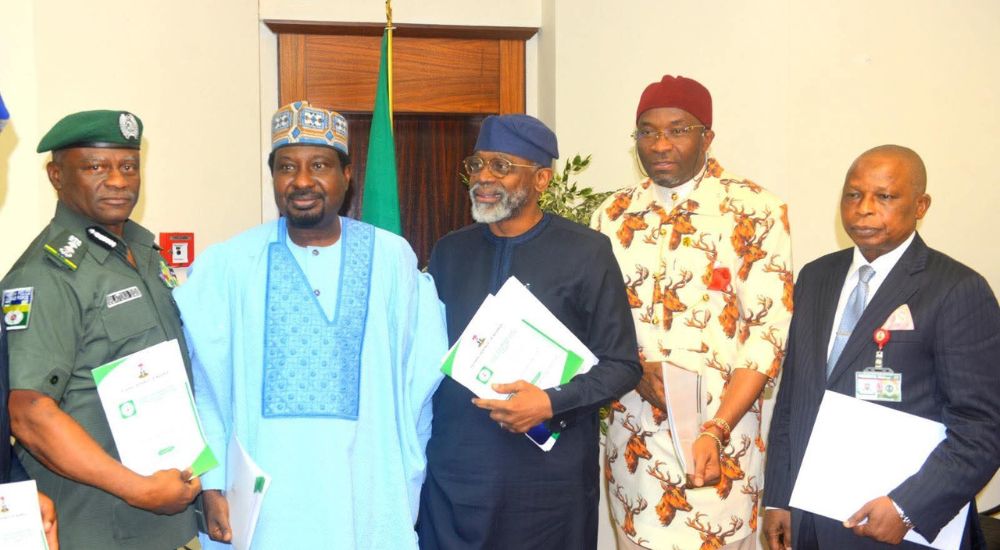
President Bola Tinubu’s Chief of Staff, Femi Gbajabiamila, briefed correspondents after a consultative meeting at the State House, Abuja, on Thursday, June 4, 2026. According to Gbajabiamila, discussions on the proposed state police framework began several months ago following a directive by President Bola Tinubu, and substantial progress has been achieved in developing the legal and constitutional pathways required for implementation.
“We started deliberations in the last three or four months on how to go about the establishment of state police as directed by Mr President,” he said. “Establishing state police is not something that you do with the snap of the fingers. There is a lot involved in terms of constitution and legalities, and thank God we have now gained a lot of traction.” Gbajabiamila expressed optimism that the constitutional amendment required to create state police would be introduced soon. “Hopefully, the amendment will come shortly, and the details of the amendment will come after that,” he added.
According to the Chief of Staff, the current focus is on the constitutional amendment itself, while enabling legislation would follow afterwards to define operational procedures and administrative frameworks for state police across the country. “Right now, what we are looking at is the constitutional amendment itself, and then the enabling law would follow thereafter. That is what we have been deliberating on in the last couple of hours,” Gbajabiamila stated. He further noted that there is now broad national consensus on the need for state police, stressing that discussions had evolved beyond the question of whether state police should exist. He said the focus had shifted toward ensuring the establishment of an effective legal and institutional framework capable of guaranteeing accountability and efficient operations.
READ ALSO:
- Kidnapping in South-West Is a Business, Not a Religious War — Ex-Minister Olanrewaju
- Osun 2026: Accord Party Chairman Shot in Osogbo as Police Begin Investigation
- FG Considers Tougher Age Limits for Social Media Use by Children
President Tinubu will receive a full report on the meeting’s outcome. He has consistently backed decentralised policing as a necessary response to Nigeria’s evolving security challenges, maintaining that such a structure would improve grassroots security, enhance intelligence gathering, and better protect lives and property across the country.
The consultative meeting was attended by a cross-section of senior government officials, demonstrating the administration’s commitment to the initiative. Those present included Deputy Senate President Jibrin Barau, Deputy Speaker of the House of Representatives Benjamin Kalu, Attorney-General of the Federation and Minister of Justice Lateef Fagbemi (SAN) , and Inspector-General of Police Tunji Disu. The meeting formed part of ongoing consultations by the Federal Government aimed at developing a workable and nationally acceptable framework for state police to enhance internal security and improve the ability of sub-national governments to tackle emerging security challenges.
The Thursday meeting followed recent kidnappings across the country that have reignited calls for security sector reforms. In May 2026, armed gunmen on motorcycles attacked schools in the Ahoro Esinle community of Oriire Local Government Area in Oyo State and abducted at least 39 pupils and 7 teachers. The assailants eventually killed one of the teachers in captivity. According to reports, the attackers stormed three schools on May 15, 2026 — Baptist Nursery and Primary School, Yawota; Community Grammar School, Esiele; and L.A. Primary School, Esiele — in what has been described as a highly organized operation. The attack marked one of the first mass school abductions of its scale in the South-West, a region previously considered relatively insulated from the mass kidnapping crises that have plagued Northern Nigeria.
Governor Seyi Makinde reported 32 total abductions and took decisive action in response to the crisis. The Oyo State Government ordered the immediate suspension of all school excursions, field trips, inter-school sports competitions, and any extracurricular activities that require students to leave school premises. The Ministry of Education issued a circular directing all school administrators to comply with the suspension until further notice, citing growing security concerns across the state.
The abduction took a tragic turn when reports emerged that a mathematics teacher, Michael Oyedokun, was later beheaded by his captors. Another teacher, identified as Joel Adesiyan (also reported as Adesiyan Adegboye), was killed during the initial raid on the schools. The deaths have sparked national outrage and triggered protests by teachers across the country. In a message marking Eid-al-Adha and National Children’s Day, Governor Makinde expressed deep solidarity with the families of the abducted school children and teachers. “As we mark this year’s Eid and Children’s Day, our thoughts are with every family awaiting the return of their loved ones, and with security agencies working to keep our communities safe,” he wrote on his official X handle. He reassured the state of his administration’s efforts to resolve the crisis, stating, “We are working to ensure the safe return of those who were kidnapped in Oriire LGA.”
The Oyo school abduction has triggered nationwide protests by the Nigeria Union of Teachers (NUT) . Members of the NUT, Kwara State wing, joined the nationwide solidarity rally organised by the national body of the union to protest the abduction and continued captivity of teachers and pupils. The rally, held in Ilorin, the Kwara State capital, saw teachers marching with placards bearing inscriptions such as “From Chibok to Oriire: Our children are still crying,” “We say no to attacks on schools,” and “Stop the killing and maiming of teachers in Nigeria.” The Deputy Secretary-General of the NUT in Kwara State, Mike Modesty, lamented that the victims had remained in captivity since May 15, adding that the continued attacks on teachers and learners showed that the government had not done enough to protect schools. “They have been abducted since May 15. One teacher has been killed and the remaining ones are still in captivity. And we are hearing that the bandits want to negotiate. Negotiate what? The lives of our children and the teachers?” he said.
The push for state police has gained renewed momentum amid growing concerns over insecurity and increasing calls for a more decentralised policing structure capable of addressing local security challenges across the federation. Supporters of the initiative have argued that Nigeria’s centralised policing structure has become overstretched amid rising security concerns including insurgency, banditry, kidnapping, and communal violence. Some states have already established regional and local security outfits, such as Amotekun in the South-West, but these operate without full constitutional backing. However, opponents have continued to raise concerns about possible political interference and the potential misuse of state police by state administrations, urging the inclusion of robust legal safeguards to prevent abuse. The state police bill has been one of the most contentious constitutional matters since 1999, with northern governors and some civil society groups previously expressing reservations. Nonetheless, Gbajabiamila expressed confidence that there is now a national consensus on the necessity of the reform.
The constitutional amendment, once finalised, will be presented to the National Assembly for consideration before the enabling legislation that will define the operational procedures and administrative frameworks for state police across the country. President Tinubu will receive a comprehensive briefing on the outcome of the meeting and the progress made toward actualising the long-awaited security reform. According to the administration, a decentralised policing structure would strengthen grassroots security, improve intelligence gathering, and enhance protection of lives and property across the country.
State Police Framework Ready Soon, Presidency Tells Nigerians






News
UNILORIN VC to graduates: Let this investment count
UNILORIN VC to graduates: Let this investment count
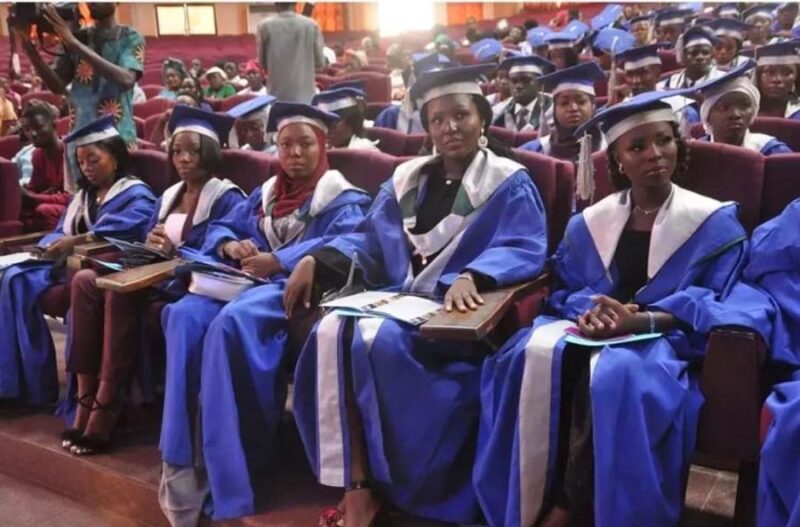
ILORIN — The Vice-Chancellor of the University of Ilorin (UNILORIN), Professor Wahab Olasupo Egbewole, SAN, has urged graduating students to justify the sacrifices made by their parents, guardians and other stakeholders by using their education, knowledge and skills to solve societal problems and contribute meaningfully to national development.
Egbewole gave the charge in his address titled “Let This Investment Count!” at the university’s 41st Convocation Ceremony, where he congratulated the graduands and challenged them to translate the opportunities provided by university education into tangible benefits for themselves and society.
The Vice-Chancellor’s message placed emphasis on the responsibilities that come with obtaining a university degree, particularly the need for graduates to demonstrate that the time, money, energy and other resources invested in their education have produced meaningful results.
He called on the graduands to appreciate the contributions of their parents and guardians, whose sacrifices had helped them reach the milestone, while also recognising the efforts of the university’s academic and non-academic staff and other stakeholders in their educational journey.
According to the message of the address, the significance of graduation goes beyond receiving certificates and celebrating academic achievements. It also marks the beginning of a new phase in which graduates are expected to apply their learning, demonstrate discipline and integrity, and contribute to the development of their communities.
The charge comes at a time when Nigerian graduates face concerns over unemployment, changing workplace requirements and the need to acquire practical competencies that complement conventional academic qualifications.
Egbewole’s appeal therefore highlights the importance of ensuring that university education produces individuals capable of creating opportunities, addressing real-life challenges and adding value to their workplaces and communities.
16,152 students to graduate
The 41st Convocation Ceremony is expected to see the university graduate a total of 16,152 students for the 2025/2026 academic session.
The figure comprises 11,213 students receiving first degrees and 4,939 candidates earning higher degrees and diplomas.
Among the undergraduate graduands, 365 earned First-Class honours, while 4,367 obtained Second-Class Upper Division degrees. Another 5,102 graduated with Second-Class Lower Division degrees, 1,006 earned Third-Class degrees and 30 obtained Pass degrees.
The graduating class also includes students from several professional programmes, including Medicine and Surgery, Nursing, Pharmacy, Optometry, Physiotherapy and Veterinary Medicine.
The scale of the graduating class underscores the responsibility confronting the university and other stakeholders in ensuring that graduates are adequately prepared for the demands of employment, entrepreneurship, professional practice and further learning.
For the graduands, the Vice-Chancellor’s message serves as a reminder that the value of their qualifications will increasingly be demonstrated through their conduct, competence, creativity and contributions beyond the university environment.
Beyond certificates, emphasis on practical skills
The university has also placed increasing emphasis on equipping students with practical skills to complement their academic qualifications.
One of the initiatives highlighted ahead of the convocation is the University of Ilorin’s U-INSPIRE programme, through which 8,320 participants successfully completed training designed to strengthen their employability, entrepreneurial capacity and readiness for the demands of the modern workplace.
The programme was developed in collaboration with industry partners to help students acquire relevant competencies beyond classroom instruction.
At the graduation ceremony for the programme’s second cohort, Egbewole urged participants to move beyond academic certificates, develop practical capabilities and turn innovative ideas into sustainable businesses.
The initiative reflects a broader recognition that graduates need more than theoretical knowledge to thrive in an increasingly competitive economy.
Practical experience, problem-solving ability, creativity and the capacity to identify and respond to emerging opportunities are becoming important complements to formal qualifications.
The university’s efforts in this area provide additional context for the Vice-Chancellor’s appeal to graduands to make their educational investment count.
Parents, guardians and stakeholders share in the investment
The address also draws attention to the role played by parents, guardians and other supporters in the education of university students.
For many Nigerian families, sponsoring a child through university involves considerable financial and personal sacrifices, including the payment of tuition-related charges, accommodation, feeding, learning materials, transportation and other expenses.
Beyond financial contributions, families often provide emotional support, encouragement and guidance throughout their children’s academic journeys.
The successful completion of a degree is therefore not only a personal achievement for the graduand but also a milestone for the families and communities that supported the process.
The Vice-Chancellor’s call places a responsibility on graduates to honour those sacrifices by making responsible decisions, upholding ethical standards and applying their knowledge in ways that benefit others.
It also reinforces the need for graduates to recognise education as an opportunity to develop their potential and contribute to society, rather than merely as a means of obtaining certificates.
UNILORIN highlights institutional progress
The convocation also provides an opportunity for the university to showcase its academic and institutional achievements during the 2025/2026 session.
Ahead of the ceremony, Egbewole highlighted several developments, including the accreditation of 11 academic programmes, the expansion of campus transportation and the strengthening of research, innovation and institutional partnerships.
The university also disclosed that it received a ₦25 million award from the Joint Admissions and Matriculation Board in recognition of its compliance with admission regulations.
In addition, the institution announced the introduction of 12 compressed natural gas-powered buses and 20 electric tricycles to improve transportation within the campus.
The university has continued to pursue its Vision 1:10:500 aspiration, which seeks to make it Nigeria’s leading university, place it among Africa’s top 10 institutions and secure a position among the world’s top 500 universities.
The vision reflects the institution’s stated ambition to strengthen academic standards, research output, innovation, partnerships and its international standing.
Egbewole has also stressed the importance of continuity, responsible management of resources and collective commitment to sustaining institutional progress.
A new responsibility for graduands
As the graduands prepare to leave the university, the message of “Let This Investment Count!” places their future contributions at the centre of the convocation celebration.
Their degrees represent years of learning and assessment, but they also carry expectations from families, employers, communities and the wider society.
For those entering the labour market, the challenge will be to demonstrate the knowledge and skills acquired through their studies. For aspiring entrepreneurs, it will be to identify opportunities, develop viable ideas and create value. Others will pursue postgraduate education, professional development or careers in public service.
Whatever paths they choose, the central challenge is to make their education relevant to the needs of society.
The university’s 41st Convocation Ceremony, which runs from October 16 to 25, 2026, celebrates the achievements of its graduating students while providing an opportunity to reflect on the responsibilities that accompany higher education.
For the graduands, the message is clear: the completion of a degree is not the end of their journey but the beginning of a new responsibility to themselves, their families and society.
The ultimate measure of the investment in their education will be what they do with the knowledge, discipline and opportunities they have acquired.
UNILORIN VC to graduates: Let this investment count
News
Mexico Clears Reno Omokri as Nigeria’s Ambassador After Eight-Month Wait

Mexico Clears Reno Omokri as Nigeria’s Ambassador After Eight-Month Wait
The Mexican government has granted diplomatic approval for Reno Omokri’s appointment as Nigeria’s ambassador to Mexico, ending an eight-month wait for the confirmation of his posting by the host country.
Omokri disclosed this in a post on his X account on Tuesday, saying José Manuel Briseño Flores, chargé d’affaires of the Embassy of Mexico in Abuja, had delivered the diplomatic approval, known as agrément, to Babagana Wakil, Director of Protocol at Nigeria’s Ministry of Foreign Affairs.
The approval covers Omokri’s appointment as Ambassador Extraordinary and Plenipotentiary to Mexico, with concurrent accreditation to Guatemala, Honduras and Nicaragua.
“ To God be the glory, the Chargé d’affaires of the Embassy of the United Mexican States in Abuja, Mr José Manuel Briseño Flores, today in Abuja delivered the agrément from the Government of the United Mexican States accepting me,” Omokri said.
The development clears a major hurdle in the process of deploying the former presidential aide and political commentator to his diplomatic assignment, following months of uncertainty over the status of his appointment.
President Bola Tinubu had in March approved the posting of 65 ambassador-designates and high commissioners to various countries as part of efforts to strengthen Nigeria’s diplomatic representation abroad.
Omokri was among those named for ambassadorial postings, with Mexico designated as his principal country of assignment.
However, his deployment could not be concluded immediately because Mexico had yet to formally accept his nomination, a necessary step in the diplomatic appointment process.
Under established diplomatic practice, a government seeking to appoint an ambassador must obtain the receiving country’s agrément before the nominee can be formally deployed. The procedure allows the host country to indicate its acceptance of the proposed envoy.
In August, the Ministry of Foreign Affairs disclosed that Mexico and Japan were among the countries that had yet to communicate formal acceptance of two outstanding ambassadorial appointments.
The ministry said it was engaging the relevant authorities in the affected countries and expressed confidence that the outstanding approvals would be secured in due course.
Mexico’s decision now resolves the uncertainty surrounding Omokri’s posting, although the completion of any remaining formalities and the commencement of his diplomatic duties may still depend on the applicable procedures.
Omokri, a former aide to ex-President Goodluck Jonathan, is known for his political commentary and frequent interventions in Nigeria’s public discourse. His appointment forms part of the Tinubu administration’s wider effort to fill key diplomatic positions and strengthen the country’s engagement with foreign governments.
With the approval secured, attention will now turn to the completion of the remaining diplomatic formalities and his eventual assumption of duty in Mexico.
News
Delta Mourns as Former Governor Uduaghan Dies After Brief Illness
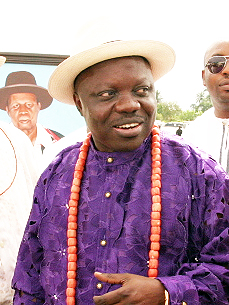
Delta Mourns as Former Governor Uduaghan Dies After Brief Illness
A former Governor of Delta State, Dr Emmanuel Eweta Uduaghan, has died at the age of 71 after a brief illness, his family announced on Monday.
Uduaghan, who governed Delta State for eight years between 2007 and 2015, died on the morning of October 19, 2026, according to a statement issued by the family and signed by Toju Andre Uduaghan.
The family described his death as a devastating loss, saying his life and years of public service touched many people across Delta State and Nigeria.
The statement, titled “Announcement of the Passing of His Excellency, Dr Chief Emmanuel Eweta Uduaghan,” read in part, “It is with hearts weighed down by immeasurable grief and profound sorrow that we announce the passing to glory of our beloved Father, Brother, Uncle, and Patriarch.”
The family said Uduaghan was a source of strength and a respected elder whose contributions to public service and family life would remain indelible.
“He served as Commissioner for Health from 1999 to 2003, Secretary to the Delta State Government from 2003 to 2007, and Governor of Delta State from 2007 to 2015,” the statement said.
It added that throughout his years in public service, the former governor demonstrated a commitment to the human and infrastructural development of the state.
The family described his death as a profound loss not only to his relatives but also to the people of Delta State and the country at large.
While expressing gratitude to God for his life and legacy, the family prayed for the repose of his soul and for divine comfort for those mourning his death.
“We pray that Almighty God, in His infinite mercy, will grant his soul eternal rest and comfort our family, friends, associates, former colleagues, and all who mourn this painful loss,” the statement added.
The family said Uduaghan’s memory would remain alive through the lives he touched and the legacy he left behind.
“Rest well, our beloved Father, Brother, and Uncle. Your memory will forever remain in our hearts, and your legacy will endure in the lives of those you touched,” it said.
The statement concluded with a prayer for the peaceful repose of his soul.
-

 metro1 day ago
Army Major, Soldiers Killed in ISWAP Ambush in Yobe State
-

 metro1 day ago
Breaking: Afenifere Leader Pa Fasoranti Dies at 100
-

 metro1 day ago
‘We Don’t Know What Else to Do’ — Mother Begs for Release of Abducted Children
-

 metro1 day ago
‘I Never Asked Them to Abandon Loved Ones’ — Obi Clarifies Diaspora Remarks
-

 Auto1 day ago
Beyond the Showroom: Why After-Sales Service Will Define Auto Industry Winners
-

 Sports3 days ago
Chaos in Abeokuta as Algerian Fans Attack Coach, Vandalise Stadium After Rangers Defeat
-
 metro23 hours ago
Atiku: US Lobbying Firm Raises Alarm Over Alleged Assassination Plot
-

 metro20 hours ago
Five Arraigned Over Kidnapping of 20 Prospective NYSC Members in Imo