

News
Nigeria-US Joint Strikes Eliminate 21 ISWAP Fighters in Borno – Presidency
Nigeria-US Joint Strikes Eliminate 21 ISWAP Fighters in Borno – Presidency
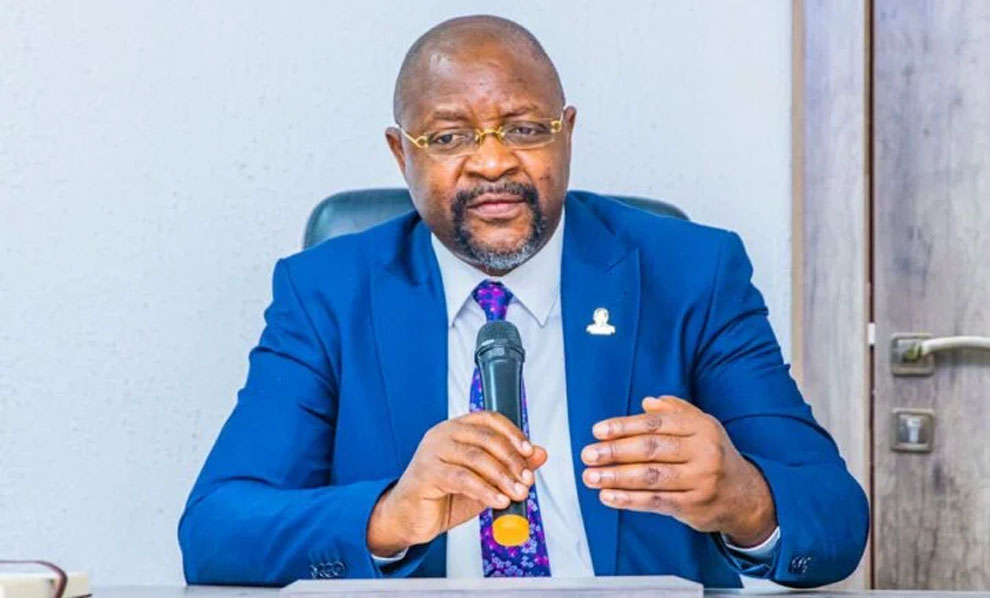
The Presidency has described the security partnership between Nigeria and the United States as a crucial step towards ending terrorism, banditry and other security threats across the country. The Special Adviser to President Bola Tinubu on Media and Public Communication, Sunday Dare, stated this on Tuesday during an X Space discussion. According to Dare, intelligence sharing, security cooperation and joint counter-terrorism efforts between Nigeria and the United States are essential in dismantling insurgent groups and criminal networks operating within the region. He said the Tinubu administration remains committed to restoring peace nationwide, protecting lives and property, and defending Nigeria’s territorial integrity against both internal and external threats. Dare noted that the expanding collaboration between the two countries demonstrates a shared commitment to addressing security challenges through coordinated operations, intelligence-led strategies and capacity-building initiatives. The growing security partnership has already yielded significant operational results. According to the Defence Headquarters, the collaboration with the United States Africa Command (AFRICOM) has led to intelligence sharing, joint operations and capacity building aimed at defeating terrorism in the country. The Director of Defence Information, Major General Samaila Uba, disclosed during the same X Space discussion that the partnership has significantly enhanced intelligence sharing, capacity building, training, strategic communication, logistics support and operational effectiveness in the ongoing counter-terrorism campaign.
Recent collaborative efforts have contributed to improved intelligence-driven operations leading to the disruption of terrorist networks. The Defence Headquarters reported “the neutralization of several high-value terrorist commanders and about 200 fighters, the destruction of terrorist enclaves and logistics infrastructure, as well as enhanced surveillance and reconnaissance capabilities.” The partnership has also strengthened the operational readiness of Nigerian troops through specialized training programmes, intelligence fusion initiatives, joint planning engagements and professional military education. In a significant development, the strategic partnership has led to the elimination of a senior global ISIS leader operating from within Nigeria. AFRICOM’s Director of Public Affairs, Colonel Rebecca Heyse, disclosed that operations conducted jointly by Nigerian and US forces led to the elimination of ISIS global second-in-command, Abu Bilal al-Minuki, alongside several key operational and media leaders. She confirmed that more than 200 ISIS fighters were eliminated during these operations, while terrorist checkpoints, weapons caches, logistics hubs and training sites were destroyed.
READ ALSO:
- Okonkwo Releases Evidence Against Peter Obi as ₦5bn Defamation Battle Looms
- 2027: Babachir Lawal Reveals Why He Prefers Tinubu’s ‘Devil’ to Atiku’s Presidency
- Power-Sharing Showdown: NDC Replaces Kwankwasiyya-Nominated Candidates in Kano
The nature of the security cooperation has evolved significantly. For years, US-Nigeria security cooperation focused primarily on capacity building, including training Nigerian troops, donating equipment, and sharing general intelligence. Since President Bola Ahmed Tinubu assumed office, that partnership has entered a more operational phase, with emphasis shifting to real-time intelligence fusion, precision strikes, and the targeting of high-value terrorist commanders. This shift was dramatically demonstrated in late May 2026 when a joint precision operation in Arege, Borno State, eliminated 21 ISWAP fighters in a strike coordinated by the Nigerian Air Force and US Africa Command. Intelligence, surveillance and reconnaissance assets had observed terrorists assembling in Arege for possible attacks, leading to an operation where data was fused with US AFRICOM satellite imagery and signals intelligence. All 21 targets were neutralised with no civilian casualties reported, demonstrating improved targeting, better coordination, and reduced collateral damage.
The strengthened security cooperation is underpinned by sustained high-level diplomatic engagements. In January 2026, Nigeria’s National Security Adviser, Mallam Nuhu Ribadu, hosted a high-level US delegation led by Allison Hooker for a strategic security parley. The meeting, attended by Nigeria’s Ambassador to the US, Service Chiefs and Heads of the Intelligence Community, focused on enhancing the fight against insurgency, strengthening community protection mechanisms and consolidating intelligence cooperation between both nations. Both delegations agreed on the importance of sustaining and deepening bilateral ties, particularly through leveraging US support in key areas such as defence articles, capacity building and training, intelligence sharing, counter-terrorism financing measures, and mutual legal assistance. The US-Nigeria Joint Working Group framework, established following the partnership’s intensification, now serves as the primary mechanism for coordinating joint counter-terrorism operations.
READ ALSO:
- Nigerian Labour Leader Dies in Geneva During International Labour Conference
- NRC Confirms Warri–Itakpe Train Accident, Three Passengers Dead
- Galatasaray Ask Osimhen to Help Secure Ademola Lookman Transfer
The United States has demonstrated its commitment through substantial logistical and material support. AFRICOM has announced the delivery of military supplies to Nigerian partners in Abuja, with the command stating that “this delivery supports Nigeria’s ongoing operations and emphasises our shared security partnership.” While specific details of the equipment transferred were not disclosed, the delivery comes against the backdrop of intensified Nigerian military operations targeting terrorist networks across multiple regions. Foreign Minister Yusuf Tuggar has clarified the nature of the joint operations, stating that “it’s Nigeria that provided the intelligence” for recent strikes and confirming that President Tinubu “gave the go-ahead” for the operations. Tuggar emphasized that these are joint operations and “not targeting any religion nor simply in the name of one religion or the other.” He indicated that further strikes are expected, describing the cooperation as “an on-going thing.”
Responding to questions about the partnership’s impact on national sovereignty, AFRICOM’s Director of Public Affairs, Colonel Rebecca Heyse, stated that US cooperation with Nigeria is based on mutual interests and respect for Nigeria’s sovereignty. “Our operations and cooperation with Nigeria are rooted in fundamental respect for Nigerian sovereignty,” she said. “We operate strictly by invitation and under the US-Nigeria Joint Working Group framework.” According to her, the United States will continue to support Nigeria as long as both countries consider the partnership beneficial in addressing shared security threats. “As long as there are shared security threats and the framework continues to be of value to both countries, the United States remains committed to the partnership,” she added.
Major General Uba emphasized that Nigeria is pursuing a whole-of-society approach involving religious leaders, traditional institutions, civil society groups, government agencies and economic empowerment programmes to address the root causes of radicalisation. “Terrorism cannot be defeated by kinetic (military offensives) means alone,” he stated. “Non-kinetic measures such as community engagement, economic empowerment, strategic communication and the involvement of religious and traditional leaders are equally important.” This comprehensive strategy has yielded measurable results. Since 2023, over 104,000 former Boko Haram terrorists and dependents have surrendered under Operation Safe Corridor, with many citing sustained pressure and loss of commanders as reasons for laying down arms. Civilian deaths from insurgency in the Lake Chad region have fallen from 1,842 in 2022 to 623 in 2024, representing a 66 per cent drop.
The presidential aide also expressed concern over the growing spread of misinformation and fake news on digital platforms, warning that such content could weaken national security and erode public trust. He cautioned that the circulation of unverified information could heighten social tensions, trigger unrest and create unnecessary panic among citizens. “The deliberate spread of false information can create unnecessary panic, provoke disorder and threaten national cohesion. Nigerians must remain vigilant and avoid becoming tools in the dissemination of content capable of destabilising the country,” he said. He urged citizens, media organisations and social media users to verify information before sharing it, stressing that responsible communication is essential for maintaining peace, unity and confidence in democratic institutions. Dare further emphasized that national security should not be viewed as the sole responsibility of government agencies, adding that the media, civil society groups and citizens all have critical roles to play in protecting the country.
The Nigeria-US security partnership has evolved from a training-focused relationship to a robust operational alliance delivering tangible results against terrorist networks. With high-level diplomatic backing, substantial US logistical support, and respect for Nigerian sovereignty maintained through the Joint Working Group framework, both nations appear committed to deepening cooperation as they confront evolving security challenges in West Africa and the wider Sahel region. The evidence is clear: intelligence sharing, joint operations and real-time coordination are saving lives and degrading terrorist capabilities. As the partnership continues to mature, security analysts remain optimistic about the prospects for restoring peace and stability across Nigeria.
Nigeria-US Joint Strikes Eliminate 21 ISWAP Fighters in Borno – Presidency








News
Anambra Debt Row: Presidency Challenges Peter Obi as State Releases N127.4bn Loan Records
Anambra Debt Row: Presidency Challenges Peter Obi as State Releases N127.4bn Loan Records
The controversy over the financial record of former Anambra State Governor Peter Obi has intensified after the Anambra State Government released details of eight external loans it said were contracted during his tenure, prompting a fresh challenge from the Presidency.
The dispute centres on whether Obi left Anambra State with outstanding financial obligations when he handed over power to Willie Obiano on March 17, 2014, with the former governor maintaining that his administration cleared the liabilities for which it was responsible.
The latest figures released by the state government put the total external loans contracted during Obi’s administration at $123.77 million, with $92.35 million still outstanding as of June 30, 2026. The state valued the outstanding balance at approximately ₦127.4 billion using the applicable official exchange rate.
The figures were contained in a statement by the Anambra State Commissioner for Information and Value Reorientation, Law Mefor, following Obi’s rejection of claims that his administration left behind unpaid debts, salaries, pensions, gratuities and other liabilities.
The state government said the eight external borrowings were associated with projects covering malaria control, healthcare, education, erosion management, community development and agricultural value-chain development. It also said the current administration continues to make payments towards servicing the loans.
The breakdown released by the state showed that the loans included the Malaria Control Booster Project, the Third National Fadama Development Project, the Health System Development Project II, the State Education Programme Investment Project, the Community and Social Development Project, the Nigeria Erosion and Watershed Management Project and the Value Chain Development Project.
READ ALSO:
- South African Woman Jailed 25 Years for Smuggling 5.75kg Heroin into Nigeria
- Adunni Ade Reveals Christian Fans Unfollowed Her After Publicly Identifying as Muslim
- Jetour Set to Storm Abuja Show with Rugged Luxury T2
The state said the largest outstanding balances were associated with the State Education Programme Investment Project and the Nigeria Erosion and Watershed Management Project, which together accounted for a substantial portion of the reported balance.
The Anambra Government has stressed that its position is not that borrowing by a government is inherently improper. Rather, it said the issue was the identification of financial obligations incurred during previous administrations and the extent to which such obligations remained outstanding and were subsequently serviced by later governments.
The state has also challenged Obi’s account of an alleged ₦2.13 billion ecological fund which he said was available when he left office.
Obi had maintained that the money was released shortly before the end of his tenure for the Oko/Umuchiana erosion project and was deliberately left untouched because it was tied to the project. He also said his administration left more than ₦75 billion in savings and investments.
The Anambra Government, however, disputed the former governor’s description of the account. Mefor said a certified statement from First Bank showed that the account identified by Obi was an Internally Generated Revenue Consolidated Account, and that the records did not contain an inflow or balance corresponding to the ₦2.13 billion ecological fund claimed by the former governor.
The state government also raised issues concerning salary arrears, pensions and gratuities.
Mefor alleged that workers of the former Water Corporation had outstanding salary claims dating back to the period of Obi’s administration and that the current government had been dealing with the obligations through instalment payments.
The state further said Obi’s administration had verified 16 months of salary arrears owed to primary school teachers but paid only five months before leaving office. It said the present administration had subsequently paid about ₦22 billion in inherited gratuity arrears owed to retired state and local government workers and teachers.
Obi has rejected those allegations.
The former governor said his administration cleared more than ₦35 billion in historical gratuities and arrears and handed over the state without outstanding salary, pension or gratuity obligations.
He has also maintained that there were no unpaid liabilities to contractors for projects that had been properly executed and certified before his departure from office. Obi challenged the Anambra Government to provide evidence to support its allegations and said he would withdraw from the 2027 presidential race if it could establish that he left the state with the liabilities being attributed to him.
As the controversy deepened, the Obidient Movement released a copy of what it described as Obi’s 2014 financial handover report.
The document, dated March 17, 2014, reportedly summarised Anambra’s financial position at the end of Obi’s tenure. According to reports on the document, it listed ₦27 billion in local investments, $156 million in foreign-currency investments valued at about ₦26.5 billion, and ₦28.166 billion in certified state and ministry, department and agency balances.
The three figures were reported to total about ₦91.666 billion. After an estimated liability of ₦5 billion was deducted, the document arrived at a reported net balance of ₦86.666 billion.
The release of the handover document has added another layer to the dispute because the document describes the state’s financial position at the point of handover in 2014, while the current Anambra Government is highlighting loans that originated during Obi’s tenure but remained outstanding years after he left office.
The two positions therefore address different aspects of the state’s finances: Obi’s camp is relying on the financial position recorded at handover, while the state government is pointing to the subsequent outstanding balances on external loans and other obligations it says were inherited.
The Presidency has now entered the dispute.
Bayo Onanuga, Special Adviser to President Bola Ahmed Tinubu on Information and Strategy, said the Anambra Government had presented figures and records challenging Obi’s claim that he left the state without outstanding liabilities.
Onanuga asked whether Obi would honour his earlier statement about withdrawing from the 2027 presidential race if evidence emerged contradicting his account of Anambra’s finances.
The Presidency’s intervention has turned the dispute into a broader political issue ahead of the 2027 presidential election, in which Obi is the Nigeria Democratic Congress (NDC) presidential candidate.
Obi’s camp has, however, maintained that the matter should be resolved through documentary evidence rather than political exchanges. His representatives have continued to point to the 2014 handover document and his administration’s account of the financial position it left behind.
At the centre of the controversy is an important distinction between the original amount borrowed and the amount currently outstanding. The Anambra Government says the eight loans totalled $123.77 million when contracted, while $92.35 million remained outstanding as of June 30, 2026. The approximately ₦127.4 billion figure is therefore the reported naira value of the outstanding balance as of that date, not the original amount borrowed.
The dispute remains unresolved publicly, with the Anambra State Government maintaining that it has released records showing outstanding obligations linked to the period of Obi’s administration, while Obi maintains that he handed over the state without the unpaid liabilities alleged against him.
Further clarification will depend on how the underlying loan agreements, debt-servicing records, handover documents and other financial records are interpreted and reconciled.
Anambra Debt Row: Presidency Challenges Peter Obi as State Releases N127.4bn Loan Records
News
FG Targets 95% NIN Coverage by December 2026
FG Targets 95% NIN Coverage by December 2026
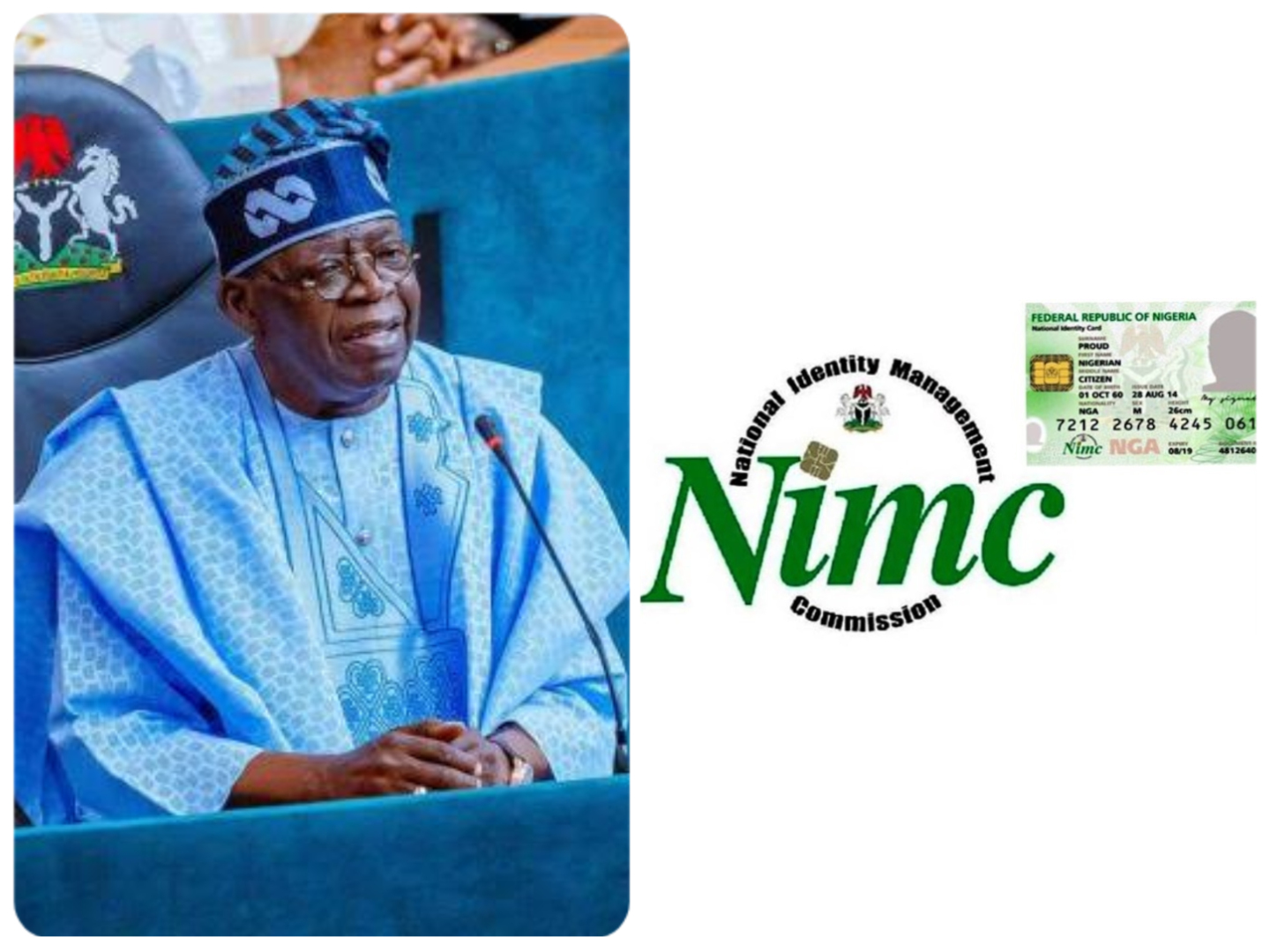
The Federal Government is targeting 95 per cent National Identification Number (NIN) coverage nationwide by December 2026 as it expands Nigeria’s digital identity system.
President Bola Tinubu announced the target during the 2026 National Identity Day celebration in Abuja, where he was represented by Chief of Staff Femi Gbajabiamila.
The President said NIN enrolment had risen to about 142 million, up from more than 80 million recorded when his administration came into office.
To reach the new target, the government plans to expand registration through ward-level enrolment, mobile registration initiatives and licensed agents. Reports from the event said free enrolment is being extended to all 8,809 wards across the country.
Identity System for Digital Economy
Tinubu said the government wants to build an identity infrastructure that can support Nigeria’s growing digital economy.
He said a secure national identity could make it easier to access services while supporting areas such as digital banking, healthcare, transportation and government programmes.
The President also said the expansion must go hand in hand with safeguards for citizens’ privacy and dignity.
Beyond enrolment numbers, he said the government was working towards a more connected digital public system, including electronic health records, e-transport services and a more coordinated national data architecture.
The NIMC’s ongoing expansion therefore aims not only to register more Nigerians and legal residents, but also to make the identity system a key part of how people access digital and public services.
FG Targets 95% NIN Coverage by December 2026
News
OAU Investigates Death of Final-Year Student as Police Begin Probe
OAU Investigates Death of Final-Year Student as Police Begin Probe
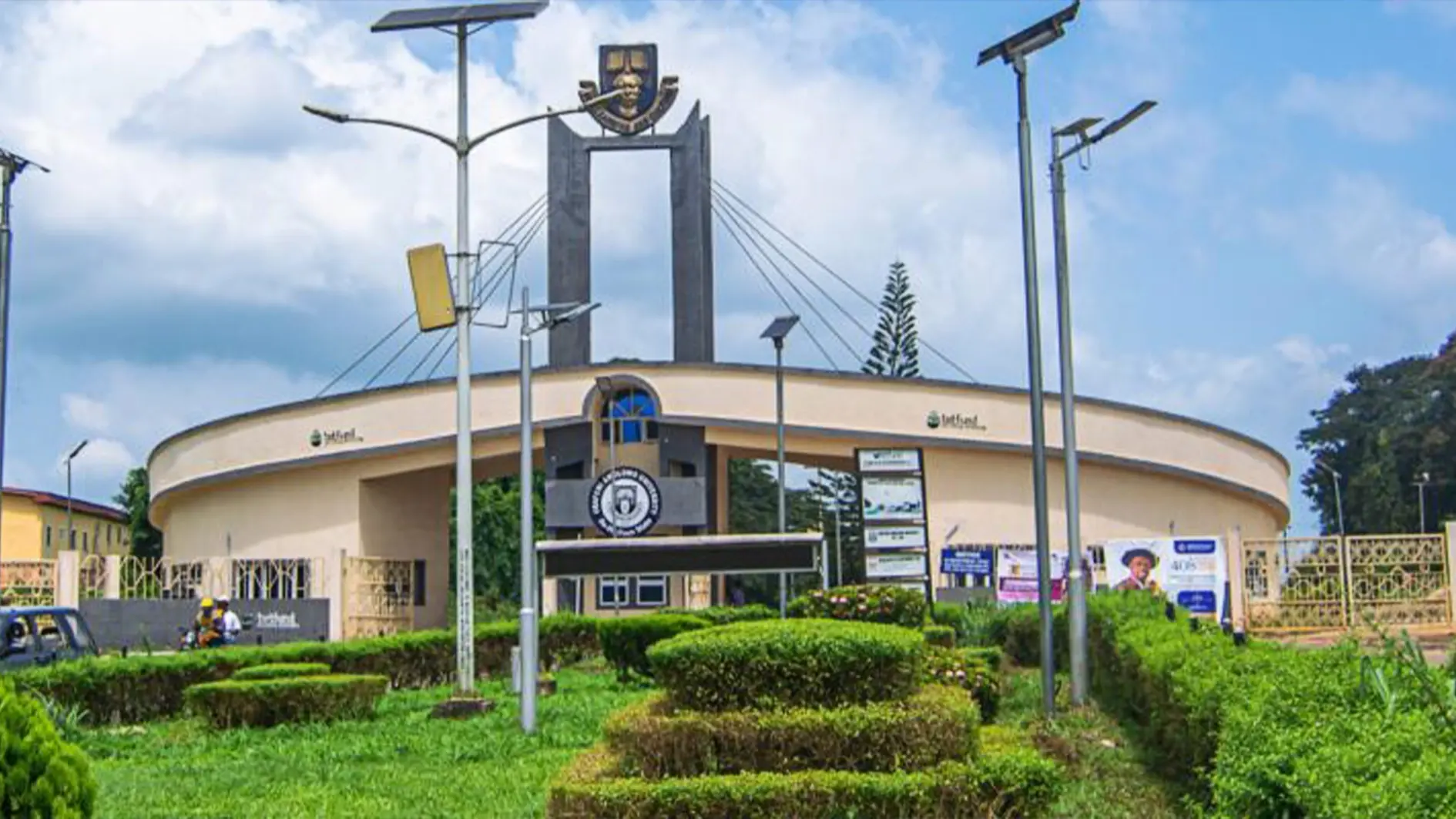
Obafemi Awolowo University (OAU), Ile-Ife, Osun State, is investigating the death of a final-year student of the institution.
The student, Oluwole Oluwosegun, was studying Materials Science and Engineering at the university.
According to the university’s Public Relations Officer, Olarewaju Abiodun, the incident occurred on Tuesday afternoon at the student’s off-campus residence around the Damico area of Ooni Layout, Ile-Ife.
After receiving the report, the university’s Quick Response and Security (QRS) Team went to the location. The team also contacted the Nigeria Police, after which officers from the ‘A’ Division in Moore, Ile-Ife, joined them at the scene.
The university later took the student to its Health Centre, where a medical doctor confirmed his death.
READ ALSO:
- 57-Year-Old Man Arrested Over Sexual Abuse of Stepdaughter in Edo
- US-Based Nigerian Lawyers Disbarred: Full List of Fraud, Theft and Misconduct Cases
- Katsina Police Rescue Two Kidnapped Women, Arrest Suspected Kidnappers
Police Begin Investigation
Following the incident, university authorities handed relevant information and items recovered from the scene to the police to support their investigation.
The police have since begun inquiries into the circumstances surrounding the student’s death.
Meanwhile, the university said it had informed the appropriate student affairs authorities to provide necessary follow-up, particularly regarding the welfare and emotional support of students affected by the incident.
Vice-Chancellor Professor Simeon Bamire also expressed condolences to the student’s family, friends, classmates and colleagues.
The university further encouraged students facing severe emotional distress, relationship difficulties, financial pressure or other personal challenges to seek help from trusted people and available university support services.
Professor Bamire reaffirmed the institution’s commitment to the welfare of its students and staff, stressing that no student should feel they must face overwhelming difficulties alone.
OAU Investigates Death of Final-Year Student as Police Begin Probe
-
 Politics3 days ago
2027: Northern Lecturers Back Tinubu, ASUU Disowns Endorsement
-

 Sports2 days ago
‘I Was Never the Chosen One’ — Dembele Responds to Mbappe
-

 International1 day ago
Islamic Council Condemns Attempted Attack on Holy City of Mecca
-

 metro2 days ago
Lagos Power Outage: Ikeja Electric Blames TCN as Businesses, Homes Groan
-
 News1 day ago
Keep Politics Out of My Office — Ogbomoso Grand Chief Imam Warns Politicians, Bloggers
-

 Education2 days ago
JAMB Moves 2027 UTME Time — Here’s What Candidates Need To Know
-
 Politics2 days ago
2027: APC Governors Reject Wike’s Rainbow Coalition, Insist on Party Loyalty
-

 metro2 days ago
A Son Wouldn’t Have Done Better — Dangote Speaks on Daughters, Succession