

metro
President Tinubu Deserves Credit – US Lawmaker Praises Nigeria’s State Police Breakthrough
President Tinubu Deserves Credit – US Lawmaker Praises Nigeria’s State Police Breakthrough
ABUJA – In a historic move to restructure Nigeria’s security architecture, the House of Representatives has passed the constitutional amendment bill establishing state police across the federation, drawing immediate praise from a prominent United States lawmaker.
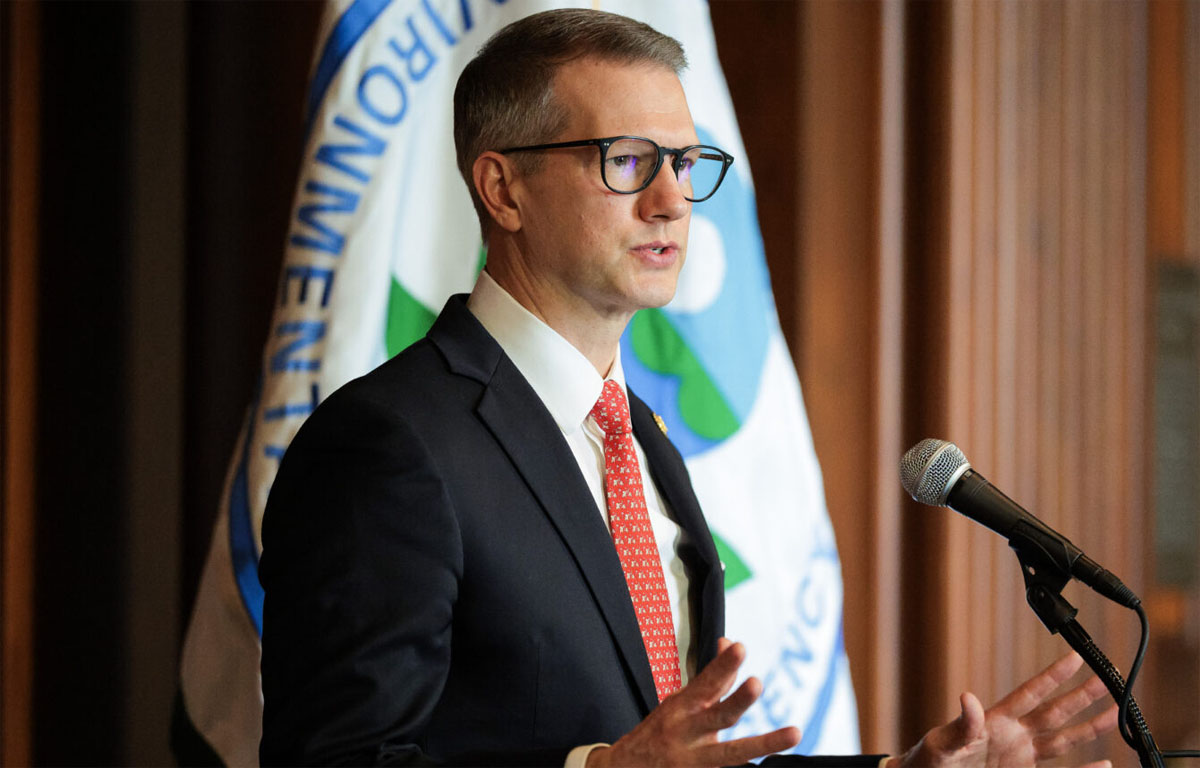
Riley Moore, a Republican US House member who has previously raised concerns about security and religious persecution in Nigeria, hailed President Bola Ahmed Tinubu and Nigerian lawmakers following Thursday’s plenary vote. The bill, which secured overwhelming support, paves the way for states to establish and manage their own police forces alongside the Nigeria Police Force.
A total of 289 lawmakers voted in support of the proposal, while one member abstained and none voted against, reflecting near-unanimous bipartisan backing for the far-reaching reform. The voting was conducted manually after Speaker Tajudeen Abbas announced that the electronic voting system was faulty, with members raising their hands to indicate their positions.
How the House Voted: 289 in Favour, Speaker Abstains
The state police bill was approved during consideration at the Committee of the Whole, presided over by Speaker Tajudeen Abbas, who himself abstained from the vote. According to reports, 290 members were present at plenary for the day’s legislative business. Before voting commenced, the Deputy Speaker and Chairman of the House Committee on Constitution Review, Benjamin Kalu, presented arguments in support of the proposal and urged lawmakers to back the measure. He stressed the need for a more decentralised policing framework to effectively address the country’s growing security challenges, including banditry, kidnapping, and terrorism. The session was not without drama. Kaduna lawmaker Bashir Zubairu moved a point of order, explaining that the document on the proposed state police put together by the House Committee on Constitution Review only reached lawmakers on Thursday afternoon. He argued that they could not do justice to it because they had not gone through it, but was ruled out of order, allowing the process to proceed.
READ ALSO:
- NDLEA Destroys ₦2.8 Billion Worth of Cannabis, Cocaine, Heroin in Edo Drug Bust
- Toyota moves to ease vehicle ownership amid economic challenges
- Democracy Day: Tinubu Unveils Security, Economic Plans, Honours June 12 Heroes
Riley Moore: “Critical Step Toward Ending Persecution of Christians”
Reacting to the development in a statement posted on his X account, US Congressman Riley Moore expressed satisfaction with the House’s decision. He said he was “thankful to see that Nigeria’s House of Representatives passed this important policy that I’ve been calling for since @POTUS first asked me to investigate the genocide against Christians in Nigeria.” “In fact, I raised this idea directly with Nigeria’s First Lady during her visit to Washington and have done so repeatedly with every Nigerian delegation I’ve met with,” he added. Moore stated that empowering state governments to handle security matters more effectively would help improve safety across the country. He declared, “Ensuring states can protect their own citizens is a critical step toward ending the persecution of Christians and the overall instability in Nigeria.” The US lawmaker also applauded President Tinubu for supporting the legislation and encouraging lawmakers to advance it through the National Assembly. He added that “President Tinubu deserves credit for supporting this legislation and urging its passage through Nigeria’s parliament.” Moore, however, noted that more work remains before state police forces can become operational. “There’s still a ways to go before state-level police forces will be in place, but this is a sign that all our hard work is paying off,” he said.
Next Steps: Senate, 24 State Assemblies, Presidential Assent
Before becoming law, the state police bill must clear several additional hurdles. It requires Senate approval – the bill has already scaled second reading in the Senate – as well as endorsement by at least 24 state Houses of Assembly (two-thirds of Nigeria’s 36 states), and finally presidential assent by President Bola Tinubu. During Senate proceedings, President of the Senate Godswill Akpabio referred the bill to the Senate Ad-hoc Committee on the Review of the 1999 Constitution chaired by the Deputy President of the Senate, Senator Jibrin Barau, for further consideration. The committee will report back to plenary for voting when lawmakers reconvene after their break. In his presentation of the general principles of the bill, Senate Leader Opeyemi Bamidele highlighted the national significance of creating state police, noting that the country’s centralised policing system could no longer cope with current realities of escalating insecurity. He argued that the scale of terrorism, banditry, kidnapping and other forms of criminality required the engagement of people living within communities with the ability to gather useful intelligence to counter criminal elements. Bamidele noted that the bill would promote community policing by fostering trust between law enforcement and the public, relieve pressure on the Federal Police to allow them to focus on interstate crimes and national security operations, and strengthen Nigeria’s federal structure. He gave examples of other federations like the United States, Australia, and Germany where policing is shared by several layers of government, arguing that Nigeria should not remain an exception among federal systems.
READ ALSO:
- Full Text of President Bola Ahmed Tinubu’s Democracy Day Address
- Trump Defends Rising Inflation, Says Prices Will Fall After Iran Conflict
- TikTok Cracks Down on Harmful Content in Nigeria, Removes Over 4 Million Videos
Key Provisions of the State Police Bill
The proposed amendment seeks to fundamentally restructure Nigeria’s policing architecture by creating both Federal Police and State Police formations. The bill amends Section 214 of the 1999 Constitution to formally establish both policing structures. Under the proposal, the National Assembly would be empowered to prescribe the structure, organisation, administration and powers of the Federal Police, while also providing the legal framework and minimum standards for state police services nationwide. Key provisions of the bill include that no state police formation shall commence operations unless established through a law passed by the relevant State House of Assembly and certified as complying with national minimum standards. The Federal Police will continue to exercise policing powers in any state until its police service becomes fully operational. Federal intervention is limited to cases of complete breakdown of law and order, upon request of a governor, or where a state police force becomes unable to function. The Inspector-General of Police will be appointed by the President on the advice of the Nigeria Police Council, subject to confirmation by the National Assembly. State Commissioners of Police will be appointed by governors on the advice of the Nigeria Police Council from among serving officers of the State Police, subject to confirmation by State Houses of Assembly. Governors may issue lawful directives to State Commissioners of Police; disputes may be referred to the Nigeria Police Council for final decision. The bill also amends Section 84 of the Constitution by replacing references to the “National Police Council and the Federal Police Service Commission” with the “Nigeria Police Council and the Police Service Commission.”
Background: Why State Police Now?
The push for state police has gained urgency as insecurity spreads across Nigeria. The House approved the bill following a spike in killings, kidnappings, and banditry in the past several months. In May alone, gunmen abducted dozens of students and teachers in separate attacks in Oyo and Borno states, highlighting the reach of criminal and insurgent groups across regions. State governors have long argued that they are held accountable for security but lack operational control over police in their states. Reform advocates argue state police could improve response times, strengthen intelligence gathering, and deploy officers with better knowledge of local communities. The House also approved 18 constitutional amendment clauses as part of the broader constitutional review exercise aimed at reforming critical aspects of governance and public administration. The passage of the bill marks one of the most significant constitutional and security reforms undertaken by the National Assembly since Nigeria’s return to democratic rule in 1999. If eventually enacted, the legislation is expected to introduce a multi-layered policing system aimed at improving responses to banditry, kidnapping, terrorism and other security threats through greater local participation in policing. The reform could redefine the country’s approach to tackling violent crimes through a more localised security architecture.
Conclusion: Historic Reform Moves Forward
The passage of the state police bill by the House of Representatives represents a watershed moment in Nigeria’s ongoing struggle to address pervasive insecurity. With 289 votes in favour, the measure enjoys rare cross-party consensus on a constitutionally complex issue. As the bill now moves to the Senate, then to state assemblies, and finally to President Tinubu’s desk, the coming months will determine whether Nigeria joins the ranks of federal nations like the United States and Germany that operate decentralised policing systems. For US Congressman Riley Moore, who has long advocated for the reform as a solution to both insecurity and religious persecution, Thursday’s vote is proof that persistence pays off. “There’s still a ways to go,” he said, “but this is a sign that all our hard work is paying off.”
President Tinubu Deserves Credit – US Lawmaker Praises Nigeria’s State Police Breakthrough







metro
IKEDC Blames National Grid for Two-Week Power Crisis in Ishaga, Oke-Ayo

IKEDC Blames National Grid for Two-Week Power Crisis in Ishaga, Oke-Ayo
Residents battle water scarcity, intense heat as electricity supply dwindles to minutes
Residents of Ishaga and Oke-Ayo communities in Iju-Ishaga, Lagos State, have endured about two weeks of erratic electricity supply, with the Ikeja Electric Distribution Company (IKEDC) attributing the situation to reduced power allocation from the national grid.
The prolonged power shortage has disrupted daily activities, leaving residents struggling to cope with the intense heat and difficulties accessing water, particularly in households that depend on electricity to pump water.
In response to a formal complaint by a journalist and resident of Oke-Ayo, Abdulfatai Ayobami Ibrahim, the manager of IKEDC’s Iju Undertaking said the reduction in electricity supply across the company’s network was caused by a shortfall in power allocated to it from the national grid.
The manager explained that electricity distribution companies could only distribute the volume of power made available to them through the transmission network, adding that any reduction at the generation or transmission stages directly affected electricity supply to consumers.
According to the manager, IKEDC is engaging relevant stakeholders, including the Transmission Company of Nigeria (TCN), to secure an improved allocation and restore normal electricity supply as soon as possible.
In a public notice issued by the company, IKEDC apologised for the inconvenience caused by the reduced supply hours, assuring customers that it was working with relevant stakeholders to improve power availability.
The company also said it remained committed to distributing the available electricity as efficiently and equitably as possible across its network, while promising to keep customers informed of significant developments.
However, residents of Ishaga and Oke-Ayo have continued to face the consequences of the erratic supply, which, according to Ibrahim, has become particularly distressing over the past two weeks.
In his complaint to the manager, Ibrahim said electricity sometimes returned for barely five to 10 minutes before going off again, while on other occasions, supply was restricted to between two and three hours in the early morning, usually between 1am and 5am.
He explained that the situation had become increasingly unbearable, with residents sometimes spending the entire day without electricity.
Giving an account of the immediate situation when he submitted the complaint, Ibrahim said the last electricity supply to his community had been in the early hours of the previous day, with power cut off shortly after 8am. He said supply had not returned since then.
The journalist noted that the problem extended beyond the absence of electricity, as many households relied on power to pump water for domestic use.
He said prolonged outages had consequently made access to water difficult for affected families, compounding the hardship associated with the prevailing heat.
Ibrahim expressed concern about the impact of the situation on families, children, elderly residents and other vulnerable members of the community, particularly in the absence of clear information about when electricity supply would improve.
Seeking clarification, he asked IKEDC to explain the cause of the persistent outages, whether they were connected to technical faults, load allocation, maintenance activities or other operational challenges.
He also requested details of the measures being taken to address the situation and when residents could reasonably expect an improvement in supply.
Responding, the manager reiterated that the current challenge was linked to reduced electricity allocation from the national grid rather than an issue the distribution company could resolve independently.
He explained that the electricity supply chain comprised generation, transmission and distribution, noting that distribution companies depended on the quantity of electricity supplied through the transmission network.
“Whenever there is a reduction in power supply from the generation or transmission level, it directly affects the quantity of electricity available for distribution to our customers,” the manager explained.
He added that the company was engaging relevant stakeholders to improve its allocation and ensure better electricity supply to customers.
IKEDC also appealed to customers to exercise patience and understanding, while expressing regret over the inconvenience caused by the development.
Despite the explanation, the responses did not provide a specific timeline for the restoration of improved electricity supply in Ishaga and Oke-Ayo or identify a date by which residents could expect relief.
Ibrahim urged the company to sustain communication with affected communities and take practical steps to ensure that available electricity was distributed in a manner that would ease the hardship being experienced by consumers.
He stressed that although electricity distribution could be affected by technical and operational challenges, prolonged outages without timely and adequate information often left consumers frustrated and uncertain.
The journalist said transparent communication between electricity distribution companies and the communities they serve was essential to building public trust and keeping consumers informed about developments affecting their daily lives.
The power crisis in the affected communities comes amid wider concerns over electricity availability, with IKEDC’s explanation pointing to constraints in the volume of power allocated to its network from the national grid.
For residents of Ishaga and Oke-Ayo, however, the immediate concern remains when electricity supply will become more stable and when households struggling with heat and water shortages will receive relief.
As of the time of the exchange, IKEDC had said it was engaging TCN and other relevant stakeholders to improve supply, but had not announced a definite timeline for a return to normal electricity distribution in the affected communities.
IKEDC Blames National Grid for Two-Week Power Crisis in Ishaga, Oke-Ayo
metro
School Bus Driver Turns Kidnapper, Collects ₦503,000 Ransom, Rapes 14-Year-Old Delta Student
School Bus Driver Turns Kidnapper, Collects ₦503,000 Ransom, Rapes 14-Year-Old Delta Student
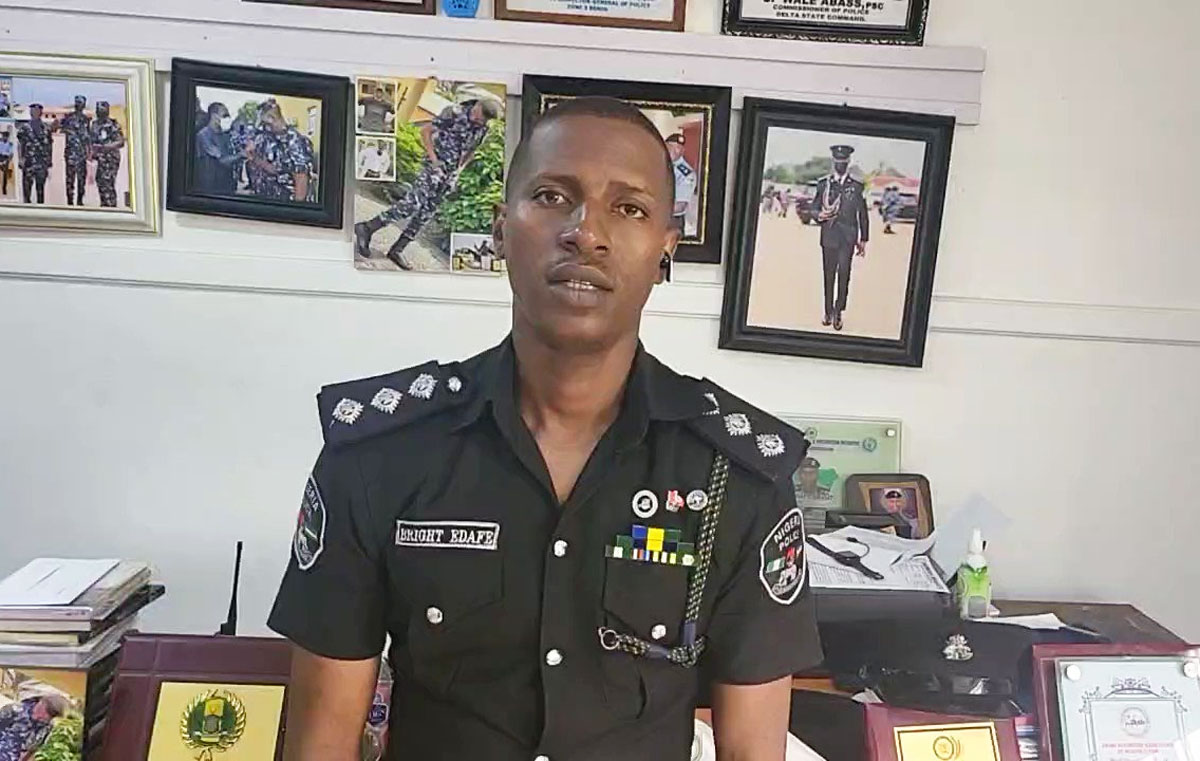
SAPELE, DELTA STATE — The Delta State Police Command has arrested a 28-year-old school bus driver, Onome Lucky Ughagha, for the horrific kidnapping and sexual assault of a 14-year-old female student in Sapele, after extorting a ransom from her desperate father.
According to a statement by the Command’s Public Relations Officer, SP Bright Edafe, the nightmare unfolded on October 20, 2026, when the victim’s father reported that his daughter was abducted while preparing for school .
Police investigations revealed that Ughagha, who was entrusted with the safety of the minor, contacted the father and demanded a ransom of ₦503,000, threatening to kill the girl if the money was not paid . Following the payment, the suspect allegedly abandoned the traumatized teenager along Oton Road in Sapele, where she was reunited with her family .
Medical examinations later indicated that the minor had been sexually assaulted . The suspect had abandoned the school bus and fled the scene, prompting an intense manhunt by operatives of the Sapele Area Command .
Acting on credible intelligence, police traced Ughagha to his hideout in the Ajimele area of Sapele, where he was arrested on October 23, 2026 . During preliminary interrogation, the suspect reportedly confessed to his involvement in the crime .
The school’s principal and vice-principal have been invited for questioning as investigations continue . Ughagha is currently being transferred to the State Criminal Investigation Department (SCID) in Asaba for further investigation .
Delta State Commissioner of Police, Samuel Erale, condemned the incident, reaffirming the command’s commitment to protecting children from violence and exploitation . He assured the public that the investigation would be thorough and urged school authorities and transport operators to exercise greater vigilance in safeguarding children .
School Bus Driver Turns Kidnapper, Collects ₦503,000 Ransom, Rapes 14-Year-Old Delta Student
metro
Massacre in Taraba: Death Toll Soars to 48 as Fleeing Villagers Drown in Desperate Escape
Massacre in Taraba: Death Toll Soars to 48 as Fleeing Villagers Drown in Desperate Escape
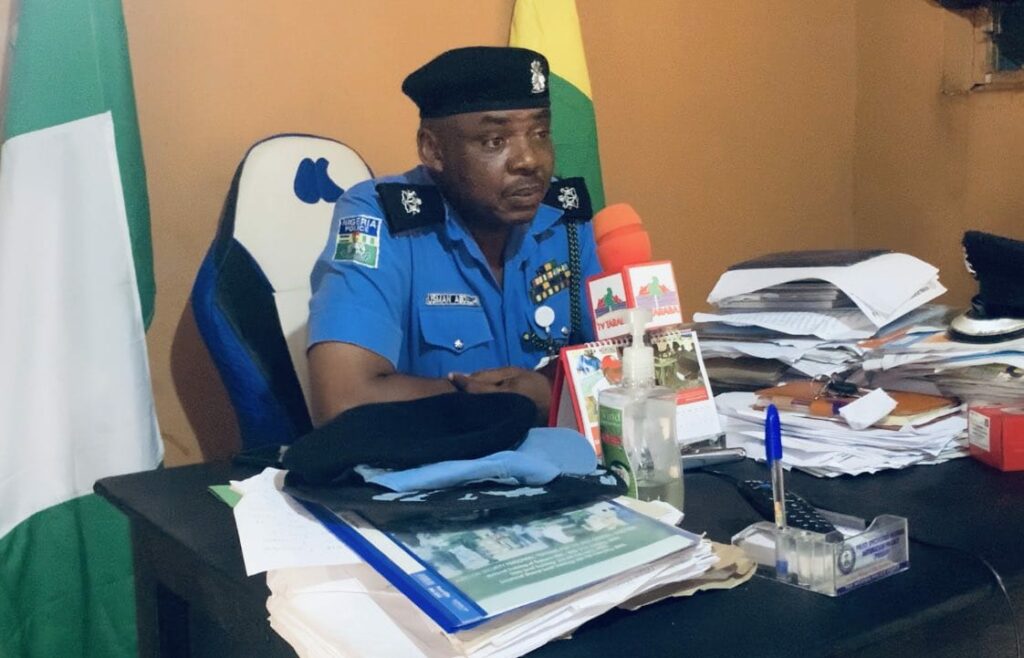
JALINGO, Taraba State — A horrific wave of bloodletting has swept through Binnari village in Taraba State, leaving at least 48 people dead in its wake, police confirmed on Sunday. The grim discovery followed a terrifying four-hour rampage by gunmen that forced panicked residents into a nearby river, where dozens drowned in a desperate bid to escape the slaughter.
The death toll has continued to climb as search parties comb through the surrounding bushes and riverbanks, with rights group Amnesty International warning that as many as 52 people may have been killed in the attack on the Karim Lamido area community.
According to the Taraba State Police Command, the nightmare unfolded shortly after midday prayers on Friday when a heavily armed gang swooped into the remote village. The assailants—reportedly riding a convoy of about 50 motorcycles—unleashed terror, looting shops and setting homes ablaze during an orgy of violence that lasted up to four hours.
Taraba State Police spokesperson, Assistant Superintendent Victor Mshelizah, confirmed the escalating toll on Sunday. He revealed that while the initial recovery yielded 10 bodies bearing gunshot wounds, the weekend search uncovered a far more macabre scene. Mshelizah stated that several victims, including women and children, had drowned in a nearby river while frantically trying to outrun the attackers, while others were found executed in the surrounding undergrowth.
“The attackers were very familiar with the terrain, which made immediate pursuit difficult,” Mshelizah said, noting that police were only able to disperse the gunmen after they had already fled the scene.
However, the official police account conflicts sharply with the chilling testimonies of survivors and the findings of human rights organizations. Amnesty International’s Nigeria director, Isa Sanusi, stated that the organization had independently verified 52 deaths, adding that 37 victims had already been hurriedly buried in a mass funeral by grieving families.
Community leader Malam Abubakar Saifullahi described the sheer scale of the assault, revealing that the bandits, traveling two per motorcycle, methodically looted shops for cash and foodstuffs before seizing the motorcycles abandoned by fleeing residents.
The most harrowing accounts come from those who survived the chaos. Resident Bashir Mamuda Musa provided a devastating timeline of the recovery effort: “On Friday, we found seven bodies after the bandits attacked our community. The following day, Saturday, we discovered another 43 bodies in the river, bringing the total to 50.”
Survivor Isiyaku Musa recounted the sheer panic that drove villagers toward the water. “People were running in different directions to escape the attack. Nobody knew where it was safe to go,” he said. The mass drowning occurred as dozens of terrified residents fled toward the river, only to be mercilessly pursued into the water by the advancing gunmen.
The brutal massacre has drawn fierce condemnation from rights groups, who accuse authorities of systemic failure. In a blistering post on X, Amnesty International stated: “The consistent failure of the authorities to bring the suspected perpetrators to justice is clearly emboldening impunity.”
The Binnari bloodbath underscores the worsening security crisis plaguing Nigeria’s rural heartlands. Criminal gangs—locally known as bandits—continue to operate with devastating impunity across regions bordering the northeast and central zones, leaving a trail of death, abduction, and destruction.
As security forces continue to comb the grim landscape, authorities have warned that the final death toll may rise even further once all missing persons are accounted for.
Massacre in Taraba: Death Toll Soars to 48 as Fleeing Villagers Drown in Desperate Escape
-

 News2 days ago
EFCC Opens Recruitment for Nigerians, Sets Age Limits for Four Job Categories
-
 News2 days ago
41 Days in Bandits’ Den: Five Islamic Clerics Still Held After Tinubu Re-Election Prayer Trip
-

 Politics2 days ago
2027: Remi, Seyi Tinubu Reportedly Differ Over APC Youth Mobilisation
-

 Politics1 day ago
2027: APGA Chairman Says South-East Must Back Tinubu to Secure Igbo Presidency
-
 Politics2 days ago
Igbo Presidency: Soludo Tells South-East to Back Tinubu for Future Power Shift
-
 metro2 days ago
Police Arrest Suspect Eight Months After Retired Teacher’s Killing in Ogun
-

 Sports2 days ago
Kane Beats Yamal to Win Major Football Award Ahead of Ballon d’Or Ceremony
-

 metro1 day ago
Borno: Troops Kill 15 Terrorists in Midnight Air Strike