

metro
Obasanjo Warns Some Causes of Nigeria’s 1967 Civil War Still Persist
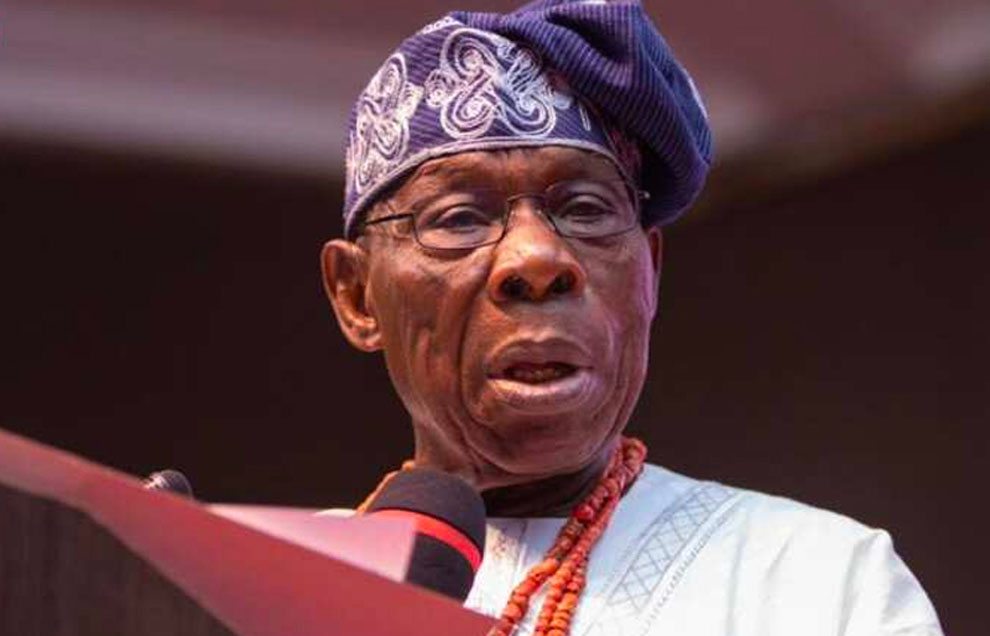
Obasanjo Warns Some Causes of Nigeria’s 1967 Civil War Still Persist
Former President Olusegun Obasanjo has warned that some of the underlying issues that triggered the 1967–1970 Nigerian Civil War remain unresolved, urging Nigerians to learn from history and work collectively to prevent another national conflict.
Obasanjo made the remarks on Wednesday during the presentation of a historical publication titled “Asaba Massacre”, authored by the Isama Ajie of Asaba, Chief Chuck Nduka-Eze, at the Olusegun Obasanjo Presidential Library (OOPL) in Abeokuta, Ogun State.
The former president, who served as a military commander during the civil war, acknowledged his role in the conflict but admitted that he could not provide a personal account of the controversial Asaba Massacre, one of the most debated incidents of the war.
“You know that I was involved in the civil war, but when people talk about the Asaba Massacre, I always confess that I cannot give details of it,” Obasanjo said.
He, however, expressed concern that several of the political, ethnic and institutional issues that contributed to the outbreak of the civil war continue to exist in present-day Nigeria.
“Some of the things that led to the Civil War are still on. Now, how long will this be with us?” he asked.
Obasanjo recalled a conversation with former Head of State, General Yakubu Gowon, who reportedly warned that Nigeria might not survive another civil war.
READ ALSO:
- Police Arrest 12 Suspected Kidnappers, Cultists, Rescue Three Victims in Imo
- 2027: INEC Unveils Downloadable PVCs, Online Voter Registration
- 2027: Atiku Names Kenneth Okonkwo New Spokesperson
“I was with a colleague when General Yakubu Gowon said, ‘We will not survive a second civil war as a country.’ I believe that we have fought one civil war too many already. So, to say that we will have a second civil war—God forbid,” he said.
He stressed that Nigerians must draw lessons from the country’s history by condemning actions that resulted in unnecessary loss of lives and ensuring such events never recur.
“We condemn what happened that should not have happened, and then make sure that we do everything humanly possible to prevent its recurrence,” he added.
Obasanjo also commended the author for producing what he described as a well-researched historical work supported by eyewitness testimonies, archival records, recorded interviews, audio-visual documentation and established historical scholarship.
According to him, preserving historical records is essential to promoting national reconciliation, accountability and educating future generations.
“We pride ourselves that we preserve the past, we capture the present, and we inspire the future. We capture the past, and this is the past; we want to capture it, we want to know about it,” he stated.
Presenting the publication, Chief Chuck Nduka-Eze said the book documents extensive evidence surrounding the events that unfolded in Asaba, then part of the Mid-West Region, following the entry of federal troops into the town during the civil war in October 1967.
He explained that the publication draws on eyewitness testimonies, archival materials, recorded interviews, audio-visual evidence and other historical records to reconstruct the events.
According to Nduka-Eze, the evidence indicates that civilians were assembled in public places and instructed to demonstrate loyalty to Nigeria by chanting “One Nigeria” before men were separated from women and children.
He alleged that many unarmed male civilians were subsequently killed despite publicly affirming their allegiance to the Nigerian state.
“Compliance with these demands did not secure protection. The sequence, repeated across testimonies, reflects a tragic contradiction in which individuals who openly affirmed their identity and loyalty as Nigerians were nonetheless killed by the same Nigerian State they pledged allegiance to,” he said.
Although historians differ on the exact casualty figures, Nduka-Eze noted that available evidence points to the deaths of more than 1,000 civilians, making the Asaba Massacre one of the deadliest civilian tragedies associated with the Nigerian Civil War.
The Asaba Massacre remains one of the most widely discussed episodes of the civil war. While historians continue to debate aspects of the incident, many agree that it underscores the devastating human cost of the conflict and the importance of preserving historical records for national reflection and reconciliation.
Obasanjo’s remarks come amid ongoing national conversations on national unity, inclusive governance, ethnic relations, justice and restructuring, issues that many observers believe remain central to Nigeria’s political and social development decades after the civil war ended.
Obasanjo Warns Some Causes of Nigeria’s 1967 Civil War Still Persist










metro
Two Buses Carrying NYSC Prospective Corps Members Attacked, Passengers Abducted in Imo

Two Buses Carrying NYSC Prospective Corps Members Attacked, Passengers Abducted in Imo
Families panic as gunmen reportedly seize travellers on Owerri–Onitsha Expressway
At least two commercial buses carrying passengers, including prospective members of the National Youth Service Corps (NYSC) travelling from Ibadan to orientation camps in the South-East and South-South, were reportedly attacked by gunmen in Imo State on Thursday morning.
The incident reportedly occurred along the Owerri–Onitsha Expressway, around the Umunoha/No Man’s Land axis of Mbaitoli Local Government Area, at about 5:30am on October 1, 2026, as Nigerians marked the country’s Independence Day.
The attackers reportedly intercepted two 18-seater buses and allegedly took the passengers into the bush after robbing them.
Videos circulating online showed the two buses abandoned by the roadside, with one reportedly identified as belonging to Uko Akwa Ibom Motors.
The passengers were reportedly travelling from Samonda in Ibadan, with some of the prospective corps members heading to NYSC orientation camps in states including Abia, Imo, Enugu and Akwa Ibom.
A particularly distressing account came from a woman who said her daughter, identified as Kehinde, was among the prospective corps members travelling to the eastern part of the country.
According to the woman, her daughter left Samonda, Ibadan, on Wednesday with other prospective corps members.
The family reportedly received a message from her shortly after 6am on Thursday containing the word “kidnapper”, after which her phone became unreachable.
The woman appealed for assistance, saying she had been unable to establish contact with her daughter.
She also disclosed that the girl’s twin sister, Taiwo, had already arrived in Enugu for her orientation programme.
Reports indicate that the group was travelling in three vehicles, with one reportedly escaping while passengers in the other two buses were allegedly abducted.
An eyewitness who spoke in a video circulating online said security personnel arrived at the scene after the incident and that soldiers had moved into the bush in an attempt to locate the victims.
However, the exact number of people abducted has not been independently established.
One report claimed that about 18 prospective corps members were among those kidnapped, but the figure had not been officially confirmed at the time of filing this report.
There was also no immediate official confirmation of the incident from the NYSC or the Imo State Police Command.
The reported attack has triggered anxiety among families of prospective corps members travelling to various orientation camps, particularly those whose children departed from the Samonda area of Ibadan.
The development has also renewed concerns over the safety of young Nigerians travelling long distances to participate in the NYSC orientation programme.
As of the time of publication, there was no confirmed official figure for the number of NYSC prospective corps members or other passengers abducted in the incident, while no confirmed report of their rescue had been established.
Newstrends.ng will continue to monitor developments and update this report as official information becomes available.
Two Buses Carrying NYSC Prospective Corps Members Attacked, Passengers Abducted in Imo
metro
Bandits Kill Man, Abduct Wife, Children, Seven Others in Kaduna Community
Bandits Kill Man, Abduct Wife, Children, Seven Others in Kaduna Community
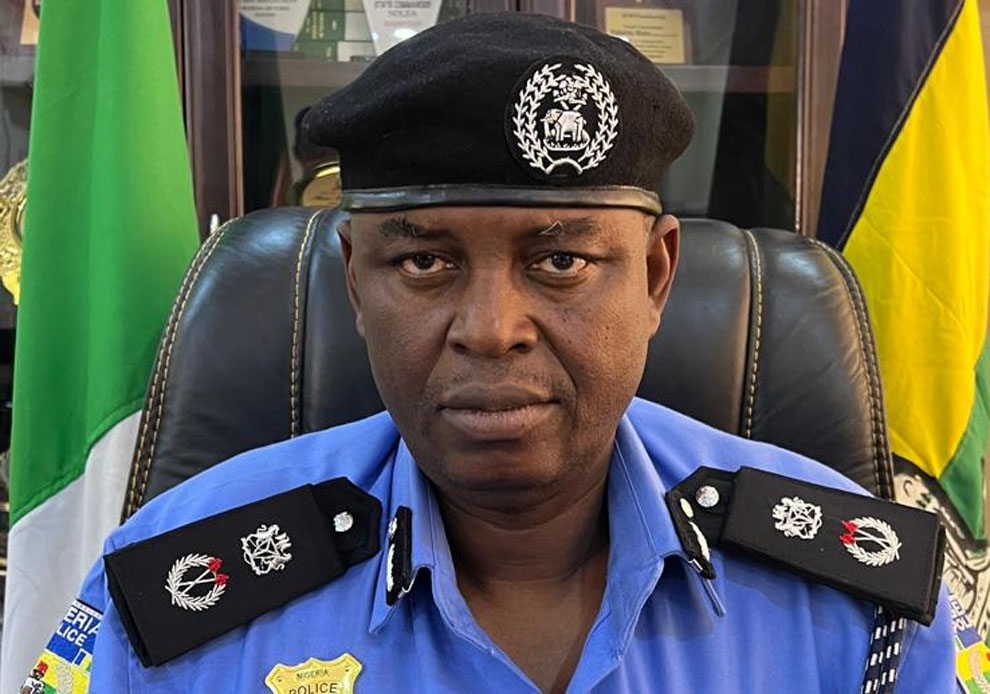
Suspected bandits have killed a man identified as Sikiru and abducted his wife, two children and six other residents during an attack on Babban Saura (PW) community in Chikun Local Government Area of Kaduna State.
The attack occurred in the early hours of Thursday, October 1, 2026, when the gunmen reportedly invaded three houses in the community.
A community source told the News Agency of Nigeria that the attackers first entered the residence of an elderly man and abducted two of his children before moving to Sikiru’s home.
The gunmen reportedly broke through the fence of Sikiru’s compound and entered the house. Sikiru was said to have confronted them after they entered his parlour, resulting in a struggle.
The attackers subsequently shot him dead before abducting his wife and their two children.
The assailants also invaded a neighbouring house and abducted a woman identified as Maman Mubarak and her four children.
Mubarak was later rescued after soldiers and local vigilantes pursued the attackers towards the Eastern Bypass area. However, her four children remained in captivity, along with the other abducted residents.
Usman Adamu, commander of the local vigilantes, confirmed that nine people were initially abducted during the attack.
He said the vigilantes received a distress call and immediately alerted soldiers, who joined the pursuit.
READ ALSO:
- Workers to Begin Nationwide Warning Strike Over Petrol Price, Wage Award
- Nigeria at 66: MURIC Urges Unity, Peace, Justice Ahead of 2027 Elections
- Atiku Challenges Tinubu’s Prosperity Claim, Says Nigerians Can Barely Afford to Live
According to Adamu, the security team traced the attackers towards the Eastern Bypass and succeeded in rescuing Mubarak, but the gunmen escaped with the remaining victims.
Another resident, who identified himself as Anas, said Sikiru had called him after the attackers entered the community.
When journalists visited the area, sympathisers had gathered at Sikiru’s residence while residents expressed concern over the worsening insecurity in Chikun LGA.
The attack came only days after suspected bandits invaded nearby Kadaure community, where a man was reportedly killed and cattle were rustled.
The latest incident also highlights continuing security concerns around Millennium City communities, including Babban Saura, Kyauta and Danhonu. Residents in the area have previously reported kidnappings, killings and cattle rustling, with some families reportedly relocating because of fear.
A September security report on the area said repeated attacks had increased residents’ reliance on community vigilantes and raised concerns about the abandonment of homes and investments.
The renewed violence comes despite ongoing security operations across Kaduna State.
The Kaduna State Police Command recently announced the arrest of 24 suspected kidnappers and the recovery of firearms, AK-47 magazines and more than 500 rounds of live ammunition in separate operations across the state.
The command said the operations targeted kidnapping, banditry, arms trafficking and cattle rustling, among other crimes. There was, however, no indication that any of those arrested had been linked to the Babban Saura attack.
As of Thursday, the Kaduna State Police Command had not issued a specific statement on the Babban Saura incident. Its spokesperson, DSP Mansur Hassan, could not be reached for immediate comment.
The whereabouts of the remaining abducted residents were unknown as of the latest reports, while security personnel and community vigilantes were expected to continue efforts to secure their release.
The attack has renewed calls for stronger security measures in communities on the outskirts of Kaduna metropolis, where residents say repeated kidnapping and bandit attacks are disrupting lives and forcing some families to leave their homes.
Bandits Kill Man, Abduct Wife, Children, Seven Others in Kaduna Community
metro
Workers to Begin Nationwide Warning Strike Over Petrol Price, Wage Award
Workers to Begin Nationwide Warning Strike Over Petrol Price, Wage Award
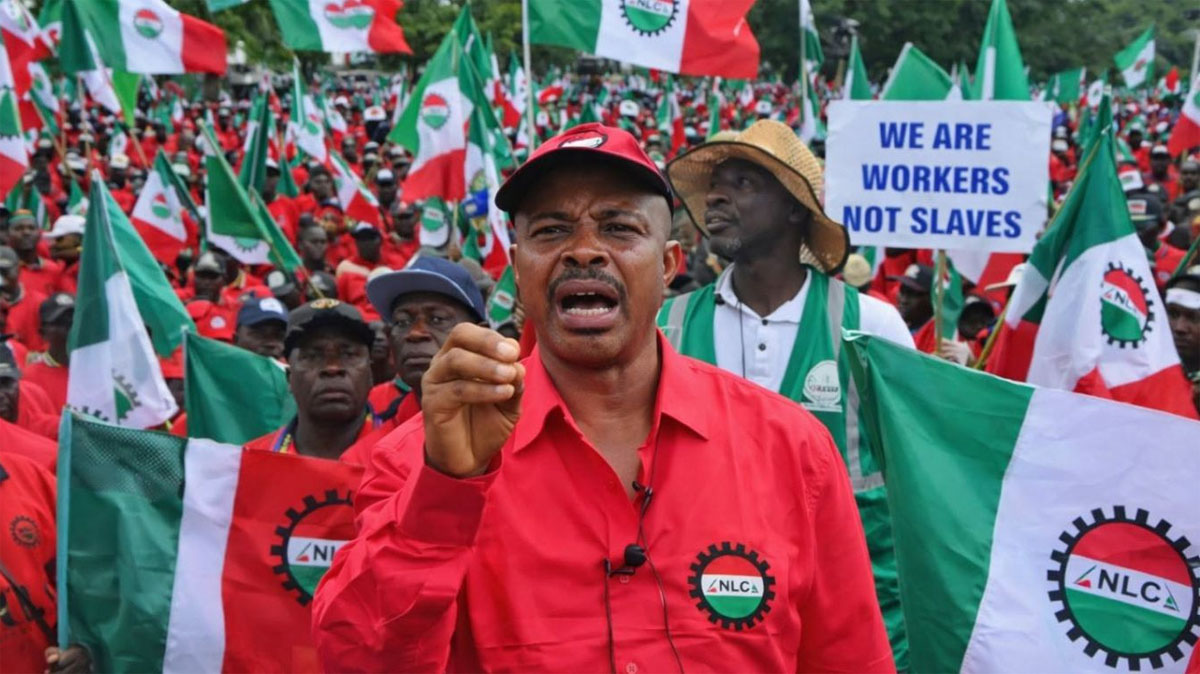
Public servants across the federal, state and local governments are set to begin a three-day warning strike on Friday, October 2, over rising economic hardship, high petrol prices, demand for a wage award and the commencement of negotiations for a new national minimum wage.
The industrial action was declared by the Joint National Public Service Negotiating Council (JNPSNC) after the expiration of its September 30 deadline to the Federal Government to address the workers’ demands.
The council said the warning strike will commence at midnight on Friday, October 2, and end on Sunday, October 4, 2026. It has directed its affiliate unions and their structures nationwide to mobilise public servants for the action.
The planned strike followed a September 21 letter to President Bola Ahmed Tinubu, in which the workers demanded urgent measures to ease the impact of rising living costs.
One of the major demands is a reduction in the price of Premium Motor Spirit (PMS), popularly known as petrol, to N500 per litre.
The JNPSNC said the government could reduce the price through an intervention fund to address landing costs and support oil and gas operators. It also called for crude oil to be supplied to the Dangote Refinery and modular refinery operators on appropriate terms to encourage increased domestic refining and reduce petroleum product prices.
The council said petrol prices ranging from about N1,450 to N2,000 per litre, and reaching as high as N2,500 in some locations, were placing severe financial pressure on workers and their dependants.
READ ALSO:
- Edo Police Arrest 37-Year-Old Man Over Alleged Rape of 70-Year-Old Woman
- Why Ronaldo Left Portugal Camp Ahead of Denmark Clash
- 2027: Amaechi Vows to Resign If Nigeria Fails to Change Within One Year
The workers are also demanding an immediate wage award to cushion the effects of rising prices and provide relief to public servants and other vulnerable Nigerians.
Another key demand is the immediate establishment of a tripartite committee to begin negotiations for a new national minimum wage expected to take effect in 2027.
The JNPSNC has called for negotiations around a new minimum wage of not less than N500,000, arguing that starting the process early would prevent administrative or procedural delays in implementing any new agreement.
The council had warned that the strike would follow if the Federal Government failed to address the issues by September 30. It also urged President Tinubu to use his Independence Day address to respond to the concerns raised by the workers.
With the deadline passing, the unions maintained their position and scheduled the industrial action for October 2.
The JNPSNC comprises eight public-sector unions: the Nigeria Civil Service Union (NCSU), Medical and Health Workers Union of Nigeria (MHWUN), Association of Senior Civil Servants of Nigeria (ASCSN), National Association of Nigerian Nurses and Midwives (NANNM), Amalgamated Union of Public Corporations, Civil Service Technical and Recreational Employees (AUPCTRE), Nigeria Union of Public Service, Reportorial, Secretarial, Data Processors and Allied Workers (NUPSRAW), National Union of Printing, Publishing and Paper Products Workers (NUPPPPROW) and National Union of Agriculture and Allied Employees (NUAAE).
The Nigeria Labour Congress (NLC) has also backed calls for measures to reduce the pressure of rising living costs, including lower petrol prices, a wage award and early negotiations for a new minimum wage.
The planned action is expected to affect public services at federal, state and local government levels, including ministries, departments and agencies, depending on the level of compliance by workers.
The warning strike comes as Nigeria marks its 66th Independence Anniversary, with organised labour continuing to demand measures it says would provide relief to workers facing increased transportation, food and other household costs.
For clarity, the strike has not begun as of October 1. The JNPSNC has scheduled its commencement for 12:00am on Friday, October 2, 2026.
Workers to Begin Nationwide Warning Strike Over Petrol Price, Wage Award
-

 metro3 days ago
Osogbo Food Bonanza Turns Nightmare as Discount Vendor Vanishes With Customers’ Millions
-

 Education2 days ago
FG Releases 2026–2028 Approved Textbooks, Introduces QR Codes for Tracking
-

 News2 days ago
Breaking: Tinubu Ends Extended European Vacation, Departs Paris for Nigeria
-

 metro2 days ago
Hamzat Clarifies Lagos Traffic ‘Lifestyle’ Remark After Backlash
-

 metro2 days ago
$2.1m Land Suit: Court Orders Wike’s Son to Produce American Passport
-
 metro2 days ago
Troops Rescue 41 Travellers as Bandits Attack Senegal-to-Kano Vehicle in Zamfara
-

 Sports2 days ago
Nigeria XI vs Guinea-Bissau: Awoniyi, Lookman, Adams Lead Super Eagles Attack
-

 News2 days ago
Tinubu Returns After 30 Days in Europe, Says ‘I’m Healthy and Ready to Work’