

International
Trump rejects US munitions shortage reports, threatens alleged leakers

Trump rejects US munitions shortage reports, threatens alleged leakers
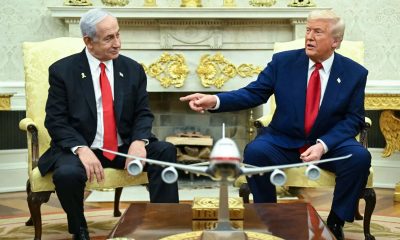
US President Donald Trump has rejected reports that the United States is facing a broad military munitions shortage, insisting that the country retains substantial supplies while warning that officials responsible for leaking classified information about US weapons inventories could face severe punishment.
Trump made the remarks on Thursday as his administration faced renewed scrutiny over the condition of US weapons stockpiles following months of military operations against Iran.
In a post on his Truth Social platform, Trump said the United States had “massive amounts” of munitions, particularly certain types, and added that large quantities were being manufactured and shipped to the country as needed.
The President also warned officials accused of leaking information about US military capabilities, saying those responsible were being pursued and could face lengthy prison sentences.
Trump’s comments came after reports raised concerns about the depletion of some US long-range missiles and air-defence interceptors during the Iran conflict. Reuters reported that US forces had used virtually all of their stockpiles of some long-range precision missiles, including Army Tactical Missile Systems (ATACMS) and Precision Strike Missiles (PrSM), during the five-month war. (Reuters)
However, the reports do not indicate that the United States has run out of weapons generally. Instead, they point to significant pressure on particular categories of high-demand munitions, raising questions about how quickly depleted stocks can be rebuilt.
Trump himself acknowledged on Thursday that the availability of some types of weapons was tighter, while maintaining that the US had an almost unlimited supply of certain other powerful munitions. He also said American defence companies were expanding production capacity, including facilities producing Patriot and Tomahawk missiles. (Reuters)
READ ALSO:
- Military uncovers identities of senior ISIS, ISWAP commanders operating around Lake Chad
- Nigeria’s first indigenous female neurosurgeon appointed medical director of US hospital
- Why Osimhen Turned Down Galatasaray’s Iconic No. 9 Jersey
The issue has become particularly important because the United States is balancing its military requirements in the Middle East with commitments to allies, including Ukraine, which relies heavily on Western air-defence systems to protect against Russian missile and drone attacks.
Independent assessments have also highlighted pressure on US air-defence inventories. The Center for Strategic and International Studies (CSIS) said in July that US stocks of Patriot interceptors had fallen below 1,000, while THAAD interceptor inventories stood at about 250. The organisation warned that continued combat could further reduce stocks and create challenges for US readiness. (CSIS)
CSIS has also assessed that rebuilding some depleted US missile inventories could take several years. Its analysis found that replenishing systems such as THAAD, Patriot and Tomahawk to pre-war levels could take three years or more under existing production projections, while some other missile systems could be replenished more quickly. (CSIS)
The pressure has prompted Washington to accelerate efforts to expand its defence-industrial capacity. Reuters reported that the United States recently reached an agreement worth more than $3 billion with Lockheed Martin and Northrop Grumman to increase production of components for Patriot and THAAD interceptors. The arrangement is designed to significantly increase production capacity as the Pentagon seeks to rebuild depleted stocks. (Reuters)
The situation has also renewed concerns about the United States’ ability to respond simultaneously to multiple major security crises. CSIS has warned that reduced stocks of long-range offensive missiles and air-defence interceptors could create a strategic vulnerability if the US were required to fight another major conflict while continuing to support its allies. (CSIS)
Despite the concerns, the Trump administration maintains that US military readiness has not been fundamentally compromised. The administration has emphasised the size of America’s overall arsenal and the rapid expansion of domestic weapons production.
The disagreement therefore centres largely on the condition of specific weapons inventories rather than whether the United States has weapons available at all. While Trump insists that the country has substantial munitions reserves, independent assessments indicate that several important missile and interceptor stocks have been significantly reduced by sustained combat operations.
The debate is expected to continue as Washington weighs the demands of the Iran war, support for Ukraine and the longer-term need to rebuild American military stockpiles.
Trump rejects US munitions shortage reports, threatens alleged leakers



International
Abdul El-Sayed, Seven Other Muslims Make History In US Midterm Elections
Abdul El-Sayed, Seven Other Muslims Make History In US Midterm Elections
Muslim Candidates Also Secure State Senate Seats In New York, Illinois And Georgia
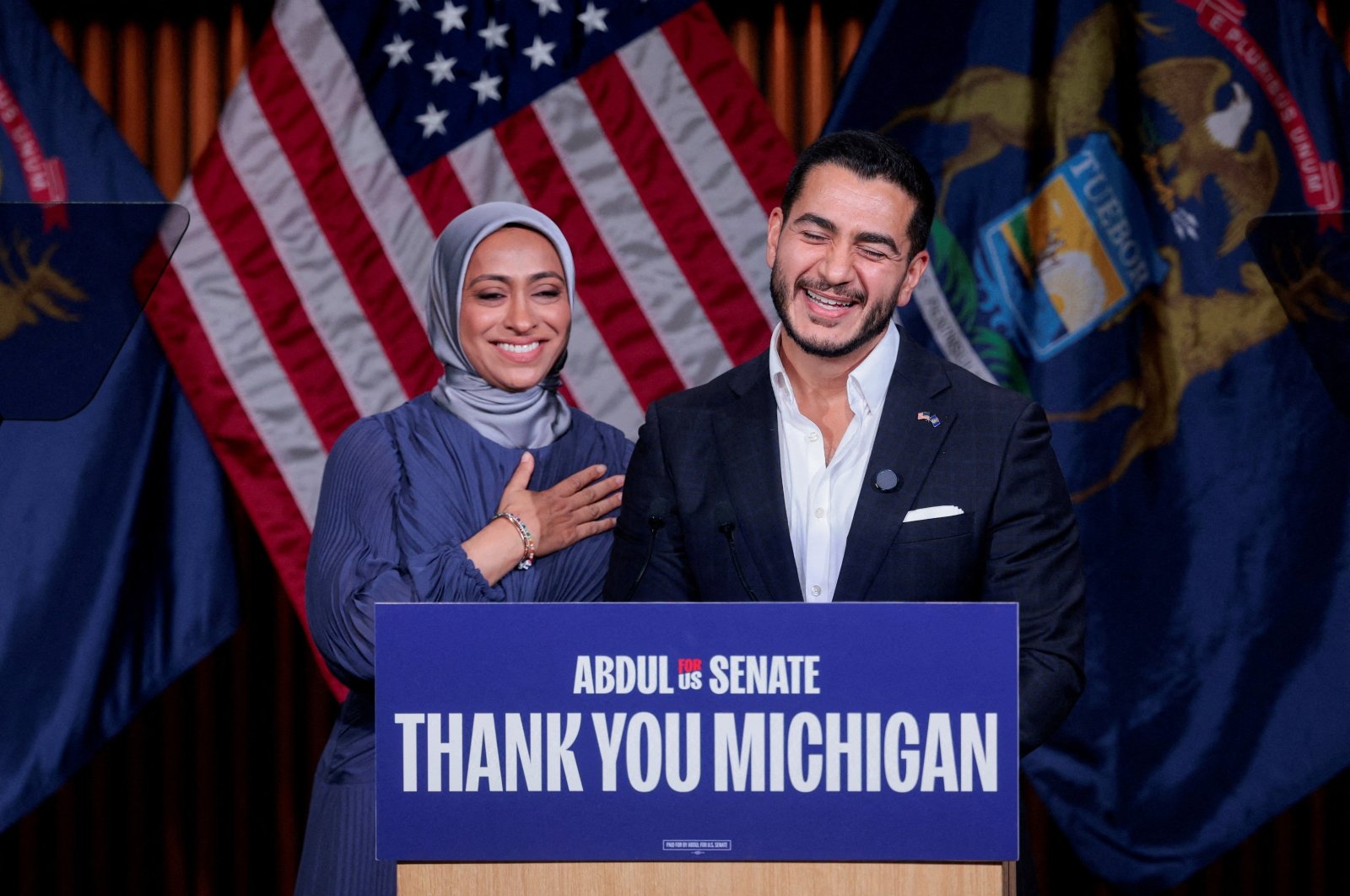
WASHINGTON, United States — Muslim candidates have recorded significant electoral victories in the November 3, 2026, United States midterm elections, with Democrat Abdul El-Sayed making history as the first Muslim elected to the US Senate, while at least seven other Muslim candidates secured seats in the House of Representatives.
The electoral successes, which also saw Muslim politicians win state legislative positions across different parts of the country, represent a significant development in the political participation and representation of Muslim Americans.
El-Sayed’s victory in Michigan’s Senate election stands out as one of the most remarkable achievements of the elections, breaking a longstanding barrier for Muslim representation in the upper chamber of the US Congress.
The physician and former public health official defeated Republican challenger Mike Rogers in the contest, securing a seat in the Senate and making history as the first Muslim American elected to the institution.
His victory adds a new dimension to the growing influence of Muslim politicians in American public life, particularly at a time when debates over immigration, civil rights, healthcare and US foreign policy continue to shape the country’s political landscape.
Beyond El-Sayed’s historic achievement, Muslim candidates also recorded notable victories in the House of Representatives.
Among them is Congresswoman Ilhan Omar, who secured re-election in Minnesota’s 5th Congressional District.
Omar, one of the most prominent Muslim politicians in the United States, has remained a major voice in congressional debates involving immigration, healthcare, civil rights and American foreign policy.
Another incumbent, Rashida Tlaib, also retained her seat representing Michigan’s 12th Congressional District.
Tlaib, who has consistently advocated Palestinian rights and criticised US military support for Israel, remains one of the most recognisable Muslim lawmakers in the American legislature.
Democratic Congressman André Carson equally secured another term representing Indiana’s 7th Congressional District, extending his presence as one of the longest-serving Muslim members of the US Congress.
In California, Lateefah Simon won re-election in the 12th Congressional District, while Adam Hamawy secured victory in New Jersey’s 12th Congressional District.
Hamawy’s victory is particularly significant because he becomes the first Muslim to represent New Jersey in the US Congress.
Another notable winner was Darializa Avila Chevalier, who secured New York’s 13th Congressional District.
The congressional victories bring the number of Muslim candidates elected to the US House of Representatives to at least six, in addition to El-Sayed’s historic Senate victory.
Muslim women also recorded significant achievements in state legislative elections.
In New York, Aber Kawas won the State Senate’s 12th District, marking an important milestone for Palestinian-American political representation.
Similarly, Nabeela Syed secured victory in Illinois State Senate District 26, defeating Republican incumbent Darby Hills.
In Georgia, Palestinian-American politician Ruwa Romman also won the State Senate District 7 contest, further strengthening Muslim representation in the state’s political institutions.
The victories came amid a major political shift in Washington, with Democrats recording significant gains in the midterm elections, creating fresh political challenges for President Donald Trump’s Republican administration.
The elections were contested against the backdrop of intense debates over the economy, immigration, healthcare, civil liberties and America’s foreign policy, particularly its relationship with Israel and the Palestinian question.
Muslim candidates have increasingly become visible in these debates, with several advocating policies involving civil rights, humanitarian assistance, healthcare access, immigration and social justice.
Reports published after the elections indicated that at least 36 Muslim candidates had won or were leading in various federal, state and local contests, although some results remained subject to further counting and verification.
The Council on American-Islamic Relations (CAIR) had earlier tracked more than 160 Muslim-American candidates seeking elective positions across different levels of government.
The latest victories therefore represent another important chapter in the political participation of Muslim Americans, whose representation has continued to expand in America’s democratic institutions.
With El-Sayed’s historic Senate victory, the successes of Muslim congressional candidates and the emergence of other Muslim lawmakers in state legislatures, the 2026 midterm elections have delivered a significant boost to Muslim political representation in the United States.
However, unofficial election projections and results remain subject to formal certification by the relevant electoral authorities.
Abdul El-Sayed, Seven Other Muslims Make History In US Midterm Elections
International
Musk Breaks Silence After $458M Gamble Backfires in Historic Democratic Sweep
Musk Breaks Silence After $458M Gamble Backfires in Historic Democratic Sweep
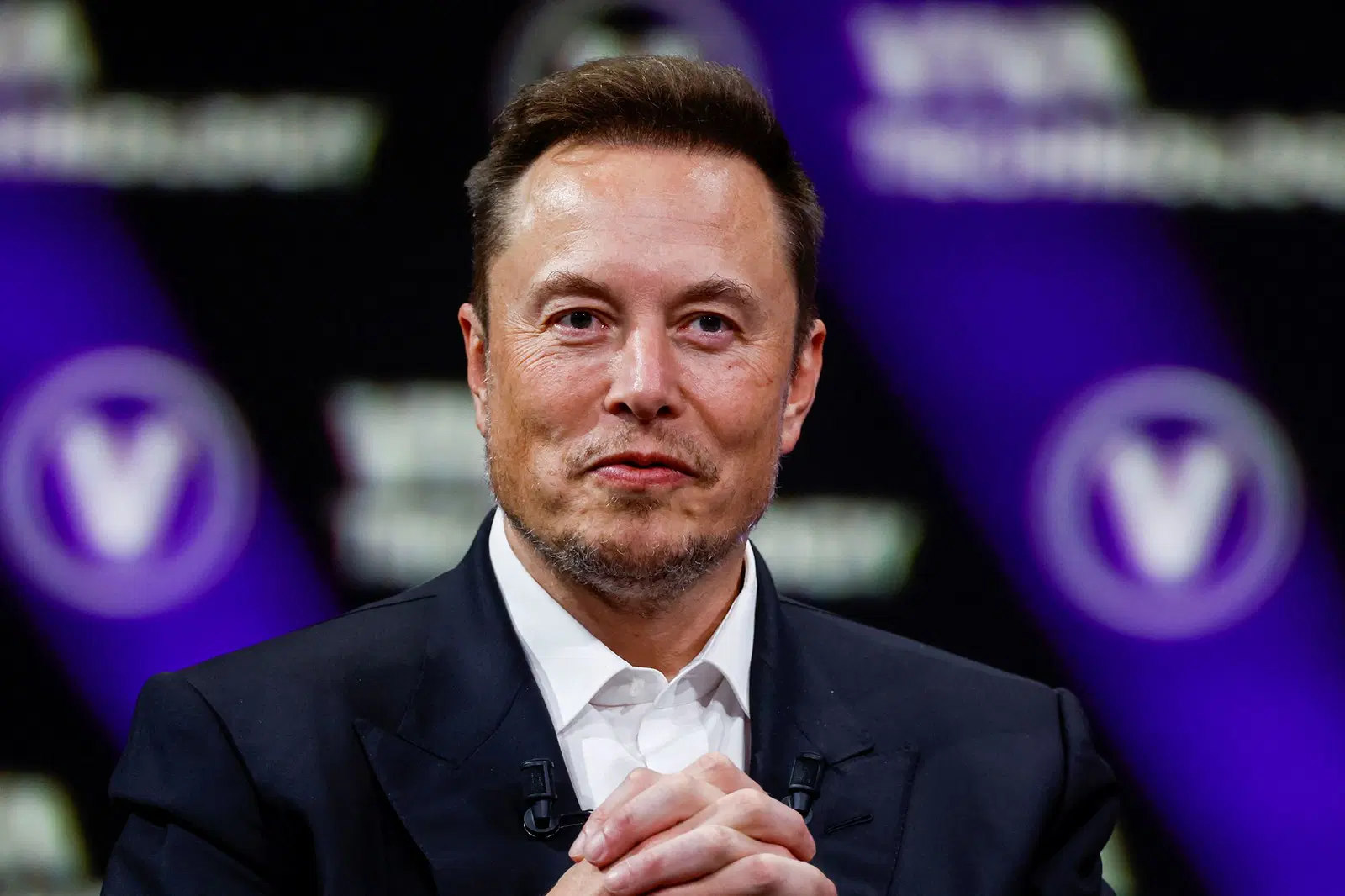
WASHINGTON, D.C. — Billionaire technology entrepreneur Elon Musk has broken his silence following a stunning Democratic victory in the 2026 United States midterm elections, making sarcastic remarks after spending hundreds of millions of dollars to support Republican candidates who suffered major electoral setbacks.
Musk, the world’s richest man and founder of SpaceX and Tesla, reportedly committed approximately $458 million to political groups and candidates backing Republicans in the elections, making him the biggest individual political donor in the 2026 election cycle.
However, the massive financial investment failed to prevent Democrats from securing a sweeping victory, taking control of both chambers of Congress and recording significant gains in several traditionally Republican strongholds.
Reacting to the outcome on Tuesday night, Musk took to his social media platform, X, where he appeared to make light of the electoral setback.
“Data centers in space looking pretty appealing right now,” he wrote.
In another post, the billionaire added: “Guess my election-interfering space lasers didn’t work this time.”
The comments, which attracted considerable attention online, appeared to reflect his frustration with the outcome, although they were delivered in his characteristic sarcastic style.
Musk’s political investment had been directed towards strengthening Republican chances of retaining control of Congress, with substantial financial backing going to political action committees and groups supporting candidates across several states.
One of the most expensive political battles involved Texas, where Musk reportedly spent more than $200 million supporting Republican Senate candidate Ken Paxton.
Despite the enormous financial backing, Democratic candidate James Talarico defeated Paxton, delivering a major blow to the Republican campaign and another setback for Musk’s political influence.
Other Republican-backed candidates also suffered significant defeats, reinforcing the scale of the Democratic resurgence.
The results have raised fresh questions about the influence of wealthy political donors in American elections, particularly whether massive campaign spending can overcome voter dissatisfaction with government policies and political leadership.
Meanwhile, Musk appeared to acknowledge the significance of the election outcome when he reacted with a brief “Interesting” to exit polling data suggesting that although Republican voters remained supportive of President Donald Trump’s immigration policies, the ongoing conflict involving Iran had become a major electoral liability for the party.
The election results suggest that economic concerns, rising living costs and dissatisfaction with the Trump administration, alongside the Iran conflict, played significant roles in shaping voters’ decisions.
The Democratic victories have also created a major political challenge for Trump, whose administration is expected to face increased congressional scrutiny during the remaining two years of his presidency.
With Democrats now controlling both chambers of Congress, the party will have greater power to obstruct Republican legislative proposals, scrutinise government activities and investigate policies of the Trump administration.
For Musk, the outcome represents a significant setback after his unprecedented financial involvement in the election cycle.
Although political donations do not automatically translate into electoral victories, the results have reignited debate over the limits of billionaire influence in American democracy.
His latest comments also suggest that the billionaire may be turning his attention back to his ambitious space technology projects as the political consequences of the Democratic victory begin to unfold.
Musk Breaks Silence After $458M Gamble Backfires in Historic Democratic Sweep
International
Abdul El-Sayed Makes History, Defeats Republican Rival To Become First Muslim US Senator
Abdul El-Sayed Makes History, Defeats Republican Rival To Become First Muslim US Senator
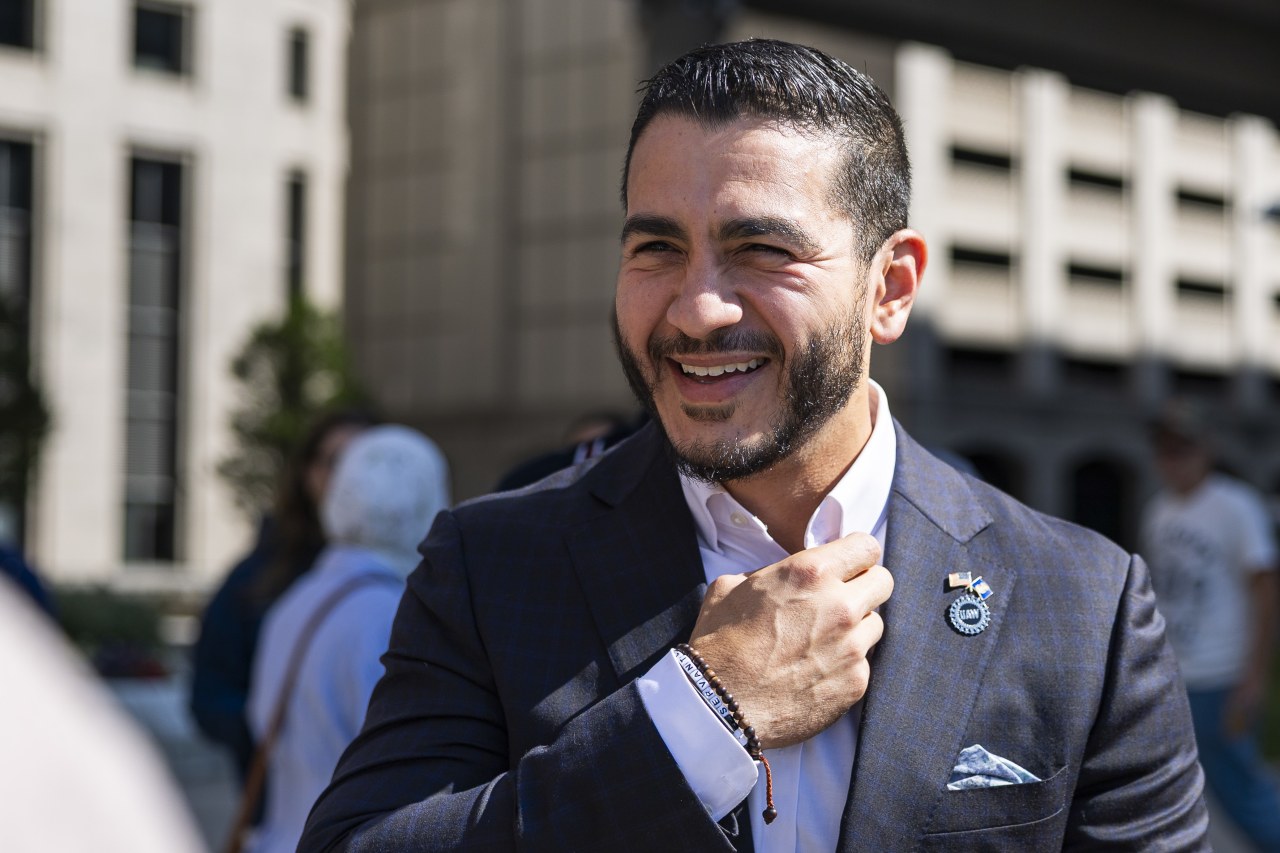
Democrat Abdul El-Sayed has won Michigan’s closely watched United States Senate election, making history as the first Muslim to be elected to the US Senate.
El-Sayed defeated Republican candidate Mike Rogers in the November 3, 2026, midterm elections, according to projections by the Associated Press.
His victory marks a historic milestone for Muslim representation in American politics and brings an end to more than two centuries without a Muslim serving in the US Senate.
The election was one of the most closely watched contests in the country, as Democrats and Republicans battled for control of the Senate.
According to Michigan Advance, the Associated Press called the race for El-Sayed with approximately 85 per cent of the votes counted. He was leading Rogers with 51.9 per cent against 46.1 per cent.
The victory means El-Sayed will succeed retiring Democratic Senator Gary Peters, who did not seek re-election.
Born on October 31, 1984, in Rochester Hills, Michigan, El-Sayed is the son of Egyptian immigrants.
The 42-year-old politician built his career around public health before venturing into electoral politics.
He graduated from the University of Michigan in 2007, earning degrees in biology and political science. He subsequently obtained a doctorate in public health from the University of Oxford as a Rhodes Scholar and later earned a medical degree from Columbia University in 2014.
In 2015, at the age of 30, he was appointed Detroit’s health director, making him one of the youngest officials to occupy the position.
He later served as head of Wayne County’s health department from 2023 to 2025.
Although he previously contested the Michigan governorship in 2018, he lost the Democratic primary to Gretchen Whitmer.
His election to the Senate therefore represents a significant turning point in his political career.
During the campaign, El-Sayed promoted an ambitious progressive agenda, including universal healthcare, popularly known as Medicare for All.
He also advocated measures to address medical debt, increase taxes on billionaires, reduce corporate influence in politics and limit the role of wealthy interest groups in election financing.
On foreign policy, he called for an end to the war involving Iran and a reassessment of America’s relationship with Israel, particularly over the conflict in Gaza.
His positions attracted support from prominent progressive politicians, including Senator Bernie Sanders and Congresswoman Alexandria Ocasio-Cortez.
Former President Barack Obama and former Vice President Kamala Harris also campaigned in Michigan in support of his candidacy.
El-Sayed’s campaign was marked by controversies surrounding his Muslim faith, Egyptian heritage and criticism of Israel.
President Donald Trump and other Republican figures questioned his loyalty to the United States and made allegations linking him to extremist organisations.
El-Sayed rejected the allegations, while the Associated Press reported that there was no evidence supporting claims of terrorist links.
His Democratic primary opponent, Congresswoman Haley Stevens, also endorsed Republican candidate Mike Rogers shortly before election day, following disagreements over El-Sayed’s positions.
Despite the divisions, El-Sayed secured the Democratic Party’s support and went on to defeat Rogers in the general election.
El-Sayed’s election is particularly significant for Muslim representation in the United States Congress.
Although Muslims have previously served in the House of Representatives, including Keith Ellison, Ilhan Omar and Rashida Tlaib, no Muslim has ever served in the US Senate.
His victory will therefore open a new chapter in the representation of Muslims in America’s highest legislative chamber.
He is expected to assume office in January 2027, succeeding retiring Senator Gary Peters.
His victory also gives progressive Democrats a prominent new figure in Washington as the party prepares for future political contests.
For El-Sayed, the historic achievement marks the culmination of a political journey that began with public health advocacy and has now taken him to the United States Senate.
Abdul El-Sayed Makes History, Defeats Republican Rival To Become First Muslim US Senator (more…)
-

 metro3 days ago
FG’s N50,000 Relief: OPay Details Eligibility Check Process, Issues Strong Warning Against Scams
-

 metro3 days ago
Bandits Demand Over ₦100m Ransom for 15 Abducted Islamiya Students in Niger
-
 International3 days ago
Musk Breaks Silence After $458M Gamble Backfires in Historic Democratic Sweep
-

 News3 days ago
Omoda and Jaecoo Race Past 1.4m Sales, Expand Push into AI, Electrification
-

 International3 days ago
Abdul El-Sayed, Seven Other Muslims Make History In US Midterm Elections
-
 News3 days ago
Tinubu Reveals How He Worked As Taxi Driver In US Before Becoming Nigeria’s President
-

 Politics3 days ago
Appeal Court Upholds INEC’s Recognition of Wike-Backed PDP Leadership, Dismisses Turaki Faction’s Suit
-

 Politics3 days ago
Rufai, Abati Clash Over Natasha’s Cash Empowerment Programme in Kogi