

Entertainment
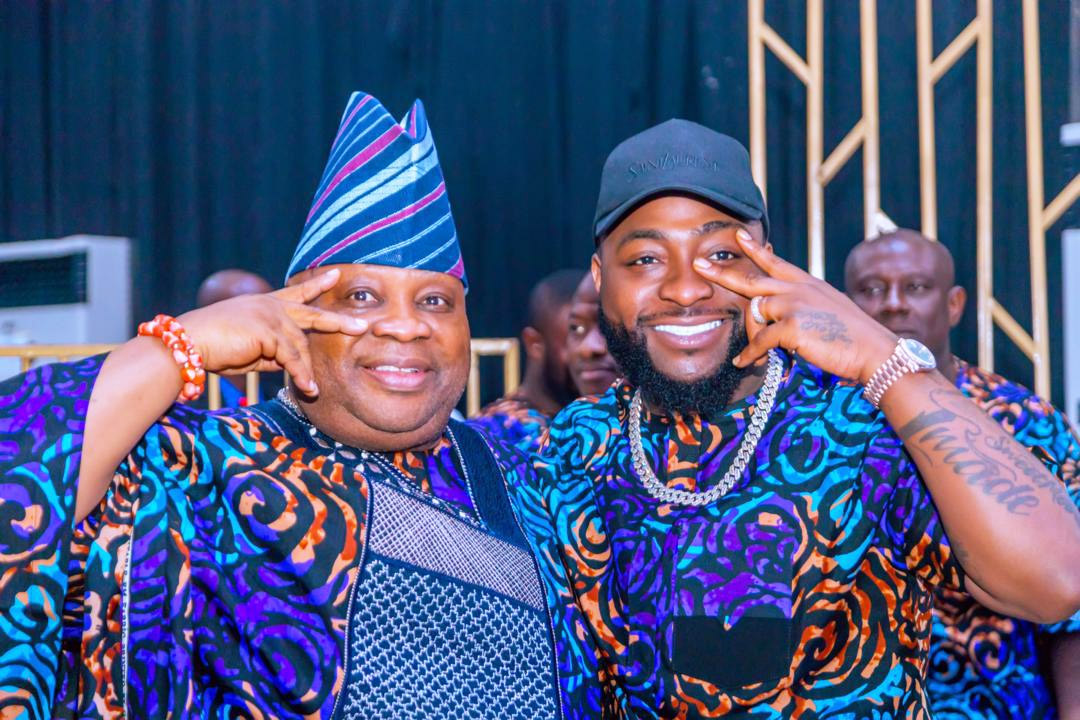
Leave Osun Alone! – Davido Threatens to Call Donald Trump Over Election Rigging Fears











Entertainment
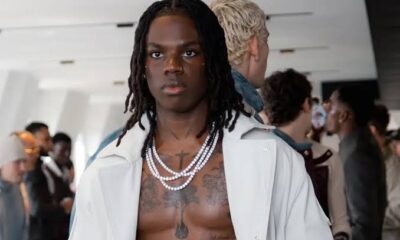
“She Wanted to Stay Single”: Rema Opens Up About Rejection That Inspired Hit Song ‘Oh No’
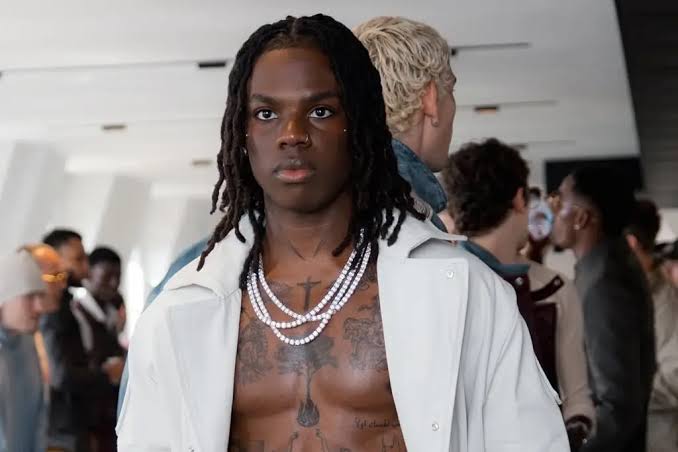
“She Wanted to Stay Single”: Rema Opens Up About Rejection That Inspired Hit Song ‘Oh No’
During a live stream with online creator Okiki, the 26-year-old Afrobeat star reflects on personal vulnerability and early stardom.
Nigerian music star Divine Ikubor, globally recognized as Rema, shared a candid look into his romantic life on Friday night, revealing that unreciprocated feelings directly inspired his hit track ‘Oh No.’
Speaking during an interactive live stream with content creator Okiki, the 26-year-old chart-topper recounted how an attempt to start an exclusive, serious relationship ended in sudden rejection when the woman declined to settle down.
According to Rema, the lady openly informed him that she preferred to enjoy single life and explore her personal autonomy rather than commit to a monogamous partnership. Consequently, the musician poured his emotional disappointment directly into the creative process, turning the painful heartbreak into the melodic foundation for ‘Oh No.’
Rather than masking the setback, he explained that sharing raw personal experiences allows him to connect genuinely with fans who navigate similar romantic dilemmas.
Furthermore, the Afrobeats phenomenon reflected on the broader emotional impact of global success, explaining that achieving runaway fame at age 17 forced his personal life to move at a breakneck speed.
To regain his footing, Rema noted that he is currently taking time out to step back, re-evaluate his priorities, and focus on grounded self-reflection. Ultimately, his candid remarks offer a rare, vulnerable perspective on the relatable personal trials that exist behind international superstar status.
“She Wanted to Stay Single”: Rema Opens Up About Rejection That Inspired Hit Song ‘Oh No’

Entertainment
Adunni Ade Reveals Christian Fans Unfollowed Her After Publicly Identifying as Muslim
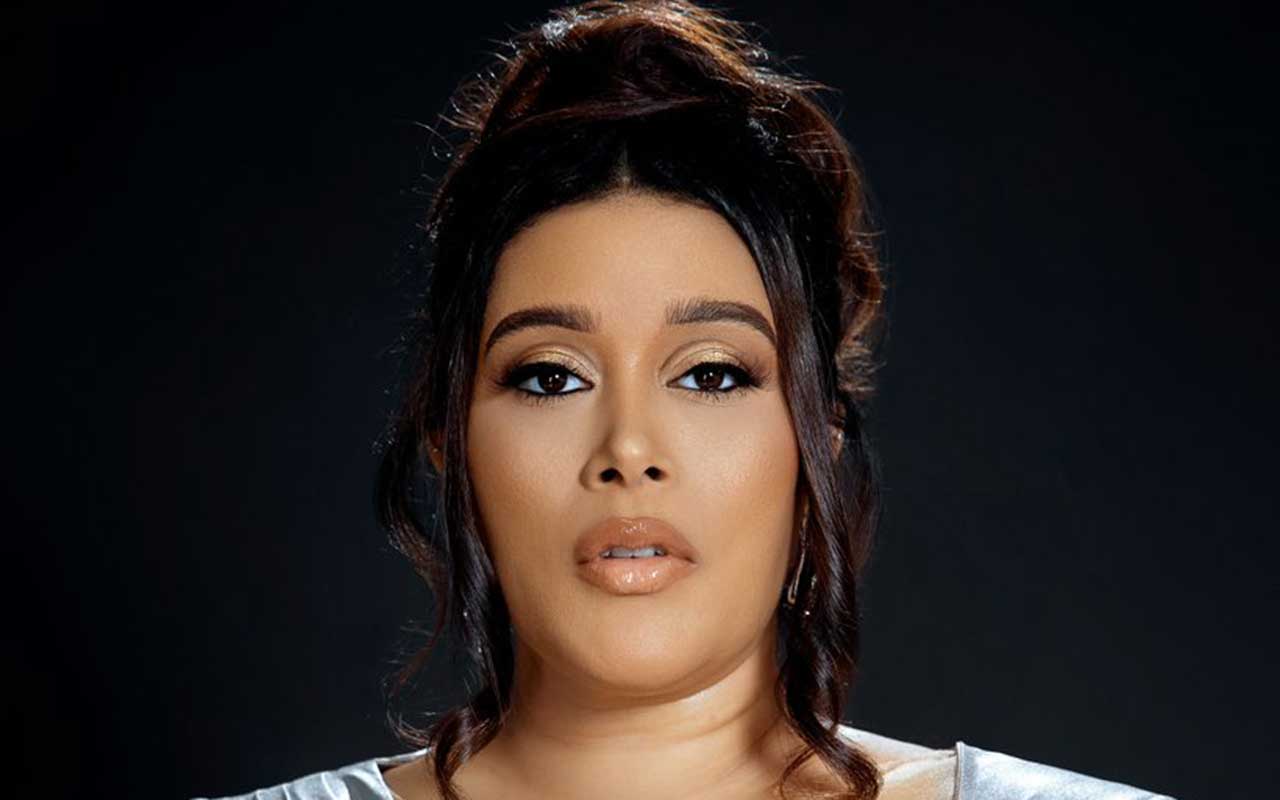
Adunni Ade Reveals Christian Fans Unfollowed Her After Publicly Identifying as Muslim
Nollywood actress Adunni Ade has opened up about the reaction she received after publicly identifying as a Muslim, revealing that some of her Christian fans unfollowed her because of her religious identity.
The actress said she initially found it difficult to openly discuss her faith because of what she described as the pressures associated with being a public figure in the Nollywood industry.
According to Ade, publicly identifying as a Muslim within the Nigerian film industry can be difficult, and she described the situation as “almost forbidden” based on her personal experience.
She explained that she eventually became tired of keeping her religious identity private and decided to be open about her faith.
Ade said the decision came with consequences, including losing some followers and receiving messages from people who questioned her choice.
“Some people unfollowed me. I got DMs from people trying to cast out spirits. Some people prayed for me,” she said while discussing her experience.
However, the actress added that she also received considerable support from Muslims, many of whom welcomed her more warmly after she publicly acknowledged her faith.
READ ALSO:
- Raphinha Runs Riot as Barcelona Thrash Racing Santander 7-2
- 2027: Sowore Rejects Utomi’s Coalition Talks, Says AAC Won’t Join Opposition Alliance
- Sani Abacha’s Son Emerges Kano PDP Governorship Candidate for 2027
Ade stressed that her decision to practise Islam should not be interpreted as an attack on Christianity or Christians.
She said she had experienced both Christian and Muslim religious environments and was not suggesting that Christianity was a bad religion. Rather, she explained that Islam was the faith that worked for her personally.
The actress’ comments have renewed attention on her long-standing and publicly discussed religious journey, which has included experiences with both Christianity and Islam.
Ade had previously spoken about her faith in 2020, explaining that she was born and raised Muslim but grew up in a family where different religious traditions were represented.
She said her father allowed his children to choose their preferred religion, while members of her extended family included both Christians and Muslims.
The actress also disclosed that she attended different Christian churches, including Mountain of Fire and Miracles Ministries (MFM), Redeemed Christian Church of God (RCCG), Christ Living Apostolic Ministry (CLAM) and Christ Apostolic Church (CAC).
Ade said she later returned to Islam on December 31, 2016, after reflecting on her religious identity and concerns about how people might react to her decision.
She said at the time that returning to Islam made her feel happier and more fulfilled.
Her religious identity also came under renewed public discussion in 2026 after she was seen attending an event at a Celestial Church of Christ in Lagos.
Following questions from social media users about whether she had returned to Christianity, Ade clarified that she remained a practising Muslim.
She explained that her presence at the church-related event was connected to her professional relationship with the celebrant and was not evidence of a change in her religion.
Ade’s latest comments therefore provide further context to a faith journey she has discussed publicly over several years.
While describing her experience as difficult at times, she maintained that her decision to openly identify as a Muslim was ultimately a personal one.
Her statement that being openly Muslim in Nollywood is “almost forbidden” reflects her personal experience and perception; it should not be taken as evidence of a formal industry-wide rule restricting actors from publicly identifying with a particular religion.
The actress’ disclosure has also highlighted the wider challenges public figures can face when personal beliefs become subjects of public discussion, particularly in an industry where celebrities often maintain diverse fan bases with different religious and cultural backgrounds.
Adunni Ade Reveals Christian Fans Unfollowed Her After Publicly Identifying as Muslim
Entertainment
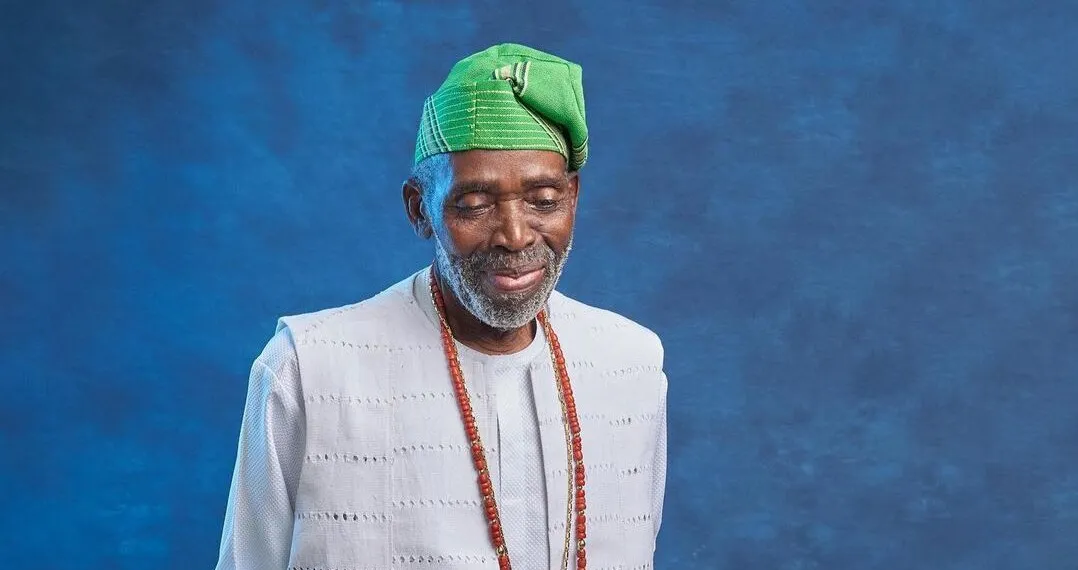
BREAKING: Olu Jacobs Dies at 84, Atiku Mourns Cultural Icon
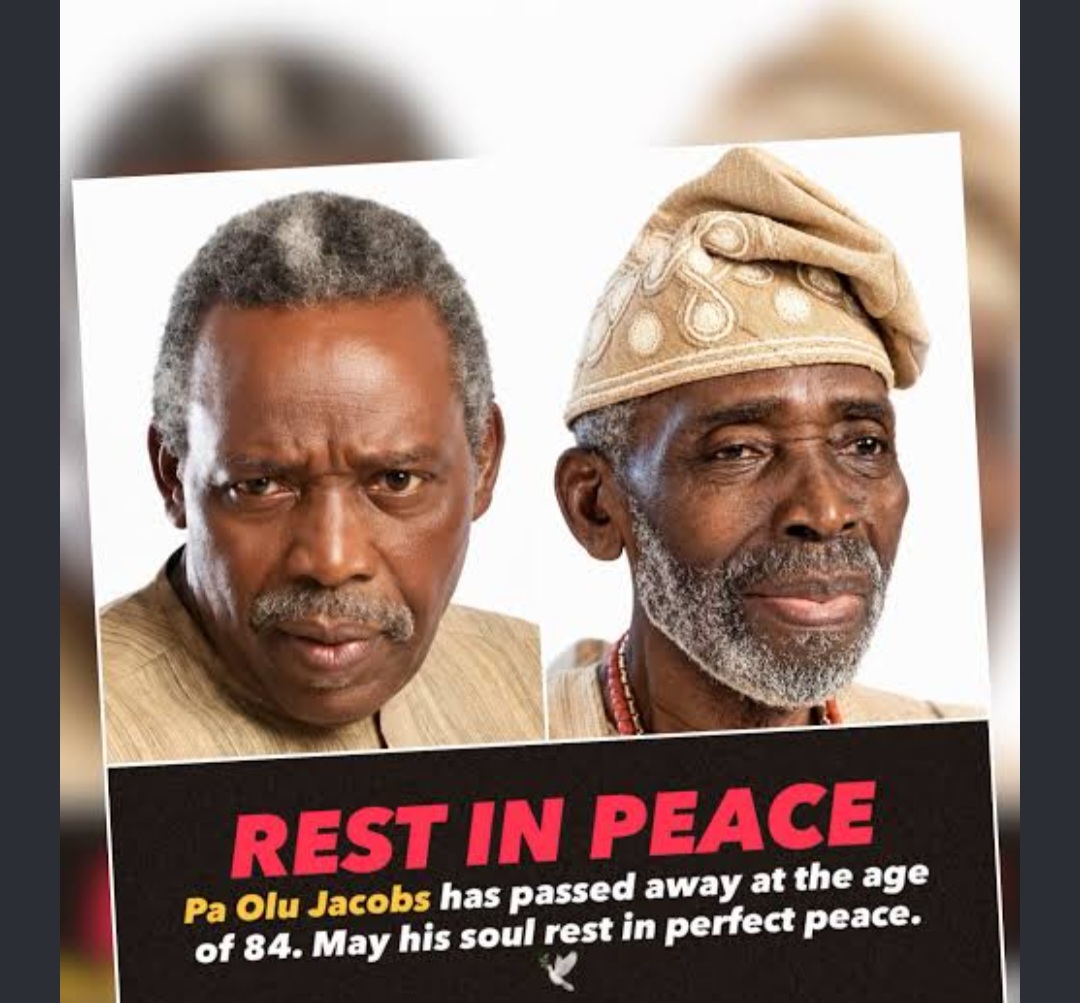
BREAKING: Olu Jacobs Dies at 84, Atiku Mourns Cultural Icon
Veteran Nigerian actor and film executive, Oludotun Baiyewu Jacobs, popularly known as Olu Jacobs, has died at the age of 84, with former Vice President Atiku Abubakar describing the late Nollywood icon as “an institution” and “a cultural icon” whose contribution helped shape Nigeria’s creative industry.
Jacobs’ death was announced on Wednesday, September 16, by his son, Olusoji Jacobs, who described the celebrated actor as “The Lion of Lufodo” and called on bloggers and social media influencers to respect the family’s privacy as they mourn.
“It is with gratitude to God for a life well lived and fought, that we announce the passing of our dear husband, father, grandfather and uncle. The Lion of Lufodo,” Olusoji said in the announcement.
Reacting to the death, Atiku said Nigeria had lost far more than a great actor, describing Jacobs as “an institution, a cultural icon and one of the finest ambassadors of our creative spirit.”
The former vice president said Jacobs had become part of the collective memory of generations of Nigerians through his distinctive voice, commanding performances and decades of dedication to his craft.
According to Atiku, Jacobs was already making his mark internationally before Nollywood emerged as a global phenomenon, and his career helped lay foundations for the Nigerian film industry while inspiring younger generations of actors.
“The curtain may have fallen on an extraordinary life, but the characters he gave us, the standards he set and the generations he inspired will continue to speak for him,” Atiku said.
He expressed condolences to Jacobs’ wife, veteran actress Joke Silva, their children and the wider Jacobs family, as well as members of Nollywood and the African creative community.
Atiku said Jacobs “gave Nigeria his talent, his voice and a lifetime of excellence,” adding that the country would remember him with pride, affection and gratitude.
Jacobs, whose career spanned theatre, British television, international film and Nollywood, was trained at the Royal Academy of Dramatic Art in London. He became one of Nigeria’s most recognisable screen and stage actors and was associated with the development of the Nigerian film industry.
His death marks the end of a career spanning more than five decades and has already triggered tributes from political figures, actors and other members of Nigeria’s entertainment industry.
-
 Entertainment2 days ago
“She Wanted to Stay Single”: Rema Opens Up About Rejection That Inspired Hit Song ‘Oh No’
-

 metro2 days ago
Oyo Police: Student Who Died by Suicide Was Charged With Assault, Not ₦8,000 Debt
-

 metro2 days ago
Niger Miners’ Deaths: Families Demand Compensation, Justice for Victims
-

 metro2 days ago
Mambilla: ICC Raises Questions Over $500,000 Payment to Atiku’s Former Wife
-

 Auto2 days ago
Abuja Demand Rises as Jetour Brings X70 Plus Experience to FCT
-
 Politics2 days ago
2027: NDC Predicts Wider Obi Victory Over Tinubu in Lagos
-
 International13 hours ago
18 Suspects Transferred to US Over 2021 Killing of Haitian President Moïse
-
 metro1 day ago
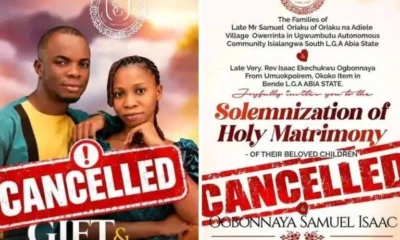
Irreconcilable Developments: Wedding Cancelled 24 Hours Before Ceremony