

News
South Africa Visa Applications Double From Nigerians Despite Xenophobia Concerns – Envoy
South Africa Visa Applications Double From Nigerians Despite Xenophobia Concerns – Envoy
South Africa’s Consul-General in Nigeria, Prof. Bobby Moroe, has revealed that visa applications from Nigerians have nearly doubled in recent months, dismissing reports that South African missions have stopped issuing visas to Nigerians and insisting the country remains safe for travellers. Despite ongoing concerns over xenophobic attacks targeting Nigerians and other African migrants in South Africa, interest in travelling to the country has surged, according to the diplomat. Moroe made the disclosure during an interview with Nigeria Info FM on Sunday, emphasising that South Africa remains open for tourism, business and other forms of travel.
Moroe sought to allay fears over the safety of Nigerians travelling to South Africa, describing reports that diplomatic missions had suspended visa issuance as “untrue”. In his words: “I just want to give reassurance that South Africa is open for business, South Africa is open for tourism, and South Africa is open for any other form of visit. And it is also untrue to suggest that South African missions in Nigeria do not offer visas to Nigerians anymore. But I can assure you and the listeners, that it is safe to travel to South Africa.” The Consul-General disclosed that visa applications have increased significantly, with the Lagos consulate alone processing between 100 to 130 applications daily.
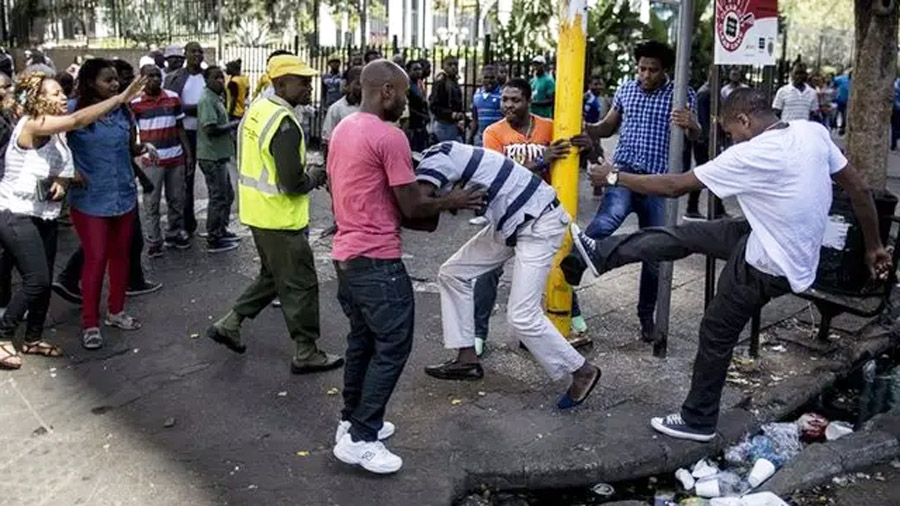
This reassurance from Moroe comes amid renewed concerns over xenophobic violence in South Africa, where Nigerians and other African migrants have been targeted in pockets of violence across Gauteng, KwaZulu-Natal and parts of the Western Cape. The attacks, often fuelled by claims of job competition and criminality, have led to looting of foreign-owned shops, assaults and forced displacements, sparking outrage in Nigeria and across the continent. In response to the escalating violence, the Federal Government facilitated the repatriation of over 1,400 Nigerians who were stranded or feared for their safety in South Africa. Repatriated Nigerians have since warned compatriots against migrating to South Africa, describing the country as unsafe for foreigners. Earlier in June 2026, the government had announced plans to repatriate more than 1,000 citizens through a voluntary repatriation programme, following a similar action by Ghana.
READ ALSO:
- Nigerian Mother Gifts Son a Live Goat After Polytechnic Graduation
- Radio Caroline Fined Over False King Charles III Death Announcement
- Osun poll: Adeleke’s wife leads women’s protest over alleged arrests, violence
In a separate interview, Moroe rejected claims that xenophobia is prevalent in South Africa, stating that the government condemns attacks on both citizens and foreigners regardless of immigration status. The diplomat went further to argue that the term “xenophobia” has become unfairly associated with South Africa, noting that when similar incidents occur elsewhere, they are labelled differently. “There’s no xenophobia in South Africa,” he said when questioned about recurring reports of violence against foreign nationals.
The surge in visa applications may also be attributed to streamlined processes introduced after a January 2023 forum, which have reduced turnaround times significantly. Under the new arrangements, qualifying Nigerian businesspeople can now be granted five-year multiple-entry visas, making travel more convenient for frequent visitors. Moroe urged prospective travellers to obtain necessary visas before departure and comply with South Africa’s immigration laws, advising: “It is everybody’s responsibility to ensure that before you travel, you ensure that you have your visa, you comply with the immigration laws of the country, you become a good ambassador of your country.” He also cautioned Nigerians to familiarise themselves with South African laws, understand their rights and know the locations of law enforcement agencies in case of emergencies, adding: “When you get to South Africa, you know and understand your rights, but you must also familiarise yourself with the laws of the country. You choose places that you want to visit… and ensure that you also are familiar with the location of law enforcement agencies, just in case something happens.”
The Consul-General’s position on xenophobia has, however, been challenged by former Enugu State lawmaker Okey Onoh, who described Moroe’s denial as contradicting documented reports of attacks and discrimination against African migrants in South Africa. Onoh cited reports by advocacy groups, including Xenowatch, which have recorded hundreds of alleged xenophobic incidents annually, and criticised anti-immigrant groups including Operation Dudula. In a sharp rebuke, Onoh declared: “Keep your South Africa, we keep our Nigeria,” calling for greater protection of African migrants and urging African countries to reconsider their engagement with South Africa.
Despite these tensions and the contrasting narratives, Moroe expressed confidence that bilateral visits between both countries would continue to grow, stressing that South Africa valued its relationship with Nigeria and that people-to-people ties between the two nations remain active. Nigerian DJs perform in Johannesburg, South African gospel artists play in Lagos, students study in Cape Town and traders do business in Aba — these are the everyday connections that bind the two countries, mission officials noted, underscoring the deep and enduring links that persist even amid diplomatic friction and security concerns.
South Africa Visa Applications Double From Nigerians Despite Xenophobia Concerns – Envoy









News
N52,500 Minimum Pension: PenCom Gives States Condition to Secure Benefits for Retirees
N52,500 Minimum Pension: PenCom Gives States Condition to Secure Benefits for Retirees
The National Pension Commission (PenCom) has made contributions to the N400 billion Pension Protection Fund a compulsory condition for state governments seeking to access the newly introduced N52,500 minimum monthly pension for their retirees.
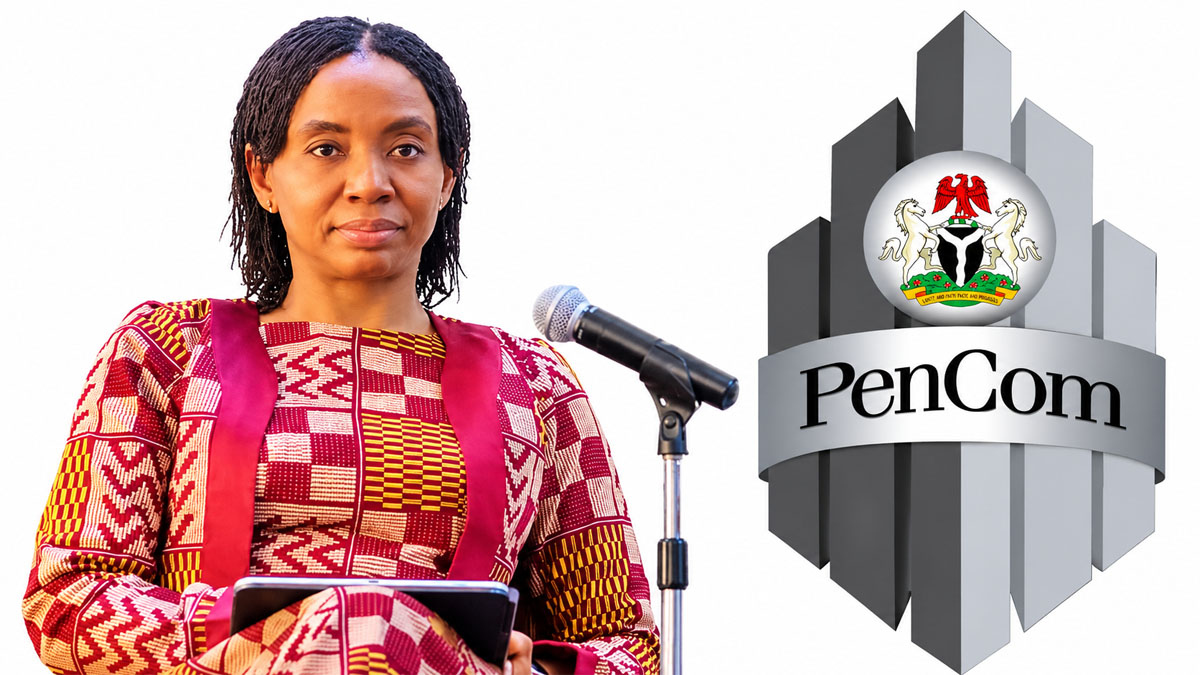
PenCom Director-General, Omolola Oloworaran, disclosed this on Tuesday, November 10, 2026, during the launch of the Presidential Pension Security Initiative in Abuja.
She explained that although the Minimum Pension Guarantee Scheme covers eligible retirees across the federal public service, state governments and the private sector, states must contribute to the Pension Protection Fund before their retirees can benefit from the arrangement.
According to her, the requirement is intended to guarantee the sustainability of the scheme and prevent the fund from running out of resources as more pensioners are brought under its coverage.
“We are making it a requirement that states must contribute to the Pension Protection Fund before they can be eligible for minimum pension. So we work out that modality at state level because we all know the fund needs to be sustainable,” Oloworaran said.
She warned that allowing states to benefit without contributing could undermine the initiative in the coming years.
“If people are not contributing, we’ll run out of funds, and we can’t start a laudable initiative like this and then five or 10 years from now somebody says it has stopped working because people are not contributing,” she added.
President Bola Ahmed Tinubu formally activated the Minimum Pension Guarantee Scheme at the event, setting N52,500 as the minimum monthly pension for eligible retirees under the Contributory Pension Scheme (CPS).
READ ALSO:
- Gombe Political Tension: Pantami Defies Burning Tyres, Roadblocks as Convoy Comes Under Attack
- NDC in Fresh Turmoil as Deputy Spokesman Quits, Obi’s Adviser Joins SDP
- New York Police Arrest 17-Year-Old Over Murder of Ghanaian Student
The initiative is expected to benefit 173,209 retirees whose monthly pension payments are below the approved threshold.
Oloworaran explained that every eligible retiree under the CPS currently receiving less than N52,500 would have their pension adjusted to meet the new minimum.
“Every eligible retiree who is below N52,500 will be augmented to N52,500. So, of course, like I said, everybody, there’s no discrimination. If you are within the CPS and you’ve been within the CPS, you will get it,” she stated.
She clarified that the contribution requirement specifically applies to state governments seeking to extend the benefit to their retirees. Eligible federal and private-sector pensioners are also covered by the initiative.
A breakdown of the expected beneficiaries showed that private-sector retirees account for 54 per cent of the 173,209 pensioners, while federal public service retirees represent 34 per cent and state government retirees account for 12 per cent.
The PenCom chief also disclosed that more than 65 per cent of private-sector retirees currently receive monthly pensions below the N52,500 threshold.
She consequently appealed to private-sector employers and other stakeholders to contribute to the Pension Protection Fund, stressing that its sustainability required broader financial participation.
Oloworaran said the N52,500 benchmark was determined through an actuarial assessment and would be reviewed periodically to reflect prevailing economic realities.
READ ALSO:
- Canada Announces Permanent Residency Plan for 100,000 Foreign Workers, Families
- MURIC Raises Alarm Over Alleged Overcrowding at Ogun NYSC Camp, Seeks Abiodun’s Intervention
- Two Killed, 17 Injured as Building Collapses in Brooklyn, Seven Children Among Victims
The N400 billion Pension Protection Fund is being supported by the Federal Government and the pension industry to finance the minimum pension guarantee.
Beyond the pension increase, the Presidential Pension Security Initiative also includes PenCare, a healthcare programme designed to provide essential medical services to low-income retirees.
Oloworaran said the pension industry had committed more than N7 billion to the healthcare initiative, with insurance premiums already paid for nearly 30,000 pensioners.
She urged eligible retirees who had not received their healthcare access cards to approach their respective Pension Fund Administrators (PFAs) to obtain them.
The minimum pension guarantee represents the implementation of a provision first introduced under the Pension Reform Act 2004 and reaffirmed in the 2014 legislation.
The provision had remained largely unimplemented for more than two decades before the Federal Government announced its activation.
PenCom said it was also engaging state governments to improve pension administration, address outstanding retirement obligations and encourage regular reviews of pension payments.
The commission maintained that state participation and sustained contributions would be critical to ensuring that retirees receive the benefits promised under the new arrangement.
N52,500 Minimum Pension: PenCom Gives States Condition to Secure Benefits for Retirees
News
Nigeria’s Debt Burden: Tinubu Seeks Approval for Fresh N10.79tn Foreign Loans
Nigeria’s Debt Burden: Tinubu Seeks Approval for Fresh N10.79tn Foreign Loans
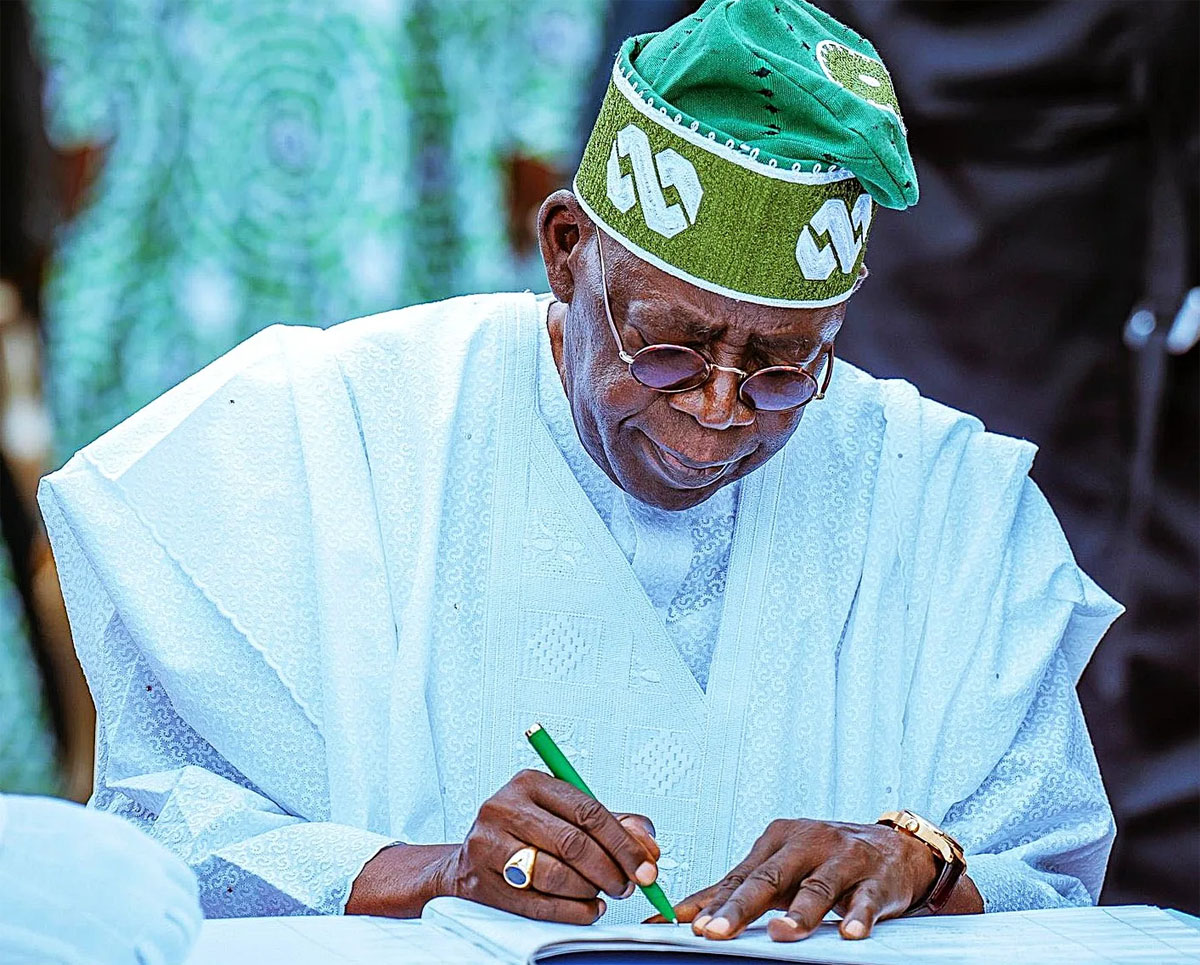
President Bola Ahmed Tinubu has asked the House of Representatives to approve the implementation of Nigeria’s N10.79 trillion external borrowing plan, equivalent to approximately $7.71 billion, to finance part of the Federal Government’s 2026 budget deficit.
The request, conveyed in a letter to the House and read during plenary on Wednesday, November 11, 2026, seeks legislative authorisation for the government to access the external loans already provided for in the 2026 Appropriation Act.
Tinubu explained that the proposed borrowing was necessary to finance critical projects and programmes captured in the national budget and sustain the administration’s economic reform agenda.
The President’s request represents the external component of the N29.218 trillion new borrowing approved under the 2026 budget, which also provides for N18.28 trillion in domestic borrowing.
According to the letter, the N10.79 trillion external borrowing is equivalent to $7.707 billion at the budget exchange rate of N1,400 to the dollar.
Tinubu said the request was made pursuant to Sections 21(1) and 27(1) of the Debt Management Office (DMO) Establishment Act, 2003, which require the terms and conditions of external loans to be presented to the National Assembly for approval.
He stated that the government intended to explore different financing options simultaneously, taking into consideration the cost of borrowing, the benefits to the country and the time required to access the funds.
The President, however, indicated that greater emphasis would be placed on Eurobond issuance, which he described as a relatively faster means of raising substantial funds at competitive costs.
READ ALSO:
- Gombe Political Tension: Pantami Defies Burning Tyres, Roadblocks as Convoy Comes Under Attack
- NDC in Fresh Turmoil as Deputy Spokesman Quits, Obi’s Adviser Joins SDP
- New York Police Arrest 17-Year-Old Over Murder of Ghanaian Student
Other proposed sources of financing include concessional and commercial loans from multilateral and bilateral institutions, facilities from the International Monetary Fund (IMF), bridge financing arrangements, loan syndications and direct borrowing from international financial institutions.
Tinubu explained that the final terms and conditions, including interest rates and repayment periods, would depend on prevailing conditions in the international financial markets when the loans were priced.
He assured lawmakers that the Federal Ministry of Finance and the Debt Management Office would work together to secure the most favourable borrowing conditions available to Nigeria.
The President said the funds would be deployed to finance critical capital projects and interventions in defence and security, transportation, agriculture, power, education and healthcare.
He also argued that the foreign currency proceeds would strengthen Nigeria’s external reserves and provide additional support for the stability of the naira.
According to him, the funds would be received by the Central Bank of Nigeria (CBN) on behalf of the Federal Government.
Tinubu consequently sought the House’s authorisation for the Minister of Finance and Coordinating Minister of the Economy, in collaboration with the DMO, to take all necessary steps to implement the proposed borrowing arrangements.
Following the presentation of the presidential letter, Speaker of the House of Representatives, Tajudeen Abbas, referred the request to the joint committees on Aids, Loans and Debt Management, and Finance for further legislative scrutiny.
Abbas clarified that the President was not seeking approval for an entirely fresh borrowing plan, explaining that the N10.79 trillion external borrowing had already been approved as part of the 2026 budget.
He said the latest request was intended to fulfil the statutory requirement for legislative approval of the terms and conditions governing external loans before the government could proceed with their implementation.
The Speaker also stressed that the request was separate from another presidential proposal for additional borrowing, which remained before the National Assembly for consideration on its own merits.
The development comes amid growing public concerns over Nigeria’s rising debt obligations and the Federal Government’s continued reliance on borrowing to finance budget deficits.
The 2026 budget provides for a deficit of approximately N31.55 trillion, with new borrowing of N29.218 trillion forming a major component of the government’s financing strategy.
The President had earlier withdrawn a previous external borrowing proposal of about $20.5 billion and €1.045 billion under the 2026–2027 Supplementary External Borrowing Plan, replacing it with the revised $7.7 billion request.
The revised proposal was presented as a more clearly defined financing arrangement, allowing the government to explore different international funding sources rather than depend on a single borrowing channel.
However, concerns over the country’s debt burden have continued to generate debate, particularly over the capacity of government revenue to support rising debt servicing obligations.
The Federal Government has maintained that borrowing is necessary to address Nigeria’s infrastructure deficit, finance strategic development projects and stimulate economic growth.
The latest request will now undergo further consideration by the relevant House committees before any final legislative resolution on the proposed external financing is reached.
Nigeria’s Debt Burden: Tinubu Seeks Approval for Fresh N10.79tn Foreign Loans
News
MURIC Raises Alarm Over Alleged Overcrowding at Ogun NYSC Camp, Seeks Abiodun’s Intervention
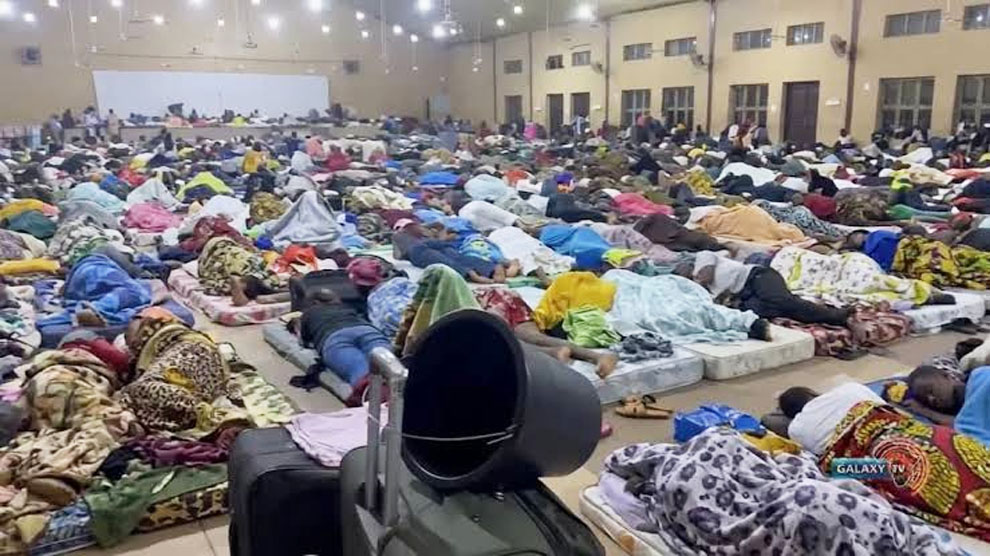
The Muslim Rights Concern (MURIC), Ogun State Chapter, has called on Governor Dapo Abiodun to urgently intervene in the alleged overcrowding and poor accommodation conditions at the National Youth Service Corps (NYSC) orientation camp in the state.
The Islamic human rights organisation expressed concern over reports that about 4,300 corps members were being accommodated at a facility originally designed to house only 2,000 people, warning that the situation could compromise their health, safety, welfare and dignity.
MURIC described the reported development as unacceptable and unfair, insisting that young Nigerian graduates should not be subjected to living conditions that undermine their well-being while undertaking the mandatory national service programme.
The organisation’s position was contained in a statement issued by its Ogun State Chairman, Ustaadh Tajudeen Jimoh Alao, and made public by the State Secretary, Ambassador Olaleye Rasheed Damilare, on Wednesday, November 11, 2026.
According to the organisation, corps members represent the future of the country and deserve a safe and decent environment in which to undertake their national assignment.
MURIC argued that the NYSC programme, established to promote national integration, patriotism, discipline and national development, should not become an experience that exposes participants to avoidable hardship arising from inadequate infrastructure and administrative shortcomings.
READ ALSO:
- Two Killed, 17 Injured as Building Collapses in Brooklyn, Seven Children Among Victims
- CSU CERTIFICATE CONTROVERSY: How Ex-Lecturer Inadvertently Indicted Himself Over Claims Against President Tinubu
- Ogbomosoland Grand Chief Imam, Sheikh Teliat Ayilara II, Marks Five Years in Office
The organisation also linked its concerns to broader security challenges facing corps members across the country, recalling recent reports of the kidnapping and subsequent release of some participants.
It said the reported security incidents, combined with concerns about overcrowding at the Ogun orientation camp, had heightened anxiety among parents and families whose children were participating in the national service scheme.
“For many parents, sending their children to serve their motherland should be a moment of pride, excitement and fulfilment. Unfortunately, growing concerns about the safety and welfare of corps members have turned what should be a joyful national responsibility into a source of anxiety for many families,” the statement said.
The organisation stressed that its intervention was not motivated by political considerations but by the need for accountability, responsible governance and the protection of human dignity.
It therefore urged Governor Abiodun to investigate the reports and ensure that appropriate measures were taken to address the alleged shortcomings at the camp.
MURIC also called on the relevant authorities to provide adequate accommodation, sanitation, healthcare, security and other essential facilities to guarantee the safety and comfort of all corps members.
The organisation maintained that the welfare of participants should be treated as a priority rather than allowing administrative and infrastructural challenges to undermine the objectives of the NYSC scheme.
“These corps members are not merely numbers on an administrative register. They are some people’s children, some people’s hopes and the future of our country,” MURIC said.
It urged the state government and relevant NYSC authorities to act swiftly, adding that Nigerian graduates deserved to undertake their national service in an environment that respected their dignity and protected their lives.
Editorial note: The reported figures of 4,300 corps members and a 2,000-person capacity have been attributed to MURIC’s statement rather than presented as independently verified facts. The NYSC authorities’ response was not included in the press release.
MURIC Raises Alarm Over Alleged Overcrowding at Ogun NYSC Camp, Seeks Abiodun’s Intervention
-

 metro2 days ago
Fayose Petitions IGP, Threatens Lawsuit Over Rape, Torture Allegations
-
 News2 days ago
Despite Tegbe’s 72-Hour Promise, Nigerians Still Battle Power Outages
-
 Politics3 days ago
ADC Raises Alarm as Court Delays Release of Lifu’s Judgment Despite Payment
-

 metro3 days ago
‘Miracle’ Turns Sour as Visiting Pastor Vanishes with Congregants’ Phones During Crusade in Edo
-

 metro2 days ago
Three Broken-Down Trucks Paralyse Abuja-Kaduna Highway, Travellers Spend Eight Hours in Gridlock
-

 Entertainment2 days ago
VIDEO: Toluwanisings’ Burial: Uncle Questions Authenticity of Corpse, Alleges Family Was Sidelined
-

 Politics3 days ago
Tension in Delta as Task Force Members Protest Over Colleague’s Killing at NDC Rally
-

 News3 days ago
INEC Flags 268 Voter Records Over AI-Generated Photos, Begins Cleanup Ahead of 2027 Elections