

metro
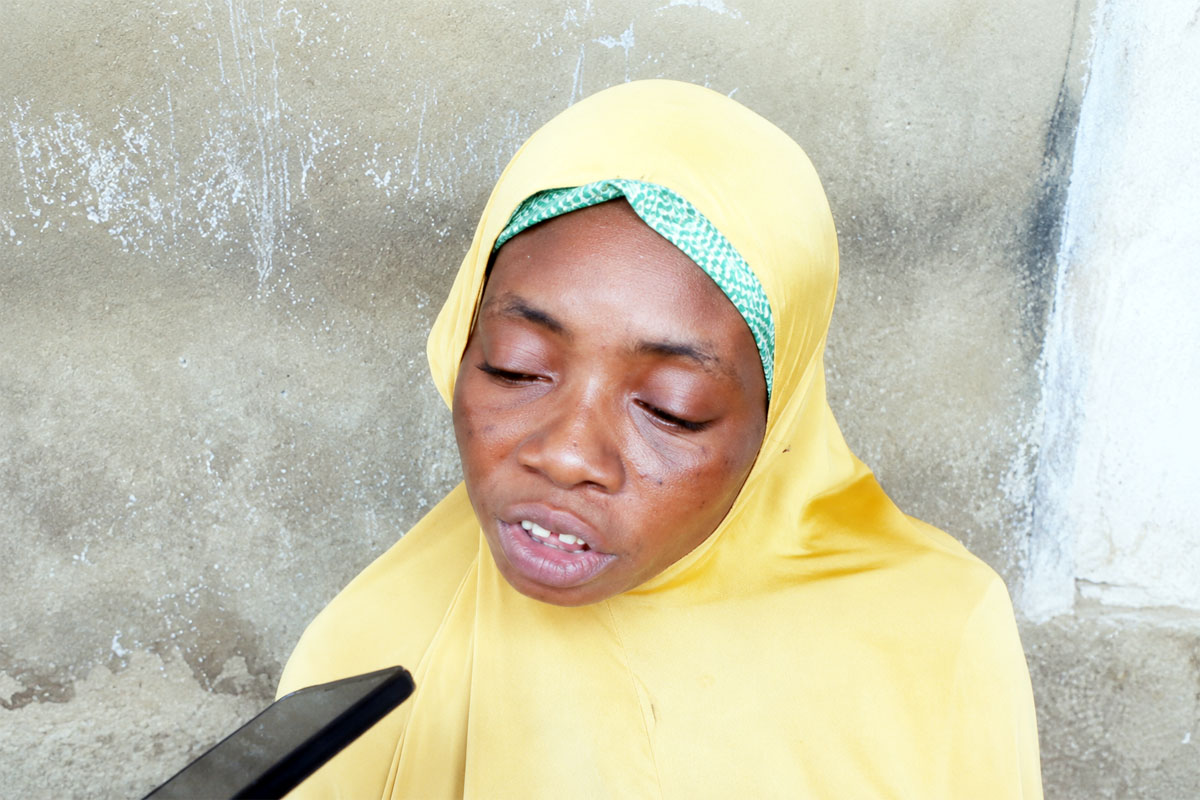
Kogi Amala Tragedy: Widow Loses Husband, Two Children as Death Toll Rises to Seven







metro
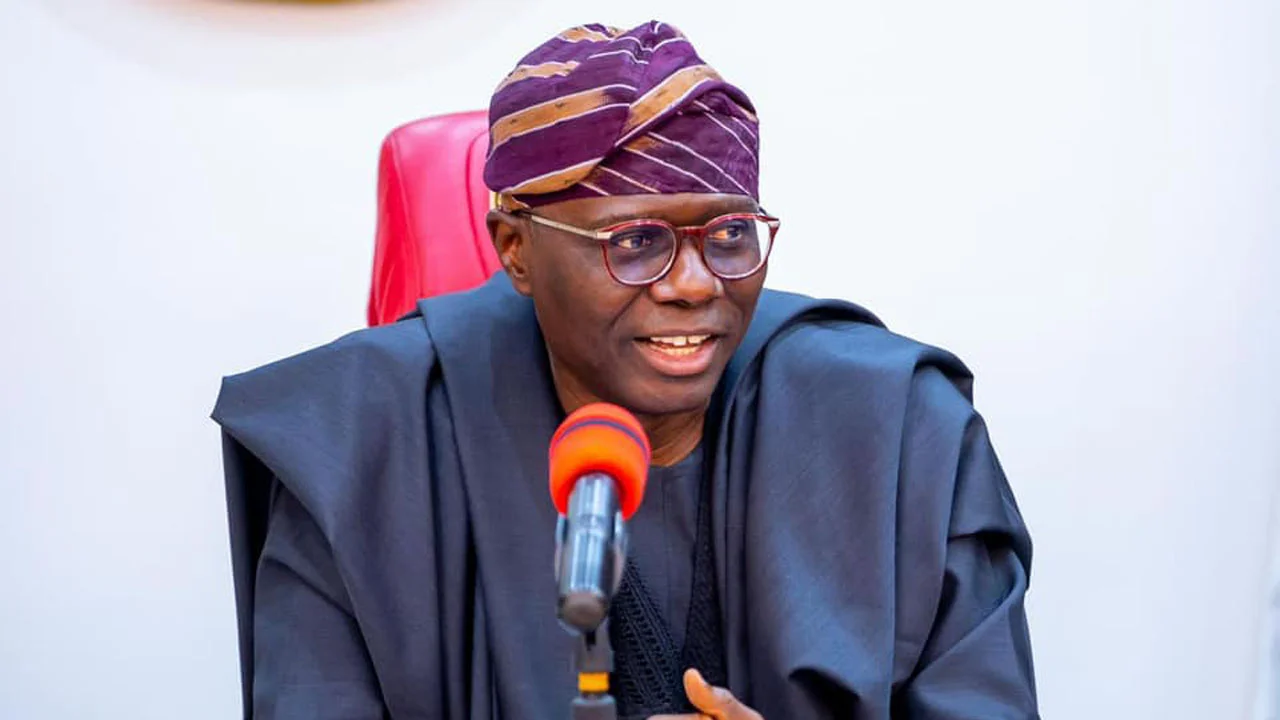
BREAKING: Sanwo-Olu Cancels November 28 Environmental Sanitation Exercise Over INEC Mock Accreditation
BREAKING: Sanwo-Olu Cancels November 28 Environmental Sanitation Exercise Over INEC Mock Accreditation
By NewsTrends Reporter | newstrends.ng
LAGOS — Lagos State Governor, Babajide Sanwo-Olu, has cancelled the November edition of the state’s monthly environmental sanitation exercise scheduled for Saturday, November 28, 2026, to avoid a clash with the nationwide mock accreditation and result upload exercise being conducted by the Independent National Electoral Commission (INEC).
The cancellation was announced in an updated statement issued on Friday, November 27, 2026, by the Lagos State Government.
The statement, signed by the Permanent Secretary, Office of Environmental Services, Gaji Omobolaji Tajudeen, explained that the governor took the decision to ensure that the monthly sanitation exercise would not interfere with the smooth conduct of INEC’s scheduled electoral activity.
INEC has scheduled its nationwide mock accreditation and result upload exercise to hold on Saturday, November 28, between 8:30 a.m. and 2:30 p.m.
The exercise is expected to cover two polling units in each of Nigeria’s 8,838 Registration Areas as part of preparations to assess the commission’s electoral processes and technological readiness.
According to the Lagos State Government, the November environmental sanitation exercise was originally scheduled to end at 8:30 a.m., the same time INEC’s mock accreditation exercise would commence.
Sanwo-Olu, the statement explained, was concerned that allowing both activities to proceed as scheduled could create unnecessary interference and affect the smooth commencement of the electoral exercise.
The governor therefore directed the cancellation of the monthly sanitation exercise to ensure that residents and other participants could carry out their respective activities without any disruption.
The state government, however, urged Lagos residents not to use the cancellation as an excuse to abandon environmental cleanliness.
It encouraged residents to make regular cleaning of their surroundings a daily responsibility rather than waiting until the last Saturday of every month when the state traditionally conducts its environmental sanitation exercise.
The government stressed the importance of maintaining clean homes, workplaces, streets and neighbourhoods at all times, irrespective of the scheduling or cancellation of the monthly exercise.
Residents were also encouraged to adopt proper waste management practices and take collective responsibility for keeping their communities clean.
The announcement was signed by Kunle Adeshina, Director of Public Affairs, Ministry of the Environment and Water Resources, on Friday, November 27, 2026.
The cancellation means that the November 28 monthly environmental sanitation exercise will not hold across Lagos State, allowing the INEC mock accreditation and result upload exercise to proceed as scheduled between 8:30 a.m. and 2:30 p.m.
BREAKING: Sanwo-Olu Cancels November 28 Environmental Sanitation Exercise Over INEC Mock Accreditation

metro
Kano Govt Denies Yusuf’s Role in EFCC Investigation of Kwankwaso

Kano Govt Denies Yusuf’s Role in EFCC Investigation of Kwankwaso
The Kano State Government has challenged former governor Rabiu Musa Kwankwaso to stop dragging Governor Abba Kabir Yusuf into his alleged dealings with the Economic and Financial Crimes Commission (EFCC), insisting that the governor has no involvement in the matter.
The government was reacting to allegations by Kwankwaso that Yusuf was using the anti-graft agency to tarnish his reputation and drag his family into political controversy ahead of the 2027 general elections.
In a statement issued on Friday, November 27, 2026, by the Commissioner for Information and Internal Affairs, Sunusi Bature Dawakin Tofa, the state government dismissed the allegations as misleading and politically motivated.
It maintained that Kwankwaso had dealings with the EFCC long before the emergence of the current administration, arguing that it was therefore wrong to associate Yusuf with an investigation that predated his government.
“The government wishes to state categorically that Governor Abba Kabir Yusuf has absolutely no involvement in Kwankwaso’s dealings with the EFCC,” the statement said.
The government also rejected Kwankwaso’s attempt to link Yusuf to the internal crisis and ongoing court cases involving the Nigeria Democratic Congress (NDC), describing the disputes as internal party matters beyond the involvement of the Kano State Government.
It accused the former governor of attempting to use Yusuf as a convenient target to attract public sympathy and maintain political relevance ahead of the 2027 elections.
Rather than blaming the state government for his political challenges, the administration advised Kwankwaso to concentrate on resolving the internal disagreements within his political camp.
“Governor Yusuf was elected to govern Kano State, not to engage in endless political arguments or take responsibility for the internal problems of other political parties,” the statement added.
The government further warned that attempts to gain public sympathy through what it described as political blackmail and unfounded allegations would not succeed.
READ ALSO:
- OK Movement Faction Withdraws Support for Obi, NDC, Pulls Nationwide Structures
- Adeleke Begins Second Term, Pledges Industrialisation, Jobs, Infrastructure
- Ex-Governor Jailed 25 Years for Murder of Pregnant Lover
“You cannot win public sympathy through blackmail and unfounded allegations,” it declared.
It also insisted that Governor Yusuf remained focused on governance, development and improving the welfare of Kano residents, adding that voters would have the opportunity to assess political actors during the 2027 general elections.
Kwankwaso had earlier accused his former political ally of attempting to use the EFCC and other government institutions to damage his reputation.
The former governor alleged that Yusuf personally submitted a formal request to the EFCC several months ago, seeking an investigation against him.
He claimed that after allegedly failing to secure action from the commission, the governor resorted to using the Society for Anti-Corruption and Good Governance Initiative (SACGGI) to mount pressure on the agency.
According to Kwankwaso, the organisation staged protests at the EFCC headquarters in Abuja as part of efforts to compel the commission to investigate him, his family and properties allegedly linked to him.
He also accused the governor and some members of his cabinet of using media platforms and selective information leaks to portray him negatively.
Kwankwaso, however, expressed appreciation to the EFCC for what he described as its professional handling of two previous invitations extended to him during his years in public service.
He maintained that he had nothing to hide, citing his record as a former Kano governor, Minister of Defence, senator and former Deputy Speaker of the House of Representatives.
The latest exchange represents another escalation in the political disagreement between Kwankwaso and Yusuf, whose relationship was instrumental in the New Nigeria Peoples Party’s (NNPP) victory in Kano State during the 2023 governorship election.
Their relationship deteriorated following Yusuf’s defection from the NNPP to the All Progressives Congress (APC) in January 2026, a development that reshaped political alignments in the state ahead of the 2027 elections.
Meanwhile, the EFCC’s handling of the petition submitted by SACGGI has become a major issue in the unfolding controversy. The organisation reportedly called on the commission to investigate the sources of funds used to acquire properties allegedly linked to Kwankwaso in Abuja, Kano and other locations.
The allegations by Kwankwaso and the response from the state government have further exposed the political tensions between the former allies as preparations for the 2027 general elections gather momentum.
Kano Govt Denies Yusuf’s Role in EFCC Investigation of Kwankwaso
metro
Ex-Governor Jailed 25 Years for Murder of Pregnant Lover
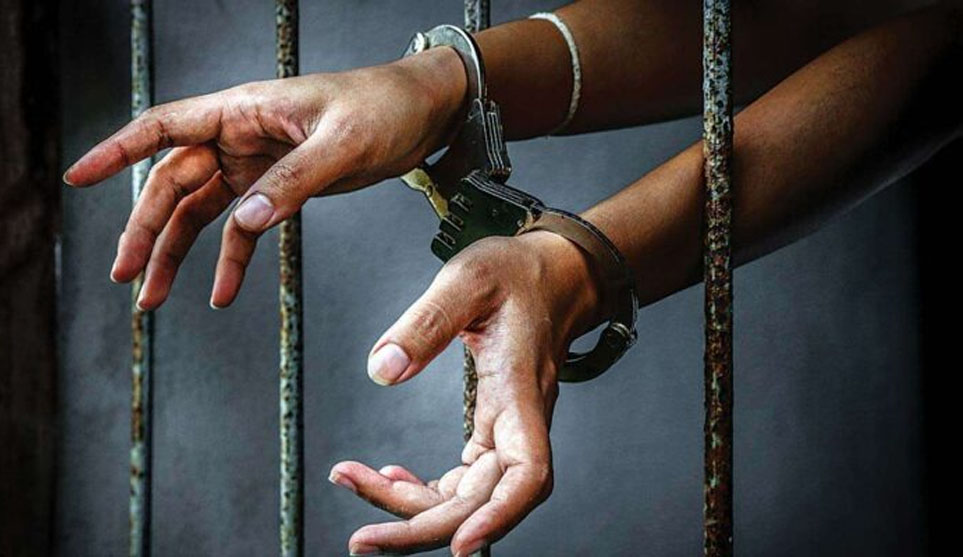
Kenyan ex-governor jailed 25 years
Former Migori County Governor Zacharia Okoth Obado has been sentenced to 25 years in prison for his role in the murder of Sharon Belyne Otieno, a 26-year-old university student who was seven months pregnant with his child.
The Kenyan High Court on Friday, November 27, 2026, handed down the sentence against Obado, alongside two former aides convicted over the September 2018 killing that shocked the country.
Obado’s former personal assistant, Michael Juma Oyamo, was also sentenced to 25 years in prison, while former Migori County clerk Caspal Ajwang’ Obiero received an 18-year jail term.
Delivering the sentences, Justice Cecilia Githua said the murder involved planning, coordination and the participation of the three defendants, who each played distinct roles in the plot.
The judge ruled that the aggravating circumstances surrounding the crime outweighed the mitigating factors presented by the convicts, rejecting their pleas for lighter and non-custodial sentences.
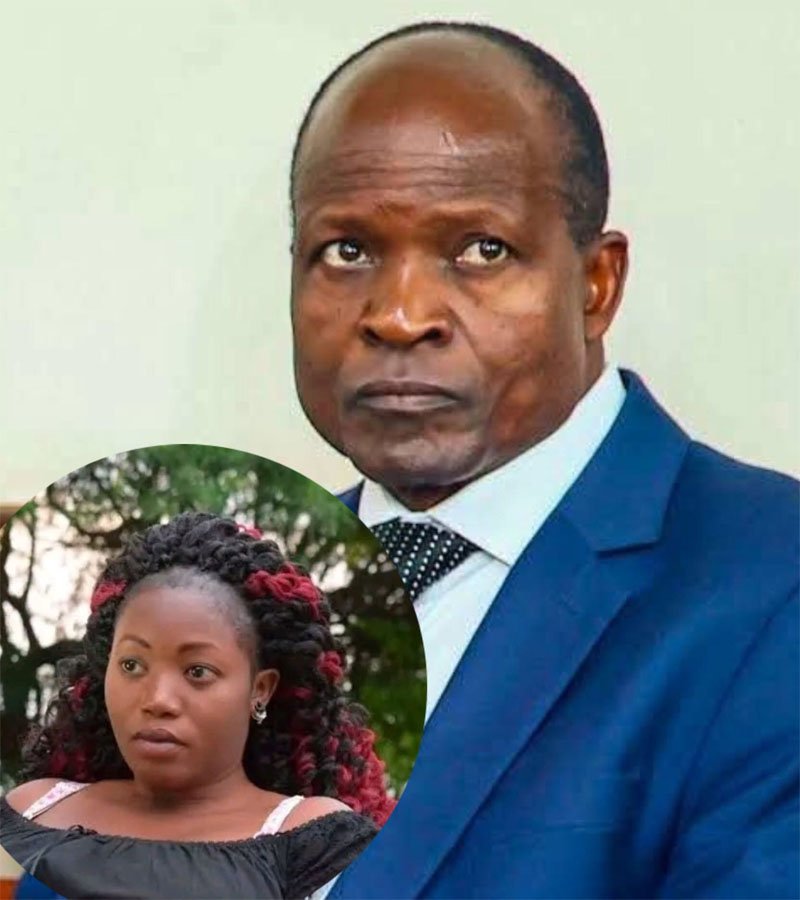
Former Migori County Governor Zacharia Okoth Obado
The court found Obado to be the principal architect of the murder, saying he supplied the motive, instigated the killing and provided financial resources to facilitate the operation.
Oyamo was found to have played a central role in coordinating the murder, including arranging meetings and luring Otieno into the trap that led to her death.
Obiero, meanwhile, was found to have provided logistical support and assisted in concealing evidence to frustrate investigators.
Justice Githua said Obado’s absence from the scene of the murder did not absolve him of responsibility, given the evidence establishing his role in planning and financing the crime.
She described the killing as particularly brutal, noting that Otieno was pregnant with the former governor’s child when she was murdered.
The judge also rejected the prosecution’s request for the death penalty and Obado’s plea for a non-custodial sentence, stressing the need for punishment, deterrence and public confidence in the justice system.
Otieno was killed between September 3 and 4, 2018, after leaving a hotel in Rongo, southwestern Kenya, with journalist Barrack Oduor, whom she had contacted to discuss her relationship with the then-governor.
READ ALSO:
- Niger Communal Violence: Bago Pledges ₦148m as 74 People Die in Kambari-Fulani Clash
- ‘Useful Errand Boy’ — Imo APC Rejects Wike’s Bid To Lead Tinubu Campaign
- Kenyan Pastor Serving 200 Years For Murder Convicted Of Terrorism-Related Charges
The pair were abducted shortly after leaving the hotel, but Oduor managed to escape by jumping out of a moving vehicle.
Otieno was later found dead in a thicket near Kodera Forest in Homa Bay County.
A post-mortem examination established that she died from strangulation and severe bleeding caused by multiple stab wounds.
The journalist’s account of the abduction became a key lead in the investigation, which eventually linked Obado and his former aides to the killing.
The three men were convicted of murder on July 23, 2026, after a lengthy trial that lasted nearly eight years.
In a surprising development before sentencing, Otieno’s parents appealed to the court to spare Obado a prison term, saying they had forgiven him and wanted him to help support the three children their daughter left behind.
Her mother, Melida Auma, reportedly told the court that sending Obado to prison would cause further emotional pain to the family, describing it as another death for them.
Her father, Douglas Zacharia Otieno, also said Obado had shown remorse and that members of his family had approached them seeking reconciliation.
However, Justice Githua ruled that the family’s plea could not override the gravity of the crime or the court’s responsibility to impose an appropriate punishment.
The court also declined to award compensation to the victim’s family, stating that there was insufficient evidence to determine the financial losses they suffered.
The sentencing marks a major development in one of Kenya’s closely watched murder cases involving a senior political figure and has renewed public debate over accountability, violence against women and the justice system.
Obado’s legal team has indicated plans to appeal the sentence.
Ex-Governor Jailed 25 Years for Murder of Pregnant Lover
-
 metro3 days ago
Oyoland Grand Chief Imam Moves to End Feud, Seeks Reconciliation Among Markaziyya, Adabiyyah, Mahdul ‘Arabi
-

 metro2 days ago
Nigerian Health Worker, 26, Found Dead in Canada After Returning From Work
-
 metro2 days ago
Phone-Tapping Claim: I Lied to Unsettle Tinubu Government – El-Rufai
-

 metro2 days ago
‘I Came to Nigeria for Love, Now I’m Stranded, Begging for Rent’ — American Woman Married to Enugu Man Cries Out
-
 Politics1 day ago
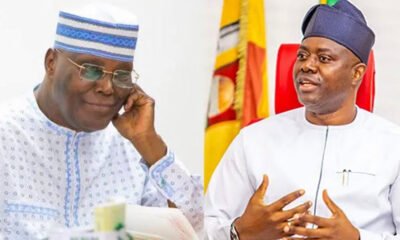
BREAKING: Makinde Reportedly Agrees to Back Atiku’s Presidential Bid
-

 Politics2 days ago
2027 Presidency: ‘Atiku Should Forget His Ambition, Wait Until 2031’ – Bode George
-

 International3 days ago
Iran Flogs Singer, Four Others 74 Times Over Hijab-Free Performance
-
 Politics3 days ago
ADC Asks Tinubu to Resign or Face Impeachment Over Kano Court Allegation