

News
BREAKING: Tinubu Orders Immediate Rescue of Niger Mosque Abduction Victims
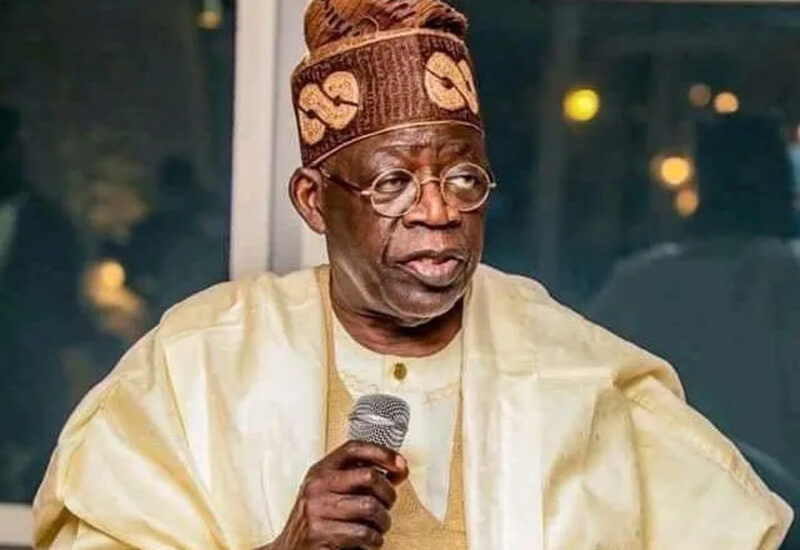
BREAKING: Tinubu Orders Immediate Rescue of Niger Mosque Abduction Victims
President Bola Ahmed Tinubu has ordered the Armed Forces, the Nigeria Police Force, the Department of State Services, and all relevant security and intelligence agencies to intensify efforts to immediately rescue victims of the Niger mosque abduction. The directive was disclosed in a State House statement on Tuesday by the President’s Special Adviser on Information and Strategy, Bayo Onanuga. Tinubu expressed outrage over the abduction and killing of innocent citizens by criminal elements in the state.
Tinubu described those responsible for the attack as “enemies of peace and enemies of humanity” and vowed that they would not go unpunished. “Those who carried out this cowardly attack on defenceless Nigerians are enemies of peace and enemies of humanity, who will not go scot-free,” the President said. The President extended his condolences to the families of those killed in the assault. “I extend my deepest condolences to the families of those who were killed in this barbaric assault and pray that Almighty God grant them eternal rest, and grant their loved ones the fortitude to bear this painful loss,” he said. He assured the affected communities of the nation’s support: “You are not alone. The entire nation shares your anguish. We will not rest until your sons, daughters, mothers and fathers are brought back safely to you.”
The President has directed the Service Chiefs to provide him with regular briefings on the progress of the rescue operation until all those abducted are accounted for. “Terror will not cow Nigeria. We will defend our people, protect our communities, and uphold the sanctity of human life,” Tinubu affirmed. The Federal Government has pledged to support the Niger State Government with all necessary resources for recovery, relief, and security reinforcement.
READ ALSO:
- 47 Dead, 22 Injured as Gangs Target Displaced Persons Camp in Haiti Church
- Kano diphtheria outbreak: Over 50 children reportedly dead as lawmakers demand urgent action
- 2027: APC Denies Withdrawing Tinubu Campaign Council List Amid Controversy
The attack occurred on Friday, August 21, 2026, when suspected terrorists invaded a mosque in Gidan-Zana, Kpenya village, Dekara District, Borgu Local Government Area of Niger State. The gunmen reportedly stormed the mosque at about 2 p.m. during Juma’at prayers and immediately began taking worshippers away. Children, women, and elderly residents were among those reportedly taken, while some villagers fled into a nearby forest to escape the attackers. Among those reportedly taken were the village head of Ka’ada, who had recently regained freedom from captivity, and the 90-year-old father of the District Head of Dekara. An armed group posted a video on Facebook and WhatsApp showing what residents said were hundreds of women, children, and older people abducted during the attack. The footage shows children crying while an armed man speaking Hausa addresses the families of those being held and asks them to identify their relatives. If confirmed, it would rank among Nigeria’s largest mass kidnappings in recent years.
The Niger State Government has acknowledged that the number of persons abducted is still being verified. In a statement issued by the Commissioner for Information and Orientation, Obed Nuhu Nana, the government urged the public to refrain from circulating unverified reports or casualty figures that could heighten anxiety or compromise ongoing security efforts. The Chairman of Borgu LGA, Mohammed Nasir Abdullahi, confirmed that about 30 of those abducted had been killed by their captors, adding that “from the records I have, those kidnapped were a little above 60.” Residents, however, have given higher estimates, with some estimating between 60 and 80 people were kidnapped, while others suggested as many as 600 may have been taken.
Amnesty International has urged Nigerian authorities to act urgently to secure the victims’ release and address the growing wave of abductions targeting rural communities across northern Nigeria. The organisation described the incident as particularly concerning because the victims were abducted while observing Friday prayers. Amnesty said at least 1,100 people were abducted between January and April 2026, while noting that available figures vary and may significantly underestimate the actual scale of the problem. The organisation warned that victims of previous mass abductions had reported severe abuses, including torture, starvation, sexual violence and amputation.
Niger State has experienced repeated violent attacks in recent years, including banditry and kidnapping, as Nigeria continues to battle terrorism, abduction, and other security challenges across its northern and central regions. The Borgu-Kainji corridor has become a hotspot for armed groups operating around Kainji Lake National Park. Residents have reported that seven out of ten wards in Borgu LGA are currently affected by insecurity, with hundreds of people, mostly farmers, displaced and dozens killed in recent months. Over 300,000 people are estimated to be displaced in the area. The Kpenya attack occurred barely a week after gunmen killed at least 32 people during Friday prayers at a mosque in Ungushi community, Sokoto State, including the mosque’s imam. Mass abductions for ransom have become common in parts of northwestern and north-central Nigeria, where heavily armed criminal gangs frequently raid villages, schools, and highways.
BREAKING: Tinubu Orders Immediate Rescue of Niger Mosque Abduction Victims








News
Petrol Prices Crash as Five Lagos Depots Slash Rates

Petrol Prices Crash as Five Lagos Depots Slash Rates
The latest price adjustments reflect intensifying competition among depot operators, independent marketers and major refiners, following a recent reduction in the gantry price of petrol by the Dangote Petroleum Refinery.
The five Lagos depots selling petrol at ₦1,055 per litre on Tuesday, November 24, emerged as the lowest-priced terminals among those surveyed, while other major suppliers adjusted their rates within a narrow range.
Aiteo quoted petrol at ₦1,058 per litre, while Pinnacle and Dangote Petroleum Refinery offered the product at ₦1,059. Total also listed its price at ₦1,060 per litre.
The price competition has extended beyond Lagos, with several depot operators in other parts of the country lowering their rates in response to market conditions.
Sigmund recorded one of the most significant reductions, cutting its price by ₦234 to ₦1,114 per litre. Matrix in Port Harcourt reduced its rate by ₦23 to ₦1,105, while A.Y.M. Shafa lowered its price by ₦21 to ₦1,084 per litre.
Parker, Nepal and Matrix in Warri also reduced their rates by ₦20 each to ₦1,085, while Rainoil Delta cut its price by ₦20 to ₦1,125.
Liquid Bulk reduced its price by ₦15 to ₦1,105 per litre, while Mainland also adjusted downward by ₦15 to ₦1,115.
READ ALSO:
- Daura Controversy: Agunbiade Urges Probe Into Palace Security Lapses
- ‘Nothing Must Happen to Peter Obi in Benin’ – Rufai Oseni Raises Alarm
- ADC Asks Tinubu to Resign or Face Impeachment Over Kano Court Allegation
The average wholesale price across the surveyed depots stood at approximately ₦1,082 per litre, reflecting the downward movement in the domestic petrol market.
The reduction in depot prices is beginning to translate into lower pump prices in some cities, although the extent of the relief varies among fuel retailers and locations.
In Abuja, MRS filling stations reduced their pump price by ₦70, from ₦1,365 to ₦1,295 per litre, representing a reduction of about 5.13 per cent.
The latest adjustment brings MRS’s cumulative price reduction in recent days to ₦104 per litre. Motorists purchasing 50 litres of petrol at the new rate will save ₦3,500 compared with the previous price of ₦1,365, and ₦5,200 against the earlier price of ₦1,399 per litre.
The Nigerian National Petroleum Company Limited (NNPC) also recently reduced its pump price by ₦25 to ₦1,300 per litre, leaving petrol prices at filling stations across Abuja and its environs generally between ₦1,295 and ₦1,380 per litre.
However, prices remain mixed along the Lagos-Ibadan Expressway and parts of Ogun State, where some retailers are still selling petrol from inventories purchased at higher wholesale rates.
Mobil stations in Atan reportedly sold petrol at ₦1,170 per litre, while AP Filling Station offered it at ₦1,199. Julanky Filling Station sold at ₦1,270, while YAAB Petroleum in Iyana Iyesi, Ota, dispensed petrol at ₦1,290 per litre.
The disparity in pump prices reflects differences in supply costs, existing inventories, transportation expenses and operational charges, which can delay the transmission of wholesale price reductions to consumers.
With depot prices continuing to fall amid competition between the Dangote refinery, NNPC and independent suppliers, motorists are hoping for further reductions at filling stations as retailers replenish their stocks at lower costs.
A sustained decline in petrol prices could also ease transportation expenses and reduce pressure on the cost of goods and services, although the extent of the impact will depend on how quickly lower wholesale rates are reflected across the retail market.
Petrol Prices Crash as Five Lagos Depots Slash Rates
News
‘Nothing Must Happen to Peter Obi in Benin’ – Rufai Oseni Raises Alarm

Arise Television presenter, Rufai Oseni, has raised concerns over the safety of Peter Obi ahead of the Nigeria Democratic Congress (NDC) presidential candidate’s political engagement in Benin City, Edo State, warning that nothing must happen to the former Anambra governor.
Oseni issued the warning on Wednesday amid reported political tension surrounding Obi’s scheduled town hall meeting in the Edo State capital and alleged threats against the opposition politician.
“Nothing must happen to Obi in Benin. We remember all their threats. We remember what they said. We remember what they promised to do,” Oseni said.
The broadcaster’s remarks come as Obi prepares to engage residents of Benin City as political activities gather momentum ahead of the 2027 general elections.
The planned town hall meeting has reportedly encountered venue-related challenges, but the NDC has insisted that the engagement would proceed despite the difficulties.
Oseni expressed concern over what he described as previous threats directed at Obi, stressing that the opposition presidential candidate must be allowed to exercise his political rights without intimidation or threats to his safety.
His comments have renewed concerns about the security of opposition politicians and the potential for political disagreements to escalate into violence as parties intensify preparations for the 2027 elections.
READ ALSO:
- ADC Asks Tinubu to Resign or Face Impeachment Over Kano Court Allegation
- Kwankwasiyya Supporters Carry Sticks But Never Harm Anyone – Obi
- Iran Flogs Singer, Four Others 74 Times Over Hijab-Free Performance
Obi, who has continued to mobilise supporters and engage Nigerians across the country, is expected to use the Benin City meeting to interact with residents and discuss issues affecting the country.
The reported venue difficulties surrounding the event have also drawn attention to the challenges political groups may face in organising public gatherings amid heightened political activities.
Oseni’s warning has added to calls for security agencies to ensure adequate protection for political candidates, their supporters and campaign officials, regardless of their party affiliations.
Political parties and candidates are entitled to organise meetings, campaign and engage citizens without intimidation, while security agencies are expected to protect public gatherings and prevent violence.
As attention shifts to Obi’s planned engagement in Benin City, concerns remain over whether the event will proceed peacefully amid the reported tension.
Oseni stressed that political differences must not be allowed to threaten lives, warning that nothing should happen to Obi or any other political figure while exercising their democratic rights.
‘Nothing Must Happen to Peter Obi in Benin’ – Rufai Oseni Raises Alarm
News
Daura Controversy: Agunbiade Urges Probe Into Palace Security Lapses
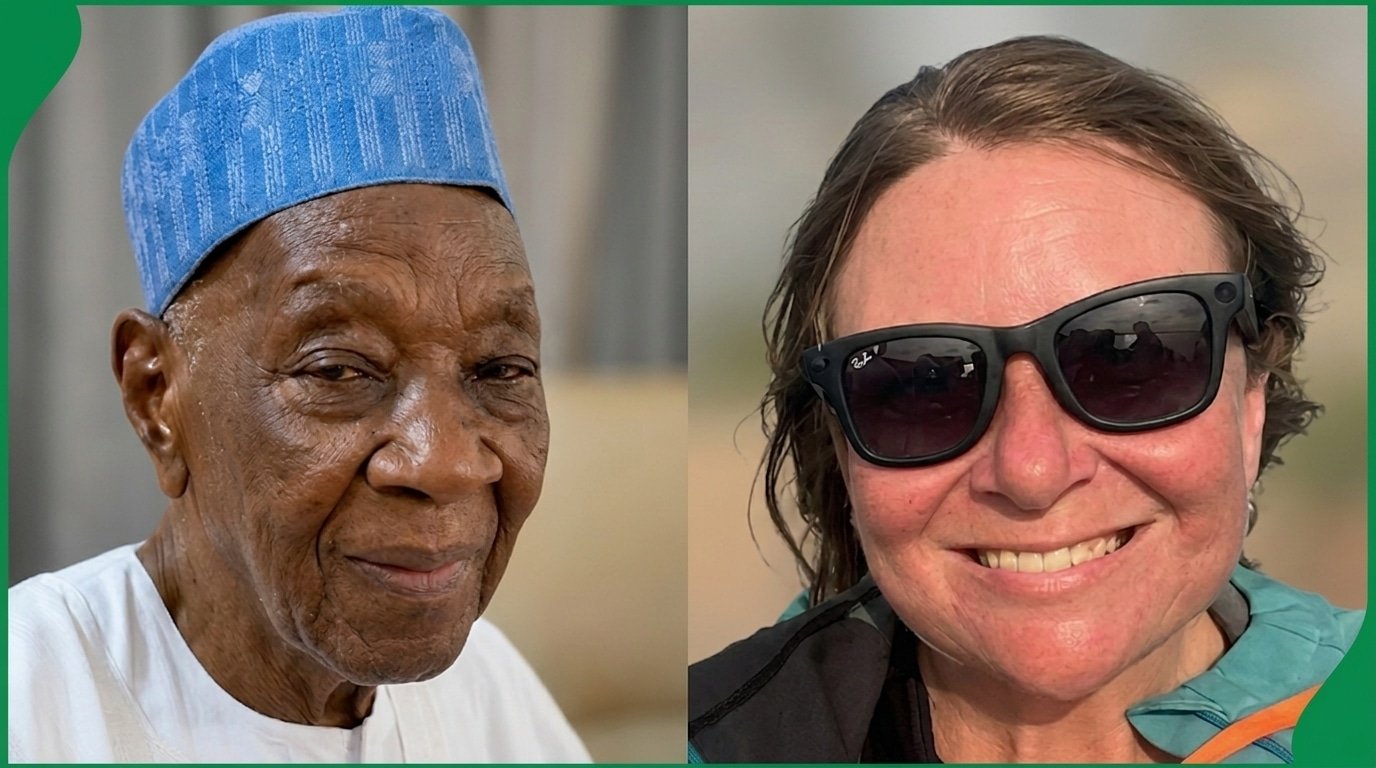
Islamic preacher and writer, Mallam Ibrahim Agunbiade, has called for a thorough investigation into the security arrangements surrounding the alleged private encounter between the Emir of Daura, Alhaji Umar Faruk Umar, and a Polish tourist, warning that lapses in access control and supervision could expose prominent Nigerians to serious risks.
Agunbiade, who is based at Rabwa Islamic Propagation in Riyadh, Saudi Arabia, said the controversy involving the Emir and the tourist, identified as Mirka Czee, raised critical questions about the roles of palace attendants, protocol officers and security personnel in protecting traditional rulers.
In an opinion article dated November 25, 2026, titled “When the Gates Are Opened From Within: Lessons From Daura and Nigeria’s Security Failures,” he urged authorities to investigate the circumstances under which the foreign visitor reportedly gained access to the Emir’s private chamber.
The tourist had alleged that during a visit to the palace on November 14, the Emir engaged in unwanted physical contact with her, including hugging, kissing her cheek and touching her breast despite her objections.
She reportedly claimed to have recorded part of the encounter using Meta smart glasses, while the Emirate Council has indicated that it is examining the footage.
Agunbiade stressed that the allegations must be investigated fairly, warning against declaring anyone guilty before the facts are established.
However, he said the circumstances surrounding the reported encounter demanded scrutiny, particularly regarding who authorised the meeting, the security procedures followed and why appropriate palace officials or security representatives were allegedly not present.
“The security and moral dimensions of this incident deserve equal attention. How could a visitor gain access to a traditional ruler’s private chamber without an appropriate palace official or security representative remaining present? Who authorised the arrangement, and what security procedures were followed?” he queried.
The cleric also cited Islamic teachings on interactions between men and women, arguing that the religion emphasises preventive measures against circumstances that could lead to immoral conduct.
READ ALSO:
- ADC Asks Tinubu to Resign or Face Impeachment Over Kano Court Allegation
- Kwankwasiyya Supporters Carry Sticks But Never Harm Anyone – Obi
- Iran Flogs Singer, Four Others 74 Times Over Hijab-Free Performance
Quoting Qur’an 17:32, which warns Muslims against approaching zina (fornication or adultery), he said the instruction extended beyond prohibiting the act itself to avoiding situations that could lead to it.
He also referenced prophetic traditions prohibiting unlawful seclusion between unrelated men and women, stressing the importance of appropriate boundaries, discipline and respect for human dignity.
Agunbiade, however, clarified that Islam permits legitimate interactions between men and women for purposes such as education, healthcare, business and employment, provided prescribed boundaries are observed.
He further noted that religious teachings on seclusion should not be used to excuse harassment or unwanted physical contact, insisting that individuals remained accountable for their actions regardless of circumstances.
Drawing parallels with past security failures involving prominent Nigerians, Agunbiade cited the assassination of former Attorney-General of the Federation and Minister of Justice, Chief Bola Ige, who was murdered at his residence in Ibadan on December 23, 2001.
He said accounts surrounding the incident indicated that police personnel assigned to protect Ige had reportedly left their duty post to go out for dinner, creating an opportunity for the attackers.
The writer described the incident as a painful reminder of the consequences of security negligence, stressing that the protection of public figures required constant vigilance and strict adherence to duty.
He also referred to the death of former Head of State, General Sani Abacha, on June 8, 1998, noting that although the official account attributed his death to a heart attack and medical findings reportedly found no evidence of another cause, the controversy surrounding his sudden death underscored the importance of credible security arrangements and institutional accountability.
Agunbiade cautioned against a culture of familiarity in security institutions, where visitors introduced by influential individuals, political associates or traditional titleholders might be granted access without proper verification.
He said hospitality and personal relationships must not override established security protocols, urging palace administrators, protocol officers, personal assistants and security personnel to ensure that visitors are properly identified, appointments verified and movements within sensitive premises supervised.
The writer called on the Katsina State Government’s investigative committee to extend its inquiry beyond the allegations against the Emir to examine the security arrangements and access procedures that enabled the reported encounter.
He urged the committee to question officials who received and escorted the visitor, as well as security personnel assigned to protect the Emir, and recommended disciplinary action against anyone found culpable of negligence.
Agunbiade also called for regular security audits, professional training, clear operational guidelines and effective supervision of personnel assigned to protect governors, ministers, legislators, traditional rulers, religious leaders and other prominent Nigerians.
He warned that security breaches could occur not only through external threats but also through negligence by insiders entrusted with protecting sensitive premises.
“A few minutes of carelessness can have consequences that may never be reversed,” he said.
Agunbiade said the Daura controversy should serve as a broader national lesson on security, moral responsibility and accountability, urging authorities not to allow the incident to fade without a thorough examination of its implications.
He maintained that the effectiveness of security protection should not be measured by the number of armed personnel surrounding a public figure but by their professionalism, alertness, discipline and ability to prevent breaches.
“Sometimes, the greatest security breach does not begin outside the gate; it begins when those entrusted with guarding the gate fail in their responsibilities,” he said.
Daura Controversy: Agunbiade Urges Probe Into Palace Security Lapses
-

 metro2 days ago
‘I Paid My Ex-Husband Before He Slept With Me’ – Islamic Preacher Kaola Makes Shocking Revelation
-
 metro10 hours ago
Oyoland Grand Chief Imam Moves to End Feud, Seeks Reconciliation Among Markaziyya, Adabiyyah, Mahdul ‘Arabi
-

 Politics3 days ago
Kwankwaso Made Me Swear on Qur’an to Join APC After Election Victory — Gov Yusuf Reveals Tinubu Deal
-

 Education2 days ago
South-West Leaders Challenged to Emulate Kwankwaso, Invest in Education of Poor Children
-

 News23 hours ago
Omokri Arrives in Mexico to Assume Duty as Nigerian Ambassador, Thanks Govt for Ministerial Reception
-
 Politics2 days ago
2027: Makinde Invokes 1966 Coup, Questions Obi-Kwankwaso Ticket
-
 Politics1 day ago
Uduere Killings: Ughelli Chairman Accuses Omo-Agege’s Camp of Triggering Deadly Clash, Demands IGP Probe
-

 metro2 days ago
‘Shame on You’: Fayose Blasts Nigerian Youths Over Poor Protest Turnout