

metro
How I Conspired with My Son’s Teacher to Stage His Kidnap for N15m Ransom










metro
15 APC Supporters Killed, 27 Injured As Campaign Convoy Crashes In Zamfara

15 APC Supporters Killed, 27 Injured As Campaign Convoy Crashes In Zamfara
At least 15 supporters of the All Progressives Congress (APC) have reportedly lost their lives in a road accident in Zamfara State, while 27 others sustained injuries as they travelled to attend the party’s presidential and governorship campaign flag-off.
The fatal accident occurred on Monday along the Gummi-Daki-Takwas-Anka Road, close to Kisami village in Zamfara State.
The victims were said to be among APC supporters travelling in a convoy to Talata Mafara, where the party was scheduled to formally flag off its presidential and governorship election campaigns.
The crash threw the travelling party supporters into mourning, with several others left injured and requiring emergency medical attention.
According to details contained in the Federal Road Safety Corps (FRSC) First Information Report, the accident occurred at approximately 12:30 p.m. and involved two vehicles: a Toyota Camry and a Mitsubishi Canter truck.
The report indicated that 52 people were involved in the crash, comprising 50 men and two women. Fifteen men were confirmed dead, while 27 male passengers sustained injuries. Eight men and two women escaped without injuries.
The FRSC reportedly identified wrongful overtaking and loss of control as the suspected causes of the accident. The injured victims and bodies of the deceased were evacuated to the General Hospital, Gummi, for medical attention and other necessary procedures.
Following the tragedy, the Zamfara State Government announced the suspension of its scheduled APC campaign activities in Maru Local Government Area in honour of the victims.
The Commissioner for Information and Culture, Mahmud Muhammad Dantawasa, confirmed the incident and expressed the government’s condolences to the bereaved families, the Gummi Emirate and members of the APC in the state.
The commissioner also sympathised with those injured and prayed for their speedy recovery.
Similarly, the Zamfara State APC Presidential and Gubernatorial Campaign Council announced the postponement of its campaign rally scheduled for Tuesday, November 24, in Maru Local Government Area.
In a statement signed by its Secretary-General, Abubakar M. Nakwada, the council said the decision was taken in honour of the deceased and in solidarity with their grieving families.
The council further pledged to support the injured victims and the families of those who lost their lives, adding that a revised campaign timetable would be communicated later.
The National Chairman of the APC, Nentawe Yilwatda, has also expressed sorrow over the incident, describing the deaths as a painful loss to the party.
In a statement issued through his media aide, Abimbola Tooki, Yilwatda extended condolences to the Zamfara State Government, party members, residents and families of the deceased.
He described the victims as committed party members whose participation in the democratic process would not be forgotten.
The tragedy has cast a shadow over the APC’s campaign activities in Zamfara, with the deaths of 15 supporters and injuries to 27 others prompting renewed attention to road safety during political gatherings and mass movements of supporters.
15 APC Supporters Killed, 27 Injured As Campaign Convoy Crashes In Zamfara

metro
Tinubu Gives Igboho Fresh Security Mandate Across South-West
Tinubu Gives Igboho Fresh Security Mandate Across South-West
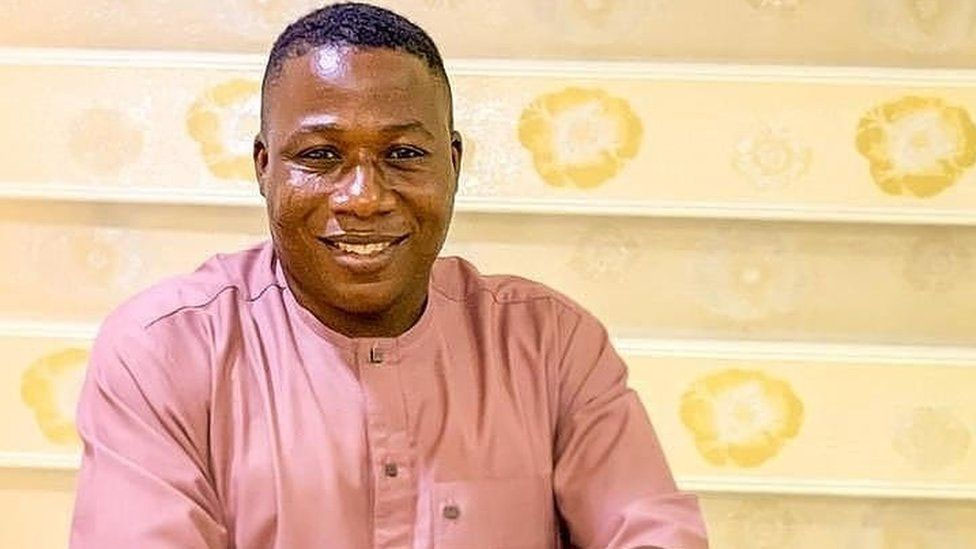
President Bola Ahmed Tinubu has urged Yoruba activist Sunday Adeyemo, popularly known as Sunday Igboho, to sustain security operations across the South-West and collaborate with conventional security agencies to protect residents against threats.
The directive reportedly covers rural communities, urban centres, forests and vulnerable areas across the region, amid concerns about terrorism, banditry and criminal activities ahead of the 2027 general elections.
Igboho disclosed this in a statement issued by his media office on Monday, November 23, 2026, following a brief meeting with the President after the All Progressives Congress (APC) presidential campaign rally at Mapo Hall in Ibadan, Oyo State, on Saturday.
According to the activist, Tinubu called him into his official vehicle after the rally and instructed him to continue working with security agencies to ensure peace and stability across the South-West.
Igboho said the discussion lasted about five minutes and focused on the activities of the Iru Ekun Security Network, a community-based security initiative he founded, and the need for its operatives to cooperate with established security agencies.
He said the President emphasised that the network should sustain its operations in rural communities, urban centres and forest reserves across Yorubaland to help prevent criminal activities and protect residents.
Tinubu reportedly directed the network to work closely with the Nigeria Police Force, Nigerian Army, Department of State Services (DSS) and other relevant security agencies to strengthen security coordination and response across the region.
READ ALSO:
- Uduere Killings: Ughelli Chairman Accuses Omo-Agege’s Camp of Triggering Deadly Clash, Demands IGP Probe
- ‘Shame on You’: Fayose Blasts Nigerian Youths Over Poor Protest Turnout
- KWAM 1 Warns Tinubu Over Economic Hardship, Says Nigerians Should Not Suffer to Death
Igboho quoted the President as stressing the importance of monitoring vulnerable areas and preventing the infiltration of suspected terrorists from neighbouring countries and other parts of the region.
The activist said the directive specifically covered farming communities, forest reserves and other locations considered vulnerable to criminal activities and security threats.
He also said Tinubu instructed the network to ensure that its security activities were carried out in coordination with relevant authorities, including notifying security agencies ahead of operations to avoid duplication and improve effectiveness.
According to Igboho, the President further directed the group to provide protection to Nigerians within its areas of operation without discrimination based on ethnicity, religion or political affiliation.
He described the meeting as recognition of efforts to improve community safety, saying cooperation between local security initiatives and formal security institutions was necessary to restore public confidence and protect lives and property.
The reported directive comes amid growing concerns about insecurity in parts of the South-West, including attacks, kidnappings, criminal activities in rural communities and threats around forested areas.
The region has witnessed repeated calls for improved intelligence gathering, community policing, stronger security presence and better coordination among security agencies to tackle threats and protect residents.
The Iru Ekun Security Network has been presented by Igboho as a community-driven initiative aimed at supporting security efforts across Yorubaland, particularly in areas where residents have raised concerns about criminal activities.
Tinubu’s reported instruction places emphasis on collaboration between such local initiatives and formal security institutions, rather than allowing community security groups to operate independently of established authorities.
The development also comes as Nigeria prepares for the 2027 general elections, with security expected to remain a major concern for political parties, electoral authorities and residents across the country.
The President, according to Igboho, wants the network to sustain its activities while ensuring that all operations are coordinated with security agencies and focused on protecting residents regardless of their backgrounds.
The directive, as relayed by the activist, underscores the administration’s emphasis on cooperation among security institutions and community-based initiatives in addressing threats to peace and stability in the South-West.
Tinubu Gives Igboho Fresh Security Mandate Across South-West
metro
‘Shame on You’: Fayose Blasts Nigerian Youths Over Poor Protest Turnout
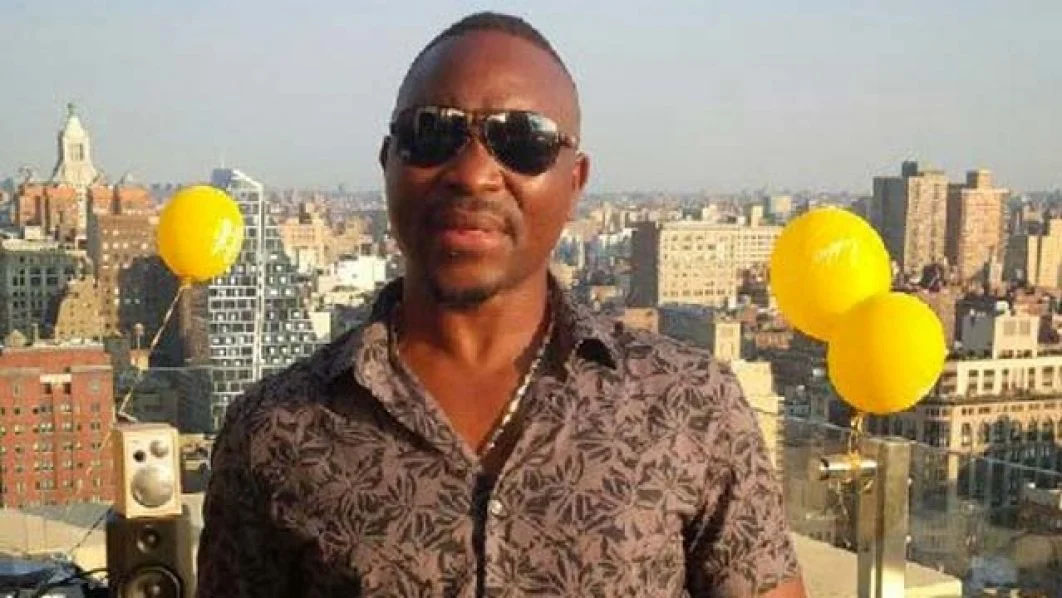
‘Shame on You’: Fayose Blasts Nigerian Youths Over Poor Protest Turnout
Activist and social commentator Isaac Fayose has criticised Nigerian youths over what he described as their failure to turn out in large numbers for protests against the economic hardship and other challenges confronting the country.
Fayose expressed his disappointment in a video circulating on social media, where he questioned the commitment of young Nigerians to demanding accountability from those in positions of authority.
In the video, which was reported by Daily Post on November 23, 2026, the activist did not hide his displeasure as he directed a strong message at Nigerian youths.
“Shame on you,” Fayose reportedly declared while expressing frustration over what he considered a poor response to calls for street demonstrations.
He argued that despite widespread complaints about the rising cost of living, economic hardship and governance challenges, many young Nigerians had failed to translate their grievances into physical participation in protests.
Fayose also questioned the growing gap between social media activism and physical demonstrations, suggesting that many youths were more comfortable expressing dissatisfaction online than participating in street actions.
According to the social commentator, the reluctance of young Nigerians to mobilise could weaken efforts to demand accountability and influence decisions affecting the country’s future.
His comments have generated discussions about the level of youth participation in Nigeria’s civic and political activities, particularly at a time when economic concerns continue to dominate public conversations.
However, his criticism has also attracted opposing views, with some Nigerians arguing that the low turnout at protests cannot be blamed entirely on young people.
Those defending the youths have pointed to concerns about police brutality, possible arrests, personal safety, financial difficulties and the consequences of participating in demonstrations.
Some have also questioned whether street protests remain an effective means of demanding change, particularly given the experiences of previous demonstrations, including the #EndBadGovernance protests.
The disagreement has renewed conversations about the challenges facing civic engagement in Nigeria and the factors influencing young people’s willingness to participate in public demonstrations.
As Fayose’s remarks continue to attract attention, the debate remains focused on whether Nigerian youths are becoming increasingly disengaged from street activism or are simply confronting circumstances that make participation more difficult.
‘Shame on You’: Isaac Fayose Blasts Nigerian Youths Over Poor Protest Turnout
-
 metro2 days ago
Chibok Girl Escapes After Eight Years in Boko Haram Captivity, Reveals 20 Classmates Still Held
-
 metro2 days ago
‘I Paid My Ex-Husband Before He Slept With Me’ – Islamic Preacher Kaola Makes Shocking Revelation
-

 Politics2 days ago
Kwankwaso Made Me Swear on Qur’an to Join APC After Election Victory — Gov Yusuf Reveals Tinubu Deal
-

 Politics3 days ago
‘Makinde Should Call Wike Uncle, Not Me’ – Ogun Fires Back
-

 News3 days ago
How I Linked Wike With Tinubu After His Son’s Death – Donu Kogbara Reveals
-
 Politics2 days ago
2027: Makinde Invokes 1966 Coup, Questions Obi-Kwankwaso Ticket
-

 Education2 days ago
South-West Leaders Challenged to Emulate Kwankwaso, Invest in Education of Poor Children
-
 Politics3 days ago
Shehu Sani Warns Northerners Against Celebrating Abuja Attack on Tinubu, Fears Ethnic Reprisals