

Education
Madonna University expels final-year nursing student, suspends 14 over dance video
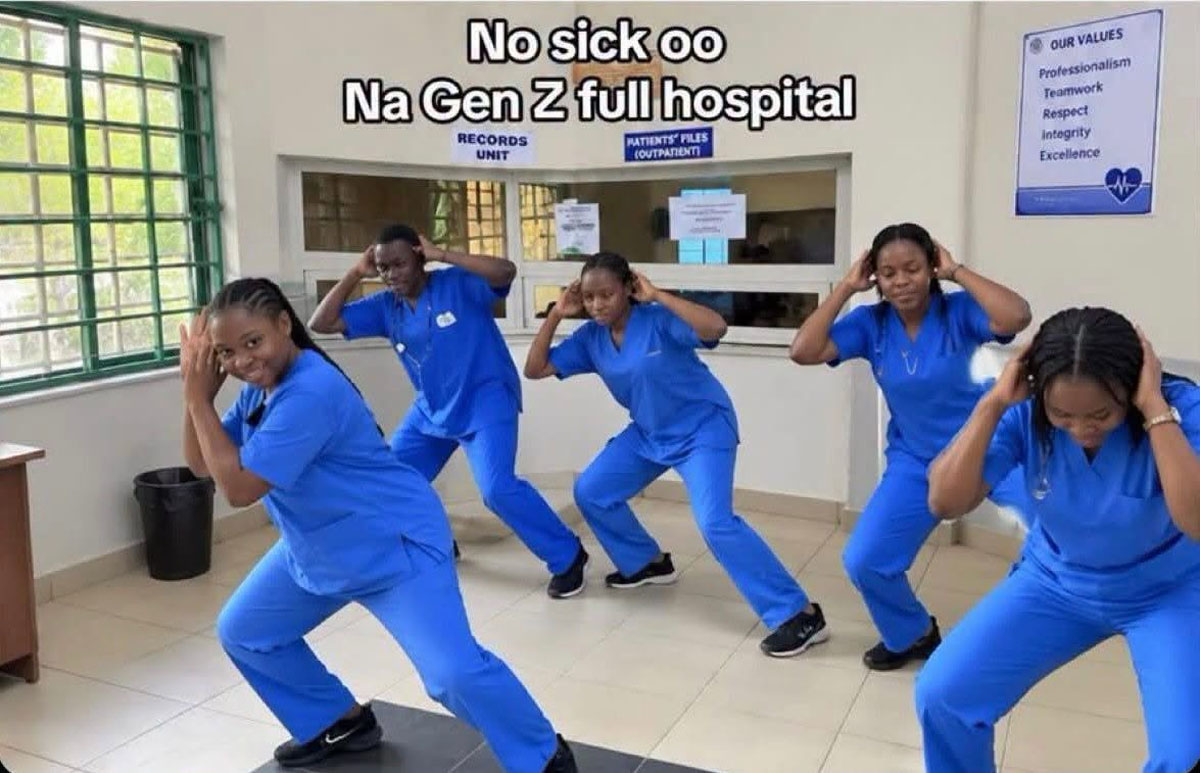
Madonna University expels final-year nursing student, suspends 14 over dance video
The National Association of Nigerian Students (NANS) has appealed to the management of Madonna University to reconsider the expulsion of a final-year nursing student and the suspension of 14 others over a viral dance video recorded within a hospital environment.
The controversy began after a video showing a group of nursing students dancing at different locations at Madonna University’s Elele campus in Rivers State surfaced online and attracted widespread attention.
The footage showed the students dancing in areas including a hospital waiting area, staircase and a university bus. It was reportedly linked to a social media trend involving young nurses and students.
The video generated criticism because some of the scenes were filmed within a healthcare environment, where students undergoing professional training are expected to observe standards relating to professional conduct, discipline and patient care.
Following the controversy, Madonna University took disciplinary action against the students involved. One final-year nursing student was expelled, while 14 others were suspended.
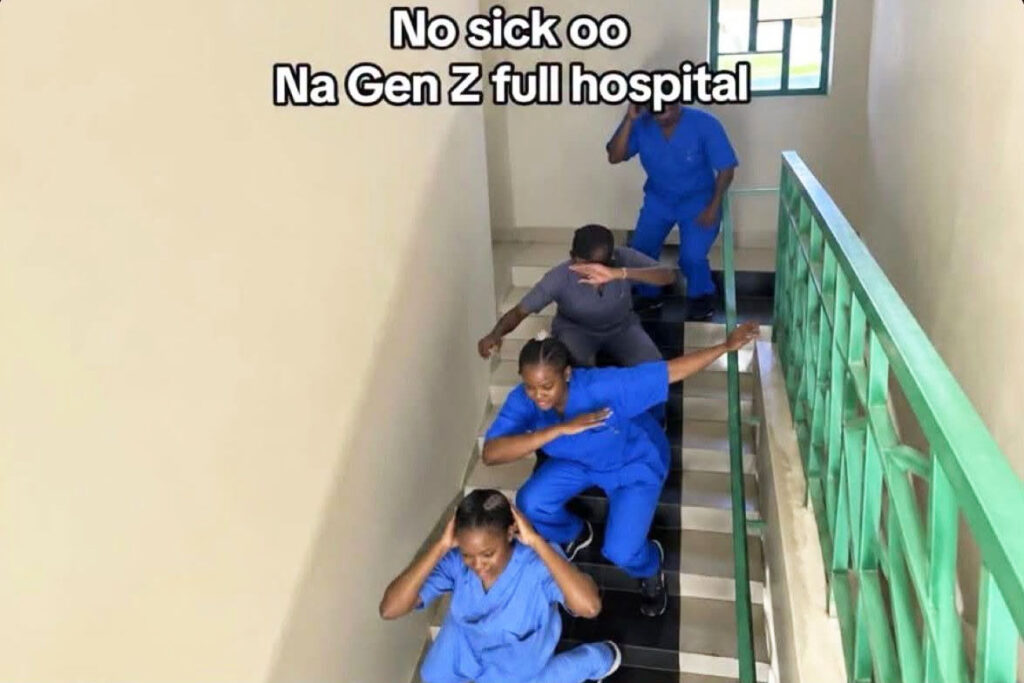
Madonna University expels final-year nursing student, suspends 14 over dance video
The university’s Director of Communications and Public Affairs, Chima Achu, confirmed that disciplinary measures had been imposed and indicated that the institution would provide further details on the matter.
READ ALSO:
- JUST IN: WAEC appoints Suleiman Kum as new Nigeria National Office head
- Ojudu Reveals How Tinubu, He Narrowly Escaped Death In Third Mainland Bridge Crash
- ‘I Thought I Was Dead’ — Hairstylist’s Daring Escape From Kidnappers After Benin-Ore Ambush
The sanctions have, however, attracted criticism from student groups, with NANS urging the university to reconsider the expulsion.
NANS National President, Akinteye Babatunde Afeez, appealed to the university to “temper justice with mercy”, arguing that the affected students had spent several years pursuing their education and professional training.
He called for the expelled student’s punishment to be reviewed and suggested that a stern warning, undertaking or other corrective disciplinary measure could be considered instead.
According to NANS, disciplinary action should correct inappropriate behaviour while giving students an opportunity to learn from their mistakes, rather than permanently ending their education where a less severe sanction may be appropriate.
The Nigerian Universities Nursing Students’ Association (NUNSA) has also reportedly intervened in the matter and is engaging relevant stakeholders over the sanctions imposed on the students.
The controversy has generated divided reactions. While some Nigerians have backed the university’s decision, arguing that students preparing for careers in healthcare must maintain high standards of professionalism, others have questioned whether expulsion was a proportionate response to the incident.
The case has also revived concerns about social media conduct among students, particularly when videos are recorded inside hospitals, clinics and other professional environments.
For healthcare students, such concerns extend beyond ordinary campus rules because their training involves responsibilities relating to patient privacy, dignity, safety and public trust.
At the same time, the NANS intervention has brought renewed attention to the question of whether university disciplinary measures should place greater emphasis on rehabilitation and corrective education.
The university has not indicated that the students were involved in any harm to patients, and the available reports do not establish such a claim.
The focus of the disciplinary action is the conduct displayed in the video and the circumstances in which it was recorded.
Madonna University is expected to provide further clarification on the disciplinary process, the specific regulations breached and the possibility, if any, of reviewing the sanctions.
Until then, the expulsion of the final-year student and suspension of the other 14 students remain the subject of an ongoing appeal by student representatives.
Madonna University expels final-year nursing student, suspends 14 over dance video









Education
CIoTA Set to Inaugurate New Council, Install Odewumi as National President
Odewumi Takes CIoTA Helm as Institute Unveils New Governing Council
The Chartered Institute of Transport Administration of Nigeria (CIoTA) is set to usher in a new era of leadership with the investiture of Professor Samuel G. Odewumi as its National President and Chairman of Council, alongside the inauguration of its new National Executive Committee and Governing Council.
The ceremony, scheduled for Thursday, December 3, 2026, will hold at Makanjuola Hall, Lagos State University (LASU), Ojo, Lagos, beginning at 10:00 a.m.
With the theme, “Transportation to the Rescue in Nigeria: Piloting Up National Development and Driving Down Poverty, A New Clarion Call,” the event is expected to attract transport professionals, government representatives, academics, industry operators and other stakeholders.
It will provide a platform for discussions on how an efficient and professionally managed transportation system can accelerate economic growth, promote national integration and help address poverty.
Speaking at the institute’s pre-investiture press briefing, the Deputy President-Elect of CIoTA and Vice-Chancellor of the Federal University of Transportation, Daura, Professor Umar Adam Katsayal, called for stronger collaboration among professional bodies, academic institutions, government agencies and industry operators to build a modern and globally competitive transport system.
Katsayal, who delivered the welcome address on behalf of the institute’s elected leadership and members, described transportation as a critical driver of national development, economic growth, regional integration and social mobility.
He stressed that stakeholders across the transport ecosystem had a collective responsibility to promote excellence, innovation, sustainability and professionalism in transportation administration and management.
According to him, the pre-investiture engagement was designed to encourage meaningful interaction, knowledge exchange and constructive discussions on the challenges and opportunities confronting Nigeria’s transport industry.
He expressed confidence that sustained engagement among stakeholders would generate practical solutions, strengthen institutional capacity and contribute to the development of the sector.
The Deputy President-Elect further underscored the importance of cooperation between professional bodies, universities, government institutions and private-sector operators, noting that such partnerships were essential to achieving international standards in transportation administration.
He also urged media organisations to deepen their engagement with transport stakeholders and contribute informed perspectives that would enrich the deliberations and strengthen the institute’s leadership and administration.
The investiture will feature Emeritus Professor Peter Okebukola (MON) as the guest speaker. He is expected to deliver a presentation titled “Banking as a Tool for Transport Development.”
The Vice-Chancellor of Lagos State University, Professor Ayodeji O. Lawunmi, is listed as the Special Guest of Honour, while Pastor (Chief) Reuben Wilson, Managing Director/Chief Executive Officer of Reuwills Oil and Gas Nigeria Limited and Founder of the Leadership, Peace and Cultural Development Initiative, will chair the investiture ceremony.
Beyond the formal installation of Odewumi and inauguration of the new leadership, the event is expected to draw attention to the critical role of effective transportation administration, professional standards, access to financing and institutional partnerships in advancing Nigeria’s development agenda.
CIoTA said the engagement would further reinforce the need for professionalism, innovation and sustainable practices in managing the country’s transport sector.
Education
NANS Threatens UNIOSUN Shutdown Over Arrest of Three Student Leaders
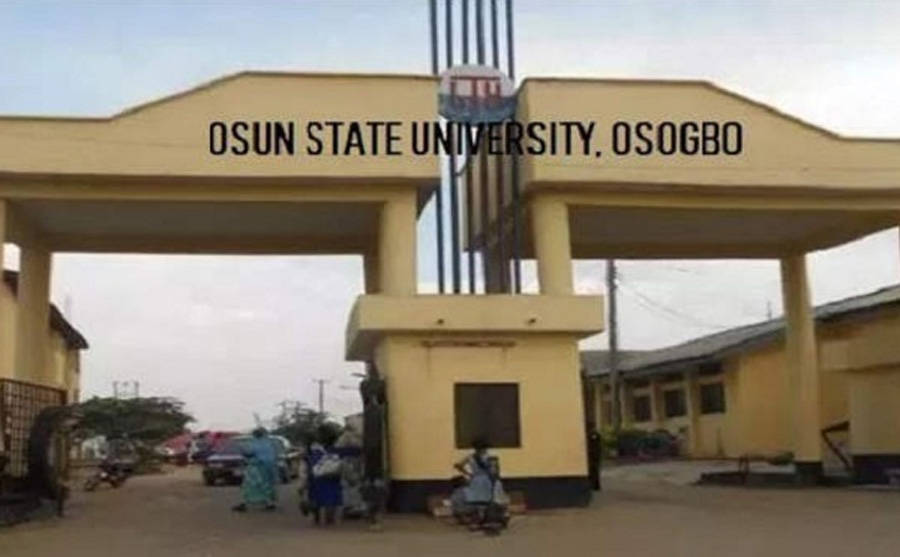
NANS Threatens UNIOSUN Shutdown Over Arrest of Three Student Leaders
The National Association of Nigerian Students (NANS) and the management of Osun State University (UNIOSUN) have disagreed over the arrest and arraignment of three Students’ Union Government (SUG) officials accused of assaulting a 100-level student.
The disagreement followed NANS’ threat to mobilise students nationwide to shut down the university and occupy the Osun State Government Secretariat over the arrest of the SUG president.
NANS National President, Babatunde Akinteye, accused the university’s Vice-Chancellor, Professor Clement Adebooye, of allegedly ordering the arrest of the student union president, describing the development as an attack on the rights and dignity of Nigerian students.
In a statement issued on Tuesday, November 24, Akinteye said the SUG president had been arrested, charged before a court and remanded in prison.
He subsequently directed the NANS zonal coordinator and the Osun State Joint Campus Committee chairman to mobilise students for a coordinated shutdown of UNIOSUN and a peaceful occupation of the state government secretariat to demand the Vice-Chancellor’s removal.
He also said NANS structures nationwide had been activated to relocate to Osun State until the matter was resolved.
However, the university management gave a different account, saying the three student leaders were arrested and prosecuted over their alleged involvement in the assault of a 100-level student, Emmanuel Onifade.
READ ALSO:
- ADC Asks Tinubu to Resign or Face Impeachment Over Kano Court Allegation
- Kwankwasiyya Supporters Carry Sticks But Never Harm Anyone – Obi
- Iran Flogs Singer, Four Others 74 Times Over Hijab-Free Performance
The university’s Public Relations Officer, Ademola Adesoji, said the incident occurred on Friday night, November 20, and involved three student union executives.
The accused students were identified as Layonu Idowu Akintayo, a 500-level Medicine and Surgery student and SUG president; Adesanmi Tijesunimi, a 400-level Computer Science student and assistant general secretary; and Oyedeji Samsideen, a 400-level Information Technology student and faculty chairman.
According to the university, preliminary findings indicated that the disagreement started after Onifade allegedly used the institution’s logo and the Office of Student Affairs as the identity of a WhatsApp platform.
He was also accused of threatening another student, Oyebode Oluwatobi Jomiloju Barnabas, a 200-level Computer Science student, over a video posted on social media concerning the university.
The management said Oyebode reported the matter to the Students’ Union executives, after which the union president contacted Onifade and asked him to meet at the downtown area of the university’s main campus.
The university alleged that Onifade was subsequently taken in a Students’ Union vehicle to a mechanic workshop in Osogbo, where he was beaten and seriously injured by the assistant general secretary and other individuals.
It further alleged that the victim was taken to another location, where he encountered the union president and was assaulted again by the assistant general secretary and Samsideen.
The university said Onifade was eventually released with serious bodily injuries, prompting his father to report the incident at the Oja-Oba Divisional Police Headquarters in Oke Baale, Osogbo.
Following the complaint, the three student leaders were handed over to the police and subsequently charged before a magistrate’s court in Oke-Fia, Osogbo.
The university disclosed that the accused students had been granted administrative bail, while the case was adjourned until December 23, 2026.
As part of its response to the incident, UNIOSUN management announced the indefinite suspension of all Students’ Union activities pending the resolution of the issues surrounding the alleged assault.
The institution reaffirmed its commitment to students’ safety and welfare, urging members of the university community to conduct themselves responsibly and in accordance with the law.
NANS Threatens UNIOSUN Shutdown Over Arrest of Three Student Leaders
Education
South-West Leaders Challenged to Emulate Kwankwaso, Invest in Education of Poor Children

South-West Leaders Challenged to Emulate Kwankwaso, Invest in Education of Poor Children
A call has been made to political leaders across Nigeria’s South-West region to invest more deliberately in the education and professional development of brilliant children from poor and disadvantaged backgrounds, with emphasis on overseas scholarships and specialised skills acquisition.
The call was made by a concerned citizen, Adeagbo Suraj Ademola, who questioned the commitment of political leaders in the region to sustainable human capital development, arguing that the transformation of young people from economically disadvantaged families should be considered one of the greatest measures of good governance.
Ademola, in a statement, drew attention to reports about the scholarship initiative introduced by former Kano State Governor, Senator Rabiu Musa Kwankwaso, under which thousands of young people from the state were reportedly sponsored to pursue postgraduate studies abroad.
He cited the account of a Hausa man who reportedly benefited from the programme, travelled to the United States for further studies and eventually became a university lecturer in America.
According to him, the reported figure of more than 3,000 beneficiaries under the initiative raises important questions about the priorities of political leaders in the South-West, particularly regarding investments in education and opportunities for children whose parents cannot afford quality education.
He recalled similar initiatives introduced by former Osun State Governor, Ogbeni Rauf Aregbesola, noting that his administration sponsored 85 medical students of Osun State University (UNIOSUN) to Ukraine to complete their medical education.
Ademola also highlighted the decision of the Aregbesola administration to sponsor 31 graduates to Germany for specialised training in automobile mechatronics, while another 20 young people were reportedly sent to Germany for advanced agricultural training.
He described the mechatronics initiative as particularly significant, recalling that a friend of his, whose mother was a local leaf seller, benefited from the programme.
According to him, the experience demonstrated how government-sponsored educational and professional opportunities could transform the lives of young people from ordinary homes who would otherwise struggle to access such opportunities.
He maintained that programmes of this nature should not be treated merely as political empowerment schemes but as strategic investments capable of producing skilled professionals who would contribute to national development.
The South-West leaders were also reminded of the scholarship initiative introduced by former Ekiti State Governor, Dr Kayode Fayemi, during his first administration.
The programme, known as the Fayemi Scholars initiative, reportedly supported outstanding graduates to pursue postgraduate studies in reputable institutions in countries including the United Kingdom, the United States and China.
For Ademola, these examples demonstrate that visionary leadership goes beyond the construction of roads, bridges and public buildings. It also involves identifying talented young people, providing them with opportunities and preparing them to become future professionals and leaders.
He, however, argued that the South-West could achieve much more if its six state governments adopted deliberate and sustainable programmes to sponsor brilliant but financially disadvantaged young people for specialised education and professional training.
He proposed that each state should consider sponsoring at least 500 or even 1,000 qualified young people annually to study specialised courses in reputable institutions within and outside Nigeria.
According to him, such an initiative could significantly strengthen the region’s capacity in critical sectors, including medicine, engineering, artificial intelligence, agriculture, manufacturing, technology and scientific research.
He stressed that the benefits would extend beyond the individual scholarship recipients, as the region and the country would eventually gain from the expertise, innovation and professional contributions of the beneficiaries.
Ademola further argued that political leadership should not be assessed exclusively by the number of infrastructure projects executed, political appointments made or conventional empowerment programmes organised.
Rather, he said, the number of ordinary children whose lives have been transformed through access to quality education, specialised training and life-changing opportunities should also be an important measure of governance.
He therefore challenged governors and other political leaders across the South-West to explain the deliberate, sustainable and transparent programmes they have established to identify, train and support brilliant children whose parents lack the financial resources to provide them with opportunities available to children from wealthy families.
He emphasised that many of the country’s future professors, medical experts, engineers, innovators, researchers and national leaders could currently be growing up in communities where poverty has limited their access to quality education and professional development.
The statement further called for scholarship programmes that would be transparent, merit-based and sustainable, ensuring that beneficiaries are selected based on their academic abilities and potential rather than political connections or family backgrounds.
Ademola maintained that investing in disadvantaged children was not simply an act of charity but a strategic responsibility that could determine the economic and technological future of the region.
He argued that the greatest legacy of any administration should not be limited to physical structures constructed during its tenure but should also include the quality of human beings it prepares to sustain development long after leaving office.
He concluded with a message to political leaders across the South-West, urging them to place greater emphasis on human capital development and deliberately create opportunities for children from poor families.
“We must invest in PEOPLE, not just PROJECTS,” he declared.
The statement was signed by Adeagbo Suraj Ademola of Adenle Onile-Aran’s Compound
South-West Leaders Challenged to Emulate Kwankwaso, Invest in Education of Poor Children
-
 metro2 days ago
‘I Paid My Ex-Husband Before He Slept With Me’ – Islamic Preacher Kaola Makes Shocking Revelation
-

 metro3 days ago
Chibok Girl Escapes After Eight Years in Boko Haram Captivity, Reveals 20 Classmates Still Held
-

 Politics2 days ago
Kwankwaso Made Me Swear on Qur’an to Join APC After Election Victory — Gov Yusuf Reveals Tinubu Deal
-

 Education2 days ago
South-West Leaders Challenged to Emulate Kwankwaso, Invest in Education of Poor Children
-
 Politics2 days ago
2027: Makinde Invokes 1966 Coup, Questions Obi-Kwankwaso Ticket
-

 News19 hours ago
Omokri Arrives in Mexico to Assume Duty as Nigerian Ambassador, Thanks Govt for Ministerial Reception
-
 metro5 hours ago
Oyoland Grand Chief Imam Moves to End Feud, Seeks Reconciliation Among Markaziyya, Adabiyyah, Mahdul ‘Arabi
-
 Politics1 day ago
Uduere Killings: Ughelli Chairman Accuses Omo-Agege’s Camp of Triggering Deadly Clash, Demands IGP Probe