

metro
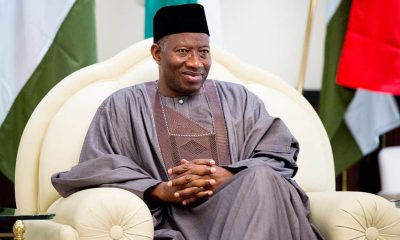
Linking Owo church attack to ISWAP speculative — Fayemi

Ekiti State governor, Kayode Fayemi, has said the claims linking the Islamic State’s West Africa Province (ISWAP) to the church attack in Owo is a mere speculation.
He said no evidence had confirmed that the group was responsible for the attack that claimed many lives and left several others injured.
“I am not going to go into any speculation,” the governor said on Monday in response to a question regarding the position of the Federal Government during an interview on Channels Television’s Sunrise Daily.
“As far as I’m concerned, the statement that ISWAP or Boko Haram or whatever other institutions are responsible for this (attack) is purely speculative at this stage. I haven’t seen any evidence that concretely puts this in the corner of any of these rogue elements that we have.
“And really it doesn’t at this stage matter. They have committed this crime; they have demonstrated the capacity to cause maximum damage to our people.”
At least 40 people were killed and many injured when gunmen opened fire on worshippers at St Francis Catholic Church in Owo, the headquarters of Owo Local Government Area of Ondo State.
The incident sparked widespread condemnation with various individuals and groups calling on the government to ensure the assailants were arrested and brought to justice.
Amid controversy over who was responsible for the incident, the Federal Government linked the killings to the Islamic State’s West Africa Province (ISWAP).
Fayemi, who is also chairman of the Nigeria Governors’ Forum (NGF), said the position of the Federal Government remained a speculation.






metro
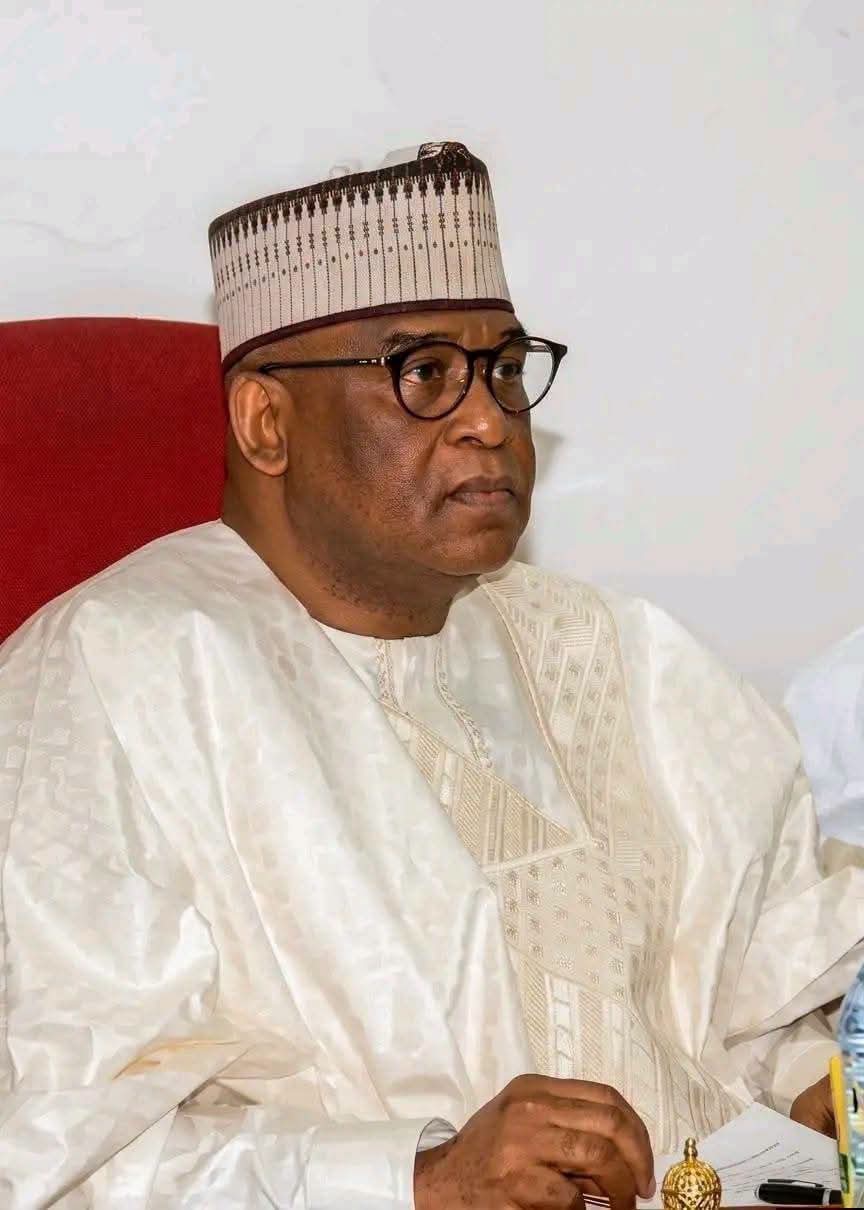
Former Senator Bello Mandiya Found Dead in Bathroom Three Days After Fall
Former Senator Bello Mandiya Found Dead in Bathroom Three Days After Fall
Former Senator Bello Mandiya, who represented Katsina South Senatorial District in the ninth National Assembly, has died after reportedly slipping and hitting his head in his Abuja residence, with his body discovered about three days later.
Senator Abdul Ningi, who represents Bauchi Central Senatorial District, disclosed the circumstances surrounding Mandiya’s death during a Senate plenary session, describing the incident as a tragic reminder of the fragility of human life.
According to Ningi, Mandiya was believed to have suffered the fatal accident on Friday, September 4, 2026, after taking his bath and preparing to attend the congregational Juma’at prayer.
His lifeless body was eventually discovered on Monday, September 7, after neighbours became concerned about his prolonged absence and a foul smell emanating from his apartment.
Recounting the incident, Ningi said he was in Saudi Arabia when his son called to inform him of the death. His son was reportedly among those who discovered the former lawmaker’s body.
Ningi told the Senate that a colleague had last seen Mandiya at about 11am on Friday before he returned to his residence, where he lived alone.
“He brought out his cap, his phones, and put them on the bed, and went into the bathroom to take his bath,” Ningi said.
“After taking his bath, when he was out of the bathroom, then he slipped and knocked his head in the bathroom.”
The former senator was not discovered immediately, leaving him undiscovered for approximately 72 hours.
Ningi said concern over Mandiya’s absence was heightened when the chief imam of Apo noticed that the former lawmaker, who regularly attended the five daily prayers, had missed prayers for three consecutive days.
The imam’s concern, coupled with the foul smell coming from the apartment, prompted residents to investigate.
According to Ningi, those who went to the residence eventually forced the door open and found Mandiya’s body in the bathroom.
“For 72 hours, Mr President, nobody knew where Bello Mandiya was,” he told the Senate.
“And there lies Bello Mandiya in the bathroom, lifeless. Seventy-two hours, and that’s a simple tragedy,” he added.
Expressing grief over the circumstances of his colleague’s death, Ningi said the incident underscored the unpredictability of life, irrespective of a person’s political position, wealth or social standing.
He also extended his condolences to Mandiya’s family, the people of Katsina State and the constituents he represented during his time in the Senate.
Ningi, who said he had known the deceased since 2002, described his passing as a painful loss and prayed for Allah to grant him eternal rest and comfort his family.
Mandiya’s political career
Before his election to the Senate, Mandiya served as chief of staff to former Katsina State Governor Aminu Bello Masari.
He was elected in 2019 on the platform of the All Progressives Congress to represent Katsina South Senatorial District in the ninth National Assembly, serving until 2023.
During his time in the Senate, he chaired the Senate Committee on Water Resources and participated in legislative activities at the national level.
His death has prompted tributes from political leaders and former colleagues, who have remembered him for his contributions to public service in Katsina State and Nigeria.
Reflecting on the loss, Ningi told his colleagues that the circumstances surrounding Mandiya’s death offered a sobering lesson about the impermanence of power, wealth and public office.
“There is nothing permanent about anything. Nothing permanent about our position, nothing permanent about our wealth,” he said.
metro
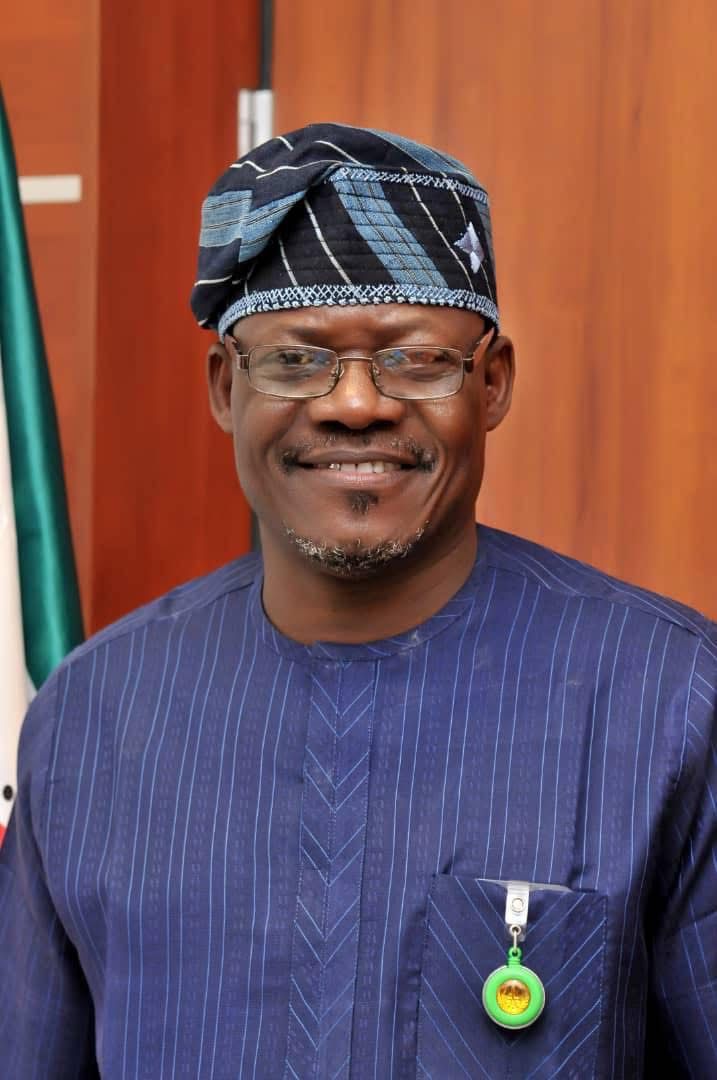
Flooding: Gangaria Seeks Federal Intervention as Over 2,000 Osogbo Households Are Displaced
Flooding: Gangaria Seeks Federal Intervention as Over 2,000 Osogbo Households Are Displaced
OSOGBO — The lawmaker representing Irepodun/Orolu/Olorunda/Osogbo Federal Constituency, Osun State, Adewale Morufu Adebayo Gangaria, has called for urgent federal intervention to address recurring flooding and storm-related disasters that have devastated communities across his constituency.
Gangaria presented a Motion of Urgent Public Importance before the House of Representatives on Wednesday, October 14, drawing attention to the plight of residents affected by flooding, windstorms and thunderstorms, particularly in Osogbo, the Osun State capital.
According to a statement from his media team, the disasters have affected more than 45 communities, causing extensive damage to residential buildings, markets, schools, hospitals, places of worship, farms, hotels and other critical infrastructure.
The statement reported that more than 800 buildings had been destroyed, while over 2,000 households were displaced, leaving many residents struggling to find shelter following the destruction of their homes and sources of livelihood.
Among the affected communities identified by the lawmaker are Olude, Ita-Olookan, Irepodun Zone 9, Osaara, Owode Ilesha Garage, Ibuaje Town, Aberensise, Surulere, Ajangbooro, Oke Odo, Irewole, Ile Aanu, Orelope, Odofin, Omigade, Aroko, Baruwa, Ibu-Amon and Ijetu Ayepe.
Gangaria expressed concern over the hardship facing residents whose properties and livelihoods had been damaged, stressing the need for a coordinated response to the humanitarian crisis and the environmental factors contributing to the recurring disasters.
As part of the proposed intervention, the lawmaker urged the Federal Ministry of Humanitarian Affairs, Disaster Management and Social Development to provide immediate relief assistance to affected communities.
He also called on the National Emergency Management Agency (NEMA) to urgently distribute relief materials to victims to ease their suffering and support households displaced by the disaster.
The lawmaker further urged the South-West Development Commission to mobilise resources towards the rehabilitation and reconstruction of damaged infrastructure, including residential buildings, schools, hospitals, markets and access roads.
He said addressing the immediate needs of affected residents must go hand in hand with rebuilding essential facilities and restoring normal economic and social activities in the affected communities.
Gangaria also called on the Ecological Fund Office to implement practical measures to tackle the underlying causes of flooding and reduce the likelihood of future occurrences.
As part of efforts to improve water flow and reduce flood risks, he urged the National Inland Waterways Authority (NIWA) to undertake necessary dredging and expansion of the Osun River channel, including the removal of obstructions that could impede water movement.
The lawmaker also called on the relevant federal ministry responsible for mining to address mining activities along riverbanks that may contribute to environmental hazards and expose nearby communities to further risks.
To ensure that the proposed interventions translate into concrete action, Gangaria urged the House to mandate its Committee on Legislative Compliance to monitor the implementation of the resolutions and report back within four weeks for further legislative action.
The proposed measures seek to combine immediate humanitarian assistance with longer-term environmental interventions aimed at protecting lives, restoring damaged infrastructure and reducing the vulnerability of communities to recurring floods.
Flooding and severe storms can disrupt transportation, damage public infrastructure, destroy agricultural produce and undermine the livelihoods of residents, particularly where homes and businesses are affected. The scale of the destruction reported in the constituency has therefore raised concerns about the need for timely relief and sustainable flood-management measures.
The motion represents an effort to bring the concerns of affected constituents before the National Assembly and press relevant federal agencies to respond to their needs.
However, the effectiveness of the proposed intervention will depend on the implementation of any resolutions adopted by the House and the timely mobilisation of resources by the relevant agencies.
For residents of the affected communities, immediate priorities include access to emergency relief, safe shelter, the restoration of essential services and the rehabilitation of damaged properties and infrastructure.
Long-term measures to improve drainage, manage waterways, address environmental degradation and strengthen disaster preparedness will also be important in reducing the risk of similar incidents.
The lawmaker’s intervention has placed the reported flood disaster in Osogbo and neighbouring communities before the House of Representatives, with a call for coordinated action to address both the immediate suffering of victims and the environmental challenges associated with recurring flooding.
Flooding: Gangaria Seeks Federal Intervention as Over 2,000 Osogbo Households Are Displaced
metro
Outrage as Residents Scoop Groundnut Oil From Lagos Tanker Crash Scene
Outrage as Residents Scoop Groundnut Oil From Lagos Tanker Crash Scene
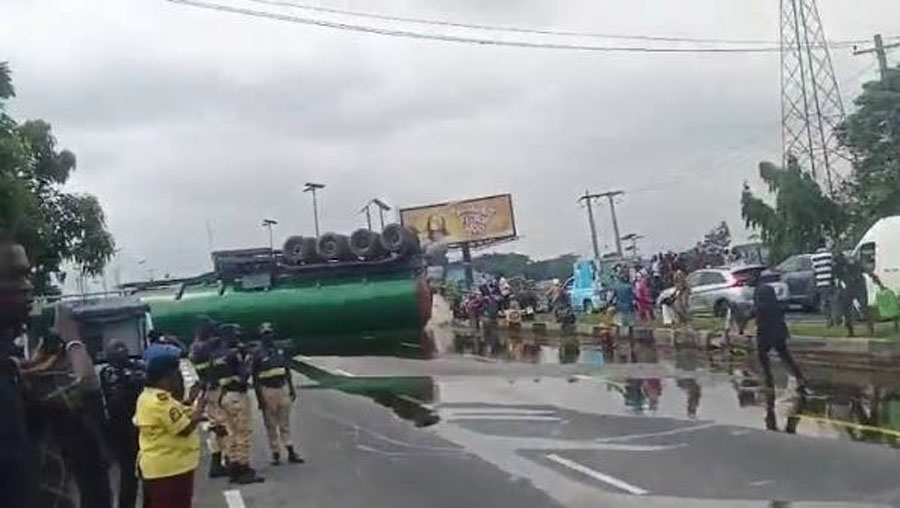
Residents have come under criticism after they were seen scooping spilled groundnut oil from the scene of a tanker accident around Ojota Bridge in Lagos, prompting a warning from the Lagos State Traffic Management Authority (LASTMA) over the potential health risks of consuming or selling the recovered product.
The tanker, reportedly carrying 33,000 litres of groundnut oil, overturned on Wednesday, October 14, 2026, along the Lagos-Ibadan Expressway, near Abiola Garden, Ojota, on the inward lane towards the Old Toll Gate.
A video circulating on social media showed some residents gathering around the accident scene to collect the spilled oil, using containers to scoop it from the road. Police officers and LASTMA personnel were also seen at the location.
LASTMA warned members of the public against consuming or selling groundnut oil recovered from the accident scene, stressing that the spilled product could have been contaminated by dirt, debris, water or other substances on the road. Although the oil was intended for human consumption, its exposure to the accident environment raises concerns about its safety. Residents were therefore advised not to collect, purchase or consume the recovered product.
READ ALSO:
- Shettima Attacks Atiku Over Tinubu Remarks, Questions Subsidy Plan
- 2027: We Know How to Stop Tinubu From Getting Second Term – Momodu
- Borno Woman Jailed Two Years for Sexual Exploitation of 16-Year-Old Girl
The agency’s rescue and recovery team reportedly arrived at the scene with high-capacity tow vehicles to assist in removing the overturned tanker and managing the resulting traffic disruption. Traffic officials worked with other emergency responders, including the police and relevant road safety agencies, to secure the area and facilitate recovery operations.
The crash caused disruption around Ojota Bridge and adjoining sections of the Lagos-Ibadan Expressway as emergency personnel worked to clear the scene and restore normal traffic flow. Motorists were advised to exercise caution and follow the instructions of traffic officers in the area.
No casualties were reported in the incident. Preliminary accounts suggested that brake failure might have caused the tanker to overturn, although the suspected cause had not been confirmed by a final investigation.
The incident has renewed concerns about tanker safety, emergency response and the risks people take when collecting products spilled during road accidents. Beyond the immediate danger of approaching an overturned tanker, recovered food products may be unsafe for consumption if their quality and cleanliness cannot be established.
Authorities continue to urge residents to keep away from accident scenes, allow emergency teams to work and avoid collecting spilled goods that may pose risks to public health.
Outrage as Residents Scoop Groundnut Oil From Lagos Tanker Crash Scene
-
 metro3 days ago
Oyo School Kidnappings: How ANSARU Allegedly Used Children to Pressure FG
-
 metro3 days ago
Tragedy in Ibadan as Truck Kills Female Corps Member, Injures Others
-

 metro3 days ago
Drama as Dutch Police Use Batons, Dogs to Shut Down Nigerian Wedding; Two Arrested
-
 International3 days ago
French Students Return to Streets as Anger Over School Conditions Grows
-

 metro3 days ago
VIDEO: Outrage as Indian National Assaults Nigerian Truck Drivers in Lagos
-
 News3 days ago
Obasanjo Backs Higher Oil Derivation, Says 13% Is Only the Beginning
-

 metro2 days ago
Money Rituals: Four Arrested in Kwara Over Suspected Human Parts
-

 Politics3 days ago
2027: Tompolo Unveils 57 Tinubu Campaign Vehicles, Warns Lagosians Against 2023 Repeat