

Politics
Osinbajo to represent Buhari at Tinubu rally – APC campaign team
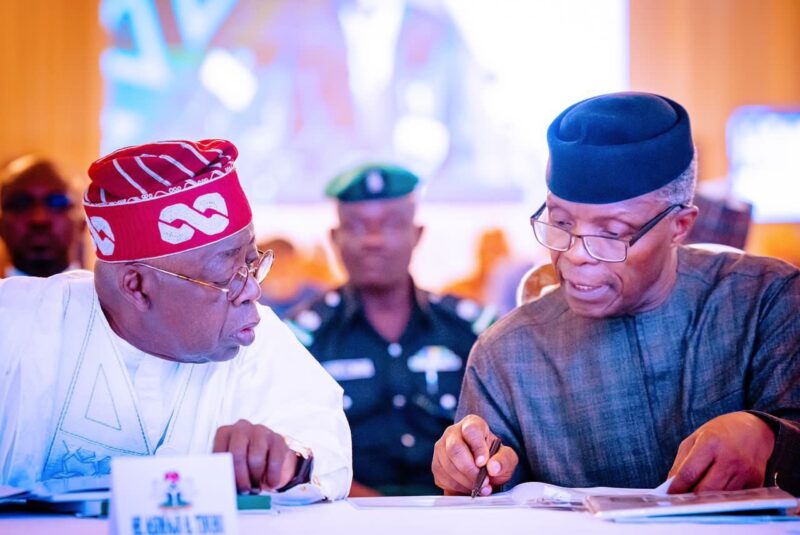
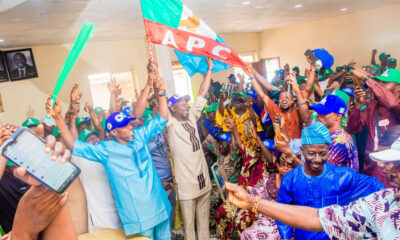
Vice President Yemi Osinbajo will make his first appearance at the All Progressives Congress (APC) presidential campaign train of Asiwaju Bola Ahmed Tinubu this week, the party campaign team has said.
Secretary of the APC Campaign Council, James Abiodun Faleke, confirmed the development in a statement made available to newsmen on Tuesday, January 17.
The party chieftain disclosed this while reacting to reports that the APC had postponed its presidential campaign rally scheduled to hold in Kwara State on Tuesday, January 17, which eventually held in Ilorin, the state capital.
In a statement on behalf of the campaign’s local organizing committee, Saadu Salahu, said the postponement was to allow President Muhammadu Buhari to lead the campaign. But the team came back with another statement affirming that the rally would hold as planned but without the President.
Buhari had departed Nigeria on Monday for Nouakchott, Mauritania, to receive a peace award.
Because of President Buhari’s absence, Osinbajo, according to the APC team, will stand in for his principal at the Tinubu-Shettima presidential rally in Ilorin.
“I hereby confirm that the APC Presidential Campaign rally slated for 17/1/23 will hold as scheduled. Please be advised accordingly,” Faleke noted.
“President Buhari asked Osinbajo to represent him as he would not be available”, a top source at the Aso Rock Villa confirmed to PM Nigeria News.







Politics
2027: Shehu Sani Breaks Silence on Claims Kwankwaso Is Working for Tinubu
2027: Shehu Sani Breaks Silence on Claims Kwankwaso Is Working for Tinubu
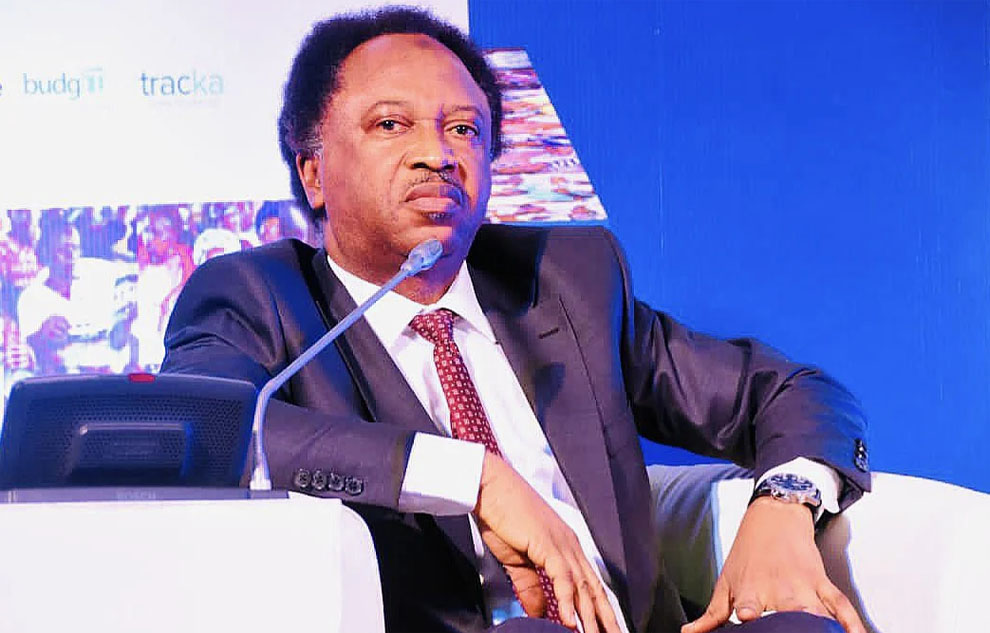
Former Kaduna Central senator Shehu Sani has defended Rabiu Musa Kwankwaso against allegations that the former Kano State governor is working to advance President Bola Ahmed Tinubu’s re-election bid, blaming supporters of the African Democratic Congress (ADC) for what he described as a smear campaign following Kwankwaso’s political split with Peter Obi.
Sani made the remarks in a post on his verified X account while reacting to accusations by the ADC Presidential Campaign Council that Kwankwaso was undermining opposition efforts ahead of the 2027 presidential election.
“The ADC guys are still bitter about the Peter and Kwankwaso divorce, hence the smear that they are working for the ruling party or the President,” Sani wrote.
The former lawmaker argued that Obi and Kwankwaso were established politicians with independent political identities and should be allowed to make their own decisions about political alliances without facing hostility from former allies.
According to him, political figures should have the freedom to associate with political parties and coalitions of their choice or withdraw from them without being accused of working against the interests of the opposition.
“No consideration to the fact that they are all accomplished politicians with their own independent track records, and have the right to associate and disassociate,” he added.
READ ALSO:
- Omoda, Jaecoo Storm Europe as Global Sales Surge 123% to 73,421
- 16-Year-Old Girl Recounts Horror of Hookup Encounter, Says Man Threatened Her With Knife, Acid
- Ex-Super Eagles Coach Westerhof Battles Colon Cancer in Critical Condition, Wife Seeks Help
Sani further criticised political groups that, in his view, attempt to control their members or punish them for choosing a different political direction.
“This is the price they will continue to pay for refusing to be supplementary, and disposable cargoes in someone’s container,” he stated.
He added: “Political parties shouldn’t be cultish groups where one can’t pull out in peace.”
The comments came after the ADC Presidential Campaign Council accused Kwankwaso, who is now the running mate to Obi under the Nigeria Democratic Congress (NDC), of weakening the opposition through his criticism of former Vice-President Atiku Abubakar.
Kwankwaso had called on Atiku, the ADC’s presidential candidate, to step aside for Obi, prompting a strong reaction from the ADC campaign council.
In a statement, the council’s Director of Media and Publicity, Kola Ologbondiyan, described Kwankwaso’s intervention as reckless and self-serving, alleging that it could deepen divisions among opposition politicians and benefit Tinubu and the ruling All Progressives Congress (APC).
Ologbondiyan argued that opposition figures should concentrate on challenging the Tinubu administration rather than attacking one another or attempting to influence the choice of presidential candidates in rival parties.
The ADC campaign council also questioned Kwankwaso’s political calculations, alleging that his actions were driven by personal ambition and future political negotiations rather than a genuine effort to strengthen the opposition.
However, Sani’s response challenged the suggestion that Kwankwaso’s departure from the ADC-led opposition arrangement amounted to support for Tinubu. He maintained that political disagreements and changes in alliances should not automatically be interpreted as evidence of collaboration with the ruling party.
The disagreement reflects the growing tensions among opposition politicians as parties and political leaders position themselves for the 2027 elections.
Obi and Kwankwaso’s move to the NDC followed their departure from the ADC-led opposition coalition, which had sought to bring prominent political figures together behind a common platform to challenge Tinubu.
Their exit has complicated efforts to maintain a united opposition front, with competing presidential ambitions and disagreements over candidate selection continuing to shape political discussions.
For now, the allegations that Kwankwaso is advancing Tinubu’s interests remain a claim by the ADC campaign council, while Sani has publicly rejected that interpretation. Neither the accusation nor Sani’s response, on its own, establishes that Kwankwaso is secretly working with the President.
The exchange underscores the widening political differences among opposition figures as the race towards 2027 gathers momentum.
2027: Shehu Sani Breaks Silence on Claims Kwankwaso Is Working for Tinubu
Politics
2027: Kwankwaso Signals Fuel Subsidy Comeback as NDC Vows to Crash Petrol Prices
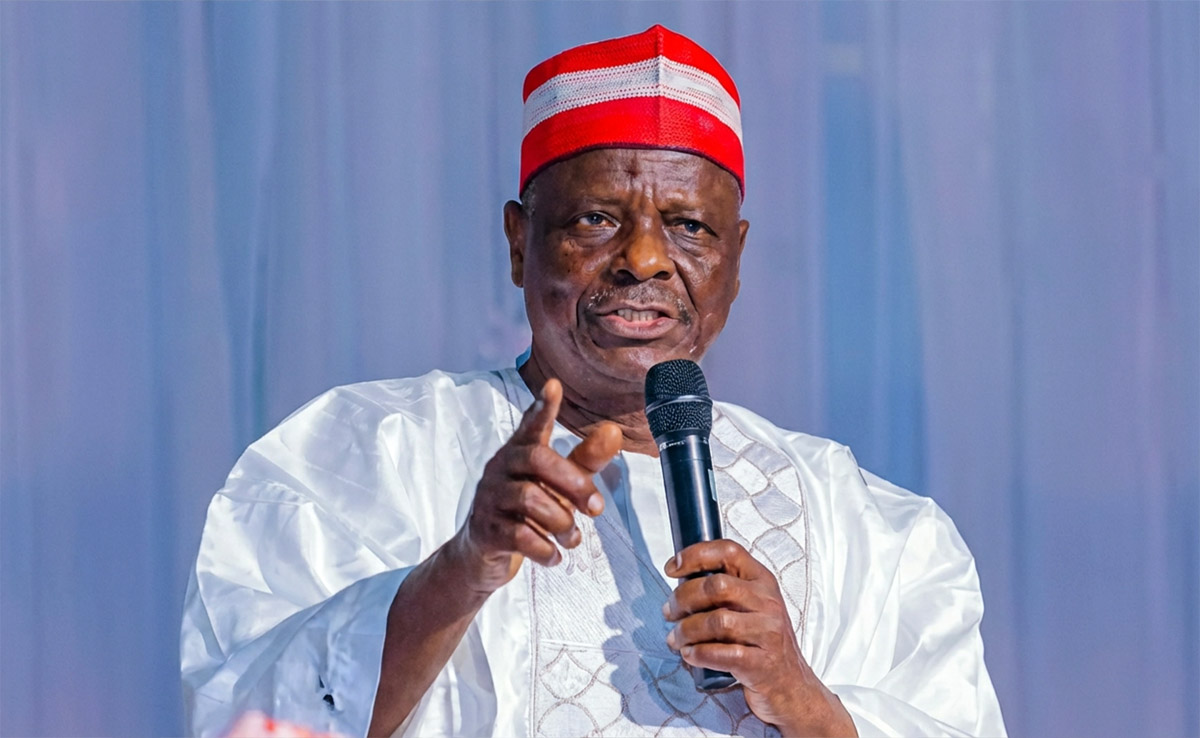
The Nigeria Democratic Congress (NDC) has signalled its willingness to consider restoring petrol subsidy if it wins the 2027 general election, with its vice-presidential candidate, Rabiu Musa Kwankwaso, promising to explore all necessary measures to reduce fuel prices and ease the economic hardship facing Nigerians.
Kwankwaso made the declaration during an interview on Channels Television’s Politics Today on Thursday, October 15, saying the party’s leadership was united on the need to make energy more affordable.
The former Kano State governor said he, the NDC presidential candidate, Peter Obi, and the party’s leader, Seriake Dickson, had aligned their positions on addressing the high cost of energy in the country.
According to Kwankwaso, the party would consider whatever measures were necessary to bring down petrol prices, including a possible return to fuel subsidy.
He argued that the cost of petrol had become a major burden on households and businesses, contributing to higher transportation fares, rising food prices and increased operating costs for companies.
The NDC candidate said an incoming government would need to examine available policy options to reduce the pressure on Nigerians, particularly low-income earners and small businesses struggling with the rising cost of living.
READ ALSO:
- NAF Deploys Pumps in Desperate Push to Recover Submerged Aircraft After Crash Killed 25
- Rivers Police Remove DPO as Suspected Cultists’ Outpost Renovation Sparks Probe
- Osun Murder: Three Arrested as Police Recover Weapons, Link Suspect to Earlier Killings
Kwankwaso also identified corruption and irregularities in the petroleum industry as issues that must be addressed to ensure Nigerians benefit from reforms in the sector.
He suggested that reducing waste and tackling abuses could help improve the management of public resources and support efforts to make petroleum products more affordable.
The comments reopen the debate over fuel subsidy removal, one of the most consequential economic decisions taken by President Bola Ahmed Tinubu, who announced the end of the policy during his inauguration on May 29, 2023.
The removal led to a sharp increase in petrol prices, with the effects spreading across transportation, food distribution, manufacturing and other sectors of the economy.
The Tinubu administration has defended the decision as part of broader economic reforms intended to reduce the government’s subsidy burden and redirect public funds towards other priorities. However, the resulting increase in living costs has remained a major concern for many Nigerians.
Kwankwaso’s statement suggests that the NDC would be prepared to revisit the policy if elected in 2027. However, the party has yet to publish a comprehensive framework explaining how a possible subsidy scheme would operate, how much it would cost or how the government would fund it without creating additional pressure on public finances.
Questions also remain about the proposed safeguards against corruption, the method of determining eligible beneficiaries and whether any intervention would involve a blanket subsidy or a more targeted arrangement.
The NDC’s position is expected to feature in the wider debate over economic policy ahead of the 2027 presidential election, as political parties outline their plans for addressing high petrol prices, inflation and the cost-of-living crisis.
For Nigerians facing elevated transportation and household expenses, the central issue will be whether the party can translate its promise of cheaper petrol into a practical, transparent and financially sustainable policy.
2027: Kwankwaso Signals Fuel Subsidy Comeback as NDC Vows to Crash Petrol Prices
Politics
Adeleke, Davido Face Backlash Over Tinubu’s 2027 Re-election Bid
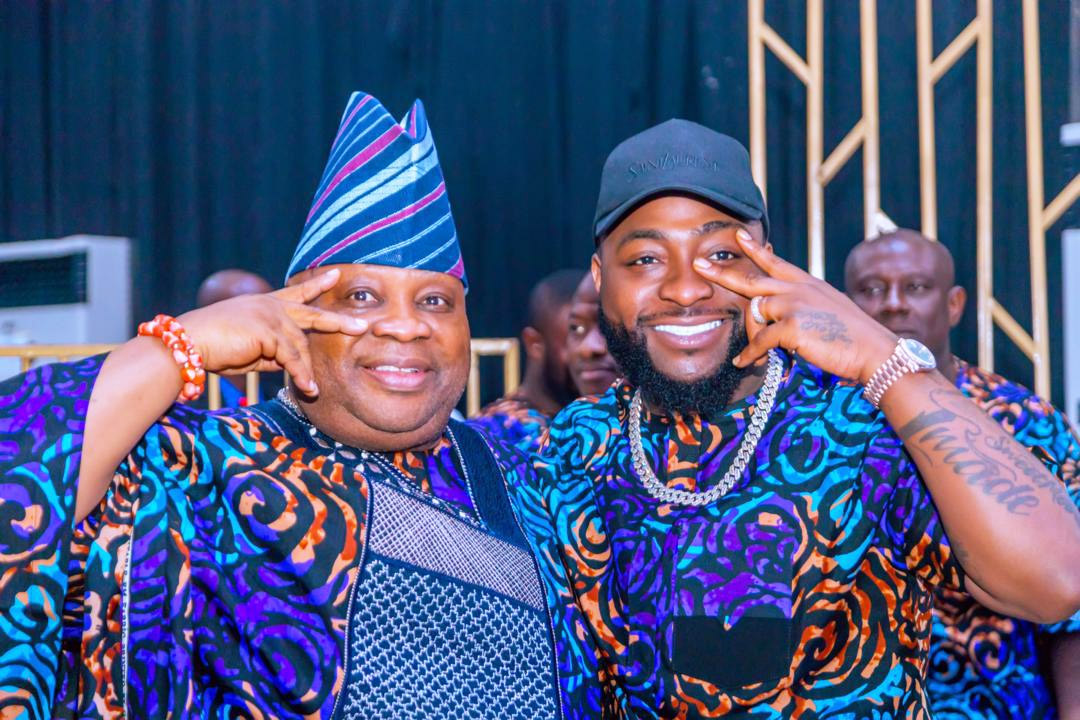
Adeleke, Davido Face Backlash Over Tinubu’s 2027 Re-election Bid
Osun State Governor Ademola Adeleke and his nephew, Afrobeats star David Adeleke, popularly known as Davido, have come under criticism on social media following renewed attention to the governor’s reported support for President Bola Tinubu’s 2027 re-election bid.
The controversy centres on the perceived contradiction between Davido’s earlier opposition to the All Progressives Congress (APC) in Osun State and his uncle’s subsequent political alignment with Tinubu ahead of the 2027 presidential election.
The backlash intensified after Davido’s earlier social media comments criticising APC supporters in Osun resurfaced, prompting some Nigerians to question whether the Adeleke family was applying different political standards at the state and federal levels.
During the build-up to the August 2026 Osun governorship election, Davido reportedly declared that anybody supporting the APC in the state was an “enemy of progress”. The singer had openly campaigned for his uncle, who contested the election on the platform of the Accord Party.
Adeleke subsequently won re-election, while his reported support for Tinubu’s second-term ambition has reopened debate about the political positions previously expressed by the governor and his nephew.
The governor’s reported involvement in Tinubu’s re-election campaign has attracted attention because of the fierce political contest between the Accord Party and the APC during the Osun governorship election.
Reports published on October 15 indicated that Adeleke had been named among the coordinators of Tinubu’s 2027 presidential campaign structure in Osun State. The development prompted renewed scrutiny of his political relationship with the president.
READ ALSO:
- ToluwaniSings’ Final Hours: Aide Reveals Desperate Search Across 8 Hospitals
- Real Madrid Demand Tebas’ Exit After Explosive Nazi Propaganda Row
- Terrorists Abduct Catholic Priest in Benue as Police Launch Rescue Operation
Adeleke had previously explained that his support for Tinubu was based partly on their shared Yoruba background and his desire to encourage the president to continue federal infrastructure projects in the South-West.
In an interview reported in August, the governor said his support was not the result of a prior agreement with the president. He also defended his engagement with Tinubu as an opportunity to discuss the development of Osun State.
The explanation has not ended the debate, with critics questioning how the governor’s current position aligns with the political messaging used to mobilise support for his re-election.
Reactions circulating on social media included accusations of political inconsistency, with some users arguing that the family had opposed the APC in Osun while appearing willing to support the party at the national level.
One commenter argued that supporters who stood behind Adeleke during the governorship contest deserved an explanation for the governor’s subsequent political alignment.
Another questioned the apparent difference between Davido’s earlier criticism of APC supporters in Osun and his uncle’s reported backing of Tinubu’s re-election bid.
Other commenters, however, framed the development as a reflection of the shifting alliances that characterise Nigerian politics, arguing that politicians frequently cooperate with former opponents when their interests converge.
The reactions reflect competing views about political loyalty, the expectations of supporters and the freedom of elected officials to make strategic decisions after an election.
Davido’s role in the controversy stems from his outspoken support for his uncle during the Osun governorship campaign. The singer had publicly criticised the APC and defended Adeleke’s administration, making his earlier posts a focal point of the latest debate.
With his uncle now associated with Tinubu’s 2027 re-election campaign, some social media users have called on the musician to clarify his position.
However, the criticism directed at Davido is largely linked to his previous public statements and his relationship with the governor. It should not be taken as evidence that the singer has changed his political position or endorsed Tinubu’s re-election.
The dispute highlights the challenges political figures may face when their alliances change after elections, particularly when their supporters have been mobilised around strong opposition to a rival party.
For Adeleke, the debate raises questions about how his support for Tinubu will be received by voters who backed him on the Accord Party platform.
For Davido, the resurfacing of his earlier comments illustrates how statements made during election campaigns can continue to shape public perceptions long after the polls have closed.
The development also comes amid growing political manoeuvring ahead of the 2027 general elections, when parties and political figures are expected to pursue alliances to strengthen their electoral prospects.
Ultimately, whether the controversy will affect the Adeleke family’s political standing in Osun remains uncertain. The online backlash, however, has brought the relationship between political loyalty, electoral promises and shifting alliances back into public debate.
The criticism quoted in this report represents the views of social media users, not established findings of wrongdoing. The available information does not establish that Adeleke or Davido personally insulted Osun voters or independently verify claims that people died specifically because of their political support for the governor.
Adeleke, Davido Face Backlash Over Tinubu’s 2027 Re-election Bid
-

 metro1 day ago
₦130m Toyota Tundra Wrecked: Lagos Dealer Questions Police Over Suspect’s Release
-

 News1 day ago
₦200m Fake Alcohol Packaging Uncovered as NAFDAC Raids Aba Market
-
 metro10 hours ago
Suspended Archbishop Ibezim Drags Anglican Primate to Court, Challenges Six-Month Leave
-
 metro2 days ago
Borno Woman Jailed Two Years for Sexual Exploitation of 16-Year-Old Girl
-

 metro2 days ago
Outrage as Residents Scoop Groundnut Oil From Lagos Tanker Crash Scene
-
 Sports1 day ago
Real Madrid Demand Tebas’ Exit After Explosive Nazi Propaganda Row
-
 Politics2 days ago
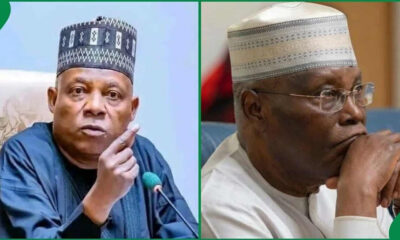
Shettima Attacks Atiku Over Tinubu Remarks, Questions Subsidy Plan
-

 Politics2 days ago
2027: We Know How to Stop Tinubu From Getting Second Term – Momodu