

International
Russian/Ukraine war: Vladimir Putin sends 100 strippers to front line to boost morale of Russian soldiers

Vladimir Putin has ordered strippers and pole dancers to be sent to the front line in a move to cheer up his troops and boost morale.
The move comes as the Kremlin announces a medal for all Russian soldiers which have deployed in what he calls the “special military operation”.
Senior commanders have been ordered to organise the entertainment as Putin’s forces approach the first anniversary of the invasion of Ukraine.
READ ALSO:
- Postpone your visit to Kano, Ganduje advices Buhari over fuel, new naira scarcities’ anger
- Woman beats husband, sets home ablaze for marrying second wife
- Police arrest 5 Cameroonians in Adamawa for kidnapping
More than 100 girls will be ferried to the front in a fleet of helicopters for a series of “concert shows” at supply bases across the Donbas where troops are given five days of rest and recuperation.
Crates of beer and Russian sausages will be shipped in for the troops and a ceremonial parade is expected on the 24th to mark the start of Russia’s operation and remember the fallen.
News of the”‘raunchy stripping sessions” was revealed on social media by a Russian officer who announced that troops would be getting a special surprise.
In his post, the tank Colonel, who goes by the codename “Armoured Death” said: “Our heroes will be given special parties with pole dancing ladies, beer and food as a thank you for their service.
“Events will be held as part of the soldiers’ rest period and aimed to raise the morale of troops who have been fighting in the front-line.”


International
France Deploys 70,000 Police as Cost-of-Living Protests Intensify
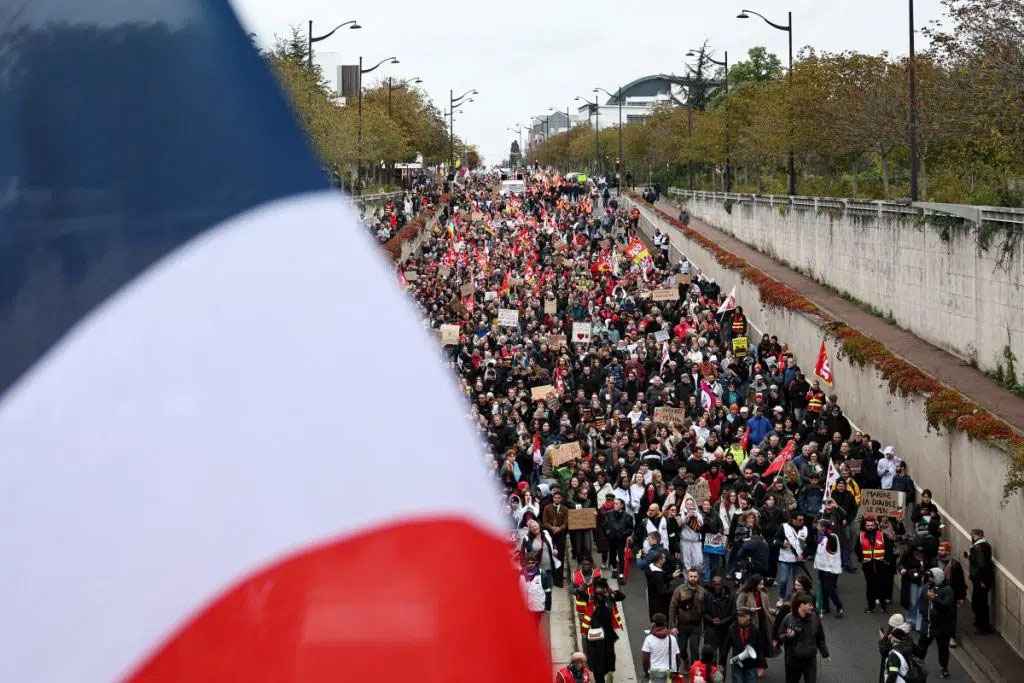
France Deploys 70,000 Police as Cost-of-Living Protests Intensify
France has deployed 70,000 police officers and gendarmes across the country to prevent further looting, vandalism and violent clashes as nationwide protests over rising living costs, school conditions and public services continue to challenge President Emmanuel Macron’s government.
The security deployment took place on Saturday, October 24, 2026, following some of the worst street violence France has witnessed in years during demonstrations the previous weekend.
Interior Minister Laurent Nuñez announced the mobilisation, warning that authorities would take a firm approach against individuals involved in violence, looting and attacks on public buildings.
The deployment included an additional 10,000 security personnel compared with the previous week. Specialised police units, helicopters, drones, armoured vehicles, mounted officers and water cannon were also deployed to monitor demonstrations and respond to outbreaks of violence.
The heightened security measures came as hundreds of thousands of demonstrators returned to the streets in Paris, Marseille, Lyon and other cities to protest against economic hardship, government spending decisions and deteriorating public services.
According to France’s Interior Ministry, approximately 410,000 people participated in demonstrations nationwide on Saturday. However, the CGT trade union estimated the turnout at nearly 800,000, highlighting the difference between official figures and those provided by organisers.
In Paris, about 110,000 people took part in demonstrations, according to official estimates.
Although many marches proceeded peacefully, confrontations broke out in several locations as police attempted to contain disturbances. Officers used tear gas in Paris and other cities, while water cannon were deployed in some areas to disperse protesters.
Clashes were also reported in Marseille and Lyon, where groups of hooded youths confronted security personnel.
READ ALSO:
- Bill Clinton condemns anti-Muslim prejudice, cites Qur’an’s message of coexistence
- MURIC Applauds Army as Mogadishu Cantonment Mosque Reopens After Week-Long Closure
- Atiku Condemns Attack on Edo Comedian Over Refusal to Support Tinubu
Authorities reported nearly 1,000 arrests in connection with Saturday’s demonstrations, although the figure was still being updated as operations continued.
The latest protests followed widespread disorder on October 17, when demonstrations escalated into violence, leaving shops damaged or looted, vehicles burned and public property vandalised.
Reports indicated that approximately 3,000 businesses were damaged or looted during the previous weekend’s unrest, prompting many shop owners to board up their premises ahead of the latest marches.
Several cultural institutions in Paris, including the Louvre and Musée d’Orsay, closed on Saturday as a precaution against possible disturbances. Some cities also imposed restrictions on demonstrations, while authorities adjusted protest routes to reduce the risk of confrontations in central areas.
The protest movement initially gathered momentum over complaints about conditions in schools, including staff shortages, overcrowded classrooms and demands for improved educational facilities.
It has since expanded into a broader expression of public frustration over the rising cost of living, inflation, inequality and concerns about the quality of public services.
Students and trade unions have called for better funding for schools, improved working conditions, higher wages and stronger measures to ease pressure on household budgets.
The demonstrations have placed additional pressure on Macron’s government, which is facing growing criticism over its handling of economic and social concerns.
Macron met representatives of secondary school students on Friday in an attempt to address some of their grievances. However, student representatives said they remained dissatisfied and wanted concrete proposals from the government before considering an end to the protests.
They subsequently urged students to continue mobilising while awaiting further discussions with Prime Minister Sébastien Lecornu’s administration.
The security situation has also heightened political tensions ahead of France’s next presidential election, expected in 2027.
The far-right National Rally party, led by Marine Le Pen, has sought to capitalise on public dissatisfaction, while opposition groups and trade unions have criticised the government’s handling of the demonstrations.
Authorities were also concerned about possible clashes in Orléans, where the National Rally held its party congress alongside planned counter-demonstrations.
The government’s response has attracted criticism from some unions and student groups, which argue that restrictions on protests could deepen public frustration rather than address the underlying causes of the unrest.
Despite the heavy police presence, the demonstrations continued across the country, reflecting the persistence of economic and social grievances.
The CGT union has also called for a nationwide strike on November 5 to protest against the cost of living and planned budget cuts, raising the prospect of further industrial action.
With public anger continuing and security agencies maintaining heightened vigilance, the coming weeks are expected to test the government’s ability to restore calm while responding to demands for improvements in education, living standards and public services.
France Deploys 70,000 Police as Cost-of-Living Protests Intensify
International
Tibet in Mourning: 7.0 Quake Kills 16, Injures 76 as Rescue Teams Race Against Time in Nagqu
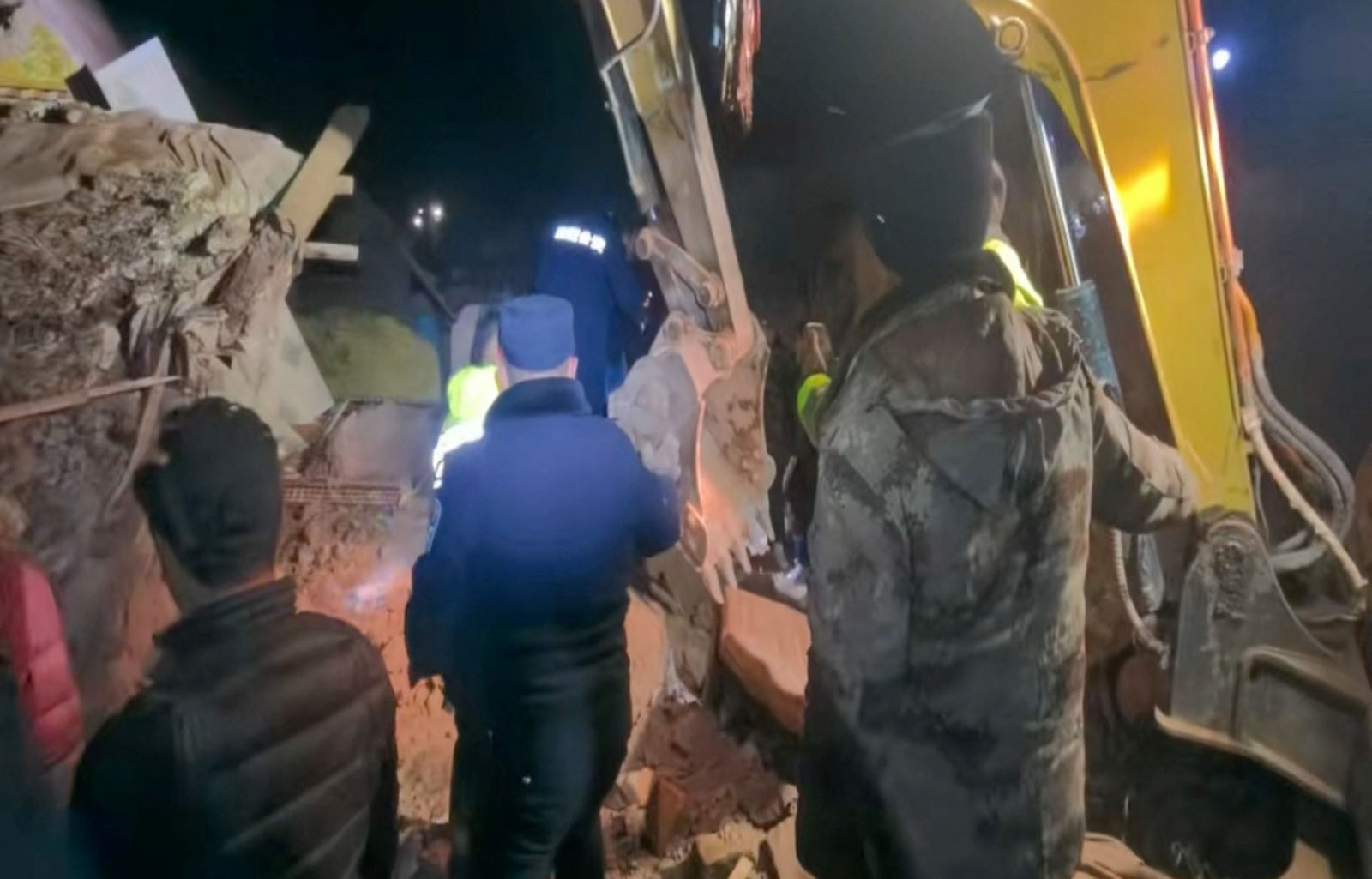
Tibet in Mourning: 7.0 Quake Kills 16, Injures 76 as Rescue Teams Race Against Time in Nagqu
NAGQU, Tibet — A devastating 7.0-magnitude earthquake has struck Baqing County in Nagqu City, Tibet, leaving at least 16 people dead and 76 injured, according to the latest official figures released by the frontline emergency command. The quake, which hit at 22:33 Beijing time on October 22, 2026, at a shallow depth of 10 kilometers, has also caused significant structural damage, with 339 households reporting collapsed or damaged homes and 20 livestock sheds destroyed.
The initial hours after the Tibet earthquake saw a frantic scramble for information, with early preliminary counts reporting 32 injuries and 300 collapsed houses. However, as rescue teams conducted three rounds of door-to-door searches, the casualty toll was revised upward and the damage assessment refined. Authorities have confirmed that no missing persons remain unaccounted for, a rare piece of positive news amid the tragedy.
READ ALSO:
- Tope Alabi Threatens Pastor With Lawsuit Over Toluwanisings’ Death Claims
- Borno: Troops Kill 15 Terrorists in Midnight Air Strike
- 2027: APGA Chairman Says South-East Must Back Tinubu to Secure Igbo Presidency
Inclusive language note: The story uses person-first and community-focused language, referring to “households” and “livestock sheds” rather than abstract “units,” and avoids sensationalizing the death toll while prioritizing the safety and dignity of those affected.
Rescue operations are ongoing in the remote, high-altitude region, where temperatures can plummet overnight. Emergency crews are working to provide shelter, medical aid, and supplies to survivors. The China Earthquake Administration and local authorities are coordinating the response, with mainstream media such as CCTV News providing real-time updates.
The Baqing County earthquake has highlighted the vulnerability of rural communities in seismic zones, where traditional homes may not withstand powerful tremors. As the region begins to mourn and rebuild, officials are urging residents to follow safety protocols and remain alert for aftershocks.
Tibet in Mourning: 7.0 Quake Kills 16, Injures 76 as Rescue Teams Race Against Time in Nagqu
International
Two Killed, Eight Injured as Attack Hits Saudi Arabia Airport
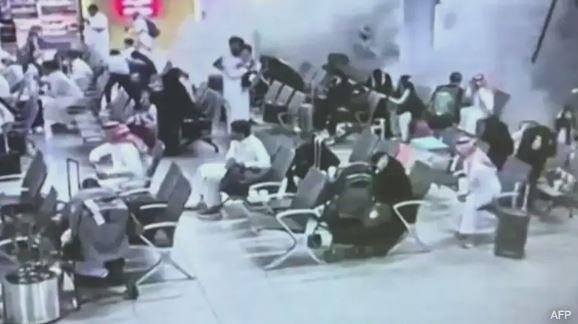
Two Killed, Eight Injured as Attack Hits Saudi Arabia Airport
An Indian national was among two people killed, while eight others sustained injuries in an attack on King Fahd International Airport in Dammam, eastern Saudi Arabia, as tensions escalate over attacks linked to Yemen’s Houthi rebels.
The Saudi General Authority of Civil Aviation confirmed the updated casualty figures on Thursday, October 22, following the attack on Wednesday night.
The fatalities were identified as a Saudi citizen and an Indian national, while the eight injured included citizens and residents of several nationalities.
According to the aviation authority, the injured comprised one Saudi national, two Indians, two Yemenis, two Bangladeshis and one Nepalese national.
Their injuries ranged from minor to serious, with some victims reportedly in critical condition. The injured were receiving medical treatment at several hospitals across the Eastern Province.
The authority said it was working with relevant security agencies to assess the damage caused by the attack and implement measures to safeguard passengers, airport workers and aviation infrastructure.
Airport operations have since resumed, with air traffic returning to normal, according to reports published on Thursday.
The Indian Embassy in Riyadh confirmed that one Indian national was among those killed, while two other Indian nationals were injured. The embassy said it was establishing contact with the affected families and seeking further information about the victims.
India also condemned attacks on civilian and energy infrastructure in Saudi Arabia, describing the incidents as unacceptable and calling for an end to the violence.
The Dammam incident comes amid an escalation of hostilities involving Yemen’s Iran-aligned Houthi movement and forces supporting Yemen’s internationally recognised government.
Saudi Arabia has faced repeated attacks targeting airports and other strategic facilities this month, raising concerns about the safety of civilians and the security of critical infrastructure.
In a separate incident on Wednesday, two people were killed when debris from an intercepted drone fell near an oil facility at Shaybah, according to Saudi Arabia’s Energy Ministry. Two other people were injured in that incident.
The ministry identified the two fatalities as a Filipino and a Nepalese national. The injured were identified as a Pakistani and an Indian national.
The incident at Shaybah reportedly caused a vehicle fire outside the facility’s perimeter but did not disrupt operations at the oil field.
Reuters also reported on Thursday that Saudi Aramco had instructed staff to evacuate its headquarters in Dhahran and work remotely, citing people familiar with the matter. The precise reason for the instruction was not immediately clear.
The developments have heightened concerns over the potential impact of the escalating conflict on Saudi Arabia’s aviation and energy sectors.
Although the latest attacks come amid an intensifying Houthi campaign against Saudi targets, details surrounding the precise method of attack on Dammam airport and the full extent of the damage remain limited.
Saudi authorities said the damage assessment and security measures were continuing.
Two Killed, Eight Injured as Attack Hits Saudi Arabia Airport
-

 News2 days ago
EFCC Opens Recruitment for Nigerians, Sets Age Limits for Four Job Categories
-
 News2 days ago
41 Days in Bandits’ Den: Five Islamic Clerics Still Held After Tinubu Re-Election Prayer Trip
-

 Politics2 days ago
2027: Remi, Seyi Tinubu Reportedly Differ Over APC Youth Mobilisation
-

 Politics2 days ago
Igbo Presidency: Soludo Tells South-East to Back Tinubu for Future Power Shift
-

 Politics1 day ago
2027: APGA Chairman Says South-East Must Back Tinubu to Secure Igbo Presidency
-

 metro2 days ago
Police Arrest Suspect Eight Months After Retired Teacher’s Killing in Ogun
-

 metro1 day ago
Borno: Troops Kill 15 Terrorists in Midnight Air Strike
-

 Sports2 days ago
Kane Beats Yamal to Win Major Football Award Ahead of Ballon d’Or Ceremony