

News
Apprehension as Tinubu makes first appointments on Monday
Apprehension as Tinubu makes first appointments on Monday
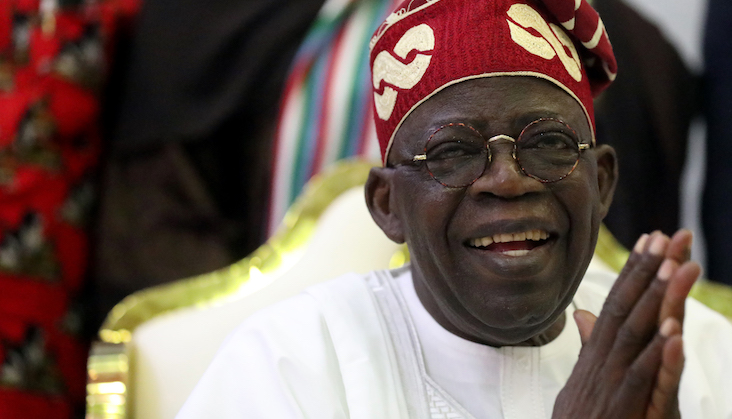
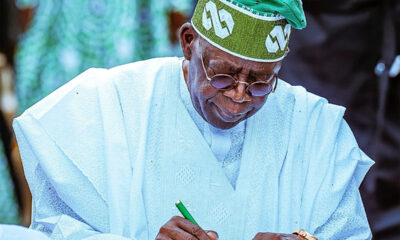
Expectations are high as President-elect Bola Tinubu is billed to make his first appointments after he is sworn in as President tomorrow.
Who makes the list and how strong is the team are some of the questions on the lip of people concerned about the enormity of the task ahead. The economy is in a shambles; lecturers, health workers and the entire labour group are anxiously waiting for a better deal. No time to waste.
There are at least three appointments that ordinarily should be made by the new President to keep the wheel of government moving pending when other appointments that must have the seal of the National Assembly will follow.
The three appointments are the Secretary to the Government of the Federation (SGF), Chief of Staff and presidential spokesperson.
There has been a jostle for appointments, including ministerial, under the Tinubu administration since the president-elect emerged after the February 25 presidential election.
Names have been mentioned as those being considered by Tinubu including those of very close associates but Sunday Vanguard was made to understand by sources close to the president-elect at the weekend that nothing was certain on appointments under the incoming administration including those that announced must, as a matter of tradition and necessity, be made tomorrow or Tuesday.
READ ALSO:
- Flying Eagles fail to break Brazil jinx, finish 3rd best losers in Group D
- We have no Islamisation agenda, I’m child of necessity, says Shettima
- In dramatic twist, Bayern snatch 11th consecutive Bundesliga title as Borussia Dortmund slip
The president-elect, it was learnt from multiple sources close to him, yesterday, has kept allies and close associates, among others, guessing over those that will form his cabinet.
Sunday Vanguard was reliably informed that Tinubu has refused to disclose the list of potential appointees at any level be it personal aides, Presidential Villa officials and ministers.
This, it was understood, is a source of intense anxiety among those lobbying to be appointed to the next government.
Meanwhile, there were insinuations that the Speaker of the House of Representatives, Mr Femi Gbajabiamila; Minister of Works and Housing, Mr Babatunde Fashola; Governor Nasir el-Rufai of Kaduna State and Mr James Faleke, a federal lawmaker from Lagos, are likely to play some roles in the Tinubu cabinet.
It has been reported that el-Rufai alongside two other outgoing governors – Aminu Masari of Katsina State and Atiku Bagudu of Kebbi State – are in the race for the SGF office.
Former Governor Kayode Fayemi of Ekiti State is also, according to reports, in the jostle for ministerial appointment. He is said to be highly favoured for the External Affairs portfolio.
Traditionally, top members of the ruling party who lost governorship election in their states are usually compensated with ministerial appointments and this may also play out in the unfolding Tinubu government.
Multiple sources, however, said Gbajabimila was facing huge opposition to the possibility of emerging as Chief of Staff to the President.
There has been no word on who will emerge as a presidential spokesperson but there are high-profile professionals around the president-elect who fit the bill.
Some of them served in the Tinubu Presidential Campaign and they include Mr Bayo Onanuga and Mr Dele Alake.
READ ALSO:
- Buhari to make farewell broadcast tomorrow morning
- Why I openly criticised some of my husband’s policies – Aisha Buhari
- Appeal court suspends judgement nullifying election of Abia gov-elect Otti
Tinubu keeping list secret
A source, who spoke on condition of anonymity, disclosed that all the names being peddled for appointments in the Tinubu administration remained in the realm of speculation.
The source said: “President Tinubu is likely to make his first appointments on Monday or Tuesday because he wants to hit the ground running.
“But all the conjectures about who is in and who is out in the cabinet and other appointments are in the realm of speculations.
”Everyone has continued to speculate but from what I know, the list is with the president-elect. “He is keeping it close to his chest. All those who go to him, he promises them but he won’t say anything.
“You know that Tinubu is also a politician but no one knows those on the list. Even the speculation about Femi Gbajabiamila being considered as Chief of Staff is dicey and not something anyone can confirm and, as you know, Gbajabiamila is going with him all over the place. I’m not sure if Gbajabiamila will get the Chief of Staff slot.
“We have also heard the names of Mr Babatunde Fashola who is speculated as being considered as the Attorney-General of the Federation as well as Mr James Faleke and Mallam Nasir El-Rufai who may be among those to be appointed”.
In Ondo, for instance, four persons are said to be in strong contention for the ministerial slot for the state. They are Chief Olusola Oke, Mr Lucky Aiyedatiwa, Hon Tajudeen Adeyemi Adetisoye and Prince Ademola Adegoroye.
Whereas Oke is a Senior Advocate of Nigeria (SAN), Aiyedatiwa a former Deputy Governor and Adegoroye a member of the outgoing federal cabinet, Adefisoye, fondly called Small Alhaji, is the outgoing member of the House of Representatives (Idanre/Ifedore Federal Constituency).
Apprehension as Tinubu makes first appointments on Monday
Vanguard with some additional reports







News
NEC Targets Cheaper Fares, Food Prices in 90-Day Plan to Ease Nigerians’ Hardship
NEC Targets Cheaper Fares, Food Prices in 90-Day Plan to Ease Nigerians’ Hardship
Nigerians struggling to cope with soaring food prices and transport fares may be in line for some relief as the National Economic Council has approved a 90-day economic action plan aimed at reducing the cost of living and making essential services more affordable.
At the heart of the initiative is a push to ensure that government economic reforms translate into tangible benefits for ordinary citizens, particularly commuters who spend a significant portion of their daily earnings travelling to work, trading centres and other places of livelihood.
The council has specifically directed federal and state governments to ensure that savings from the use of compressed natural gas-powered and electric vehicles are reflected in lower transport fares, rather than remaining with fleet owners and transport operators.
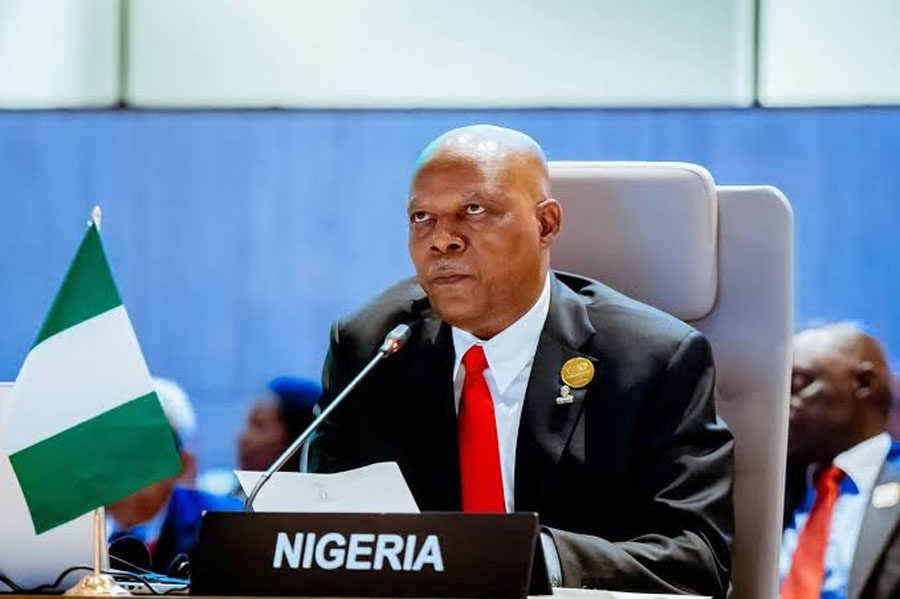
The plan was proposed by the Federal Ministry of Finance and endorsed on Thursday at the 161st meeting of the NEC, chaired virtually by Vice-President Kashim Shettima.
According to a statement by Stanley Nkwocha, the Senior Special Assistant to the Vice-President on Media and Communications, the 90-day programme has five priority areas: food affordability, tax harmonisation, completion of high-impact projects, removal of investment bottlenecks and regulated household support.
The council’s intervention comes amid persistent pressure on household budgets, with the rising cost of transportation and food leaving many Nigerians with less money to meet other essential needs.
For workers, traders, artisans and small business owners, cheaper transportation could mean retaining more of their daily earnings, while improved food affordability could ease the pressure on already stretched household incomes.
Speaking at the meeting, Shettima said the effectiveness of government policies should be judged by their impact on the daily lives of citizens, including access to affordable transportation, healthcare, employment and financial security.
“The first dividend of prosperity should be the confidence to plan a life. Our task is to make such confidence less dependent on fortune,” he said.
The Vice-President stressed that the National Compressed Natural Gas Bus Initiative should not be judged merely by the number of buses deployed but by how much it reduces the financial burden on commuters.
“The cost of reaching a livelihood should never consume the livelihood itself,” he said.
The council consequently resolved to establish a joint financing framework between the Federal Government and state governments to accelerate the deployment of CNG-powered and electric vehicles.
It also directed relevant authorities to engage transport unions and operators to ensure that the operational savings associated with the vehicles translate into lower fares for passengers.
The directive seeks to address a key concern surrounding the transition to alternative-energy transportation: whether the savings from cheaper fuel and more efficient operations will benefit commuters or simply improve operators’ profit margins.
Beyond transportation, the 90-day plan will focus on measures to improve food affordability, streamline taxation, remove barriers to investment and fast-track projects expected to deliver significant economic benefits.
The NEC also approved the establishment of a national dashboard to monitor projects across the country, with particular emphasis on transparency, accountability and tracking the utilisation of funds generated from the removal of petrol subsidies.
The monitoring mechanism is expected to strengthen oversight of public spending and improve the tracking of projects intended to cushion the effects of economic reforms.
Shettima called for closer cooperation between the Federal Government and state governments, warning that their separate responsibilities must not become excuses for failing to provide essential services.
However, the ultimate test of the 90-day plan will be whether Nigerians begin to experience measurable improvements in the cost of transportation, food and other necessities within the stipulated period.
For a worker who must spend a substantial part of a day’s wages getting to work, or a family struggling to put affordable meals on the table, the success of the initiative will not be determined by government announcements or the number of alternative-fuel buses introduced.
It will be measured by the money left in their pockets at the end of the day.
News
FG Moves Against Filling Stations Short-Changing Nigerians With False Measurements

FG Moves Against Filling Stations Short-Changing Nigerians With False Measurements
The Federal Government has announced plans to intensify nationwide surveillance against false measurements and short-changing of consumers at filling stations and other commercial outlets, warning businesses against practices that deny Nigerians the full value of their money.
The planned enforcement drive is expected to strengthen checks on measuring equipment used in commercial transactions, including fuel dispensers, as authorities seek to curb under-dispensing of petrol and other forms of measurement fraud.
The initiative comes amid renewed concerns about inaccurate fuel pumps at retail outlets, where motorists may pay for a specified quantity of petrol but receive less than the amount displayed on the dispensing meter.
The Nigerian Midstream and Downstream Petroleum Regulatory Authority (NMDPRA) has already raised the alarm over cases of under-dispensing at filling stations across the country and directed operators to carry out immediate calibration and verification of their dispensing equipment.
In September, the regulator warned that filling stations found delivering less fuel than customers paid for, using improperly calibrated equipment or otherwise compromising dispensing accuracy would face enforcement action. Persistent or serious violations could attract sanctions, including the revocation of operating licences.
The NMDPRA said the directive was intended to ensure that motorists receive the correct quantity of petroleum products and restore confidence in transactions within the downstream oil sector.
READ ALSO:
- Police Arrest Man Over Fake Presidency Number Plate in Abuja
- Shettima Blasts States Over Power Woes, Says Govs Must Stop Waiting for Abuja
- Fourth Gas Leak in Six Months: Over 100 Ogun Pupils Hospitalised, Schools Shut as Parents Panic
The regulator also called on industry associations, including the Independent Petroleum Marketers Association of Nigeria (IPMAN), the Petroleum Products Retail Outlets Association of Nigeria (PETROAN), the Major Energy Marketers Association of Nigeria and the Depot and Petroleum Products Marketers Association of Nigeria, to notify their members and ensure compliance.
PETROAN subsequently directed its members nationwide to inspect their dispensing meters, while its president, Billy Gillis-Harry, urged motorists to monitor pump readings and request receipts when buying fuel.
The association acknowledged that dispensing equipment could develop faults through prolonged use, potentially resulting in either under-dispensing or over-dispensing. It said regular checks were necessary to ensure that customers received the quantity for which they paid.
The Federal Government’s planned nationwide crackdown is expected to reinforce efforts to improve measurement accuracy and protect consumers from dishonest commercial practices.
The issue has become particularly significant amid high petrol prices and the deregulation of Nigeria’s downstream petroleum sector, which has left consumers facing varying pump prices across locations.
With motorists spending substantial amounts on fuel, even small discrepancies in dispensing measurements can result in financial losses when repeated across multiple transactions.
Authorities have continued to stress that filling station operators are responsible for ensuring that their equipment is properly maintained, calibrated and verified in line with applicable regulations.
The broader enforcement effort is also expected to address the use of faulty or manipulated measuring equipment in other commercial activities, where inaccurate weights and measurements can similarly short-change consumers.
The Federal Government’s stated objective is to promote fair trade, strengthen consumer protection and ensure that Nigerians receive the exact quantities of goods and services for which they pay.
However, the effectiveness of the planned crackdown will depend on consistent inspections, transparent enforcement and appropriate sanctions against businesses found violating measurement standards.
FG Moves Against Filling Stations Short-Changing Nigerians With False Measurements
News
Jubilation in Ogun Camp as 3,050 NYSC Members Receive ₦50,000 Palliative, 500 Mattresses
Jubilation in Ogun Camp as 3,050 NYSC Members Receive ₦50,000 Palliative, 500 Mattresses
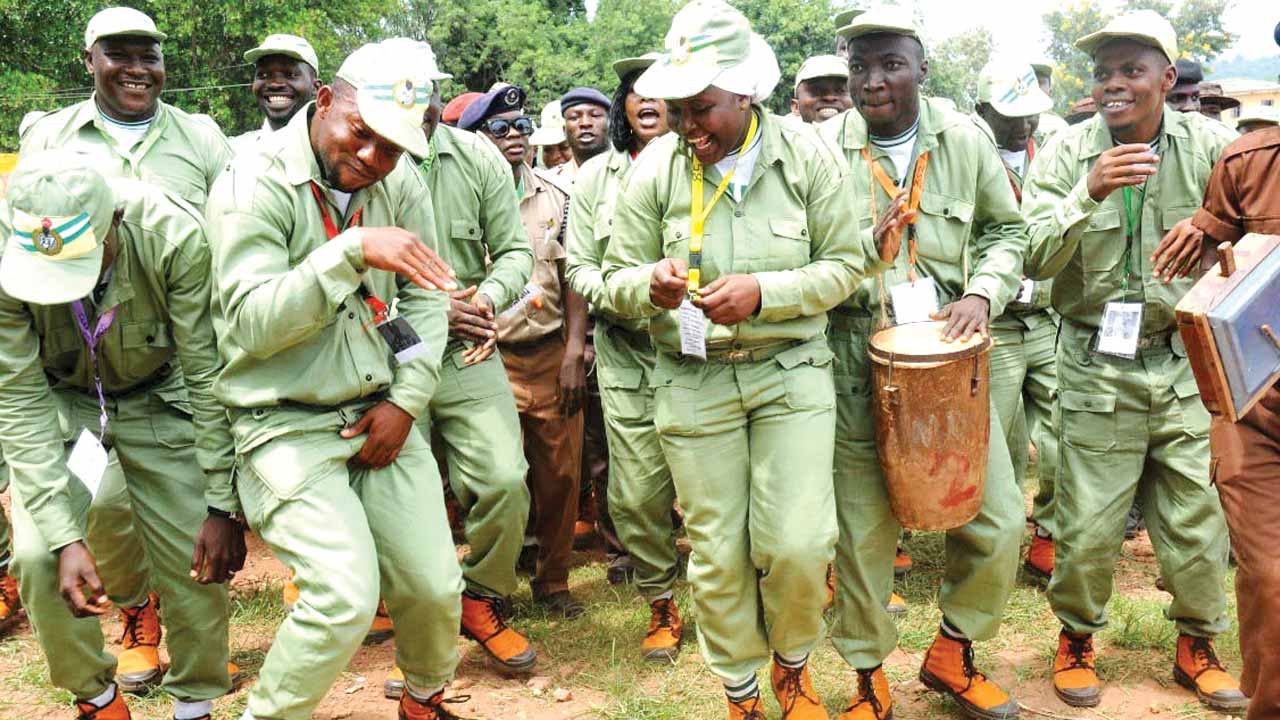
Abeokuta, Ogun State — There was widespread jubilation at the NYSC Orientation Camp in Ogun State on Wednesday following the announcement that 3,050 serving corps members will receive a one-off cash palliative of ₦50,000 to cushion the effects of the current economic hardship in the country.
The announcement, which was met with wild cheers and celebrations, comes as part of the state government’s efforts to support youths undergoing their mandatory one-year national service.
In addition to the cash disbursement, the Ogun State Government has also approved the immediate delivery of 500 mattresses to the camp to improve the living conditions of the corps members.
The news broke via a report by Pulse, detailing that the palliative is aimed at easing the financial burden on the young graduates, particularly in light of the rising cost of living and transportation across the nation.
Visuals from the camp showed corps members in their traditional white and green kits, raising their caps in excitement, a clear indication of the relief the financial support brings.
Speaking on the development, a camp official noted that the cash injection will go a long way in helping the corps members manage their daily expenses, including transportation to their Places of Primary Assignment (PPA) and personal upkeep.
The distribution of the ₦50,000 cash palliative and the provision of the 500 mattresses are expected to be rolled out in the coming days. The move has been widely commended by stakeholders who view it as a proactive step by the Ogun State Government to prioritize the welfare of youths serving in the state.
Jubilation in Ogun Camp as 3,050 NYSC Members Receive ₦50,000 Palliative, 500 Mattresses
-
 metro3 days ago
Atiku: US Lobbying Firm Raises Alarm Over Alleged Assassination Plot
-

 metro3 days ago
‘We Don’t Know What Else to Do’ — Mother Begs for Release of Abducted Children
-

 metro2 days ago
Five Arraigned Over Kidnapping of 20 Prospective NYSC Members in Imo
-

 Auto3 days ago
Beyond the Showroom: Why After-Sales Service Will Define Auto Industry Winners
-

 Auto2 days ago
Hyundai Unveils Mufasa, Grand Creta SUVs to Strengthen Nigeria Line-up (Updated)
-

 Auto2 days ago
Happening now: Hyundai unveiling of Mufasa and Grand Creta
-

 Education2 days ago
NELFUND Warns Schools: Student Loans Are Voluntary, Not Compulsory
-

 Auto2 days ago
No 5% Petrol Tax Plan, Oyedele Says, Amid Public Concerns