

News
DHQ prepares 2 battalions for Niger’s invasion, directs service chiefs to compile war items

DHQ prepares 2 battalions for Niger’s invasion, directs service chiefs to compile war items
In compliance with the directives of the Economic Community of West African States, the Defence Headquarters (DHQ) has commenced build-up preparations for the possible mobilisation of troops and equipment for a possible confrontation with the junta in Niger Republic.
However, the ECOWAS Parliament is divided over the use of military might to force the junta, which overthrew President Mohamed Bazoum on July 26, out of power and to reinstate the Nigerien President.
The Nigerian military high command, it was gathered, had directed the service chiefs to compile and submit war requirements such as the number of personnel, equipment, logistics and financial costs to the Chief of Defence Staff.
It was gathered on Friday that this was the preliminary stage in the planning process of amassing human and material resources required for the planned military intervention in Niger.
A leaked memo indicated that about two battalions would be required to prosecute the war against the junta in Niger Republic.
A battalion is a military unit typically consisting of 300 to 1,000 soldiers commanded by a lieutenant colonel, and subdivided into a number of companies (usually each commanded by a major or a captain).
But a military source said the total number of troops should be at least “10 times more than that of the enemy.”
READ ALSO:
-
Beans, fish, Ogbono among 10 rejected Nigerian goods abroad – NAFDAC
-
Ronaldo wins first trophy with Al-Nassr
-
As World Athletics clears Tobi Amusan, will she shine at Budapest?
Apart from Nigeria, Senegal, Benin and Ivory Coast, other ECOWAS member states are expected to commit troops to the standby force.
ECOWAS had on Thursday activated its standby force for military action against the junta in Niger Republic.
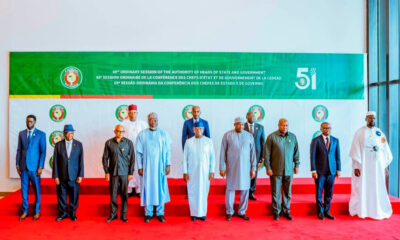
The decision was taken at an extraordinary summit of the ECOWAS Authority of Heads of States and Government hosted by President Bola Tinubu in Abuja.
The summit was attended by top diplomats from the United Nations, African Union and the regional bloc.
The junta led by General Abdourahmane Tchiani had defiantly refused to yield to entreaties and diplomatic pressure to reinstate Bazoum, who has been in detention at his residence since the takeover on July 26.
Following the coup, the ECOWAS imposed a battery of sanctions on the francophone country to compel the military leaders to reinstate the ousted president.
But the coup plotters ignored a one-week ultimatum to restore democracy issued by ECOWAS and also refused to meet with a delegation led by former Nigerian military Head of State, General Abdulsalami Abubakar, last week Thursday.
On Monday, the junta similarly denied the acting United States Deputy Secretary of State, Victoria Nuland, access to the coup leader and Bazoum.
Also, plans by a joint UN/AU/ECOWAS delegation to visit Niamey on Tuesday were aborted after the coup leaders said they were unavailable to meet with the mission.
On Tuesday, presidential spokesman, Ajuri Ngelale, announced that more sanctions had been imposed on the individuals and entities relating with the Niger military junta.
The new sanctions imposed by the Central Bank of Nigeria will prevent Nigerien banks from carrying out financial transactions with their Nigerian counterparts.
The restriction also applied to the coup plotters and their collaborators.
READ ALSO:
- Mbappe, Neymar omitted from PSG squad for opening ligue 1 fixture
-
JUST IN: Gov Uzodinma dumps deputy, picks female running mate
-
Anthony Joshua beats Helenius to secure first knockout win in three years
In reaction to the planned military intervention authorised by the sub-regional body, the Niger military leaders threatened to kill Bazoum should the ECOWAS attempt any military operation to restore democracy in the francophone country.
However, giving an update on the ECOWAS resolution on Friday, reliable military sources said the Nigerian military authorities had started activating the necessary levers to give full expression to the resolutions of the West African leaders.
A source noted that the Defence Headquarters would coordinate the deployment of troops and equipment for the operation.
‘’No deployment has been made for now, but the build-up is ongoing. Services are to forward requirements such as the required number of men, equipment as well as funds that would be needed to mobilise troops to Niger. The DHQ will coordinate the deployment of troops for the operation in Niger,” the source stated.
When asked about the total number of troops that would be deployed, another source stated, “Military deployments are shrouded in secrecy, but it depends on how many men would be contributed by all members of ECOWAS. The total force should be at least 10 times more than that of the enemy.”
However, the Director of Defence Information, Brig. Gen. Tukur Gusau, assured Nigerians that the participation of the country in the military operation in Niger would not affect the ongoing war against insecurity in the country.
His reaction followed concerns by security experts that military involvement in Niger might impact the ongoing operations against criminal elements across the country.
Asked if the ongoing operation against members of the Indigenous People of Biafra and the Eastern Security Network, Boko Haram terrorists and bandits would not suffer setbacks with the planned deployment of troops to Niger, Gusau said, “I want to assure you that it will not in any way.”
The DHQ spokesman declined to speak on the preparations for the planned military intervention in Niger.
DHQ prepares 2 battalions for Niger’s invasion, directs service chiefs to compile war items
(PUNCH)








Interview
“Not as Corrupt as the World Thinks”: Reno Omokri Defends Nigeria’s Image and Safety
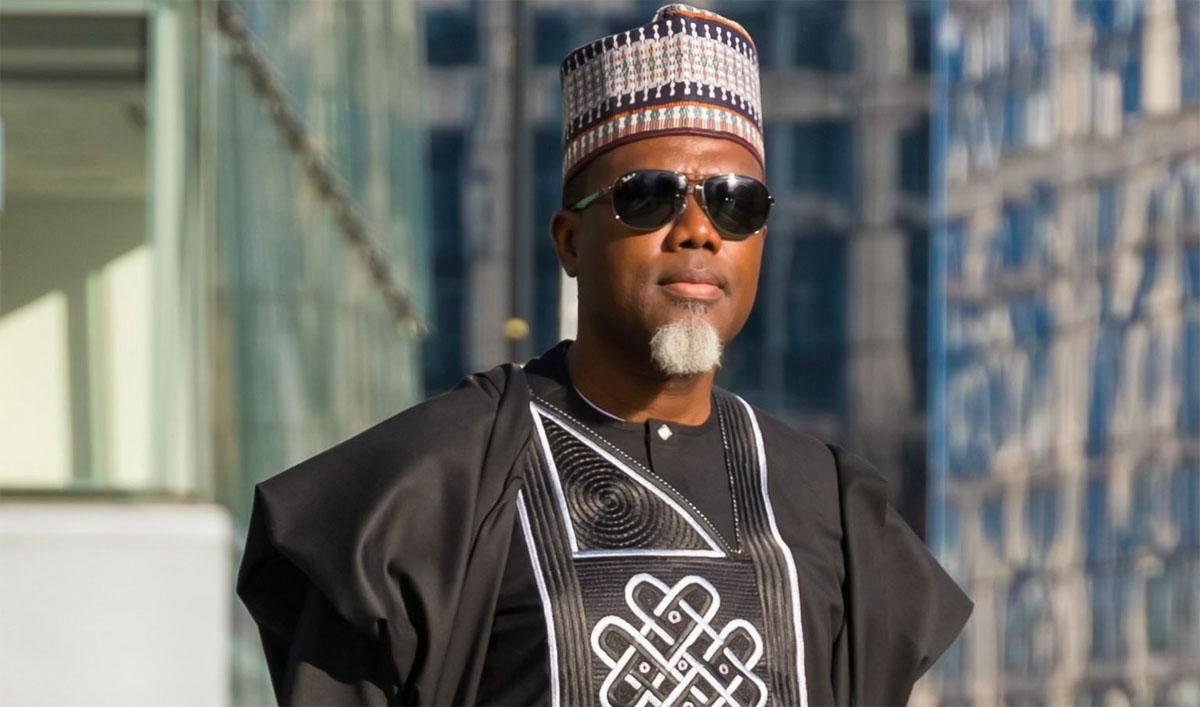
Citing economic growth and safe public festivals, Reno Omokri urges the nation to tell its own story rather than rely on external perception indexes.
Nigeria is not nearly as corrupt or unsafe as foreign reports claim, according to Reno Omokri, Nigeria’s Ambassador-designate to Mexico. In a television interview on Channels Television, Omokri explained that international assessment groups often misunderstand Nigerian customs because they apply global benchmarks that ignore local traditions.
A central issue, Omokri noted, is how different cultures view appreciation. In Nigerian society, offering a gift to say thank you to an official who provides excellent service is a familiar sign of respect, much like tipping in other parts of the world.
However, international observers often label this practice as corruption. Omokri stated that the country needs to share its own experiences directly with the world rather than allowing outside groups to set a negative narrative.
Omokri also defended the country’s safety record by pointing to Lagos, where the economy has expanded steadily and major cultural events draw massive crowds.
He highlighted the annual holiday season in Lagos, which brings more than one million visitors together peacefully each year. For Omokri, these vibrant events show that everyday life in Nigeria is full of energy, community warmth, and safety.
News
‘Jobs Must Not Be Based on Connections’ — Oyintiloye Tells FCC
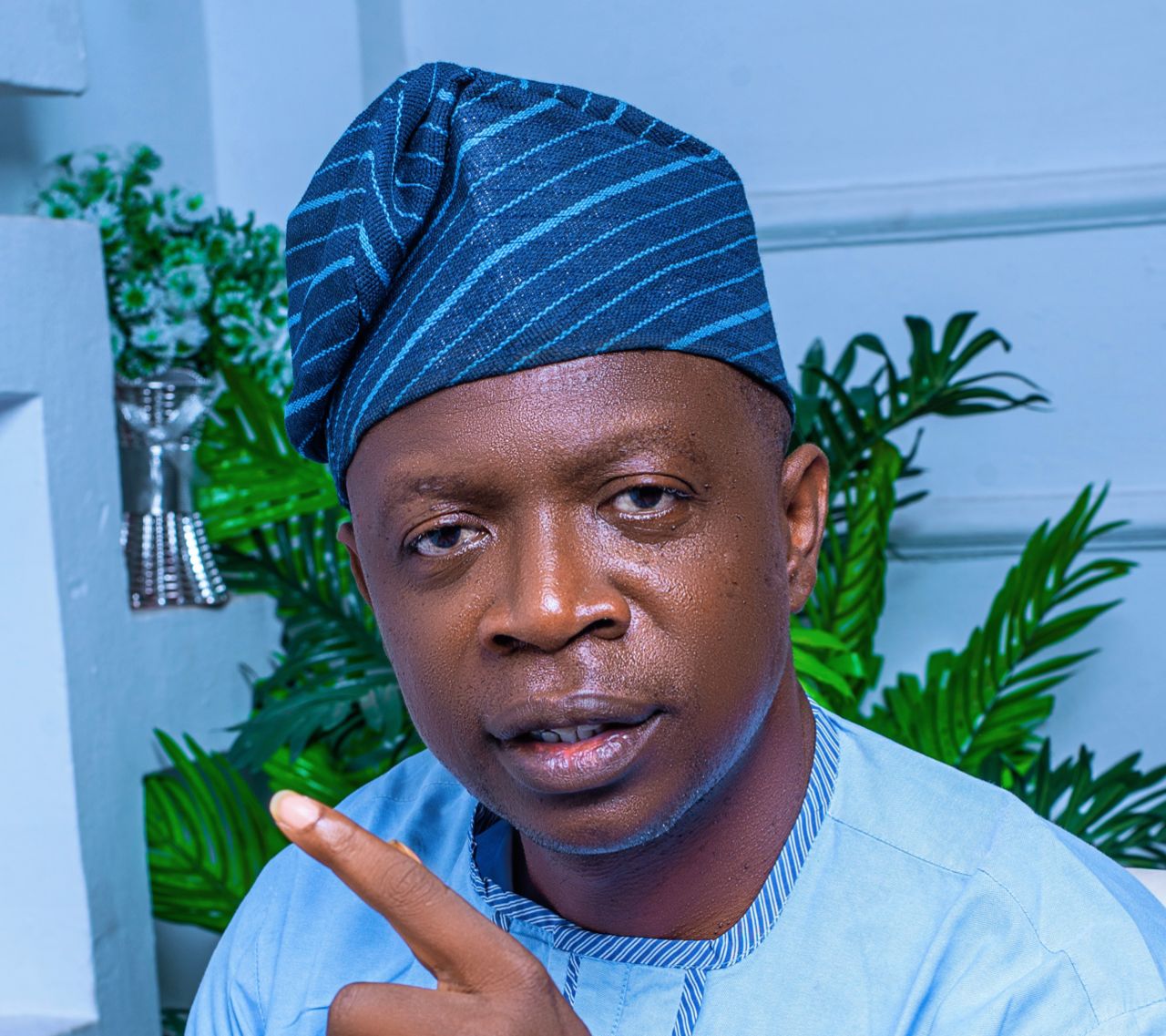
Calls for greater transparency in the distribution of federal employment opportunities have intensified, with APC chieftain Olatunbosun Oyintiloye urging the Federal Character Commission to ensure that recruitment is not influenced by powerful individuals.
Oyintiloye, speaking in Osogbo, Osun State, appealed to the commission’s Executive Chairman, Ayo Hulayat Omidiran, to stand firm against intimidation or pressure while carrying out her responsibilities.
According to him, the credibility of federal recruitment depends on giving qualified Nigerians a fair chance, regardless of their background or connections.
He said the FCC should strengthen its oversight of recruitment processes and prevent situations where applicants are disadvantaged through manipulation or other improper practices.
“The FCC must adopt a renewed commitment to building a commission where merit, fairness and the principles of federal character guide the management of employment opportunities across the public service” Oyintiloye said.
His appeal comes shortly after Omidiran publicly reiterated that federal government jobs were not for sale and that employment opportunities should be available to Nigerians regardless of social status.
Oyintiloye said the position of the FCC was particularly important because of its constitutional responsibility to promote equitable representation in federal institutions.
He also praised the commission for addressing concerns over fairness in recruitment and allegations of corrupt practices, saying greater openness could help rebuild public confidence.
The APC chieftain further urged the commission to ensure that recruitment opportunities are communicated clearly and that qualified applicants from all parts of the country are given an equitable chance.
He expressed confidence that reforms under Omidiran could strengthen the FCC’s credibility, while encouraging job seekers to rely on legitimate recruitment announcements rather than individuals claiming to have connections within the commission.
The FCC itself has warned Nigerians about people offering supposed shortcuts into federal employment, stressing that it does not sell jobs or select candidates for federal appointments.
News
Nwifuru Dismisses Cubana Chief Priest as ‘Attention-Seeker’
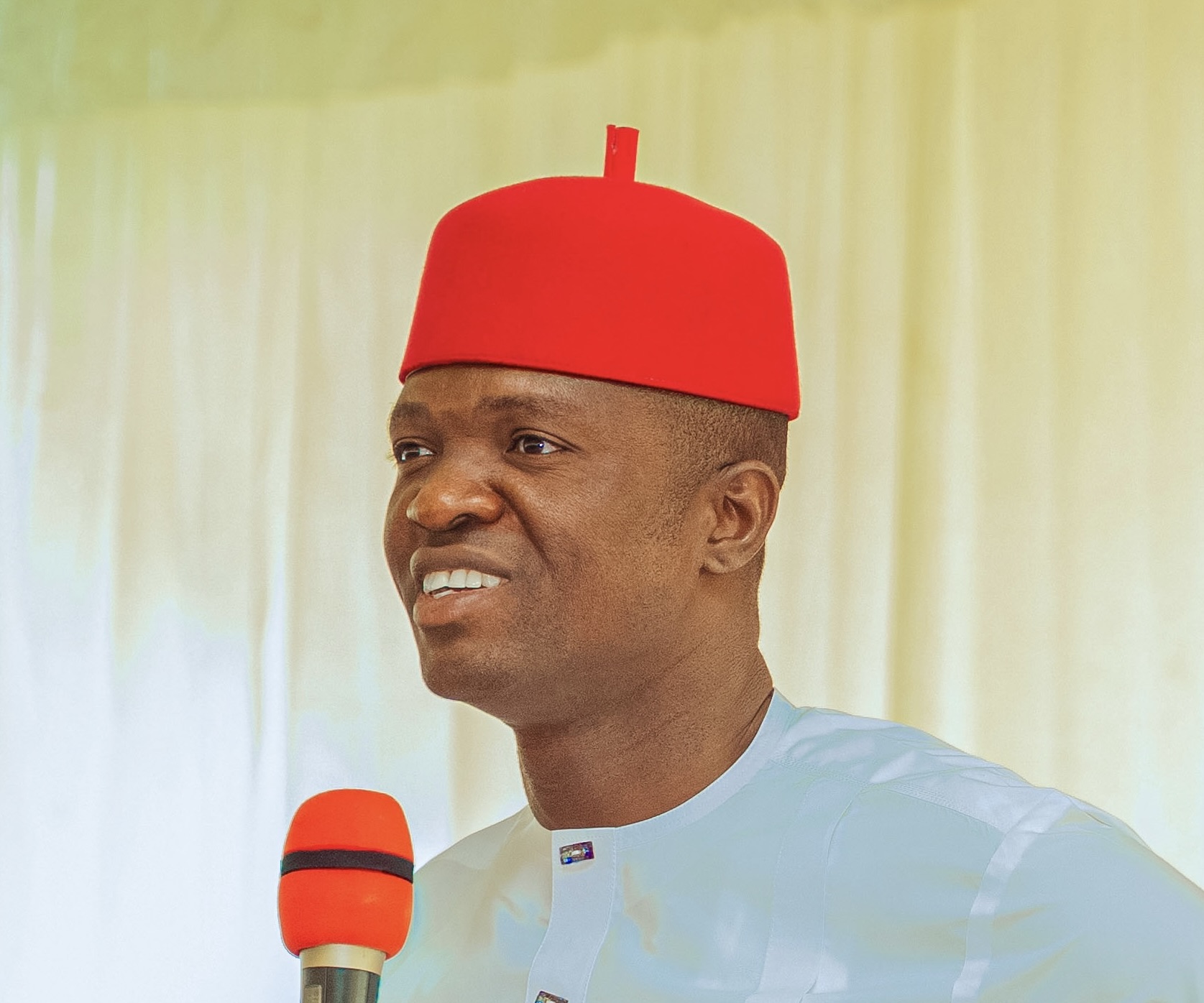
Ebonyi State Governor Francis Nwifuru has hit back at socialite and businessman Paschal Okechukwu, better known as Cubana Chief Priest, after the latter criticised his administration.
The governor dismissed the businessman’s comments while speaking at an event in Abakaliki, saying he had no interest in engaging with him.
“I don’t have time for Cubana Chief Priest. He’s a mere attention-seeker and an individual of no consequence” Nwifuru said.
He added, “However, if I remember him, I feel sorry for him.”
The exchange followed comments by Cubana Chief Priest questioning the governor’s performance in office. He reportedly challenged Nwifuru to explain how an administration could spend about three years in office without having major projects commissioned by the President or other state governors.
The remarks had earlier attracted criticism from Chinedu Ogah, the member representing Ikwo/Ezza South Federal Constituency in the House of Representatives.
Ogah condemned Cubana Chief Priest’s comments, defending the governor’s administration.
Nwifuru’s response now adds another layer to the controversy, although the governor did not provide a detailed response to the specific claims made about projects commissioned under his administration.
The disagreement has consequently shifted attention to the broader question of the Ebonyi government’s record on infrastructure and development projects since Nwifuru assumed office.
-

 metro3 days ago
Ondo Herbal Drink Tragedy: Survivor Vows Never to Drink Again as Death Toll Tops 30
-
 Business3 days ago
Dangote: ₦525 Refinery Shares Could Rise to ₦10,000
-

 metro3 days ago
Sokoto Cleric Stabbed Twice in Neck After Juma’at Prayer, Attacker Killed
-
 News2 days ago
SERAP Threatens Legal Action Over ₦126bn INEC Electoral Funds
-

 metro3 days ago
MURIC fires back at Peter Obi: Forget Sallah ceremony, free Nigerian Muslims
-
 metro3 days ago
Abia Police Arrest Father, Three Others Over Alleged Attempt to Sell 16-Month-Old Daughter
-
 International3 days ago
Trump Tells Supporters to ‘Cheat Like Hell’ Ahead of US Election
-
 metro3 days ago
FG Targets 2 Million Creative Jobs by 2030