

metro
Terrorism/Kidnapping: Influential Northern Senator under watch
Terrorism/Kidnapping: Influential Northern Senator under watch
…Accused of holding regular meetings with terror suspects in Abuja
…knows the whereabouts of kidnapped Zamfara female varsity students, corps members
An influential Northern Senator is being closely watched by security agencies in the country for reportedly spearheading terrorism, banditry and Kidnapping.
The powerful lawmaker, who is also heading a sensitive committee in the Senate, has been identified as one of the sponsors and financiers of banditry and other terror-related activities in the North, competent sources told Saturday Vanguard last night.
The top sources, who spoke in confidence with our correspondent, admitted that the unpatriotic actions of the senator were already known to relevant government agencies and he would soon be made to account for his heinous deeds.
One of the sources said: “We are aware of the Senator’s unholy relationship with the enemies of state, including the number of times he had held nocturnal meetings with kidnappers, bandits and terrorists in Abuja, the seat of power”.
It was also learnt that the parliamentarian, who is allegedly linked to an outspoken Islamic scholar, brings his overwhelming influence to bear on investigative activities of relevant security agencies.
Among other crimes allegedly committed by the lawmaker is the fact that he knows those behind the kidnap of some female students of the Federal University, Gusau, Zamfara State and the corps members from Akwa Ibom State who were seized on their way to Sokoto and have since been kept away by their abductors.
One of the top sources said further on the antics of the Senator: “Relevant security agencies have since unravelled the identity of a Senator from the North, who is the chief sponsor and financier of banditry and other terror-related activities in parts of the North.
“As a matter of fact, he is in marriage with the bandits, who have been terrorising the North Central and the North West areas.
READ ALSO:
- Tinubu, Nigeria is sinking and streets are full of tears – Farooq Kperogi
- Big trouble as wife catches husband sleeping with mum
- Expectant mother of nine in police net for murder over bunch of plantain
“His tendencies are so disruptive and over-arching that he interferes with the investigative activities of security and other law enforcement agencies, who have continued to make inroads into terrorism, sponsorship and financing.
“Let me shock you: investigations have so far revealed that the lawmaker knows where kidnapped Zamfara female varsity students, and members of the National Youth Service Corps are being held”.











metro
37 Miners’ Deaths in Custody: Suspended NSCDC Commandant Admits Tragedy Was Avoidable, Apologises to Families
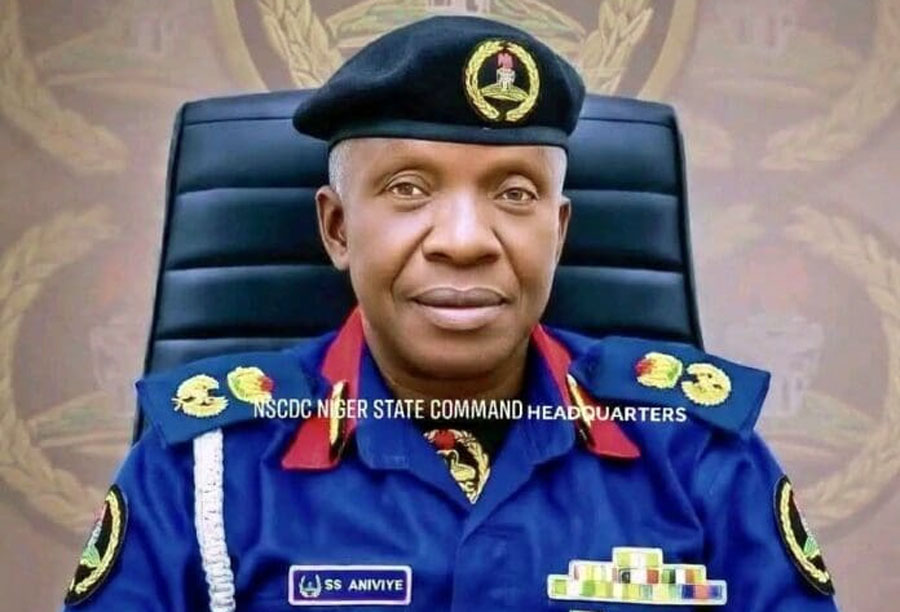
The suspended Niger State Commandant of the Nigeria Security and Civil Defence Corps (NSCDC), Suberu Aniviye, has admitted that the deaths of 37 suspected illegal miners in the agency’s custody could have been prevented, describing the incident as a costly mistake and apologising to the victims’ families.
Aniviye made the admission while testifying before the judicial commission of inquiry chaired by Justice Muhammad Muhammad in Minna, Niger State, which is investigating the circumstances surrounding the deaths in September 2026.
The former commandant expressed regret over the incident and apologised to the bereaved families, the Niger State Government and residents affected by the tragedy.
“A mistake has been made, but a very costly one. My apology to the parents of the deceased and to the people and government of Niger State,” he told the commission.
His testimony has added to growing questions about the treatment of detainees, the conditions inside the detention facility and whether timely intervention by security officials could have prevented the deaths.
The incident occurred after NSCDC personnel arrested suspected illegal miners during enforcement operations around the M.I. Wushishi Housing Estate and Lukoto areas of Minna in September.
Aniviye told the commission that he assumed duty as Niger State commandant on August 25, 2025, and remained in office until September 18, 2026.
According to him, the operation followed complaints from residents who alleged that mining activities were disrupting their community and affecting properties around the M.I. Wushishi Housing Estate.
He said he visited the area on September 15, 2026, and directed the command’s Head of Operations, Assistant Commandant of Corps Joha Achagwa, to act on the complaints.
The directive led to the deployment of the NSCDC’s Mining Marshal Unit, which arrested suspected illegal miners during an operation on the evening of September 16.
READ ALSO:
- IBEDC Announces Major Power Outage in Ogun Region Over Network Load Restriction
- Gunmen Kill Two Policemen, Raze Station, Patrol Van in Daring Attack on Aba Police Division
- COAS Storms Borno as Tinubu Orders Rescue of All Abductees, Destruction of Terrorist Camps
Aniviye said he received a telephone call the following day informing him that some of the detainees had died. He subsequently rushed to the command headquarters, where he found several bodies inside the detention cell.
He told the commission that he contacted Niger State Governor, Umaru Bago, who directed that the bodies be taken to a hospital. He also said he notified the Commissioner of Police and the Director of the Department of State Services.
The suspended commandant disclosed that the suspects were scheduled to be arraigned in court on September 17, but the deaths occurred before the planned proceedings.
The tragedy triggered widespread outrage and renewed calls for accountability over the treatment of people held in the custody of law enforcement agencies.
The Federal Government and the Niger State Government subsequently initiated separate investigations to establish what happened and determine whether officers or other individuals should face disciplinary or criminal consequences.
The National Human Rights Commission also called for an independent investigation and forensic examinations, stressing the need to protect the rights of people in custody regardless of the allegations against them.
The commission also heard testimony from the suspended head of the NSCDC legal unit, Assistant Commandant of Corps Stephen Tsado, who said he had advised Aniviye to release underage suspects to their parents on bail.
Tsado explained that his responsibilities included preparing case files, forwarding cases for prosecution and providing legal advice to the commandant.
He said he discovered that some of those arrested were minors and urged Aniviye to grant them bail to their parents, citing the need to protect their rights. However, the legal officer told the commission that he could not explain why his recommendation was not implemented.
His testimony has raised questions about the handling of underage detainees, the legal basis for their continued detention and whether adequate safeguards were observed during the operation. The commission is expected to examine the decisions made by officers during the arrests and detention, including whether established procedures for handling minors were followed.
A nurse attached to the NSCDC medical unit, Maryam Etang, also testified about her visits to the detention facility on September 16 and 17.
Etang said one of the suspects was coughing severely on September 17, around the time the bodies were being removed from the cell.
She further told the commission that she was surprised to find the body of a man identified as Emeka Emmanuel among those removed from the facility. According to her testimony, Emmanuel was not among the miners arrested during the operation.
Her account has raised additional questions about how Emmanuel came to be held in the detention facility and the circumstances surrounding his death. The commission will need to establish the identities of all the deceased, determine how they came into custody and reconstruct the sequence of events leading to the deaths.
Accounts from survivors have added another dimension to the investigation, with some alleging that detainees were confined in an overcrowded and poorly ventilated cell.
According to reports published by news organisations, survivors described difficulties breathing while in detention and alleged that an unidentified substance was sprayed inside the cell.
READ ALSO:
- 2027: Shehu Sani Breaks Silence on Claims Kwankwaso Is Working for Tinubu
- Omoda, Jaecoo Storm Europe as Global Sales Surge 123% to 73,421
- 16-Year-Old Girl Recounts Horror of Hookup Encounter, Says Man Threatened Her With Knife, Acid
Some reportedly experienced coughing and other breathing difficulties, while others said detainees collapsed and shouted for help.
Reuters reported that survivors described a cell measuring approximately five square metres in which nearly 70 people were allegedly confined. Some survivors described the substance as having a pepper-like smell.
These accounts have not independently established the cause of the deaths or identified who, if anyone, was responsible for the alleged spraying.
The NSCDC initially suggested a possible disease outbreak, but the actual cause of death remained subject to medical and forensic investigation in the reports reviewed.
Establishing the precise cause of death is critical to determining whether the incident resulted from overcrowding, exposure to a substance, an infectious disease, other medical complications or a combination of factors.
A Federal Government investigative committee chaired by retired Department of State Services Deputy Director-General Jonathan Kure reported preliminary findings pointing to possible institutional breakdown, inadequate training and overzealousness as issues requiring further examination.
The committee said it had inspected the detention facility and mining site, collected statements from NSCDC personnel, survivors and relatives of the deceased, and obtained documentary and forensic evidence.
It also conducted autopsies but indicated that further work was required before definitive conclusions could be reached about the circumstances and cause of death.
The panel requested additional time to complete its assignment, citing the volume of evidence to be reviewed, pending pathology reports and the need to allow persons implicated in the incident to respond to allegations against them.
The preliminary observations do not amount to a final determination of criminal responsibility. The committee’s eventual report is expected to clarify the chain of events, identify possible operational failures and recommend measures to prevent similar incidents.
Governor Bago inaugurated a nine-member judicial commission of inquiry on September 23, 2026, to investigate the deaths.
The commission, chaired by Justice Muhammad Muhammad, was tasked with examining the circumstances surrounding the incident and making recommendations to the state government.
Its mandate includes reviewing the legality of the arrests and detention, the conditions in which the suspects were held, their treatment while in custody and the medical and forensic evidence relating to the deaths.
The commission is also expected to examine accountability and determine whether existing procedures were followed by the officers involved.
The reported number of bodies received at the mortuary has also raised questions requiring clarification. While the state government confirmed that 37 detainees died, testimony attributed to a mortician indicated that 33 bodies were delivered to the hospital’s mortuary.
The discrepancy underscores the need for a complete accounting of the victims and a clear explanation of how the bodies were handled after the incident.
President Bola Ahmed Tinubu ordered a comprehensive and transparent investigation, while the Minister of Interior, Olubunmi Tunji-Ojo, announced the suspension of officers connected with the incident.
The investigations are expected to establish the extent of individual and institutional responsibility and determine whether any officers should face disciplinary action or prosecution.
The deaths triggered protests in Minna, prompting the Niger State Government to impose a curfew amid heightened tension. Governor Bago also declared a period of mourning for the victims.
For the bereaved families, Aniviye’s apology is an expression of regret, but it does not resolve the central questions surrounding how dozens of people died while in the custody of a government security agency.
The investigations must establish the cause of the deaths, determine whether the detainees received adequate medical attention, assess compliance with detention procedures and establish whether negligence or other misconduct occurred.
The findings will also be important in determining whether the victims’ families are entitled to further remedies and what measures should be introduced to prevent a recurrence.
Although the suspended commandant has acknowledged that the tragedy could have been avoided, the final reports of the investigative panels remain crucial to establishing the facts and determining accountability.
The case has renewed attention on the responsibility of security agencies to protect the lives and fundamental rights of detainees, ensure appropriate medical care and comply with due process, even when those in custody are suspected of committing offences.
37 Miners’ Deaths in Custody: Suspended NSCDC Commandant Admits Tragedy Was Avoidable, Apologises to Families
metro
Singlet Dispute Turns Deadly as 23-Year-Old Kills Elder Brother in Kaduna

Singlet Dispute Turns Deadly as 23-Year-Old Kills Elder Brother in Kaduna
A family dispute over a singlet has reportedly turned fatal in Kaduna State, where a 23-year-old man, Aliyu Abubakar, is accused of killing his 25-year-old elder brother, Hafis Abubakar.
The incident reportedly occurred last Thursday along Wakili Street in the Kwangila area of Sabon Gari Local Government Area, leaving residents shocked.
According to reports, community members rushed to the scene after receiving information about the incident but found Hafis lying in a pool of blood. Efforts to take him to a hospital were reportedly unsuccessful, as he later died.
The district head of Kwangila, Alhaji Ya’u Shehu, who spoke to Aminiya, said the deceased had left behind a child. He also disclosed that the brothers’ father was dead.
A woman identified as the brothers’ stepmother reportedly said the disagreement began after Aliyu accused Hafis of repeatedly taking his clothes, including the singlet at the centre of the dispute.
READ ALSO:
- IBEDC Announces Major Power Outage in Ogun Region Over Network Load Restriction
- Gunmen Kill Two Policemen, Raze Station, Patrol Van in Daring Attack on Aba Police Division
- COAS Storms Borno as Tinubu Orders Rescue of All Abductees, Destruction of Terrorist Camps
She alleged that the confrontation escalated after Aliyu began insulting their mother. Hafis reportedly intervened when his younger brother allegedly threatened her.
According to the woman, Hafis picked up a cutlass and confronted Aliyu, who allegedly retaliated with a knife, cutting his elder brother’s throat.
The woman said residents raised the alarm, but Aliyu and their mother, A’isha Abubakar, had reportedly left before community leaders and the police arrived.
Some neighbours told Aminiya that the brothers frequently quarrelled and alleged that both were involved in drug abuse. These allegations have not been independently verified.
Residents also reportedly said tensions between the brothers had increased in the days preceding the incident, with the dispute over clothing said to have triggered the latest confrontation.
The Divisional Police Officer in Sabon Gari reportedly confirmed that the police had arrested A’isha Abubakar, the brothers’ mother, while Aliyu remained at large.
The officer added that efforts were ongoing to apprehend the principal suspect and that details of the incident had been forwarded to the Kaduna State Police Command for further investigation.
Attempts to reach the command’s spokesperson, DSP Mansur Hassan, for further comments were reportedly unsuccessful as of the time the initial report was filed.
The circumstances surrounding the incident remain subject to police investigation, and the allegations against the suspect have yet to be tested in court.
Singlet Dispute Turns Deadly as 23-Year-Old Kills Elder Brother in Kaduna
metro
IBEDC Announces Major Power Outage in Ogun Region Over Network Load Restriction
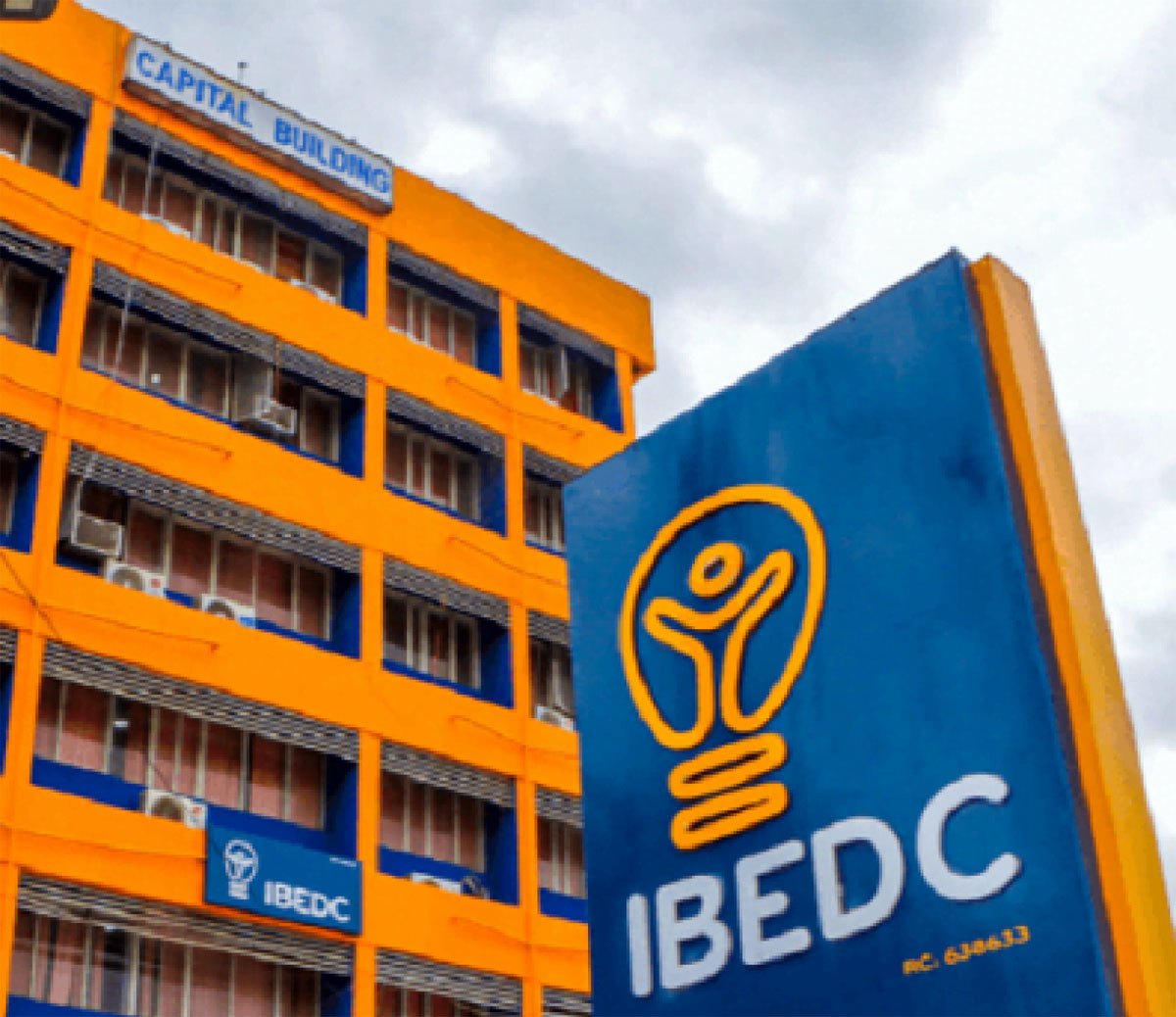
IBEDC Announces Major Power Outage in Ogun Region Over Network Load Restriction
Abeokuta, Ogun State — Residents and businesses across major parts of Ogun State are bracing for a significant disruption in electricity supply following an official notice of power outage issued by the Ibadan Electricity Distribution Company (IBEDC).
In a statement released on Saturday, October 17, 2026, and signed by the Ogun Region office, the utility company attributed the impending blackout to load restrictions on the Ota/Papalanto/Abeokuta 132kV network. According to the management, this restriction is severely impacting the available power supply to their 33kV feeders serving the region.
The notice, which was directed to “Esteemed Customers,” indicates that the power rationing will affect a vast array of communities across the state.
Providing a comprehensive list of the affected areas, IBEDC stated that customers in Itele, Iyesi, Osuke, Lafenwa, Oju-Ore, Ilogbo, Ewupe, Singer, Jacross, Ore-Meta, Iju, and Iju Love will experience reduced power supply.
Other affected locations include Mopin, Ota Industrial Estate, Housing Estate, Afobaje, Olosun, Oke-Ola, Alishiba, GRA, The Bell, Igberen, Davol, Iyana-Iyesi, Olokuta, High Court, Oloko, Obasanjo, Ayetoro, Imeko, Ilaro, Ifo, Papalanto, Ijako, Idiroko, and Odeda.
The outage also extends to Owode-Egba, Kobape, Bisodun, Omu, Arigbawonwo, Siun, Asipa, Orile-Imo, New Makun City, Pentagon Estate, Lufuwape, Ibafo, Mowe, Lotto, Olowotedo, Orimerunmu, Ofada Town, Pakuro, Ogunrun, Asa-Bala, Mayegun, and the Christ Embassy Area.
Furthermore, residents in Ijagba, Akeja, Owode Ijako, Ibogun, Ajegunle, Ilepa, Ijako Onihale, Abeokuta, and its environs are equally expected to be affected by the load restriction.
IBEDC noted that it is actively monitoring the situation in collaboration with its value chain partners to resolve the issue and restore normal supply. The company promised to keep its customers updated on any new developments regarding the network.
“We sincerely apologize for the inconvenience,” the statement concluded, acknowledging the impact the reduced power supply will have on homes, industries, and commercial activities in the affected areas.
Customers experiencing prolonged outages or requiring further clarifications have been urged to contact the company via its customer care lines at 0805 500 9999 or 0915 500 9999, or through their official social media handles.
IBEDC Announces Major Power Outage in Ogun Region Over Network Load Restriction
-

 metro2 days ago
₦130m Toyota Tundra Wrecked: Lagos Dealer Questions Police Over Suspect’s Release
-

 News2 days ago
₦200m Fake Alcohol Packaging Uncovered as NAFDAC Raids Aba Market
-

 metro1 day ago
Suspended Archbishop Ibezim Drags Anglican Primate to Court, Challenges Six-Month Leave
-

 Sports2 days ago
Real Madrid Demand Tebas’ Exit After Explosive Nazi Propaganda Row
-
 News3 days ago
Terrorists Storm Borno Military Post in Fierce Gun Battle, Soldiers Feared Dead
-

 metro3 days ago
Former Senator Bello Mandiya Found Dead in Bathroom Three Days After Fall
-

 Entertainment2 days ago
ToluwaniSings’ Final Hours: Aide Reveals Desperate Search Across 8 Hospitals
-
 International3 days ago
School Turns Death Trap as Roof Collapse Claims 22 Lives