

News
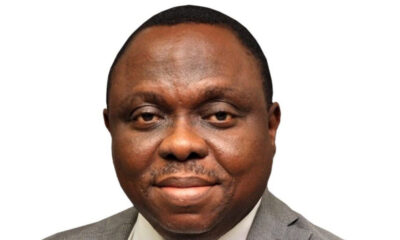
Tinubu says Nigeria still generating 4.5GW of electricity shameful
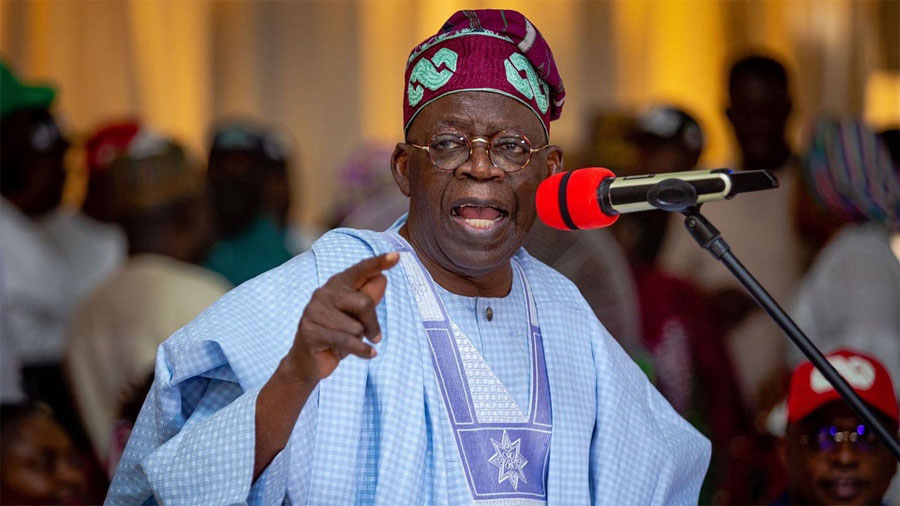
Tinubu says Nigeria still generating 4.5GW of electricity shameful
President Bola Tinubu has expressed displeasure that Nigeria despite its size is still generating 4.5GW of electricity.
He underscored the need for innovative solutions to the country’s economic challenges, noting the importance of public-private partnerships in driving economic reforms.
According to him, ”We have the challenge of energy security in Nigeria. We need to work together to improve our oil and gas sector, and we must also increase electricity generation and distribution throughout the country.
”We are determined to do that with your cooperation, collaboration, and recommendations. As a nation, it is so shameful that we are still generating 4.5GW of electricity.
”We must increase our oil production to two (2) million barrels per day within the next few months and we are determined to remove all entry barriers to investments in the energy sector while enhancing competitiveness,” the President stated.
President Tinubu announced measures, which will run concurrently with the National Construction and Household Support Programme, to stabilize the economy, enhance job creation, and foster economic security.
READ ALSO:
- Davido: Sophia Momodu files 102-paragraph affidavit in child’s custody suit
- Pro-Fubara lawmakers vow to challenge appeal court verdict
- House of Reps summons Women Affairs minister over N1.5bn diversion
The measures under the Economic Stabilization Programme are energy security initiative which includes power, oil and gas.
This is aimed at increasing on-grid electricity to be delivered to homes and businesses from about 4.5 gigawatts to 6 gigawatts in six months; increase oil production to 2 million barrels per day within the next 12 months; and remove barriers to entry for investments into the sector to enhance competitiveness.
He said that the agriculture and food security under the Economic Stabilization Programme, is aimed at increasing staple crops grown by small-holder farmers from 127 million MT in 2023 to 135 million MT this year.
It is also to bolster production by partnering larger-scale commercial farmers; support qualified farmers with satellite imagery for land use planning, crop rotation, and monitoring of agricultural expansion.
The President further explained that the health and social welfare sector shall make essential medicines available at lower cost for 80-90 million Nigerians and expand healthcare insurance coverage for 1 million vulnerable people via a Vulnerable Group Fund in collaboration with state governments;
It will also redeploy 20,000 healthcare workers to provide services to 10-12 million patients in areas where they are most urgently needed; power up 4,800 primary healthcare centres (PHCs), second tier, and third tier hospitals using renewable energy sources.
On the fiscal measures, he said, “some of the interventions to improve access to finance for the housing sector, MSMEs, and the manufacturing sector are:
“Youth-owned enterprises: Support for new and existing youth-owned enterprises across all 36 states of the Federation, creating 7,400 MSMEs within the next 6-12 months;
READ ALSO:
- Lagos police engage kidnappers in shoot-out, kill nine suspects
- Police rescue five-year old chained for three days
- Police stop Lagos pregnant teenager from committing suicide
“MSME support: A six hundred and fifty billion naira (N650 billion) facility will provide lower-cost short-term facilities to youth-owned businesses, manufacturers and MSMEs across various industries; food processing, pharmaceutical, agriculture, and wholesale and retail trade. This financing will be based on their current and future receivables, company rating, and market demand for products;
“A Manufacturing Stabilization Fund will rejuvenate up to two hundred and fifty companies and deliver lower cost (9.0%-11.0%) long-term facilities to large, medium-scale, and light manufacturers that produce finished goods for domestic and export markets;
“Sub-national Matching Fund: A Grow Nigeria Development Fund consisting of a single-digit interest rate loan portfolio with the Bank of Industry and a matching fund agreement with sub-national governments to grow MSMEs;
“Expanding the Bank of Industry’s Rural Development Programme: A fund to support rural economies in developing 300 new MSMEs for each state, including the Federal Capital Territory (Abuja), resulting in 11,100 new rural-based MSMEs across the Federation;
“Mortgage Finance Acceleration Facility: A facility that delivers affordable housing for all segments impacted by the cost-of-living challenge. This will support the construction of an additional 25,000 housing units.
“These fiscal measures will improve access to finance for MSMEs and, in the process, create 4.7 million direct and indirect jobs over a six to 12-month period.”
Tinubu says Nigeria still generating 4.5GW of electricity shameful







News
FG Targets 95% NIN Coverage by December 2026
FG Targets 95% NIN Coverage by December 2026
The Federal Government is targeting 95 per cent National Identification Number (NIN) coverage nationwide by December 2026 as it expands Nigeria’s digital identity system.
President Bola Tinubu announced the target during the 2026 National Identity Day celebration in Abuja, where he was represented by Chief of Staff Femi Gbajabiamila.
The President said NIN enrolment had risen to about 142 million, up from more than 80 million recorded when his administration came into office.
To reach the new target, the government plans to expand registration through ward-level enrolment, mobile registration initiatives and licensed agents. Reports from the event said free enrolment is being extended to all 8,809 wards across the country.
Identity System for Digital Economy
Tinubu said the government wants to build an identity infrastructure that can support Nigeria’s growing digital economy.
He said a secure national identity could make it easier to access services while supporting areas such as digital banking, healthcare, transportation and government programmes.
The President also said the expansion must go hand in hand with safeguards for citizens’ privacy and dignity.
Beyond enrolment numbers, he said the government was working towards a more connected digital public system, including electronic health records, e-transport services and a more coordinated national data architecture.
The NIMC’s ongoing expansion therefore aims not only to register more Nigerians and legal residents, but also to make the identity system a key part of how people access digital and public services.
FG Targets 95% NIN Coverage by December 2026
Education
25 Universities, Teaching Hospitals Get Solar Power Under REA Programme
25 Universities, Teaching Hospitals Get Solar Power Under REA Programme
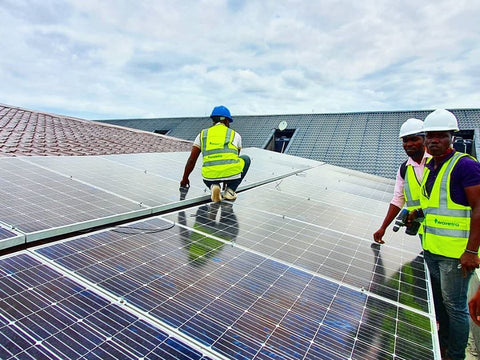
Twenty-five federal tertiary institutions have been connected to solar electricity under the Rural Electrification Agency’s (REA) Energizing Education Programme.
The REA Managing Director, Abba Aliyu, disclosed this during the commissioning of a 3MW captive solar hybrid power project at Yakubu Gowon University, Abuja.
According to Aliyu, the programme covers 22 federal universities and three affiliated teaching hospitals and has deployed more than 100MW of clean energy.
He said the initiative now benefits over 300,000 students and 50,000 academic and administrative staff.
Aliyu added that the new 3MW facility would power key university facilities, including lecture halls, laboratories, ICT systems, administrative buildings and campus lighting.
Meanwhile, Minister of Power Joseph O. Tegbe said reliable electricity was essential to supporting teaching, research, healthcare and digital services in universities.
He stressed that the long-term performance of the solar projects would be more important than their commissioning.
Vice-Chancellor of Yakubu Gowon University, Prof. Hakeem Babatunde Fawehinmi, also said dependable electricity was critical to the institution’s academic and research activities.
25 Universities, Teaching Hospitals Get Solar Power Under REA Programme
News
OAU Investigates Death of Final-Year Student as Police Begin Probe
OAU Investigates Death of Final-Year Student as Police Begin Probe
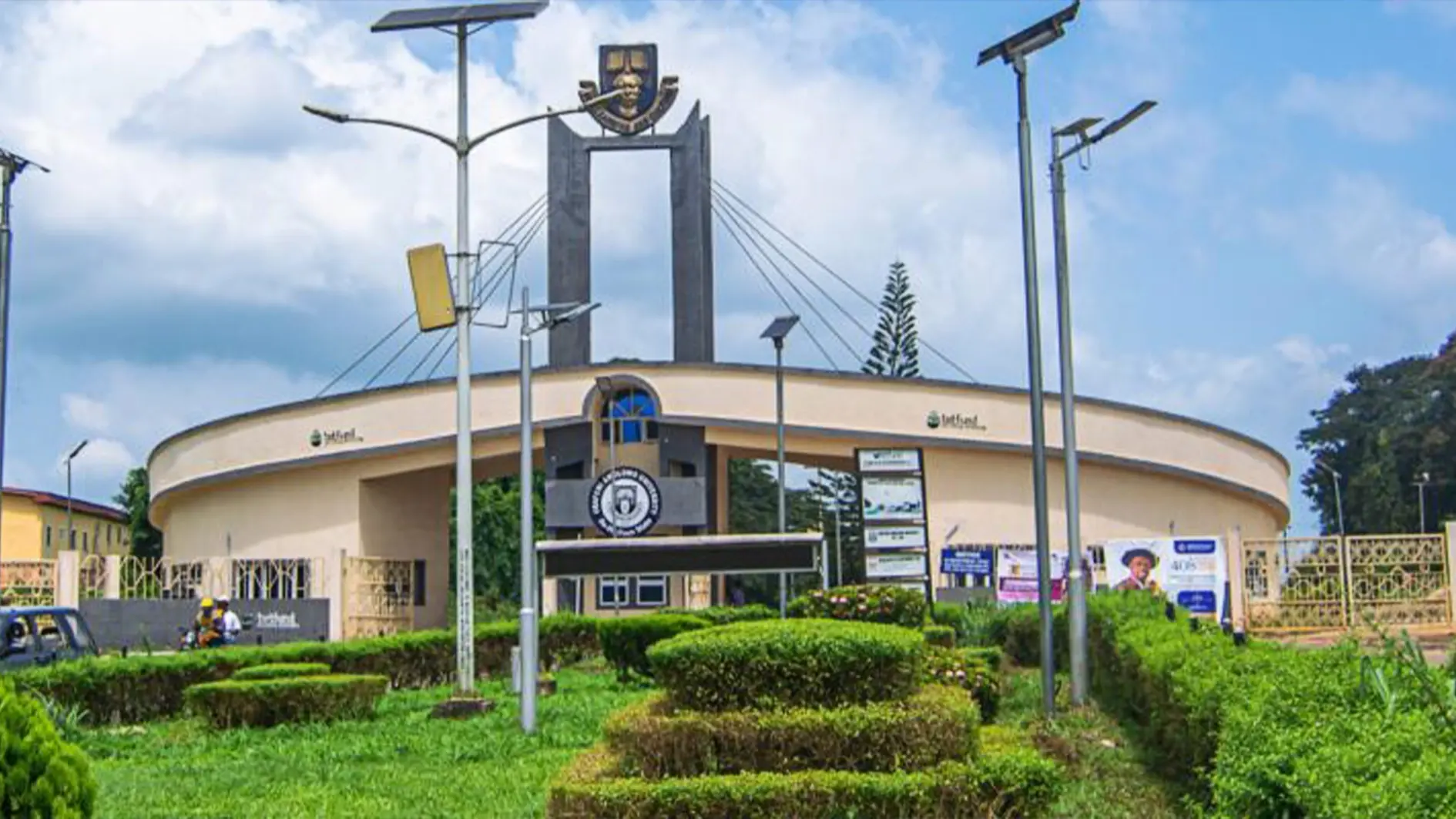
Obafemi Awolowo University (OAU), Ile-Ife, Osun State, is investigating the death of a final-year student of the institution.
The student, Oluwole Oluwosegun, was studying Materials Science and Engineering at the university.
According to the university’s Public Relations Officer, Olarewaju Abiodun, the incident occurred on Tuesday afternoon at the student’s off-campus residence around the Damico area of Ooni Layout, Ile-Ife.
After receiving the report, the university’s Quick Response and Security (QRS) Team went to the location. The team also contacted the Nigeria Police, after which officers from the ‘A’ Division in Moore, Ile-Ife, joined them at the scene.
The university later took the student to its Health Centre, where a medical doctor confirmed his death.
READ ALSO:
- 57-Year-Old Man Arrested Over Sexual Abuse of Stepdaughter in Edo
- US-Based Nigerian Lawyers Disbarred: Full List of Fraud, Theft and Misconduct Cases
- Katsina Police Rescue Two Kidnapped Women, Arrest Suspected Kidnappers
Police Begin Investigation
Following the incident, university authorities handed relevant information and items recovered from the scene to the police to support their investigation.
The police have since begun inquiries into the circumstances surrounding the student’s death.
Meanwhile, the university said it had informed the appropriate student affairs authorities to provide necessary follow-up, particularly regarding the welfare and emotional support of students affected by the incident.
Vice-Chancellor Professor Simeon Bamire also expressed condolences to the student’s family, friends, classmates and colleagues.
The university further encouraged students facing severe emotional distress, relationship difficulties, financial pressure or other personal challenges to seek help from trusted people and available university support services.
Professor Bamire reaffirmed the institution’s commitment to the welfare of its students and staff, stressing that no student should feel they must face overwhelming difficulties alone.
OAU Investigates Death of Final-Year Student as Police Begin Probe
-
 Politics3 days ago
2027: Northern Lecturers Back Tinubu, ASUU Disowns Endorsement
-

 metro3 days ago
Police Arrest Mother Over Alleged Brutal Abuse of 7-Year-Old Girl in Anambra
-

 Sports2 days ago
‘I Was Never the Chosen One’ — Dembele Responds to Mbappe
-

 International1 day ago
Islamic Council Condemns Attempted Attack on Holy City of Mecca
-

 metro2 days ago
Lagos Power Outage: Ikeja Electric Blames TCN as Businesses, Homes Groan
-

 Education2 days ago
JAMB Moves 2027 UTME Time — Here’s What Candidates Need To Know
-
 News1 day ago
Keep Politics Out of My Office — Ogbomoso Grand Chief Imam Warns Politicians, Bloggers
-
 Politics2 days ago
2027: APC Governors Reject Wike’s Rainbow Coalition, Insist on Party Loyalty