

Business
Nigeria’s crude oil production rose to 1.35m bpd in August – OPEC
Nigeria’s crude oil production rose to 1.35m bpd in August – OPEC
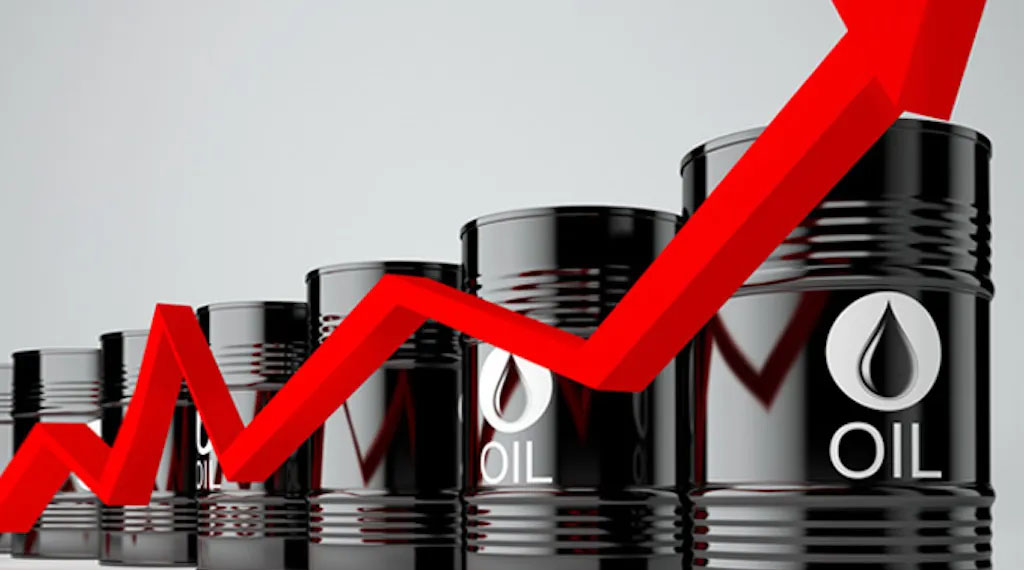
Nigeria’s average daily crude oil production rose by 3.4% to 1.352 million barrels in August according to the latest data published by OPEC.
The Organisation of Petroleum Exporting Countries (OPEC) in its monthly oil market report for August reports that Nigeria’s crude oil production increased by 45 thousand barrels from 1.307 million barrels in July daily to the current figure.
The figure above is based on direct communication with Nigerian authorities on crude oil production for the month.
According to secondary sources, Nigeria’s average crude oil production in August stood at 1.448 million barrels per day- an increase of 57 thousand daily when compared to 1.391 million daily posted in the previous month.
Nigeria maintained its position as Africa’s largest oil producer by a wider margin, as Libya, its closest competitor, faced production challenges due to the shutdown of major oil fields during the month.
Oil demand and average prices in August
The report indicates that the oil cartel has revised its forecast for global oil demand growth in 2024 to 2.03 million barrels per day (bpd), down from the earlier projection of 2.11 million bpd.
READ ALSO:
- Naira fall: Court freezes N548.6m belonging to ‘ByBit, KuCoin’ Nigerian crypto users
- Lagos court jails American businessman 74 years for $1.2m visa scam
- Three siblings die in Jigawa building collapse
- It also lowered its 2025 global demand growth estimate to 1.74 million bpd from 1.78 million bpd.
- In August, oil prices declined across the board, as reflected in the OPEC Reference Basket (ORB), which dropped by $6.02, or 7.1%, to an average of $78.41 per barrel. The ICE Brent front-month contract fell by $5.00, or 6.0%, to $78.88 per barrel.
- Similarly, the NYMEX WTI front-month contract decreased by $5.05, or 6.3%, averaging $75.43 per barrel, while the DME Oman front-month contract declined by $5.83, or 7.0%, settling at $77.54 per barrel.
- The front-month ICE Brent/NYMEX WTI spread widened by 5¢ to $3.45 per barrel.
Crude oil supply projection for 2024 and 2025
Oil supply from non-OPEC+ countries is projected to grow by 1.2 mb/d in 2024, consistent with last month’s assessment.
- The primary drivers of this growth are expected to be the US, Canada, and Brazil. The forecast for non-OPEC+ liquids supply growth in 2025 remains unchanged at 1.1 mb/d, with the US, Brazil, Canada, and Norway leading the increase.
- Natural gas liquids (NGLs) and non-conventional liquids from countries participating in the Declaration of Cooperation (DoC) are expected to grow by approximately 0.1 mb/d, reaching an average of 8.3 mb/d in 2024, followed by an increase of around 60 tb/d to 8.4 mb/d in 2025.
- In August, crude oil production from countries involved in the DoC fell by 304 tb/d compared to the previous month, averaging around 40.66 mb/d, according to available secondary sources.
Nigeria’s crude oil production rose to 1.35m bpd in August – OPEC







Auto
Hyundai Unveils Mufasa, Grand Creta SUVs to Strengthen Nigeria Line-up (Updated)
Hyundai Unveils Mufasa, Grand Creta SUVs to Strengthen Nigeria Line-up (Updated)
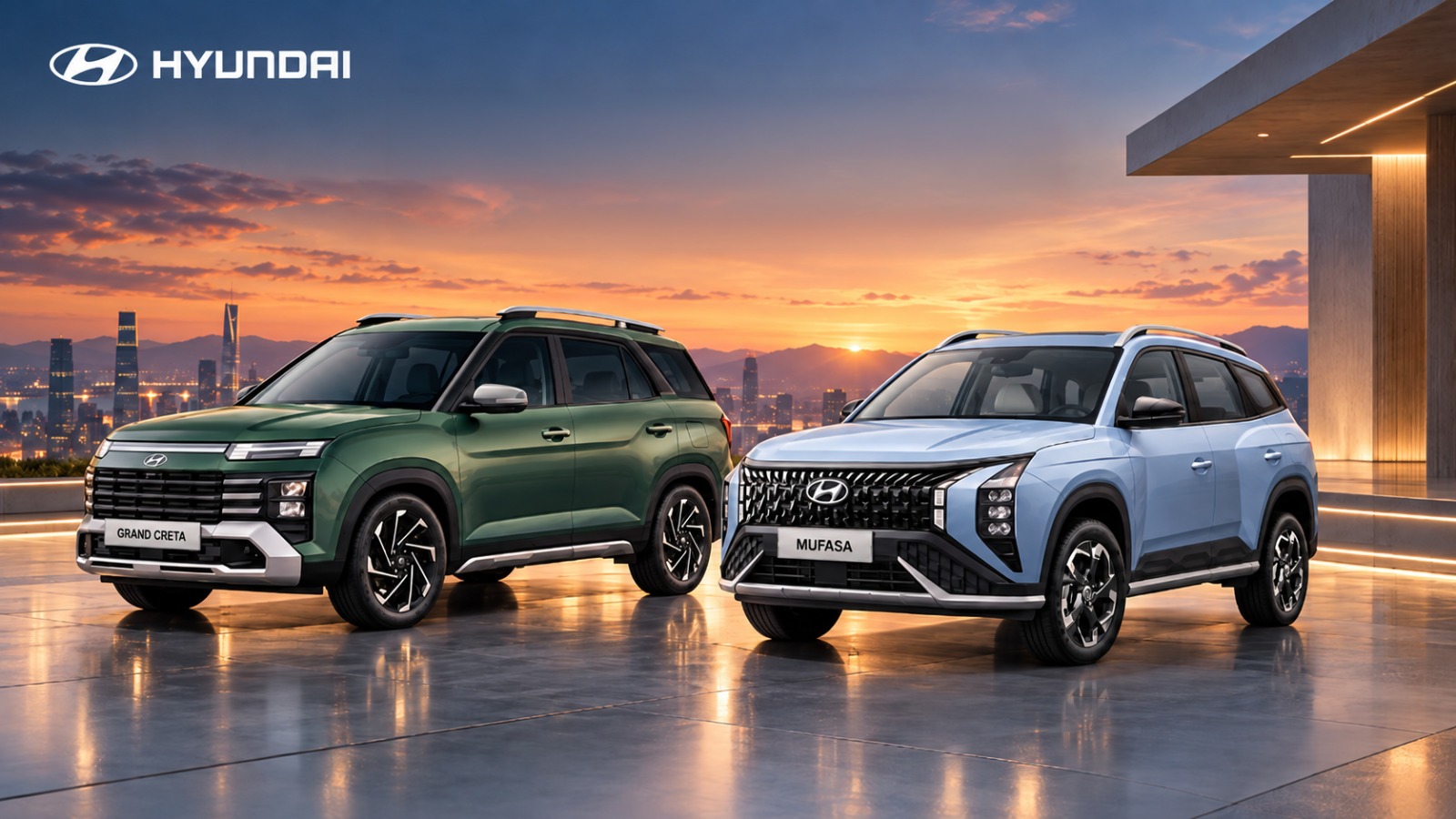
Hyundai Motors Nigeria has expanded its sport utility vehicle (SUV) range with the introduction of the all-new Mufasa and Grand Creta, offering Nigerian motorists more choices in styling, performance, technology and passenger comfort.
The two models, unveiled in Lagos on Wednesday, are targeted at different customer segments, with the Mufasa designed for motorists seeking a stylish, five-seater SUV, while the Grand Creta offers a three-row, seven-seater configuration suited to larger families and customers requiring additional passenger space.
The launch underscores Hyundai’s efforts to strengthen its presence in Nigeria’s competitive automotive market, where demand for versatile vehicles that combine comfort, safety, performance and practicality continues to shape consumer preferences.
Speaking at the launch, Hyundai Motors Nigeria’s General Manager, Sales and Marketing, Mr Gaurav Vashisht, said the new models reflected the company’s commitment to providing vehicles that meet the changing needs of Nigerian customers.
“The SUV segment continues to attract strong interest in Nigeria, as customers increasingly prioritise comfort, safety, technology and versatility,” Vashisht said.
He also gave a rundown of the two new vehicles’ features even as he stated that the Mufasa and Grand Creta were designed to meet different lifestyle requirements while maintaining Hyundai’s global standards of quality and innovation.
Mufasa targets style-conscious motorists
The Hyundai Mufasa combines bold exterior styling with a spacious cabin and features designed for everyday driving. Its distinctive front grille, signature LED lighting and muscular bodywork give it a commanding road presence.
Power comes from a 2.0-litre Smartstream multipoint fuel injection (MPi) petrol engine paired with a six-speed automatic transmission. Depending on the market specification, the engine produces approximately 150–160 horsepower and 193Nm of torque.
The five-seater SUV measures about 4,475mm in length, with a 2,680mm wheelbase, providing room for passengers and luggage while retaining a practical footprint for urban driving and longer journeys.
Its cabin features a modern dashboard, digital displays and storage spaces, while available equipment, depending on the variant, includes touchscreen infotainment, smartphone connectivity, automatic climate control, wireless charging and selectable driving modes.
Safety and driver-support features include anti-lock braking, electronic stability control, airbags and parking assistance, subject to the vehicle specification.
The Mufasa is positioned as an option for professionals, younger motorists and families seeking a combination of contemporary design, technology and everyday usability.
Grand Creta offers seven-seat flexibility
The Grand Creta complements the Mufasa with a larger cabin and seating for up to seven occupants, making it suitable for families and motorists who prioritise passenger capacity and interior flexibility.
The SUV is powered by an available 2.0-litre Smartstream petrol engine producing approximately 159 horsepower and 191Nm of torque. A six-speed automatic transmission is offered on automatic variant.
Its 2,760mm wheelbase supports a spacious three-row layout, while the flexible seating arrangement allows occupants to adjust the cabin to accommodate passengers or luggage.
Depending on the trim, convenience features include an eight-inch touchscreen infotainment system with smartphone connectivity, rear air-conditioning vents, keyless entry, push-button start and a digital instrument cluster.
Higher-specification versions may also feature leather-appointed seats, ventilated front seats, automatic climate control, wireless charging and a panoramic sunroof.
Safety equipment offered across the range includes six airbags, anti-lock braking, electronic stability control, hill-start assist, rear parking sensors, a rear-view camera and ISOFIX child-seat mounting points.
The model is aimed particularly at larger families seeking additional space and comfort without sacrificing the styling and versatility associated with SUVs.
After-sales support in focus
Beyond the new models, Hyundai Motors Nigeria says it is focused on delivering a comprehensive ownership experience through its authorised dealership network, after-sales services and access to genuine spare parts.
Vashisht said the Mufasa would appeal to customers seeking bold styling, modern technology and dynamic performance, while the Grand Creta would cater to those requiring greater passenger capacity, comfort and versatility.
“Our objective is not simply to introduce new vehicles but to deliver a complete ownership experience,” he said, reaffirming the company’s commitment to building long-term customer confidence in the Hyundai brand.
The two additions expand Hyundai’s existing SUV portfolio, which includes the Creta, Tucson, Santa Fe and Palisade.
Their introduction comes as automakers compete to attract Nigerian buyers with vehicles offering a balance of comfort, safety, technology, performance and long-term ownership value.
With the Mufasa and Grand Creta, Hyundai is seeking to broaden its appeal across different customer categories while strengthening its position in Nigeria’s increasingly competitive SUV market.
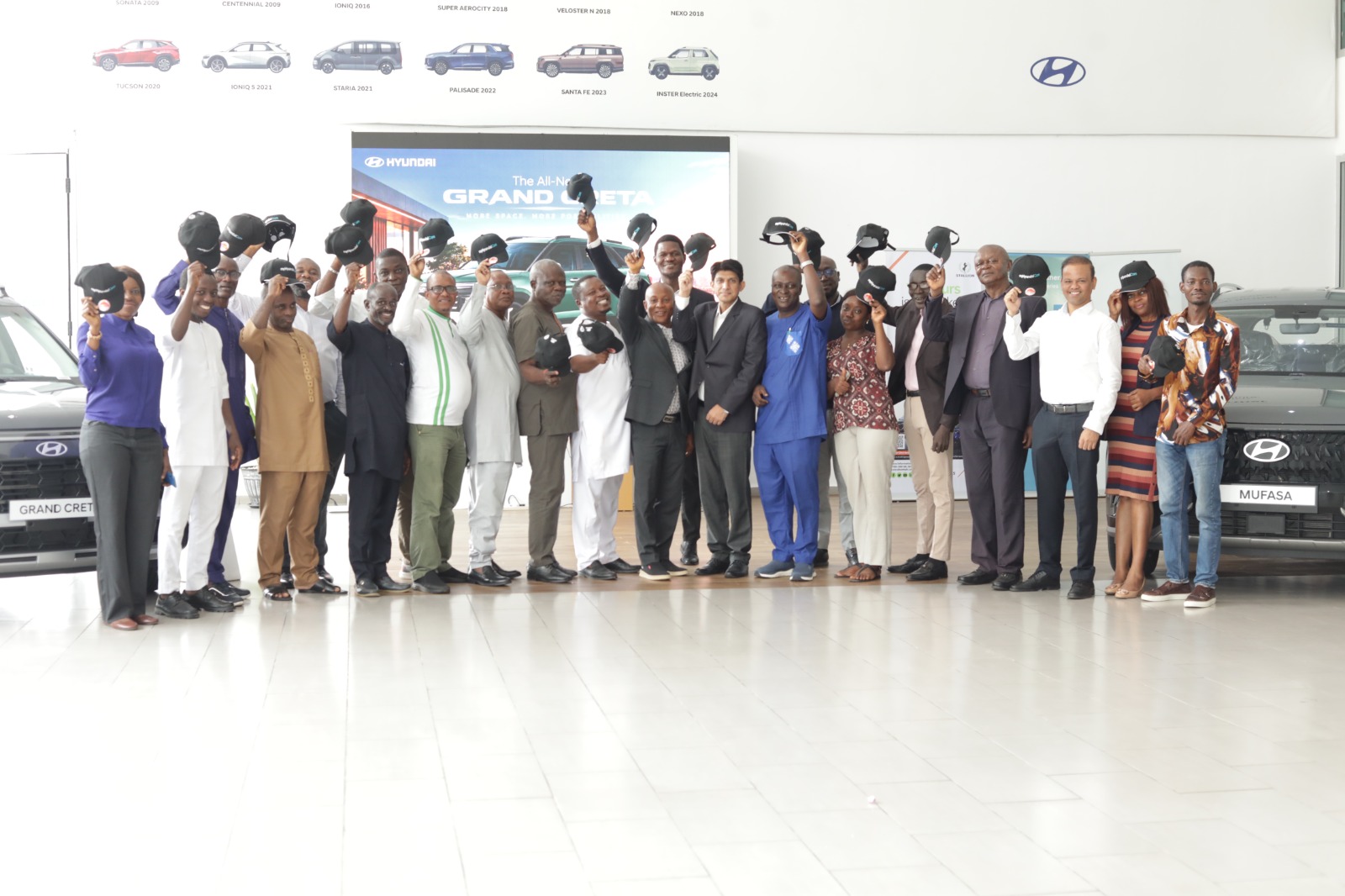
Auto
Happening now: Hyundai unveiling of Mufasa and Grand Creta
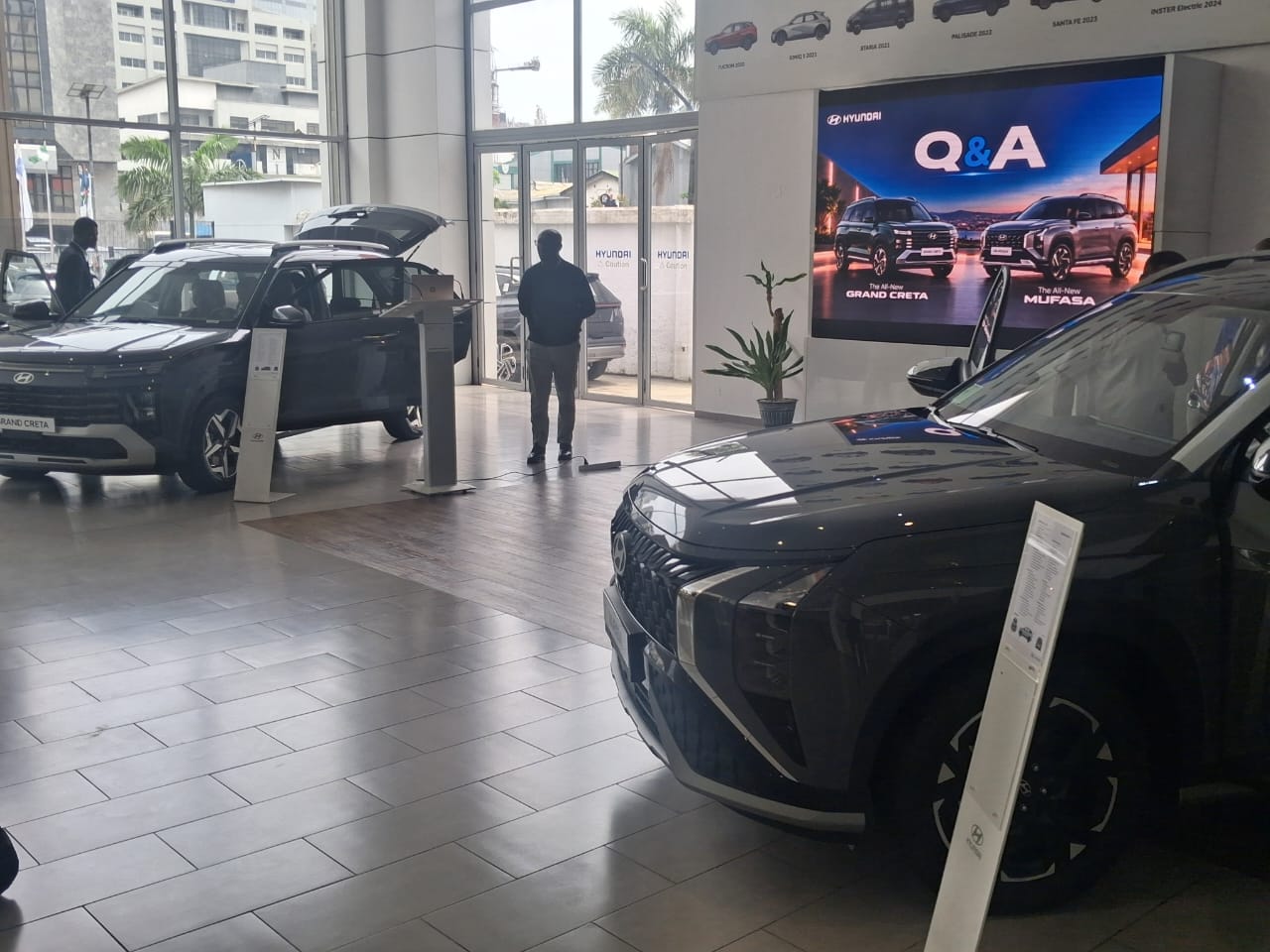
Happening now: Hyundai unveiling of Mufasa and Grand Creta (photos)
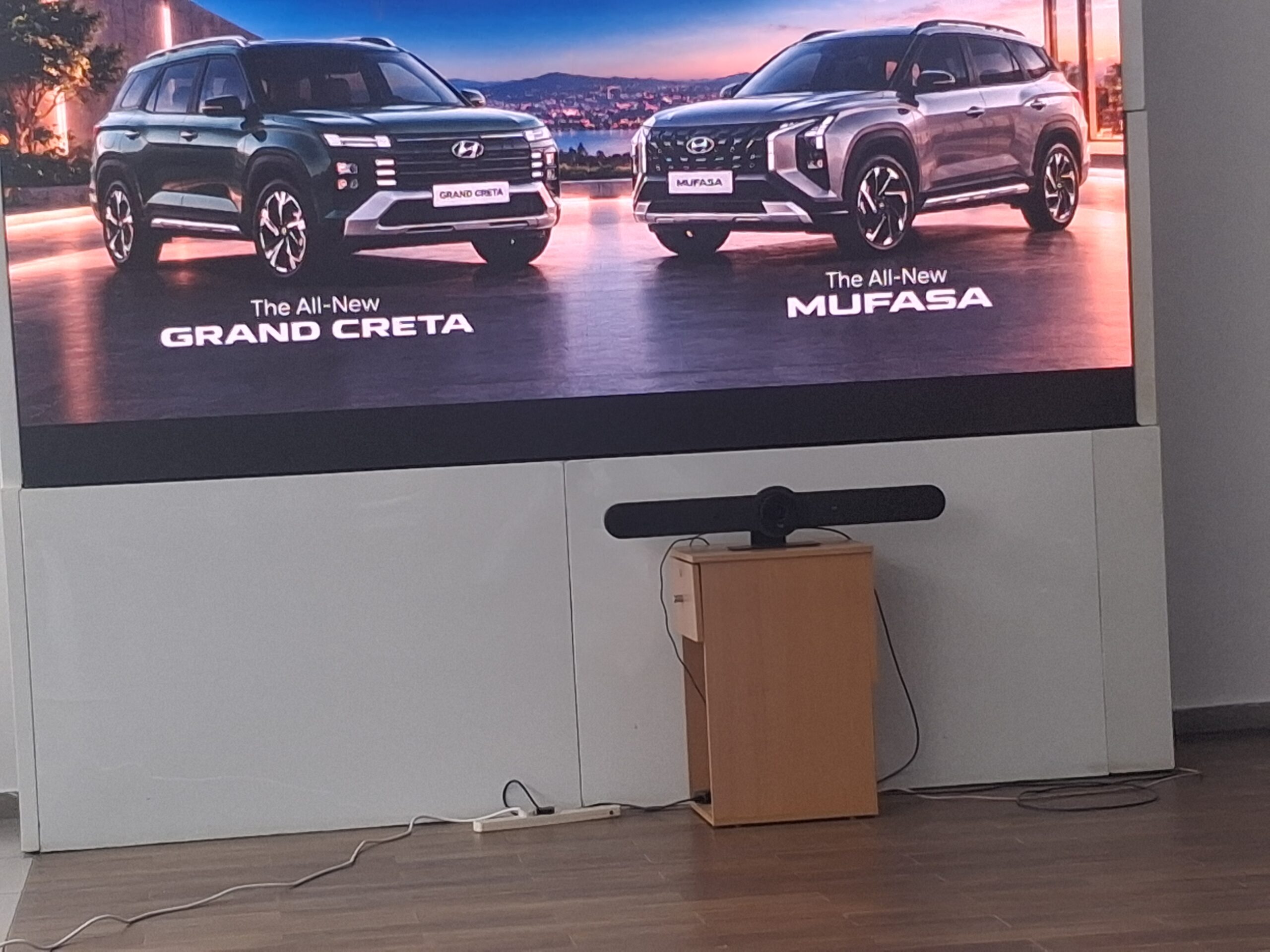
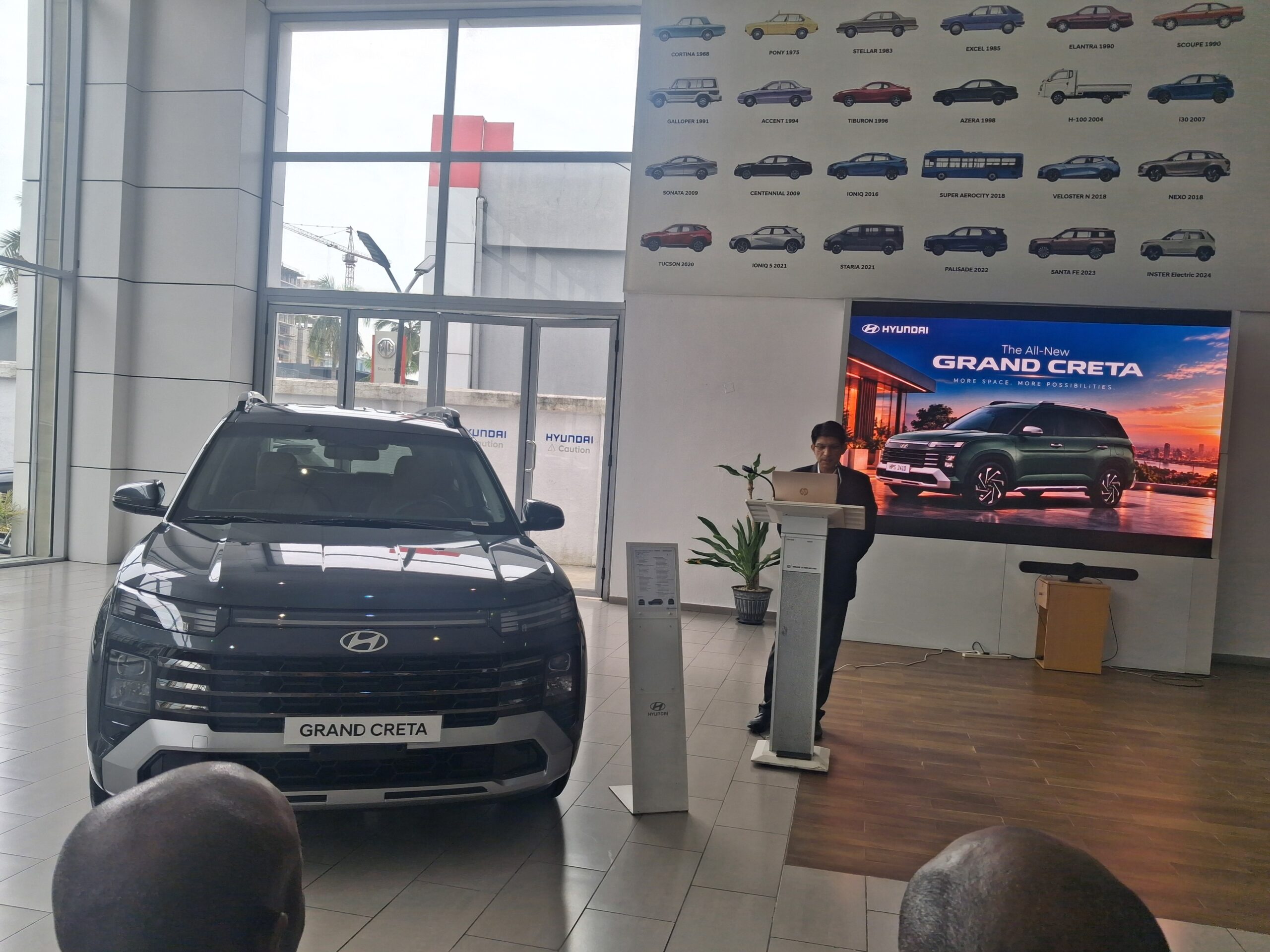
Two latest models of Hyundai auto brands are currently being officially rolled out in Lagos. The new vehicles are Mufasa and Grand Creta.
The unveiling is taking place at the Hyundai showroom on Akin Adesola Street Victoria Island, Lagos.

Auto
No 5% Petrol Tax Plan, Oyedele Says, Amid Public Concerns
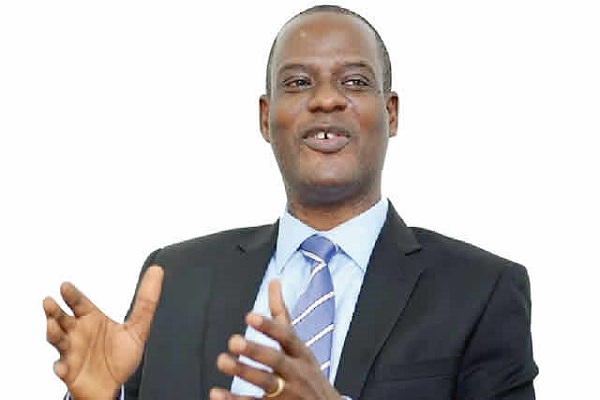
No 5% Petrol Tax Plan, Oyedele Says, Amid Public Concerns
The Federal Government has no plan to introduce a new tax on petrol, Minister of Finance and Coordinating Minister of the Economy, Taiwo Oyedele, has said, dismissing reports that the administration of President Bola Tinubu intends to impose a five per cent levy on petroleum products.
Oyedele clarified the issue in a statement posted on his X account on Tuesday, insisting that a fuel tax was not being considered by the government.
“In my interview with ARISE News, I was clear: a fuel tax is not on the table,” he said.
His statement follows reports linking him to the proposed five per cent tax, which sparked concerns about a possible increase in the cost of petrol amid Nigeria’s persistent cost-of-living crisis.
Petrol prices have remained a major driver of transportation and distribution costs since the removal of the fuel subsidy, contributing to higher prices of food and other essential goods and services.
The prospect of an additional levy had raised fears that households and businesses could face further financial pressure.
However, Oyedele’s clarification indicates that the Federal Government is not currently considering the proposed fuel tax, amid broader efforts to reform Nigeria’s tax system and strengthen public finances.
-

 metro2 days ago
Army Major, Soldiers Killed in ISWAP Ambush in Yobe State
-

 metro1 day ago
‘We Don’t Know What Else to Do’ — Mother Begs for Release of Abducted Children
-
 metro1 day ago
Atiku: US Lobbying Firm Raises Alarm Over Alleged Assassination Plot
-

 metro2 days ago
Breaking: Afenifere Leader Pa Fasoranti Dies at 100
-

 metro24 hours ago
Five Arraigned Over Kidnapping of 20 Prospective NYSC Members in Imo
-

 metro2 days ago
‘I Never Asked Them to Abandon Loved Ones’ — Obi Clarifies Diaspora Remarks
-
 Auto1 day ago
Beyond the Showroom: Why After-Sales Service Will Define Auto Industry Winners
-

 Auto1 day ago
No 5% Petrol Tax Plan, Oyedele Says, Amid Public Concerns