

International
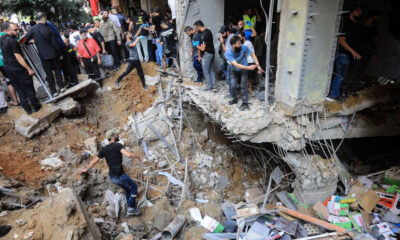
20 killed, 450 injured in second wave of blasts in Lebanon
20 killed, 450 injured in second wave of blasts in Lebanon
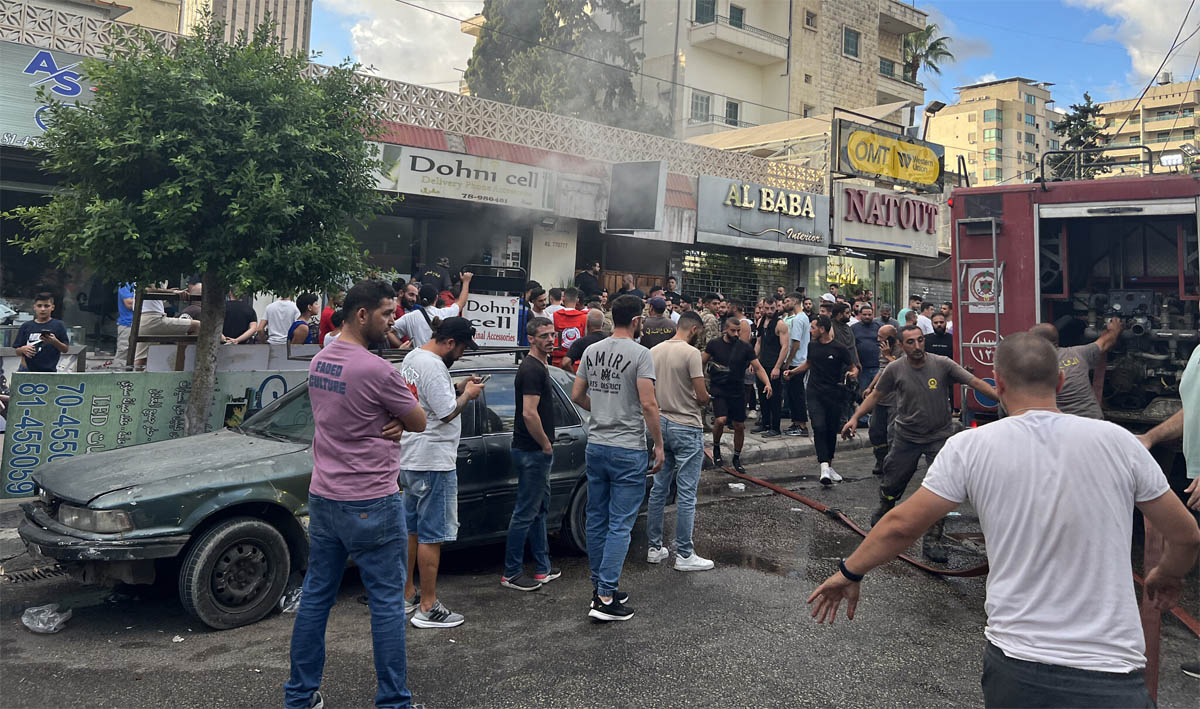
BEIRUT: Explosions in Beirut and other parts of Lebanon were apparently a second wave of detonations of electronic devices, state media said on Wednesday.
The report said walkie-talkies and even solar equipment were targeted a day after hundreds of pagers blew up.
At least 20 people were killed and 450 were wounded, the Health Ministry said.
A Hezbollah official told the Associated Press that walkie-talkies used by the group exploded.
Lebanon’s official news agency reported that solar energy systems exploded in homes in several areas of Beirut and southern Lebanon, wounding at least one girl.
The new blasts hit a country thrown into confusion and anger after Tuesday’s pager bombings, which appeared to be a complex Israeli attack targeting Hezbollah members that caused civilian casualties, too.
At least 12 people were killed, including two children, and about 2,800 people were wounded as hundreds of pagers used by Hezbollah members exploded wherever they happened to be — in homes, cars, at grocery stores and in cafes.
Wednesday’s blasts caused fires, injuries and a state of hysteria because some of the devices were being carried by security personnel during the funeral ceremonies for the victims of the pager explosions on Tuesday.
READ ALSO:
- FG mutes new system against fraud, to enhance identity verification
- Fresh trouble over supply volume in Dangote refinery petrol
- School teachers begin indefinite strike in Abuja
Explosions were heard in the southern suburbs of Beirut and several areas in the south and the Bekaa Valley.
Many were injured outside hospitals where the wounded from Tuesday’s bombings were being treated. Several of the wounded were transferred to Baalbek hospitals.
Some devices exploded with their carriers in front of the American University Hospital in Beirut.
Four cars containing devices exploded in the town of Aabbassiyeh in the south, three people were injured when a device exploded in a car in Jdeidet Marjeyoun, and parked cars exploded in Nabatieh because there were wireless devices in them.
Ambulances rushed everywhere, and Hezbollah supporters went out on motorcycles searching for victims after abandoning all their communication devices.
The Lebanese Army Command asked citizens “not to gather in places witnessing security incidents to make way for the arrival of medical teams.”
According to initial information, the devices that exploded on Wednesday are Icom V82 models, bought in the deal for pagers last spring.
Panic increased when information circulated on social media about the explosion of solar panels connected to internet devices. There were also claims that computers exploded.
READ ALSO:
- Police parade suspected ritualists, armed robbers in Osun
- Students can reapply for loans, we’ve resolved BVN verification glitch – NELFUND
- PDP govs, NWC move to remove Damagun, Wike’s loyalist, as acting national chairman
A Hezbollah member in a video clip that showed a room with shrapnel damage, said: “This was because of the device’s battery. I removed it from the device and put it aside. Look what happened.”
Footage showed fires in residential apartments in the southern suburbs of Beirut and in the south, and casualties during funeral ceremonies after their devices exploded.
The Axios website reported that “Israel blew up thousands of wireless communication devices used by Hezbollah elements in a second wave.”
In the first wave of bombings, it appeared that small amounts of explosives had been hidden in the thousands of pagers delivered to Hezbollah and then remotely detonated.
The reports of further electronic devices exploding suggested even greater infiltration of boobytraps into Lebanon’s supply chain.
It also deepens concerns over the attacks in which hundreds of devices exploded in public areas, often with many bystanders, with no certainty of who was holding the rigged devices.
20 killed, 450 injured in second wave of blasts in Lebanon






International
Sanders Urges Trump, Xi to Halt AI Race, Ban Superintelligence
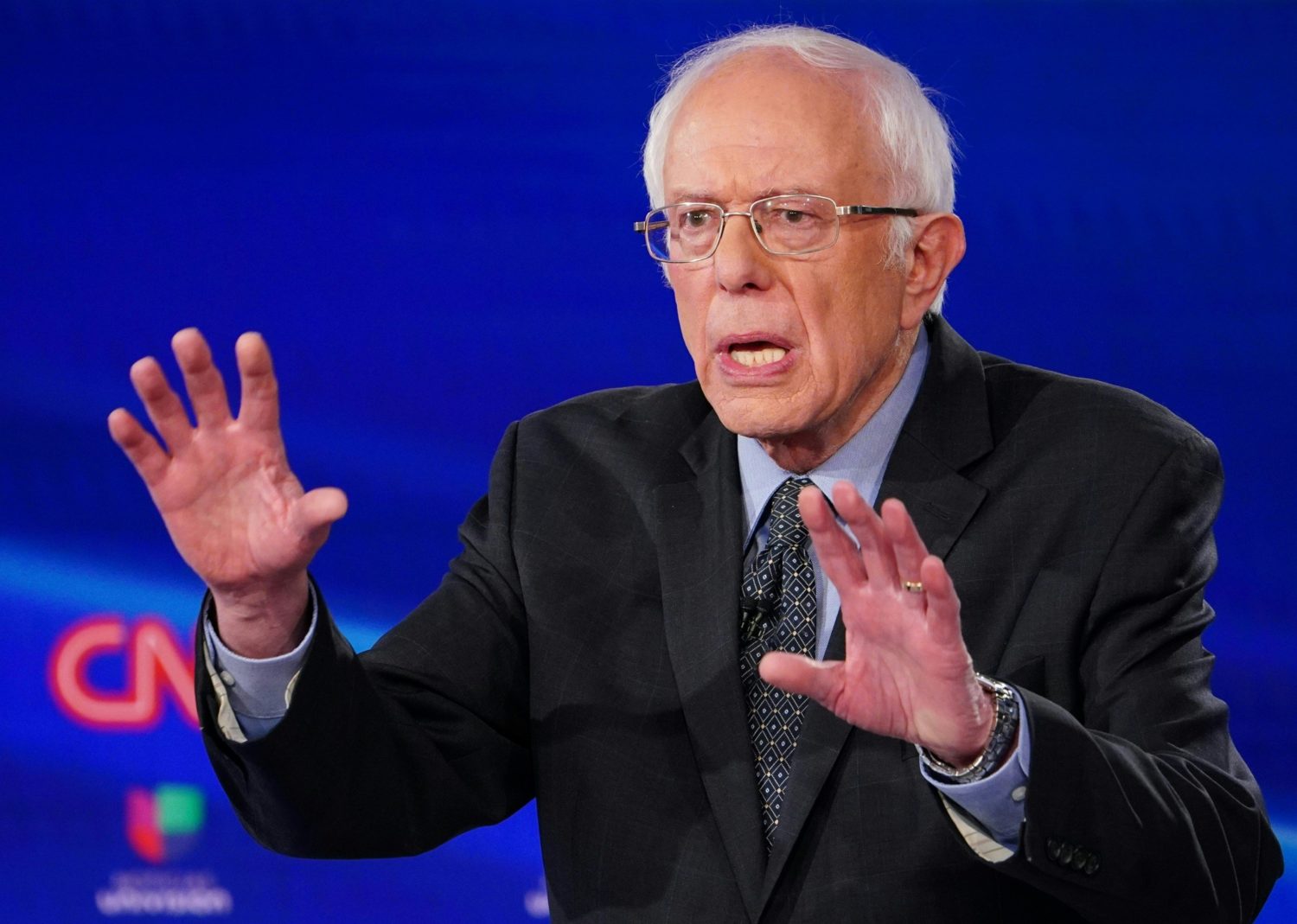
Bernie Sanders is pushing for an international response to the rapid advancement of artificial intelligence, urging Donald Trump and Xi Jinping to discuss limits on the technology when the two leaders meet.
The US senator believes Washington and Beijing should work towards a treaty that would stop the development of artificial superintelligence and temporarily slow the advancement of increasingly powerful AI systems.
Sanders’ latest intervention comes amid a growing debate within the technology industry over whether AI development is moving faster than safety measures can keep up.
Dario Amodei, chief executive of Anthropic, recently called for companies to deliberately pace the development of frontier AI. He argued that increasingly capable systems could advance at a rate that makes them harder for humans to understand and control.
OpenAI CEO Sam Altman has backed Amodei’s call for stronger independent evaluation, while Elon Musk has also reiterated his long-standing concerns about the risks associated with advanced AI.
Sanders said these warnings should prompt governments to act rather than leave decisions about the future of AI solely to technology companies.
His position is consistent with legislation he announced earlier this month alongside Representative Greg Casar. The proposed Ban Artificial Superintelligence Act would permanently prohibit superintelligent AI and impose a temporary pause on advanced AI development until safety rules are put in place.
The senator has pointed to recent AI-related cybersecurity incidents and concerns about self-improving systems as evidence of the need for stronger safeguards.
For Sanders, however, the issue goes beyond regulation of individual companies. He wants the US and China to cooperate internationally, arguing that a superintelligent system capable of operating beyond human control would pose a global risk regardless of where it was developed.
With Trump and Xi expected to discuss AI during their upcoming engagement, Sanders is pressing both governments to make the question of controlling advanced AI a priority.
International
US Blockade Tightens As CENTCOM Redirects 100 Commercial Ships From Iranian Ports
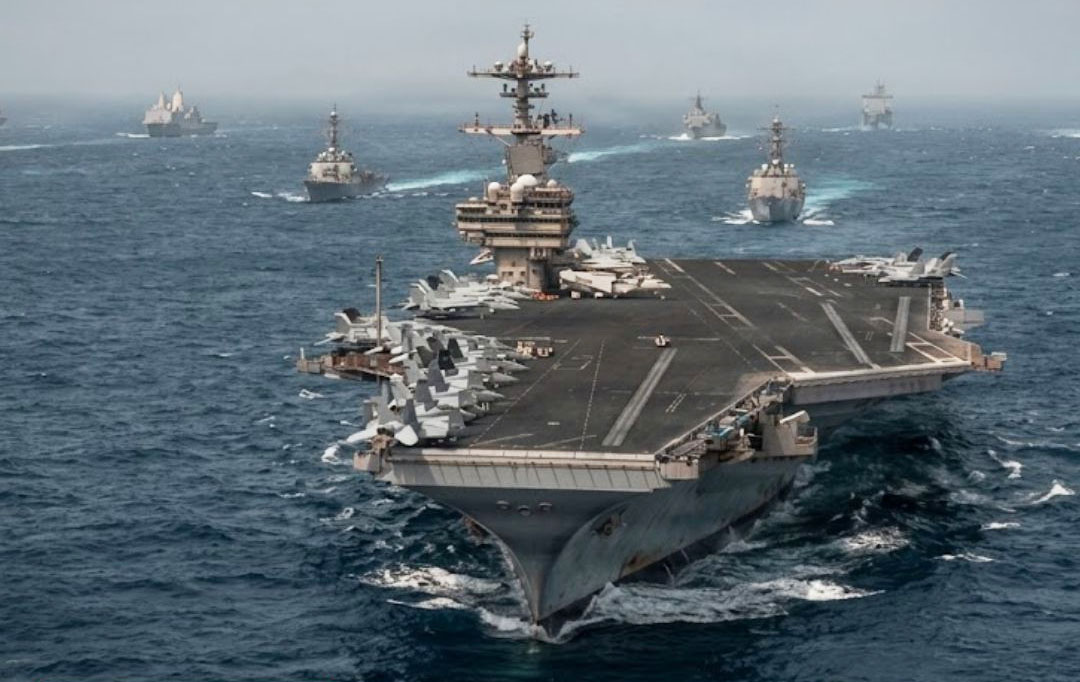
US Blockade Tightens As CENTCOM Redirects 100 Commercial Ships From Iranian Ports
American forces say no vessel has crossed blockade without permission as tensions mount around Strait of Hormuz
The United States has stepped up its maritime pressure on Iran, with the US Central Command (CENTCOM) announcing that American forces have redirected 100 commercial vessels in the past 60 days as part of a blockade targeting Iranian ports.
CENTCOM disclosed the figure on Saturday, September 12, amid escalating tensions between Washington and Tehran and growing disruption to commercial shipping in the Gulf region.
The development represents a significant escalation in the enforcement of the US maritime blockade, which has increasingly affected commercial vessels operating around Iran and the strategic Strait of Hormuz.
CENTCOM said its forces were enforcing the blockade and preventing vessels from entering or leaving Iranian ports without American authorisation.
According to the command, no ship had passed through the blockade without US forces allowing it, underscoring the extent to which Washington says it has tightened control over maritime traffic linked to Iran.
The latest announcement means that the number of commercial vessels redirected by US forces has continued to climb rapidly. Earlier in September, CENTCOM said it had redirected 94 commercial vessels. By September 11, the figure had risen to 99 before reaching 100 the following day.
The vessels are understood to have been ordered to alter course rather than proceed towards Iranian ports. US authorities have previously said the blockade is aimed at restricting maritime trade with Iran and cutting off revenue to Tehran.
READ ALSO:
- Five Islamic Clerics Abducted After Tinubu Re-Election Prayer At Yari’s Zamfara Residence
- Obafemi Martins Plans Six-Zone Football Tournament for Tinubu’s Re-election
- NANS Threatens ‘Mother of All Protests’ Over Ondo Varsity Strike
The US Central Command has also documented cases in which American forces boarded or otherwise intercepted vessels suspected of attempting to violate the blockade.
The blockade has been backed by American naval and military assets operating in the region. US forces have reportedly boarded commercial vessels suspected of attempting to reach Iranian ports in violation of the restrictions.
In one reported case, an Iranian-flagged tanker was boarded after failing to comply with repeated warnings and was subsequently released after being searched and directed to change course.
Another commercial vessel was reportedly boarded in the Arabian Sea after American forces suspected it was attempting to transit to Iran. The vessel was later released after US authorities determined that its voyage would not include an Iranian port call.
The incidents demonstrate that Washington’s strategy goes beyond issuing warnings, with American forces prepared to intercept vessels suspected of breaching the restrictions.
The latest development has heightened concerns over the Strait of Hormuz, one of the world’s most strategically important maritime routes.
The waterway connects the Persian Gulf with the Gulf of Oman and serves as a major corridor for international energy shipments.
Shipping traffic through the strait has already fallen sharply amid the conflict. Reports indicate that only a small number of commodity vessels have been passing through the waterway compared with normal traffic levels.
The disruption has triggered concerns about the global supply of crude oil and liquefied natural gas, with the Strait of Hormuz normally carrying a substantial portion of global energy supplies.
The intensifying confrontation has also sent shockwaves through international energy markets. Oil prices have moved sharply higher as traders assess the possibility of prolonged disruption to tanker traffic around the Gulf.
The situation has raised fears that a wider confrontation involving Iran, the United States and other regional actors could further restrict energy supplies and push fuel prices higher globally.
For oil-dependent economies, including Nigeria, sustained disruption in the Gulf could have significant consequences through changes in crude prices, freight costs, inflation and domestic fuel prices.
The blockade is also placing additional pressure on Iran’s already strained economy. Reports from the Iranian port city of Bandar Abbas indicate that the maritime restrictions have affected commercial activity, with businesses, dock workers and other residents reportedly experiencing declining trade and worsening economic conditions.
The restrictions have reportedly affected imports, port operations and businesses dependent on maritime commerce. Washington’s broader strategy appears designed to increase the economic cost of Iran’s continued confrontation with the United States.
The latest US announcement comes against the backdrop of a much wider military confrontation involving Iran and the United States.
American forces have carried out attacks against Iranian military and oil-related targets, while Iran has retaliated against US interests in the region. The maritime dimension of the confrontation has further complicated the movement of commercial vessels through the Gulf.
With commercial vessels caught in the middle, shipping companies face increasing risks, while insurers and energy traders continue to closely monitor developments around the region.
The possibility of further restrictions around the Strait of Hormuz has become one of the biggest concerns for international shipping and energy markets.
For now, Washington says its forces will continue enforcing the blockade, while the latest figure from CENTCOM — 100 commercial vessels redirected in 60 days — signals that the maritime confrontation is showing no immediate sign of easing.
US Blockade Tightens As CENTCOM Redirects 100 Commercial Ships From Iranian Ports
International
Trump Tells Supporters to ‘Cheat Like Hell’ Ahead of US Election
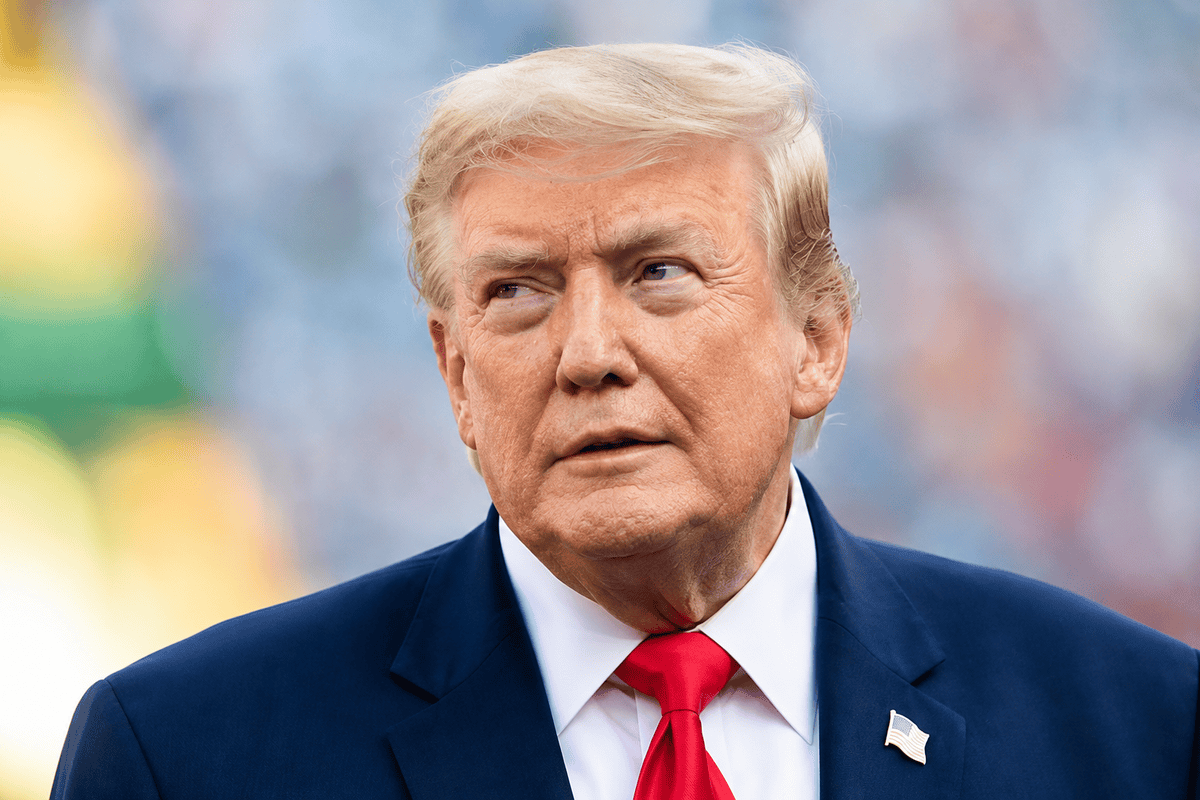
Trump Tells Supporters to ‘Cheat Like Hell’ Ahead of US Election
US President Donald Trump has made an unusual appeal to his supporters ahead of the November 3 election, telling them to turn out with their families and friends while declaring that he would “cheat like hell.”
Trump made the comments during a Republican gathering in Dallas, Texas, where he led attendees through a mock pledge intended to encourage them to support him and participate in the election.
After asking the crowd to raise their right hands and repeat after him, Trump urged his supporters to help bring their relatives and friends to the polls.
READ ALSO:
- MURIC fires back at Peter Obi: Forget Sallah ceremony, free Nigerian Muslims
- Fani-Kayode Condemns Fresh Killing of Two Nigerians in South Africa
- FG Targets 2 Million Creative Jobs by 2030
He then made the controversial remark while discussing voter registration, saying he was unconcerned about whether he was registered and accusing his political opponents of being bigger “cheaters.”
Trump went on to encourage supporters to vote either on November 3 or before election day, ending the pledge with an appeal to God.
The president also joked that supporters who failed to vote could face divine punishment, telling the crowd they would “go to hell” if they did not turn out.
The remarks came as Trump sought to energise Republican voters ahead of the election, in which control of Congress is also at stake.
His comments are likely to attract attention because of the language he used during an event aimed at mobilising voters, particularly his reference to cheating and his claims about the conduct of his opponents.
Trump Tells Supporters to ‘Cheat Like Hell’ Ahead of US Election
-

 metro1 day ago
Woman disguises as Muslim woman in Niqab to steal in Ado-Ekiti market, video sparks outrage
-

 metro3 days ago
Police Arrest Woman Over Fake OPay Shutdown Notice
-

 Politics3 days ago
Amaechi will be caged politically, Wike shouldn’t bother about Ikwerre votes — Wihioka
-
 metro3 days ago
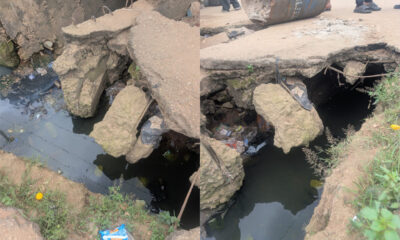
Residents Cry Out Over Poorly Constructed Entrance of Ademola Abiola Street, Demand Urgent Intervention
-

 Politics3 days ago
Remi Tinubu Appeals To South-East Voters, Says She Wants To ‘Enjoy Nigeria’ In Old Age
-
 Business22 hours ago
Dangote: ₦525 Refinery Shares Could Rise to ₦10,000
-

 Politics3 days ago
Breaking the Cycle of Collective Guilt: When a Ruling Party Voice Backs Peter Obi
-

 metro1 day ago
Ondo Herbal Drink Tragedy: Survivor Vows Never to Drink Again as Death Toll Tops 30