
Business
Nigeria records N5.81tn trade surplus in third quarter 2024

Nigeria records N5.81tn trade surplus in third quarter 2024
Nigeria posted a trade surplus of N5.81 trillion in the third quarter of 2024, driven by a significant increase in export earnings.
This is according to the latest report from the National Bureau of Statistics (NBS).
This marked a notable rise in trade performance compared to the previous year. However, the surplus was lower than the N6.95 trillion recorded in the second quarter of 2024.
The NBS Foreign Trade Statistics report, released on Friday, revealed that the country’s total merchandise trade for Q3 2024 stood at N35.16 trillion, reflecting an 81.35% increase compared to Q3 2023 and a 13.26% rise from the previous quarter.
The report read, “Nigeria’s total merchandise trade stood at N35,160.44 billion in Q3, 2024. This represents an increase of 81.35% compared to the value recorded in the corresponding period of 2023 and a rise of 13.26% over the value recorded in the preceding quarter.
“In the quarter under review, exports accounted for 58.27% of total trade with a value of N20,486.39 billion, showing an increase of 98.00% rise over the value recorded in the third quarter of 2023 (N10,346.60) and 16.76% compared to the value recorded in Q2 2024 (N17,545.62).”
Surge in exports
Total exports for Q3 2024 reached N20.49 trillion, representing a 98% increase from N10.35 trillion in the same period last year. This also marks a 16.76% rise from N17.55 trillion in the second quarter of 2024.
READ ALSO:
- 174 Lukarawa terrorists arrested on Yobe, Niger Republic border
- S’African President face attack, resignation over visa policy for Nigerians
- IGP Kayode Egbetokun reshuffles police leadership, names new AIGs
The report read: “Total exports in Q3 2024 were valued at N20,486.39 billion, reflecting a 98.00% rise compared to N10,346.60 billion in the corresponding quarter of 2023 and a 16.76% increase compared to N17,545.62 billion in Q2 2024.”
- The significant growth in exports was primarily driven by Nigeria’s oil and gas sector, with crude oil exports alone accounting for N13.41 trillion, a 57.06% increase from N8.54 trillion in Q3 2023. Exports of other oil products, including liquefied natural gas (LNG) and petroleum gases, surged by 303.93% to N4.58 trillion.
- Agricultural exports also saw a remarkable increase of 301.87%, reaching N884.07 billion compared to N219.99 billion in Q3 2023, although this represented a slight decline of 9.20% from Q2 2024. Additionally, exports of solid minerals and manufactured goods showed strong performance, rising by 86.58% and 419.93%, respectively.
Spain emerged as Nigeria’s largest export partner in Q3 2024, followed by the United States, France, the Netherlands, and Italy. These countries benefitted mainly from Nigeria’s crude oil, LNG, and other petroleum exports.
Increased imports
On the import side, Nigeria’s total import bill for Q3 2024 amounted to N14.67 trillion, a 62.30% rise from N9.04 trillion in Q3 2023. This also marked an 8.71% increase compared to the previous quarter.
- The report read: “The value of total imports stood at N14,674.05 billion in the third quarter of 2024, representing a rise of 62.30% from the value recorded in the corresponding quarter of 2023 (N9,041.24 billion) and increased by 8.71% compared with the value recorded in Q2, 2024 (N13,497.90 billion).”
- Manufactured goods led the surge in imports, rising by 76.44% to N6.98 trillion, while raw materials increased by 66.11% to N1.58 trillion. Imports of agricultural products stood at N882.24 billion, reflecting a 37.06% increase from Q3 2023.
China remained Nigeria’s largest import partner, followed by India, Belgium, the United States, and Malta. Key imports included motor spirit, gas oil, durum wheat, and used vehicles.
Nigeria records N5.81tn trade surplus in third quarter 2024
nairametrics










Auto
Brains, Innovation as Young minds Steal Spotlight at Toyota Show Mobility Challenge

Brains, Innovation as Young minds Steal Spotlight at Toyota Show Mobility Challenge
The future of mobility took centre stage at the Toyota Motor Show in Lagos on Wednesday as brilliant young Nigerians showcased their intellect, creativity and passion for innovation in a thrilling debate and quiz competition organised by Toyota Nigeria Limited.
The highlight of the event held at The Podium Lekki was a fiercely contested debate between two teams of young participants who impressed judges and spectators alike with their eloquence, confidence and ability to marshal convincing arguments.
After a closely fought contest, Team A, comprising Robinson Goodness, Esabu Blessing and Igbayisemore Tony, emerged victorious, narrowly defeating Team B made up of Akinware Breakthrough, Yusuf Rahimat and Dawn Ijaware.
The winning team received a cash prize of N600,000, while the runners-up went home with N300,000.

The quiz competition also generated excitement, with six contestants battling through multiple rounds of questions. Three participants were eliminated in the opening stages before the contest narrowed to a gripping final round focused largely on Toyota vehicle models and automotive knowledge.
The audience watched in admiration as the finalists displayed remarkable speed, accuracy and composure in their efforts to outsmart one another.
At the end of the contest, Feyisetan Tolase Emmanuel emerged champion and received N250,000, while Ayorinde Bolarinwa secured second place and was rewarded with N150,000.

Award-winning actor/social advocate, Kate Henshaw, who chaired the panel of judges, praised the contestants for their impressive performances and commitment to learning.
She expressed delight at the confidence, intelligence and creativity displayed by the young people, adding that the future remained bright when knowledge and innovation are encouraged.
Also on the panel was Toyota Nigeria Limited’s Head of Dealer Development and Special Duties, Henry Ojuoko, who said the programme reflected Toyota’s commitment to nurturing future innovators.
According to him, beyond selling vehicles, the TNL wants to inspire curiosity and encourage young Nigerians to explore opportunities in technology, mobility and innovation.
According to the organisers, the second day of the exhibition was deliberately dedicated to students and young professionals as part of efforts to raise awareness about automotive innovation and stimulate youth participation in discussions around the future of transportation.

The day’s activities also featured Somadina Anyama popularly called Soma – TV personality/brand influencer/actor, who joined the panel and Toyota team in the interactive section.
The Toyota Motor Show, which commenced on June 2, is the third edition of the exhibition organised by Toyota Nigeria Limited. The four-day event offers visitors opportunities to explore the company’s latest vehicle models, participate in interactive sessions, enjoy test drives and access free vehicle diagnostic services.
Visitors also experienced Toyota’s latest mobility solutions while test-driving selected models including the Camry, RAV4 and Hilux, among others.
The exhibition will conclude on Saturday with another live recording of Toyota’s PodCARst, featuring social media influencer Ride With Mee, alongside entertainment activities, outdoor games, prizes and additional test-drive sessions.
Toyota Nigeria said the event underscores its commitment to deepening engagement with customers and the wider public through education, innovation and direct interaction with the brand.
Business
NERC Launches Net Billing Scheme, Allows Nigerians to Sell Excess Solar Power to DisCos
NERC Launches Net Billing Scheme, Allows Nigerians to Sell Excess Solar Power to DisCos
The Nigerian Electricity Regulatory Commission (NERC ) has officially commenced the Net Billing Regulations 2026, a landmark framework that allows electricity consumers with qualifying solar power systems to generate electricity for their own use and sell any surplus energy back to distribution companies. The commission announced the rollout of the framework on Wednesday, June 3, 2026, describing it as a major step towards expanding renewable energy adoption and improving electricity access across the country. Under the new arrangement, eligible electricity consumers — now officially designated as “prosumers” (consumers who both consume and produce power) — can generate electricity primarily through solar photovoltaic systems for their own consumption and export any surplus energy to the distribution network under a net billing arrangement.
According to NERC, the regulations are designed to achieve five core objectives: promote the adoption of renewable energy technologies, enhance energy security and reliability for electricity consumers, encourage private sector participation in distributed generation, support the reduction of greenhouse gas emissions, and facilitate efficient integration of renewable energy systems into distribution networks. “The Regulations establish a framework that enables eligible electricity customers (Prosumers) to generate electricity from renewable energy sources, primarily solar photovoltaic systems, for their own consumption and export surplus energy to the distribution network under a Net Billing Arrangement,” the commission stated. The net billing regulations arrive as Nigeria continues to grapple with significant electricity supply challenges. According to recent NERC data, average available generation stood at just 4,286 megawatts in April 2026 out of a total installed capacity of 13,625 megawatts across 28 grid-connected plants — meaning generation companies operated at only 31 per cent of installed capacity. The country also experienced its first national grid collapse of 2026 on January 23, when total generation fell to 0.00 megawatts, plunging large parts of the country into darkness. The gap between supply and demand — estimated national demand stands at about 20,000 megawatts — has forced millions of households and businesses to rely heavily on petrol and diesel generators.
READ ALSO:
- Atiku’s Aide Demands Probe of Igboho Over Claim He Knows Politicians Sponsoring Kidnappers
- Couple Abducted in Kwara as Bandits Strike Twice in One Week
- INEC Warns Parties: Primaries After May 30 Deadline Risk Disqualification
To participate in the net billing scheme, applicants must meet several eligibility conditions established by the commission. Prospective prosumers must already be connected to a distribution company’s network and install renewable energy systems that comply with applicable technical and regulatory standards. They must also obtain approval from the relevant DisCo, execute a net billing agreement, and register with NERC. The commission specified that eligible renewable energy installations must have a minimum installed capacity of 50 kilowatt peak (kWp) and a maximum capacity of 1.5 megawatt peak (MWp). This capacity threshold indicates that the scheme is targeted primarily at medium-to-large scale consumers — including commercial and industrial customers, factories, shopping complexes, office campuses, hospitals, and telecommunications facilities — rather than small residential customers with modest rooftop solar installations. Industry observers note that the 1.5-megawatt upper limit suggests NERC intends to stress-test the framework with a defined initial cohort before potentially expanding eligibility in the future.
NERC has outlined a clear procedural framework for interested customers seeking to participate in the net billing arrangement. Interested customers are required to apply to their respective distribution companies for a technical feasibility assessment. Upon receiving a complete application, the distribution licensee must conduct a technical feasibility study and issue a report. Where an application is approved, both parties must execute a Net Billing Agreement. Following the execution of the agreement, applicants must register with NERC in accordance with the provisions of the regulations before they can commence electricity export to the grid. “Interested customers are required to apply to their Distribution Licensee for a technical feasibility assessment,” the commission stated. “Upon approval and execution of a Net Billing Agreement, the applicant shall register with NERC in accordance with the provisions of the Regulations.”
READ ALSO:
- Tinubu Approves One-Year Salary Gratuity for Retiring Federal Workers
- Transport Logistics Key to Nigeria’s Growth, Says TCAN, Unveils 2026 Summit
- Goodluck Jonathan Yet to Decide on 2027 Race, Associates Clarify
Approved participants will receive bidirectional net metering facilities capable of separately measuring electricity imported from the distribution network and electricity exported to it. This metering infrastructure is essential for accurately tracking both the power consumed from the grid and the surplus solar energy supplied back. The regulations mandate that distribution companies install revenue-grade import/export meters with time-of-use capability to ensure accurate measurement and billing. The commission disclosed that electricity exported to the grid will attract credits based on an export tariff approved by NERC, creating a financial incentive for consumers investing in solar energy systems. Monthly electricity bills issued to participating customers will indicate imported energy, exported energy, applicable tariffs, export credits, and the net amount payable for the billing period. A significant feature of the framework allows unused export credits to be carried forward to subsequent billing cycles, enabling customers to offset future electricity costs with accumulated credits from excess renewable energy supplied to the grid. The initiative is expected to boost distributed renewable energy generation while helping consumers reduce electricity costs and improve power reliability. For many large-scale organisations, solar installations often generate excess electricity during peak sunshine hours, especially on weekends or during periods of reduced operational activity. The new framework allows such surplus generation to be utilised productively rather than wasted.
The Net Billing Regulations 2026 complement other recent NERC initiatives aimed at improving electricity access across Nigeria. In April 2026, the commission issued the Mini-Grid Regulations 2026, which raised capacity thresholds for mini-grids to 5 megawatts for isolated systems and 10 megawatts for interconnected systems, providing a comprehensive framework for the development, operation, and oversight of mini-grids, with a focus on attracting investment and ensuring consumer protection in underserved and unserved communities. Industry groups representing renewable energy developers had lobbied for clearer rules governing grid-tied solar for commercial customers for several years, arguing that regulatory ambiguity was suppressing investment even among companies willing to commit capital. Together, these regulatory reforms represent a concerted effort to decentralise electricity generation, attract private capital into distributed energy projects, and accelerate Nigeria’s transition toward a more sustainable and reliable power sector.
NERC advised stakeholders and interested participants seeking additional information on the programme to consult the Net Billing Regulations 2026, which are available on the commission’s official website. The commission urged interested customers to begin the process by applying to their distribution company for a technical feasibility assessment. Once approved, participants must execute a Net Billing Agreement and register with NERC before they can begin exporting power. The launch of the Net Billing Regulation marks a significant shift in Nigeria’s electricity landscape, opening the door for businesses, industries, and larger households to become active participants in the country’s energy supply rather than passive consumers — and to be compensated accordingly.
NERC Launches Net Billing Scheme, Allows Nigerians to Sell Excess Solar Power to DisCos
Auto
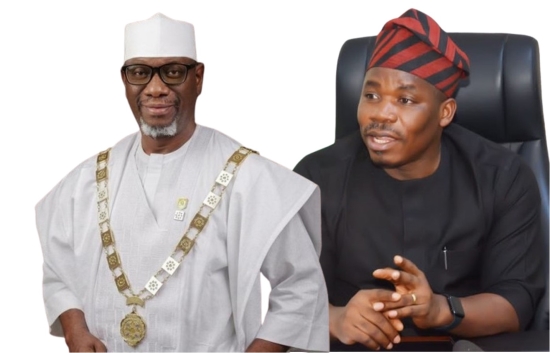
Nigeria Must Build, Not Just Import Vehicles, Oyeyemi Tells FG as Auto Policy Review Begins
Nigeria Must Build, Not Just Import Vehicles, Oyeyemi Tells FG as Auto Policy Review Begins
The Federal Government has commenced a fresh review of Nigeria’s automotive policy to accommodate emerging technologies such as electric vehicles (EVs), compressed natural gas (CNG)-powered vehicles and other alternative energy solutions, even as stakeholders have called for a more consistent policy framework that prioritises local manufacturing and value creation.
The development was disclosed at the 30th anniversary celebration of Motoring World International in Lagos, where industry leaders highlighted the urgent need to reposition Nigeria’s automotive sector for sustainable growth and global competitiveness.
Minister of Industry, Trade and Investment, Dr. Jumoke Oduwole, represented by the ministry’s Desk Officer for the Auto Industry, Samuel Adetoro, said the ongoing policy review is aimed at aligning Nigeria’s automotive ecosystem with global trends in sustainable mobility and industrial development.
According to the minister, the automotive industry remains a critical pillar of Nigeria’s industrialisation agenda with the capacity to generate employment, attract investments, deepen local manufacturing and reduce dependence on imported vehicles.
She explained that while the existing automotive policy had provided a framework for vehicle assembly operations, rapid technological advancements and changing global realities made it necessary to update the policy to address current and future transportation needs.
“The Ministry is working closely with stakeholders on the review of the National Automotive Industry Development Framework to ensure that it responds effectively to emerging realities, including electric mobility, CNG vehicles, automotive software development, smart manufacturing and green transportation technologies,” she said.
Oduwole added that the government is seeking to create an enabling environment that will encourage local production and assembly of alternative-fuel vehicles, while strengthening local content development, technology transfer, research and development, and the competitiveness of Nigerian automotive manufacturers.
She stressed that collaboration between government and the private sector would be crucial to building an automotive ecosystem capable of serving both domestic and regional markets under the African Continental Free Trade Area (AfCFTA).
The review comes amid the prolonged delay in the passage of the National Automotive Industry Development Plan (NAIDP) Bill, which is intended to provide a legislative and regulatory framework for investors in the sector.
The bill, passed by the Eighth National Assembly, was denied presidential assent and has remained in limbo for more than a decade.
Speaking at the event, former Corps Marshal of the Federal Road Safety Corps (FRSC), Dr. Boboye Oyeyemi, urged the Federal Government to adopt a long-term and consistent automotive industry policy focused on domestic manufacturing rather than revenue generation through vehicle import duties.
Oyeyemi, who chaired the occasion and is also President of the Chartered Institute of Logistics and Transport (CILT), said Nigeria possesses one of Africa’s largest automotive markets, supported by a population of over 240 million people, an estimated vehicle fleet of 21 million and more than 204,000 kilometres of road network.
However, he lamented that policy inconsistencies and weak support for local manufacturers had prevented the country from fully harnessing its vast potential.
He noted that repeated reviews of the National Automotive Industry Development Plan and related regulatory frameworks had failed to generate sustained industrial momentum, forcing investors to enter and exit the sector while several assembly plants struggled to survive.
According to him, Nigeria remains heavily dependent on imported used vehicles despite its enormous capacity for vehicle assembly, component manufacturing, automotive financing and electric vehicle infrastructure development.

Also speaking, Director-General of the National Automotive Design and Development Council (NADDC), Joseph Osanipin, represented by the council’s Director of Press and Public Affairs, Susan Bisong-Taiwo, called for stronger collaboration among government, industry stakeholders and the media to accelerate automotive industrialisation.
He said the council is implementing initiatives in electric vehicle development, CNG conversion, local content promotion, component manufacturing, skills acquisition and strategic partnerships aimed at transforming Nigeria from a vehicle-consuming nation into a leading automotive manufacturing hub in Africa.
Osanipin said the automotive industry is at a critical turning point globally, with innovations in electric mobility, alternative fuels, smart manufacturing and digital technologies redefining the future of transportation. He stressed that Nigeria must move swiftly to position itself as a key player in the evolving automotive landscape rather than remain a passive consumer of imported technologies.
According to him, the NADDC is pursuing strategic programmes designed to deepen local capacity, strengthen the automotive value chain and create employment opportunities for Nigerians. These initiatives, he noted, include support for local component manufacturing, skills development, research and innovation, as well as partnerships aimed at accelerating the adoption of cleaner and more efficient vehicle technologies.
“The future of mobility is already here, and it is being driven by innovation, sustainability and collaboration. Nigeria must not be left behind. Through deliberate policies, strategic investments and strong partnerships among government, industry players and the media, we can transform our nation from a vehicle-consuming market into a competitive automotive manufacturing and innovation hub for Africa,” Osanipin said.
-

 metro3 days ago
VIDEO: Suspected Bandit in Full Army Camouflage Arrested in Osogbo
-

 metro2 days ago
Schoolchildren Abductions: Pastor Ibiyeomie Drops Bombshell, Names Sponsors
-
 metro1 day ago
Sharia Demand for Oyo Abductees’ Release: Kidnappers Do Not Speak for Islam — Muslim Community
-

 News23 hours ago
Ekiti LG Vice Chairman Remanded Over Alleged Self-Kidnapping
-

 News1 day ago
Presidency announces arrest of suspect linked to fake Tinubu audio fraud
-

 International3 days ago
Trump Confirms Calling Netanyahu ‘Fucking Crazy’ in Explosive Phone Call
-

 metro3 days ago
Major Blow to ISWAP as Troops Neutralise Over 50 Terrorists in North-East
-

 News3 days ago
US Publishes Photos of 110 Nigerians Facing Deportation