

International
Gaza ceasefire talks in final stage, Palestinian negotiator tells BBC
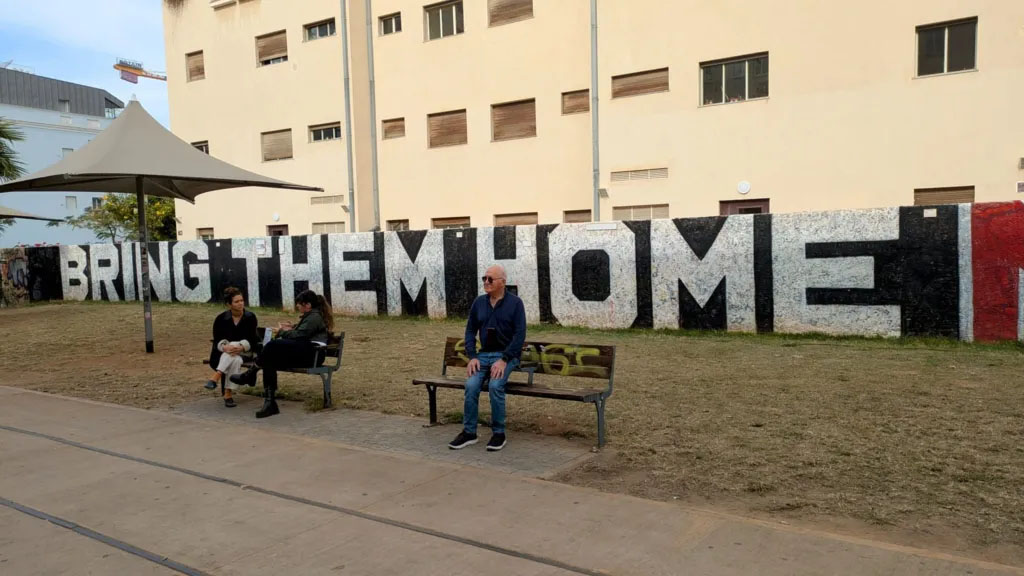
Gaza ceasefire talks in final stage, Palestinian negotiator tells BBC
After months of deadlock, there are new signs that Israel and Hamas could be moving closer to a Gaza ceasefire and hostage release deal.
A senior Palestinian official involved in the indirect negotiations told the BBC that talks were in a “decisive and final phase”.
Israel’s defence minister, Israel Katz, has also said an agreement is closer than ever.
In recent weeks, the US, Qatar and Egypt have resumed their mediation efforts – reporting greater willingness by both sides in this 14-month war to conclude a deal.
An Israeli delegation described as “working level” is currently in the Qatari capital Doha amid a flurry of diplomatic comings and goings in the region.
The Palestinian official outlined a three-phase plan which would see civilians and women soldiers held hostage in Gaza released in the first 45 days, with Israeli forces pulling out of city centres, the coastal road and the strategic strip of land along the border with Egypt.
There would be a mechanism for displaced Gazans to be able to return to the north of the territory, the official said.
A second stage would see remaining hostages freed and troops withdrawn before the third stage ending the war.
Of 96 hostages still held in Gaza, 62 are assumed by Israel to still be alive.
READ ALSO:
- Abduction: Lawyers slam N100m suit on IGP over Olamide Thomas rights violation
- Kaduna gov returns Abacha family seized lands by El-Rufai
- Nigerians paid N2.23tn in ransoms to bandits – NBS Report
The plan appears to be based on the deal US President Joe Biden outlined on 31 May and reports from all sides stress there are key details to work out.
A round of talks in mid-October failed to produce a deal, with Hamas rejecting a short-term ceasefire proposal.
According to his spokesman, Katz told members of the Israeli parliament’s foreign affairs committee on Monday: “We have not been this close to an agreement on the hostages since the previous deal,” referring to an exchange of hostages and Palestinian prisoners in Israel in November 2023.
He has since written on X: “My position on Gaza is clear. After we defeat Hamas’s military and governmental power in Gaza, Israel will have security control over Gaza with full freedom of action,” comparing this to the situation in the occupied West Bank.
“We will not allow any terrorist activity against Israeli communities and Israeli citizens from Gaza. We will not allow a return to the reality of before 7 October.”
Such comments are likely to be seen as problematic by negotiators trying to bridge gaps with Hamas. However, in Israel, they are seen as vital to guarantee the support of far-right Israeli cabinet ministers who have previously warned they would not agree to what they have described as a “reckless” deal in Gaza.
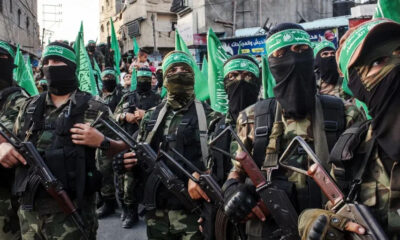
The Palestinian Islamist armed group Hamas, which governed Gaza, carried out an unprecedented cross-border attack in southern Israel on 7 October 2023. About 1,200 people were killed and 253 others abducted.
More than 100 hostages have been freed through negotiations or Israeli military rescue operations.
On 7 December, it is understood from Palestinian sources that Israel stopped aircraft movement and drone surveillance over the territory for six hours at the request of mediators, allowing Hamas to collect information about the hostages.
Pro-Qatari newspaper al-Araby al-Jadeed then reported that Hamas had handed a list of sick and elderly Israeli hostages as well as those with US citizenship to Egyptian intelligence officials. The paper said there were also the names of Palestinian prisoners that the group was demanding as part of the deal.
At the outset of the war in Gaza, Israel pledged to destroy Hamas’s governing and military capabilities. More than 45,000 Palestinians have since been killed according to figures from the Hamas-run Ministry of Health, which are seen as reliable by the UN and others.
Most of the 2.3 million population of Gaza has been displaced, there has been widespread destruction and amid an ongoing struggle to get aid to those in need, there is now mass hunger.
Donald Trump’s victory in November’s US presidential election has given a new push to diplomatic efforts.
At a news conference on Monday, he again warned that a ceasefire deal should be reached before he takes office, saying otherwise, “it’s not going to be pleasant.”
Gaza ceasefire talks in final stage, Palestinian negotiator tells BBC
BBC






International
Ninth Body Discovered in South Africa: Nigeria Issues Urgent Safety Alert to Nationals
Ninth Body Discovered in South Africa: Nigeria Issues Urgent Safety Alert to Nationals
Police cordon off Kempton Park and post a $56,000 combined bounty as the Nigerian Consulate warns citizens to exercise heightened vigilance.
South African police recovered the body of a ninth woman on Thursday along a roadside in Dawn Park, intensifying public alarm and prompting the Nigerian Consulate-General in Johannesburg to issue an emergency safety advisory to its citizens.
In response to the discoveries, law enforcement teams placed Kempton Park in the Ekurhuleni municipality under lockdown and established roadblocks to inspect vehicles and restrict suspect movement.
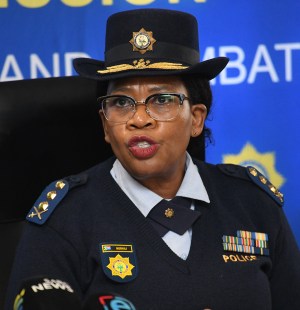
Deputy Police Chief Tebello Mosikili declared during a press conference that authorities will deploy specialized investigative units to track down those responsible.
To accelerate breakthroughs, police offered a 400,000 rand ($25,000) reward for credible tips, while South Africa’s Democratic Alliance provided an additional $31,000, establishing a combined bounty of $56,000.
Detectives are now evaluating forensic evidence to determine whether one perpetrator committed the murders or whether independent offenders copied earlier attacks.
Meanwhile, the Nigerian Consulate-General urged Nigerian residents, especially women and young people who commute, exercise, or study around Ekurhuleni, to take deliberate personal precautions.
The mission advised community members to travel in groups, stay clear of isolated trails, and share real-time travel details with trusted family members.
Furthermore, diplomatic officials emphasized that safety precautions must not shift the burden of crime prevention onto women, calling on South African authorities to ensure thorough investigations and justice for every victim.
Ninth Body Discovered in South Africa: Nigeria Issues Urgent Safety Alert to Nationals
Health
Fiji Declares National HIV Emergency as Diagnoses Surge Sixteenfold
Fiji Declares National HIV Emergency as Diagnoses Surge Sixteenfold
Authorities launch a multi-agency public health campaign to expand free testing, treatment, and harm-reduction services
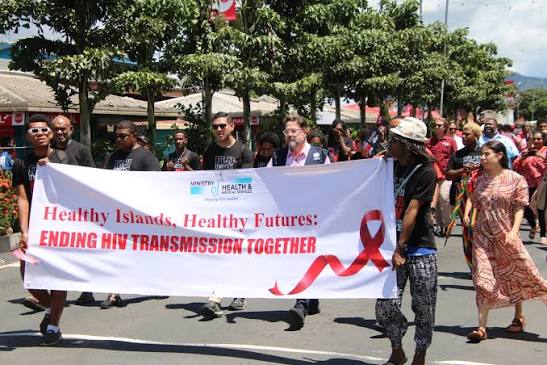
Fiji has announced a nationwide health response to address a significant rise in HIV cases and ensure that all residents can access essential medical care.
On Wednesday, Health Minister Dr. Atonio Lalabalavu shared the emergency declaration, explaining that national agencies are joining forces to provide rapid medical support, expand testing, and protect community well-being across the islands.
Official reports indicate that about one in every 60 adults in Fiji currently lives with HIV, following an increase in new infections over recent years. Health specialists explain that the virus spreads primarily through intimate sexual contact and shared needles among individuals using illicit substances.
Additionally, routine screenings revealed that two out of every 100 expecting mothers carry the virus, highlighting an urgent need for early maternal healthcare to protect newborns from infection.
To safeguard public health, authorities are delivering free daily treatments, distributing protective preventive medications, and setting up clean needle programs to stop infections before they start.
Furthermore, global partners, including Australia, New Zealand, India, and United Nations health bodies are providing financial resources and medical supplies to back the local effort.
By encouraging open community conversations and delivering accessible healthcare without judgment, health workers aim to ensure that everyone receives the care and dignity they deserve.
Fiji Declares National HIV Emergency as Diagnoses Surge Sixteenfold
International
Kim Yo-jong: Only ‘Idiots’ Think North Korea Will Give Up Nuclear Weapons

-

 International2 days ago
Islamic Council Condemns Attempted Attack on Holy City of Mecca
-

 metro3 days ago
Lagos Power Outage: Ikeja Electric Blames TCN as Businesses, Homes Groan
-
 News2 days ago
Keep Politics Out of My Office — Ogbomoso Grand Chief Imam Warns Politicians, Bloggers
-
 metro2 days ago
Niger Mosque Abductions: Terrorists Execute 30 of 500 Captive Muslim Worshippers
-

 International3 days ago
US Court Blocks Trump Visa Rule Limiting Stay of Foreign Students, Journalists
-

 Entertainment2 days ago
BREAKING: Olu Jacobs Dies at 84, Atiku Mourns Cultural Icon
-
 metro3 days ago
Fatal NURTW Leadership Clash in Osun Leaves Two Dead; State Orders Park Shut Down
-

 Business1 day ago
Fuel Prices Climb to ₦1,500 per Litre Across Nigeria, Sparking Calls for Urgent Action