

metro
Child Soldiers, Baby Factories: US Raises Alarm Over Official Complicity in Nigeria
The United States has raised fresh concerns over human trafficking in Nigeria, accusing authorities of failing to adequately address alleged official complicity, protect vulnerable victims and hold government personnel accountable for trafficking-related offences.
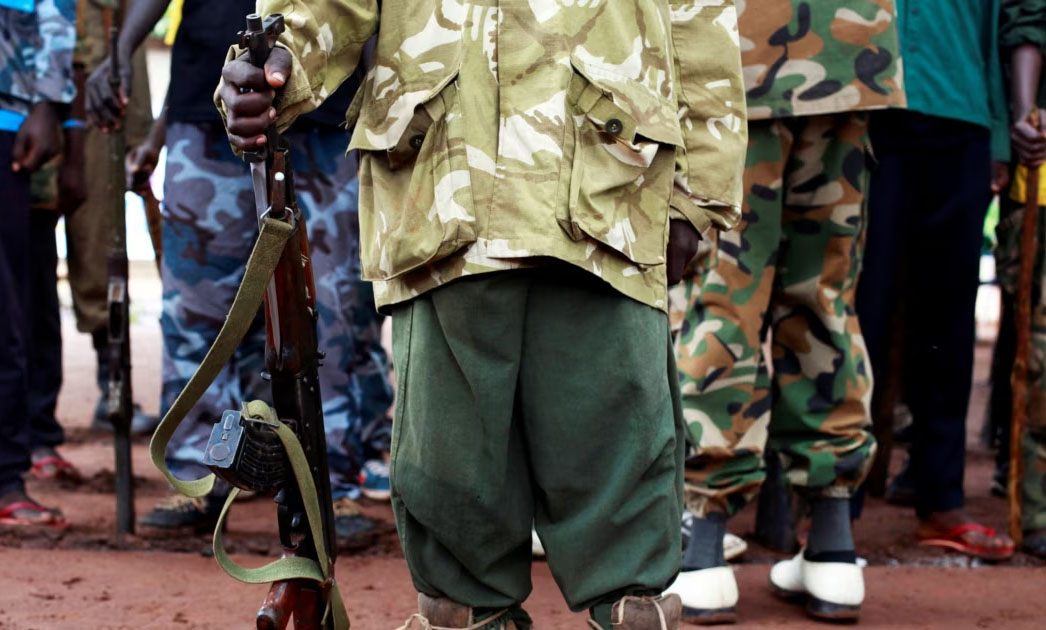
The concerns are contained in the 2026 Trafficking in Persons (TIP) Report released by the US Department of State, which also identifies Nigeria among 14 countries listed over the recruitment or use of child soldiers.
The report, covering developments from April 1, 2025, to March 31, 2026, retained Nigeria on Tier 2 of the US trafficking assessment. The classification means the country does not fully meet the minimum standards for eliminating human trafficking but is making significant efforts to meet them.
Nigeria’s inclusion on the Child Soldiers Prevention Act list highlights continuing concerns about the recruitment and exploitation of children by armed groups, while the report also draws attention to the operation of so-called baby factories, forced labour and sexual exploitation.
The US government identified corruption and alleged official complicity as significant obstacles to tackling trafficking in Nigeria, arguing that the failure to hold implicated personnel accountable could allow offenders to escape justice.
According to the report, Nigerian authorities did not provide information on investigations, prosecutions or convictions of government employees allegedly involved in trafficking offences during the reporting period. The assessment also raised concerns about the absence of reported accountability for some officials previously implicated in such cases.
The findings have renewed scrutiny of Nigeria’s efforts to combat human trafficking, particularly the protection of women and children and the investigation of allegations involving public officials.
The report identified Boko Haram and the Islamic State West Africa Province (ISWAP) among the armed groups that continue to recruit, abduct and use children in conflict-related activities. It said children as young as 12 were reportedly exploited in various roles, including as cooks, domestic workers, spies, messengers, guards and combatants. Some children were also reportedly used as human shields and suicide bombers.
READ ALSO:
- 2027 Elections: Atiku Demands Names of INEC Ballot Printers, Questions Secret Contracts
- ₦8.7bn Erosion-Control Budget Gap Raises Questions as Anambra Gullies Expand
- Fuel Subsidy May Ease Hardship Today, But Could Cripple Nigeria’s Economy Tomorrow — FG
The assessment raised concerns about the protection of children associated with armed groups and the need to ensure that those rescued or removed from such groups are referred to appropriate care and rehabilitation services. The issue remains particularly sensitive in northeastern Nigeria, where years of insurgency have exposed children and other vulnerable people to abduction, forced recruitment, sexual exploitation and other abuses.
The US report also highlighted concerns about the treatment of women and girls who had been forcibly married to insurgents. It alleged that some survivors were returned to their Boko Haram husbands or traffickers at demobilisation centres in Borno State. Such practices, if established, could expose survivors to further abuse and undermine efforts to rehabilitate people affected by insurgency and trafficking.
Beyond the conflict in the northeast, the report identified the continued operation of baby factories in Nigeria as a major human-trafficking concern. These illegal operations are often disguised as orphanages, maternity homes or religious centres. Women and girls may be held against their will, sexually abused and forced to become pregnant or give birth, while their babies are sold to third parties. The children may subsequently face exploitation, including forced labour and sex trafficking.
The report described baby factories as a widespread criminal industry, particularly in southern Nigeria, where poverty, limited economic opportunities and demand within illegal adoption networks can increase vulnerability to exploitation. The findings underscore the importance of investigating suspicious maternity homes and unregulated facilities, protecting potential victims and prosecuting those responsible for coercion, sexual abuse and the sale of children.
The US assessment also identified several forms of forced labour and exploitation affecting children and adults in Nigeria. According to the report, traffickers exploit children in domestic work, street begging, street vending, agriculture, textile manufacturing, granite quarries and artisanal mines. Some children are reportedly forced to work to support traffickers or intermediaries, while others face physical, emotional or sexual abuse.
The report highlighted the risks facing children from impoverished households who enter domestic service through labour brokers. It warned that some are subjected to exploitation rather than receiving the education and economic opportunities their families may have expected.
READ ALSO:
- Petrol Price Hike Hits Abuja as MRS, AA Rano, Others Raise Rates Despite FG’s Discount Plan
- Kano Police Explain Blockade of ‘Tinubu Must Go’ Meeting
- Xenophobia: Nigeria Evacuates 111 More Citizens From South Africa as Returnees Hit 2,037
Women and girls also remain vulnerable to sexual exploitation and forced marriage. The report identified cases in which women and girls were reportedly given to older men to settle family debts, a practice sometimes described as money marriage. It further raised concerns about Nigerians recruited for work abroad under false promises and subsequently subjected to domestic servitude or sexual exploitation.
The assessment said some foreign nationals were also vulnerable to trafficking within Nigeria, including people recruited into organised online scam operations and workers exposed to coercive labour conditions.
The report criticised gaps in the provision of services to trafficking survivors, including inadequate shelter capacity for adult male victims. It said 675 trafficking survivors received assistance in 2025, compared with 2,058 in 2024.
The assessment also raised concerns about restrictions on freedom of movement in some shelters operated by the National Agency for the Prohibition of Trafficking in Persons (NAPTIP), as well as requirements that some victims cooperate with law-enforcement authorities to access certain protection services. According to the report, some victims who declined shelter accommodation did not receive services, potentially increasing their vulnerability to further exploitation.
The findings point to the need for a victim-centred approach that makes medical care, counselling, safe accommodation and rehabilitation accessible without exposing survivors to further harm. The report also called for stronger procedures to identify trafficking victims among internally displaced people, returning migrants, children associated with armed groups and people working in vulnerable sectors.
Despite the criticism, the report acknowledged improvements in Nigeria’s anti-trafficking enforcement efforts. Nigerian authorities investigated 1,341 trafficking cases involving 1,367 suspects in 2025, compared with 744 investigations in 2024. The country also recorded 94 prosecutions and 97 convictions in 2025, up from 71 prosecutions and 49 convictions in the previous year.
The report further recorded increased government funding for victim services and prevention programmes. It said the government allocated ₦233 million for victim services in 2025, compared with ₦128 million previously, while funding for prevention rose to ₦245 million from ₦58.8 million in 2024.
Other efforts acknowledged in the assessment included the identification of trafficking victims, cooperation with foreign authorities and INTERPOL on investigations, and the implementation of Nigeria’s 2022–2026 National Action Plan against human trafficking. The report also noted the operation of an anti-trafficking hotline and the presence of anti-trafficking task forces in 23 states.
However, the US government maintained that stronger action was needed to address official complicity, improve protection services and ensure that perpetrators were held accountable.
Nigeria’s inclusion on the Child Soldiers Prevention Act list could affect certain categories of US military assistance and defence-related transactions under applicable US law. The listing does not automatically suspend every form of American assistance to Nigeria. Any restrictions depend on the relevant legal provisions, the type of assistance involved and whether an applicable exception or presidential waiver applies.
The designation nevertheless places additional attention on the need to prevent and address the recruitment and use of children in armed conflict.
The findings present a significant challenge for Nigerian authorities: sustaining improvements in trafficking investigations and convictions while addressing alleged official involvement, strengthening protection for survivors and preventing the exploitation of children.
The report calls for credible allegations against public officials to be investigated, trafficking survivors to receive appropriate support and perpetrators to face accountability. For Nigeria, the effectiveness of its anti-trafficking response will depend not only on arrests and convictions but also on preventing abuse, protecting vulnerable people and ensuring that those entrusted with enforcing the law are themselves held accountable when credible evidence of wrongdoing emerges.
Child Soldiers, Baby Factories: US Raises Alarm Over Official Complicity in Nigeria







metro
Nigerian Health Worker, 26, Found Dead in Canada After Returning From Work

Nigerian Health Worker, 26, Found Dead in Canada After Returning From Work
A 26-year-old Nigerian healthcare worker, Ayotomiwa Chelsea Omotosho, has been found dead in her apartment in Canada, a day after returning home from work, leaving her family and members of the Nigerian community devastated.
Omotosho, popularly known as Chelsea, was reportedly found lifeless on Thursday, November 19, 2026, after returning home from work the previous day. The circumstances surrounding her death remain unclear, with the cause yet to be established.
News of her death emerged through a fundraising appeal organised by members of the Nigerian community in Canada, led by Samuel Oni, to raise money for her funeral and burial arrangements.
According to the appeal, Chelsea relocated to Canada in May 2024 to pursue her educational and career ambitions. She enrolled at Humber College, where she studied Media Management and graduated in November 2025.
Following her graduation, she reportedly secured employment in the healthcare sector at The Residence on Yonge, where she was working before her death.
She was also associated with the MOLC Choir, through which she built friendships and maintained close relationships within the Nigerian community in Canada.
Describing her as a hardworking and compassionate young woman, the fundraising organisers said her sudden death had left those who knew her struggling to come to terms with the loss.
READ ALSO:
- Phone-Tapping Claim: I Lied to Unsettle Tinubu Government – El-Rufai
- IGP Suspends Wanted Declaration Against Obaigbena, Eight Others, Orders Fresh Probe
- ‘I Came to Nigeria for Love, Now I’m Stranded, Begging for Rent’ — American Woman Married to Enugu Man Cries Out
Chelsea was the youngest of four children, and her parents are based in Nigeria.
Recounting the circumstances surrounding her death, the organisers said she returned home from work on Wednesday, November 18, as she would normally do, but was found dead the following day.
The appeal described her death as a devastating loss, noting that she had moved to Canada with dreams, determination and hopes of building a promising future.
The organisers expressed concern over the emotional and financial burden facing her parents, who had sent their youngest daughter abroad to pursue education and better opportunities.
They said the family was now confronted with the difficult task of making funeral arrangements thousands of kilometres away from home.
The Nigerian community in Canada has launched a fundraising campaign with a target of 25,000 Canadian dollars to support the burial arrangements and ease the financial burden on her family.
The funds are expected to cover funeral home services, documentation, burial and cemetery expenses, memorial arrangements and other related costs.
The organisers appealed to Nigerians in Canada, members of the diaspora and other well-meaning individuals to contribute towards giving Chelsea a befitting burial.
They also urged those unable to donate financially to share the fundraising appeal to help reach more people.
As of Wednesday evening, November 25, about 14 per cent of the 25,000 Canadian dollar target had reportedly been raised.
While family members and friends mourn her sudden death, questions remain about the circumstances surrounding the tragedy, as the cause of death has not been publicly disclosed.
The family and members of the Nigerian community are now left to grieve the loss of a young woman whose journey to Canada was driven by dreams of education, career advancement and a better future.
Nigerian Health Worker, 26, Found Dead in Canada After Returning From Work
metro
Phone-Tapping Claim: I Lied to Unsettle Tinubu Government – El-Rufai
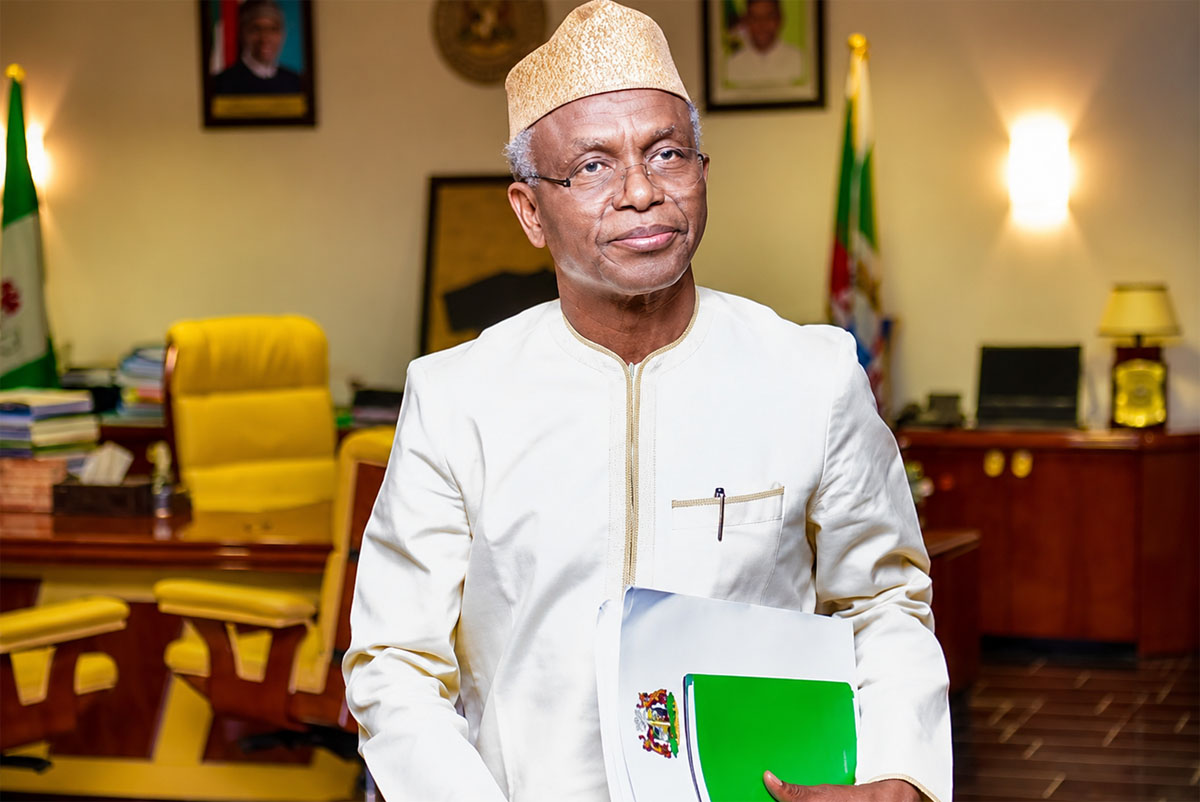
Phone-Tapping Claim: I Lied to Unsettle Tinubu Government – El-Rufai
Former Kaduna State Governor Nasir El-Rufai has admitted that his claim about listening to the telephone conversations of National Security Adviser (NSA), Nuhu Ribadu, was false, saying he deliberately made the statement to unsettle the government.
El-Rufai made the admission on Wednesday while testifying in his defence before the Federal High Court in Abuja in his ongoing trial over alleged phone interception and other offences.
The former governor explained that his February claim that opposition figures were listening to conversations involving government officials was political rhetoric and not a literal admission that he or his associates had intercepted Ribadu’s telephone calls.
He spoke while his lawyer, Paul Erokoro, SAN, played excerpts of the interview he granted Arise Television on February 13, during which he alleged that Ribadu had ordered his arrest.
During the interview, El-Rufai had claimed he knew about the alleged arrest directive because opposition figures were listening to conversations involving government officials.
Asked how he obtained the information, he had said, “He made the call because we listen to their calls.”
However, explaining the statement in court, El-Rufai said he used the expression to suggest that the government was monitoring opposition figures and that they were aware of what officials were doing.
“What I wanted to say was that the government was monitoring opposition figures and that we knew what they were doing.
“I used the word ‘tap’ as political rhetoric to make them uncomfortable. It was rhetorical, not literal. It was linguistic flourish, just to make the government uncomfortable,” he said.
When his lawyer reminded him that the interviewer had pointed out that unauthorised phone interception was illegal, El-Rufai said his intention was to accuse the government of allegedly monitoring opposition figures without lawful court orders.
READ ALSO:
- IGP Suspends Wanted Declaration Against Obaigbena, Eight Others, Orders Fresh Probe
- ‘I Came to Nigeria for Love, Now I’m Stranded, Begging for Rent’ — American Woman Married to Enugu Man Cries Out
- Nigeria Makes Continental Mark as W Motors Wins Jetour Africa Award
“I was referring to the government violating the law and not someone else doing it,” he said.
The former governor denied personally intercepting Ribadu’s telephone conversations or asking anyone to do so, insisting that he lacked the technical knowledge and equipment required for phone tapping.
He said the pronoun “we” used during the television interview referred to himself and other prominent opposition figures, but maintained that none of them had intercepted the NSA’s calls.
El-Rufai told the court that he learnt of an alleged plan to arrest and detain him through a mutual friend whose identity he declined to disclose, citing the need to protect his source.
He said the friend later visited him after the television interview and clarified that he had not tapped Ribadu’s telephone.
According to El-Rufai, he told the friend that he was already aware of that but had deliberately made the claim to make government officials uncomfortable.
Testifying about his relationship with Ribadu, the former governor said he had known the NSA since 2003, when he served as Director-General of the Bureau of Public Enterprises.
He said he assisted Ribadu in establishing the Economic and Financial Crimes Commission (EFCC) by providing office accommodation and funding.
READ ALSO:
- APC Chieftain Admits ‘Huge Mistake’ Over Opposition to Jonathan’s Fuel Subsidy Removal
- Senate Meeting Turns Bloody As Rivers Senator’s Aide Allegedly Beaten, Struck With Gun Butt
- Daura Controversy: Agunbiade Urges Probe Into Palace Security Lapses
El-Rufai, however, said their relationship deteriorated after Ribadu contested the 2011 presidential election, adding that he supported the late former President Muhammadu Buhari, whom he considered a better candidate.
He also alleged that Ribadu was hostile towards him because of his opposition to President Bola Tinubu’s re-election bid.
The allegations against Ribadu have not been established in court.
El-Rufai is being prosecuted by the Department of State Services (DSS) over allegations arising from his February television interview, in which he claimed that Ribadu’s telephone conversations had been intercepted.
The charges reportedly include alleged unlawful interception of communications, unauthorised access to classified information, interference with critical national information infrastructure and failure to report an alleged crime.
The former governor has pleaded not guilty to the charges.
The prosecution had earlier presented its witnesses before closing its case, after which El-Rufai filed a no-case submission seeking to be discharged and acquitted.
Justice Joyce Abdulmalik dismissed the application on October 26, ruling that the prosecution had presented sufficient evidence to require him to enter his defence.
El-Rufai subsequently began testifying in his own defence, with proceedings expected to continue on the dates fixed by the court.
Phone-Tapping Claim: I Lied to Unsettle Tinubu Government – El-Rufai
metro
IGP Suspends Wanted Declaration Against Obaigbena, Eight Others, Orders Fresh Probe

IGP Suspends Wanted Declaration Against Obaigbena, Eight Others, Orders Fresh Probe
The Inspector-General of Police (IGP), Olatunji Rilwan Disu, has suspended the wanted declaration issued against media mogul Nduka Obaigbena and eight other individuals over an alleged threat to the life of FirstBank Managing Director, Olusegun Alebiosu.
Disu also ordered the transfer of the case to the Force Intelligence Department (FID), Abuja, for a fresh, thorough and impartial investigation, directing all nine individuals to report to the department between November 26 and 30.
The directive was announced in a statement issued on Wednesday, November 25, by the Force Public Relations Officer, Ani Iniedu, following the controversy surrounding the wanted declaration by the Assistant Inspector-General of Police in charge of Zone 2, Olohundare Jimoh.
The IGP directed that the earlier wanted declaration be suspended pending the final outcome of the investigation, signalling a change in the handling of the case.
Those affected are Henry Kayode Ojogho of Broron Limited; Emmanuel Iheagwazi of Necit Nigeria Limited; Eze David of Energy Shield Petrochemical Limited; Tope Shonubi of Sahara Group; Ernest Azudialu-Obiejesi and Nnenna Azudialu-Obiejesi of Nestoil; Emmanuel Orim and Victoria Orim of Luzen Plaza; and Nduka Obaigbena of General Hydrocarbon Limited.
The police said the transfer was intended to ensure an impartial investigation and reiterated their commitment to due process and professional handling of the matter.
How Police Declared Obaigbena, Eight Others Wanted
The suspension followed the announcement by AIG Jimoh on November 24 that the nine individuals had been declared wanted over an investigation into an alleged threat against Alebiosu.
READ ALSO:
- ‘I Came to Nigeria for Love, Now I’m Stranded, Begging for Rent’ — American Woman Married to Enugu Man Cries Out
- Nigeria Makes Continental Mark as W Motors Wins Jetour Africa Award
- APC Chieftain Admits ‘Huge Mistake’ Over Opposition to Jonathan’s Fuel Subsidy Removal
The investigation reportedly began after a parcel presented as a gift was delivered to Alebiosu’s residence in Ikoyi, Lagos, in May. Police said the package contained two rounds of live ammunition, raising concerns about a possible threat to the bank executive and his family.
According to the police, 10 bank customers and other persons considered relevant to the investigation were invited for questioning on November 5 and asked to appear on November 12. Jimoh said only one person honoured the invitation, prompting the declaration against the remaining nine.
The police said the investigation involved detectives, ballistic experts and forensic personnel seeking to establish the circumstances surrounding the delivery and identify those responsible.
Obaigbena Rejects Wanted Declaration
Obaigbena, who chairs THISDAY and ARISE Media Group, rejected the wanted declaration, describing it as a “desperate smear campaign” and insisting that he had not received any police invitation to appear for questioning.
His office said he had been in contact with senior police officials as recently as November 19 but was not informed that investigators wanted to question him over the ammunition parcel.
It also maintained that the disputes involving FirstBank and General Hydrocarbon Limited were commercial matters and had no connection with any personal threat against Alebiosu.
The office further said discussions had been ongoing toward an out-of-court resolution of the financial dispute involving the bank and the company.
With the IGP’s latest directive, the nine individuals are expected to report to the Force Intelligence Department in Abuja within the stipulated period as the police continue their investigation.
The police have said the matter will be handled in accordance with the law, while the suspension of the wanted declaration remains pending the outcome of the probe.
IGP Suspends Wanted Declaration Against Obaigbena, Eight Others, Orders Fresh Probe
-
 metro1 day ago
Oyoland Grand Chief Imam Moves to End Feud, Seeks Reconciliation Among Markaziyya, Adabiyyah, Mahdul ‘Arabi
-
 metro3 days ago
‘I Paid My Ex-Husband Before He Slept With Me’ – Islamic Preacher Kaola Makes Shocking Revelation
-
 News2 days ago
Omokri Arrives in Mexico to Assume Duty as Nigerian Ambassador, Thanks Govt for Ministerial Reception
-

 Education3 days ago
South-West Leaders Challenged to Emulate Kwankwaso, Invest in Education of Poor Children
-
 Politics2 days ago
Uduere Killings: Ughelli Chairman Accuses Omo-Agege’s Camp of Triggering Deadly Clash, Demands IGP Probe
-
 metro2 days ago
‘Shame on You’: Fayose Blasts Nigerian Youths Over Poor Protest Turnout
-
 metro2 days ago
Tinubu Gives Igboho Fresh Security Mandate Across South-West
-

 Politics3 days ago
‘Tinubu Must Go’: Protesters Storm INEC HQ, Demand Electoral Accountability