

metro
Court sentences pastor to death for killing daughter over alleged witchcraft
Court sentences pastor to death for killing daughter over alleged witchcraft
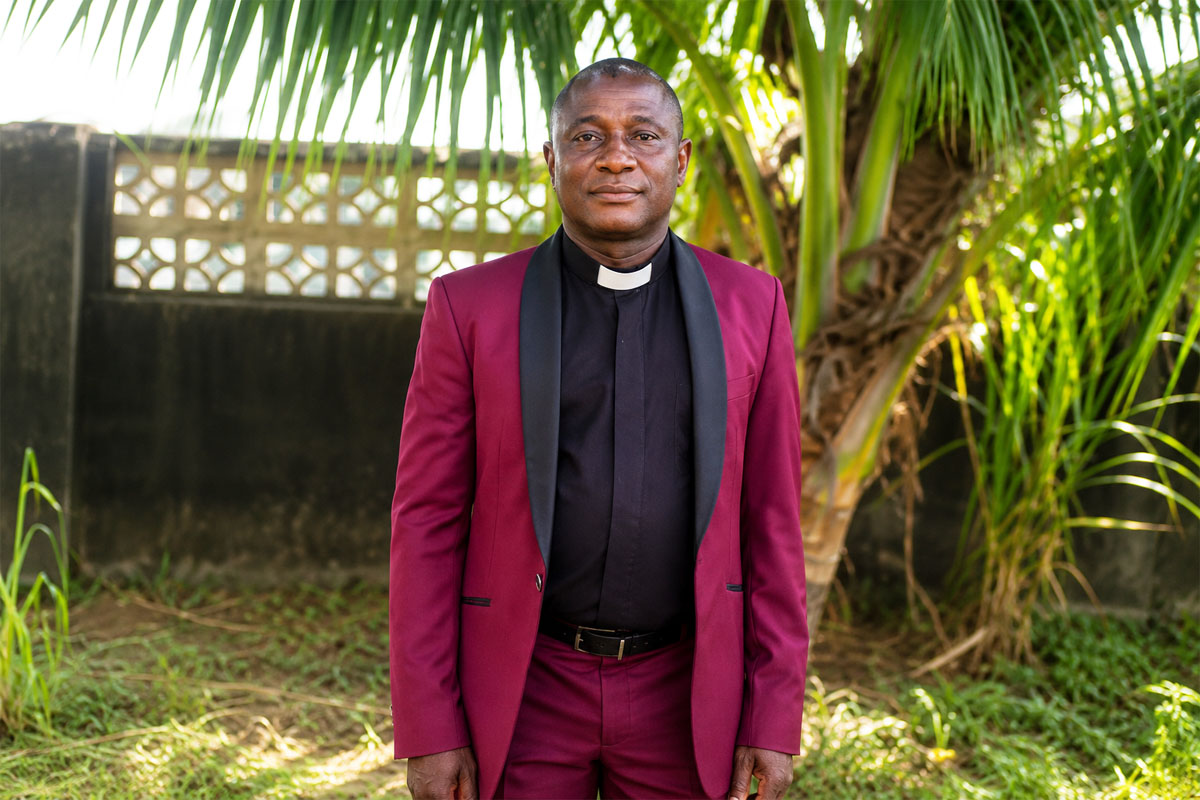
A Cross River State High Court sitting in Calabar has sentenced Apostle Ubong Bassey Etim to death by hanging for the murder of his 16-year-old daughter, Deborah Bassey, after falsely accusing her of witchcraft.
Justice Blessing Egwu of High Court No. 11 delivered the judgment on Monday, holding that the prosecution proved the offence of murder beyond reasonable doubt and established the defendant’s guilt through credible evidence presented during the trial.
The verdict brings to a close a case that attracted widespread national attention and condemnation from child rights advocates, disability rights groups and civil society organisations, who described the killing as a tragic consequence of harmful witchcraft accusations against children, particularly those living with disabilities.
According to evidence presented before the court, Deborah Bassey, who was living with Down syndrome, was repeatedly accused of being a witch by her father before she was eventually killed. Prosecutors argued that the accusations were baseless and driven by superstition rather than any factual evidence.
In delivering judgment, Justice Egwu ruled that the prosecution successfully established all the essential ingredients of the offence of murder, leaving no reasonable doubt as to the defendant’s culpability. The court subsequently imposed the death sentence prescribed under the applicable provisions of the law.
The judgment has been welcomed by child protection advocates, who say it sends a strong message that perpetrators of violence against children will be held accountable regardless of their social or religious status.
READ ALSO:
- Jetour Nigeria Extends Winning Streak, Clinches Auto Brand of the Year Award
- Court sentences Ansaru leaders to life imprisonment over terrorism, kidnapping
- No Hiding Place for Traffic Offenders as FRSC Unleashes 12 Special Operations Nationwide
Reacting to the ruling, the Basic Rights Counsel Initiative (BRCI) described the conviction as a landmark victory in the fight against child abuse, witchcraft branding and violence targeting vulnerable children.
In a statement signed by its Principal Counsel and Co-Founder, James Ibor, the organisation said the judgment represents a significant milestone in efforts to eliminate the dangerous practice of accusing children of witchcraft.
According to BRCI, the verdict not only delivers justice for Deborah but also reinforces the principle that every child has the constitutional right to life, dignity and protection from abuse.
The organisation said the decision should serve as a warning to individuals who continue to subject children to torture, abandonment or death based on false accusations of witchcraft.
BRCI commended the Nigeria Police Force, the Cross River State Ministry of Justice, the judiciary, prosecutors, investigators and other stakeholders whose efforts contributed to the successful prosecution of the case.
The group also reaffirmed its commitment to protecting vulnerable children and pledged to intensify advocacy against witchcraft accusations, child abuse and discrimination affecting children living with disabilities.
Child rights advocates have repeatedly expressed concern over the continued stigmatisation of children with developmental or intellectual disabilities in some communities, where myths and superstitions have occasionally resulted in abuse, abandonment and even killings.
Experts emphasise that Down syndrome is a naturally occurring genetic condition caused by the presence of an extra copy of chromosome 21. Medical professionals have consistently stated that the condition has no connection with supernatural beliefs or witchcraft and have urged families to seek appropriate healthcare, education and social support for affected children.
The case has also renewed calls for stronger enforcement of Nigeria’s Child Rights Act and related child protection laws enacted by various states, which prohibit abuse, neglect, discrimination and all forms of violence against children.
Legal analysts say the conviction reinforces the judiciary’s commitment to protecting vulnerable persons and ensuring that offences involving children are prosecuted without fear or favour.
Advocates are also urging governments, religious institutions, traditional leaders and community organisations to increase public awareness about disability rights and child protection while discouraging harmful beliefs that expose children to violence.
The judgment is expected to strengthen ongoing efforts by law enforcement agencies and child protection organisations to combat witchcraft-related violence and ensure justice for victims across Nigeria.
Court sentences pastor to death for killing daughter over alleged witchcraft













metro
Former Delta Governor Emmanuel Uduaghan Dies at 71, Three Days to 72nd Birthday

Former Delta Governor Emmanuel Uduaghan Dies at 71, Three Days to 72nd Birthday
ASABA — The political landscape of Delta State and Nigeria at large was thrown into mourning on Monday following the demise of former Governor, Dr. Emmanuel Eweta Uduaghan, who passed away at the age of 71.
According to a statement released by his family, the former two-term governor died in the early hours of Monday, October 19, 2026, following a brief illness. His passing comes just three days shy of his 72nd birthday, as he was born on October 22, 1954.
The family’s statement, signed by Toju Anire Uduaghan, described the death as an “immeasurable loss.” They remembered the late politician as a “source of strength, a father figure, a beloved brother and uncle, and a respected elder” whose life and service touched countless people across Delta State and the nation.
A Legacy of Service
Dr. Uduaghan leaves behind a robust political legacy that spanned over a decade and a half in the public service of Delta State.
He began his political career as the Commissioner for Health between 1999 and 2003 under the administration of Governor James Ibori. His administrative acumen saw him elevated to the position of Secretary to the State Government (SSG) from 2003 to 2007, a role in which he played a pivotal part in the state’s governance structure.
In 2007, he successfully contested and won the governorship seat, succeeding his mentor, Ibori. He was re-elected for a second term, governing the oil-rich state until 2015. During his tenure, Uduaghan was widely known for his “Delta Beyond Oil” economic diversification agenda, an initiative aimed at shifting the state’s economic dependence from crude oil to agriculture, infrastructure, and human capital development. He was also fondly referred to as the “Talk and Do” governor due to his penchant for completing projects.
Outpouring of Grief
Following the announcement, tributes have begun to pour in from across the country. Political associates, friends, and constituents have taken to social media and traditional media to express their shock and sorrow at the passing of the former governor.
Many recall his time in office as a period of relative peace and infrastructural growth in Delta State. His family has requested privacy during this difficult time as they mourn the loss of their patriarch.
Funeral arrangements are expected to be announced by the family in the coming days.
Former Delta Governor Emmanuel Uduaghan Dies at 71, Three Days to 72nd Birthday
metro
Farmers-Herders Clash in Abuja Leaves Three Dead as Houses, Shops Burn
Farmers-Herders Clash in Abuja Leaves Three Dead as Houses, Shops Burn
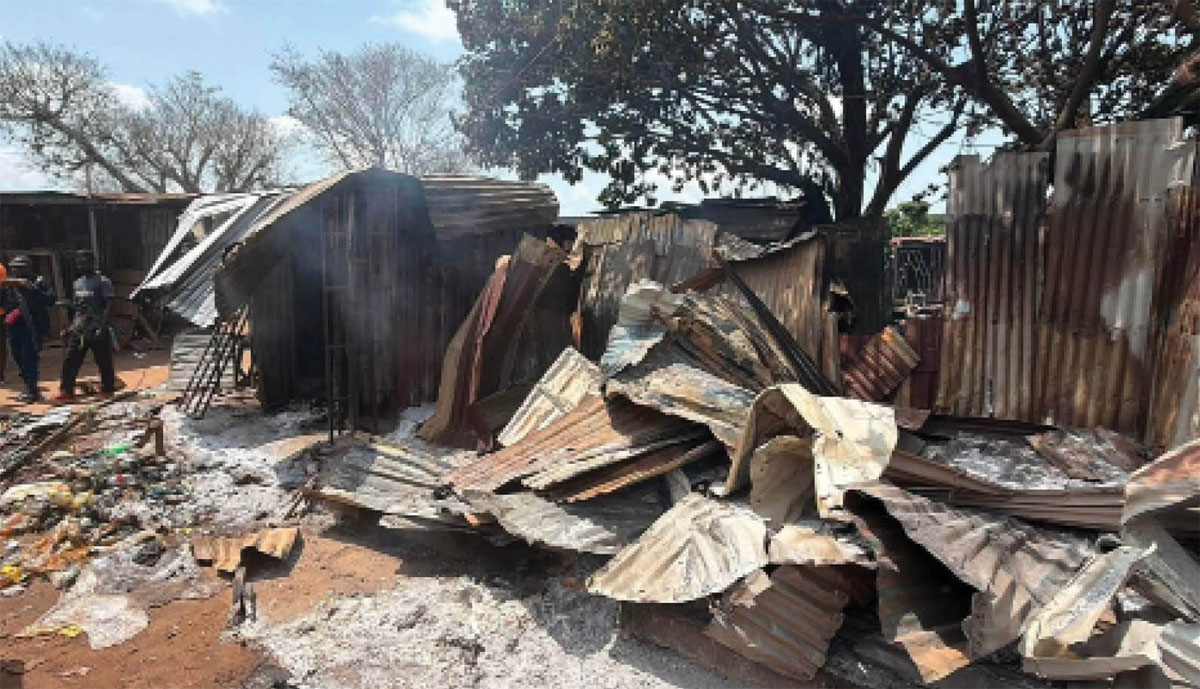
At least three people have reportedly been killed in a renewed farmers-herders clash in Paikon-Kore community, Gwagwalada Area Council of the Federal Capital Territory (FCT), with several others injured and properties destroyed.
The violence, which reportedly began on Saturday afternoon and continued until Sunday morning, October 18, left houses, shops and a motorcycle burnt, while goods in the affected shops were destroyed.
However, another report put the death toll at five, with eyewitnesses saying both farmers and herders were among those killed. The exact number of casualties had yet to be officially confirmed as of the time of reporting.
A resident, Danlami Ibrahim, said the latest confrontation began after cattle allegedly entered a groundnut farm containing crops that were yet to be harvested.
According to him, the farm owner confronted the herders, leading to an argument that escalated into violence. One of the herders allegedly attacked a farmer with a cutlass, severing one of his hands.
The incident reportedly triggered anger among residents and led to retaliatory attacks in which three herders were said to have been killed. Several other people sustained injuries and were taken to hospitals in Gwagwalada for treatment.
READ ALSO:
- Nollywood Mourns as Actress, Beauty Queen Tenia Abraham Dies at 32
- FG Challenges World Bank’s 124% Debt-to-Revenue Warning, Cites Rising Income
- Mbappé Runs Riot as Real Madrid Crush Sevilla 4-1 Ahead of El Clásico
The Secretary of the Miyetti Allah Cattle Breeders Association of Nigeria (MACBAN), Gwagwalada Area Council chapter, Mohammed Usman, confirmed that three herders had died, although he said he was still gathering information about the number of injured people.
Usman said he had informed the Gwagwalada Area Council chairman, Kasim Mohammed Ikwa, about the incident.
Ikwa visited the affected community on Sunday alongside the Divisional Police Officer, SP Aaron H. Kaura, and other security personnel. He condemned the violence and called on residents to remain calm.
The council chairman said a stakeholders’ meeting would be convened to address the crisis and identify ways to prevent further clashes. He urged farmers, herders, youths and community leaders to embrace dialogue and avoid retaliatory attacks.
Ikwa also advised farmers whose crops were damaged by cattle to report such incidents to security agencies rather than resort to self-help. He urged residents to cooperate with security personnel deployed to restore peace.
The FCT Police Command spokesperson, SP Josephine Adeh, had yet to publicly respond to enquiries about the incident as of the time of the report.
The latest violence follows previous confrontations in Paikon-Kore and neighbouring communities, including a clash in August that reportedly left a farmer with a severed hand and three other people with machete injuries.
Recurring disputes over cattle grazing, destruction of crops, access to farmland and grazing routes have fuelled tensions between farming and herding communities across parts of the FCT.
Herders have also complained about the encroachment of designated grazing areas by farms, housing estates and other developments, while farmers have repeatedly raised concerns about livestock entering their fields and destroying crops.
The Federal Government has identified the FCT as one of the priority areas for efforts to address farmers-herders conflicts. The Ministry of Livestock Development has also announced plans to work with the FCT Administration and pastoralist groups to rehabilitate grazing reserves and improve livestock management.
Security analysts have called for stronger early-warning systems, impartial law enforcement, compensation for damaged crops and effective mediation to prevent local disputes from escalating into deadly violence.
The latest clash has renewed concerns about the safety of rural communities around Abuja and the need for a lasting solution to recurring disputes between farmers and herders.
Farmers-Herders Clash in Abuja Leaves Three Dead as Houses, Shops Burn
metro
Ogun House Fire Horror: Husband Arrested After Wife Dies Following Domestic Dispute

Ogun House Fire Horror: Husband Arrested After Wife Dies Following Domestic Dispute
Police in Ogun State have arrested a 56-year-old man, Madarikan Emehinola, following the death of his 40-year-old wife, Igbagbo Erobe, in a house fire in Igbo-Edu, Ogun Waterside Local Government Area.
The incident, suspected to be a case of arson, reportedly occurred at about 8:30pm following a domestic dispute, according to an eyewitness quoted by PUNCH Metro.
The Ogun State Police Command said the incident was reported at the Abigi Divisional Police Headquarters on Sunday, October 18, 2026, after information was received that a residential building had been set ablaze, resulting in the woman’s death.
The suspect was subsequently arrested as investigators began efforts to establish the circumstances surrounding the tragedy.
The eyewitness account suggests that the fire occurred after a disagreement between the couple. However, the precise sequence of events leading to the fire, the cause of the blaze and whether it was deliberately set have yet to be conclusively established by the police.
The deceased’s body has been deposited at a mortuary for a post-mortem examination to help determine the cause of death and provide further evidence for the investigation.
READ ALSO:
- NLC, Falana Mobilise Nigerians Against Petrol Price Hike, Mount Pressure on Tinubu Govt
- Buhari Feared Tinubu Presidency, Resisted Pressure to Back Him – Baba-Ahmed Claims
- NAFDAC Probes Corps Member’s Death at Enugu Camp as Fake Drug Claims Emerge
The police said the case was being processed for transfer to the State Criminal Investigation Department (SCID), Eleweran, Abeokuta, for a more detailed investigation.
The Commissioner of Police in Ogun State, Bode Ojajuni, assured residents that the matter would be investigated thoroughly and professionally in accordance with the law.
He reiterated the command’s commitment to protecting lives and property and ensuring that allegations involving serious crimes receive appropriate investigative attention.
The police also urged members of the public to report suspicious activities and provide credible information that could assist investigators in establishing what happened.
Although the incident is being investigated as suspected arson, the available information has not conclusively established how the fire started or the motive behind it. The eyewitness account of a domestic dispute is an allegation that investigators will need to examine alongside other evidence.
The outcome of the post-mortem examination and further police inquiries is expected to provide additional information about the woman’s death.
The suspect’s arrest does not establish guilt. He remains entitled to due process as investigators work to determine the circumstances surrounding the fatal fire.
Ogun House Fire Horror: Husband Arrested After Wife Dies Following Domestic Dispute
-

 metro3 days ago
Suspended Archbishop Ibezim Drags Anglican Primate to Court, Challenges Six-Month Leave
-

 metro3 days ago
Imodi-Ijebu Muslim Community Bets on 20 Chiefs to Drive Education, Economic Growth
-
 metro3 days ago
NAPTIP Raises Alarm as Parents Allegedly Trade Children for Sex, Arrests Woman in Abuja
-

 News3 days ago
FG Draws Red Line on Fuel Subsidy, Warns of Naira Crisis if Reforms Are Reversed
-

 News3 days ago
Tinubu Reappoints INEC Commissioner, Nominates Six Others Ahead of 2027 Elections
-

 Auto3 days ago
Tesla’s Flying Roadster Rekindles Race to Put Cars in the Sky
-

 metro3 days ago
DSS Arrests Maina’s Fugitive Son in Abuja After Six Years on the Run
-

 metro2 days ago
FG Begins Rollout of 3,700 Telecom Towers to Connect 20m Nigerians