

metro
Dariye may recover N500m mansion from EFCC after pardon

A former governor of Plateau State, Joshua Dariye, may recover his N500m mansion in Asokoro, Federal Capital Territory, from the Economic and Financial Crimes Commission following his pardon by the regime of the President, Major General Muhammadu Buhari (retd.), Sunday PUNCH has learnt.
Dariye, who was convicted for stealing N1.16bn while he was governor between 1999 and 2007, was pardoned by Buhari on April 14, 2022 following the recommendation of the National Council of State.
The former governor’s conviction by Justice Adebukola Banjoko of the Federal Capital Territory High Court in 2018 was affirmed by both the Court of Appeal and the Supreme Court.
On the strength of the affirmation of the conviction by the Supreme Court, the EFCC, through its lawyer, Mr Oluwaleke Atolagbe, approached a Federal High Court in Abuja seeking the final forfeiture of the property based on the argument that it was purchased with proceeds of crime.
The property, located at 19 Frederick Chiluba Close, sits on over 2,000 square metres in upscale Asokoro and in the middle of several governors’ lodges.
A top source at the EFCC told Sunday PUNCH that the property could not be worth less than N500m.
An EFCC official, who wished to remain anonymous, said, “That property cannot be worth less than N500m. The truth is that now that Dariye has been pardoned, it means the crime never occurred in the eyes of the law. That means the property may not be recovered from him. At this point, we don’t even know what will happen to the forfeiture case.
READ ALSO:
- Sanwo-Olu: Lagos Rail System to Commence Operation First Quarter 2023
- Oil Theft: Navy Seizes 6 Million Litres of Stolen Crude from Illegal Refiners
- Why PDP may lose 2023 presidential election – Reno Omokri
“It will now depend on the Attorney-General of the Federation to determine how to enforce the pardon along with the instruments of the pardon.”
The EFCC had told Justice Inyang Ekwo in February that since the trial had been concluded and Dariye had been jailed for criminal breach of trust and dishonest conversion of over N1bn belonging to Plateau State, it was proper that the court order the final forfeiture of the convict’s known assets.
The application read in part, “The applicant (the EFCC) sought and obtained an interim forfeiture order of the respondent’s (Dariye’s) assets and properties, inclusive of the property at P No 1802 AO4, No. 19, Fredrick Chiluba Close, Asokoro, pending the determination of the charge against the respondent.
“The charge against the respondent (now convicted): FCT/CR/81/2007 between Federal Republic of Nigeria vs. Chief Joshua Chibi Dariye, was determined resulting in the respondent’s conviction.
“Both the Court of Appeal and the Supreme Court upheld the conviction of the respondent. The apex court affirmed the conviction of the respondent on the charge of criminal breach of trust punishable under Section 315 of the Penal Code and also that the N1,161,162,300.00 belonging to the Plateau State Government had clearly been dishonestly converted by the respondent to his own use by the intricate dishonest contrivance.”
The commission noted that with the decision of the Supreme Court in Chief Joshua Chibi Dariye vs. FRN, appeal No: SC/1206C/2018, it was affirmed that Ebenezer Retnan Ventures, an unregistered company, was involved and used to commit the crime for which Dariye was convicted.
It said by the decision of the Supreme Court, it was affirmed that there was credible evidence that Dariye was masquerading in the name of Ebenezer Retnan Ventures, an unregistered company, to cause wrongful gain to himself.
PUNCH







metro
₦130m Toyota Tundra Wrecked: Lagos Dealer Questions Police Over Suspect’s Release
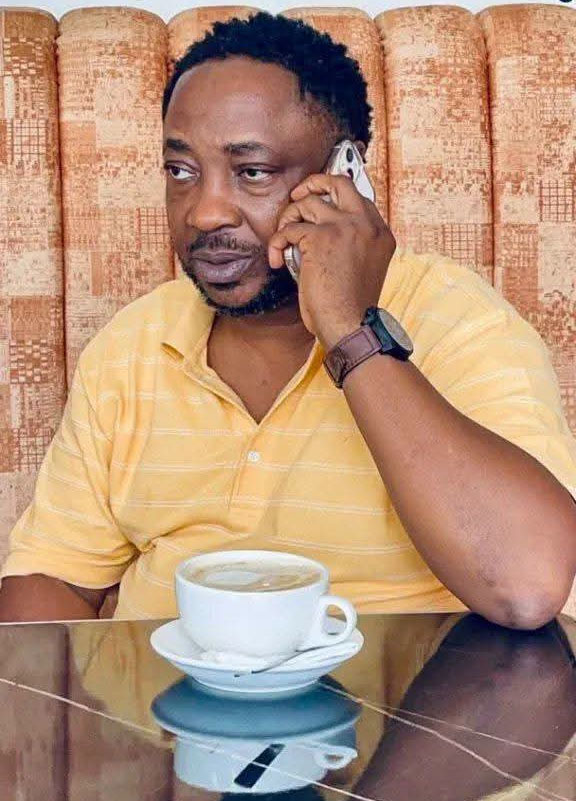
A Lagos automobile dealer, Chima Edmund, has accused the Lagos State Police Command of releasing a man allegedly caught after driving away with a ₦130 million Toyota Tundra from his showroom and crashing it into a canal, leaving him with an estimated ₦40 million repair bill.
Edmund, founder of Mayor and Sheiks Autos, said the incident occurred on Monday at his dealership in Victoria Garden City (VGC), Lekki, when the suspect allegedly posed as a prospective buyer before driving away with the 2025 Toyota Tundra without authorisation.
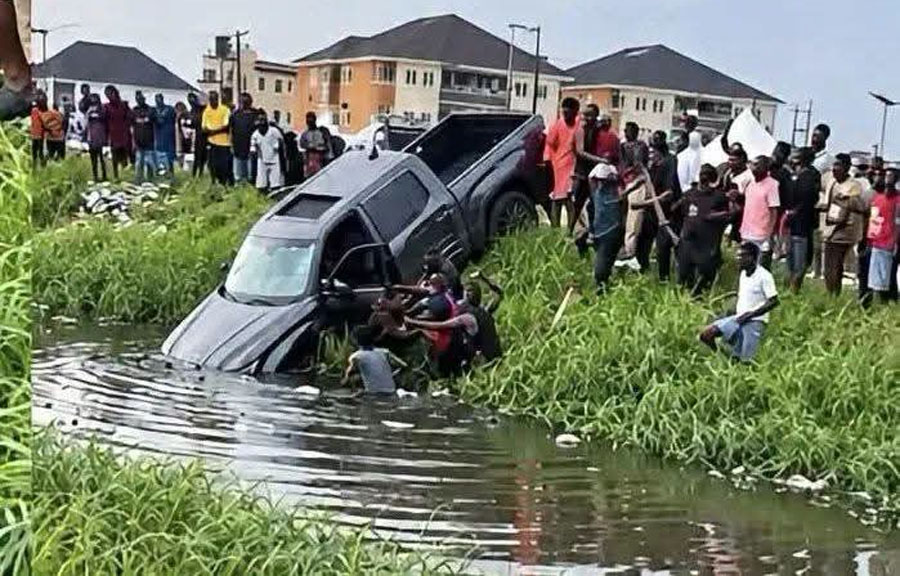
The vehicle was later damaged after the suspect reportedly drove it into a canal in the Ajiran area while attempting to escape. The dealer said the incident also resulted in damage to a barricade and additional expenses, including medical treatment and other costs associated with the aftermath.
However, the police have denied allegations of an improper release, saying the suspect had been certified as a psychiatric patient and was handed over to his mother for rehabilitation after Edmund submitted a letter withdrawing his complaint.
The conflicting accounts have raised questions about the circumstances surrounding the suspect’s release and the financial burden the dealer says he has been left to bear.
Edmund told PUNCH Metro that the suspect arrived at his showroom at about 4pm on Monday, carrying a bag and expressing interest in inspecting the 2025 Toyota Tundra.
According to the dealer, a junior member of staff attended to the man, who requested the vehicle’s key under the pretext of checking its engine.
The employee reportedly allowed him to start the engine, believing he intended to inspect the pickup. However, the suspect allegedly engaged the gear and drove out of the showroom.
 Edmund said the man’s decision to place his bag inside the vehicle before starting the engine made his actions appear consistent with those of a genuine prospective customer.
READ ALSO:
- Fani-Kayode Counters Keyamo, Defends Atiku Over Nigeria Airways Collapse
- Former Senator Bello Mandiya Found Dead in Bathroom Three Days After Fall
- Terrorists Storm Borno Military Post in Fierce Gun Battle, Soldiers Feared Dead
He explained that the pickup was parked on a raised platform at the dealership and that driving it out required navigating an exit with a supporting slab because of the difference in elevation between the car stand and the main road.
According to him, the vehicle’s doors locked automatically when the suspect engaged the gear, after which he drove towards the VGC Bridge.
The dealer said his employee immediately pursued the pickup but struggled to convince people along the route that the person driving it was not its rightful owner.
Edmund alleged that the suspect continued through a residential estate in Ajah, damaged a barricade at the entrance and proceeded towards Chevron and Ebeano before heading to Ajiran.
The suspect reportedly reached a dead end in Ajiran and, unable to continue, drove the pickup over a canal, causing it to land in the water.
Edmund said some young men at the scene subsequently pulled the suspect out of the canal.
Beyond the damage to the ₦130 million Toyota Tundra, the dealer said a barricade at the VGC entrance was also damaged during the incident.
He added that he incurred other expenses, including the cost of repairing the barricade, medical treatment for people injured during the incident, and the suspect’s feeding and related needs.
The dealer disclosed that he personally paid for the suspect’s medical treatment following the crash. He explained that the man was not held in a police cell because of the injuries he had sustained.
Case Transferred to Panti as Dealer Raises Concerns
Edmund said the incident was initially reported at the Ajah Police Division before the case was transferred to the State Criminal Investigation Department, Panti, Yaba, for further investigation.
He said two women who identified themselves as the suspect’s mother and sister later visited him, adding that they told him they were from Agbor, Delta State.
The dealer said he became concerned about recovering his expenses after learning that the suspect had been released on bail.
He further alleged that he was pressured to withdraw his complaint after investigators established that the suspect had a psychiatric condition.
Edmund questioned why he should bear the financial consequences of the incident despite reporting the alleged offence to the police and paying some of the expenses arising from it.
He said the development had left him uncertain about how to recover the money spent on the damaged pickup and other costs.
The dealer appealed for assistance in recovering his losses, particularly the estimated ₦40 million needed to repair the Toyota Tundra.
READ ALSO:
- OMAA Unveils Three CNG, Electric Buses, Offers 48-Month Vehicle Finance
- Osun Orders Weekly Sanitation, Directs Businesses to Clean Premises Every Thursday
- Flooding: Gangaria Seeks Federal Intervention as Over 2,000 Osogbo Households Are Displaced
He also expressed concern about the circumstances surrounding the suspect’s release, saying the financial burden remained a major issue for his business.
Police Defend Decision to Hand Suspect to Mother
When contacted, the spokesperson for the Lagos State Police Command, SP Abimbola Adebisi, rejected the allegation that the suspect had been improperly released.
Adebisi said the suspect had been certified as a psychiatric patient by recognised government hospitals and competent courts.
According to her, the information emerged during the investigation and was known to the complainant, who subsequently submitted a letter withdrawing his complaint.
“The suspect is a psychiatric case, certified by recognised government hospitals and competent courts,” the police spokesperson said in a WhatsApp message.
She added that the complainant’s decision to withdraw the case led to the suspect being handed over to his mother for rehabilitation.
However, the police spokesperson did not provide the documents requested by the correspondent to substantiate the alleged medical certification or the withdrawal of the complaint.
As a result, the claims concerning the suspect’s medical certification and the circumstances surrounding the withdrawal of the complaint could not be independently verified.
The police response provides a different account of the development from Edmund’s concerns about the suspect’s release and his ability to recover the money spent following the incident.
Dealer Says Incident Is Unprecedented in Nearly 30 Years
Edmund, who said he had been in the automobile business since 1996, described the incident as unprecedented in his nearly three decades of trading in vehicles.
He said he had operated in different parts of Lagos, including Berger and FESTAC, before relocating to VGC, adding that he had never experienced a similar incident despite dealing with numerous customers over the years.
The dealer noted that it was difficult to determine whether a prospective buyer had criminal intentions simply by examining their appearance or dressing.
According to him, some customers who dressed casually had purchased vehicles worth more than ₦200 million from his dealership, making it unreliable to judge a buyer’s intentions by outward appearance.
He also rejected suggestions that his staff had left the pickup entirely unattended with the suspect, maintaining that a proper test drive should involve at least two people accompanying a prospective buyer.
On why the vehicle did not have a tracking device, Edmund explained that it was a new pickup that had not yet been sold.
He said installing a tracker before a vehicle was purchased could require interference with its wiring system, potentially raising concerns among prospective buyers about whether the vehicle was Nigerian-used.
Edmund further disclosed that the pickup had a fuel tank capacity of approximately 130 litres, although its fuel gauge was already on red when the suspect allegedly drove it away. He estimated that about 30 litres of fuel remained in the tank.
The incident has highlighted the risks automobile dealers face when allowing prospective buyers to inspect expensive vehicles, particularly when a test drive or engine inspection takes place before a sale is concluded.
For Edmund, the immediate challenge remains the estimated ₦40 million repair bill, alongside other expenses he said he incurred after the crash.
While the police maintain that the suspect was handed over to his mother following the withdrawal of the complaint, the dealer’s concerns over his losses and the circumstances surrounding the release remain unresolved in the accounts provided.
₦130m Toyota Tundra Wrecked: Lagos Dealer Questions Police Over Suspect’s Release
metro
Former Senator Bello Mandiya Found Dead in Bathroom Three Days After Fall
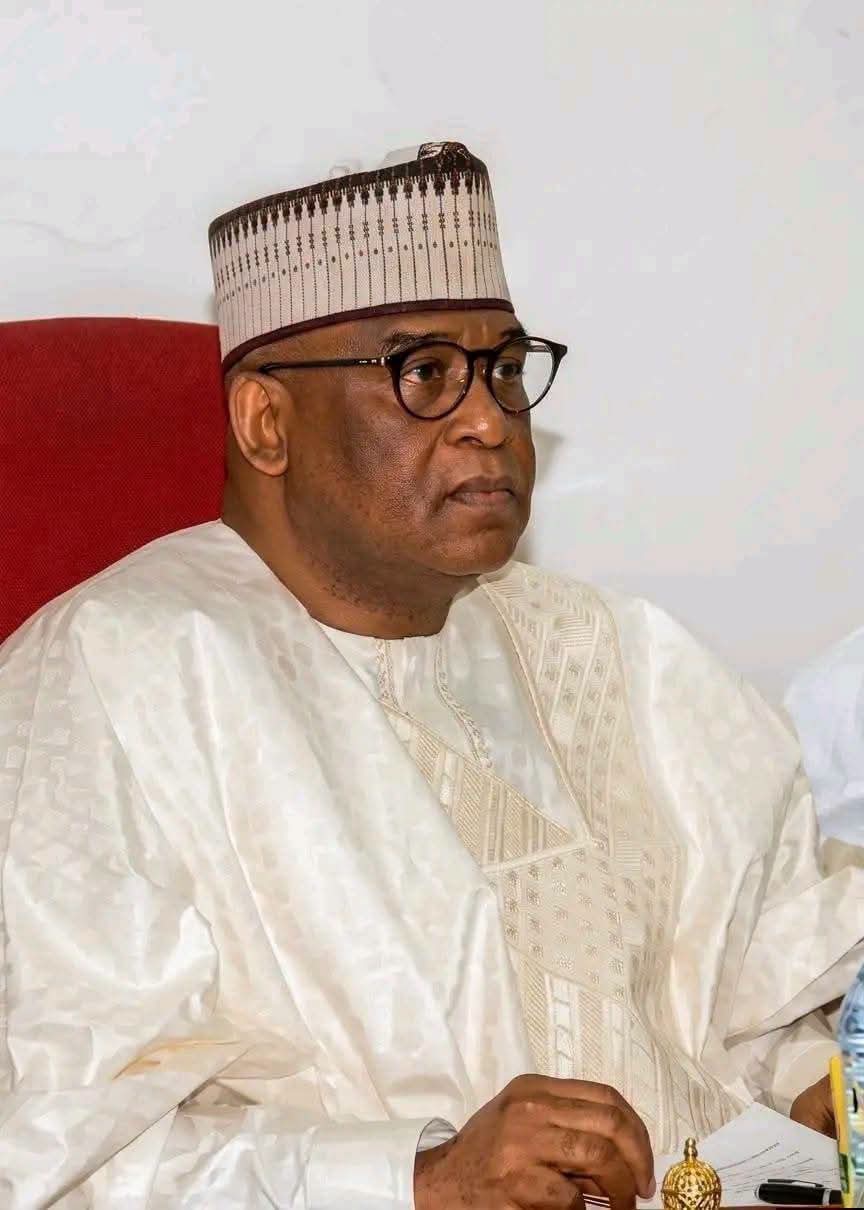
Former Senator Bello Mandiya Found Dead in Bathroom Three Days After Fall
Former Senator Bello Mandiya, who represented Katsina South Senatorial District in the ninth National Assembly, has died after reportedly slipping and hitting his head in his Abuja residence, with his body discovered about three days later.
Senator Abdul Ningi, who represents Bauchi Central Senatorial District, disclosed the circumstances surrounding Mandiya’s death during a Senate plenary session, describing the incident as a tragic reminder of the fragility of human life.
According to Ningi, Mandiya was believed to have suffered the fatal accident on Friday, September 4, 2026, after taking his bath and preparing to attend the congregational Juma’at prayer.
His lifeless body was eventually discovered on Monday, September 7, after neighbours became concerned about his prolonged absence and a foul smell emanating from his apartment.
Recounting the incident, Ningi said he was in Saudi Arabia when his son called to inform him of the death. His son was reportedly among those who discovered the former lawmaker’s body.
Ningi told the Senate that a colleague had last seen Mandiya at about 11am on Friday before he returned to his residence, where he lived alone.
“He brought out his cap, his phones, and put them on the bed, and went into the bathroom to take his bath,” Ningi said.
“After taking his bath, when he was out of the bathroom, then he slipped and knocked his head in the bathroom.”
The former senator was not discovered immediately, leaving him undiscovered for approximately 72 hours.
Ningi said concern over Mandiya’s absence was heightened when the chief imam of Apo noticed that the former lawmaker, who regularly attended the five daily prayers, had missed prayers for three consecutive days.
The imam’s concern, coupled with the foul smell coming from the apartment, prompted residents to investigate.
According to Ningi, those who went to the residence eventually forced the door open and found Mandiya’s body in the bathroom.
“For 72 hours, Mr President, nobody knew where Bello Mandiya was,” he told the Senate.
“And there lies Bello Mandiya in the bathroom, lifeless. Seventy-two hours, and that’s a simple tragedy,” he added.
Expressing grief over the circumstances of his colleague’s death, Ningi said the incident underscored the unpredictability of life, irrespective of a person’s political position, wealth or social standing.
He also extended his condolences to Mandiya’s family, the people of Katsina State and the constituents he represented during his time in the Senate.
Ningi, who said he had known the deceased since 2002, described his passing as a painful loss and prayed for Allah to grant him eternal rest and comfort his family.
Mandiya’s political career
Before his election to the Senate, Mandiya served as chief of staff to former Katsina State Governor Aminu Bello Masari.
He was elected in 2019 on the platform of the All Progressives Congress to represent Katsina South Senatorial District in the ninth National Assembly, serving until 2023.
During his time in the Senate, he chaired the Senate Committee on Water Resources and participated in legislative activities at the national level.
His death has prompted tributes from political leaders and former colleagues, who have remembered him for his contributions to public service in Katsina State and Nigeria.
Reflecting on the loss, Ningi told his colleagues that the circumstances surrounding Mandiya’s death offered a sobering lesson about the impermanence of power, wealth and public office.
“There is nothing permanent about anything. Nothing permanent about our position, nothing permanent about our wealth,” he said.
metro
Flooding: Gangaria Seeks Federal Intervention as Over 2,000 Osogbo Households Are Displaced
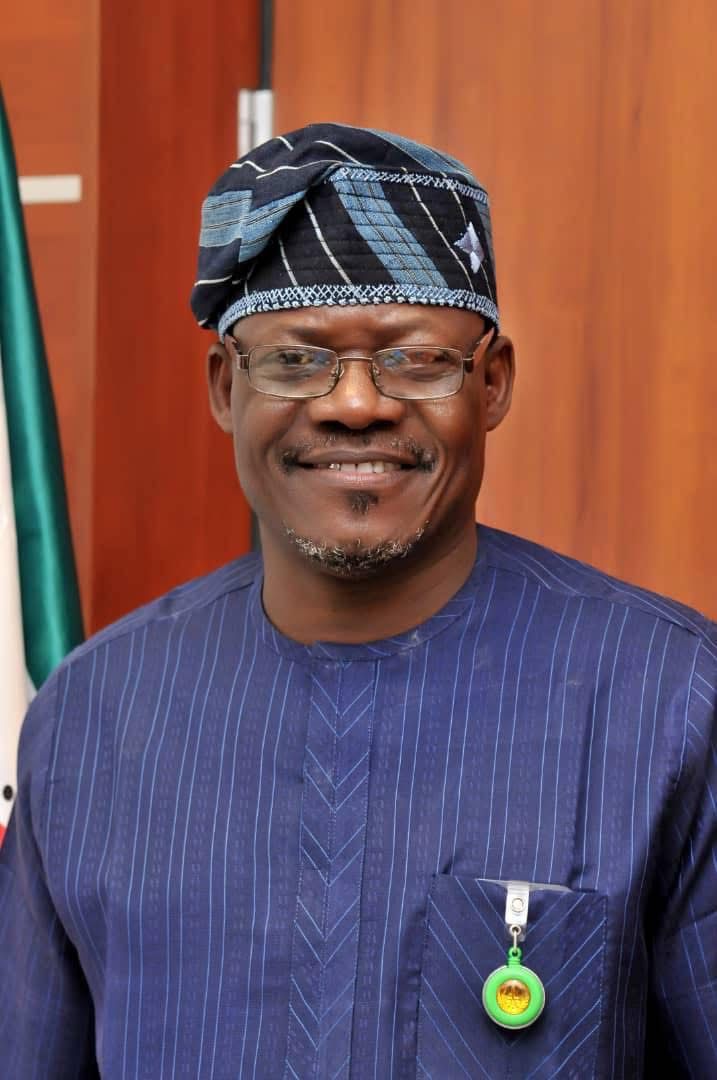
Flooding: Gangaria Seeks Federal Intervention as Over 2,000 Osogbo Households Are Displaced
OSOGBO — The lawmaker representing Irepodun/Orolu/Olorunda/Osogbo Federal Constituency, Osun State, Adewale Morufu Adebayo Gangaria, has called for urgent federal intervention to address recurring flooding and storm-related disasters that have devastated communities across his constituency.
Gangaria presented a Motion of Urgent Public Importance before the House of Representatives on Wednesday, October 14, drawing attention to the plight of residents affected by flooding, windstorms and thunderstorms, particularly in Osogbo, the Osun State capital.
According to a statement from his media team, the disasters have affected more than 45 communities, causing extensive damage to residential buildings, markets, schools, hospitals, places of worship, farms, hotels and other critical infrastructure.
The statement reported that more than 800 buildings had been destroyed, while over 2,000 households were displaced, leaving many residents struggling to find shelter following the destruction of their homes and sources of livelihood.
Among the affected communities identified by the lawmaker are Olude, Ita-Olookan, Irepodun Zone 9, Osaara, Owode Ilesha Garage, Ibuaje Town, Aberensise, Surulere, Ajangbooro, Oke Odo, Irewole, Ile Aanu, Orelope, Odofin, Omigade, Aroko, Baruwa, Ibu-Amon and Ijetu Ayepe.
Gangaria expressed concern over the hardship facing residents whose properties and livelihoods had been damaged, stressing the need for a coordinated response to the humanitarian crisis and the environmental factors contributing to the recurring disasters.
As part of the proposed intervention, the lawmaker urged the Federal Ministry of Humanitarian Affairs, Disaster Management and Social Development to provide immediate relief assistance to affected communities.
He also called on the National Emergency Management Agency (NEMA) to urgently distribute relief materials to victims to ease their suffering and support households displaced by the disaster.
The lawmaker further urged the South-West Development Commission to mobilise resources towards the rehabilitation and reconstruction of damaged infrastructure, including residential buildings, schools, hospitals, markets and access roads.
He said addressing the immediate needs of affected residents must go hand in hand with rebuilding essential facilities and restoring normal economic and social activities in the affected communities.
Gangaria also called on the Ecological Fund Office to implement practical measures to tackle the underlying causes of flooding and reduce the likelihood of future occurrences.
As part of efforts to improve water flow and reduce flood risks, he urged the National Inland Waterways Authority (NIWA) to undertake necessary dredging and expansion of the Osun River channel, including the removal of obstructions that could impede water movement.
The lawmaker also called on the relevant federal ministry responsible for mining to address mining activities along riverbanks that may contribute to environmental hazards and expose nearby communities to further risks.
To ensure that the proposed interventions translate into concrete action, Gangaria urged the House to mandate its Committee on Legislative Compliance to monitor the implementation of the resolutions and report back within four weeks for further legislative action.
The proposed measures seek to combine immediate humanitarian assistance with longer-term environmental interventions aimed at protecting lives, restoring damaged infrastructure and reducing the vulnerability of communities to recurring floods.
Flooding and severe storms can disrupt transportation, damage public infrastructure, destroy agricultural produce and undermine the livelihoods of residents, particularly where homes and businesses are affected. The scale of the destruction reported in the constituency has therefore raised concerns about the need for timely relief and sustainable flood-management measures.
The motion represents an effort to bring the concerns of affected constituents before the National Assembly and press relevant federal agencies to respond to their needs.
However, the effectiveness of the proposed intervention will depend on the implementation of any resolutions adopted by the House and the timely mobilisation of resources by the relevant agencies.
For residents of the affected communities, immediate priorities include access to emergency relief, safe shelter, the restoration of essential services and the rehabilitation of damaged properties and infrastructure.
Long-term measures to improve drainage, manage waterways, address environmental degradation and strengthen disaster preparedness will also be important in reducing the risk of similar incidents.
The lawmaker’s intervention has placed the reported flood disaster in Osogbo and neighbouring communities before the House of Representatives, with a call for coordinated action to address both the immediate suffering of victims and the environmental challenges associated with recurring flooding.
Flooding: Gangaria Seeks Federal Intervention as Over 2,000 Osogbo Households Are Displaced
-
 metro3 days ago
Oyo School Kidnappings: How ANSARU Allegedly Used Children to Pressure FG
-
 metro3 days ago
Tragedy in Ibadan as Truck Kills Female Corps Member, Injures Others
-
 metro3 days ago
VIDEO: Outrage as Indian National Assaults Nigerian Truck Drivers in Lagos
-
 International3 days ago
French Students Return to Streets as Anger Over School Conditions Grows
-

 metro2 days ago
Money Rituals: Four Arrested in Kwara Over Suspected Human Parts
-

 metro2 days ago
Osogbo Cultism Crackdown: Six Suspects Arrested as Police Recover Drugs, Charms
-
 Politics2 days ago
2027: Adeleke’s Camp Promises 1.5 Million Votes for Tinubu in Osun
-

 News2 days ago
2027 Elections: INEC Reveals Why Pantami, Adebutu, Others Were Excluded