AU Rallies African Nations Against Terrorism as CDS Warns of ‘Enemies Within’
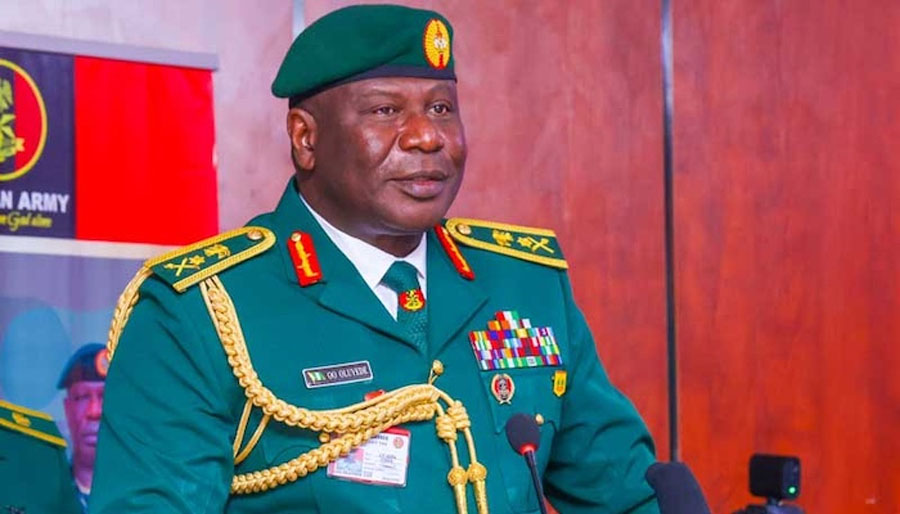
African Union has intensified efforts to strengthen collective security across the continent, calling on member states to deepen cooperation in intelligence sharing and regional defense as Nigeria’s Chief of Defence Staff, General Olufemi Oluyede raised concerns over internal collaborators aiding terrorist groups.
Speaking at a high-level security engagement, the AU urged African countries to improve border security, enhance military coordination, and expand intelligence-sharing networks to effectively counter the growing threat of terrorism in regions such as the Sahel and West Africa. The organisation stressed that coordinated action among member states remains critical to addressing the transnational nature of extremist violence.
The renewed push comes amid persistent insecurity across parts of Africa, where armed groups continue to exploit weak governance, porous borders, and socioeconomic challenges to expand their influence. Analysts note that the evolving tactics of terrorist organisations require equally adaptive and unified responses from governments and regional bodies.
Nigeria’s Chief of Defence Staff, General Olufemi Oluyede, warned that beyond external threats, the country faces significant risks from “enemies within”—individuals and networks operating domestically who support insurgent activities. According to him, these internal actors provide logistics, intelligence, and safe havens that enable terrorist operations and complicate military efforts.
READ ALSO:
He explained that such internal collaboration undermines ongoing counterterrorism operations by weakening intelligence gathering and increasing operational uncertainty. Oluyede emphasized the need for stronger internal monitoring, improved inter-agency coordination, and strict accountability within the security system to address the threat effectively.
The CDS also called on citizens to play an active role in supporting national security by remaining vigilant and reporting suspicious activities to authorities. He noted that community cooperation is essential in identifying early warning signs and disrupting terrorist networks before they can execute attacks.
The AU echoed similar sentiments, highlighting the importance of community engagement as part of its broader continental strategy to combat terrorism. It urged governments to involve local populations in security awareness initiatives and encourage timely reporting of unusual activities.
Security experts at the engagement stressed that terrorism in Africa has become increasingly sophisticated, with groups forming cross-border alliances and leveraging modern communication tools. They argued that beyond military action, long-term solutions must include investments in education, economic opportunities, and governance reforms to address the root causes of radicalization.
The AU further encouraged the adoption of regional frameworks, particularly in high-risk zones such as the Lake Chad Basin and the Sahel, where multiple countries face interconnected security challenges. Coordinated regional strategies, experts say, will help close operational gaps exploited by terrorist groups.
As threats continue to evolve, both the African Union and Nigeria’s military leadership maintain that sustained cooperation, robust intelligence systems, and active citizen participation will be key to strengthening Africa’s overall counterterrorism strategy and ensuring long-term stability across the continent.
AU Rallies African Nations Against Terrorism as CDS Warns of ‘Enemies Within’