

International
‘Don’t Take Us to Hospital’: Iran Protesters Treated Secretly to Avoid Arrest

‘Don’t Take Us to Hospital’: Iran Protesters Treated Secretly to Avoid Arrest
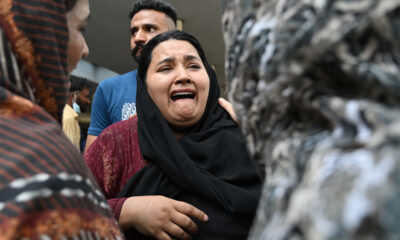
Tehran, Iran — January 29, 2026: In the midst of a brutal nationwide crackdown on anti‑government protests, many injured demonstrators in Iran are refusing to seek care at official medical facilities due to fear of arrests and detention by security forces, according to recent reports. Instead, protesters are turning to clandestine networks of medics and volunteer doctors who treat the wounded in private homes or undisclosed locations to avoid detection. (The Star)
The protests, which began in late December 2025 amid economic grievances and quickly evolved into widespread calls for political change, have been met with lethal force from security personnel across numerous cities. Rights groups and eyewitnesses report that thousands of civilians have been injured or killed, with some estimates suggesting the casualty toll may be significantly higher than official figures. (The Star)
In the central city of Isfahan, a protester identified as Tara described being shot during a demonstration and later seeking refuge in a stranger’s home after she and a friend feared arrest if taken to a hospital. “All the alleyways were full of security forces, so I asked a couple standing at their front door to let us in,” she told the BBC, recounting how trusted doctors treated her birdshot wounds at home. (The Star)
READ ALSO:
- Plane Crashes in Colombia, Killing All 15 Passengers, Crew
- Abba Kyari: NDLEA Officers Allegedly Helped Drug Traffickers Evade Airport Security, Witness Tells Court
- CAF Fines Morocco, Senegal $930,000 After AFCON 2026 Final Chaos
Medical workers have confirmed to international media that security forces are actively present in hospitals, checking patient records and even entering rooms to identify injured protestors for arrest. A nurse and doctors in Tehran reported that members of the Revolutionary Guards and police visited their facilities specifically to locate and detain wounded demonstrators, creating a chilling effect that deters many from seeking life‑saving care. (93.3 The Drive)
The reluctance to use official medical services has forced some wounded protesters into dangerous circumstances. Healthcare personnel say that they have treated serious injuries — including gunshot and birdshot wounds — in homes or other covert settings, often without adequate supplies or sterilised conditions. Medics have also attempted to avoid officially recording sensitive wounds in medical charts to protect patients from identification by security forces. (The Star)
United Nations human rights experts have condemned the detention of injured protesters from hospitals, noting that such actions violate international human rights law and medical neutrality, which is intended to protect patients and healthcare providers alike. Security operations that target the wounded inside or outside healthcare facilities have discouraged many from accessing essential treatment, raising concerns over preventable deaths and long‑term disabilities. (93.3 The Drive)
Iranian authorities have publicly urged wounded individuals to seek treatment at hospitals and assured impartial care, but many remain too afraid to comply. This fear reflects distrust after repeated reports of arrests, raids, and intimidation surrounding medical care during the protests — which have been described by rights groups as among the deadliest crackdowns in Iran in decades. (News.com.au)
The crisis highlights not only the physical toll of the protests but also the psychological barriers and systemic risks that prevent injured civilians from obtaining timely and safe medical treatment. With communication blackouts and restrictions on international reporting still in place, the full scale of the injuries and deaths remains difficult to document independently. (France 24)
‘Don’t Take Us to Hospital’: Iran Protesters Treated Secretly to Avoid Arrest







International
Ninth Body Discovered in South Africa: Nigeria Issues Urgent Safety Alert to Nationals
Ninth Body Discovered in South Africa: Nigeria Issues Urgent Safety Alert to Nationals
Police cordon off Kempton Park and post a $56,000 combined bounty as the Nigerian Consulate warns citizens to exercise heightened vigilance.
South African police recovered the body of a ninth woman on Thursday along a roadside in Dawn Park, intensifying public alarm and prompting the Nigerian Consulate-General in Johannesburg to issue an emergency safety advisory to its citizens.
In response to the discoveries, law enforcement teams placed Kempton Park in the Ekurhuleni municipality under lockdown and established roadblocks to inspect vehicles and restrict suspect movement.
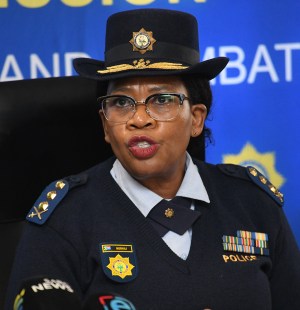
Deputy Police Chief Tebello Mosikili declared during a press conference that authorities will deploy specialized investigative units to track down those responsible.
To accelerate breakthroughs, police offered a 400,000 rand ($25,000) reward for credible tips, while South Africa’s Democratic Alliance provided an additional $31,000, establishing a combined bounty of $56,000.
Detectives are now evaluating forensic evidence to determine whether one perpetrator committed the murders or whether independent offenders copied earlier attacks.
Meanwhile, the Nigerian Consulate-General urged Nigerian residents, especially women and young people who commute, exercise, or study around Ekurhuleni, to take deliberate personal precautions.
The mission advised community members to travel in groups, stay clear of isolated trails, and share real-time travel details with trusted family members.
Furthermore, diplomatic officials emphasized that safety precautions must not shift the burden of crime prevention onto women, calling on South African authorities to ensure thorough investigations and justice for every victim.
Ninth Body Discovered in South Africa: Nigeria Issues Urgent Safety Alert to Nationals
Health
Fiji Declares National HIV Emergency as Diagnoses Surge Sixteenfold
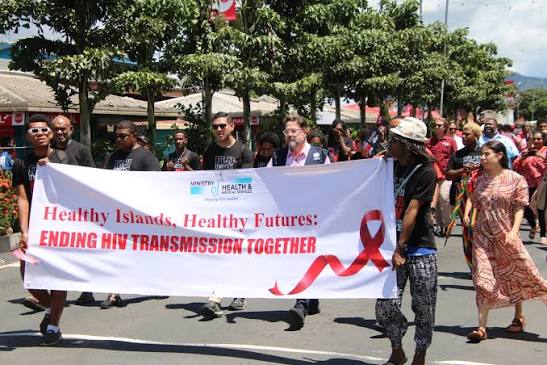
Fiji Declares National HIV Emergency as Diagnoses Surge Sixteenfold
Authorities launch a multi-agency public health campaign to expand free testing, treatment, and harm-reduction services
Fiji has announced a nationwide health response to address a significant rise in HIV cases and ensure that all residents can access essential medical care.
On Wednesday, Health Minister Dr. Atonio Lalabalavu shared the emergency declaration, explaining that national agencies are joining forces to provide rapid medical support, expand testing, and protect community well-being across the islands.
Official reports indicate that about one in every 60 adults in Fiji currently lives with HIV, following an increase in new infections over recent years. Health specialists explain that the virus spreads primarily through intimate sexual contact and shared needles among individuals using illicit substances.
Additionally, routine screenings revealed that two out of every 100 expecting mothers carry the virus, highlighting an urgent need for early maternal healthcare to protect newborns from infection.
To safeguard public health, authorities are delivering free daily treatments, distributing protective preventive medications, and setting up clean needle programs to stop infections before they start.
Furthermore, global partners, including Australia, New Zealand, India, and United Nations health bodies are providing financial resources and medical supplies to back the local effort.
By encouraging open community conversations and delivering accessible healthcare without judgment, health workers aim to ensure that everyone receives the care and dignity they deserve.
Fiji Declares National HIV Emergency as Diagnoses Surge Sixteenfold
International
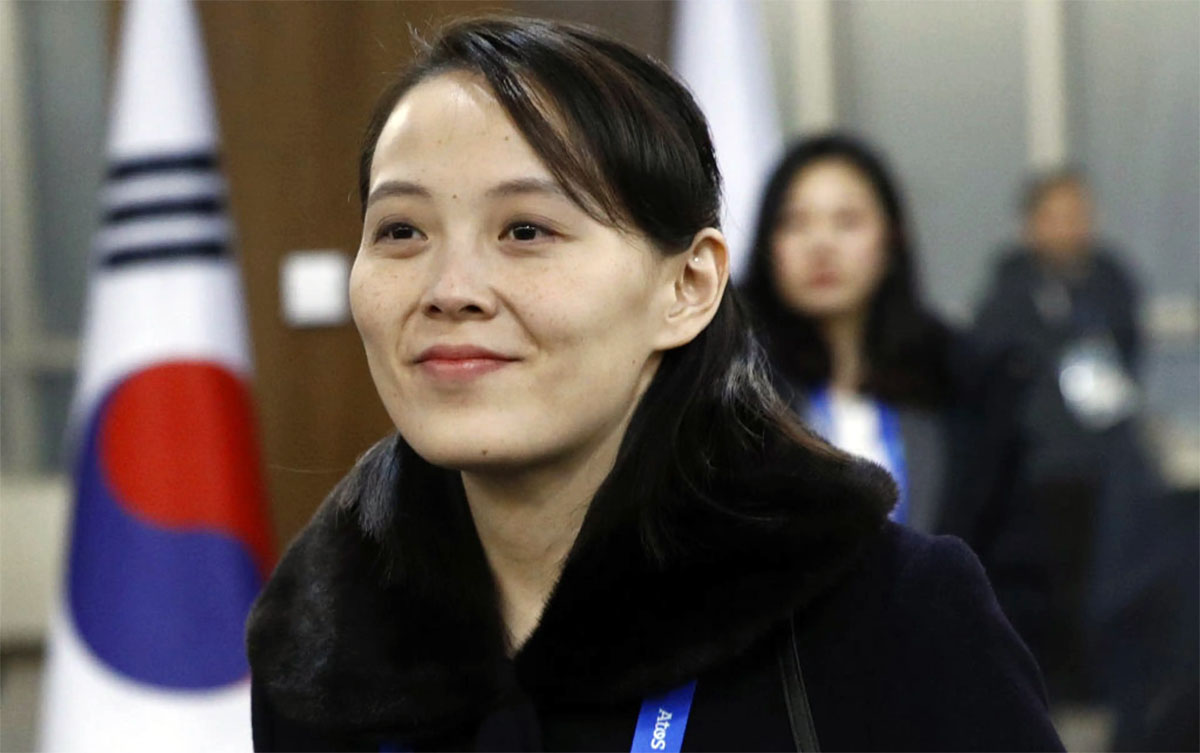
Kim Yo-jong: Only ‘Idiots’ Think North Korea Will Give Up Nuclear Weapons
-

 International2 days ago
Islamic Council Condemns Attempted Attack on Holy City of Mecca
-

 metro3 days ago
Lagos Power Outage: Ikeja Electric Blames TCN as Businesses, Homes Groan
-
 News2 days ago
Keep Politics Out of My Office — Ogbomoso Grand Chief Imam Warns Politicians, Bloggers
-
 metro2 days ago
Niger Mosque Abductions: Terrorists Execute 30 of 500 Captive Muslim Worshippers
-

 International3 days ago
US Court Blocks Trump Visa Rule Limiting Stay of Foreign Students, Journalists
-
 Entertainment2 days ago
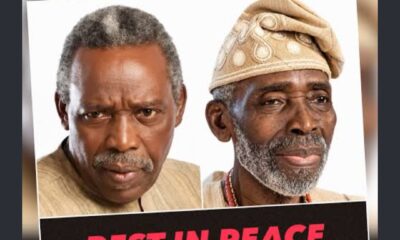
BREAKING: Olu Jacobs Dies at 84, Atiku Mourns Cultural Icon
-
 metro3 days ago
Fatal NURTW Leadership Clash in Osun Leaves Two Dead; State Orders Park Shut Down
-
 Business1 day ago
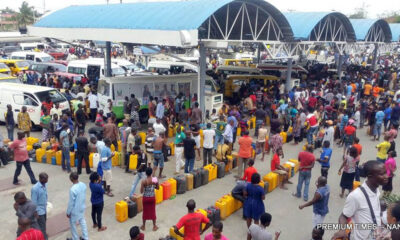
Fuel Prices Climb to ₦1,500 per Litre Across Nigeria, Sparking Calls for Urgent Action