

News
FG reacts to Binance’s $150 million bribe allegation

FG reacts to Binance’s $150 million bribe allegation
Claims that some Nigerian government officials solicited for bribe from digital currency exchange platform, Binance, to sweep the criminal charges against the company under the carpet are false, the federal government has said.
The Chief Executive Officer (CEO) Binance, Richard Teng, had alleged that some unnamed Nigerian government officials had approached the company’s legal representatives in the country and demanded for bribe to the tune of $150 million to be paid in digital currency in order to make the charges against the company go away.
Teng made these claims in a blog post syndicated in top foreign media platforms on Tuesday adding that Binance counsel declined the offer.
Reacting to Teng’s allegation, the federal government through the Idris Mohammed, Minister of Information and National Orientation, said Binance is trying divert attention away from its criminal charges.
In the statement signed on the minister’s behalf by by Rabiu Ibrahim, his media aide, the federal government said the allegation is an act of blackmail by a company “desperate to obfuscate the grievous criminal charges it is facing in Nigeria.”
READ ALSO:
- UNICROSS workers jubilate over sack of vice chancellor
- Naira trades at N1,415/$ on parallel market
- Foreigners now visit Nigeria for plastic surgery, others – Minister
It stated that Binance Founder, Changpeng Zhao, was guilty of the same offence of money laundering in the United States, and currently serving prison terms, an indication that the crypto firm should submit itself for investigation.
“The Federal Government of Nigeria is aware of attempts by Binance to launder its impaired image as an organisation that does not play by the rules and laws guiding business conduct in sovereign nations,” it read.
“In a blog post that has now been published by many international media organisations, in an apparent well-coordinated public relations effort, Binance Chief Executive Officer Richard Teng made false allegations of bribery against unidentified Nigerian government officials who he claimed demanded $150m in cryptocurrency payments to resolve the ongoing criminal investigation against the company.
“This claim by Binance CEO lacks any iota of substance. It is nothing but a diversionary tactic and an attempted act of blackmail by a company desperate to obfuscate the grievous criminal charges it is facing in Nigeria.
“The facts of this matter remain that Binance is being investigated in Nigeria for allowing its platform to be used for money laundering, terrorism financing, and foreign exchange manipulation through illegal trading.
“While this lawful investigation was going on, an executive of Binance, who was in court-sanctioned protective custody, escaped from Nigeria, and he is now a fugitive from the law. Working with the security agencies in Nigeria, Interpol is currently executing an international arrest warrant on the said fugitive.
“The phantom bribe claim is part of an orchestrated international campaign by this company that is facing criminal prosecution in many countries including the United States, to undermine the Nigerian government.
“Just a week ago, the founder and former CEO of Binance, Changpeng Zhao, was sentenced to prison in the United States, after pleading guilty to charges very similar to what Binance is being investigated for in Nigeria. In addition, Zhao agreed to pay a fine of $50 million, while Binance is liable for $4.3 billion in fines and forfeitures to the US Government.
“We would like to remind Binance that it will not clear its name in Nigeria by resorting to fictional claims and mudslinging media campaigns. The only way to resolve its issues will be by submitting itself to unobstructed investigation and judicial due process.
“The government of Nigeria will continue to act within its laws and international norms and will not succumb to any form of blackmail from any entity, local or foreign.”
FG reacts to Binance’s $150 million bribe allegation





News
FG Challenges World Bank’s 124% Debt-to-Revenue Warning, Cites Rising Income
FG Challenges World Bank’s 124% Debt-to-Revenue Warning, Cites Rising Income
The Federal Government has disagreed with the World Bank’s assessment that its interest payments consumed 124 per cent of revenue in the first half of 2026, describing the calculation as misleading and arguing that it fails to capture the full picture of Nigeria’s public finances.
The dispute followed the World Bank’s October 2026 Nigeria Development Update, which reported that the Federal Government spent ₦7.7 trillion on interest payments between January and June 2026, compared with revenue of ₦6.2 trillion.
The figures imply an interest-to-revenue ratio of approximately 124 per cent, meaning the government’s interest bill exceeded its reported revenue by about ₦1.5 trillion during the six-month period.
However, the Federal Ministry of Finance, in a statement issued on Sunday, October 18, argued that the comparison combined debt obligations covering different tiers of government with a revenue figure that did not include all government earnings.
The ministry said the interest-payment figure included debts serviced by the Federal Government on behalf of other tiers of government, including external loans obtained by state governments.
It argued that comparing these obligations with federal revenue alone overstated the ratio because the figures did not cover the same level of government.
The ministry also said the revenue figure excluded independent income already earned by government agencies and enterprises but not yet remitted to the Treasury.
According to the ministry, the timing of tax collections also affects first-half revenue figures, as some statutory payments are concentrated in the second half of the year. It therefore maintained that a six-month comparison should not be treated as a definitive assessment of Nigeria’s debt sustainability.
READ ALSO:
- Mbappé Runs Riot as Real Madrid Crush Sevilla 4-1 Ahead of El Clásico
- Ogun House Fire Horror: Husband Arrested After Wife Dies Following Domestic Dispute
- NLC, Falana Mobilise Nigerians Against Petrol Price Hike, Mount Pressure on Tinubu Govt
To support its position, the government highlighted an improvement in revenue collection between the first halves of 2025 and 2026.
The ministry said Federal Government revenue increased by 72 per cent, rising from ₦3.6 trillion in the first half of 2025 to ₦6.2 trillion in the corresponding period of 2026.
Interest payments, meanwhile, rose by 38 per cent, from ₦5.6 trillion to ₦7.7 trillion over the same period.
The ministry said the difference between interest payments and revenue consequently narrowed from ₦2 trillion in the first half of 2025 to ₦1.5 trillion in the first half of 2026.
It added that the interest-to-revenue ratio fell from 156 per cent to 124 per cent, a decline of 32 percentage points.
The government attributed the improvement to its economic reforms, arguing that revenue was growing faster than interest costs and that the figures did not, on their own, establish that Nigeria was facing a debt crisis.
The ministry further argued that debt sustainability should be assessed using full-year figures, rather than a six-month snapshot that may not reflect the timing of revenue collection and debt payments.
It cited the World Bank’s projection that Nigeria’s full-year 2026 debt service, covering both interest and principal repayments, would amount to 46 per cent of revenue.
The ministry described the projected full-year ratio as a more appropriate benchmark for assessing the government’s debt obligations.
It also defended the Federal Government’s borrowing programme, insisting that borrowing remained within the limits approved by the National Assembly under the 2026 Appropriation Act and the approved borrowing plan.
According to the ministry, the government’s borrowing activities comply with the Fiscal Responsibility Act 2007 and the Debt Management Office (Establishment) Act 2003, with debt information published regularly by the Debt Management Office.
Despite the government’s objections, the reported figures highlight the pressure that rising interest costs can place on public finances. When interest payments absorb a large share of government revenue, fewer resources may be available for infrastructure, healthcare, education and other public services.
The central disagreement, therefore, concerns the appropriate basis for measuring Nigeria’s debt burden. While the World Bank’s reported figures point to interest payments exceeding federal revenue in the first half of 2026, the Finance Ministry insists that differences in government coverage and revenue timing make the ratio an incomplete measure of the country’s fiscal position.
FG Challenges World Bank’s 124% Debt-to-Revenue Warning, Cites Rising Income
News
NLC, Falana Mobilise Nigerians Against Petrol Price Hike, Mount Pressure on Tinubu Govt

NLC, Falana Mobilise Nigerians Against Petrol Price Hike, Mount Pressure on Tinubu Govt
The Nigeria Labour Congress (NLC), human rights lawyer Femi Falana, and pro-democracy activists have called on Nigerians to unite against rising petrol prices and worsening economic hardship, accusing the Federal Government of pursuing policies that have placed an unbearable burden on workers and low-income households.
The labour leaders and activists made the call at a symposium in Lagos held as part of the first memorial activities in honour of late labour activist Abiodun Aremu. They demanded an immediate reduction in petrol prices, improved wages and a review of economic policies they said had eroded the purchasing power of millions of Nigerians.
NLC President, Joe Ajaero, represented by the union’s Acting General Secretary, Benson Upah, said the removal of the petrol subsidy had significantly increased the cost of living, citing rising transport fares, food prices, electricity tariffs and the depreciation of the naira.
Ajaero said workers were struggling to meet basic needs as the cost of essential goods and services continued to rise faster than their earnings.
He argued that many workers had been forced to make difficult choices between paying high transportation costs and walking long distances to their workplaces, while small businesses were also struggling with increasing operating expenses.
The labour leader further criticised the government for failing to provide sufficient relief to cushion the effects of its economic reforms, arguing that the burden of adjustment had fallen disproportionately on ordinary Nigerians.
According to him, the ₦70,000 national minimum wage has lost much of its purchasing power amid rising inflation and the soaring cost of petrol.
“When the minimum wage was set at ₦70,000 in July 2024, petrol sold for approximately ₦668.30 per litre. Today, prices in many parts of the country have exceeded ₦1,400 per litre,” the NLC said in its address.
READ ALSO:
- Buhari Feared Tinubu Presidency, Resisted Pressure to Back Him – Baba-Ahmed Claims
- NAFDAC Probes Corps Member’s Death at Enugu Camp as Fake Drug Claims Emerge
- Nigerian Universities Have Not Expired, Only Teaching Methods, Professor Tells Ojuolape
Ajaero described the situation as unacceptable, insisting that a worker earning ₦70,000 monthly could no longer cope with the rising cost of transportation, food, rent, education and healthcare.
He warned that organised labour would intensify pressure on the government if urgent measures were not taken to address the situation.
The NLC president also disclosed that the union had issued a two-week ultimatum to the Federal Government on October 9, demanding an immediate reduction in petrol prices.
He said the ultimatum was intended to compel the government to respond to workers’ concerns and address the widening gap between wages and the cost of living.
According to the union, failure to meet its demands could force organised labour to consider further action.
Beyond petrol prices, the NLC called for measures to stabilise the naira, reduce inflation, strengthen domestic refining capacity and improve workers’ earnings.
Falana, who chaired the symposium, also challenged the Federal Government’s position on petrol subsidy removal, arguing that governments in other countries continued to subsidise essential goods and services to protect citizens from economic shocks.
The Senior Advocate of Nigeria questioned why Nigeria should treat the withdrawal of petrol subsidies as the only available policy option when other countries provide support for fuel, education, healthcare and other essential services.
He argued that the government should consider alternatives capable of reducing the burden on households rather than allowing rising energy costs to deepen poverty.
Falana also criticised the government’s discussion of a possible petrol landing cost of ₦1,350 per litre, noting that transportation and distribution expenses could push the final pump price higher in different parts of the country.
He said Nigerians needed concrete measures that would make petrol more affordable and ease the pressure on households and businesses.
The lawyer also referred to political figures, including Omoyele Sowore and Donald Duke, who he said had advocated petrol prices below ₦500 per litre if given the opportunity to govern.
Meanwhile, Rashidat Adesina, representing the Joint Action Front (JAF), said the increase in petrol prices since the removal of the subsidy in 2023 had placed a disproportionate burden on workers and poor Nigerians.
Adesina recalled that petrol sold for approximately ₦165 per litre before the subsidy was removed, before rising to around ₦500 and subsequently ₦600 per litre.
She said prices had since climbed to between ₦1,350 and ₦1,400 per litre in some locations, depending on the filling station.
Using ₦1,400 per litre as an example, Adesina noted that a worker earning the national minimum wage of ₦70,000 could purchase only 50 litres of petrol with an entire month’s salary.
She argued that the calculation illustrated the pressure on workers, who must also pay for food, rent, school fees, transportation and other household necessities.
Adesina further accused the government of failing to adequately protect low-income earners from the consequences of its economic policies, calling for a change in the country’s economic priorities.
The speakers collectively demanded lower petrol prices, better wages, measures to stabilise the naira and increased investment in domestic refining as part of efforts to address the cost-of-living crisis.
The renewed calls come amid mounting pressure on the Tinubu administration over the impact of petrol subsidy removal and other economic reforms introduced since 2023.
The NLC’s ultimatum has also raised the prospect of further confrontation between organised labour and the Federal Government if an agreement is not reached within the stipulated period.
The labour movement maintains that urgent intervention is necessary to prevent further deterioration in workers’ living standards, while the activists have urged Nigerians to unite in demanding policies that prioritise economic relief and social welfare.
NLC, Falana Mobilise Nigerians Against Petrol Price Hike, Mount Pressure on Tinubu Govt
News
Nigerian Universities Have Not Expired, Only Teaching Methods, Professor Tells Ojuolape
Nigerian Universities Have Not Expired, Only Teaching Methods, Professor Tells Ojuolape
Emeritus professor argues that outdated curriculum delivery, not university courses, is responsible for graduates’ skills gaps
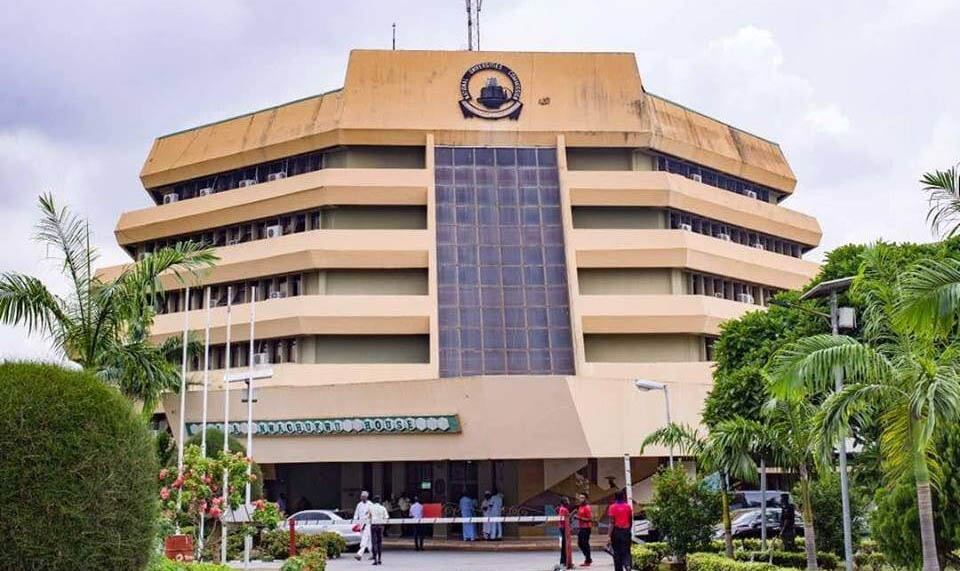
A Professor Emeritus of Human Capital and Comparative Education, Olawale Adetokunbo Ajayi, has faulted the claim that most courses offered by Nigerian universities have become obsolete, arguing that the major problem lies in outdated teaching methods, inadequate practical training and poor implementation of education reforms.
Ajayi, a former Dean of the Faculty of Education, made the submission in a rejoinder to an article by Adesola Adefemi Ojuolape titled “Most Courses in Nigeria’s Universities Have Expired,” in which the writer criticised the relevance of university programmes to contemporary economic realities and employment opportunities.
While acknowledging the concerns raised by Ojuolape, the professor maintained that declaring university courses obsolete could mislead students and parents into abandoning valuable academic disciplines instead of demanding reforms that would make them more relevant to the modern economy.
He described Ojuolape’s argument as 70 per cent correct but incomplete, insisting that the distinction between an outdated course and an outdated method of teaching it was critical to the future of Nigerian higher education.
According to him, disciplines such as Philosophy, History, Sociology, Religious Studies and Literature remain relevant globally, with graduates of these programmes finding opportunities in technology, consulting, international development, research and other sectors.
“My dear Adesola, no course is inherently expired. It is the delivery that has expired,” Ajayi argued.
He cited universities such as Harvard University, the University of Oxford and the National University of Singapore as examples of institutions that continue to teach traditional academic disciplines while integrating modern analytical tools, practical applications and industry-relevant competencies into their programmes.
READ ALSO:
- Kano: Soldiers Kill Two Kidnappers, Rescue Victim, Recover ₦10m
- Oyo Baby Trafficking Scandal: Mother, Doctor Arrested Over Alleged ₦2m Sale of Infant
- Nairobi Mother Says Husband Abandoned Her During Childbirth, Paid Dowry for Another Woman
The professor argued that the same discipline could produce vastly different outcomes depending on how it was taught, the resources available to students and the opportunities provided for practical experience.
Using History as an example, he contrasted an approach centred on memorising historical dates with one that incorporates geographical information systems, digital archiving, oral history and documentary filmmaking.
He said the latter approach could equip graduates with skills applicable to cultural preservation, digital media, research and documentary production.
Ajayi also referred to Germany’s dual vocational education model, which combines classroom instruction with workplace experience, to demonstrate the importance of connecting academic learning with the demands of industry.
He maintained that Nigeria’s challenge was not necessarily a shortage of relevant courses but a failure to implement reforms designed to bridge the gap between theoretical knowledge and practical competence.
Professor acknowledges shortcomings in Nigerian universities
Despite challenging Ojuolape’s central argument, Ajayi agreed that Nigerian universities face serious problems in curriculum delivery, employability and the commercial sustainability of some academic programmes.
He criticised what he described as the continued dominance of theoretical instruction over practical learning, arguing that graduates needed more opportunities to apply classroom knowledge to real-world problems.
The professor also expressed concern about the failure of some lecturers to update their teaching materials and methods in response to technological and economic changes.
Reflecting on his years in academia, Ajayi admitted that some lecturers had continued to rely on teaching notes that were developed decades earlier.
He described such practices as a failure of the education system to prepare successive generations of students adequately for contemporary challenges.
The academic further questioned the cost structure of some university programmes, particularly where institutions charged substantial fees without providing adequate practical facilities, industry exposure or specialised learning resources.
He argued that universities must demonstrate the value they offer students rather than relying solely on the prestige of academic qualifications.
However, he cautioned against treating every humanities or social science programme as economically useless simply because it did not require expensive laboratories or specialised equipment.
Calls for universities to embrace practical training
As part of his recommendations, Ajayi urged Nigerian universities to adopt what he described as a triple-helix model that would connect classroom learning, industry and community problem-solving.
Under the proposed approach, departments would be expected to develop practical projects that allow students to apply their knowledge while addressing real-world needs.
READ ALSO:
- Akpabio Under Fire as Senators Move to Secure His Return as Senate President in 2027
- Lamine Yamal Shines as Barcelona Thrash Real Betis 5-2
- Tinubu Scraps Recruitment Waiver Requirement for Federal Universities
For instance, he suggested that Mass Communication departments could operate campus radio stations, Sociology departments could establish data centres serving local governments, while Theatre Arts departments could develop digital production studios.
He argued that such initiatives would help students acquire practical experience before graduation while creating opportunities for departments to generate revenue and serve their communities.
Ajayi maintained that universities should move beyond producing graduates who possess theoretical knowledge but struggle to demonstrate their competence in professional environments.
He also called for stronger implementation of the National Universities Commission’s Core Curriculum and Minimum Academic Standards, known as CCMAS, which provides a framework for undergraduate curriculum development.
According to him, the effectiveness of such reforms depends on how consistently universities translate policy provisions into actual teaching, learning and assessment practices.
Lecturers urged to update their skills
The professor also called for mandatory professional development for university lecturers, arguing that academic staff must continually update their knowledge and acquire skills relevant to changing professional environments.
He proposed that lecturers should undertake industry placements and demonstrate new competencies as part of their career development.
Ajayi argued that academic promotion should not depend exclusively on journal publications but should also recognise practical projects, professional certifications and evidence of engagement with industry.
He cited digital tools such as Turnitin, SPSS, Canva and learning management systems as examples of technologies that could support modern teaching, research and assessment.
The professor maintained that lecturers who fail to adapt risk leaving students poorly equipped for workplaces increasingly shaped by digital technology and artificial intelligence.
Students advised to combine degrees with practical skills
Ajayi advised university students against viewing academic qualifications and practical skills as competing alternatives.
Instead, he encouraged them to combine specialist knowledge in their chosen disciplines with complementary competencies that could improve their employability.
He suggested that Sociology students could pursue data analytics, History students could learn documentary filmmaking, while English graduates could develop copywriting and digital communication skills.
According to him, the approach would produce graduates with deep knowledge in one discipline and broader capabilities across other areas.
He argued that a university degree could remain valuable if students used their years of study to build both academic knowledge and demonstrable practical competence.
The professor also urged parents to look beyond course titles when selecting institutions for their children, advising them to investigate the quality of teaching, available facilities, industry partnerships and practical opportunities offered by individual universities.
He maintained that the same academic programme could produce different career outcomes depending on the quality of the institution delivering it.
Government urged to fund measurable outcomes
On government policy, Ajayi called for a funding approach that rewards universities for demonstrable results rather than relying predominantly on student enrolment figures.
He proposed that institutions and departments should be assessed on their contributions to innovation, entrepreneurship and the resolution of community problems.
He argued that higher education funding should support practical learning facilities, research infrastructure and programmes that connect universities with industry.
The professor also identified an opportunity for Ojuolape’s intervention to stimulate a broader national debate on graduate employability and curriculum reform.
He suggested that universities should publish employment outcomes for their graduates and that relevant agencies should strengthen monitoring of academic standards and practical training.
Such measures, he argued, would help parents, prospective students and policymakers make better-informed decisions about university education.
Warns against abandoning humanities
Ajayi cautioned that interpreting Ojuolape’s article as a call to abandon traditional academic disciplines could have unintended consequences.
He argued that technical competence without critical thinking, historical awareness, ethical judgement and communication skills could leave graduates ill-equipped to contribute responsibly to society.
He warned against creating an education system in which students from less privileged backgrounds were channelled towards basic vocational occupations while children from wealthier families retained access to advanced academic and technological opportunities.
According to him, vocational and technical education deserve respect, but they should complement rather than replace a broad and balanced education system.
“Skills without citizenship breeds skilled criminals,” he argued, stressing the importance of combining professional competence with ethical and civic responsibility.
He urged policymakers to pursue reforms that give students access to both academic knowledge and practical skills, irrespective of their social or economic backgrounds.
Concluding his rejoinder, Ajayi commended Ojuolape for drawing attention to the problems facing Nigerian universities but urged him to distinguish between the failure of an education system and the value of education itself.
“We built this system. We must reform it, not burn it,” he said.
He added that the goal should be to produce graduates who can combine education with practical competence to lead, innovate and contribute to national development.
The rejoinder therefore shifts the debate from whether university courses should be scrapped to how Nigerian institutions can improve teaching quality, strengthen practical training and ensure that graduates possess skills relevant to the changing economy.
Editorial note: The statistics and international comparisons cited in the original rejoinder have been attributed to its author and have not been independently verified for this report.
Nigerian Universities Have Not Expired, Only Teaching Methods, Professor Tells Ojuolape
-

 metro2 days ago
Suspended Archbishop Ibezim Drags Anglican Primate to Court, Challenges Six-Month Leave
-

 Entertainment3 days ago
ToluwaniSings’ Final Hours: Aide Reveals Desperate Search Across 8 Hospitals
-
 Sports3 days ago
Real Madrid Demand Tebas’ Exit After Explosive Nazi Propaganda Row
-
 Politics3 days ago
2027: Kwankwaso Signals Fuel Subsidy Comeback as NDC Vows to Crash Petrol Prices
-

 metro2 days ago
Imodi-Ijebu Muslim Community Bets on 20 Chiefs to Drive Education, Economic Growth
-

 metro2 days ago
NAPTIP Raises Alarm as Parents Allegedly Trade Children for Sex, Arrests Woman in Abuja
-

 metro3 days ago
NAF Deploys Pumps in Desperate Push to Recover Submerged Aircraft After Crash Killed 25
-

 metro3 days ago
Osun Murder: Three Arrested as Police Recover Weapons, Link Suspect to Earlier Killings