

News
First Lady Oluremi Tinubu gives N819m to 1,638 widows of fallen heroes
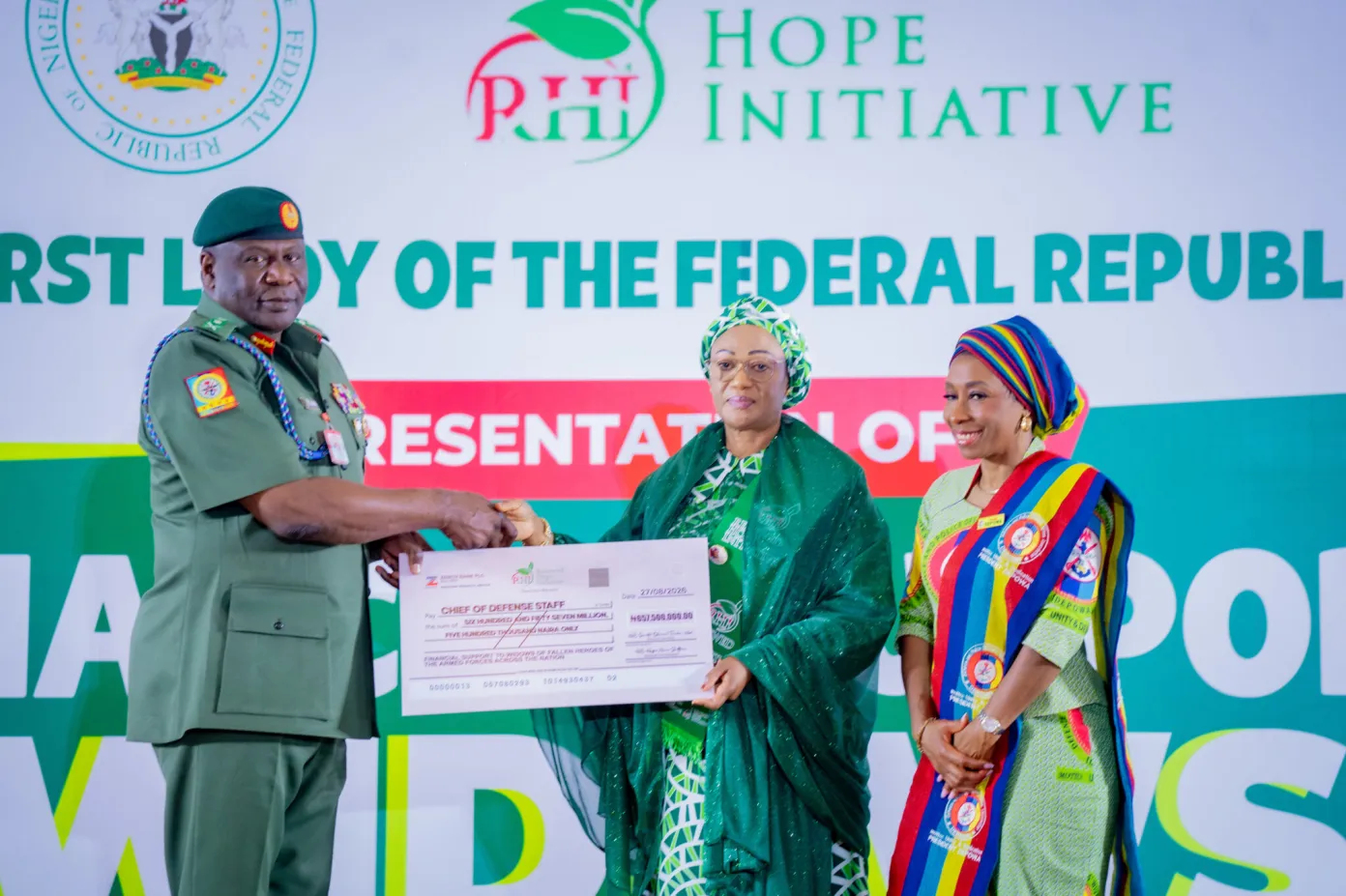
First Lady Oluremi Tinubu gives N819m to 1,638 widows of fallen heroes
First Lady Oluremi Tinubu has provided N819 million in financial support to 1,638 widows of fallen military and police personnel who died in the line of duty between 2023 and 2026.
The intervention was announced on Thursday in Abuja during the second edition of the Renewed Hope Initiative (RHI) Social Investment Programme for Widows of Fallen Heroes, which is aimed at supporting families of security personnel who lost their lives while serving the country.
Under the programme, each of the 1,638 beneficiaries will receive N500,000 to either start a new business or recapitalise an existing one. The initiative is designed to help the widows strengthen their livelihoods and meet the needs of their families.
Tinubu said the financial assistance was both a recognition of the sacrifices made by the fallen personnel and an effort to provide practical support to the families they left behind.
She described the beneficiaries as women who had endured significant pain and hardship following the loss of their husbands, while praising their resilience and courage.
The First Lady said military and police families often live with the uncertainty associated with the risks of frontline and security service, adding that spouses also make considerable sacrifices in supporting personnel who serve the country.
She commended the widows for standing by their husbands during their years of service and for continuing to care for their families despite the challenges created by their loss.
Tinubu urged the beneficiaries to regard themselves as survivors rather than victims and encouraged those who had been widowed for longer periods to provide emotional support to women who had more recently lost their spouses.
“We are here to offer a helping hand as you chart a new path forward,” she said.
The First Lady explained that the N819 million would be distributed between widows of fallen military personnel and police officers.
A total of N657.5 million will go to 1,315 widows of fallen military personnel, while N161.5 million will be provided to 323 widows of fallen police officers.
The two allocations bring the total intervention to N819 million for the 1,638 beneficiaries.
READ ALSO:
- Champions League: Yaya Touré becomes first African coach to reach league phase
- Sunday Igboho Launches ‘Iru Ekun’ Security Outfit in Ogun, Says FG Will Train Members
- VeryDarkMan dares police to charge him over kidnapping claims
Tinubu also recalled that the Renewed Hope Initiative had on November 14, 2023, provided N250,000 each to 1,420 widows and orphans of fallen heroes selected through the Defence and Police Officers’ Wives Association, DEPOWA.
She said the latest programme covers widows whose husbands lost their lives in the line of duty since the assumption of office of President Bola Tinubu.
According to the First Lady, the intervention is intended to enable beneficiaries to invest in businesses that can generate income and provide longer-term financial support for their households.
She commended Chief of Defence Staff, General Olufemi Oluyede, and Inspector-General of Police, Olatunji Rilwan Disu, for supporting the compilation and verification of records of eligible beneficiaries from 2023 to date.
Tinubu also said President Bola Tinubu recognised the sacrifices of security personnel who died while protecting Nigerians and safeguarding the country.
Speaking at the event, Oluyede thanked the President, the First Lady and Hajiya Nana Shettima, Vice-Chairperson of the RHI, for extending support to families of fallen heroes.
The Chief of Defence Staff described the intervention as a demonstration of national solidarity and compassion, saying it complemented existing institutional efforts to support families of personnel who died in service.
Oluyede said the initiative also reassured serving military personnel that the country recognised their sacrifices and remained concerned about the welfare of their families.
He urged the beneficiaries to use the financial support judiciously, particularly for their welfare, their children’s education and future development.
The Inspector-General of Police similarly described the intervention as an expression of compassionate leadership and appreciation for the sacrifices of fallen officers.
Disu said the impact of losing a security officer extends beyond the individual because families left behind often continue to face emotional and financial difficulties.
He said the intervention sent a message that the country had not forgotten either the fallen personnel or the families they left behind.
“When a nation loses a hero, the sacrifice does not end with that hero. It continues in the homes, the hearts and the daily struggles of families left behind,” the IGP said.
Some beneficiaries have indicated plans to invest the N500,000 support in existing businesses or livelihood activities.
One of them, Salomi Gideon Gwaza, widow of late Commander G.Y. Gwaza, said she intended to use the funds to strengthen her business.
Gwaza’s husband died in July 2024 during an operation connected to the rescue of people from a distressed merchant vessel.
Another beneficiary, Olubunmi Oni, widow of late Major Segun Abiodun Oni, said she planned to use the intervention to rebuild and expand her fashion business, which she had struggled to maintain after her husband’s death.
The First Lady’s latest intervention is expected to provide immediate financial relief while helping beneficiaries establish or strengthen income-generating activities.
Beyond the monetary value of the programme, the initiative also seeks to recognise the sacrifices of fallen military and police personnel and reassure their families that their contributions to national security have not been forgotten.
Tinubu urged the beneficiaries to use the funds as a foundation for rebuilding their livelihoods and creating better opportunities for their children.
First Lady Oluremi Tinubu gives N819m to 1,638 widows of fallen heroes







News
OASIS Foundation Webinar: Physician Urges Healthy Living to Prevent Chronic Diseases
OASIS Foundation Webinar: Physician Urges Healthy Living to Prevent Chronic Diseases
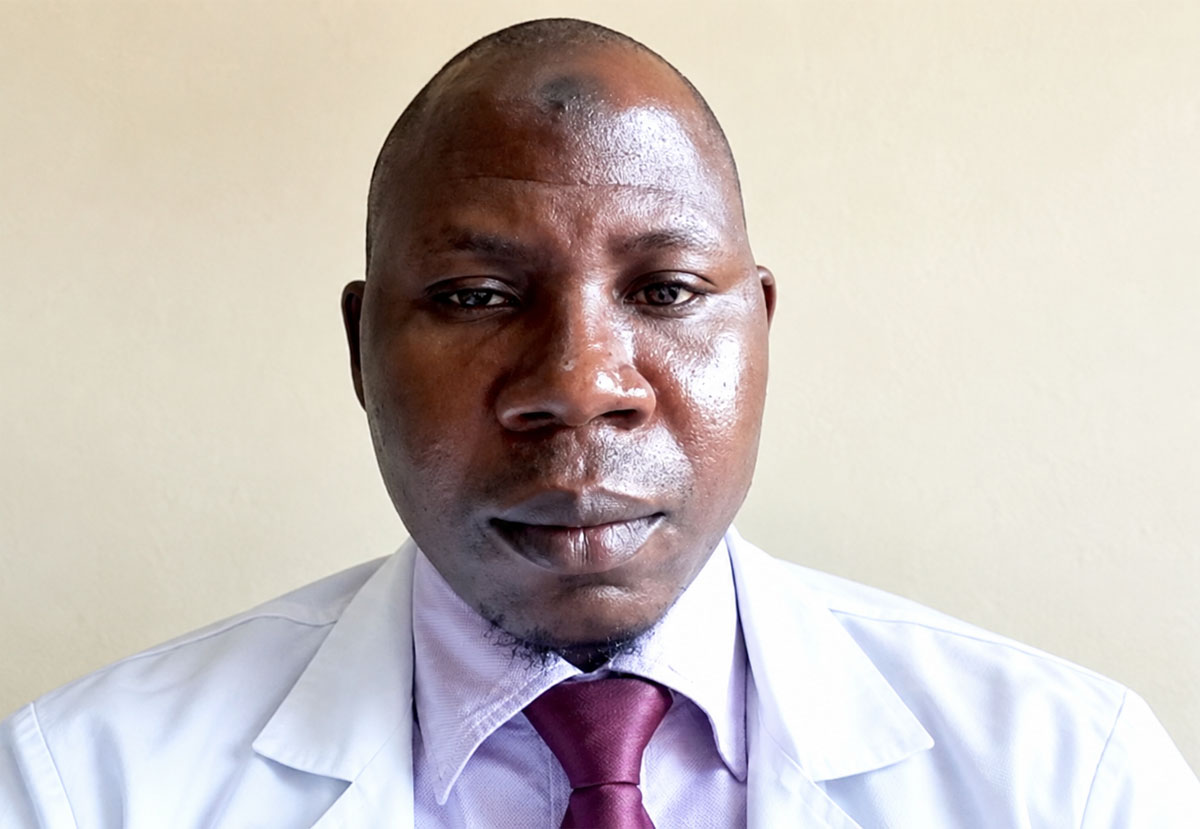
A Consultant Family Physician, Dr Ibraheem AbdulRauf, has urged Nigerians to adopt healthier lifestyles, including balanced diets, regular physical activity, adequate sleep and routine medical screening, as part of efforts to prevent and control non-communicable diseases (NCDs).
AbdulRauf, who works at the Federal Teaching Hospital, Birnin Kebbi, said lifestyle changes remained important in reducing the risk of chronic illnesses such as cardiovascular diseases, diabetes, cancers and chronic respiratory diseases.
He made the recommendations while delivering a lecture titled “Promoting Healthy Lifestyles for the Prevention and Control of Non-Communicable Diseases (NCDs)” at the fourth quarterly webinar health series organised by the OASIS Muslim Care Foundation (OMCF) on Sunday, October 11, 2026.
The physician explained that non-communicable diseases were generally chronic conditions that were not transmitted from one person to another but were influenced by a combination of genetic, physiological, environmental and behavioural factors.
According to him, the growing burden of these diseases has become a major public health concern because of their contributions to premature deaths, disabilities, reduced quality of life and rising healthcare costs.
He noted that NCDs could place considerable financial pressure on individuals and families because they often require long-term medication, regular medical appointments, laboratory investigations and hospital care.
The specialist also observed that chronic illnesses could reduce productivity, affect employment and increase dependence on family members, making prevention an important public health priority.
Unhealthy lifestyles increase disease risks
AbdulRauf identified unhealthy diets, physical inactivity, tobacco use and harmful alcohol consumption as major modifiable risk factors associated with non-communicable diseases.
He explained that these behavioural factors could contribute to metabolic conditions, including hypertension, overweight and obesity, elevated blood glucose and abnormal blood lipid levels, which increase the risk of cardiovascular diseases and diabetes.
READ ALSO:
- Petrol Price Hike Hits Abuja as MRS, AA Rano, Others Raise Rates Despite FG’s Discount Plan
- Kano Police Explain Blockade of ‘Tinubu Must Go’ Meeting
- Xenophobia: Nigeria Evacuates 111 More Citizens From South Africa as Returnees Hit 2,037
While acknowledging that some risk factors, such as age, sex, genetic constitution and family history, could not be modified, he stressed that individuals could reduce their exposure to many preventable risks through healthier daily habits.
He, however, emphasised that preventing NCDs should not be regarded solely as an individual responsibility, arguing that families, communities, healthcare providers and governments also had important roles to play.
According to the presentation, health promotion must go beyond providing information about diseases to creating social, economic and environmental conditions that make healthier choices easier and more affordable.
Physician advocates healthier diets
The consultant identified nutrition as one of the important determinants of health, warning that diets high in salt, free sugars, saturated fats and unhealthy processed foods could contribute to obesity, hypertension, diabetes and cardiovascular diseases.
He recommended diets containing adequate fruits, vegetables, whole grains, legumes, nuts and other nutrient-rich foods to support healthy body weight and reduce the risk of chronic illnesses.
AbdulRauf also highlighted the importance of reducing salt intake, explaining that excessive sodium consumption could raise blood pressure and increase the risk of heart disease and stroke.
He listed fruits such as apples, berries, oranges, bananas, pawpaw, watermelon and avocados among the options highlighted in the presentation, while spinach, broccoli, carrots, kale, tomatoes and sweet potatoes were included among the vegetables.
The physician also drew attention to whole-food, plant-based diets, describing them as an important component of strategies for preventing and managing chronic diseases.
He cited familiar Nigerian foods and meals that can form part of a plant-based diet, including moi moi, bean porridge, akara, okra soup, ewedu, gbegiri, brown rice, acha and unripe plantains.
Tiger nut milk, soya milk and groundnut milk were also listed as examples of plant-based drinks.
The presentation emphasised the importance of prioritising whole or minimally processed foods while limiting excessive consumption of refined sugars, unhealthy fats and sodium.
Regular exercise recommended
AbdulRauf identified physical inactivity as another major risk factor, noting that sedentary occupations, motorised transportation and prolonged screen time had contributed to lifestyles characterised by insufficient movement.
He explained that regular physical activity could reduce the risk of cardiovascular diseases, type 2 diabetes, obesity and certain cancers while improving musculoskeletal health, cognitive function and general well-being.
According to the lecture, physical activity does not necessarily require expensive gym memberships or specialised equipment.
Walking, cycling, household activities, recreational sports and other forms of movement can help people become more physically active.
The presentation cited World Health Organisation recommendations that children and adolescents aged five to 17 should undertake at least 60 minutes of moderate-to-vigorous physical activity daily.
For adults aged 18 to 64, it recommended at least 150 minutes of moderate-intensity physical activity throughout the week, or at least 75 minutes of vigorous-intensity activity, or an equivalent combination of both.
READ ALSO:
- Russia-Ukraine Truce in Doubt as Zelenskyy Questions Trump’s Ceasefire Announcement
- Djibouti Boat Disaster: 139 Migrants Dead, Dozens Missing
- US Names 24 More Nigerians in Fresh Fraud, Money Laundering Crackdown
It also recommended muscle-strengthening activities involving major muscle groups on at least two days a week for adults.
For people aged 65 and above, the presentation recommended similar weekly activity targets, alongside muscle-strengthening exercises on two or more days a week.
AbdulRauf also highlighted the need for families, schools, workplaces and communities to encourage active lifestyles by supporting walking, cycling, group exercises, recreational activities and workplace wellness programmes.
Tobacco, alcohol linked to serious health problems
The consultant warned that tobacco use remained an important preventable cause of disease and premature death, with smoking associated with cardiovascular diseases, chronic respiratory conditions and several cancers.
He also highlighted the dangers of second-hand smoke, noting that exposure could harm people who did not smoke themselves.
The lecture called for tobacco prevention and cessation support, smoke-free environments, public education and measures to discourage young people from initiating tobacco use.
On alcohol, AbdulRauf noted its association with cardiovascular diseases, liver disease and several cancers.
The presentation cited the World Health Organisation’s 2024 global report on alcohol and health, which estimated that alcohol contributed to approximately 2.6 million deaths worldwide in 2019.
It stressed the need for accurate public education on alcohol-related health risks, support for people experiencing alcohol-use problems and policies aimed at reducing harmful consumption.
Healthy weight, sleep and stress management
AbdulRauf also identified overweight and obesity as important metabolic risk factors for non-communicable diseases.
He explained that excess body weight was associated with increased risks of cardiovascular diseases, type 2 diabetes and certain cancers, adding that prevention should begin in childhood and continue throughout adulthood.
He stressed that healthy weight management should focus on health and physical functioning rather than appearance alone.
According to the lecture, sustainable weight management is supported by healthy eating, regular physical activity, adequate sleep and avoidance of harmful substances.
The physician further urged Nigerians to pay attention to mental well-being, stress management and sleep, noting that persistent stress could affect sleep patterns, dietary choices, physical activity and other health behaviours.
Relaxation techniques, social support, effective time management and recreational activities were among the strategies identified for supporting well-being.
The presentation also encouraged people experiencing persistent psychological distress to seek appropriate professional assistance.
Routine screening essential for early detection
The consultant emphasised that healthy lifestyle promotion should be complemented by regular health checks and early detection.
He explained that some non-communicable diseases could develop silently for years before symptoms became obvious, meaning that individuals might remain unaware of their conditions until complications occurred.
READ ALSO:
- How Bauchi Court Jailed Three 21 Years Each for Abducting Seven Children
- Fresh Oil Discovery Sparks Tension in Delta Community as Family Rejects Land Lease Deal
- Riyadh Airport Attack: 12 Killed, 309 Injured as Saudi Arabia Faces Escalating Strikes
He identified regular blood-pressure measurement, blood glucose assessment and appropriate screening based on age, sex, family history and other risk factors as important components of preventive healthcare.
The lecture also advocated cancer screening in line with nationally recommended guidelines and available evidence.
According to AbdulRauf, early detection could enable individuals to receive counselling, treatment and follow-up before diseases progressed to severe complications.
He further advised people already diagnosed with NCDs to take prescribed medications correctly and maintain regular contact with healthcare providers.
The presentation stressed that screening and lifestyle counselling should form part of routine primary healthcare services to improve prevention, early identification and long-term disease management.
Families, communities urged to support prevention
AbdulRauf called for a collective approach to NCD prevention, involving individuals, families, religious organisations, schools, workplaces, healthcare professionals and government institutions.
He explained that families could support healthier living by preparing nutritious meals, encouraging physical activity, maintaining smoke-free homes and helping members sustain positive behavioural changes.
Communities, he said, could organise health education programmes, physical activity initiatives, screening exercises and support groups.
Religious organisations, traditional institutions, community associations and civil society organisations were also identified as important partners in promoting healthy living.
The presentation encouraged healthcare professionals to integrate lifestyle counselling into routine consultations and use primary healthcare facilities for risk assessment, health education, screening, referral and follow-up.
At the policy level, it called for measures that promote healthier food environments, tobacco control, physical activity, clean air and accessible preventive healthcare.
It also identified poverty, limited access to nutritious foods, unsafe environments for exercise, inadequate health information, cultural beliefs, aggressive marketing of unhealthy products, long working hours and limited access to healthcare as barriers to adopting healthier lifestyles.
According to the lecture, addressing these challenges requires cooperation across sectors, including health, education, agriculture, transport, urban planning, finance and environmental management.
Practical steps for healthier living
The physician’s presentation outlined practical measures Nigerians could incorporate into their daily routines to reduce their risk of chronic diseases.
These include increasing the consumption of vegetables, fruits, legumes and whole grains; reducing excessive salt, sugar and unhealthy fats; engaging in regular physical activity; avoiding tobacco; and avoiding harmful alcohol consumption.
It also recommended maintaining a healthy weight, monitoring blood pressure and blood glucose as appropriate, managing stress, getting adequate sleep and participating in recommended preventive screening.
The lecture presented six pillars of lifestyle medicine under the acronym “DREAMS”: diet and nutrition, relationships, exercise, avoidance of risky substances, mental well-being and sleep hygiene.
The framework highlighted the importance of combining healthy eating and physical activity with positive social relationships, psychological well-being, adequate rest and avoidance of harmful substances.
The presentation also emphasised that healthy behaviours should be promoted throughout life, from childhood and adolescence to adulthood and old age.
Prevention described as shared responsibility
In its concluding message, the lecture stated that although genetic, environmental and social factors influence NCDs, many of their major risk factors could be modified through appropriate lifestyle choices and supportive public health interventions.
It stressed that the successful prevention and control of these diseases would require more than individual motivation, noting that people needed access to affordable nutritious foods, safe spaces for physical activity, appropriate healthcare services and supportive social environments.
The presentation called on governments to strengthen policies and health systems that support healthier food choices, physical activity, tobacco control, clean air and preventive healthcare.
It also urged healthcare professionals and community organisations to help translate health information into practical steps that individuals and families could sustain over time.
The central message of the webinar was that preventing non-communicable diseases requires a combination of personal responsibility, community participation, effective healthcare services and supportive public policies.
By encouraging healthier habits and improving access to prevention and early detection, the lecture noted, individuals and communities could work towards longer, healthier and more productive lives.
OASIS Foundation Webinar: Physician Urges Healthy Living to Prevent Chronic Diseases
News
Petrol Price Hike Hits Abuja as MRS, AA Rano, Others Raise Rates Despite FG’s Discount Plan

Petrol Price Hike Hits Abuja as MRS, AA Rano, Others Raise Rates Despite FG’s Discount Plan
ABUJA – Petrol consumers in the Federal Capital Territory (FCT) have been thrown into fresh anxiety following an abrupt increase in the pump price of Premium Motor Spirit (PMS), popularly known as petrol.
Checks by Newstrends.ng on Sunday, October 11, 2026, revealed that major independent marketers, including MRS, Ranoil, and AA Rano filling stations, have adjusted their pumps upward, disregarding the Federal Government’s proposed palliative measure. According to findings, MRS filling stations have raised their price by a staggering N39, moving from N1,370 to N1,409 per litre. Similarly, Ranoil and AA Rano filling stations have jerked up their prices by N10, selling at N1,410 per litre, up from the previous N1,400. The new rates took immediate effect at various outlets in Kubwa, Katampe, Gwarimpa, and other satellite towns within the nation’s capital.
The latest hike presents a sharp contrast to the proposal made by the Minister of Finance, Taiwo Oyedele, who had earlier floated a plan to cushion the harsh economic impact on Nigerians. The proposal suggested that petrol would be sold at a discounted rate of N1,350 per litre exclusively at Nigerian National Petroleum Company (NNPC) filling stations. However, the decision by MRS and the Rano group to raise prices suggests a disconnect between government policy and market forces. Industry analysts suggest that the marketers may be responding to foreign exchange fluctuations and landing cost pressures, which make the proposed N1,350 price unsustainable for private businesses.
READ ALSO:
- Kano Police Explain Blockade of ‘Tinubu Must Go’ Meeting
- Xenophobia: Nigeria Evacuates 111 More Citizens From South Africa as Returnees Hit 2,037
- Russia-Ukraine Truce in Doubt as Zelenskyy Questions Trump’s Ceasefire Announcement
Speaking on the condition of anonymity, a station manager at one of the affected outlets in Gwarimpa noted that the proposed Federal Government discount is a “welcome development” but argued that it cannot work in isolation. “The government cannot ask only NNPC to sell at a discount while independent marketers buy at higher ex-depot prices. If the discount is not extended to all marketers, we will be forced out of business, and Nigerians will still suffer,” the source told Newstrends.ng.
For the average Abuja resident, the fresh increase represents a further strain on household finances. Commuters have expressed frustration over the unpredictability of fuel prices. “This is too much. They told us yesterday that the government is planning to reduce the price to N1,350, and today, we are seeing N1,410. It is very confusing and painful,” said Musa Ibrahim, a commercial driver in Kubwa.
As of the time of filing this report, it remains unclear if other major marketers, such as NNPC Retail and TotalEnergies, will follow suit with the price increase. However, the development raises questions about the viability of the Federal Government’s proposed fuel subsidy discount plan. Newstrends.ng will continue to monitor the situation and provide updates on the ripple effects on transportation costs and the general cost of living across the country.
Petrol Price Hike Hits Abuja as MRS, AA Rano, Others Raise Rates Despite FG’s Discount Plan
News
Oshiomhole Accuses Umahi of Bias in Road Projects, Demands Repairs Before New Construction
Oshiomhole Accuses Umahi of Bias in Road Projects, Demands Repairs Before New Construction
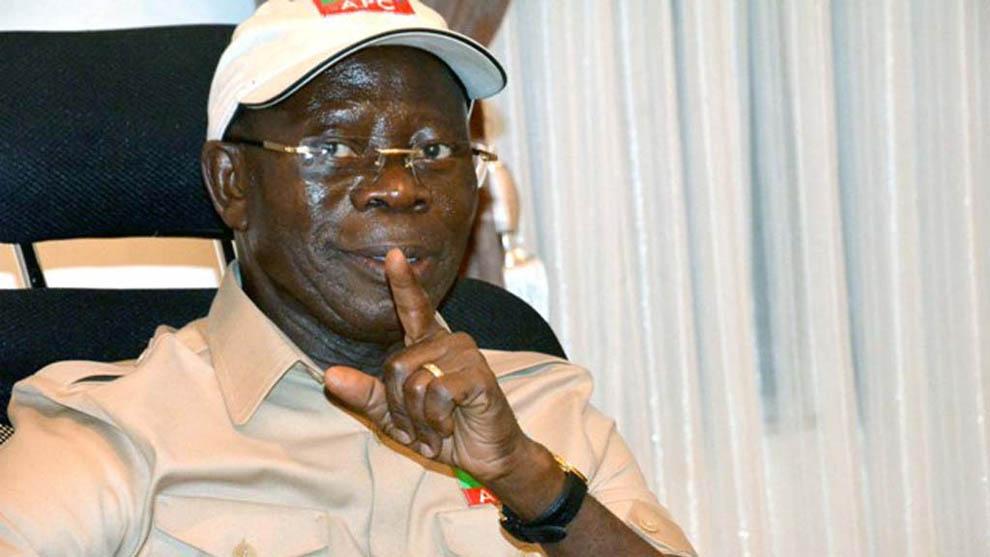
Senator Adams Oshiomhole has accused the Minister of Works, David Umahi, of alleged bias in the allocation of funds for federal road projects, insisting that the government should prioritise the rehabilitation of deteriorating highways before embarking on new construction.
Oshiomhole, who represents Edo North Senatorial District, made the allegations during a podcast interview shared on social media, revisiting his disagreement with Umahi over the management of federal road infrastructure and budgetary priorities.
The former Edo State governor said his criticism of the minister during a Senate budget-defence session was part of his responsibility to scrutinise government spending and ensure that public funds address the most pressing infrastructure needs.
According to Oshiomhole, several existing federal roads across the country have deteriorated to the point where motorists and commuters struggle to use them, yet the Ministry of Works continues to pursue new projects.
He argued that the government should concentrate available resources on rehabilitating roads that have become severely damaged instead of expanding the project portfolio while critical routes remain in poor condition.
“As a manager, you do not keep on building new houses when you cannot maintain the houses you already have. It is common sense,” Oshiomhole said.
The senator maintained that his intervention was not politically motivated, despite both men belonging to the ruling All Progressives Congress (APC).
He also criticised what he described as Umahi’s tendency to invoke President Bola Ahmed Tinubu’s name when responding to questions about the ministry’s decisions.
READ ALSO:
- 2027: Pantami Breaks Silence as INEC Excludes Him From Final Gombe Governorship List
- ‘My Wife Fed Actresses I Was Dating Despite Knowing About Our Affairs’ – Yinka Quadri
- Tension in Kano as Phone Traders Confront Chinese Sellers Over Cheaper Phones
Oshiomhole argued that the responsibility for identifying road maintenance priorities, assessing infrastructure conditions and proposing appropriate budgetary allocations rests with the minister rather than the President having to intervene in individual projects.
“Ministers should not drop his name to cover up their own mess,” he said.
The lawmaker further questioned the proposal to submit additional road projects to the Federal Executive Council when existing highways still require urgent attention. He called for greater coordination between the Ministry of Works and the Federal Roads Maintenance Agency (FERMA), which is responsible for maintaining federal roads.
Oshiomhole urged the minister to use reports from federal directors of works across the country’s geopolitical zones to identify the most urgent rehabilitation needs and guide spending decisions.
The senator’s latest comments follow his July 2026 criticism of the minister over the condition of major highways linking Edo and Delta states.
During a Senate plenary session, Oshiomhole complained about the condition of routes connecting Benin City with Warri, Asaba, Auchi and Okene, arguing that motorists continued to face serious difficulties despite the approval of new road projects elsewhere.
He alleged that critical sections of roads in the two states had been left out of federal budgetary allocations over several years and urged the Senate leadership to press the minister for a more balanced approach to infrastructure development.
Oshiomhole also said presidential intervention through tax credits had helped address parts of the affected road network.
The disagreement between the two APC figures had previously surfaced during a Senate budget-defence session in February 2026, when lawmakers questioned Umahi about the funding and implementation of major federal highway projects, including the Lagos-Calabar Coastal Highway.
During that exchange, Oshiomhole raised concerns about transparency in road funding and delays in releasing money for projects. Umahi, in turn, complained about the manner in which the senator questioned him, leading to a heated exchange before the session continued.
Umahi has also faced criticism over claims that federal road projects are concentrated in the South-East. In September, however, the minister rejected allegations of regional favouritism, insisting that projects were being implemented across the country in line with approvals granted by President Tinubu.
At an October 7 press conference, the Ministry of Works outlined progress on major federal highway projects and other road interventions, including work on the Lagos-Calabar Coastal Highway and the Trans-Saharan Highway corridor.
The ministry has also acknowledged challenges involving funding, contractors and project delivery. In June, Umahi warned contractors handling federal road projects against delays and said funding constraints had forced adjustments to the scope of some highway works.
Oshiomhole’s criticism has renewed debate over how the Federal Government should balance the construction of new highways with the maintenance and rehabilitation of existing roads.
While the senator is calling for greater attention to deteriorating routes, the minister’s position is that the government’s infrastructure programme covers strategic projects across multiple regions.
The key questions remain how road projects are prioritised, how available funds are distributed and how the government can ensure that existing highways receive timely repairs while major new infrastructure investments continue.
Oshiomhole has called on the Senate to strengthen its oversight of the Ministry of Works and ensure that road spending reflects the needs of communities and motorists across the country.
Oshiomhole Accuses Umahi of Bias in Road Projects, Demands Repairs Before New Construction
-
 metro3 days ago
How Parents Raised Millions to Free 20 Abducted NYSC Members
-

 metro3 days ago
[UPDATED] Lagos Train Crash: 55-Year-Old Motorist Survives as Honda Car Is Wrecked at PWD Crossing
-

 metro15 hours ago
Tension in Kano as Phone Traders Confront Chinese Sellers Over Cheaper Phones
-
 Health2 days ago
NAFDAC Raises Alarm Over Toxic Pesticides in Beans, Seizes ₦800m Banned Chemicals
-

 Business2 days ago
NNPCL: We Introduced ₦66 Fuel Discount Before FG’s Announcement
-

 metro1 day ago
Police Launch Manhunt After Fresh Attacks, Kidnappings Rock Four Nigerian States
-

 Sports3 days ago
Ronaldo Breaks Silence on Portugal Row as Pelé, Maradona Comparison Sparks Meme Frenzy
-
 metro2 days ago
2027: Ekiti Driver Takes ₦3.5m Loan to Back Tinubu’s Re-election Bid