

metro
Flood alert: NEMA cautions 14 states, 31 communities
Flood alert: NEMA cautions 14 states, 31 communities
The National Emergency Management Agency (NEMA) says that 14 states and 31 communities may witness heavy rainfall that may lead to flooding from July 4 – 8 across the country.
This is contained in a statement signed by Mr Ibrahim Farinloye, Territorial Coordinator, NEMA, Lagos Territorial Office.
Farinloye urged relevant stakeholders within the states concerned to take precautionary measures to forestall loss of lives and property.
He listed the states and communities as Plateau: Langtang and Shendam; Kano State: Sumaila, Tudun wada; Sokoto State: Shagari, Goronyo and Silame; Delta: Okwe.
READ ALSO:
- Presidential election: Tinubu, Shettima tender 18 exhibits against Peter Obi’s qualification petition
- Commotion hits House of Reps as lawmakers protest seating arrangement, office allocation
- Protesters set police vehicle ablaze in Katsina
Others include Kaduna State: Kachia; Akwa Ibom: Upenekang; Adamawa: Mubi, Demsa, Song, Mayo-Belwa, Jimeta, and Yola; Katsina State: Katsina, Jibia, Kaita and Bindawa.
He also added Kebbi State: Wara, Yelwa and Gwandu; Zamfara: Shinkafi and Gummi
Borno: Briyel; Jigawa: Gwaram; Kwara: Jebba; Niger: Mashegu and Kontagora are also included.
Farinloye thanked the Flood Early Warning System (FEWS) Central Hub of the Federal Ministry of Environment Abuja for sharing the information.
Flood alert: NEMA cautions 14 states, 31 communities
(NAN)








metro
Third Mainland Bridge Crash: 10 Injured as LASEMA Averts Train Collision in Lagos
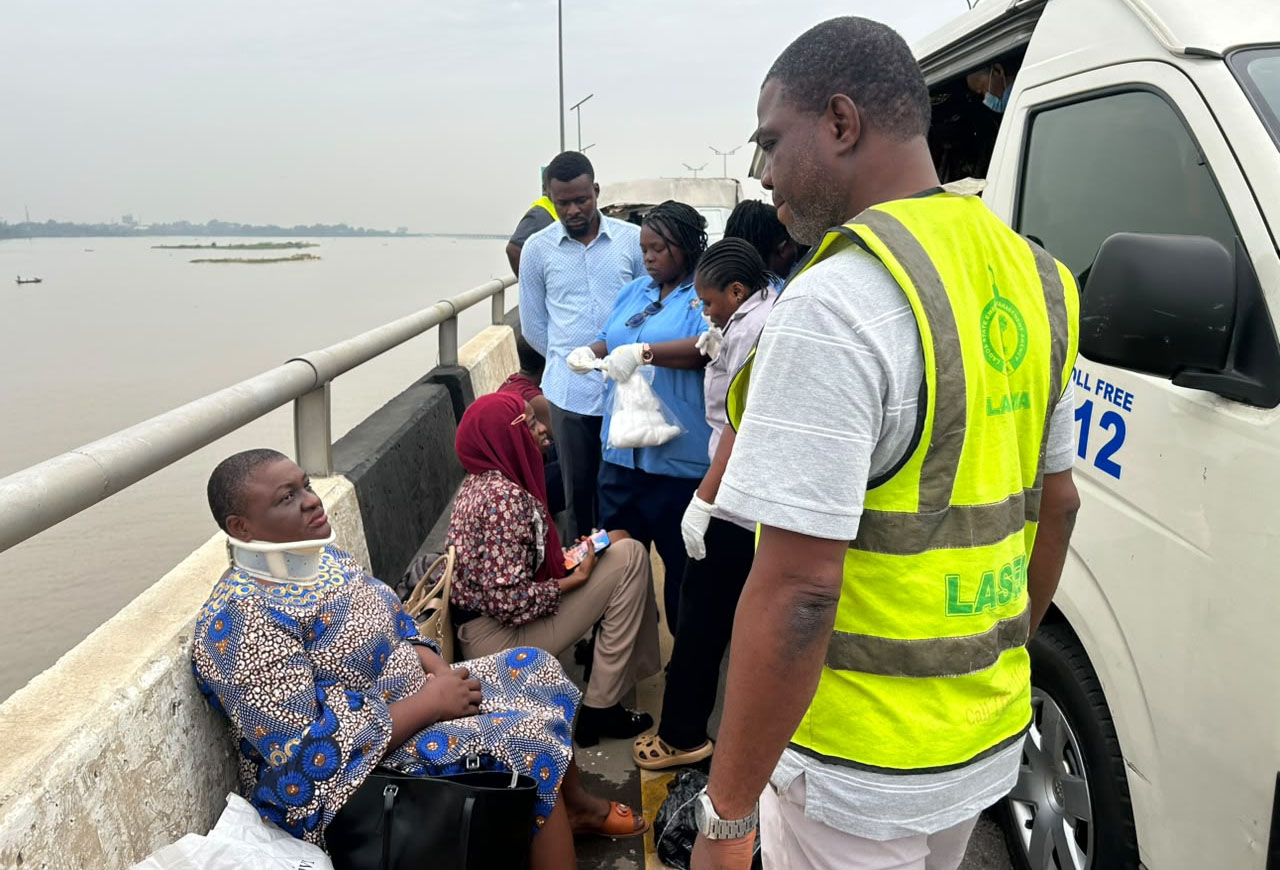
LAGOS — At least 10 passengers have been injured in a chain-reaction crash involving two commercial buses and a trailer on the Third Mainland Bridge in Lagos, while emergency responders separately averted a possible train collision at Ilupeju Bypass.
The two incidents occurred on Wednesday, October 21, 2026, according to the Lagos State Emergency Management Agency (LASEMA).
The bridge accident reportedly began when a commercial bus stopped to fix a faulty tyre. Another bus subsequently rammed into the stationary vehicle, triggering a chain reaction.
A trailer then crashed into the second bus before its driver reportedly fled the scene, leaving the injured passengers in need of emergency assistance.
LASEMA said its emergency response team arrived at the scene, administered first aid to the victims and evacuated them to a hospital for further treatment.
The damaged vehicles were subsequently cleared from the affected section of the bridge, allowing traffic to resume.
READ ALSO:
- ‘I Never Asked Them to Abandon Loved Ones’ — Obi Clarifies Diaspora Remarks
- FG Confirms Ebola Case in Abuja, Identifies 44 Contacts
- Breaking: Afenifere Leader Pa Fasoranti Dies at 100
The incident raised fresh concerns about road safety on the busy bridge, which connects Lagos Island with the mainland and carries heavy traffic daily.
In a separate incident at Ilupeju Bypass, emergency responders prevented a potential collision between a train and a commercial bus that had broken down on a railway track.
According to LASEMA, the bus became stranded on the track after developing a mechanical fault, creating a potentially dangerous situation for rail operations.
Emergency officials deployed a light tow truck to remove the vehicle from the railway line before a possible collision occurred.
The agency said its response team managed the situation and ensured that the stranded bus was removed from the track.
Following the incidents, LASEMA urged motorists to maintain their vehicles regularly and avoid stopping to carry out repairs on busy highways and bridges, warning that such actions could endanger passengers and other road users.
Motorists were also advised to exercise caution when their vehicles develop mechanical faults, particularly in locations where stopping could trigger secondary accidents.
The agency encouraged Lagos residents who require urgent assistance to contact its emergency hotlines on 767 or 112.
The incidents highlight the importance of vehicle maintenance, prompt emergency response and strict adherence to road and railway safety measures to prevent avoidable injuries and loss of life.
Third Mainland Bridge Crash: 10 Injured as LASEMA Averts Train Collision in Lagos
metro
Ebola Scare: NSCIA Directs Imams to Intensify Awareness in Friday Sermons

Ebola Scare: NSCIA Directs Imams to Intensify Awareness in Friday Sermons
The Nigerian Supreme Council for Islamic Affairs (NSCIA) has urged chief imams, Islamic scholars and Muslim organisations across Nigeria to intensify public awareness of Ebola virus disease (EVD) following the confirmation of a case in the Federal Capital Territory, Abuja.
The council called on religious leaders to use Friday sermons, mosque gatherings and community engagements to educate worshippers about the disease, its symptoms, preventive measures and the importance of seeking prompt medical attention.
The advisory, dated Wednesday, October 21, 2026, was signed by the NSCIA Secretary-General, Professor Is-haq Oloyede, on behalf of the council, which is led by its President-General and Sultan of Sokoto, Alhaji Muhammad Sa’ad Abubakar III.
The council said religious institutions had an important role to play in preventing the spread of the infection by providing accurate information, encouraging early reporting of suspected cases and discouraging practices that could expose people to the virus.
It also urged state councils for Islamic affairs and Muslim organisations to mobilise their networks to ensure that public health information reaches communities across the country.
READ ALSO:
- ‘I Never Asked Them to Abandon Loved Ones’ — Obi Clarifies Diaspora Remarks
- FG Confirms Ebola Case in Abuja, Identifies 44 Contacts
- Breaking: Afenifere Leader Pa Fasoranti Dies at 100
The NSCIA warned that the Bundibugyo strain of Ebola, responsible for the current outbreak, has no approved vaccine or specific curative treatment. However, it noted that early detection, prompt medical care and strict preventive measures could improve survival and help prevent further transmission.
The council advised Muslims who develop symptoms suggestive of Ebola to avoid congregational prayers and other public gatherings until they have received medical assessment.
It also cautioned against attempting to treat suspected cases at home or transporting potentially infected people without guidance from health authorities.
On burial practices, the NSCIA warned family members and ordinary burial attendants against washing or handling the bodies of suspected or confirmed Ebola victims. It said safe and dignified burials should be conducted by authorised health personnel in consultation with relevant Islamic authorities.
The council further encouraged regular handwashing, environmental cleanliness and avoidance of direct contact with the blood and other body fluids of people who may be infected.
It urged Nigerians to cooperate with contact-tracing teams and comply with official public health directives, while warning against rumours, unverified remedies and the stigmatisation of affected people and their families.
The NSCIA stressed that protecting human life and seeking medical care were consistent with Islamic teachings, urging religious leaders to communicate preventive advice responsibly without creating unnecessary panic.
The advisory followed the Federal Government’s confirmation on Tuesday, October 20, of an Ebola case in Abuja involving a woman who recently travelled to Nigeria after visiting Uganda and the Democratic Republic of the Congo.
The Federal Ministry of Health and Social Welfare said the patient was receiving medical care in isolation at a private hospital in the FCT.
Health authorities have identified 44 close contacts and commenced contact tracing to determine who may have been exposed to the infection. The contacts include healthcare workers, patients, caregivers and people linked to the patient’s travels.
The government, through the Nigeria Centre for Disease Control and Prevention (NCDC) and other relevant agencies, has intensified surveillance and infection-prevention measures to contain the disease.
The NSCIA urged Nigerians to remain calm, vigilant and guided by verified information as health authorities continue their response.
The council called on imams, Islamic scholars and Muslim organisations to circulate its advisory widely and work with public health officials to protect communities from further transmission.
Ebola Scare: NSCIA Directs Imams to Intensify Awareness in Friday Sermons
metro
Jailbreak Saga: Guard Bagged 2.5 Years for Helping 10 Inmates Escape Through Toilet Hole
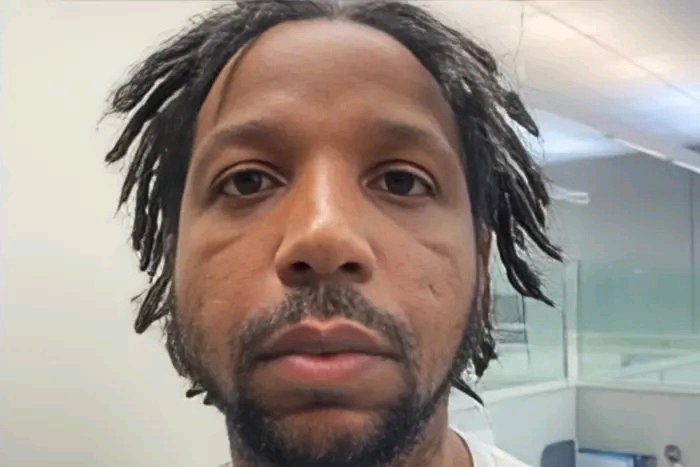
Jailbreak Saga: Guard Bagged 2.5 Years for Helping 10 Inmates Escape Through Toilet Hole
A former jail worker in New Orleans, Sterling Williams, has been sentenced to two and a half years in prison for his role in a daring jailbreak that saw ten inmates escape through a hole behind a toilet.
The shocking incident, which occurred in May 2025, left authorities red-faced after the fleeing inmates left behind a mocking note that simply read: “Too Easy.”
According to reports, Williams, who was entrusted with supervising the facility, compromised security protocols to facilitate the escape. Investigators revealed that the inmates managed to breach the wall behind a toilet fixture, crawling to freedom through the opening.
The jailbreak sparked a massive manhunt across the city, though all ten inmates were eventually recaptured. Williams’ sentencing brings a close to a case that exposed significant security lapses within the Orleans Parish facility.
Prosecutors argued that Williams abused his position of trust, endangering public safety. The court agreed, handing down the 30-month sentence this week.
The Orleans Parish Sheriff’s Office has since stated that stricter security measures and structural inspections have been implemented to prevent future breaches.
Jailbreak Saga: Guard Bagged 2.5 Years for Helping 10 Inmates Escape Through Toilet Hole
-

 metro1 day ago
Army Major, Soldiers Killed in ISWAP Ambush in Yobe State
-

 News3 days ago
FG Challenges World Bank’s 124% Debt-to-Revenue Warning, Cites Rising Income
-
 metro3 days ago
Ogun House Fire Horror: Husband Arrested After Wife Dies Following Domestic Dispute
-
 metro1 day ago
Breaking: Afenifere Leader Pa Fasoranti Dies at 100
-

 Entertainment3 days ago
Nollywood Mourns as Actress, Beauty Queen Tenia Abraham Dies at 32
-
 metro23 hours ago
‘We Don’t Know What Else to Do’ — Mother Begs for Release of Abducted Children
-

 metro1 day ago
‘I Never Asked Them to Abandon Loved Ones’ — Obi Clarifies Diaspora Remarks
-

 Auto1 day ago
Beyond the Showroom: Why After-Sales Service Will Define Auto Industry Winners