

metro
Floods: Clerics set up victims’ trust fund

The National Executive Council and Board of Trustees, Christian Association of Clergies in Nigeria has established a special trust fund for the rehabilitation of flood displaced persons currently in various camps across the country.
The group in a statement issued in Onitsha on Sunday by its National President, Archbishop Yiman Orkwar, and National Coordinator, Justice Ikpeama, decried the pitiable condition and sufferings of flood victims due to lack of basic necessities of life at the camps.
It urged the government, political class, corporate organisations and wealthy individuals to spare no efforts in contributing toward ameliorating the plight of victims.
The group called on governments across the affected states and the federation to articulate an action plan and panacea to tackle incessant flooding in the country permanently.
It urged church leaders to intensify efforts in raising funds in their churches to aid the upkeep of victims and to put smiles on faces of displaced persons.







metro
Fourth Gas Leak in Six Months: Over 100 Ogun Pupils Hospitalised, Schools Shut as Parents Panic
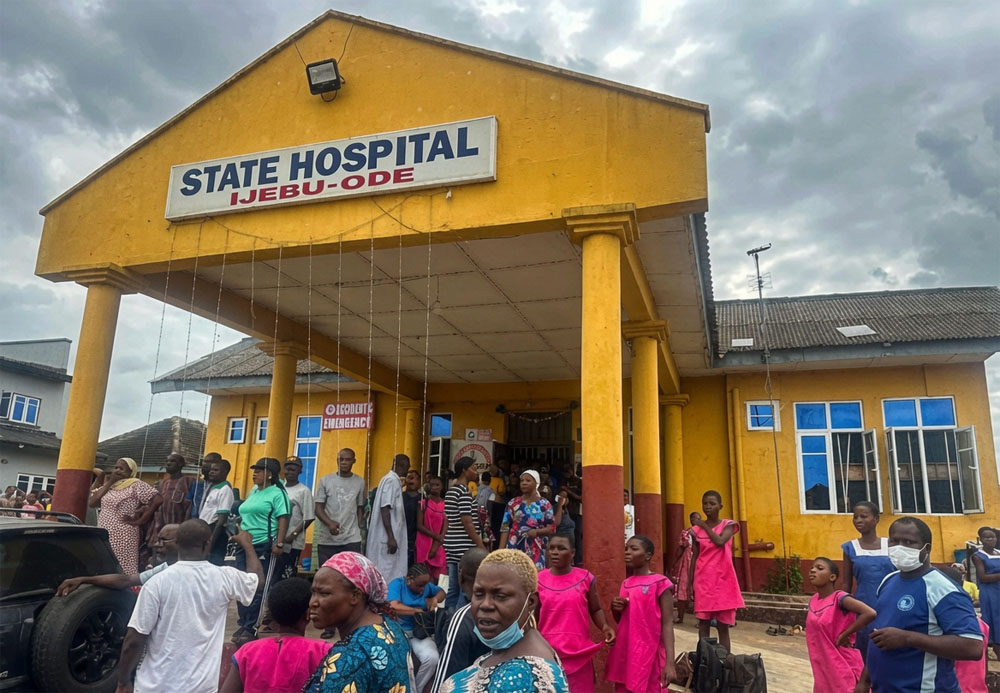
Fourth Gas Leak in Six Months: Over 100 Ogun Pupils Hospitalised, Schools Shut as Parents Panic
metro
Nigerian Journalist Sentenced to 4 Years Over Facebook Post Criticising Police
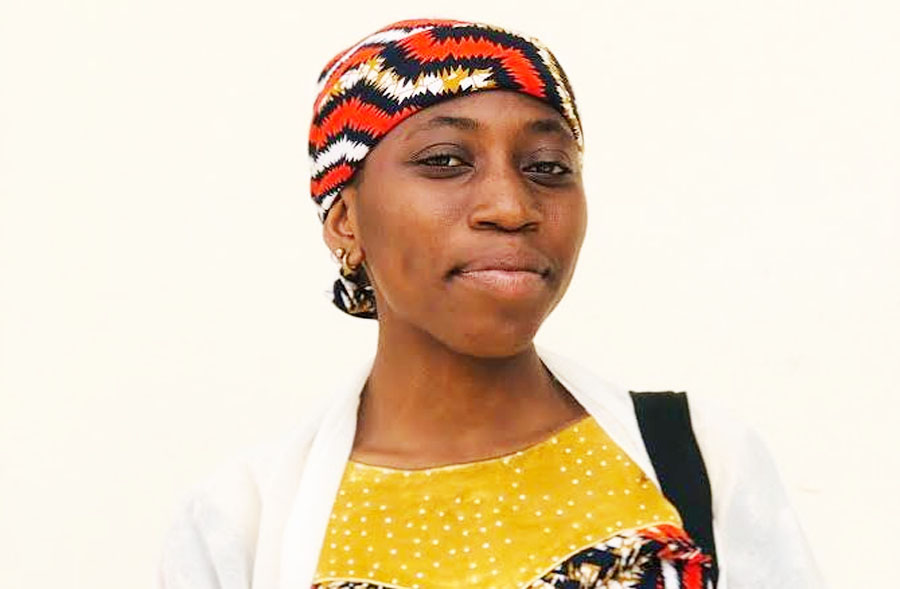
Nigerian Journalist Farida Isiak Sentenced to 4 Years Over Facebook Post Criticising Police
Amnesty International has demanded the immediate release of a 23-year-old Nigerian journalist sentenced to four years in prison — or a fine of ₦1.75 million — over a Facebook post criticising police in Kaduna State, describing the case as a “travesty of justice” and a weaponisation of the courts to silence free speech.
The case of Farida Isiak, a reporter with Nagarta Radio in Kaduna, began not with journalism but with a minor neighbourhood quarrel. According to Amnesty International, a dispute broke out between Isiak’s mother and a neighbour over ₦100 in change from a charcoal sale. Police reportedly arrested Isiak’s mother — and then detained her father when he went to the station to secure her release. Amnesty says the couple’s detention was used as leverage to pressure Isiak to report to the police station. When she arrived, officers accused her of defaming the police in a Facebook post in which she had criticised their treatment of her parents. Isiak deleted the post and apologised, according to Amnesty. Despite that, she was taken before a Sharia Court in Kawo, where she was convicted of defamation and sentenced to four years’ imprisonment or a ₦1.75 million fine.
READ ALSO:
- NAFDAC Busts Illegal Herbal Factory in Lagos, Arrests Manager Over Fake Registration Number
- NELFUND Warns Schools: Student Loans Are Voluntary, Not Compulsory
- ‘I Never Asked Them to Abandon Loved Ones’ — Obi Clarifies Diaspora Remarks
The human rights organisation did not mince words. Amnesty International described the proceedings as a “sham” and a “travesty of justice,” arguing that the arrest, detention and hasty sentencing amounted to “a flagrant abuse of power by the police and weaponization of the judicial system to silence free speech and intimidate journalists.” The organisation has called on the Kaduna State Police Command and Nigerian judicial authorities to immediately release Isiak, on authorities to drop all charges and cancel the fine, and on the Nigeria Police Force to launch an independent investigation into the officers involved.
The case has reignited concerns about press freedom in Nigeria and the use of criminal defamation-type proceedings against journalists and citizens alike. Critics argue that using detention of family members as leverage — and fast-tracking a case through court within days — sets a chilling precedent for free speech online. It is important to note that the account above is drawn largely from Amnesty International’s statements and reporting. As of publication, the Kaduna State Police and the court had not offered substantive public responses to the specific allegations in the available reporting, and the case may yet be subject to appeal or review.
A young journalist’s Facebook post criticising police has cost her four years of liberty — or a fine she may struggle to pay. Whether Nigerian authorities respond to Amnesty’s demands will be a test of the country’s commitment to freedom of expression and the protection of journalists.
Nigerian Journalist Farida Isiak Sentenced to 4 Years Over Facebook Post Criticising Police
metro
Third Mainland Bridge Crash: 10 Injured as LASEMA Averts Train Collision in Lagos
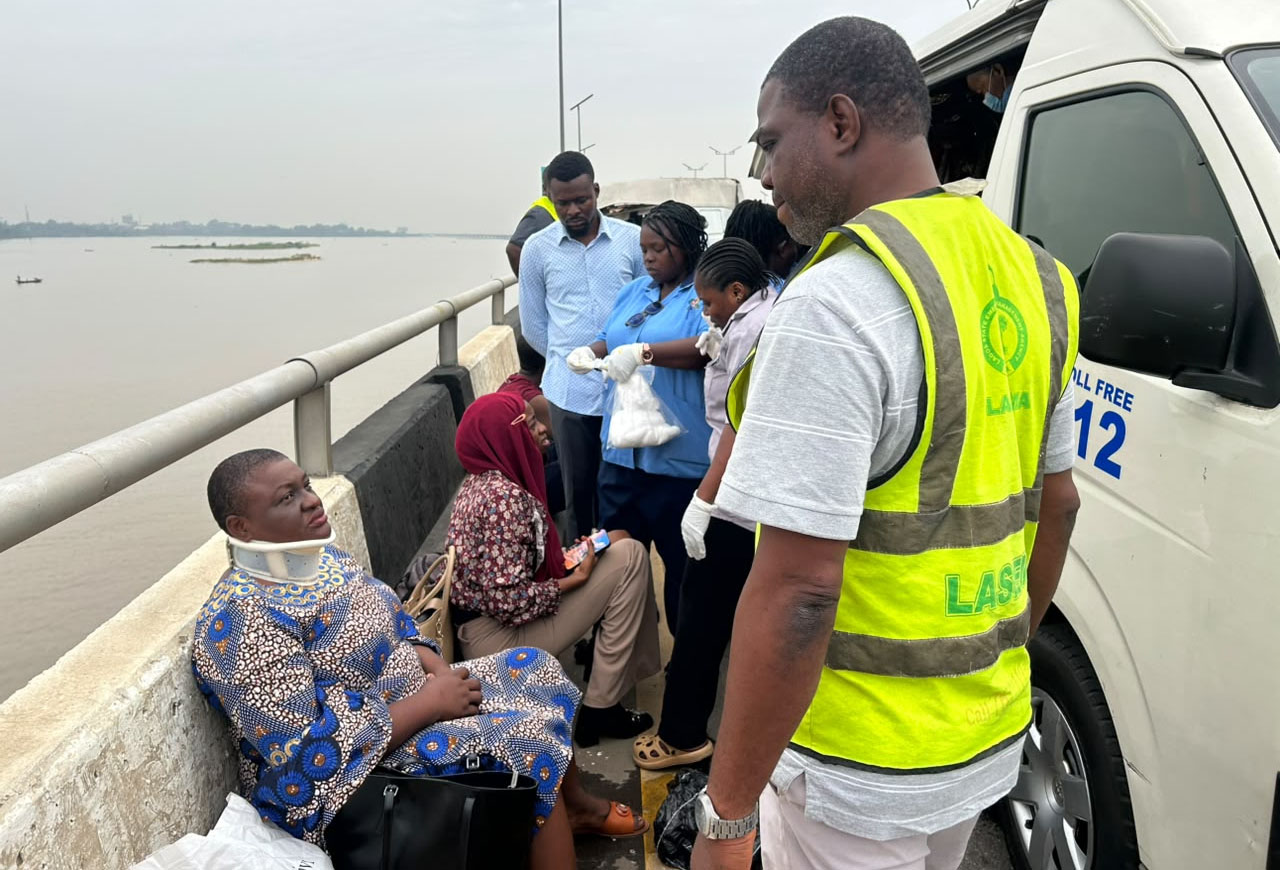
LAGOS — At least 10 passengers have been injured in a chain-reaction crash involving two commercial buses and a trailer on the Third Mainland Bridge in Lagos, while emergency responders separately averted a possible train collision at Ilupeju Bypass.
The two incidents occurred on Wednesday, October 21, 2026, according to the Lagos State Emergency Management Agency (LASEMA).
The bridge accident reportedly began when a commercial bus stopped to fix a faulty tyre. Another bus subsequently rammed into the stationary vehicle, triggering a chain reaction.
A trailer then crashed into the second bus before its driver reportedly fled the scene, leaving the injured passengers in need of emergency assistance.
LASEMA said its emergency response team arrived at the scene, administered first aid to the victims and evacuated them to a hospital for further treatment.
The damaged vehicles were subsequently cleared from the affected section of the bridge, allowing traffic to resume.
READ ALSO:
- ‘I Never Asked Them to Abandon Loved Ones’ — Obi Clarifies Diaspora Remarks
- FG Confirms Ebola Case in Abuja, Identifies 44 Contacts
- Breaking: Afenifere Leader Pa Fasoranti Dies at 100
The incident raised fresh concerns about road safety on the busy bridge, which connects Lagos Island with the mainland and carries heavy traffic daily.
In a separate incident at Ilupeju Bypass, emergency responders prevented a potential collision between a train and a commercial bus that had broken down on a railway track.
According to LASEMA, the bus became stranded on the track after developing a mechanical fault, creating a potentially dangerous situation for rail operations.
Emergency officials deployed a light tow truck to remove the vehicle from the railway line before a possible collision occurred.
The agency said its response team managed the situation and ensured that the stranded bus was removed from the track.
Following the incidents, LASEMA urged motorists to maintain their vehicles regularly and avoid stopping to carry out repairs on busy highways and bridges, warning that such actions could endanger passengers and other road users.
Motorists were also advised to exercise caution when their vehicles develop mechanical faults, particularly in locations where stopping could trigger secondary accidents.
The agency encouraged Lagos residents who require urgent assistance to contact its emergency hotlines on 767 or 112.
The incidents highlight the importance of vehicle maintenance, prompt emergency response and strict adherence to road and railway safety measures to prevent avoidable injuries and loss of life.
Third Mainland Bridge Crash: 10 Injured as LASEMA Averts Train Collision in Lagos
-
 metro2 days ago
Army Major, Soldiers Killed in ISWAP Ambush in Yobe State
-
 metro2 days ago
Breaking: Afenifere Leader Pa Fasoranti Dies at 100
-
 metro1 day ago
‘We Don’t Know What Else to Do’ — Mother Begs for Release of Abducted Children
-
 metro1 day ago
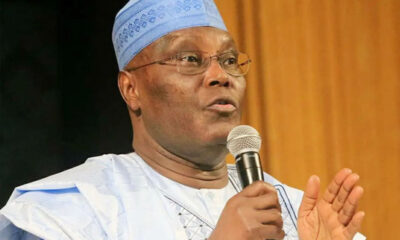
Atiku: US Lobbying Firm Raises Alarm Over Alleged Assassination Plot
-
 metro21 hours ago
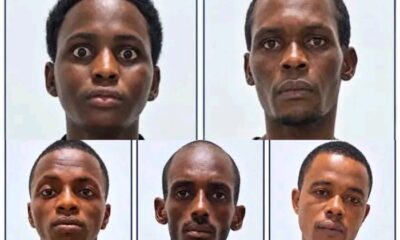
Five Arraigned Over Kidnapping of 20 Prospective NYSC Members in Imo
-
 metro2 days ago
‘I Never Asked Them to Abandon Loved Ones’ — Obi Clarifies Diaspora Remarks
-

 Auto1 day ago
Beyond the Showroom: Why After-Sales Service Will Define Auto Industry Winners
-
 News23 hours ago
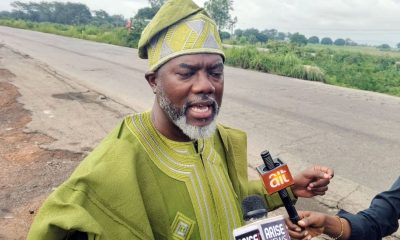
Mexico Clears Reno Omokri as Nigeria’s Ambassador After Eight-Month Wait