

International
Iran Claims Capture of Second US Underwater Drone in Strait of Hormuz
Iran Claims Capture of Second US Underwater Drone in Strait of Hormuz
Iran’s Islamic Revolutionary Guard Corps (IRGC) has claimed that its naval forces captured a second U.S. unmanned underwater vehicle in the strategically important Strait of Hormuz, accusing the vehicle of conducting surveillance activities in the waterway.
The IRGC Navy said on Sunday, September 27, that the Remus 600 autonomous underwater vehicle was intercepted during what it described as a complex operation involving intelligence capabilities and electronic warfare.
According to the Iranian military, the vehicle was operating in the Strait of Hormuz for what it described as espionage purposes when it was captured.
The IRGC said the underwater drone has been handed over to specialists who are working to retrieve and examine information stored on the system. (Arab News)
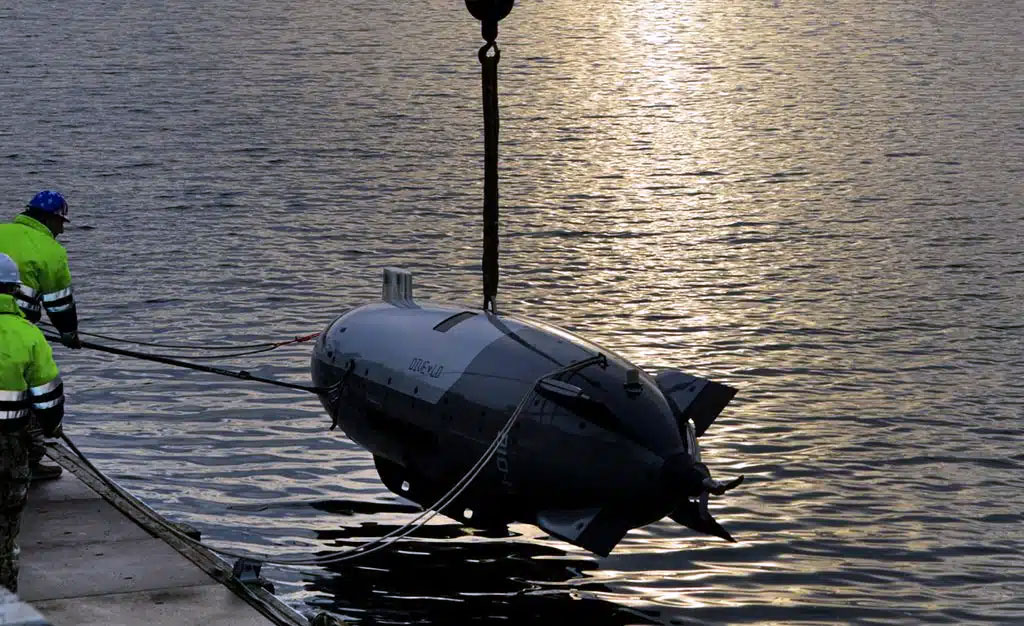
The claim represents the second reported Iranian capture of a U.S. underwater drone in September, following an earlier incident involving a much larger Dive-LD autonomous underwater vehicle.
On September 8, Iran said its forces had captured the Dive-LD at the entrance to the Strait of Hormuz. The IRGC subsequently released images of the vehicle and described it as an advanced U.S. military unmanned submarine.
The U.S. military acknowledged around that time that one of its underwater drones had malfunctioned while operating in regional waters but did not publicly confirm that Iran had captured it. Reuters footage from the incident showed the vehicle identified by Iran as a Dive-LD. (Reuters Connect)
The latest vehicle, the Remus 600, is substantially smaller than the Dive-LD. It is an autonomous underwater system designed to operate without a crew and can be configured for a range of underwater missions.
Available technical information indicates that the Remus 600 can operate at depths of up to about 600 metres and can remain underwater for extended periods, depending on its configuration and operating conditions.
READ ALSO:
- Kubwa Explosion: Vehicle Crashes Into Gas Outlet, Damages Nine Shops
- Newlywed Arrested After Allegedly Excreting 72 Cocaine Wraps at Enugu Airport
- Bauchi Police Arrest Four Over Alleged Gun-Making, Rape
The system can be equipped for missions including seabed mapping, mine detection and intelligence, surveillance and reconnaissance (ISR). Its modular design also allows different sensors and equipment to be fitted according to mission requirements.
Reports indicate that the vehicle is about 3.25 metres long and can operate autonomously for up to about 70 hours on a single charge, although actual endurance depends on mission configuration and conditions. (Seoul Economic Daily)
Iran’s latest announcement comes amid heightened military tensions surrounding the Strait of Hormuz, a narrow waterway connecting the Persian Gulf with the Gulf of Oman.
The strait is strategically important to global energy markets because of the large volume of oil and gas shipments that traditionally pass through it.
The ongoing conflict in the region has severely disrupted commercial shipping through the waterway. Iran has said it considers the strait closed and has warned against what it describes as dangerous or unauthorised activity.
In its latest statement, the IRGC again declared the Strait of Hormuz closed and said it would respond to what it considers dangerous movements or unauthorised passage. (ایرنا)
The United States has not publicly provided a detailed account of the latest alleged seizure, leaving important questions about the circumstances of the incident unresolved.
In particular, it remains unclear when and where the Remus 600 was deployed, what mission it was conducting, whether it was operating under direct U.S. military control at the time and how Iranian forces allegedly took possession of it.
Iran’s assertion that the vehicle was conducting espionage also remains an Iranian military claim and has not been independently established.
The seizure claim nevertheless highlights the growing importance of autonomous underwater vehicles in modern military and maritime operations.
Such systems can conduct surveillance, map underwater terrain, detect mines and gather information without placing personnel aboard a conventional submarine.
The reported Iranian effort to retrieve data from the Remus 600 could also provide Tehran with an opportunity to examine the vehicle’s sensors, navigation systems and other technologies if the equipment is intact.
The significance of any information Iran could obtain from the system would depend on the condition of the vehicle and the amount of recoverable data and technology.
The latest development comes as Iran-US tensions remain high over the Strait of Hormuz, with Tehran and Washington pursuing opposing positions on access to the waterway.
For now, the capture of the Remus 600 remains a claim by Iran, while the absence of a detailed U.S. account means that several aspects of the incident cannot yet be independently confirmed.
Iran Claims Capture of Second US Underwater Drone in Strait of Hormuz







International
Iran Accuses US of Threatening Nuclear Scientists With $20m Reward
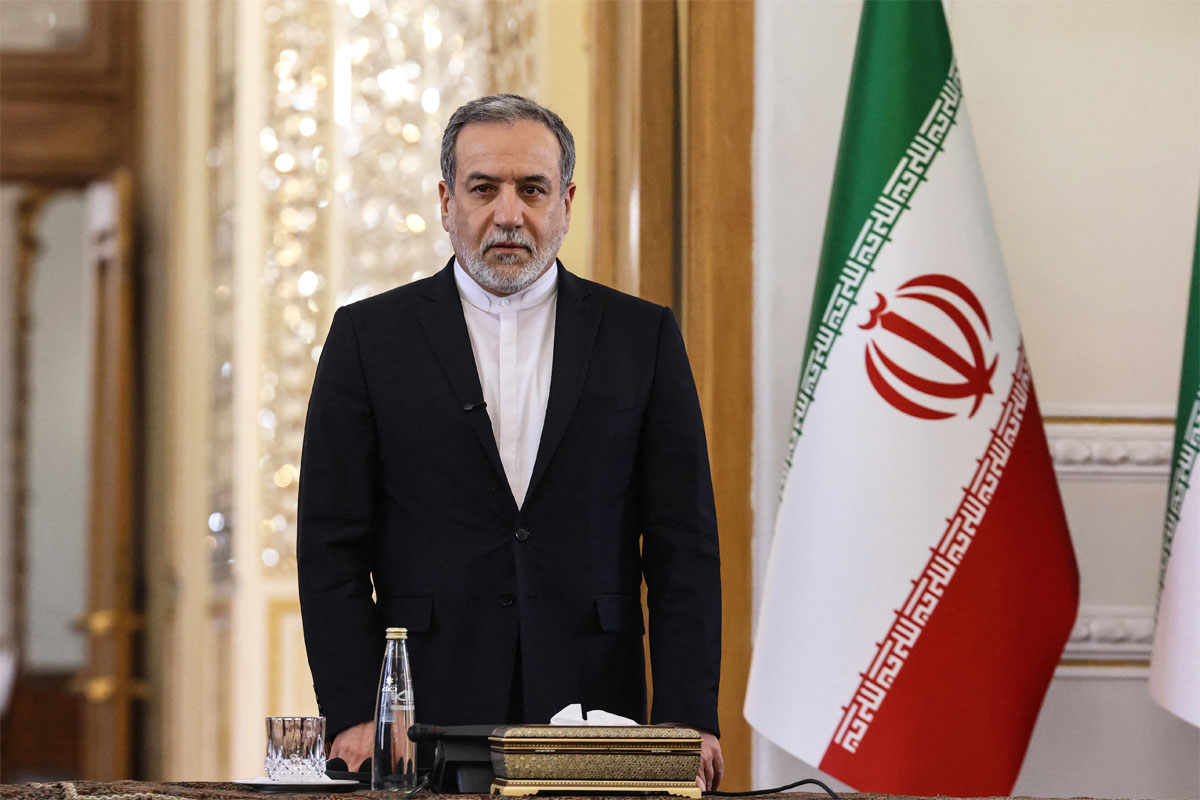
Iran Accuses US of Threatening Nuclear Scientists With $20m Reward
Iran has called on the United Nations (UN) and the International Atomic Energy Agency (IAEA) to condemn a United States offer of up to $20 million for information about Iran’s nuclear programme, describing the initiative as a threat to its nuclear facilities, scientists and national security.
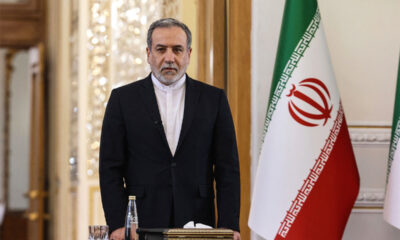
Iranian Foreign Minister Abbas Araghchi made the demand in a letter addressed to UN Secretary-General António Guterres, the President of the UN Security Council and IAEA Director-General Rafael Grossi.
In the letter, Araghchi described the American announcement as unacceptable and urged the three international officials to condemn it explicitly and unequivocally.
The United States, through the State Department’s Rewards for Justice programme, announced on November 6 that it was offering up to $20 million, alongside possible relocation, to anyone providing information about Iran’s nuclear programme.
The offer covers information relating to Iranian nuclear facilities, equipment, associated personnel, members of the scientific community and the movement of such individuals or materials.
The announcement was subsequently publicised by the US Central Command (CENTCOM).
Araghchi accused Washington of encouraging clandestine intelligence gathering against Iran, warning that the initiative could expose nuclear scientists and technical personnel to assassination, sabotage and other security threats.
READ ALSO:
- Troops Arrest Father, Son Over Terrorism Suspicions, Recover AK-47 in Sokoto
- Tinubu’s Chicago Varsity Certificate Row: Omokri Challenges Journalists to Verify Fresh Allegations
- Agunbiade Celebrates Oyo Grand Chief Imam Akeugberu at One, Says His Impact Equals a Decade
He argued that seeking confidential information about nuclear installations under IAEA safeguards could undermine the credibility, independence and integrity of the international agency’s monitoring system.
According to the Iranian foreign minister, it would be unreasonable to expect normal implementation of nuclear safeguards when facilities, personnel and sensitive information were allegedly exposed to threats of attacks and sabotage.
Araghchi also invoked Article IV of the Nuclear Non-Proliferation Treaty (NPT), which recognises the right of countries to develop and use nuclear energy for peaceful purposes in accordance with their international obligations.
He urged the UN Secretary-General and Security Council to draw the international community’s attention to what he described as the implications of the American initiative for global peace and security.
The Iranian government also asked the IAEA chief to take measures to protect confidential information obtained during nuclear inspections from disclosure, misuse or exploitation for intelligence purposes.
Araghchi further requested that Grossi bring the matter before the IAEA Board of Governors and consider appropriate institutional measures to address the concerns raised by Tehran.
The dispute comes amid heightened tensions between Washington and Tehran over Iran’s nuclear activities, sanctions and the ongoing military confrontation involving the United States and Israel.
The US government has maintained that preventing Iran from acquiring nuclear weapons remains a major security objective, while Tehran has consistently insisted that its nuclear programme is intended for peaceful purposes.
The latest $20 million reward offer has added another dimension to the disagreement, with Iran arguing that the initiative threatens its sovereignty and the safety of personnel working in its nuclear sector.
Iran Accuses US of Threatening Nuclear Scientists With $20m Reward
International
US Lawmakers to Hold Fresh Hearing on Nigeria’s Insecurity, Christian Killings
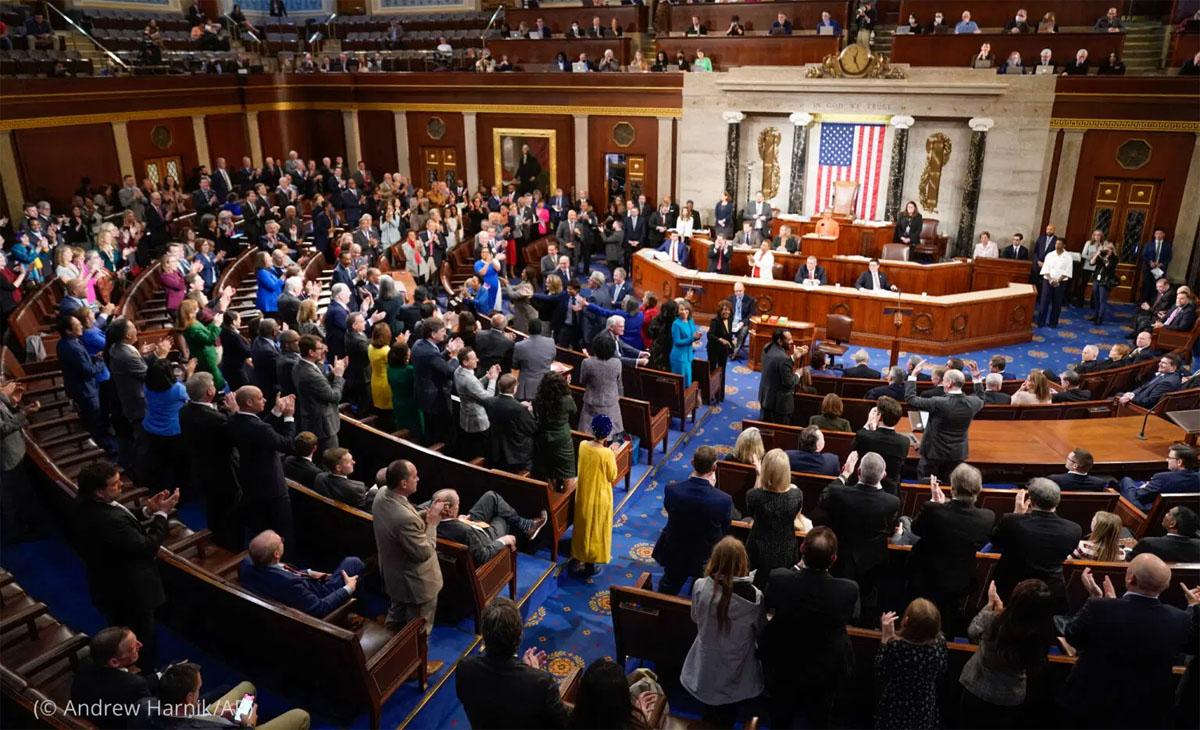
US Lawmakers to Hold Fresh Hearing on Nigeria’s Insecurity, Christian Killings
The United States Congress is set to hold another congressional hearing on Nigeria’s security crisis, with lawmakers expected to examine attacks on Christian communities, the Federal Government’s response and the worsening insecurity in the country’s Middle Belt.
The hearing, scheduled for Thursday, November 12, 2026, will be convened by the House Foreign Affairs Subcommittee on Africa and chaired by Republican Congressman Chris Smith.
Titled “One Year Later: Assessing Nigeria’s Efforts to Protect Christians and Secure the Middle Belt,” the session will assess the Nigerian government’s efforts to protect vulnerable communities, prevent religious violence and bring perpetrators of attacks to justice.
According to a statement from Smith’s office, lawmakers will examine violence attributed to extremist organisations, including Boko Haram and armed groups accused of targeting Christian communities.
The hearing will also consider the Nigerian government’s efforts to curb attacks against Christians and non-radical Muslim communities, as well as possible measures the United States could take to encourage greater protection of vulnerable populations.
Smith, who represents New Jersey, said the session would be his 14th congressional hearing on the persecution of Christians in Nigeria.
The proceedings will feature two panels of witnesses, including senior officials of the US Department of State and representatives of international religious freedom and policy organisations.
The first panel will feature Frank Garcia, Assistant Secretary of State for African Affairs, and Riley Barnes, Assistant Secretary of State for Democracy, Human Rights and Labour.
READ ALSO:
- ‘Her Death Must Not Be in Vain’: Lagos Mother Demands Justice for Toddler Killed by Police Bullet
- DR Congo Sentences 66 Soldiers to Death for Cowardice, Mutiny
- Lookman’s Atletico Future Under Question After Simeone Leaves Him Out Against Barcelona
The second panel will include Nina Shea, Senior Fellow and Director of the Centre for Religious Freedom at the Hudson Institute; Ryan Brown, Chief Executive Officer of Open Doors US; and Oge Onubogu, Director and Senior Fellow of the Africa Programme at the Centre for Strategic and International Studies (CSIS).
The hearing will begin at 11am Washington time, equivalent to 5pm Nigerian time, at the Rayburn House Office Building in Washington, DC. It will also be streamed live on YouTube.
The planned congressional session comes amid renewed scrutiny of Nigeria’s security and human rights record by the administration of US President Donald Trump and American lawmakers.
In November 2025, Trump redesignated Nigeria as a Country of Particular Concern (CPC) over allegations of severe violations of religious freedom, particularly attacks on Christian communities.
The designation, made under the International Religious Freedom Act of 1998, applies to countries the US government considers to have engaged in or tolerated particularly severe violations of religious freedom.
Nigeria was previously designated a Country of Particular Concern in December 2020 during Trump’s first administration but was removed from the list in November 2021 under former President Joe Biden.
The renewed designation intensified diplomatic discussions between Washington and Abuja over the protection of religious communities and Nigeria’s response to persistent insecurity.
The United States also conducted military strikes against Islamic State-linked targets in northwestern Nigeria on December 25, 2025, as part of counterterrorism operations.
Trump said the operation was directed at militants responsible for attacks on Christians, although the Nigerian government has maintained that the country’s security challenges cannot be explained solely through religious persecution.
The Federal Government has repeatedly rejected claims that Nigeria’s insecurity amounts to a systematic campaign against Christians, arguing that terrorism, banditry, kidnapping, farmer-herder clashes and communal violence affect Nigerians across religious and ethnic backgrounds.
The security situation remains particularly challenging in parts of the Middle Belt, including Benue and Plateau states, where repeated attacks have resulted in deaths, displacement and destruction of communities.
Armed groups, communal tensions, disputes over land and farming resources, and the activities of criminal networks have contributed to the violence.
The humanitarian consequences have also extended beyond Nigeria’s borders, with thousands of people fleeing attacks and seeking refuge in neighbouring countries.
The latest hearing is expected to provide American lawmakers with an opportunity to question government officials and other witnesses about the scale of the violence, measures taken to protect civilians and the effectiveness of existing security cooperation between both countries.
It will also examine possible diplomatic and policy measures Washington could pursue to encourage accountability and prevent further attacks.
Although the hearing is not a judicial determination of allegations against the Nigerian government, its discussions and recommendations could influence future congressional scrutiny and US policy towards Nigeria.
The proceedings come at a sensitive time in relations between both countries, as Nigeria continues to seek international cooperation in tackling terrorism and other security threats.
US Lawmakers to Hold Fresh Hearing on Nigeria’s Insecurity, Christian Killings
International
UK Councillor Gets 150 Hours Community Service Over ‘Melt Nigerians’ Post
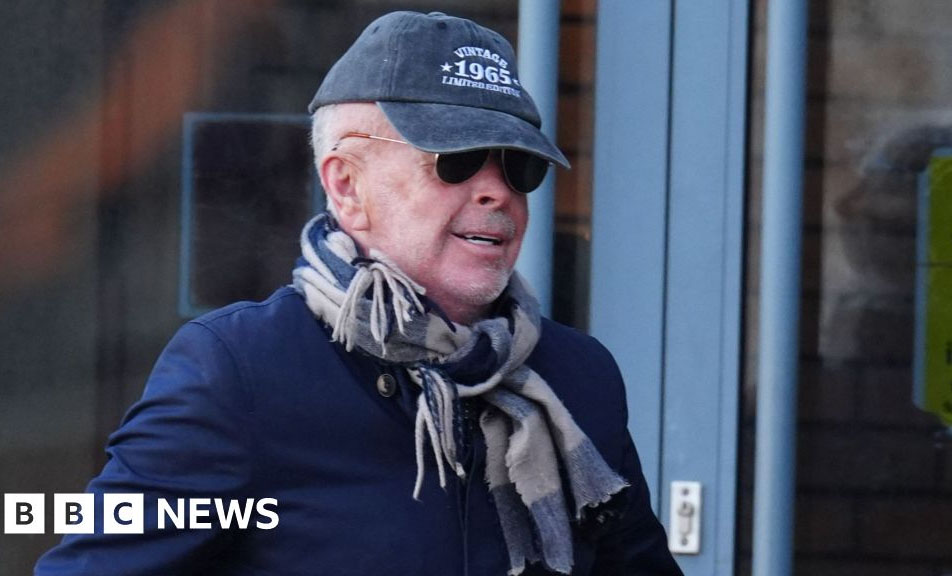
UK Councillor Gets 150 Hours Community Service Over ‘Melt Nigerians’ Post
A United Kingdom court has convicted a suspended Reform UK councillor, Glenn Gibbins, over a Facebook post suggesting that Nigerians living in his town should be melted down and used to fill potholes.
Gibbins, 66, who represents the Hylton Castle ward on Sunderland City Council, was found guilty of sending a grossly offensive message following a trial at South Tyneside Magistrates’ Court on Monday, November 9, 2026.
District Judge Zoe Passfield sentenced him to a 12-month community order, including 150 hours of unpaid work.
He was also ordered to pay £650 in court costs and a £114 victim surcharge, bringing his total financial penalty to £764.
The controversial Facebook post was published in March 2024, more than two years before Gibbins was elected to Sunderland City Council.
In the post, he complained about the number of Nigerians in the town and suggested that they should be melted down and used to fill potholes.
The message became public after the campaign group Hope Not Hate examined his social media history ahead of the May 2026 local government elections.
Despite the controversy, Gibbins won the Hylton Castle ward election with 1,295 votes under the Reform UK platform.
The party initially suspended him after the post emerged but later reinstated him following an internal disciplinary process, reportedly issuing him a final written warning.
READ ALSO:
- Three Broken-Down Trucks Paralyse Abuja-Kaduna Highway, Travellers Spend Eight Hours in Gridlock
- Orji Kalu Admits Selling Heavy Weapons to International Buyers
- “Your Connections Won’t Save You,” Police Warn Traffic Offenders
However, he was suspended again after police charged him in July 2026.
During the trial, Gibbins admitted making the post but insisted that it was intended as a joke and should not be taken literally.
He told the court that he had consumed a couple of cans of beer on the night he published the message and had initially attempted to share a similar post written by someone else.
When that failed, he said he typed the message himself and published it on his public Facebook account.
Describing his intention, he maintained that it was a tongue-in-cheek remark rather than a serious threat against Nigerians.
However, prosecutors argued that the statement was grossly offensive and dehumanising because it portrayed Nigerians as people who could be exterminated and reduced to materials for road construction.
Delivering her verdict, Judge Passfield rejected the councillor’s explanation, saying the post specifically targeted Nigerians as an ethnic group and reduced their status as human beings to that of materials used to fill potholes.
She said the comment was neither a genuine political argument nor part of a wider discussion about immigration.
The judge also considered Gibbins’ right to freedom of expression under Article 10 of the European Convention on Human Rights but concluded that the post was not a genuine expression of political views.
The court heard that the publication caused considerable distress among Nigerians living in Sunderland.
Godwin Ejeh, a leader in the Nigerian community, told the court that the post created fear among residents, particularly over their safety and that of their children.
He said the controversy prompted an emergency meeting within the community and a protest outside Sunderland City Hall, where Nigerians demanded an apology from the councillor.
Ejeh, who also contested a council seat under the Liberal Democrats during the May elections, denied suggestions that the matter was being used for political purposes.
He maintained that the issue was about human dignity and the safety of Nigerians living in the area.
Gibbins’ defence lawyer, Adam King, described the Facebook post as an unpleasant and unfunny joke, while raising concerns about the boundaries of freedom of expression.
The court was also told that Gibbins had no previous criminal convictions and had not committed any further offence since publishing the message in 2024.
Following the conviction, his legal team indicated that it intended to appeal the verdict at the Crown Court.
The case has attracted attention among Nigerians at home and abroad, particularly amid concerns about discrimination, xenophobia and the treatment of Nigerian communities in foreign countries.
UK Councillor Gets 150 Hours Community Service Over ‘Melt Nigerians’ Post
-

 metro1 day ago
Fayose Petitions IGP, Threatens Lawsuit Over Rape, Torture Allegations
-
 Politics2 days ago
ADC Raises Alarm as Court Delays Release of Lifu’s Judgment Despite Payment
-

 metro2 days ago
‘Miracle’ Turns Sour as Visiting Pastor Vanishes with Congregants’ Phones During Crusade in Edo
-
 News1 day ago
Despite Tegbe’s 72-Hour Promise, Nigerians Still Battle Power Outages
-

 Auto2 days ago
Four-day Abuja International Motor Fair begins tomorrow Nov 10
-

 Politics3 days ago
ADC Crisis: Aregbesola Heads to Appeal Court, Challenges Judgment Nullifying Mark-Led Leadership
-

 Railway2 days ago
Tinubu Targets December 3 Inauguration for Kaduna-Kano Rail Project as Construction Hits 90%
-

 Auto2 days ago
Seven Drivers Emerge for Todays Naija Driver Challenge Grand Finale in Lagos