

metro
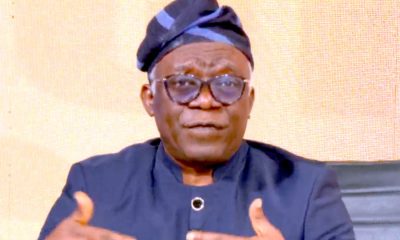
Islamic Scholar Barred From Ramadan Tafseer After Criticising Tinubu, Governors

Islamic Scholar Barred From Ramadan Tafseer After Criticising Tinubu, Governors
The leadership of Jama’atu Izalatil Bid’ah Wa Iqamatis Sunnah (JIBWIS) has officially suspended prominent Islamic scholar Sheikh Alkali Abubakar Salihu Zaria from conducting his annual Ramadan Tafseer in Damaturu, Yobe State, following controversial remarks he made about Nigeria’s political leadership.
The decision, which has sparked widespread debate across Northern Nigeria, was taken after a high-level meeting of the JIBWIS Council of Ulama led by its National Chairman, Sheikh Muhammad Sani Yahaya Jingir.
Following the meeting, the cleric was barred from continuing his Tafseer sessions at the Mokas Mosque in Damaturu, where he has traditionally delivered Qur’anic interpretations during the holy month of Ramadan.
Reason for the Suspension
According to the Islamic organization, the suspension was based on what it described as a breach of JIBWIS preaching protocols. The council accused the scholar of using inflammatory language and deviating from the organization’s established religious methodology while interpreting the Holy Qur’an.
Leaders of the group stressed that Tafseer sessions are meant to focus strictly on religious teachings, moral guidance, and spiritual reflection, especially during Ramadan, rather than political commentary capable of generating controversy.
READ ALSO:
- ICPC, NRC Forge Anti-Graft Alliance to Safeguard Rail Assets
- Pedro Sánchez Rejects Trump Trade Threat, Says ‘No to War’ as EU Backs Spain
- Nigeria officially out of 2026 World Cup as FIFA confirms DR Congo for play-offs
Sermon That Triggered the Controversy
The controversy followed a recent Tafseer session in which Sheikh Alkali launched a strong criticism of the federal government and political leaders in the North over the persistent insecurity crisis, including banditry, kidnappings and violent attacks affecting many communities.
During the sermon, he lamented what he described as the dehumanisation of citizens by bandits and kidnappers, painting a grim picture of victims’ suffering, including abuse during captivity.
The cleric also questioned the relationship between state governors and Bola Tinubu, Nigeria’s president, suggesting that political leaders were showing excessive loyalty to the presidency.
“One of the signs of catastrophes this generation will likely face is the tendency to revere individuals out of fear of their machinations,” he said.
He went further to state:
“Look at how state governors fear Tinubu much more than they fear Allah. If you are in the APC, you are treated like a saint. If you are a member of the opposition, you will be treated like a devil. One will be confronted with trump-up charges. Who is Tinubu? You deceived us. You are a deceiver and cheat.”
Addressing the impact of insecurity, the cleric also described the ordeal of kidnapping victims.
“Today, people are abducted and treated as though they are cattle. They are taken into the bush and ransom negotiations begin. Families plead while victims are beaten and tortured. Sometimes they stamp their feet on their victim’s stomach even during Ramadan,” he said.
Sheikh Alkali’s Reaction
Following the announcement of his suspension, Sheikh Alkali addressed his followers through a message posted on his Facebook page, urging them to remain calm and avoid confrontation with the leadership of the organization.
The cleric maintained a conciliatory tone, emphasizing that his removal from the mosque was part of God’s divine decree and encouraging supporters to accept the decision peacefully.
“To my followers, relatives and associates, I urge you to take heart. This was destined to happen. I cannot exceed the days Allah has written for me to lead Ramadan Qur’anic exegesis in Damaturu,” he wrote.
He also reaffirmed his respect for Sheikh Jingir, describing him as a father figure and urging his followers to remain disciplined and loyal to the leadership of the Islamic organization.
Public Reaction
The development has triggered intense debate on social media and within religious circles, with opinions sharply divided.
Supporters of the cleric praised him for “speaking truth to power” and highlighting the suffering of ordinary Nigerians affected by insecurity.
However, critics argued that the mosque pulpit should not be used for political criticism, insisting that religious platforms must remain focused on spiritual guidance rather than political agitation.
Others say the incident reflects a broader tension in Nigeria over the role of religious leaders in addressing governance and societal issues, particularly in regions facing prolonged security challenges.
Despite the controversy, the leadership of JIBWIS has maintained that its decision was aimed at preserving discipline and maintaining the integrity of religious preaching, especially during the sacred period of Ramadan.
Islamic Scholar Barred From Ramadan Tafseer After Criticising Tinubu, Governors








metro
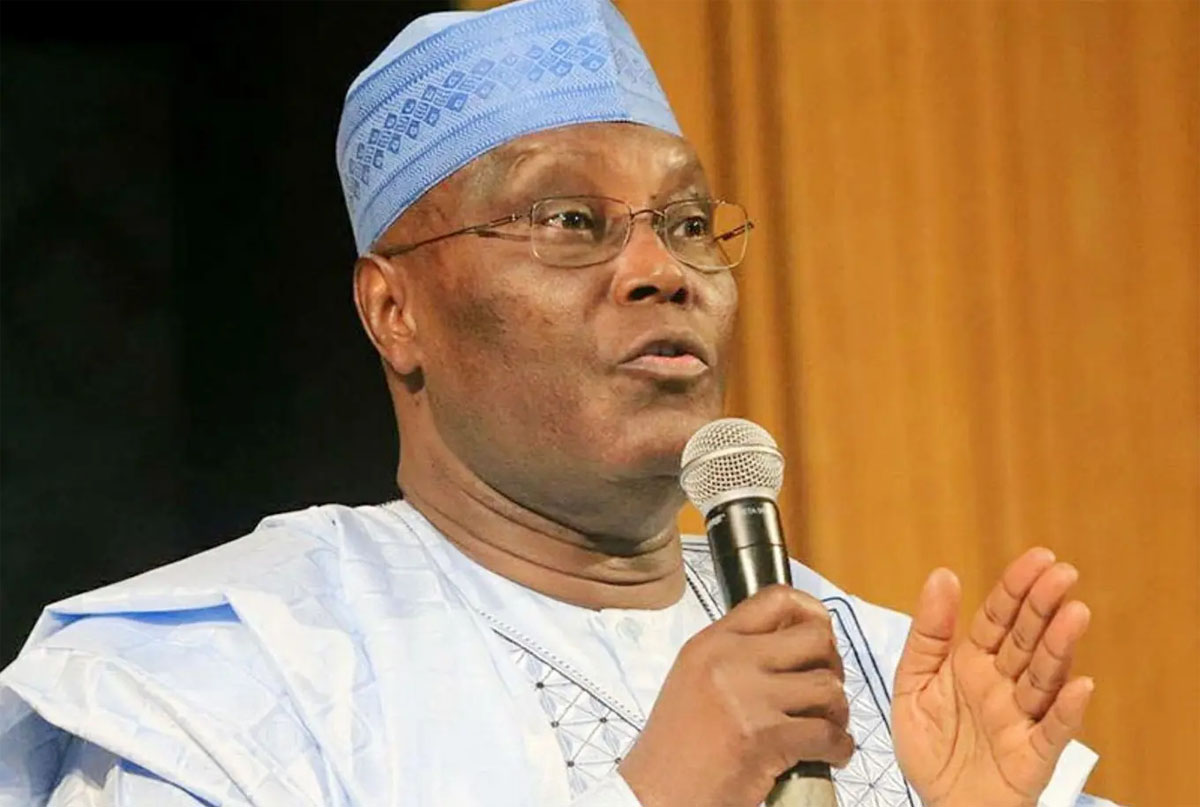
Atiku: US Lobbying Firm Raises Alarm Over Alleged Assassination Plot
Atiku: US Lobbying Firm Raises Alarm Over Alleged Assassination Plot
A United States-based lobbying and policy advisory firm, Von Batten-Montague-York, L.C., has reportedly expressed concern over allegations of a possible threat to the life of former Vice-President Atiku Abubakar, according to reports attributed to the firm.
The allegation, which has emerged amid growing political activity ahead of the 2027 general elections, was reportedly raised by Timi Frank, a former Deputy National Publicity Secretary of the All Progressives Congress (APC), who has called on US President Donald Trump and other international leaders to pay attention to concerns over Atiku’s safety.
Frank has alleged that the former vice-president could face threats to his life and political freedom. However, the claim remains an allegation and has not been independently substantiated by publicly available evidence.
According to the reports, Von Batten-Montague-York, a lobbying firm reportedly engaged by Atiku for government affairs and strategic advisory services in the United States, intends to bring the concerns to the attention of US officials, including members of Congress and the Trump administration.
The reported move does not, in itself, establish that an assassination plot exists or that US authorities have confirmed the allegations. No independently verified evidence presented in the reports establishes that President Bola Tinubu or his administration is involved in any plan to harm Atiku.
The APC Presidential Campaign Council has rejected the allegation, insisting that Tinubu and the council have no involvement in any plot to assassinate Atiku or any other opposition figure.
The council’s spokesperson, Dele Alake, reportedly challenged Frank to provide evidence to support his claims, maintaining that such a serious allegation should not be treated as established fact without credible proof.
The council also called for any information concerning a genuine threat to be brought before the appropriate security agencies for investigation. It reportedly disputed claims that security personnel attached to Atiku had been withdrawn and maintained that the former vice-president remained under the protection of the relevant authorities.
According to statements attributed to the council, Tinubu had directed security agencies to strengthen protection for political candidates ahead of the 2027 elections. These assurances, however, do not independently resolve the specific allegations raised by Frank.
Frank’s appeal has renewed debate over the security of opposition politicians as preparations for the next general election gather momentum. He has urged international leaders and institutions to engage with the Nigerian government and seek assurances regarding the safety of opposition figures.
The lobbying firm’s reported intention to raise the matter with US officials has also drawn attention to the possibility of international scrutiny of concerns about political security in Nigeria. However, there is no independently confirmed information establishing that US authorities have opened a formal investigation into the alleged plot.
The claims and counterclaims have yet to establish that an assassination plot exists or identify any verified perpetrators. Any credible evidence of a threat to Atiku’s life would need to be assessed by the appropriate security agencies, while allegations of responsibility should be supported by verifiable evidence.
Atiku, a former vice-president and prominent opposition politician, remains a significant figure in Nigeria’s political landscape ahead of the 2027 elections. The controversy highlights the need for transparent investigation of credible security threats and careful distinction between allegations, official responses and independently established facts.
Atiku: US Lobbying Firm Raises Alarm Over Alleged Assassination Plot
metro
‘We Don’t Know What Else to Do’ — Mother Begs for Release of Abducted Children

‘We Don’t Know What Else to Do’ — Mother Begs for Release of Abducted Children
A distraught mother in Kaduna State, Dominic Tina, has appealed to Nigerians and security agencies to help secure the release of her two children, who were reportedly abducted in Rimi Kamazou about seven weeks ago.
Tina made the emotional appeal in a social media post, saying her family desperately needed assistance to secure the children’s safe return.
According to a report published by Linda Ikeji’s Blog on October 19, 2026, the mother shared photographs of her children, including an image she said was sent to the family by their abductors.
The photograph reportedly raised fresh concerns about the children’s situation as their family continued to seek help to bring them home.
In her appeal, Tina expressed frustration over the prolonged ordeal, saying her family no longer knew what else to do.
She wrote: “My family don’t know what to do again, please help me reshare. We desperately need assistance.”
The children’s abduction has left their mother and other family members in distress, with the appeal aimed at attracting public attention and possible assistance from relevant authorities.
However, details surrounding the abduction, including the identities of the suspected kidnappers, their possible demands and the latest condition of the children, could not be independently verified from the information available.
It was also unclear whether security agencies had made any breakthrough in efforts to secure the children’s release.
The case underscores the anguish experienced by families whose loved ones remain in captivity for extended periods and the urgent need for coordinated efforts to locate abducted persons.
Tina’s appeal has called attention to her family’s desperate search for a resolution, as hopes remain that the children will be reunited with their loved ones.
The relevant security authorities are urged to investigate the reported abduction and take appropriate steps to facilitate the children’s safe return.
EDITORIAL NOTE: Newstrends.ng could not independently verify the latest status of the case before publication. Further confirmation should be sought from the family or the Kaduna State Police Command.
‘We Don’t Know What Else to Do’ — Mother Begs for Release of Abducted Children
metro
‘I Never Asked Them to Abandon Loved Ones’ — Obi Clarifies Diaspora Remarks
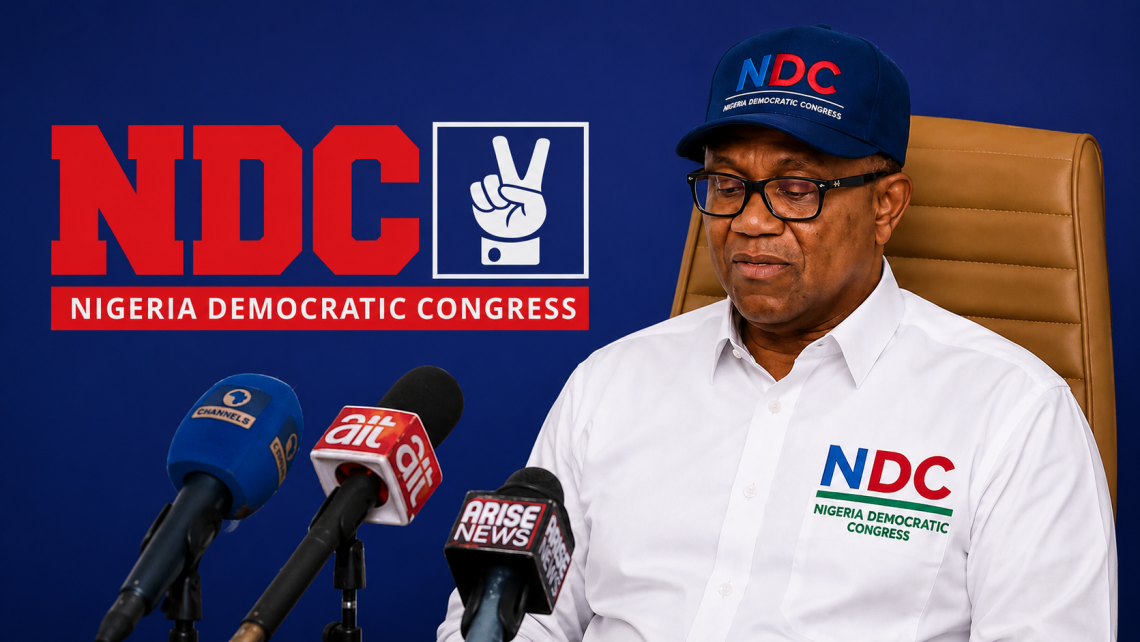
ABUJA — The presidential candidate of the Nigeria Democratic Congress (NDC), Peter Obi, has denied asking Nigerians living abroad to abandon their relatives at home, insisting that his comments about financial assistance were misrepresented by political opponents.
Obi issued the clarification on Tuesday in a statement titled “My Message Has Been Twisted”, posted on his X account following widespread reactions to his remarks at a town hall meeting with Nigerians in Manchester, United Kingdom.
The former Anambra State governor said he appreciated Nigerians in the diaspora who worked hard and made sacrifices to support their families in Nigeria, stressing that their contributions remained essential to millions of households.
“I deeply appreciate Nigerians in the diaspora who work tirelessly and make enormous sacrifices to support their families back home,” Obi said.
He noted that money sent home by Nigerians abroad helped relatives pay school fees, hospital bills, rent and feeding expenses, adding that their sacrifices deserved recognition and respect.
“Their patriotism and sacrifices deserve our profound respect. I never asked them to abandon their loved ones,” he stated.
Obi explained that his concern was the economic situation forcing millions of Nigerians to depend on relatives abroad to meet their basic needs, rather than having access to decent jobs and essential services at home.
READ ALSO:
- FG Confirms Ebola Case in Abuja, Identifies 44 Contacts
- Breaking: Afenifere Leader Pa Fasoranti Dies at 100
- Army Major, Soldiers Killed in ISWAP Ambush in Yobe State
- Chaos in Abeokuta as Algerian Fans Attack Coach, Vandalise Stadium After Rangers Defeat
“My concern is that Nigeria should not remain a country where millions depend on relatives abroad for basic survival,” he said.
According to the NDC candidate, Nigeria needs a system that provides employment opportunities, affordable healthcare, quality education and the conditions necessary for citizens to support themselves and their families.
“Our goal must be to build a nation that provides jobs, affordable healthcare, quality education, and economic opportunities for its citizens,” he added.
Obi accused unnamed political opponents of distorting his message, maintaining that his argument was directed at the underlying causes of poverty and economic hardship rather than the willingness of Nigerians abroad to help their relatives.
“Political opponents may twist my message, but the truth remains clear: I am not asking Nigerians abroad to abandon their families. I am advocating for a Nigeria that will no longer abandon its own people,” he said.
The clarification followed controversy over comments Obi made during a town hall meeting with diaspora supporters in Manchester on Sunday.
In a video of the engagement that circulated widely on social media, Obi urged Nigerians living in the United Kingdom to reject requests for money from people at home and encourage them to support leaders capable of improving the country’s economic conditions.
“You have people at home in Nigeria today who are begging you for money. Tell them no!” he said.
Obi argued that financial assistance from relatives abroad could provide immediate relief but would not resolve the wider economic problems forcing many Nigerians to seek help.
He linked the situation to concerns about governance, corruption and economic hardship, urging Nigerians in the diaspora to use their influence to encourage greater political accountability at home.
The remarks generated mixed reactions, with some interpreting them as a call to stop sending money to struggling relatives, while others viewed them as an appeal to address the structural causes of poverty.
Obi’s latest statement seeks to clarify that distinction, emphasising that he values diaspora remittances but wants Nigeria to become a country where families can meet their basic needs without depending on financial assistance from abroad.
The controversy comes as political parties and prospective candidates intensify engagement with Nigerians at home and in the diaspora ahead of the 2027 general election.
‘I Never Asked Them to Abandon Loved Ones’ — Obi Clarifies Diaspora Remarks
-
 News2 days ago
FG Challenges World Bank’s 124% Debt-to-Revenue Warning, Cites Rising Income
-

 metro2 days ago
NAFDAC Probes Corps Member’s Death at Enugu Camp as Fake Drug Claims Emerge
-

 Politics2 days ago
Buhari Feared Tinubu Presidency, Resisted Pressure to Back Him – Baba-Ahmed Claims
-
 metro3 days ago
SERAP Sues INEC Over ₦126bn Electoral Funds, Demands Full Accountability
-

 Entertainment2 days ago
Nollywood Mourns as Actress, Beauty Queen Tenia Abraham Dies at 32
-
 metro3 days ago
Okonjo-Iweala: My Mother Was Kidnapped After I Uncovered $2.4bn Subsidy Fraud
-

 metro14 hours ago
Army Major, Soldiers Killed in ISWAP Ambush in Yobe State
-

 metro2 days ago
Ogun House Fire Horror: Husband Arrested After Wife Dies Following Domestic Dispute