

News
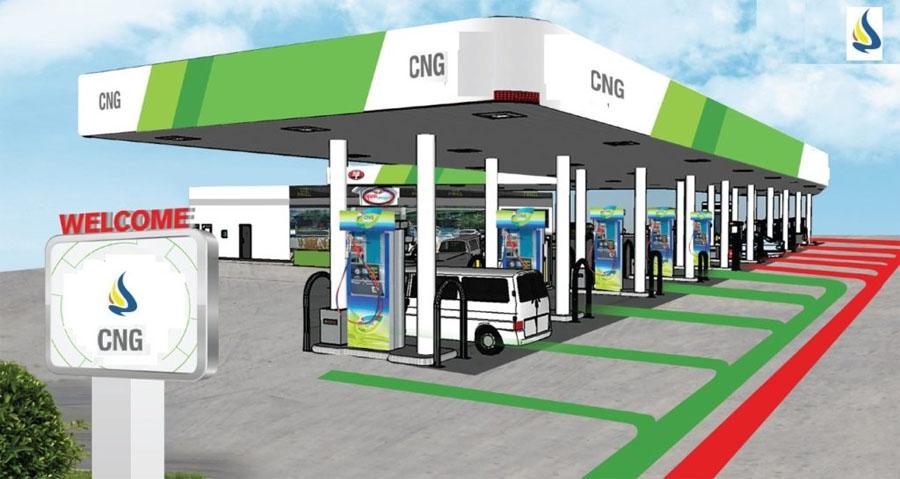
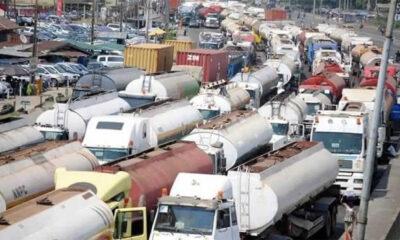
Many filling stations should be converted to CNG outlets – Tinubu
Many filling stations should be converted to CNG outlets – Tinubu
President Bola Tinubu wants filling stations converted to Compressed Natural Gas (CNG) outlets, according to Ekperikpe Ekpo, Minister of State for Petroleum Resources (Gas).
The Minister said this while addressing State House correspondents after the Federal Executive Council (FEC) meeting of Wednesday.
“We are well aware that the President set up a Presidential Committee on the CNG to drive the CNG project. It is left for us to inform the general public that CNG has come to stay, and we have to follow that route because CNG is safe, cheaper, and protects the environment.
“It is important to note that when you are using CNG, you save a lot of money, a litre of fuel can go for N1000, but you get CNG at N200 per litre, which saves you N800.
“With the passion of Mr President, the push that he has given to us, we’ll try to drive the CNG programme to reach the nooks and crannies of this country.
READ ALSO:
- Gunmen kill 9 near Nnamdi Azikiwe University Awka
- BREAKING: 3 dead, 5 missing in Port Harcourt helicopter ‘accident’
- Canada to announce reduction in immigration levels today
“We have to take advantage of the natural resources, gas, that God has endowed us with.”
The Minister assured that gas was available in large quantity, and the only challenge was infrastructure to deliver the product to filling stations.
He, however, said the President directed that adequate infrastructure should be provided to ensure the delivery of gas to filling stations.
“What we produce in our country is more than enough for us to use for CNG; and of course, you know, we are exporting to so many other countries,” he said.
On the high cost of conversion of cars to CNG, the Minister said it was because the conversion kits were imported.
He said that with more private investors taking advantage of the CNG project, the price would drastically come down eventually.
Alhaji Mohammed Idris, Minister of Information and National Orientation, said the President and members of FEC believed that there was need for further enlightenment of the Nigerian public to know the advantages of using CNG.
“It is not just because it is cheaper, but because it also marks our own transition from fossil fuels to cleaner energy that the world is moving towards,” he said. (NAN)
Many filling stations should be converted to CNG outlets – Tinubu








News
FG to phase out electricity subsidy from 2027 as power sector debts rise
FG to phase out electricity subsidy from 2027 as power sector debts rise
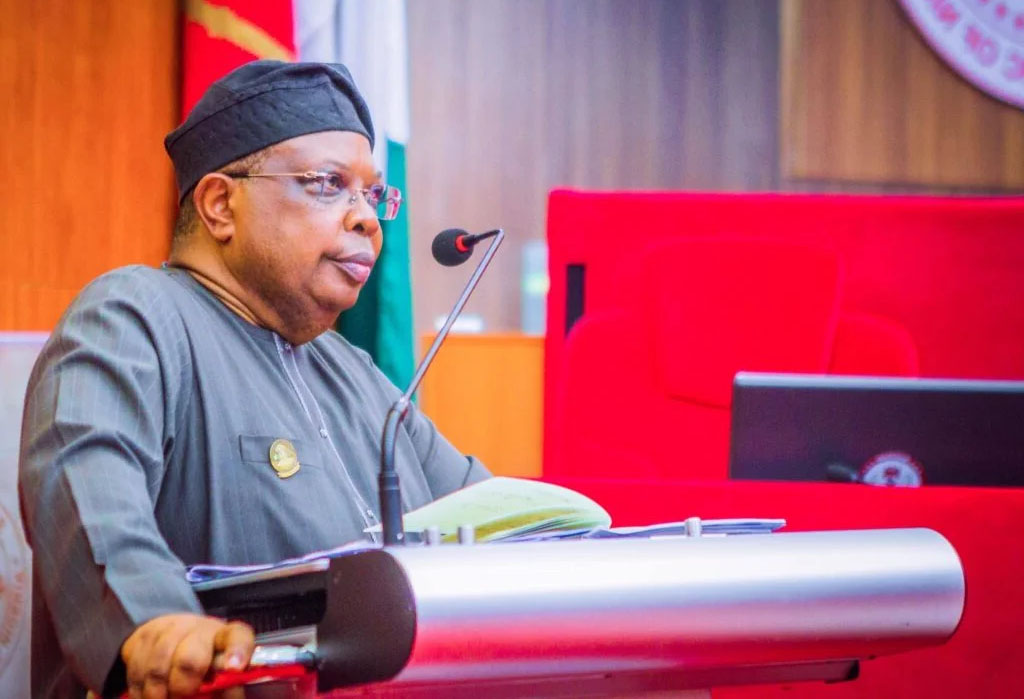
The Federal Government has announced plans to gradually phase out electricity subsidies from 2027 as part of efforts to address rising debts in the power sector, improve financial sustainability and strengthen electricity supply across the country.
Minister of Power Joseph Tegbe disclosed the plan during a media interactive session on Friday, saying the government would introduce the changes gradually while ensuring that Nigerians continue to have access to electricity.
Tegbe said the Federal Government had received a mandate from President Bola Tinubu to clear outstanding debts in the electricity industry and establish a sustainable system that would prevent the accumulation of new obligations.
“We have the mandate of Mr President to clear the legacy debt and come up with sustainable structures to make sure this doesn’t pile up any more,” the minister said.
He expressed confidence that the government would bring an end to the current electricity subsidy arrangement in 2027 while working to improve the quality and reliability of power supply.
“I promise you, next year, by God’s grace, we will put a stop to this so-called subsidy in the power sector,” Tegbe said.
The minister assured consumers that the planned reforms would not result in a loss of access to electricity services.
According to him, the government’s objective is to reduce the financial burden created by the subsidy system while improving the performance of the electricity sector.
READ ALSO:
- At least 43 migrants die as 49,000 cross into Spain’s Ceuta enclave
- Segun Aina assumes office as JAMB registrar, vows to protect examination integrity
- Rivers police arrest 50-year-old man over alleged defilement of two minors
“Mr President, we will not deprive Nigeria of anything. We’ll make sure Nigerian consumers continue to have power and improve power services,” he added.
Tegbe also stated that there was no immediate plan to increase electricity tariffs, despite concerns that the proposed phase-out of subsidies could lead to higher electricity bills.
However, the minister did not provide details on the timetable for the subsidy withdrawal, the categories of consumers that may be affected or the measures that would be introduced to protect low-income and vulnerable households.
The planned reform comes amid growing concerns over the financial challenges facing Nigeria’s electricity industry.
The Federal Government previously estimated the cost of electricity subsidies at about ₦3 trillion as of February 2024, while power generation companies, known as GenCos, have continued to report significant unpaid obligations.
The Association of Power Generation Companies has said electricity generation companies are owed about ₦6.5 trillion, raising concerns about the financial health of the sector and its ability to sustain electricity generation.
The outstanding debts include unpaid invoices and other obligations linked to electricity supplied to the national grid.
To address the problem, President Tinubu recently approved a ₦4 trillion power sector debt reduction programme aimed at settling verified legacy debts and improving liquidity across the electricity value chain.
The programme is expected to support the payment of outstanding obligations owed to power generation companies and other participants in the sector.
In January 2026, the Federal Government issued an inaugural ₦501 billion bond under the Presidential Power Sector Debt Reduction Programme.
The bond was designed to help settle verified debts owed to electricity generation companies and support efforts to stabilise the sector.
On July 20, the government announced a second tranche of about ₦729 billion to settle additional verified debts owed to power generation companies.
The debt-settlement programme is expected to reduce financial pressure on electricity producers and improve their capacity to maintain operations, pay gas suppliers and invest in power infrastructure.
The proposed subsidy phase-out also aligns with recommendations by the International Monetary Fund (IMF), which has encouraged Nigeria to gradually reduce broad electricity subsidies and adopt more targeted support for households that need assistance.
Supporters of the reform argue that reducing subsidies could improve the financial viability of the electricity market, attract private investment and help power companies maintain and expand infrastructure.
However, consumer groups and businesses have raised concerns that higher electricity costs could increase financial pressure on households and raise operating expenses for companies.
The impact of the proposed reform may depend on the government’s ability to improve electricity supply, expand access to prepaid meters, reduce estimated billing and ensure that consumers receive better services.
Earlier this year, President Tinubu also directed ministries, departments and agencies to apply existing electricity laws in determining how subsidy costs should be shared among the federal, state and local governments in the 2026 budget.
The move is expected to support a more coordinated approach to electricity financing following reforms that expanded the role of state governments in electricity generation, transmission and distribution.
As the 2027 target approaches, the Federal Government is expected to provide more details on the implementation framework, consumer protection measures and the steps that will be taken to prevent the reforms from causing undue hardship.
The government will also face growing pressure to ensure that improvements in electricity generation, transmission and distribution accompany the gradual withdrawal of subsidies.
For many consumers, the success of the policy may ultimately be measured by whether it delivers more reliable electricity, fair billing, improved customer service and better value for money.
FG to phase out electricity subsidy from 2027 as power sector debts rise
News
Police detain Osun SSG, five others as ₦4.8m, voter cards are recovered
Police detain Osun SSG, five others as ₦4.8m, voter cards are recovered
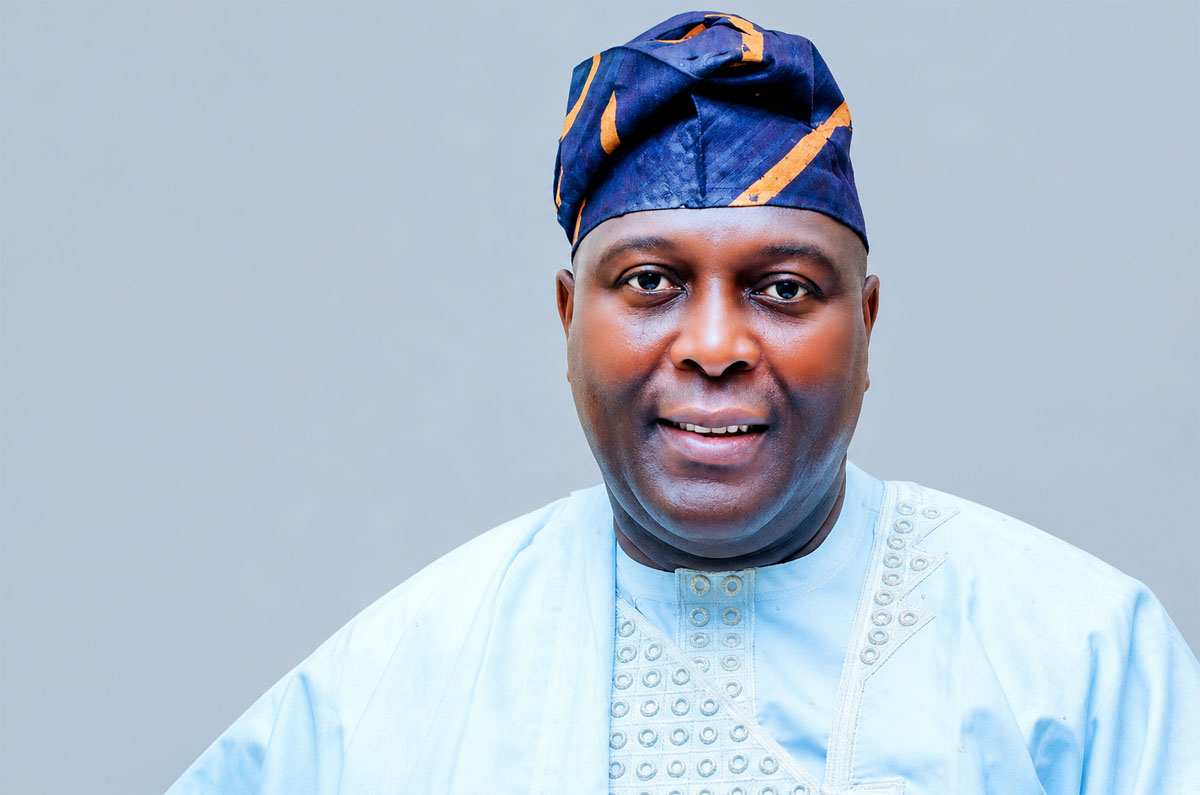
The Osun State Police Command has detained the Secretary to the State Government, Teslim Igbalaye, alongside five other persons following a police operation at his residence in Osogbo.
Police said the operation was based on intelligence indicating that suspected members of a criminal gang were allegedly hiding at the property.
During the raid, officers reportedly recovered ₦4,810,500 in cash, two Permanent Voter Cards (PVCs), a voter register covering Wards 1 to 15, a Dynabook laptop, a photocopy machine and a printer.
The police said the recovered items had been secured and placed in custody for forensic examination and further investigation.
In a statement issued by the Police Public Relations Officer, Abiodun Ojelabi, the command identified the other persons arrested as Akande Taiwo, Oladele Abiodun, Adeyemo Lukman, Olaoye Muftau and Aderemi Musliu.
According to the police, one of the suspects, Oladele Abiodun, was already on its watchlist in connection with alleged criminal activities.
The command said the recovery of the cash and voter-related materials raised concerns about possible electoral offences, including alleged vote-buying, as political activities intensify ahead of the August 15, 2026, Osun State governorship election.
Police said preliminary findings provided grounds to investigate possible offences under the Electoral Act 2022, including alleged vote-buying, criminal conspiracy and harbouring or concealing a wanted suspect.
The command added that investigators were working to determine the source and intended use of the recovered money, identify all persons connected to the items and establish whether a wider criminal network was involved.
READ ALSO:
- Court Orders 10 Strokes of Cane for Bus Conductor Who Slapped Female Passenger
- “We Can’t Produce Him” — IGP Explains Adeyemi’s Absence at PFIPC Hearing
- Oyo APC Governorship Crisis Deepens as G6 Aspirants Reject Alli’s Candidacy Claim
“The recovery of the cash and the register containing voters’ details raises serious concerns regarding possible electoral offences and other criminal activities,” the police said.
The command stressed that the investigation was ongoing and that no individual would be treated as above the law because of political affiliation, social status or public office.
It added that anyone found culpable after the investigation would be prosecuted in accordance with the law.
However, the Osun State Government criticised the operation and accused the police of invading the residence of the SSG without obtaining a valid search warrant.
In a statement signed by the Commissioner for Information and Public Enlightenment, Kolapo Alimi, the state government alleged that a combined team of police officers, led by the Deputy Commissioner of Police in charge of Operations, forced its way into the residence and arrested people present at the property.
The government also alleged that the operation was part of coordinated raids and increased police surveillance targeting senior officials in the administration of Governor Ademola Adeleke.
According to the state government, Igbalaye was attending an election stakeholders’ meeting organised by the Independent National Electoral Commission (INEC) when the police operation took place.
The government further claimed that ward officials were holding a meeting within the premises at the time of the raid.
The Osun government described the operation as politically motivated and called on the police to act professionally and impartially as the state approaches the governorship election.
The police, however, maintained that the operation was intelligence-led and linked to an ongoing criminal investigation.
In a subsequent update, the police said those arrested would be screened and that anyone found not to be connected to the investigation would be released.
The incident has heightened political tension in Osun State, where parties have intensified mobilisation ahead of the August 15 governorship election.
The All Progressives Congress (APC) has expressed confidence that it will regain control of the state, while supporters of Governor Adeleke have maintained that the outcome of the election will be decided by voters.
As of the time of filing this report, the police had not announced the conclusion of the investigation or disclosed whether any of the detained persons would be formally charged.
The investigation remains ongoing.
Police detain Osun SSG, five others as ₦4.8m, voter cards are recovered
News
US Shuts Down Routine Visa Processing at Abuja Embassy, 24 Other African Missions
US Shuts Down Routine Visa Processing at Abuja Embassy, 24 Other African Missions
- The Trump administration’s restructuring aims to centralise visa services in regional hubs to enhance security and reduce costs.
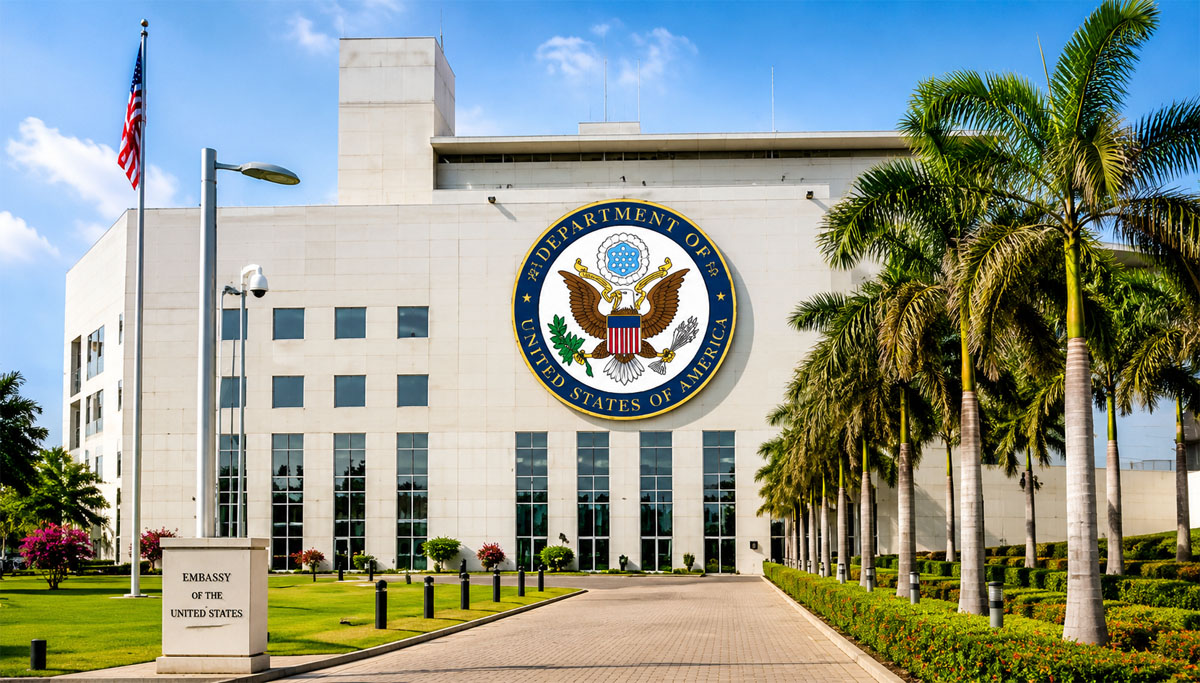
The United States government has announced that routine visa processing at its embassy in Abuja and 24 other diplomatic missions across Africa will end from August 1, 2026, as part of a major restructuring of its overseas consular operations. The US Department of State said the move is aimed at centralising routine visa services in regional hubs to enhance national security, reduce government spending, and ensure greater consistency in visa screening, vetting and adjudication.
In a statement on the US Department of State website, the department said the reorganisation aligns with President Donald Trump’s administration’s priority of placing America’s interests and security first. “The Department of State is constantly evaluating its overseas operations in order to advance America’s priorities as efficiently and effectively as possible. This includes a visa process that maintains rigorous standards of security screening and vetting and aligns resources and operational capacity with America’s national interests,” the statement read. “The Trump administration has no higher priority than the safety and security of Americans, and the State Department will continue to provide Americans with appropriate consular services and assistance at diplomatic posts around the world.”
READ ALSO:
- Osun govt accuses police of raiding SSG, commissioners’ homes without warrants
- Mutfwang Clarifies Apology to Igbo Community: “My Words Were Twisted”
- Benue killings: Police neutralise two suspected bandits after 13 die in Otukpo attack
Besides Abuja, the affected diplomatic posts are located in Asmara (Eritrea), Bamako (Mali), Banjul (Gambia), Brazzaville (Republic of Congo), Bujumbura (Burundi), Conakry (Guinea), Cotonou (Benin), Durban (South Africa), Freetown (Sierra Leone), Gaborone (Botswana), Harare (Zimbabwe), Juba (South Sudan), Libreville (Gabon), Lilongwe (Malawi), Lusaka (Zambia), Maputo (Mozambique), Maseru (Lesotho), Mbabane (Eswatini), N’Djamena (Chad), Niamey (Niger), Nouakchott (Mauritania), Ouagadougou (Burkina Faso), and Windhoek (Namibia). The State Department clarified that the change affects only routine visa processing and does not alter the operational status of the embassies and consulates involved. All affected diplomatic missions will continue to provide consular services, including American Citizen Services (ACS), emergency assistance to US citizens, and carry out their regular diplomatic functions on behalf of the United States. The department further assured travellers that the policy does not invalidate visas that have already been issued.
The realignment applies to most routine visa services, including both nonimmigrant and immigrant visa categories. Nonimmigrant visas affected include B-1/B-2 visitor visas, F-1 student visas, J-1 exchange visitor visas, and employment-based categories such as H, L, O, and P visas. Immigrant visa services being realigned include Immediate Relative (IR) visas, Family Preference (FP) visas, Employment-Based (EB) immigrant visas, K fiancé(e) visas, adoption cases, Diversity Visa (DV) cases, and follow-to-join asylee and refugee (V92/V93) cases.
Under the new arrangement, applicants in affected countries will be required to access routine visa services through designated regional processing hubs. Routine visa services will continue at US embassies and consulates in Lagos, Abidjan, Accra, Addis Ababa, Cape Town, Dakar, Dar-es-Salaam, Djibouti, Johannesburg, Kampala, Kigali, Kinshasa, Lomé, Luanda, Malabo, Monrovia, Nairobi, Port Louis, Praia and Yaoundé. These designated hubs will continue to process all routine non-immigrant visas, including tourist, business and petition-based visas, as well as immigrant visas. The announcement is expected to impact thousands of Nigerian applicants who currently process US visas in Abuja, forcing them to travel to Lagos or other designated hubs on the continent. Nigeria has one of the highest volumes of US visa applications in Africa, with the US Embassy in Abuja and Consulate in Lagos being the two main processing centres for Nigerian applicants. The State Department advised citizens and residents of affected countries seeking US visas from August 1, 2026, to book appointments and pay required fees at designated processing hubs. The department also noted that similar regional hub arrangements had already been implemented successfully in several African countries and parts of Europe. The State Department further stated that visa suspensions imposed under Presidential Proclamation 10998, visa bond requirements and immigrant visa pauses for certain nationalities would remain in effect. Applicants who already have appointments at affected posts should monitor their email for specific guidance from the department.
US Shuts Down Routine Visa Processing at Abuja Embassy, 24 Other African Missions
-
 Aviation14 hours ago
Obi Must Apologise, Pay ₦25,000 or Face FAAN Action — Keyamo Issues Ultimatum
-
 Politics3 days ago
Tinubu tells 2027 rivals: We’ll wrestle ourselves to the finishing line
-
 News2 days ago
Police detain Osun SSG, five others as ₦4.8m, voter cards are recovered
-

 Education3 days ago
BUK, Northwest University students demand prompt payment of NELFUND upkeep allowances
-
 metro3 days ago
Army Colonel Killed, Wife, Aides Injured as Gunmen Storm Home in Coordinated Attack
-

 Business3 days ago
Reps move to end dollar charges on locally refined petrol
-
 Politics13 hours ago
Where Will Peter Obi’s Votes Come From? I Can’t See It – Keyamo Predicts Tinubu’s Landslide Victory
-

 Entertainment3 days ago
Abia Gov Steps In With Medical Support for Ailing Nollywood Veteran Ngozi Nwosu