

metro
Miyetti Allah attacks northern governors, emirs over herders neglect

Miyetti Allah Kautal Hore has accused Northern State Governors and emirs of neglecting Fulani herders in the South.
The Bauchi State branch of the group said herders were being persecuted in the southern part of the country under the guise of anti-open grazing law.
Chairman of Bauchi State Miyetti Allah Kautal Hore, Alhaji Muhammad Hussaini, in an interview with journalists on Wednesday said it was disheartening to note that northern governors and emirs in their recent meeting in Kaduna could sit to discuss issues affecting the region without reviewing the treatment being meted to their kinsmen in the south.
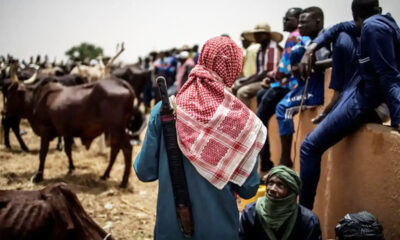
Hussaini lamented that herders roaming about in search of greener pasture for their animals in the southern parts were being humiliated, maimed and even killed.
He said the restriction of their movements on their fatherland under the guise of anti-open grazing law was contrary to the provisions of Nigerian Constitution.
The chairman wondered how the northern governors and emirs bothered about political issues such as power shift between the country’s regions to the detriment of lives of their people or subjects.
He added, “Instead of the northern governors showing concern to the many forms of prosecutions and ill-treatment on herders by the southern governors, they simply sit and discuss issues of personal vendetta without recourse to the people they govern.
“For this, we condemn in totality the Northern Governors Forum meeting with Emirs in attendance. They sit to discuss their self-aggrandize motives leveraging ways and means to enrich themselves to the detriment of the wellbeing of their people.”
Trust









metro
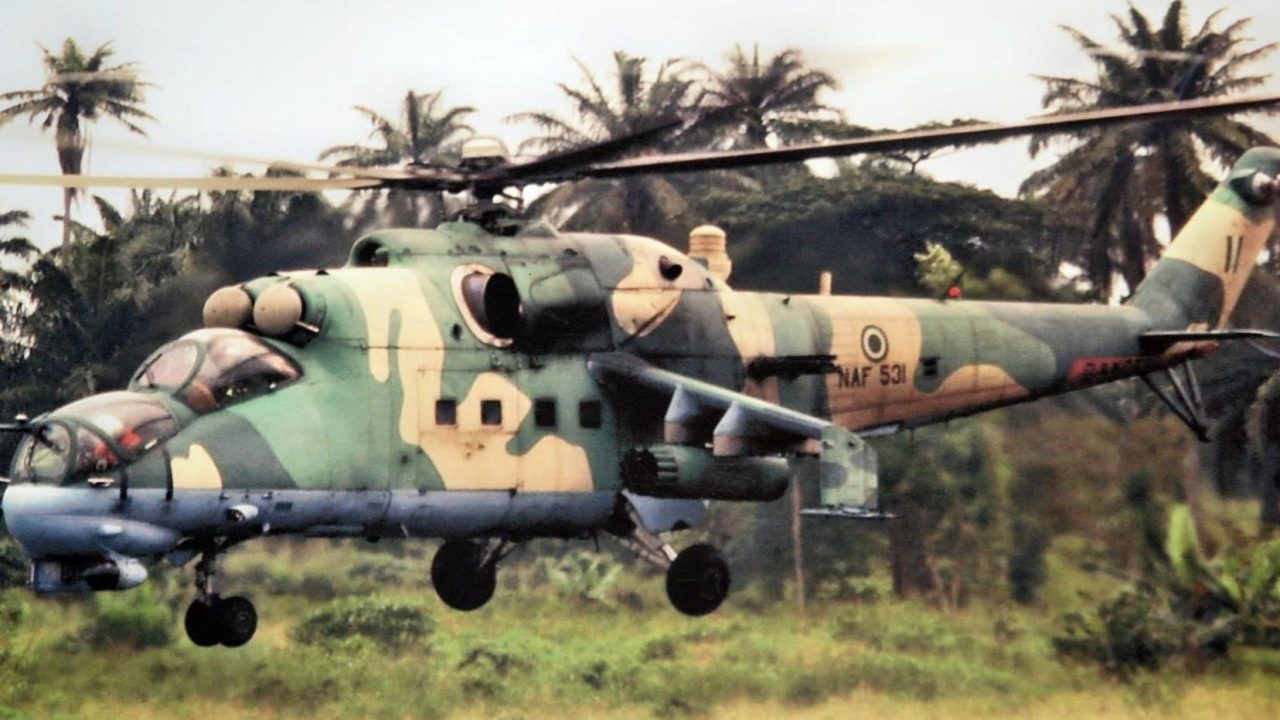
Borno: Troops Kill 15 Terrorists in Midnight Air Strike
Borno: Troops Kill 15 Terrorists in Midnight Air Strike
Nigerian troops under Operation Hadin Kai have reportedly killed 15 terrorists in a precision air strike near Pulka in Gwoza Local Government Area of Borno State, as the military intensifies operations against insurgent groups in the North-East.
The operation, which took place at about 11:50 p.m. on Friday, October 23, 2026, followed intelligence reports and confirmed sightings of suspected terrorist movements in the area, according to the military.
The Acting Military Information Officer of the Joint Task Force (North-East), Operation Hadin Kai, Captain Mohammed Goni, disclosed the development in a statement issued on Saturday, October 24.
Goni said the air strike targeted suspected terrorists operating north-west of Pulka, a community in Gwoza Local Government Area, which has been affected by the prolonged insurgency in Borno State.
He explained that the operation was intelligence-led, with information gathered by security agencies helping to identify the suspected movements before the military launched the strike.
According to the statement, the air operation was followed by ground operations aimed at exploiting the targeted area and consolidating the gains recorded during the engagement.
The military said the combined deployment of intelligence and coordinated military capabilities was intended to disrupt terrorist movements, weaken their operational capacity and prevent them from threatening communities across the North-East.
Goni described the operation as part of the sustained offensive posture of troops under Operation Hadin Kai, which continues to target insurgent elements and restrict their freedom of movement across the region.
READ ALSO:
- 2027: APGA Chairman Says South-East Must Back Tinubu to Secure Igbo Presidency
- Adeleke, Oyetola in Focus as Report Reveals Osun APC Power-Sharing Plan
- Police Rescue Two Abducted Children in Suleja, Arrest Woman For Cutting Husband’s Manhood
He said the Theatre Command remained committed to defeating terrorism and insurgency, protecting law-abiding citizens and creating conditions for the return of normalcy and socio-economic activities in affected communities.
The military also assured residents that troops would sustain ongoing operations with vigilance, determination and professionalism.
However, the statement did not identify the terrorist group involved in the latest encounter or provide details about the identities of those reportedly killed. It also did not disclose whether any civilians or military personnel were injured or killed during the operation.
The military urged residents to continue providing security agencies with timely and credible information about suspicious movements and activities, stressing that cooperation between civilians and security forces remained essential to achieving lasting peace in the North-East.
The latest operation adds to the ongoing military campaign against insurgency in Borno State, where security forces continue to conduct offensive operations aimed at weakening armed groups and improving security in vulnerable communities.
Although the military described the strike as an operational success, further details about the outcome of the subsequent ground operations were not immediately available.
Borno: Troops Kill 15 Terrorists in Midnight Air Strike
metro
Tinubu Support or Mosque Dispute? Bauchi Residents, NUJ Challenge ‘Imam’s Removal’ Report
Tinubu Support or Mosque Dispute? Bauchi Residents, NUJ Challenge ‘Imam’s Removal’ Report
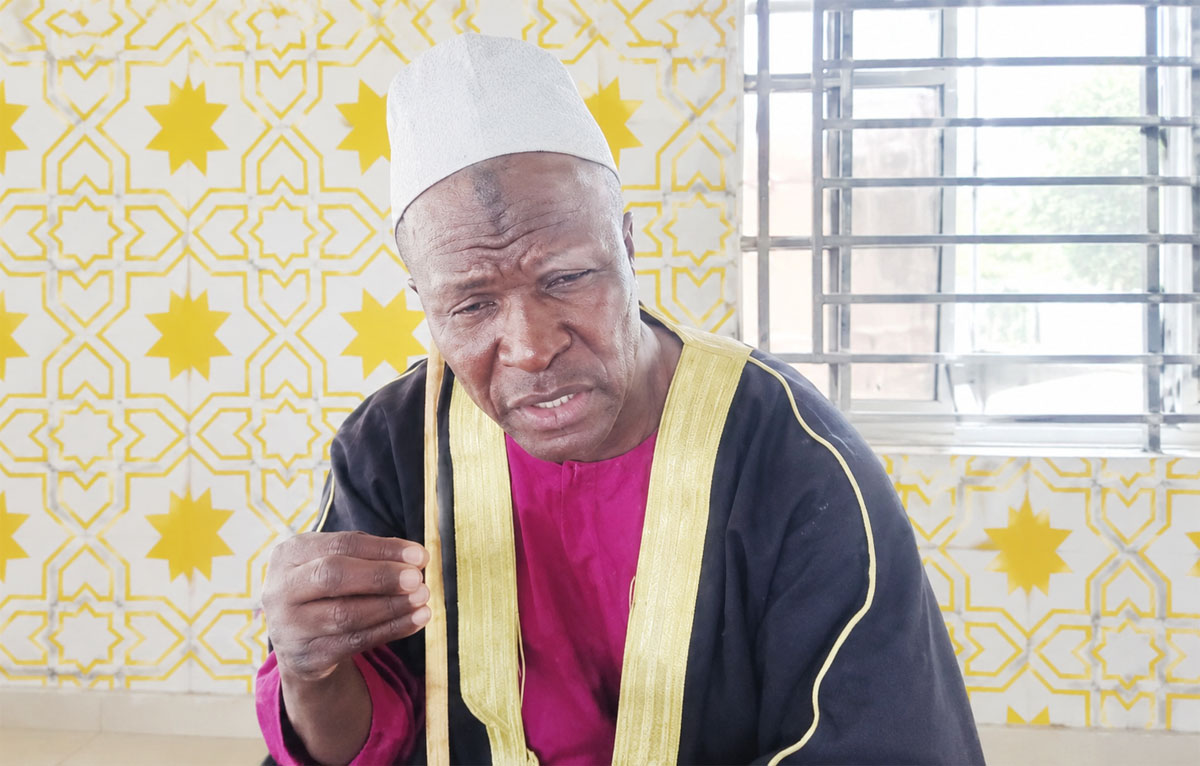
Residents of Madina Quarters in Bauchi metropolis, the Nigeria Union of Journalists (NUJ), Bauchi State Council, and an Islamic scholar have challenged reports alleging that a man was removed as an imam for supporting President Bola Ahmed Tinubu’s re-election bid ahead of the 2027 general elections.
The controversy involves Dahiru Abubakar, popularly known as Jejiwe Danmalam, who claimed that his support for Tinubu and his sermons defending the President contributed to his removal from a neighbourhood mosque.
However, residents familiar with the matter have disputed his description as the mosque’s substantive imam, insisting that he only led prayers when the recognised religious leader was unavailable.
The Bauchi State Council of the NUJ has also questioned the verification of the reports, saying its preliminary inquiries found no evidence that Abubakar had been appointed or served as an imam in any mosque within Bauchi metropolis or elsewhere in the state.
Similarly, Islamic scholar Sheikh Dr Ibrahim Adam Disina said a social media post he intended as a joke contributed to the publication of reports about the alleged removal.
The differing accounts have raised questions about the circumstances surrounding the dispute and the accuracy of reports linking it directly to Abubakar’s support for Tinubu.
Some residents of Madina Quarters challenged Abubakar’s claim that he was removed from his position as imam, maintaining that he was not the mosque’s substantive religious leader.
A resident familiar with the matter, Ibrahim Muhammad, described Abubakar as a comedian and controversial figure who, according to him, had associated with politicians from different political parties.
Muhammad also alleged that Abubakar had previously criticised Tinubu and the ruling All Progressives Congress over economic hardship before recently declaring support for the President.
He questioned whether the disagreement was primarily about Abubakar’s political position, suggesting that the controversy might be connected to efforts to attract public attention as political activities ahead of the 2027 elections gather momentum.
However, no independent evidence was provided to establish that the controversy was deliberately created for publicity.
Another associate of Abubakar, who lives in the neighbourhood, also disputed the claim that he was the mosque’s substantive imam, saying he occasionally led prayers when the regular imam was absent.
Adamu Garba, another resident of the area who said he lived along the street near Barden Gabas School, where the mosque was reportedly located, also questioned the description of Abubakar as the mosque’s imam.
The residents urged journalists and members of the public to establish the facts before circulating reports involving religious institutions and political disagreements.
Despite the residents’ objections, Abubakar maintained that he was removed from the neighbourhood mosque because of his support for Tinubu.
He explained that the facility was a small neighbourhood mosque where he sometimes led prayers and delivered sermons, rather than a Jumu’ah mosque where Friday congregational prayers are held.
Abubakar said he had been urging worshippers to stop blaming Tinubu exclusively for Nigeria’s insecurity and economic difficulties.
According to him, his sermons emphasised the need for prayers, fear of Allah and improved personal conduct, while arguing that the country’s challenges could not be attributed entirely to the President.
He also said he had encouraged people to support Tinubu for another term in 2027.
Abubakar identified a proposal to rename the mosque after the President as another source of disagreement with members of the mosque’s management committee.
He said he had suggested changing the mosque’s name to “Sheikh Imam Bola Ahmed Tinubu Mosque”, a proposal that was rejected.
Abubakar maintained that his support for the President was genuine and denied suggestions that he was seeking financial benefits or publicity through his political position.
The chairman of the mosque committee, Imam Abubakar Jibrin, had earlier confirmed that the committee disagreed with Abubakar over his alleged involvement in political activities around the mosque.
Jibrin said the committee’s concerns extended beyond the man’s support for Tinubu to what he described as attempts to turn the mosque and its surroundings into a venue for political discussions.
According to the committee chairman, Abubakar had been cautioned against gathering people in front of the mosque and sometimes inside it to discuss politics.
He said the committee opposed the use of the mosque as a platform for political mobilisation, stressing that political activities should take place through political parties and at appropriate venues.
Jibrin also confirmed that the committee rejected the proposal to rename the mosque after Tinubu, arguing that the facility belonged to the community and that its identity should not be changed at the insistence of an individual.
He maintained that the committee was not opposed to Tinubu or any other political candidate, adding that its position was to preserve the mosque as a place of worship.
The committee’s account presents the dispute as involving the use and management of the mosque, while Abubakar maintains that his support for the President contributed to his removal.
Sheikh Dr Ibrahim Adam Disina, an Islamic scholar in Bauchi, also challenged the reports, saying a social media post he intended as a joke contributed to the controversy.
In a letter to media organisations that published the reports, Disina questioned their verification processes and criticised the publication of the allegation as established fact.
He argued that reports involving religious leaders and places of worship required careful investigation before publication.
The scholar expressed surprise that media organisations he expected to uphold professional standards had relied on information he said originated from social media without adequate verification.
Disina urged journalists to exercise caution when reporting sensitive matters involving religion and politics, warning against allowing unverified claims to mislead the public.
His position adds another dimension to the controversy, particularly concerning the circumstances in which the initial reports emerged and the extent to which the claim was independently verified.
The Bauchi State Council of the Nigeria Union of Journalists has also cautioned journalists against publishing unverified reports alleging that an imam was removed for campaigning for Tinubu’s re-election.
In a statement signed by its chairman, Isah Garba Gadau, and secretary, Isiyaka Ismail Wunti, the council said its preliminary inquiries found no evidence that Abubakar had been appointed or served as an imam in any mosque in Bauchi State.
The council also observed that the reports did not adequately identify the mosque authorities responsible for the alleged removal or establish the circumstances behind the purported decision.
It urged journalists to contact the relevant mosque leadership or management committee and seek independent confirmation before publishing claims of this nature.
The NUJ warned that unverified reports linking religion with partisan politics could fuel misunderstanding, heighten tensions and threaten public peace, particularly as political activities gather momentum ahead of the 2027 general elections.
It further stressed the need for journalists to distinguish verified facts from allegations, personal opinions and political claims.
The council reaffirmed its commitment to press freedom and responsible journalism, emphasising the importance of accuracy, fairness, objectivity and accountability.
The controversy has produced competing accounts of Abubakar’s role at the mosque and the reasons for the disagreement with its management committee. While Abubakar insists that his support for Tinubu contributed to his removal, some residents dispute his claim to the position of substantive imam. The mosque committee, meanwhile, says its objections included alleged political discussions on the premises and the proposed renaming of the community mosque.
Disina’s account of the social media post and the NUJ’s concerns have further highlighted the importance of establishing the origin and accuracy of information before presenting it as fact.
As political conversations surrounding the 2027 general elections intensify, the incident underscores the need for responsible reporting on disputes involving religious institutions and political affiliations. For now, the central claims remain contested, and the allegation that Abubakar was removed solely for supporting Tinubu should not be treated as an established fact.
Tinubu Support or Mosque Dispute? Bauchi Residents, NUJ Challenge ‘Imam’s Removal’Report
metro
Police Rescue Two Abducted Children in Suleja, Arrest Woman For Cutting Husband’s Manhood
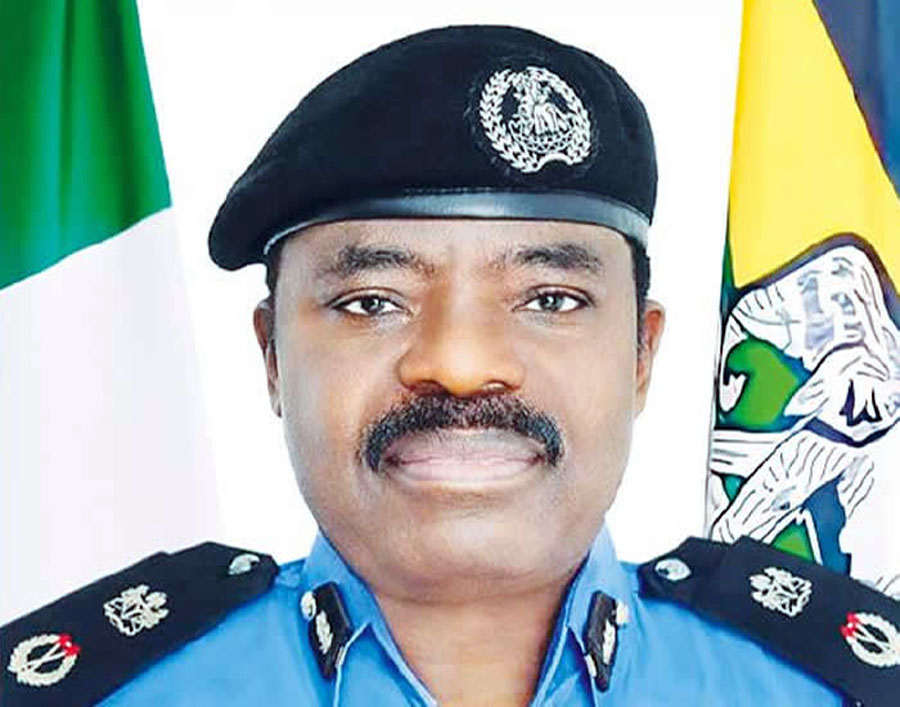
The Niger State Police Command has rescued two children, aged eight and 12, after they were allegedly taken along with their father’s vehicle in Suleja, while a separate case involving a woman accused of cutting her husband’s genitals during a domestic dispute has been brought before a court in Minna.
The two incidents were disclosed by the command’s spokesperson, SP Wasiu Abiodun, on Friday, October 23, 2026.
In the Suleja incident, the children were reportedly left inside their father’s vehicle while he went into a nearby shop to photocopy documents. When he returned, both the vehicle and the children were missing.
The father subsequently reported the incident at Maje Police Station, prompting officers to launch a search operation.
Police officers reportedly interviewed security personnel at a nearby school and ordered patrols along the Abuja–Kaduna highway. The vehicle was later found abandoned along the highway, with both children still inside.
READ ALSO:
- Farmer Arrested Over Plantain Theft Dies in Police Custody, Family Questions Suicide Claim
- State Police: 25 States Approve Bill as Nigeria Moves Closer to Decentralised Policing
- Messi Makes History as Barcelona, Inter Miami Celebrate Asturias Award
The children were rescued unharmed. They reportedly told investigators they had fallen asleep while waiting for their father to return. Police recovered the vehicle and said investigations into the incident were continuing.
In a separate case in Minna, 28-year-old Safiya Tukur was arraigned after allegedly inflicting a deep cut on her husband’s genitals during a domestic dispute.
According to the police, the incident occurred at the couple’s residence in the Darusalam area of Kpagungu on October 15, following a misunderstanding that escalated into a physical fight.
Abiodun said a complaint was received at Kpakungu Police Division after the incident. The woman was subsequently arrested, while her husband was taken to General Hospital, Minna, for treatment.
The police spokesperson said the suspect admitted during interrogation to injuring her husband during the altercation. She was charged to court and remanded, with proceedings in the case continuing.
The police did not provide further details about the husband’s medical condition.
The two cases highlight separate policing concerns in Niger State: the safety of children and the need for prompt responses to reports of abduction, as well as the investigation and prosecution of alleged domestic violence.
The command has said investigations into the children’s case are ongoing. Further details about the court proceedings in the domestic violence case were not immediately available.
Police Rescue Two Abducted Children in Suleja, Arrest Woman For Cutting Husband’s Manhood
-

 Auto3 days ago
Hyundai Unveils Mufasa, Grand Creta SUVs to Strengthen Nigeria Line-up (Updated)
-
 metro3 days ago
Horror in Sokoto: Bandits Intercept Vehicle, Massacre All Passengers Returning from City
-

 metro3 days ago
Nigerian Journalist Sentenced to 4 Years Over Facebook Post Criticising Police
-
 metro3 days ago
Fourth Gas Leak in Six Months: Over 100 Ogun Pupils Hospitalised, Schools Shut as Parents Panic
-
 metro3 days ago
Bauchi Mosque Removes Imam After Tinubu Campaign, Rejects Proposal to Rename Mosque
-
 metro3 days ago
Shettima Blasts States Over Power Woes, Says Govs Must Stop Waiting for Abuja
-
 International3 days ago
Two Killed, Eight Injured as Attack Hits Saudi Arabia Airport
-
 metro3 days ago
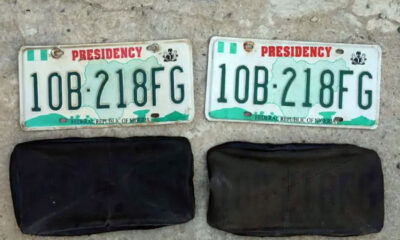
Police Arrest Man Over Fake Presidency Number Plate in Abuja