

metro
Nigeria to Evacuate Over 1,000 Citizens as Anti-Migrant Violence Spreads in South Africa
Nigeria to Evacuate Over 1,000 Citizens as Anti-Migrant Violence Spreads in South Africa
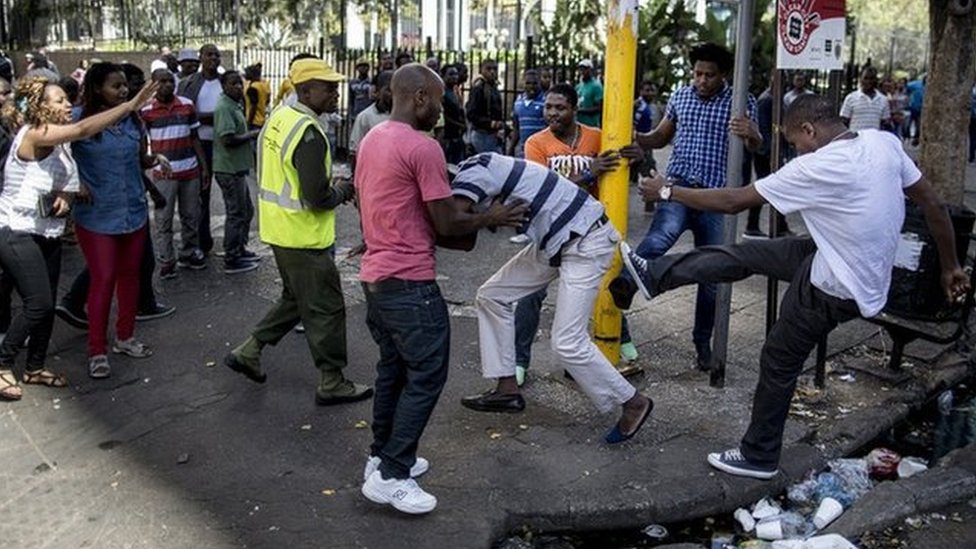
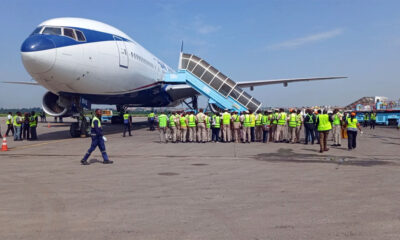
ABUJA, Nigeria – The Federal Government has initiated plans to repatriate more than 1,000 Nigerian citizens from South Africa following a surge in anti-immigrant protests, xenophobic violence, and a looming ultimatum for undocumented foreigners to leave the country. The voluntary repatriation programme, confirmed by the Ministry of Foreign Affairs on Friday, June 5, 2026, began with screening exercises on Thursday, June 4, at the Nigerian High Commission in Pretoria. An initial batch of approximately 400 individuals is currently being processed, with officials expecting the final figure to exceed 1,000. Foreign Ministry spokesman Kimiebi Ebienfa confirmed the development to AFP, stating, “Total figure not out yet. We are expecting over 1,000 persons.” Other sources within the ministry have indicated that between 2,000 and 4,000 Nigerians may ultimately be evacuated under the programme.
The repatriation comes in response to escalating anti-immigrant sentiment and targeted violence across several South African provinces. Citizen-led groups have issued a June 30 deadline for undocumented migrants to leave the country, raising fears of widespread attacks. Recent incidents of violence include anti-migrant mobs chasing foreign nationals and demanding they leave their communities, more than 50 shacks set ablaze during protests in the coastal town of Mossel Bay, and two Mozambican nationals confirmed dead in violence linked to the demonstrations. There are also reports of displaced migrants hiding in bushes and mountainous areas before reaching temporary shelters. One Mozambican migrant, Dolinda Mabunda, described the ordeal to local media: “We were still inside when people started burning down our house. They said we should leave or we’ll get hurt.” Another migrant, Thomas Vincent Baloy, told AFP: “They said ‘you are a foreigner, you don’t belong in South Africa, so you must go’… They just chased us away like dogs. We just stayed in the bush until six in the morning.” The Mozambique government has alleged that five of its citizens were killed “as a direct consequence of xenophobic attacks,” though South African police have not confirmed a motive. The country also reported that 800 of its citizens were victims of the attacks, with 300 returning home on their own and 500 scheduled for repatriation.
READ ALSO:
- Court Reserves Ruling on Blessing CEO’s Bail Application in N36m Fraud Case
- UK Tightens Immigration Rules, Threatens Universities Over Foreign Student Recruitment
- He forced himself on me every night: Anambra Teenager Gang-Raped by Guardian, Seven Others
In a communiqué dated Tuesday, Nigeria’s High Commission in Pretoria announced that it had successfully negotiated waivers with South African authorities to ensure that Nigerians with immigration-related offences would be permitted to board repatriation flights rather than face detention. This arrangement is intended to facilitate the smooth and safe return of affected Nigerians without fear of arrest. The voluntary evacuation programme follows a similar intervention by Ghana, which recently completed the repatriation of hundreds of its citizens from South Africa. Mozambique has also evacuated hundreds of its nationals and indicated readiness to bring home more people if necessary.
South Africa, the continent’s most industrialised economy, has long attracted workers from across the region. However, saddled with an unemployment rate exceeding 30 percent, the country has experienced repeated waves of xenophobic unrest — including fresh violence in recent weeks. According to official statistics, more than three million foreigners live in South Africa, representing 5.1 percent of the population. More than 63 percent come from countries in the 16-member Southern African Development Community (SADC) bloc. The latest tensions have revived uncomfortable debates across Africa about xenophobia, migration, and the gap between pan-African rhetoric and the harsh realities facing migrants on the continent.
The South African government has stated it is stepping up enforcement against undocumented immigrants but urged citizens not to take matters into their own hands. Lieutenant-General Tebello Mosikili cautioned anti-immigration groups against vigilantism, stressing that law enforcement agencies would not tolerate intimidation, unlawful operations, or attacks based on nationality. Minister in the Presidency Khumbudzo Ntshavheni warned that there will be no “shutdown,” stating: “South Africans have the right to protest and to march, as provided for in the Constitution. But South Africans have no right to take the law into their own hands. As we have indicated before, nobody is going to shut down this country.” President Cyril Ramaphosa is expected to address the nation soon to outline the government’s new plan for managing the migration crisis, according to Ntshavheni. Speaking to parliament on Tuesday, Ramaphosa declared: “We must never give in to violence, xenophobia or vigilantism.”
The protest group March and March has set an unofficial deadline for all undocumented immigrants to leave the country by June 30, as demonstrations continue ahead of local elections due to be held later this year. Organisers have distanced themselves from social media posts inciting violence, with lead organiser Nkosikhona Ndabandaba stating: “Nothing is going to happen to this country, no infrastructure is going to be damaged, there will be no burning or disruption.” However, several African countries including Kenya, Malawi, Lesotho and Zimbabwe have advised their citizens to remain vigilant. The Federal Government has repeatedly urged Nigerians in South Africa to remain calm and comply with local laws while diplomatic efforts continue to ensure their safety. The evacuation exercise is expected to continue in the coming days as more citizens indicate interest in returning home. Flight details will be published after the completion of the screening process.
Nigeria to Evacuate Over 1,000 Citizens as Anti-Migrant Violence Spreads in South Africa









metro
Third Mainland Bridge Crash: 10 Injured as LASEMA Averts Train Collision in Lagos
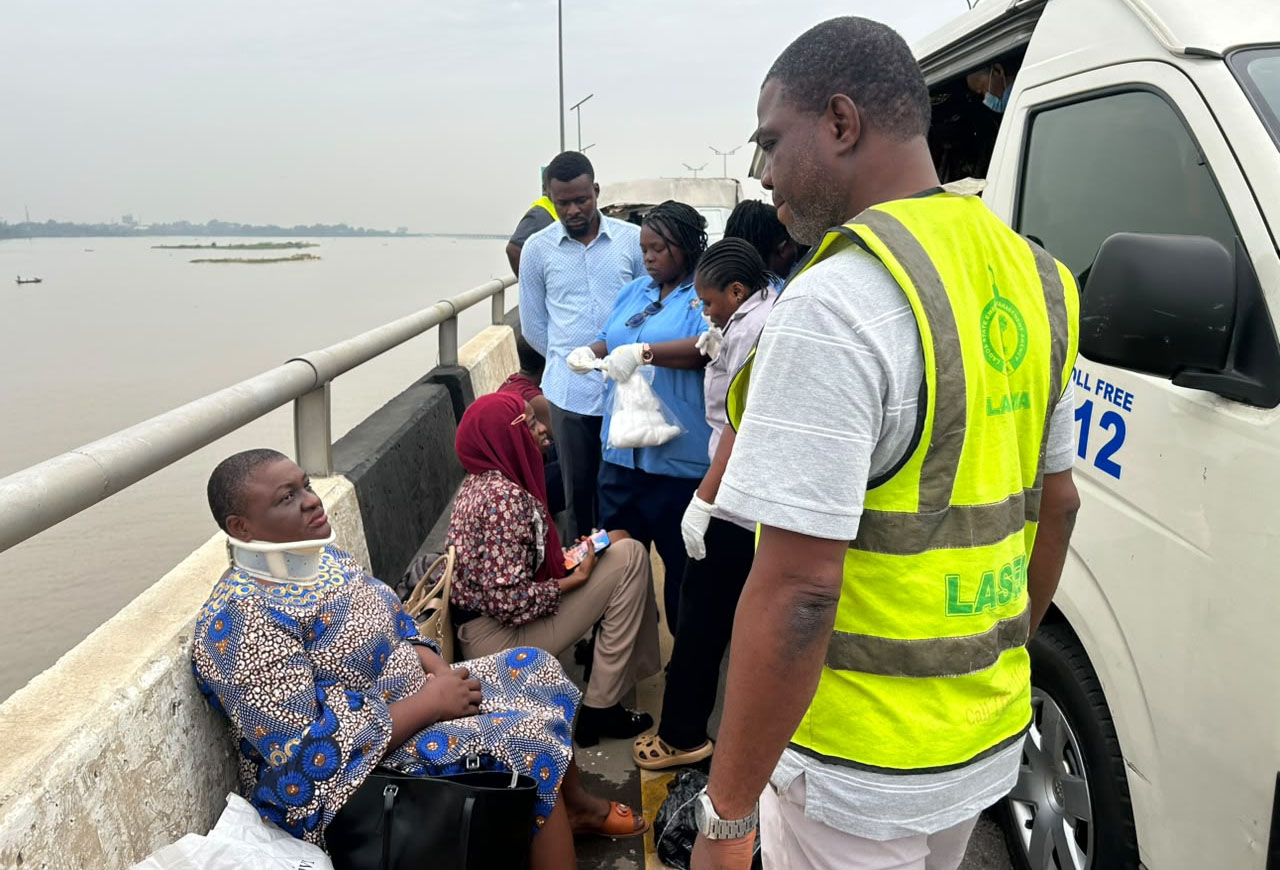
LAGOS — At least 10 passengers have been injured in a chain-reaction crash involving two commercial buses and a trailer on the Third Mainland Bridge in Lagos, while emergency responders separately averted a possible train collision at Ilupeju Bypass.
The two incidents occurred on Wednesday, October 21, 2026, according to the Lagos State Emergency Management Agency (LASEMA).
The bridge accident reportedly began when a commercial bus stopped to fix a faulty tyre. Another bus subsequently rammed into the stationary vehicle, triggering a chain reaction.
A trailer then crashed into the second bus before its driver reportedly fled the scene, leaving the injured passengers in need of emergency assistance.
LASEMA said its emergency response team arrived at the scene, administered first aid to the victims and evacuated them to a hospital for further treatment.
The damaged vehicles were subsequently cleared from the affected section of the bridge, allowing traffic to resume.
READ ALSO:
- ‘I Never Asked Them to Abandon Loved Ones’ — Obi Clarifies Diaspora Remarks
- FG Confirms Ebola Case in Abuja, Identifies 44 Contacts
- Breaking: Afenifere Leader Pa Fasoranti Dies at 100
The incident raised fresh concerns about road safety on the busy bridge, which connects Lagos Island with the mainland and carries heavy traffic daily.
In a separate incident at Ilupeju Bypass, emergency responders prevented a potential collision between a train and a commercial bus that had broken down on a railway track.
According to LASEMA, the bus became stranded on the track after developing a mechanical fault, creating a potentially dangerous situation for rail operations.
Emergency officials deployed a light tow truck to remove the vehicle from the railway line before a possible collision occurred.
The agency said its response team managed the situation and ensured that the stranded bus was removed from the track.
Following the incidents, LASEMA urged motorists to maintain their vehicles regularly and avoid stopping to carry out repairs on busy highways and bridges, warning that such actions could endanger passengers and other road users.
Motorists were also advised to exercise caution when their vehicles develop mechanical faults, particularly in locations where stopping could trigger secondary accidents.
The agency encouraged Lagos residents who require urgent assistance to contact its emergency hotlines on 767 or 112.
The incidents highlight the importance of vehicle maintenance, prompt emergency response and strict adherence to road and railway safety measures to prevent avoidable injuries and loss of life.
Third Mainland Bridge Crash: 10 Injured as LASEMA Averts Train Collision in Lagos
metro
Ebola Scare: NSCIA Directs Imams to Intensify Awareness in Friday Sermons

Ebola Scare: NSCIA Directs Imams to Intensify Awareness in Friday Sermons
The Nigerian Supreme Council for Islamic Affairs (NSCIA) has urged chief imams, Islamic scholars and Muslim organisations across Nigeria to intensify public awareness of Ebola virus disease (EVD) following the confirmation of a case in the Federal Capital Territory, Abuja.
The council called on religious leaders to use Friday sermons, mosque gatherings and community engagements to educate worshippers about the disease, its symptoms, preventive measures and the importance of seeking prompt medical attention.
The advisory, dated Wednesday, October 21, 2026, was signed by the NSCIA Secretary-General, Professor Is-haq Oloyede, on behalf of the council, which is led by its President-General and Sultan of Sokoto, Alhaji Muhammad Sa’ad Abubakar III.
The council said religious institutions had an important role to play in preventing the spread of the infection by providing accurate information, encouraging early reporting of suspected cases and discouraging practices that could expose people to the virus.
It also urged state councils for Islamic affairs and Muslim organisations to mobilise their networks to ensure that public health information reaches communities across the country.
READ ALSO:
- ‘I Never Asked Them to Abandon Loved Ones’ — Obi Clarifies Diaspora Remarks
- FG Confirms Ebola Case in Abuja, Identifies 44 Contacts
- Breaking: Afenifere Leader Pa Fasoranti Dies at 100
The NSCIA warned that the Bundibugyo strain of Ebola, responsible for the current outbreak, has no approved vaccine or specific curative treatment. However, it noted that early detection, prompt medical care and strict preventive measures could improve survival and help prevent further transmission.
The council advised Muslims who develop symptoms suggestive of Ebola to avoid congregational prayers and other public gatherings until they have received medical assessment.
It also cautioned against attempting to treat suspected cases at home or transporting potentially infected people without guidance from health authorities.
On burial practices, the NSCIA warned family members and ordinary burial attendants against washing or handling the bodies of suspected or confirmed Ebola victims. It said safe and dignified burials should be conducted by authorised health personnel in consultation with relevant Islamic authorities.
The council further encouraged regular handwashing, environmental cleanliness and avoidance of direct contact with the blood and other body fluids of people who may be infected.
It urged Nigerians to cooperate with contact-tracing teams and comply with official public health directives, while warning against rumours, unverified remedies and the stigmatisation of affected people and their families.
The NSCIA stressed that protecting human life and seeking medical care were consistent with Islamic teachings, urging religious leaders to communicate preventive advice responsibly without creating unnecessary panic.
The advisory followed the Federal Government’s confirmation on Tuesday, October 20, of an Ebola case in Abuja involving a woman who recently travelled to Nigeria after visiting Uganda and the Democratic Republic of the Congo.
The Federal Ministry of Health and Social Welfare said the patient was receiving medical care in isolation at a private hospital in the FCT.
Health authorities have identified 44 close contacts and commenced contact tracing to determine who may have been exposed to the infection. The contacts include healthcare workers, patients, caregivers and people linked to the patient’s travels.
The government, through the Nigeria Centre for Disease Control and Prevention (NCDC) and other relevant agencies, has intensified surveillance and infection-prevention measures to contain the disease.
The NSCIA urged Nigerians to remain calm, vigilant and guided by verified information as health authorities continue their response.
The council called on imams, Islamic scholars and Muslim organisations to circulate its advisory widely and work with public health officials to protect communities from further transmission.
Ebola Scare: NSCIA Directs Imams to Intensify Awareness in Friday Sermons
metro
Jailbreak Saga: Guard Bagged 2.5 Years for Helping 10 Inmates Escape Through Toilet Hole
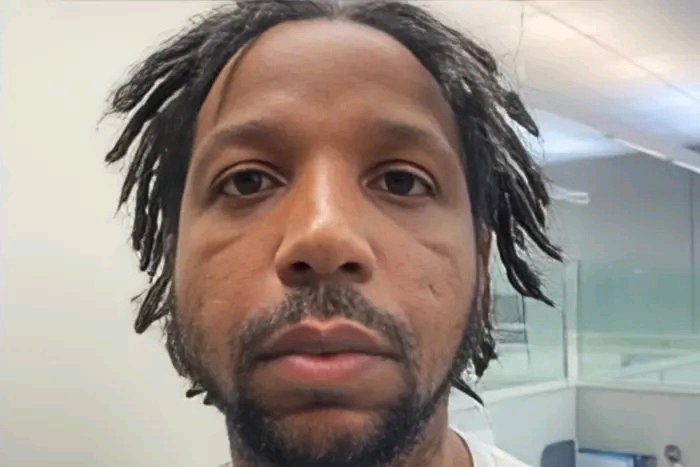
Jailbreak Saga: Guard Bagged 2.5 Years for Helping 10 Inmates Escape Through Toilet Hole
A former jail worker in New Orleans, Sterling Williams, has been sentenced to two and a half years in prison for his role in a daring jailbreak that saw ten inmates escape through a hole behind a toilet.
The shocking incident, which occurred in May 2025, left authorities red-faced after the fleeing inmates left behind a mocking note that simply read: “Too Easy.”
According to reports, Williams, who was entrusted with supervising the facility, compromised security protocols to facilitate the escape. Investigators revealed that the inmates managed to breach the wall behind a toilet fixture, crawling to freedom through the opening.
The jailbreak sparked a massive manhunt across the city, though all ten inmates were eventually recaptured. Williams’ sentencing brings a close to a case that exposed significant security lapses within the Orleans Parish facility.
Prosecutors argued that Williams abused his position of trust, endangering public safety. The court agreed, handing down the 30-month sentence this week.
The Orleans Parish Sheriff’s Office has since stated that stricter security measures and structural inspections have been implemented to prevent future breaches.
Jailbreak Saga: Guard Bagged 2.5 Years for Helping 10 Inmates Escape Through Toilet Hole
-

 metro1 day ago
Army Major, Soldiers Killed in ISWAP Ambush in Yobe State
-

 News3 days ago
FG Challenges World Bank’s 124% Debt-to-Revenue Warning, Cites Rising Income
-

 Entertainment3 days ago
Nollywood Mourns as Actress, Beauty Queen Tenia Abraham Dies at 32
-

 metro1 day ago
Breaking: Afenifere Leader Pa Fasoranti Dies at 100
-

 metro23 hours ago
‘We Don’t Know What Else to Do’ — Mother Begs for Release of Abducted Children
-

 metro1 day ago
‘I Never Asked Them to Abandon Loved Ones’ — Obi Clarifies Diaspora Remarks
-

 Auto1 day ago
Beyond the Showroom: Why After-Sales Service Will Define Auto Industry Winners
-

 Sports3 days ago
Mbappé Runs Riot as Real Madrid Crush Sevilla 4-1 Ahead of El Clásico