

News
Nigerian elders warn U.S. against military action over unverified religious persecution claims
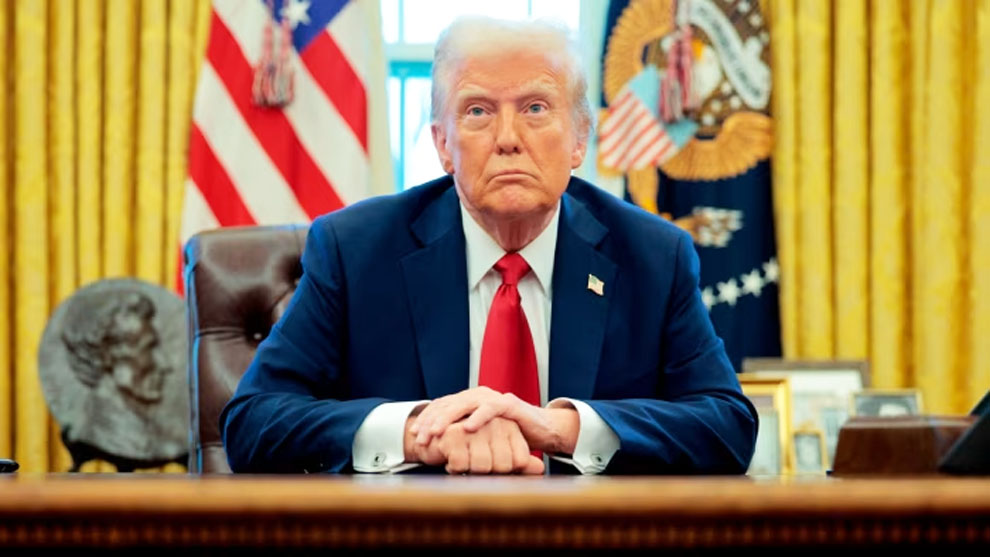
Nigerian elders warn U.S. against military action over unverified religious persecution claims
The National Patriotic Elders for Peace and Harmony in Nigeria (NPEPHN) has issued a strong warning to the United States government, urging restraint over any potential military action against Nigeria based on allegations of Christian persecution.
Speaking after a high-level meeting held in Kano on Sunday, the group, through its National President, Dr. Bature AbdulAziz, described the claims as “unverifiable” and “misleading,” arguing that terror-related violence in Nigeria affects both Christians and Muslims.
“The claim by the U.S. government that Christians are being massacred in Nigeria is false,” AbdulAziz stated. “Fact checks reveal that 75 percent of those killed from 1999 to date are Muslims, with their towns and places of worship burned down by terrorists.”
He cited the Northwestern states—Kaduna, Zamfara, Kebbi, Sokoto, Kano, and Jigawa—as predominantly Muslim regions that have borne the brunt of terrorist attacks. Similarly, he noted that Northeastern states such as Gombe, Bauchi, Borno, and Yobe, also with Muslim majorities, have suffered extensive violence and destruction.
READ ALSO:
- Nigeria’s coup probe intensifies: Over 30 suspects to face trial, seven still at large
- Oba of Lagos rebukes Trump over unverified claims of Christian persecution in Nigeria
- Alleged Christian Genocide: How Buhari stood up to Trump at White House
Addressing the situation in North Central states like Taraba, Plateau, Adamawa, and Benue, AbdulAziz explained that while these areas have significant Christian populations, the violence there is largely rooted in farmer-herder conflicts, with casualties on both sides.
“It is surprising that the U.S. government would accept this false narrative without verifying it through credible intelligence sources,” he said.
The group also speculated that geopolitical factors may be influencing the U.S. stance, suggesting that Nigeria’s support for the Palestine-Israel two-state solution at the United Nations or its growing ties with France and other nations could be contributing to the tension.
Dr. AbdulAziz reminded President Donald Trump of Nigeria’s longstanding role in global peacekeeping and democratic promotion across Africa. He warned that any military action against Nigeria could destabilize multiple African nations that rely heavily on Nigeria for regional stability.
“Any attack on Nigeria by the U.S. government would result in the destruction of several African nations,” he cautioned.
The group concluded by commending President Bola Tinubu, the Minister of Defence, and the National Security Adviser for their ongoing efforts to address insecurity across the country.
Nigerian elders warn U.S. against military action over unverified religious persecution claims







News
EFCC Recovers N140m for B4 Sail as Alleged Loan Debt Hits N2.25bn
EFCC Recovers N140m for B4 Sail as Alleged Loan Debt Hits N2.25bn
The Economic and Financial Crimes Commission (EFCC) has returned N140 million recovered during an investigation into an alleged loan fraud to B4 Sail Limited, an investment and money-lending company in Lagos.
The funds were handed over in bank drafts on Thursday, September 17, at the EFCC’s Lagos Zonal Directorate 2 office in Ikoyi.
The Acting Zonal Director, Bawa Usman Kaltungo, presented the recovered money to representatives of B4 Sail.
How the Investigation Began
The recovery followed a petition filed by B4 Sail on April 20, 2026, concerning Jacob Oyebola Esan and companies linked to him.
According to the petition, Esan approached the company in August 2025 on behalf of Geo Fields Plc to secure a N500 million loan to support the business.
The facility reportedly carried a monthly interest rate of 15 per cent and was expected to be repaid within one month.
The EFCC said its investigation later established that Esan had obtained other loan facilities from B4 Sail, taking his total exposure to N1.065 billion.
As security for the loans, shares belonging to Esan were pledged through Calyx Securities Limited, which acted as the clearing house for the stocks. The arrangement reportedly gave B4 Sail a lien over the shares and first claim to proceeds from their sale.
However, the commission said the shares were eventually sold without B4 Sail’s knowledge.
This allegedly contributed to Esan’s failure to repay the facilities. With accrued interest, the outstanding amount subsequently rose to N2.2505 billion.
The EFCC said the N140 million recovery was being returned to the company as part of its responsibility to ensure recovered funds reach legitimate owners and victims after due process.
EFCC Recovers N140m for B4 Sail as Alleged Loan Debt Hits N2.25bn
News
Soludo Pardons Native Doctor Akwa Okuko After 2-Year Jail Sentence

Soludo Pardons Native Doctor Akwa Okuko After 2-Year Jail Sentence
Controversial Anambra native doctor Chidozie Nwangwu, widely known as Akwa Okuko Tiwara Aki, has received a pardon from Governor Chukwuma Soludo.
The governor made the announcement on Friday while visiting the Correctional Centre in Amawbia as part of an inspection of custodial facilities in the state.
Nwangwu’s release comes after the High Court in Awka sentenced him to two years in prison following his arrest by the state government.
Although the court imposed a two-year sentence, the time Nwangwu had already spent in custody was taken into account. Consequently, he was left with 11 months to complete his term.
Conditions Attached to the Court Sentence
The court had also ordered the demolition of Nwangwu’s shrine as part of the measures arising from the case.
In addition, it directed that once he completed his sentence, the native doctor should contribute to youth reorientation programmes. He was also expected to renounce Oke-ite and related charm practices and publicly speak against them.
Authorities had accused Nwangwu of involvement in fetish-related activities, including alleged preparation of charms reportedly intended for young people pursuing financial gains.
His arrest came amid the Anambra State Government’s campaign against practices it linked to criminality and fraudulent activities.
During Friday’s visit, Soludo said his pardon initiative was not solely about Nwangwu. He stressed that attention must also be given to the welfare and wellbeing of people held in correctional facilities.
The governor subsequently inspected the custodial facility at Waterside, Onitsha, as part of the exercise.
Soludo Pardons Native Doctor Akwa Okuko After 2-Year Jail Sentence
News
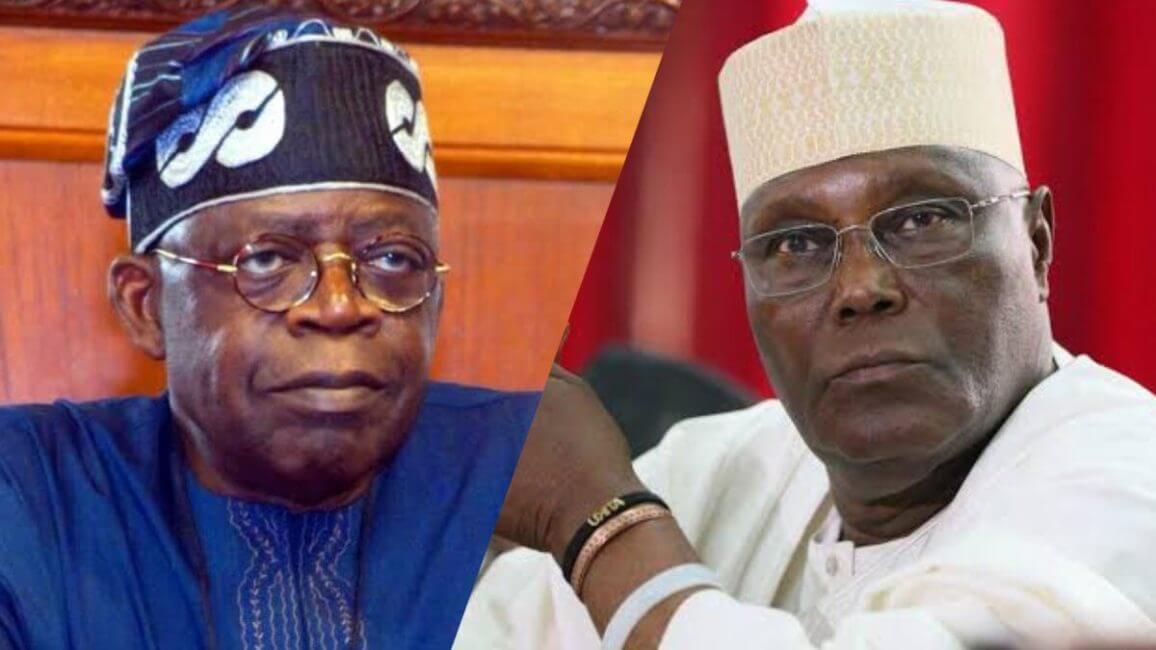
Atiku to Tinubu: Cut Fuel Prices, Let Nigerians Breathe
Atiku to Tinubu: Cut Fuel Prices, Let Nigerians Breathe
Former Vice-President and African Democratic Congress (ADC) presidential candidate Atiku Abubakar has urged President Bola Ahmed Tinubu to intervene in the petroleum sector and reduce petrol and diesel prices, saying rising energy costs are putting additional pressure on Nigerian households, workers, farmers and businesses.
Atiku made the call on Friday, September 18, 2026, during a press conference in Abuja, where he also criticised the Federal Government’s reliance on palliatives and raised concerns over plans to phase out electricity subsidies.
He asked President Tinubu to use the remaining months of the administration to implement measures capable of easing the cost-of-living crisis, arguing that Nigerians need policies that reduce the underlying cost of goods and services rather than temporary relief after prices have already risen.
According to Atiku, the impact of higher petrol prices has extended far beyond filling stations, affecting transportation, food distribution, farming, manufacturing, logistics and household budgets.
He argued that when petrol becomes more expensive, transport operators face higher costs, farmers spend more moving produce, traders pay more to move and stock goods, workers spend more commuting and businesses incur higher logistics and energy expenses.
Atiku said the resulting pressure ultimately reaches consumers through higher prices for food and other essential goods.
He also questioned the effectiveness of government palliatives, including food distribution and cash-transfer programmes, arguing that such interventions may provide temporary assistance but cannot replace policies that restore the purchasing power of Nigerians.
The ADC candidate said government should concentrate on lowering production and energy costs so that households and businesses can retain more of their income.
His comments came amid another round of increases in the domestic petrol price.
READ ALSO:
- Xenophobia: FG Brings 33 More Nigerians Home From South Africa
- Falconets Thrash England 3-0, Face Colombia in U-20 World Cup Quarter-Finals
- Replace Fuel Subsidy With Vehicle Credit to Drive Mobility, Jobs,LCCI, Ilekuba tell FG
The Dangote Petroleum Refinery increased its petrol gantry price from ₦1,265 to ₦1,350 per litre effective September 12, 2026. The increase represented an ₦85, or 6.7 per cent, rise and was the fourth upward adjustment in the refinery’s petrol price since August 21.
The successive adjustments have also been reflected at some filling stations, with petrol selling for as much as ₦1,395 per litre at some locations in Lagos, although prices have varied between stations and marketers.
Atiku said the government should not hesitate to adopt measures capable of lowering petrol prices simply because similar proposals originated from the opposition.
He said his concern was the effect of high energy costs on Nigerians and argued that the administration should act in the public interest.
A major part of Atiku’s argument is his proposal for a production subsidy for locally refined petroleum products.
The former vice-president has said his proposal is different from the former system of subsidising imported petrol. Under his plan, government support would be targeted at the crude feedstock supplied to qualifying refineries operating in Nigeria.
Atiku said the proposed mechanism would lower the cost of crude supplied to domestic refineries, with the reduction expected to translate into lower production costs and ultimately lower petrol prices for consumers.
He has proposed that the intervention should be transparent, capped and independently verified, with only crude refined in Nigeria qualifying for the support. Imported petroleum products, according to his proposal, would not benefit from the scheme.
Atiku has also said any such intervention should have a defined financial limit, be subject to National Assembly approval and undergo independent auditing.
He maintains that the policy would encourage domestic refining, protect investments in Nigeria’s refining industry and reduce the country’s dependence on imported petroleum products.
The proposal has generated debate because the Tinubu administration ended the long-standing petrol subsidy in May 2023, with the government arguing that the policy had become financially unsustainable and placed a heavy burden on public finances.
The subsequent removal of the subsidy resulted in a sharp increase in petrol prices and contributed to higher transportation and living costs, making fuel pricing one of the major economic issues in Nigeria.
The latest debate is taking place as Nigeria’s domestic refining capacity expands, particularly through the Dangote refinery.
The refinery has become a major supplier to the Nigerian market, but its prices continue to be influenced by factors including crude oil costs, exchange rates, refining expenses, logistics and international market conditions.
Atiku’s position is that government can intervene on the production side by lowering the cost of crude supplied to domestic refineries rather than returning to a system that subsidises imported petrol.
The former vice-president has also urged the government to reduce diesel prices, which remain important to manufacturers, transport operators, small businesses and other enterprises that depend on diesel-powered generators and equipment.
READ ALSO:
- Tinubu, Macron Hold Private Dinner in Paris, Reaffirm Nigeria-France Ties
- Federal Workers Urge Finance Ministry to Pay Delayed Allowances, Promotion Arrears
- Nigeria Wins $3.38bn Mambilla Arbitration Battle As ICC Rejects Sunrise Claims
He argued that lower energy costs would help reduce the cost of doing business and could eventually moderate prices paid by consumers.
Atiku also turned his attention to the electricity sector, where the Federal Government has announced plans to phase out electricity subsidies in 2027.
The government has said the reform is aimed at improving the financial sustainability of the power sector. The planned changes have nevertheless generated concerns over their possible impact on households and businesses already struggling with high operating costs.
Atiku warned that higher electricity costs could add to the burden already being carried by Nigerians.
He pointed to small enterprises such as barbers, tailors, welders and frozen-food sellers, as well as manufacturers that rely on a combination of public electricity, diesel and other alternative power sources.
He argued that government should avoid imposing additional energy costs before adequate measures are put in place to protect consumers.
The debate over fuel subsidy and electricity subsidy has therefore become part of a broader disagreement over the direction and social impact of Nigeria’s economic reforms.
Atiku has argued that the savings and additional revenues generated by subsidy reforms should translate into tangible improvements in Nigerians’ living standards.
The Federal Government, meanwhile, has maintained that the petrol subsidy removal was necessary to reduce the fiscal burden of the old system and allow resources to be redirected towards development and other government priorities.
The issue has gained renewed prominence as petrol prices rise again.
Organised labour and opposition groups have also increased pressure on the Federal Government for measures to cushion households from the impact of higher petrol prices, while calls have continued for greater support for domestic refiners.
The latest petrol price increases have revived questions about why pump prices remain high despite the availability of locally refined fuel and Nigeria’s status as a major crude oil producer.
Market participants have pointed to the cost of crude, global oil-market volatility, exchange-rate movements, distribution expenses and other factors affecting the final pump price.
Aliko Dangote has also raised concerns about differences between Nigerian petrol prices and prices in neighbouring countries, which can create incentives for cross-border fuel smuggling.
For Atiku, however, the immediate priority is to reduce the pressure on consumers.
He has urged President Tinubu to consider his proposed local refining production subsidy, lower petrol and diesel costs, address electricity affordability and adopt broader economic policies aimed at restoring Nigerians’ purchasing power.
The intervention also comes against the backdrop of the 2027 presidential election, in which Atiku is the ADC presidential candidate.
His criticism of the Tinubu administration’s economic policies is therefore part of the wider political debate over the consequences of subsidy removal, the cost of living, domestic refining and the management of Nigeria’s energy sector.
The central policy disagreement is whether government intervention should return in some form to reduce consumer prices or whether Nigeria should continue moving towards a market-driven energy pricing system while using targeted measures to protect vulnerable households.
As petrol prices remain elevated and electricity reforms continue, the debate is likely to remain a major issue for Nigerian households, businesses and policymakers.
Atiku to Tinubu: Cut Fuel Prices, Let Nigerians Breathe
-
 News3 days ago
ECOWAS Biometric Card Expands as Seven Countries Begin Rollout
-

 Sports3 days ago
Ballon d’Or 2026: Mbappe Responds to Yamal’s Bold Claim
-
 metro3 days ago
FG Suspends Niger NSCDC Commandant As 37 Suspected Illegal Miners Die In Custody
-

 Politics2 days ago
Toyin Abraham Rejects Lagos APC Campaign Council Inclusion
-

 International3 days ago
Ninth Body Discovered in South Africa: Nigeria Issues Urgent Safety Alert to Nationals
-

 Politics2 days ago
2027: Sowore Says He’d Rather Die Than Travel Abroad For Medical Treatment
-

 International2 days ago
BREAKING: Bloodbath at Pakistan Mosque as Suicide Blast Kills 21, Injures 103
-

 metro1 day ago
Niger Miners’ Deaths: Families Demand Compensation, Justice for Victims