

Entertainment
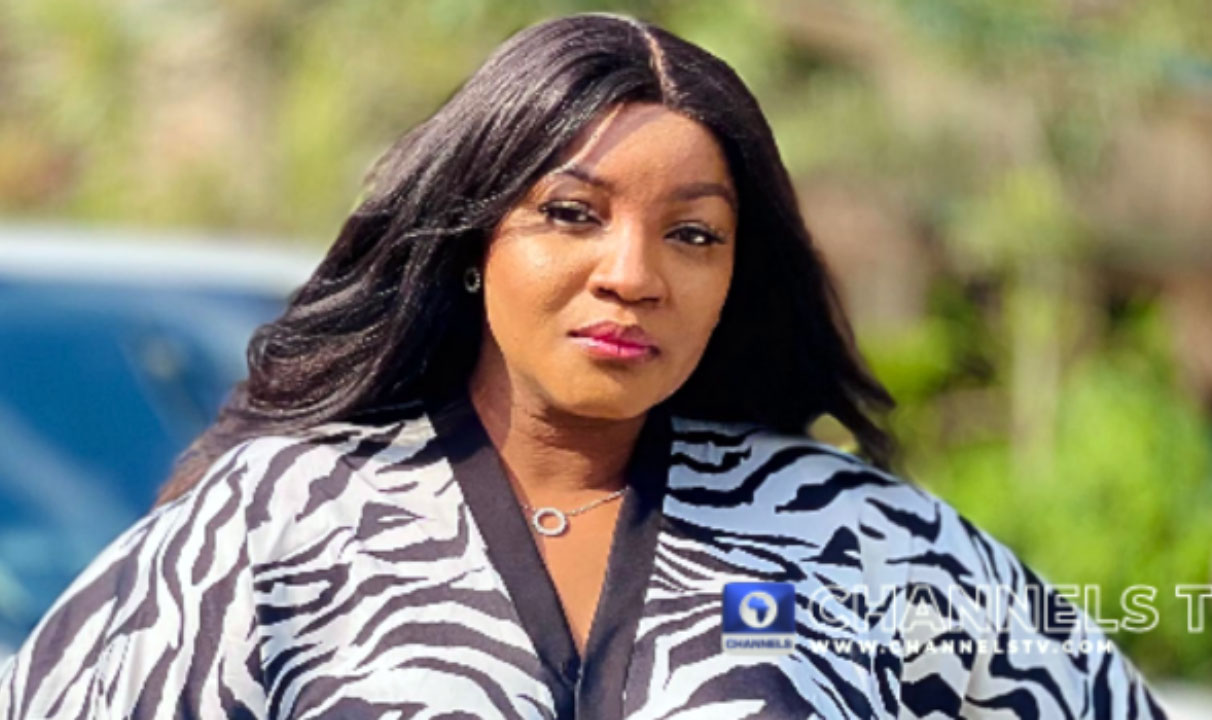
Omotola: I get Hollywood royalties but nothing from 30 years in Nollywood
Omotola: I get Hollywood royalties but nothing from 30 years in Nollywood
Veteran Nollywood actress Omotola Jalade-Ekeinde has renewed concerns about the payment structure in Nigeria’s film industry, revealing that she receives royalties and residual payments from Hollywood despite spending far less time working there, but has received no similar payments from her three-decade career in Nollywood.
Omotola said she has worked in Hollywood for about five years and continues to receive payments from her past projects, while her roughly 30 years in Nollywood have yielded no royalty payments.
“I’ve only worked in Hollywood for five years, yet I constantly receive envelopes containing my residuals and royalties. I’ve worked in Nollywood for 30 years and have never received a single envelope. Maybe they don’t know where I live,” the actress said.
Her remarks have reignited the debate over actors’ royalties, residual payments and contractual rights in Nollywood, particularly as Nigerian films increasingly generate revenue through cinemas, television, streaming platforms and international distribution.
Omotola had previously raised similar concerns in 2025, when she disclosed that she had featured in more than 310 Nollywood projects over three decades without receiving residuals.
At the time, she contrasted that experience with her Hollywood work, saying she had received monthly residual payments from two test projects completed during her relatively brief time in the American film industry.
She also shared images of payment envelopes from SAG-AFTRA, the American union representing film and television performers, to illustrate the system under which performers can receive continuing payments from qualifying uses of their work.
The actress used the comparison to call for greater structure within Nollywood’s compensation system, arguing that performers should be able to benefit financially when their work continues to generate value.
READ ALSO:
- Adeleke’s re-election faces tribunal battle as APC, PDP file petitions
- I always think I’m the best – Mbappé speaks on Ballon d’Or chances
- My husband is a secure man – Mo Bimpe claps back at critics
Residual payments are generally payments made to performers when films or television productions are reused or distributed through qualifying channels, such as television broadcasts, reruns or streaming, depending on contractual and industry arrangements.
Royalties can also arise from agreements that give performers or other rights holders a continuing share of revenue generated from the use or exploitation of their work.
Omotola’s latest comments therefore highlight a distinction between a one-time acting fee and continuing financial participation in the commercial life of a production.
Her concerns have also brought renewed attention to the structures supporting Nollywood actors and filmmakers, including contracts, copyright, rights management, distribution and revenue tracking.
The issue comes at a time when Nollywood has expanded significantly beyond the traditional home-video and cinema markets.
Nigerian films are now distributed through international streaming services and other digital platforms, giving productions longer commercial lives and access to audiences around the world.
However, Omotola’s experience has also prompted questions about whether the industry’s financial and contractual systems have developed at the same pace as its global reach.
In 2025, the Chairman of the Audio Visual Rights Society of Nigeria (AVRS), Mahmood Balogun, acknowledged the challenges surrounding residual collection in Nigeria while noting that the country was still developing the infrastructure required for effective royalty administration.
Balogun said AVRS had distributed royalties to members but explained that actors and other rights holders who are not members of relevant collecting structures may not receive such payments.
He also pointed to challenges involving copyright awareness, compliance and the collection of royalties from broadcasters, hotels and other commercial users of audiovisual content.
The debate has consequently moved beyond whether actors are paid enough for individual film appearances to the broader question of whether they can benefit from the continuing commercial use of their performances.
READ ALSO:
- After two decades, Tinubu approves Cabotage fund for Nigerian shipowners
- Hate Speech, Threats During Campaigns Attract ₦10m Fine, 12 Months Jail – INEC
- Market Fire in Indonesia Kills 11, Including Six Children
Omotola’s lengthy career makes her intervention particularly significant. She has been one of the most recognisable faces of Nollywood since emerging as a major actress in the 1990s and has featured in hundreds of productions.
She has also transitioned into filmmaking and production, giving her experience on both sides of the industry’s financial structure.
Her recent film, Mother’s Love, provided another insight into the economics of Nigerian filmmaking.
The movie reportedly grossed more than N103 million during its cinema run, but Omotola disclosed that only about N22.28 million accrued to the producers after deductions including exhibitor and distributor shares, advertising and production-related costs, as well as various taxes.
She subsequently disclosed that the amount accruing to her production company from the film was donated to Slum2School Africa, fulfilling a pledge made by her production outfit.
The disclosure offered a glimpse into the gap between a film’s headline box-office figure and the amount ultimately available to producers after industry deductions.
Omotola’s royalty concerns highlight another side of that financial equation: what happens to performers and other creatives after their initial fees have been paid and their films continue to circulate.
The actress has previously indicated that she wants royalty clauses included in her Nollywood contracts, arguing that her work should continue to provide value for her and her family.
Her position reflects a wider push among some Nigerian creatives for stronger contractual protections and clearer mechanisms for tracking revenue generated by films after their initial release.
For an industry that now has a substantial international audience, the issue of Nollywood royalties is increasingly tied to questions of professionalism, transparency and sustainability.
The growth of streaming platforms has made the subject even more important because films can remain available to viewers for years, potentially generating revenue long after their cinema or television premieres.
Whether actors receive additional compensation in such circumstances depends on the contracts governing individual productions, ownership arrangements and applicable rights-management systems.
Omotola’s comments do not necessarily represent the experience of every Nollywood performer, but they have once again placed the industry’s royalty structure at the centre of public discussion.
Her message is ultimately a call for a more organised system in which actors and other creatives can benefit from the long-term commercial value of their work.
As Nollywood continues to expand internationally, the debate over royalties, residuals, actors’ rights and film revenue is likely to remain an important part of conversations about the future of Nigeria’s entertainment industry.
For Omotola, however, the disparity remains personal: after about five years of work in Hollywood, she says she continues to receive royalty and residual payments, while three decades and hundreds of projects in Nollywood have produced none.
Omotola: I get Hollywood royalties but nothing from 30 years in Nollywood












Entertainment
Jide Kosoko Reveals Drama Behind Controversial Yoruba Film Amina Eleha

Veteran Nollywood actor and filmmaker, Prince Jide Kosoko, has recounted the controversy surrounding one of his Yoruba films, revealing how objections from some Islamic clerics nearly escalated into a wider confrontation.
The film, initially referred to as Amina Eleha, was later renamed Afomo.
Kosoko made the disclosure during an interview on the African A-List podcast, where he reflected on the challenges he encountered while producing a film whose storyline centred on a Muslim woman involved in adultery.
According to the veteran actor, some Islamic clerics, popularly known as Alfas, objected to the film and reportedly demanded that it should not be released because of its portrayal of a married Muslim woman engaging in an extramarital affair.
READ ALSO:
- Chaos in Abeokuta as Algerian Fans Attack Coach, Vandalise Stadium After Rangers Defeat
- Nollywood Mourns as Actress, Beauty Queen Tenia Abraham Dies at 32
- FG Challenges World Bank’s 124% Debt-to-Revenue Warning, Cites Rising Income
The clerics also reportedly took issue with the name Amina, which they considered religiously sensitive because of its association with the mother of Prophet Muhammad.
Kosoko, however, maintained that his intention was to tell a story about human behaviour and the contradictions that can exist between religious identity and personal conduct.
He questioned the reasoning behind objecting to a fictional character’s name or actions simply because they were associated with a particular religion.
The filmmaker argued that the portrayal of wrongdoing by a character who belongs to a religious community does not necessarily mean that the entire faith is being attacked.
The disagreement reportedly intensified in the Badiya area of Lagos, where some clerics allegedly pulled down posters advertising the production.
Kosoko recalled that the incident attracted the attention of local youths, creating concerns that the disagreement could degenerate into a wider confrontation.
He said he was worried that the situation might be interpreted as an attempt to provoke religious conflict, rather than a disagreement over a film’s storyline.
The actor also credited his colleague, Baba Elesho, with helping him during the tense episode.
According to Kosoko, Baba Elesho confronted the clerics and engaged them in discussions involving Arabic, challenging some of the arguments raised against the production.
Kosoko said the encounter revealed an aspect of Baba Elesho he had not fully appreciated before, particularly his understanding of Arabic and his willingness to intervene when the controversy threatened to escalate.
The veteran filmmaker’s account has renewed attention to the delicate relationship between creative freedom and religious sensitivities in Nigeria’s entertainment industry.
The subsequent change of the film’s title from Amina Eleha to Afomo is an important detail in the history of the production. However, the precise timing and circumstances surrounding the renaming require further confirmation.
The episode also highlights the difficulties filmmakers may encounter when fictional stories touch on sensitive issues involving religion, marriage and morality.
While filmmakers have the creative freedom to explore human behaviour and social realities, such productions can attract strong reactions when audiences believe their religious beliefs or communities are being misrepresented.
Kosoko’s recollection provides a glimpse into an earlier period of Yoruba filmmaking, when disputes over film content could extend beyond public criticism to confrontations involving filmmakers, religious figures and local residents.
Jide Kosoko Reveals Drama Behind Controversial Yoruba Film Amina Eleha
Entertainment
Nollywood Mourns as Actress, Beauty Queen Tenia Abraham Dies at 32
Nollywood Mourns as Actress, Beauty Queen Tenia Abraham Dies at 32
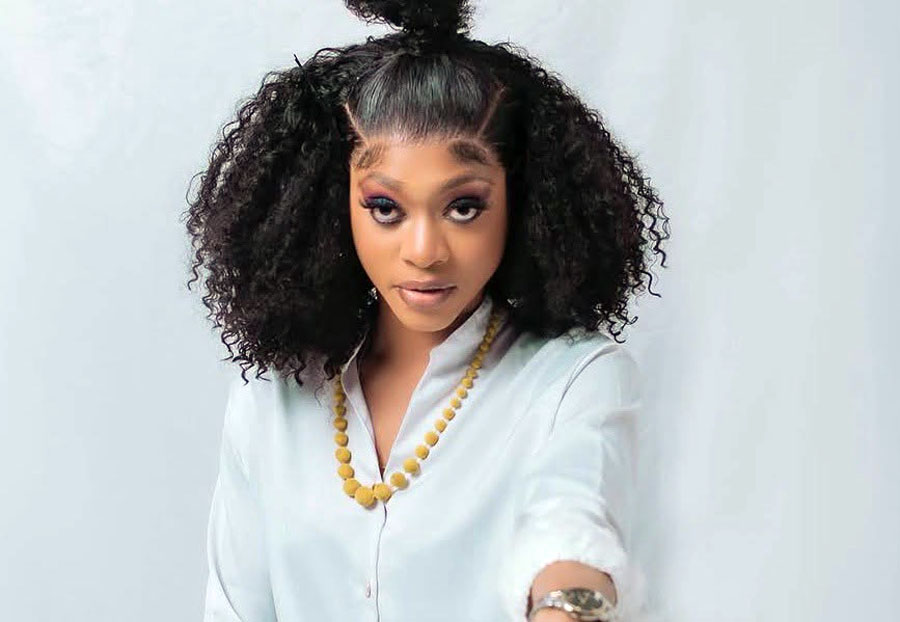
The Nigerian film industry, Nollywood, is mourning the death of actress and beauty queen Tenia Abraham Omenogor, who died at the age of 32 after suffering from a kidney infection.
Abraham died on October 13, 2026, and was buried at Gudu Cemetery in Abuja on Saturday, October 17, according to an obituary shared on her Instagram page.
Her family announced her death on Thursday, October 15, through her TikTok account, expressing deep sorrow over the loss of the actress, whom they described as a vibrant talent and a loving daughter, sister and friend.
“With heavy hearts and deep sorrow, we announce the passing of our beloved Nollywood actress, a vibrant talent, a loving daughter, sister and friend,” the family said in its announcement.
The obituary identified the late actress as Tenia Abraham Omenogor and stated that she died after suffering from a kidney infection. However, the family did not provide further medical details about her illness.
The burial arrangements indicated that relatives, friends and well-wishers were expected to gather at the mortuary of the Federal Medical Centre, Jabi, Abuja, before proceeding to Gudu Cemetery for the burial.
READ ALSO:
- Mbappé Runs Riot as Real Madrid Crush Sevilla 4-1 Ahead of El Clásico
- Ogun House Fire Horror: Husband Arrested After Wife Dies Following Domestic Dispute
- NLC, Falana Mobilise Nigerians Against Petrol Price Hike, Mount Pressure on Tinubu Govt
In a tribute to the deceased, her family described her as a gifted talent whose life touched those around her.
“She lived with passion, touched many lives with her talent and left behind a legacy that will never be forgotten,” the obituary stated.
The family also paid an emotional tribute to the actress, saying her talent, beauty and kindness would remain in their memories.
“Your light may have gone out from this world, but your talent, beauty and kindness will forever live in our hearts,” the tribute read.
Beyond her acting career, Abraham was involved in beauty pageants and held the Beauty Queen South South 2020 title, adding to her profile in Nigeria’s entertainment industry.
Following news of her death, attention also turned to a social media post she shared in August, in which she reflected on mortality and encouraged people to show love to one another.
“One day we will leave this world. Let’s love lead,” she wrote.
The message resurfaced following her death, drawing emotional reactions from social media users who reflected on the actress’s words.
Her death at 32 marks a painful loss for her family, friends, colleagues and admirers, who will remember her for her work in Nollywood and her achievements in beauty pageantry.
Nollywood Mourns as Actress, Beauty Queen Tenia Abraham Dies at 32
Entertainment
Toyin Abraham Breaks Silence as Leaked Audio Sparks Fresh Nollywood Feud
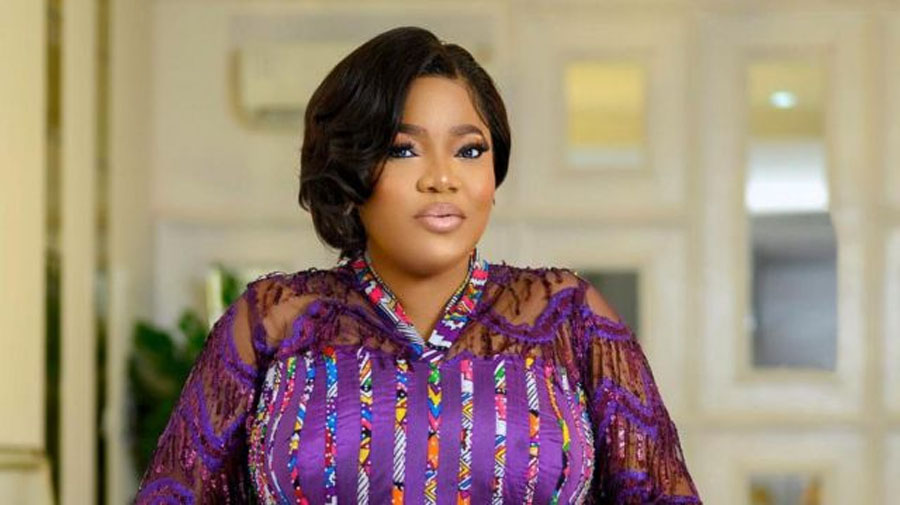
Nollywood actress Toyin Abraham has responded indirectly to the backlash surrounding an alleged leaked audio conversation in which a TikTok fan was heard making disparaging remarks about fellow actress Funke Akindele, reigniting debate over the relationship between the two movie stars.
The controversy erupted after an approximately 11-minute, 42-second recording, reportedly featuring Abraham and a TikTok personality identified as Bisgold, began circulating on social media on Wednesday, October 14, 2026. The conversation, conducted largely in Yoruba and Pidgin English, has divided fans and generated widespread reactions online.
In the recording, the fan is reportedly heard repeatedly making insulting remarks about Akindele, while Abraham appears to laugh at different points rather than challenge the comments. The conversation also reportedly touches on actress Iyabo Ojo, alongside Abraham’s relationships with other colleagues in the movie industry.
The recording has attracted criticism from social media users who questioned Abraham’s response to the remarks about her colleagues. Some argued that the actress should have discouraged the insults, while others questioned the decision to record and circulate what appeared to be a private conversation.
Amid the growing backlash, Abraham reportedly reposted an Instagram Story from influencer Bukky Majek on Thursday, October 15. Majek’s message defended the actress and urged critics to stop attacking her, arguing that her success and blessings came from God.
READ ALSO:
- DSS Arrests Maina’s Fugitive Son in Abuja After Six Years on the Run
- NAPTIP Raises Alarm as Parents Allegedly Trade Children for Sex, Arrests Woman in Abuja
- Tesla’s Flying Roadster Rekindles Race to Put Cars in the Sky
However, Abraham’s repost did not amount to a detailed public denial of the recording. The full context of the conversation and the authenticity of the recording have not been independently established in the reports reviewed.
The controversy has also drawn reactions from other members of the entertainment industry, with some defending Abraham and others questioning the practice of secretly recording private conversations.
Actress Foluke Daramola publicly defended Abraham amid the criticism. Daramola questioned whether the actress would say something behind another person’s back that she would not be prepared to say to their face, expressing support for her colleague.
Similarly, actress Regina Chukwu raised concerns about the recording and circulation of private phone conversations. In a social media post, Chukwu questioned why people secretly record conversations with friends and acquaintances, saying she would feel hurt if someone she trusted recorded their private discussion without her knowledge.
Actress Nkechi Blessing Sunday also weighed in on Friday, October 16, defending Abraham and criticising people who encourage hostility between female celebrities. She also directed criticism at the person responsible for recording and leaking the conversation.
The incident has revived public discussion about the strained relationship between Abraham and Akindele, which previously attracted attention following an awkward encounter at the premiere of Iyabo Ojo’s film, The Return of Arinzo.
Reports about the earlier incident said Akindele appeared to ignore Abraham’s greeting at the event. Abraham subsequently reportedly said she would no longer greet Akindele and confirmed that she had unfollowed her on social media.
The latest controversy has reopened conversations about rivalry, loyalty, personal boundaries and the impact of social media on relationships among Nollywood stars.
While some supporters have defended Abraham and questioned the ethics of releasing a private conversation, critics have focused on her reported reaction to the comments about Akindele and Ojo.
As the debate continues, no detailed public statement directly addressing all the allegations in the recording was identified in the reports reviewed. The full circumstances surrounding the recording, including how it was obtained and whether the circulating version captures the complete conversation, remain unclear.
Toyin Abraham Breaks Silence as Leaked Audio Sparks Fresh Nollywood Feud
-

 metro2 days ago
Army Major, Soldiers Killed in ISWAP Ambush in Yobe State
-

 metro1 day ago
Atiku: US Lobbying Firm Raises Alarm Over Alleged Assassination Plot
-

 metro2 days ago
‘We Don’t Know What Else to Do’ — Mother Begs for Release of Abducted Children
-

 metro1 day ago
Five Arraigned Over Kidnapping of 20 Prospective NYSC Members in Imo
-
 metro2 days ago
Breaking: Afenifere Leader Pa Fasoranti Dies at 100
-
 metro2 days ago
‘I Never Asked Them to Abandon Loved Ones’ — Obi Clarifies Diaspora Remarks
-

 Auto1 day ago
Happening now: Hyundai unveiling of Mufasa and Grand Creta
-

 Auto2 days ago
Beyond the Showroom: Why After-Sales Service Will Define Auto Industry Winners