

Railway
Opeifa Seeks EU Investment to Fast-track Nigeria’s Low-Carbon Rail Revolution
Opeifa Seeks EU Investment to Fast-track Nigeria’s Low-Carbon Rail Revolution
The Managing Director of the Nigerian Railway Corporation (NRC), Dr. Kayode Opeifa, has called on the European Union, international investors and development finance institutions to channel sustainable investments into Nigeria’s railway sector to accelerate the country’s transition to a low-carbon transport system and drive economic growth.
Opeifa said expanding and modernising Nigeria’s rail network would not only help reduce carbon emissions but also lower logistics costs, improve passenger mobility, create jobs and strengthen regional connectivity, positioning rail as a catalyst for national development.
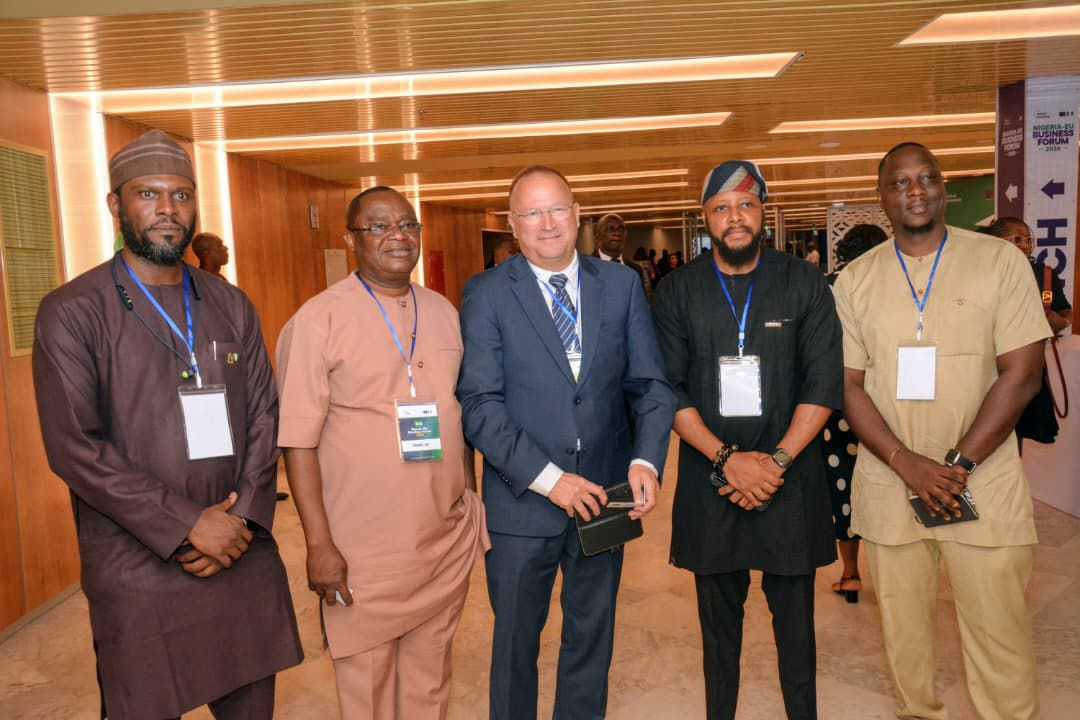
Speaking at the 10th Nigeria–EU Business Forum on Sustainable Transportation and Global Gateway Opportunities for Partnerships held on Thursday, Opeifa described rail transportation as a strategic national asset capable of advancing Nigeria’s economic transformation while supporting its climate change commitments.
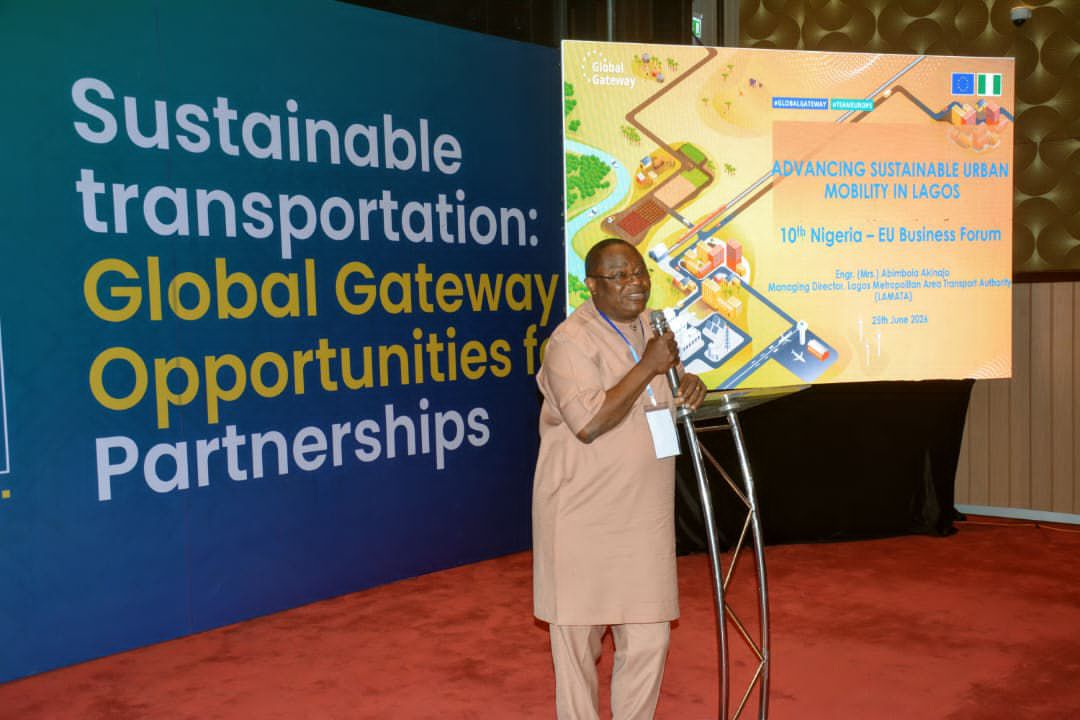
According to him, rail remains one of the cleanest and most energy-efficient modes of transportation, making sustained investment in the sector critical to reducing pressure on the nation’s highways and promoting environmentally friendly mobility.
“By strengthening our railway network, we can significantly reduce carbon emissions, ease congestion on our highways, lower logistics costs, improve passenger mobility, and stimulate industrial and commercial activities across Nigeria,” he said.
READ ALSO:
- Bandits Burn Niger Primary School After Collecting N10m Protection Levy
- Seven villagers killed in Katsina attack as two policemen die in Kaduna rescue operation
- Anambra Court Remands Couple for Attempted Murder of 10-Year-Old Boy
The NRC boss reaffirmed the corporation’s commitment to building a modern, efficient, safe and environmentally sustainable railway system through ongoing reforms aimed at strengthening rail infrastructure, improving operational efficiency and expanding freight services.
He added that the corporation is also creating opportunities for greater private sector participation through sustainable investment models that would unlock long-term value in the railway industry.
Opeifa identified the European Union’s Global Gateway initiative as a major platform for deepening cooperation between Nigeria and international partners in the development of critical rail infrastructure.
He said the corporation is seeking partnerships that would support railway modernisation, deployment of green technologies, renewable energy integration, digital rail systems, capacity building and innovative financing solutions.
According to him, sustainable transportation has become an economic and environmental necessity rather than a policy choice, stressing that investment in rail infrastructure would deliver lasting benefits for future generations.
He urged investors, technology providers, development finance institutions and strategic partners to collaborate with the NRC in transforming Nigeria’s railway network into a resilient, competitive and environmentally sustainable transportation system.
Such investments, he noted, would accelerate Nigeria’s rail decarbonisation journey, facilitate trade, strengthen regional integration and promote inclusive economic development.
Opeifa expressed optimism that stronger collaboration between Nigeria and the European Union would unlock new opportunities for sustainable infrastructure financing and technological advancement in the railway sector.
He also commended the European Union and organisers of the Nigeria–EU Business Forum for providing a platform to promote dialogue, partnerships and investments that support sustainable transportation across Nigeria.
The NRC managing director reiterated that with the right investments and strategic partnerships, Nigeria’s railway sector can become a major driver of economic competitiveness, environmental sustainability and national prosperity.
Opeifa Seeks EU Investment to Fast-track Nigeria’s Low-Carbon Rail Revolution







Railway
Tinubu Targets December 3 Inauguration for Kaduna-Kano Rail Project as Construction Hits 90%
Tinubu Targets December 3 Inauguration for Kaduna-Kano Rail Project as Construction Hits 90%
The Kano-Katsina-Maradi railway project has also reached 70 per cent completion, according to the APC Presidential Campaign Council.
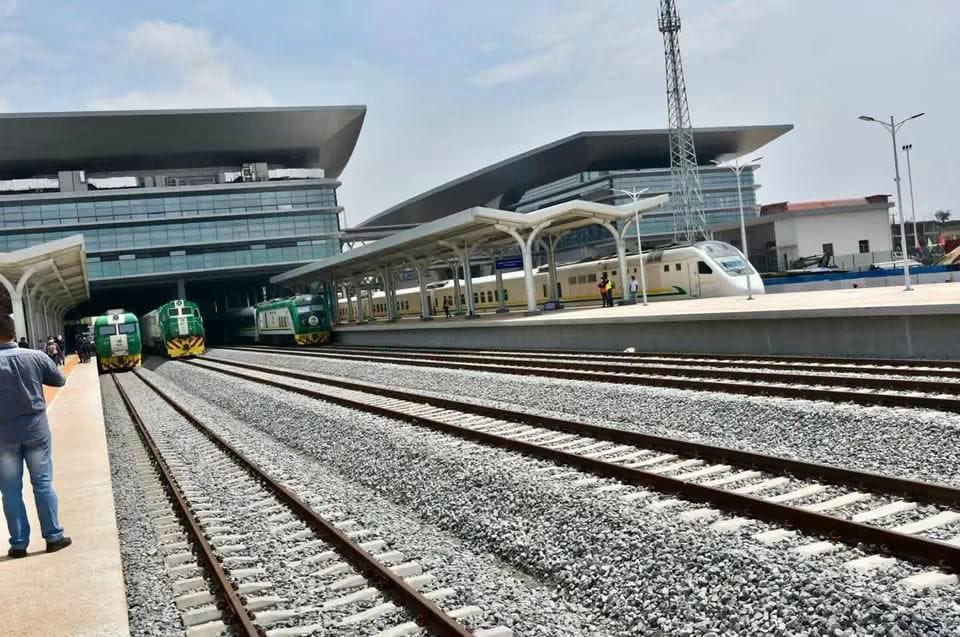
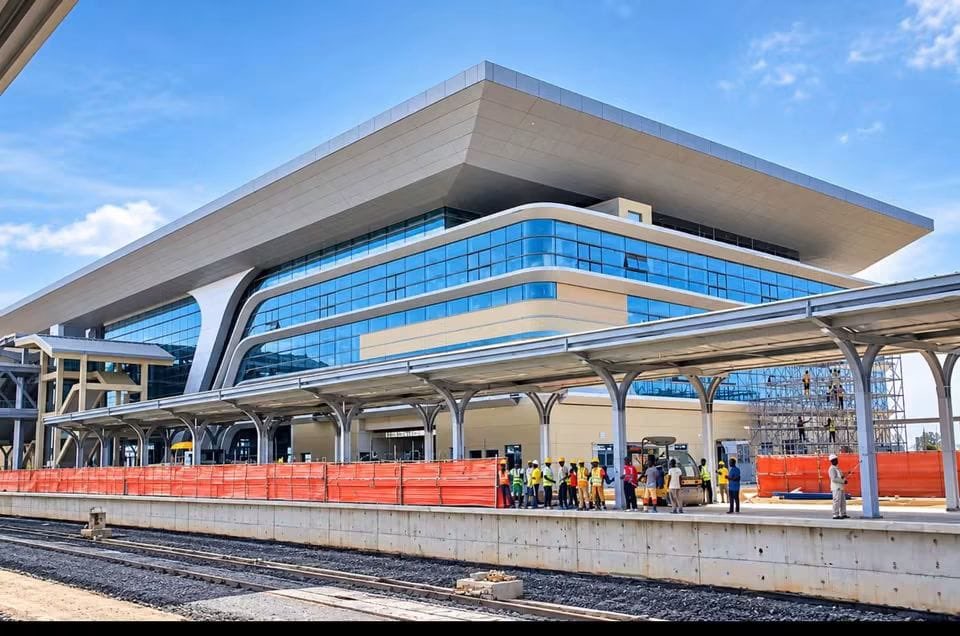
President Bola Ahmed Tinubu has intensified efforts to complete major railway projects in Northern Nigeria, with the Kaduna-Kano Standard Gauge Railway scheduled for inauguration on December 3, 2026.
The All Progressives Congress (APC) Presidential Campaign Council disclosed this in a statement issued on Sunday by its spokesperson, Dele Alake, stating that the 203-kilometre Kaduna-Zaria-Kano railway project had attained approximately 90 per cent completion.
The council also announced that the 400-kilometre Kano-Katsina-Maradi railway project, which extends towards the Niger Republic, had reached 70 per cent completion.
According to the statement, the Kano-Katsina-Maradi project was barely five per cent complete when Tinubu assumed office in 2023, while the Kaduna-Kano railway had achieved less than 30 per cent completion.
The projects, described as part of the administration’s major infrastructure initiatives, are expected to improve transportation, strengthen regional connectivity and facilitate the movement of passengers and goods across Northern Nigeria and neighbouring countries.
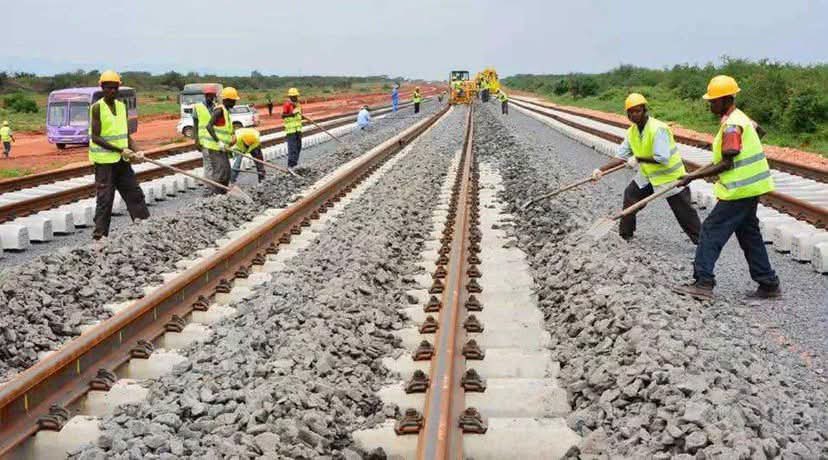
The Kaduna-Kano railway is an extension of the existing Abuja-Kaduna Standard Gauge Railway and is expected to establish a continuous rail connection between Abuja, Kaduna, Zaria and Kano, linking major commercial centres in the region.
The council said the projects were recently inspected on the directive of President Tinubu by a Federal Government delegation led by the Permanent Secretary of the Federal Ministry of Transportation, Engr. Funso Adebiyi.
The delegation reportedly expressed satisfaction with the quality of construction, particularly the railway alignment, drainage infrastructure, embankment protection, stone pitching and soil stabilisation.
As part of the inspection, officials undertook a test-run journey by train from Jaji in Kaduna State to Kano to assess the completed track infrastructure and passenger comfort.
The statement added that Tinubu had directed the immediate resolution of outstanding land acquisition and compensation issues within Kaduna metropolis to facilitate the completion of the remaining railway corridor linking Abuja and Kano.
It further disclosed that the 190-kilometre Jaji-Kano section of the Kaduna-Kano railway, alongside the 250-kilometre Dawanu-Kano-Kazaure-Daura-Katsina section of the Kano-Maradi project, was scheduled for inauguration on December 3, 2026.
When fully operational, the Kaduna-Kano railway is expected to provide an alternative to road transportation, improve passenger movement and boost commercial activities along one of Northern Nigeria’s busiest economic corridors.
Similarly, the Kano-Katsina-Maradi railway is expected to strengthen cross-border transportation and trade between Nigeria and the neighbouring Republic of Niger.
The APC Presidential Campaign Council said the projects reflected Tinubu’s commitment to ensuring that ongoing infrastructure developments across the country were completed as scheduled.
Tinubu Targets December 3 Inauguration for Kaduna-Kano Rail Project as Construction Hits 90%
Railway
Nigeria Loses ₦3.6tn to Logistics Inefficiencies as NRC Pushes Integrated Transport System
Nigeria Loses ₦3.6tn to Logistics Inefficiencies as NRC Pushes Integrated Transport System
The Nigerian Railway Corporation has unveiled an ambitious plan to expand Nigeria’s railway network from approximately 4,000 kilometres to 10,000 kilometres within five years.
This is coming as it pushes for an integrated transportation and logistics system to reduce business costs, boost trade and strengthen the nation’s economic competitiveness.
The NRC also has a long-term target of extending the rail network to about 20,000 kilometres, with plans to optimise existing railway assets, revive dormant corridors, expand freight operations and attract private investment into passenger and cargo services.
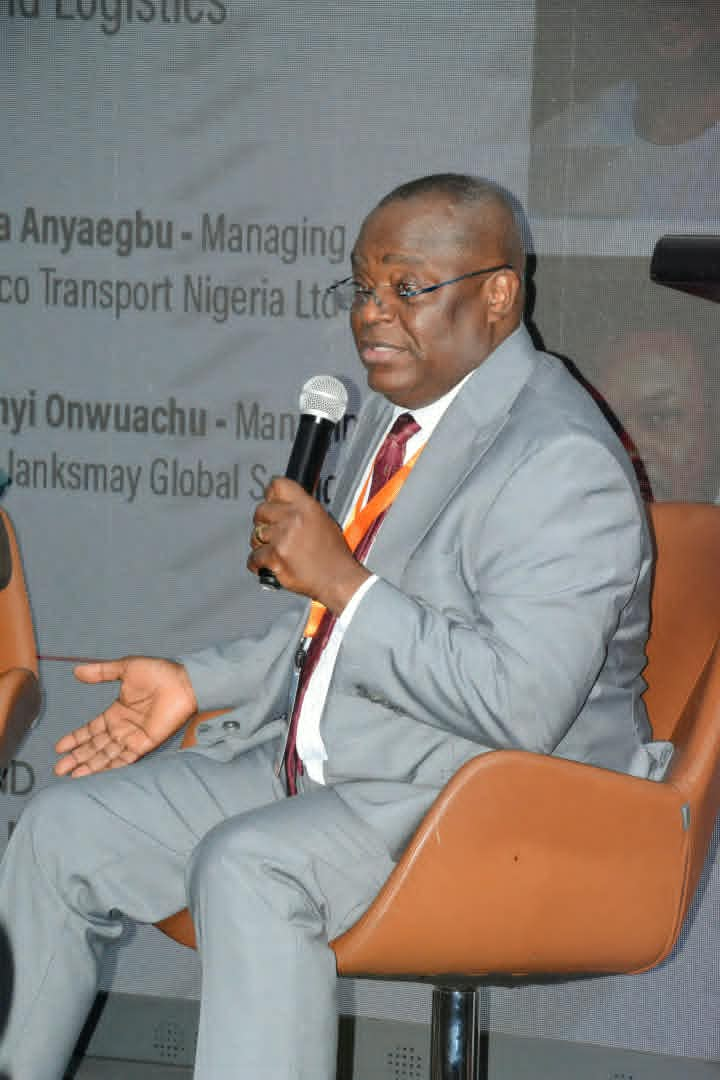
Managing Director of the corporation, Dr Kayode Opeifa, disclosed these plans at the BusinessDay Mobility and Logistics Conference in Lagos, where he identified an efficient, interconnected transport system as a critical driver of economic resilience and productivity.
Speaking on the theme, “Scaling the Future: Building a Resilient and Efficient Mobility and Logistics Ecosystem in Nigeria,” Opeifa warned that inefficiencies across the country’s transportation network were contributing to congestion, rising logistics costs, delayed deliveries, reduced productivity and higher prices of goods and services.
He argued that integrating rail, road, maritime and air transportation would help address these challenges by improving connectivity between production centres, markets, seaports and distribution hubs.
According to him, rail transportation occupies a strategic position in developing an efficient national transport network because of its capacity to move large volumes of passengers and freight over long distances while reducing pressure on highways.
“Rail should not be viewed as a competitor to road, maritime or air transportation, but each should continue to develop as complementary components of an effective integrated transport system,” he said.
Opeifa explained that while road transport remained essential for cargo collection and last-mile delivery, maritime transport facilitated international trade, and inland terminals supported cargo handling and distribution, rail provided the high-capacity link connecting these facilities with industrial and commercial centres.
He said seamless coordination among the different modes would reduce avoidable logistics costs, promote regional commerce, improve access to markets and enhance the competitiveness of Nigerian products.
PRIVATE SECTOR PARTICIPATION
Outlining the NRC’s priorities since assuming office, the managing director highlighted the corporation’s track access policy, which provides opportunities for private investors to operate passenger and freight services along designated railway corridors.
He said the policy was part of efforts to improve the utilisation of existing infrastructure, expand railway services and mobilise investment to accelerate the development of the sector.
Under its Vision 2:5:10:20, the corporation is focusing on optimising existing railway assets, restoring viable dormant corridors, expanding freight operations, strengthening private-sector partnerships and progressively extending the national network.
Opeifa said immediate priorities included improving the utilisation of Nigeria’s two legacy narrow-gauge lines and three standard-gauge lines, restoring operational capacity, expanding freight services and strengthening connections between railway infrastructure, ports and inland terminals.
He maintained that maximising the value of existing assets would be essential to achieving the corporation’s expansion targets and building a more commercially viable railway system.
NEW RAILWAY PROJECTS
The NRC chief also highlighted ongoing and planned railway infrastructure projects under President Bola Ahmed Tinubu’s administration, including efforts to extend the standard-gauge railway to Apapa Port and establish a connection to Tin Can Island Port in Lagos.
The proposed connections are expected to strengthen the relationship between rail and maritime transportation, improve cargo evacuation and reduce the pressure on roads leading to the ports.
Opeifa further said the Kano–Maradi railway line was expected to be completed in 2027, while plans were ongoing for a central railway corridor linking the Warri–Itakpe line to Abuja.
He added that the government planned to commence construction of the Marina–Lekki railway line, alongside efforts to support the Kaduna–Kano inter-state train service and the Kano State Government’s proposed intra-state rail services.
The projects, he said, formed part of broader efforts to expand rail connectivity, improve passenger mobility and facilitate the movement of goods across the country.
₦3.6TRN LOGISTICS LOSSES
Also speaking at the conference, the Director-General of the Africa Centre for Supply Chain, Dr Obiora Madu, estimated that Nigeria loses more than ₦3.6 trillion to inefficiencies and distortions in the transportation and logistics sector.
He warned that small-scale businesses would continue to struggle to operate efficiently unless the country addressed the disconnect among its transport and logistics networks.
“If we don’t get the logistics right, the small-scale businesses would not be optimised. We do not need digital islands, we do not need superlative infrastructure, what we need is connected systems,” Madu said.
He argued that building a resilient logistics ecosystem required more than expanding individual infrastructure projects, stressing the importance of coordination, connectivity and the ability of the entire system to withstand disruptions.
Similarly, the Managing Director of JanksMay Global Services Ltd., Ifeanyi Onwuachu, said infrastructure deficits continued to undermine the operations of small-scale players in the logistics industry.
He called attention to the need for better infrastructure and more efficient transport connections to support businesses and improve operational performance.
Earlier, the Deputy Editor-in-Chief of BusinessDay, Dr Innocent Nna, described the conference as a platform for examining persistent gaps in Nigeria’s logistics sector and identifying practical solutions.
He urged stakeholders to engage in frank discussions on the challenges confronting the industry and develop strategies to improve efficiency across the sector.
The conference brought together industry stakeholders to explore ways of building an integrated, efficient and resilient mobility and logistics ecosystem capable of supporting economic growth and improving the competitiveness of Nigerian businesses.
Railway
NRC Denies Ticket Racketeering, Says Abuja-Kaduna Rail Demand Exceeds Seats by 10-Fold
NRC Denies Ticket Racketeering, Says Abuja-Kaduna Rail Demand Exceeds Seats by 10-Fold
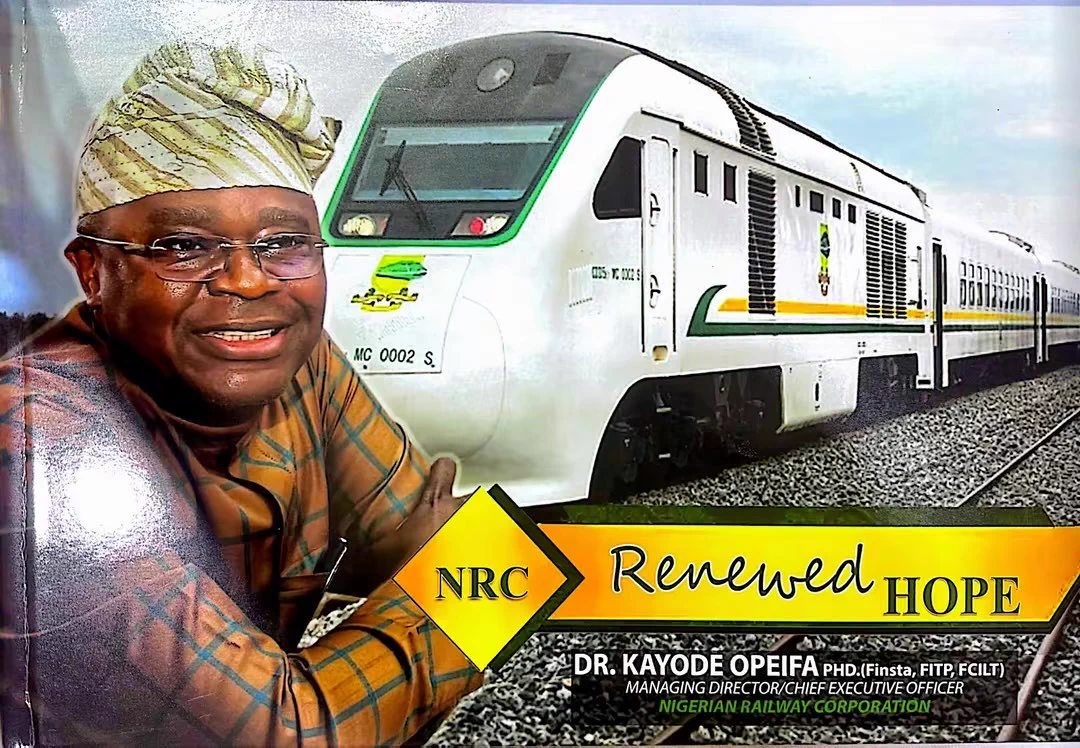
The Nigerian Railway Corporation has denied allegations that it deliberately creates artificial scarcity of tickets on the Abuja-Kaduna Train Service to facilitate their resale at exorbitant prices, blaming the persistent shortage on surging passenger demand and the activities of ticket touts exploiting the system.
The corporation, in a statement signed by its Chief Public Relations Officer, Callistus Unyimadu, said demand for rail services on the corridor had exceeded available capacity by more than 10 times, creating a severe imbalance between the number of passengers seeking tickets and the limited seats available.
The clarification followed a viral social media video by Instagram blogger Faizah Raji, operating under the handle @wearegst, who accused the NRC of withholding tickets from its official electronic booking platform and reselling them through unnamed agents at prices reportedly twice the approved fares.
However, the NRC described the allegations as misleading, insisting that the corporation neither buys nor sells train tickets but facilitates passenger access to the railway service through approved ticketing arrangements.
According to the management, Raji had acknowledged in her account that the corporation warned passengers to purchase tickets exclusively through authorised platforms but subsequently bought a ticket from an agent after failing to secure one through the official portal.
The NRC said while her experience might be genuine, patronising unofficial ticket sellers despite repeated warnings did not establish the corporation’s involvement in the alleged racket.
It warned passengers that tickets obtained through unauthorised agents, particularly those purchased with another person’s identification details, could be invalid and expose travellers to financial losses or denial of boarding.
The corporation explained that electronic ticketing across its standard-gauge railway operations was handled by private concessionaires under public-private partnership arrangements approved by the Infrastructure Concession Regulatory Commission and the Federal Executive Council before 2023.
READ ALSO:
- FG Draws Red Line on Fuel Subsidy, Warns of Naira Crisis if Reforms Are Reversed
- NRC Denies Ticket Racketeering, Says Abuja-Kaduna Rail Demand Exceeds Seats by 10-Fold
- Tinubu Reappoints INEC Commissioner, Nominates Six Others Ahead of 2027 Elections
It identified SecureID/TPS as the ticketing service provider for the Abuja-Kaduna Train Service, Global Software Digital Solutions for the Lagos-Ibadan Train Service, and Fane Warri-Itakpe Ticketing Solutions Limited for the Warri-Itakpe Train Service.
NIN verification introduced to combat ticket fraud
The NRC traced the growing challenge of ticket racketeering to fraudulent practices that persisted despite measures introduced to strengthen passenger identification and railway security.
It said the government introduced the use of the National Identification Number as a condition for purchasing train tickets following the 2022 train attack, partly to curb ticket racketeering.
However, according to the corporation, fraudsters subsequently devised ways of obtaining multiple NINs to purchase tickets in bulk for resale to unsuspecting passengers.
To tackle the practice, the NRC introduced an additional verification procedure in 2025, modelled on the system used at the Murtala Muhammed International Airport Terminal 2 in Lagos.
Under the arrangement, passengers’ NIN details are checked against the information used to purchase their tickets, while personal identification cards are also required before boarding.
The corporation said its verification system at Idu and Kubwa in Abuja, as well as Rigasa in Kaduna, is integrated with the National Identity Management Commission database, enabling officials to retrieve the photograph associated with the NIN used for a ticket purchase.
This, it explained, helps officials identify passengers attempting to travel with tickets purchased using another person’s identity.
The NRC, however, acknowledged that security challenges at the Rigasa station, which it described as having been hurriedly adopted, had occasionally made enforcement difficult because of limitations in its access-control infrastructure.
NRC vows crackdown on racketeering
Despite the challenges, the corporation declared zero tolerance for ticket racketeering, warning that any employee found participating in or colluding with fraudulent ticket sellers would face summary disciplinary action.
It also said the electronic ticketing concessionaires had been directed to improve the accessibility and ease of use of their booking platforms to ensure passengers could obtain tickets more conveniently while complying with established procedures.
The management maintained that the growing preference for train travel among Nigerians had placed considerable pressure on available capacity, reinforcing the need for passengers to use only approved booking channels.
It described the purchase of tickets through third parties using another person’s NIN or name as unacceptable and an act of economic sabotage that undermines the integrity of the railway system.
The corporation assured passengers that it remained committed to improving customer service, strengthening security and ensuring that rail travel became a preferred alternative for Nigerians.
It reiterated its commitment to providing safe, affordable, reliable and convenient train services across the country’s railway corridors while intensifying efforts to prevent criminal activities and protect the corporation’s reputation.
NRC Denies Ticket Racketeering, Says Abuja-Kaduna Rail Demand Exceeds Seats by 10-Fold
-

 Sports2 days ago
BREAKING: Flamingos Make History, Defeat Japan 2–1 to Win First FIFA U-17 Women’s World Cup
-
 News3 days ago
ADC Heads to Appeal, Insists Mark, Aregbesola Remain Party Leaders Despite Court Ruling
-

 News3 days ago
Tinubu’s Visit: One Feared Dead, Several Injured as APC Women’s Bus Collides With Security Vehicle in Uyo
-

 Auto3 days ago
Uwatse Joins Ade-Ojo, Maduka in Exclusive League of Nigeria Auto Legends
-

 News3 days ago
Sex Trafficking: ‘They Took Us To Native Doctor, Shaved Our Private Parts Before Leaving Edo’ – Survivor
-

 Entertainment2 days ago
Mohbad: Court-Supervised DNA Samples Collected From Singer’s Remains, Son Liam
-
 News3 days ago
2027: Abati Takes On Keyamo Over Atiku, ADC Court Judgment, Says ‘Stop Celebrating’
-
 News2 days ago
Power Outage: Tegbe Gives Nigerians 72-Hour Timeline as FG Moves to Restore Electricity